Colin Ryan: Epic Tiny Victories

Agnosticism, Artists, Authors, Deconstruction, Mental Health, Podcast, Purity Culture, Secular Grace, Secular Therapy

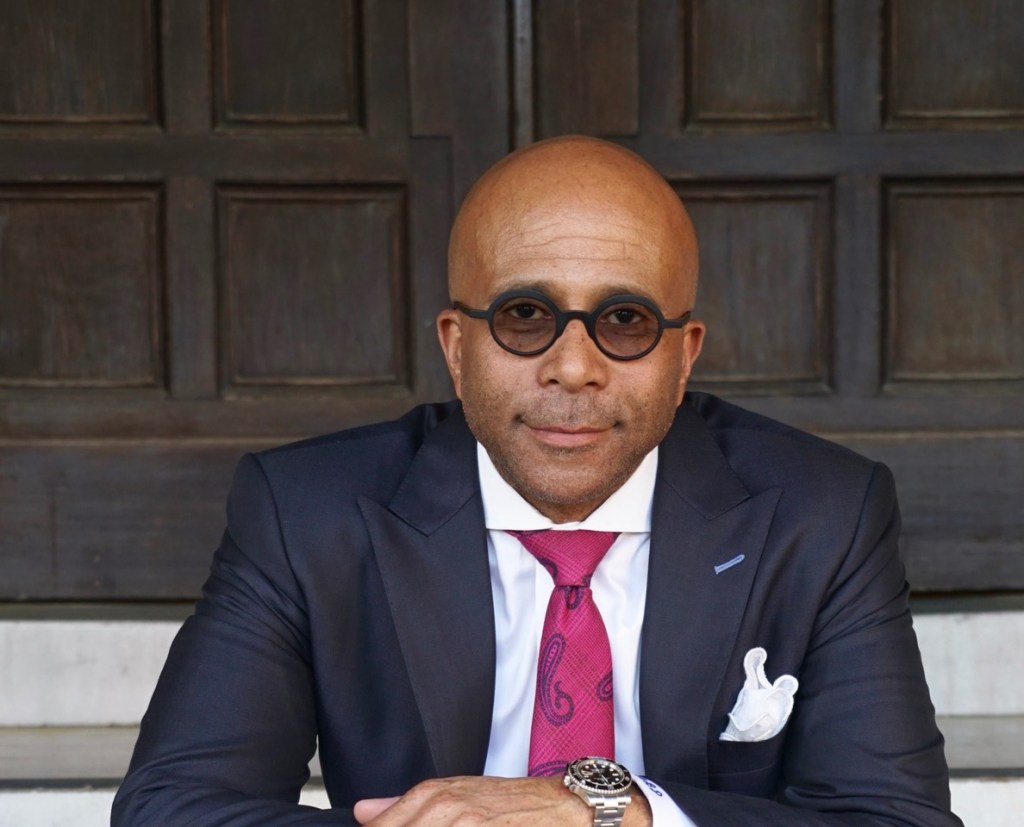
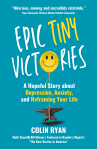
Welcome back Colin Ryan, author, storyteller, comedian and survivor of Bipolar 2, OCD and ADHD. Colin has written Epic Tiny Victories: A hopeful story about depression anxiety and reframing your life. It is hilarious, honest and poignant.

Colin describes in the book growing up Evangelical, purity culture and his deconstruction process.

Join us as we catch up on where Colin’s deconstruction journey is at. We discuss his mental health journey. Colin tells stories from the book.

Get Epic Tiny Victories today.

Links

http://www.epictinyvictories.com/

https://www.colinryanspeaks.com/

Chapters

00:00 Graceful Atheist Podcast Intro
01:36 Welcome back Colin Ryan
03:50 Deconstruction Journey since 2020
15:27 Epic Tiny Victories and we were all 11
29:44 Impact of therapy on Colin’s Life
47:49 Mental Health takes work
52:36 The book process and how to get ETV
64:40 Final thoughts on the episode
66:43 Secular Grace thought of the Week

Amazon Paid Links
As an Amazon Associate, I earn from qualifying purchases.

Amazon #CommissionsEarned: https://amzn.to/4thnu4J

Interact

Join the Deconversion Anonymous Facebook group!

Support the podcast
Patreon https://www.patreon.com/gracefulatheist
Paypal: paypal.me/gracefulatheist

Deconversion
https://gracefulatheist.com/2017/12/03/deconversion-how-to/

Secular Grace
https://gracefulatheist.com/2016/10/21/secular-grace/

Transcript

NOTE: This transcript is AI produced (otter.ai) and likely has many mistakes. It is provided as rough guide to the audio conversation.

this is the graceful atheist podcast welcome welcome welcome to the graceful atheist podcast my name is david and i am trying to be the graceful atheist i'm incredibly excited about my guest today my guest is colin ryan i consider him a friend he is an author a comedian a public speaker and he has written a book called epic tiny victories epic tiny victories is this true story of colin ryan's unlikely journey from an anxious asthmatic kid with depression to a national speaker comedian and storyteller who has made more than 1 million people laugh learn and feel less alone all while managing bipolar 2 ocd and adhd in colin's book he talks about the power of the divine and the power of the divine and the power of the divine growing up in an evangelical world the experience of purity culture deconstructing and all the while managing his mental health i mentioned in the interview that colin said to me once that you can tell any story as long as people know that you're okay colin has come through all of this and although he continues to manage his mental health he is able to share with others how they too can have epic tiny victories here is colin ryan colin ryan welcome back to the graceful atheist podcast nice to be back that's amazing uh you're an author storyteller you've been a comedian you've done financial literacy uh how do you describe yourself you're doing great i'll just let you keep going yeah i mean i would say that yes i'm a professional communicator in the sense that i've done a lot of studying and testing and work in different mediums of communication so i've written two books um i've been a public speaker about 15 years i did about five years of stand-up comedy i've been doing storytelling a long time and so these different modalities if you will are all ways that i can communicate with people and i've been doing storytelling for a long time i've been doing storytelling for a long time i've been doing storytelling for a long time i've been doing storytelling for a long time i've been doing storytelling for a long time i've been doing storytelling for a long time express concepts but also ways that i interact with life like they're just how i like to play with how do you say this best or this is a painful experience what if it could be funny you know or i'm in a big room of people what if i could say the thing that everyone's thinking but no one feels like is safe to acknowledge you know and so i'm very fortunate to have had a career where i i go around i speak i speak a lot on personal finance on mental health but in the those topics, what I'm always really trying to do is bring a lot of humanity and vulnerability. And so I think that as a man, as an adult, I feel very lucky that I get to, for example, go to a college audience and talk openly about the emotional side of life or show them respect, even though our age isn't the same, you know? And so I feel like I get to kind of lift people up and just like try to figure out the best way to tell the story. And I think that's, it's very hard to articulate. Yes. I'm not sure I succeeded, but that's kind of the gist of it. I was looking back at, it was 2020. Uh, November, uh, that you did your deconversion anonymous episode. You've been on a couple of other episodes with the whole gang, uh, doing stuff, but man, uh, that's a lot. That's a few years ago. Uh, how are things? Things are great. Yeah. That's so interesting. That was five, six years ago. I mean, that's, that's, that's really, I think about where I was at, at that moment. And I had heard about you and I had heard about how you did these anonymous interviews with people who were like X Christian X religious, whatever. And I am that, but I also was like, I don't know how to tell that story or what it means if I say that. And I had a lot of, put a lot of weight around that, that I no longer do because I like myself just fine. And that was part of the process of growing up. Christian was trying to figure out, well, do I have to have a new label or a new identity? And I think it was a beautiful thing that I could have this chance with you and I could just be like totally anonymous and tell my story safely. And that was something I always told people about your podcast was it's really, he gives you this chance to tell your, like, you want to share your story, but you're also a little nervous about, will people just see the name graceful atheist and like make some sort of snap judgment. And I don't know, that just didn't feel that important this time around. Yeah. Yeah. They're bigger fish to fry in the world than what label I may or may not use. Right. I understand. Yeah. Yeah. But at the time it was really, it was really meaningful to be able to share with you. And I just love the way you listen and validate all of our stories. And I still believe that leaving any tradition. Or. Or framework that you are steeped in from a young age is a huge act of courage. And it's, it's a moment of self-honesty, whatever. It's kind of a come what may journey. I mean, it really is like, feels like the, the, the, the stakes are really high. Yeah. And it was certainly part of me figuring out who I am was just wanting to take what worked from my religious childhood. And what I love about my. Life now as an, a fully self-directed adult with my own principles and, and, and way of seeing things and just kind of smoosh those together and, and try to be the best me. I mean, I love what you just said that it's, it's about self-honesty. Yeah. I really feel like I connect to that a lot, that it was, it was self-honesty that led me out of, of Christianity. And regardless of what labels you put on things afterwards. It's being honest with yourself, no longer lying to yourself. That is the big deal. Yeah. I mean, and, and, and what comes with that or what that brings up for me is that you're motivated to lie to yourself. Like you don't, you don't want to acknowledge, Oh, I'm having big questions that throw this whole thing into, into doubt. You know? I was, I think from the very first moment I had a, a, a challenge or a question where I thought this could actually be a real big issue with my faith as I understand it within my religious upbringing, which was evangelical Christian, uh, reformed Presbyterian. So pretty, pretty for realsies. Okay. Yeah. Calvinist, you know, um, fairly fundamentalist, uh, very doctrinally, you know, aligned, you know, you know, you know, you know, you know, you know, you know, you know, you know, you know, you know, you know, you know, you know, you know, you know, you know, you know, you know, you know, you know, you know, you know, you know, you know, you know, you know, you know, I was just this color outside the lines kid, you know, I, it's almost like the way I interact with ideas that I love is I like to challenge them and poke at them and look at them from all angles. And there were people are very important to me in my young life who just saw that as, as rebellion. Right. And, and I couldn't really articulate, I was like, I think this is me interacting with the stories of the, of the Jewish people. Yeah. Yeah. Yeah. Yeah. Bible and of church. Like I love stories and, you know, any, any Sunday when the pastor would tell a story, I would just like snap into focus, you know, cause I'm holding my children's Bible and inside of it, I have like a paperback book or something that I'm reading cause I'm totally bored. And then he would tell a story and I would be like, oh my gosh, I would just feel myself lean in to the storytelling, you know? And I just, I think that's the piece of faith that always really connected for me was like the, the stories of Jesus as this person wandering around, like giving speeches, people being like, not knowing what to do with him, you know, like, there was something about like the human side of all these characters that I was just so into and intrigued by. And I just didn't, I didn't feel like I needed to be super, um, what's the word like reverential or overly, you know what I mean? Like respectful where there's no messiness. I like the messiness. Right. Yeah. Yeah. I tell you, Colin, the thing that, that struck me when I first met you in the first interview is, uh, you, I had quoted you, uh, as saying that your, your first and only religion is inclusion. And then one other way you described it. And I don't remember what it was, but it was, it was, it was, it was, it was, it was, it was, it was, it was, it was, it was, it was, it was, it was, it was, it was, it was, it was, it was, it was, it was, it was, where the context was, but like, you know, if you're not in my circle, I'll make the circle bigger. And, and that has stayed with me, Colin, for all of those years, man, that is so beautiful. And I can see where that would not fit in to a fundamentalist way of thinking. Yeah. Wow. I don't even remember saying those things. And I, but I, I respond as though, Oh, I like that. Yeah. That does sound good. You know, that guy's, that guy's brilliant, man. I don't want, we'll go that far, but like the spirit of that, I do still really resonate with, and I did as a child. And so thank you for reflecting that back to me, because I think that even as a little kid, I had this very strange math that was going on in my head that wasn't validated by any of my, my sort of adult authorities in my life, which was like, I'm just for people. Like I'm for people. I tell me about you. I'm fascinated. I want to, how can I make you laugh? How can I learn from you? How can we like create something cool together? And it was not surprising, David, that when I noticed people being excluded or mistreated for any reason, I bristled. Like I, like my first reaction was I, it wasn't something I could name. I just was like, something about this. I do not like. And as I got older, I was able to say, Oh, well, you know, and I say in the context of the churches, I was in my experiences, I don't speak for any larger groups or anything. I wouldn't even presume to, but in my churches, I witnessed sexism. I witnessed homophobia. I witnessed, uh, shaming, uh, attitudes toward people. And it just didn't, it just didn't sit right. Like I wanted them to be in the circle too, you know? Right. And I didn't realize maybe at the time that that kind of made me on the very outside of the circle also. Cause I was like prepared to, it's weird to say it, but I was almost was like, well, I guess I'll be outside the circle then with you. Like if these are my options, even as a kid who wanted to fit in and wanted to belong, I still wanted to make sure that kid belonged to. And so it just created this tension, right. Of like, you know, every, I don't know, big group like that. They got to have their policies and their rules. And I just, those were not for me. You know, I was, I was people first. That's amazing. And you know, that is such a, an expression of, of secular grace, right. Without using the same terminology. And I just, I just think it's, it's very beautiful. I think when I, I think when I met you and started listening to the gracefully atheist podcast, what struck me was grace and this love and respect for people's stories. And so that's, that's why I'm back to support your work and to share my journey. And, you know, what's funny for me is a couple of years ago, I, found myself really needing community and I started going to a church and it was the weirdest possible experience after having worked so hard to honor my own values and, and paradigm and leave the churches that I had grown up in behind. And I didn't think I'd ever come back. And the truth is I came back because I wanted to be around people in a regular way. And I wanted to allow space for, you know, I wanted to be around people in a regular way. And I wanted to allow space for church to have evolved in ways that the ones I'd experienced hadn't. And wouldn't you know it, the church I went to, the pastor is a gay man. First, like he, I didn't know that he's standing there and starts preaching. And I'm just like, Oh, see, this isn't that hard. Just accept everybody. It's fine. We're all fine with it. We're all able to love and honor each other and not, you know, create all these very narrow, you know, um, disqualifying criteria. And so I think for me, I've always been a person who I love people more than anything else. And I think it's in that sense, it's kind of funny to be going back to a church. Like it doesn't, it doesn't really matter to me one way or another. I just want to be in spaces where people want to know how I'm doing and how I can listen to people and, and yeah. So I don't have like a, I'm definitely a misfit that way. I don't have an identity that goes with it, but I have a, interestingly enough, I have a relationship with church that has continued and is so different than anything I would have, I would have predicted, but I do, I've done it on my terms in a way that feels right to me. And I think there's, there's grace in there. And I think that's what I love about your work is us just taking the time to listen to each other's stories. And that, that leads us to, you know, what, what we're here today for, and that is your new book, Epic Tiny Victories. I, I wonder if I could limit you and ask for the elevator pitch first, and then we're going to delve into the deep end as we go. So, what would you describe the book as? Take a shot at it. Colin is an anxious religious kid with depression, and he's got divorced parents, and he grows up feeling very alone and sort of not sure of himself. And he finds his way into becoming a standup comedian, telling stories, standing on stage, like having a successful career. And he still has depression and anxiety. And there comes this point where he kind of realizes, if I don't figure out how to manage my mental health some way or another, it is going to manage me right into a place I don't want to be. Really a sense of really like a reckoning with the challenge of dealing with mental health, you know, when life is sad, but also when life is great and you're still struggling and don't know why. I could say maybe what you won't in that I think it's deeply funny. It's painfully honest. It is vulnerable in all the right ways. And I think one of the things that you taught me early on was that you can tell any story as long as the audience knows that you're okay. And we have the sense of... That, you know, you are the narrator of this story and that, you know, you are okay. But you go into very honest difficulties that you've been through, including some deep mental health problems. Yeah. Well, thank you for expressing it that way. It carries a lot of weight. And I appreciate you saying it. And I do think that that's kind of what I mean. I don't mean to say, oh, I'm so good at communicating. So I should write this book. I meant like, I'm kind of obsessed with humor in dark places and in finding vulnerability as a strength instead of as like a slip up or a confession. And I just was like, well, then that's how you write the book. Like, be unafraid to tell like the really some of the really hard moments that a person can have in their life. And then right in the worst part. Like, that's where the joke goes. Yes. That's awesome. And that's okay. And trust people to relate to it in their own way. And I am gratified to say that's what people have said is they see themselves in the story. And that's why I did it. You know, I'm not remarkable. I'm remarkable in the sense that I'm a human. And that is its own incredible, magical event. That... How do you... Explain, you know? Like, we all are that. We're all magic. But in terms of like, I'm not different. I just grew up in a certain way where I wrestled with depression and anxiety. And I could not figure out why. And no matter how dark things got, I would not give up. I just refused. I just... I was a fighter. And then in my adult life, no matter how good things got... There were still this like heaviness around the edges. And sometimes would just show up in the most unexpected moments. And I just felt like, what an honor to get to tell that story. To tell that very human story of the journey to just be okay. And to just like, hold your own hand. And love yourself. And believe in yourself. And fight for yourself. And... And... And... And... And... I mean, that's kind of an inspiration of the idea of an epic, tiny victory. I think the everyday stuff is epic. Yes. Absolutely. You know? Like, every person you've had on your podcast. I've listened to so many of these stories where it's like, it's remarkable. What they have navigated. What they've come through. You know? All of us are underdogs in certain ways. And I think I just love hearing... I think I just love hearing about how people kind of climb out of the valley. You know? Yeah. One of the stories that you return to, kind of in multiple points in the book, is a story when you were 11 years old. And you had kind of an embarrassing moment in a classroom. And a young girl stood up for you. Yeah. I'd like you to maybe tell that story. And then we'll unpack a little bit about why you came to this. And then we'll come back to that. Okay. Yeah. I mean, I was this kind of quirky, bold, dorky kid. And then I went to middle school. And it was like, the second that I got there, it's like, oh no. Hide. You know? Be invisible. Yeah. And that was such a powerful instinct for me. But I had no idea how to do that. And I tried very hard to be... I tried to be invisible. And I made it about three periods. And then the teacher gave us a questionnaire and said, I want everyone to fill out this questionnaire. I want to get to know you. And then I'm... And so I still trust adults. I trust adults at this point. And I am not apparently someone who listens to directions. So I just answer it with complete honesty. And we hand them in. And then she shuffles up the questionnaires. And she hands them back out to the class. And... And we go around and read, like, three answers from each kid's questionnaire. And I am just like, oh no. Oh no. Like, this is so bad. And this kid gets my answers. And I can't remember his name or even his face. But I remember he was really mean and popular. And, like, kind of an intimidating, you know, sixth grader. But, of course, you know, like, he was probably, like, a little taller than me and had, like, peach fuzz. Right. He seemed like a man, you know, to me. And he's reading my answers. And it's just... It's so bad. It was like, where would you go on a Friday night? And, you know, these kids had said, like, to the mall. And, you know, I'll smoke in and whatever they were saying. And then... And I had said... I was at rehearsals with my... With my local church's clown troupe, Clowns for Christ. You know, as you do. As you do. And it was just a moment where, like, when I wrote that on the questionnaire. And when they got shuffled back out, I thought, I'm on a train headed to disaster. Like, it's going to get said. And it gets said. And it, like, my whole body, I just shrink. I'm just crushed. I'm so embarrassed. I mean, everyone is howling, laughing. I mean, this is, like, the end of any social status. Day one. Like, it's... I'm starting at a major deficit here. And I want to stand up and yell out, I get it. Like, I will do whatever you think is cool. I will be whatever you think I should be. I will quit clowns. I will watch all the R-rated movies that you guys are watching. I will... I will, like, whatever. Just, I don't want to be special. I don't want to be different. I just want to be liked by you. And I didn't say that. And I just felt ashamed. And sat there silently. And that's when this voice from the back of the room rang out. Belonged to a student. Her name is Michelle Beaver. She was, like, two rows behind me. And I didn't know her well. She wasn't... She wasn't necessarily, like, the coolest kid in class. So she took a risk. But she stood up for me. And she said, These are his opinions, guys. Like, why are we doing this if we're just going to laugh at each other? And it just put a dent in the, like, humor of the moment. Like, it was, like, a bit of a gut check for people. And I'm not going to say, like, it changed everything. But people definitely backed off. And we went on to the next person. And I never forgot that moment. And I never forgot that Michelle, like, put herself on the line for me. And she stood up for me in a moment when I really, really was the outsider. Yeah. And I say in the story that, you know, this is the deal. Like, you can stand up for somebody when they need you. When they need you. And they will remember you as their hero for the rest of their life. And I was struck in my adult life by how that memory was still with me. And I ended up telling that story at a moth event in Burlington, Vermont, in front of about 1,000 people. And it was, like, there's a scoring component. It's called a Grand Slam. And so at the end, they pick a winner. And I didn't really care about that. To me, it was just brave enough to tell 1,000 people that I had been, in Clowns for Christ. Seriously. You know, even all these years later, still kind of painful to say out loud. Yeah. And it just really, people really resonated with the story. It ended up winning. And it ended up getting played on the Moth Radio Hour, which plays on National Public Radio. It got featured in a Reader's Digest Best Stories in America collection. I mean, it really, like, took off in this really, you know, surprising way for me at first, because it was like, oh, no. You know, now a million people know that I was in Christian Clowns. But what came next was also really special, which is that, you know, I got to see people resonate with this story. And at one point, I was doing a show, and I had told that story and went well. And I think afterwards, I became, I bumped into this woman and she said, I loved your story about Michelle and being a clown and all that. And I kind of said, you know, despite myself, like, I'm surprised people connect with that story. It's so specific to be a Christian clown. And, you know, and she said, Colin, we were all 11. Yes, we were. Yeah. And I was like, it was a really a paradigm shifting moment for me. Yeah. Yeah. Yeah. Yeah. Yeah. In a weird way, the more specific you are about your example of whatever happened to you, it's actually more relatable because people, they don't care about the specifics. They care about the emotions and the themes. And so you tell a story like that. You could, you could frame that a million different ways. It's just a story about a child who feels alone. Yeah. Yeah. And another person who is not special, is not a Marvel character, does not have like healing powers, right? Like Wolverine. And yet she was willing to stand up next to me and, and fight for me. And I think that that's just something very important. I think that I try to remember as a person is just to be honest about what's happening to you, because people are going to get it from their own lens. And they're going to appreciate that you were real. Absolutely. And they're going to appreciate that you like gave us the juicy details in my case. The other thing I'll add is that I, I've reached out to Michelle a couple of years ago and we reconnected and I got to send her the video of me telling this story and everybody cheering for this, this girl, Michelle, who stood up for this, you know, dorky little boy who needed it. And I think it just, it just really meant a lot to her. And, you know, it turned out she had been having a really hard growing up experience at that moment too, in ways I had no idea. And so for her to kind of be able to like look back and go, wow, I did this thing that like really mattered to somebody. And then other people really connected with that. And I just, that to me felt like maybe the coolest part of the whole thing was I get to go see, you didn't even remember that you did that, but that, that has moved a lot of people. Absolutely. I, I think that's why I wanted you to tell the story is like, you know, getting the opportunity to come back and connect with her. It's just amazing. And while all of us have been 11, Colin, not all of us have told the embarrassing stories about being 11, when the moth grand slam and be able to reconnect with our childhood friends. So well done there, sir. Thank you. Oh, oh, oh, oh, oh, oh, oh, oh, oh, oh, oh, oh, oh, oh, oh, we are going to skip over a lot of parts. The book is amazing. You are a world traveler. You lived in Scotland for awhile. You almost ran with the bulls in Pamplona. Yeah. Uh, you were a VBS star on as an actor, you did all kinds of things, but I want to get to the heart of the book, which is your mental health journey. Yeah. And maybe talk a little bit about the first time you connected with a therapist and what that did for you. Yeah. When I was in my late 20s, I found myself in a real bad spot. I had probably since around college and into my 20s, I'd started to experience really pronounced, profound depression, you know, and I could usually manage it. And I've always been a very silly, goofy person. I love to make jokes. I love to make people laugh. I light up around people. So I can always kind of hide it. Some people have said to me, like, I wouldn't have thought that you like you don't seem like the type of person who who can be struggle with that. And I think that, well, that's its own conversation. But I think it's like we're kidding ourselves if we think that everyone isn't doing their best, whatever that looks like. Right. Just struggling through, like just doing their best. Everybody's winging it. Right. Exactly. We're all fighting our battles and there is no one who has it easy. And I really think that for me, this was the stone on my back. I just it was really weighing me down. And it was creating a very small life. I became a person who I wanted to be creative. But I was terrified of rejection. I wanted to be brave. But I I was afraid of failing, of choosing the wrong thing, of of embarrassment. And I was just stuck. And I was working a job as a journalist and I started to experience really severe social anxiety. And so my job is I would call people and do phone interviews or do in-person interviews for articles. And I started trying to come up with ways to do it all via email. And I would be making. I would be making up excuses, you know, covering in all kinds of different ways for the fact that I was actually just so sad I couldn't leave the house and I couldn't imagine having a phone call. It was kind of like, you know, if you ever wanted to call a crush, like maybe in high school or middle school or something. And this happened to me. I remember dialing this girl's phone number. And then on the very last number, I would just hang up. I just, you know, over and over. Yeah. I remember. Yeah. Yeah. And it felt that way with like every conversation I needed to have. Like I would be gaming it out ahead to try to figure out how I wouldn't mess it up. And I would just I was so overwhelmed. And I started falling behind on my work. And of all people, one of the head staff people at the newspaper I worked for called me into his office and he he kind of took a look at me and said, are you are you depressed? And I was like, I didn't I don't think I was like didn't even make eye contact. I was really in a low spot. And he reached into his drawer and he pulled something out and he hands it to me. And it's a business card. It had a man's name on it, Sam. And it's a therapist. And the only reason that that. Being my first encounter with therapy. The only reason that's significant, unfortunately, really is because of the way I was raised internally. In terms of religion and also growing up in the late 80s and the 90s. And it's just like there was a lot of messaging around. You don't go to therapy because that means something's wrong with you. You're falling apart. You can't manage it. You can't stuff it down, you know. And, you know, some of that, I think, is is very. Maybe funny, like you think about the like Irish Catholic thing of just like. I'm just going to hold my emotions in. And then that's just, you know, and then and then you're just OK. So you just got this guy in the corner who's like. How's that working out for you? How's that working out? Exactly. But I think that with my Protestant tradition on my my mother's side, there was more of a explicit warning away from mental health and away from secular therapy. And. I just got to a point where. I had no other option. And I went and saw this guy, Sam, and I can I'll never forget. And I write this in the book probably better than I can say it here. But I will just say I'll never forget sitting in this tiny room. With a complete stranger and finally saying out loud. To someone else, things that I'd been thinking for years and being able to. Actually hear them in detail. And deal with them just a little bit. And so like saying things out loud, like I think I'm really messed up and something's wrong with me and I don't think I can keep going like this. And and to just have this man go. OK. What else? OK. Huh. Why? Why? Tell me more. Just. And the thing that I remember, Dave, is I was like, I can't phase this guy. Yeah. Like I'm I'm laying out some darkness here. Yeah. I just like. All right. Like he seemed a little bit. Misaligned with the drama of the weight of what I was going through. And it took me a long time to realize that. He was already teaching me. He was showing me that when you have those thoughts. You don't have to match their energy. They can just be thoughts. And. It's. Wild when you realize that you can say to yourself. And mental health is is an arena where this happens or we we have these thoughts that we tell ourselves like I'm really messed up. No one will ever. Accept me. I'm always going to be this way. And. You can notice it and you can go. OK. It's all right. Let's take a walk. You know, you can you can be that Sam, if you will. For yourself. And. I remember sitting with Sam and within like. The first hour. I thought this is going to save my life. Amazing. And it did. And and I. You know, I said, I know I need to learn how to do this. OK. Thing to myself. So like just be even and safe and loving strong for myself. And. And I did. And it only took. 15 years and thousands of dollars in therapy and. Several medications and. A lot of life lessons. It's easy really is what I'm getting at. Yeah. But but at the end of that process and probably even from the beginning of that process, what I was becoming is what I like to call a successful depressive. Just for lack of a better way of explaining it. I am not successful. I am not somebody who. Has it all together. I'm not somebody who doesn't. Have. Low low moments. But. I have learned how to manage them. I've learned how to be my own friend. In those moments. And I've learned what works for me to help me. Get out of those. Those valleys. And so I look at my relationship to depression as. Not. Do I never have it? I don't look at that. I don't look at that way at all. I see success as. Am I able to go into it and then come out of it. In a relatively. Brief amount of time. And so that's actually how I look at it. I look at it now is like I can get really, really down. For about three, four days. Okay. Like that's it. I can't. I can't sustain it beyond that because I have these other habits. In place and I just know how to love myself out of that. Out of that life. Out of that low spot. And. That's why I kind of wanted to write the book was like. You know, encouraging people to figure out what are your things? What are your. Your foundation. That you can put together. I really think a big part of this is having friends. Relationships where you can be just genuine and vulnerable. Yeah. And so who is the person you can text when you really. Really are being like. Hard on yourself. That's. That's a good number to have. Yeah. Absolutely. Right. And so it's like, that's a tool. That's part of how you do it is you've got. You've got somebody in your life where you can say, Hey. I don't even feel comfortable doing a phone call right now. Can I just text you for a minute? And what I've come to believe. I think you would agree is like. I want to be that other person. That's what I want to be. That's what I want to be. That's what I want to be. That's what I want to be. That's what I want to be. That's what I want to be. That's what I want to be. That's what I want to be. That's what I want to be. I want to be that other person that somebody would text in that lowest moment. Yes. So I kind of just have, have taught myself that that is true of. Most people, unless they prove otherwise, is that they actually would love to help. And be leaned on if I'm willing to ask for it. Wow. So many things I want to, I want to respond to there. Number one. Yeah. I've talked a lot in the, the deconversion. Context of needing that one person. Yeah. Who you can just go and, and, and talk to them and be truly yourself and not have to worry about them trying to protect your faith or your lack of faith or what have you. Right? Like having that one person is so, so important. And then the other thing that I think is so beautiful about the book, Epic Tiny Victories is you, you know, go through your life where you've learned. Yeah. So about 10 songs. Yeah. Right. That are, that are pre-ography, so they've started those episodes more widely throughout the world. And not, it's very clear balanced lifespan and the way that they're built. But in 150 years or so. It's also, and, and we're, we're sitting here, putting it in some science. Cr meetings, you know, with the audience, brings your power and Então, you know, even more directly to the family, right. And that's in the first half. Of Cam än Ngân. there's kind of a funny layer to that when i was a kid i watched the movie braveheart i was probably like way too young it's like very like people get their heads chopped off and everything but but what i really took from that movie was the epic soundtrack and the the heroism and the honor and the nobility you know and i wanted to be brave like that i wanted to be heroic even in a normal way you know i just wanted to be courageous and i think as a person who was afraid of failure afraid of rejection or afraid of embarrassment like i got to know intimately this moment when i would almost take a risk and then i wouldn't and like i said in my late 20s around the time that my depression was really taking over my life i was also living a very small fearful life you know i i was trying to write a book and i couldn't share it with anybody because i was terrified what that it wouldn't be good enough and so i mean to me that actually that's kind of a perfect picture i'm spending i'm working in office and i'm spending every minute i'm not at work writing something that i don't have the guts to even let my friends read let alone submit so i'm i'm not going anywhere like just objectively and so i assessed myself with a courage problem and i was lucky lucky i cannot believe how significant this was by accident i was in uh i was going to a small church community and like around this time and after the service i remember i overheard a guy who's telling somebody else he said yeah i signed up for this comedy class at the flynn center uh flynn theater in burlington vermont and uh teen nerd at the flynn meet my mom she'd stick a finger in my eye on my eye like your thick can't see my face he would keep ignoring whining and pansing and i'm like because i'm sense of need and getting out of the park i was learned how important my parents love comedy so i wanted to um get an equipment for some of my friends i was super nervous and i think i was a bit so sad that day and even i was peppered it was devil's day i alive a little he was like hey god how many of you know thoseics have today but i don't know what they do and i couldn't hire people over those last several months that i had to find the parts out of that room i've only two or three ways to do something, but it was very clear. I was like, if you don't do this now, you're never going to do this. There's something about this that is intriguing to you. And it's not, if not now it's never. And so I signed up for that class and I walked into that room. Like I was walking to my death. I could not believe that I had chosen to be in this extremely vulnerable environment of standing in front of people. And there's something so like full body cringe about turning to an audience and pretending you're like being a comedian and then saying a joke. And then they don't laugh. It's like, it's, I mean, right. It's like, yeah, it's a nightmare to describe. And this was dawning on me, you know, more and more vividly. And then they called my name and they said, everyone had to get up. And do a couple minutes of jokes. And I got up there and I wasn't very good, but at some point I got a laugh and it was like tectonic plates rearranging themselves. I mean, it was just a moment where I thought, Whoa, wait, wait, I could, I could actually, I could figure this out potentially. But even as I went, sat in my seat, what struck me even more was like, I just did the thing that scared me possibly the most. And I walked all the way from my car to my seat, from my seat to the stage. I did the minutes. I sat down, like I made myself do all that. And in a weird way, I felt like this is kind of heroic, like in a normal way, you know, I didn't fight a war. I didn't slay a dragon. I didn't save a kingdom, you know? But I picked the thing that scared me and I leaned into it instead of ran away from it. And honestly, I've tried to live my life that way ever since, because there was something very clarifying about that. And so I like to give people advice. I think that confidence is something you can earn for yourself. And it is, there's, there's math to it and you're not going to like the math. Cause it's pretty simple, right? It's like, if a thing scares you, go do it. And, and I know that doesn't make it easier and it doesn't. And that's the, that's the important part is the only thing that makes it easier is you actually doing it. And so I like to tell people, if you need a hack or a trick to make it make sense in your mind, just do it for a minute. Just do like one horrifyingly scary minute, right? Walk across the room and, and ask out your crush, right? Or go to a job interview or write a book and, or write an essay and put it online or whatever to go to a standup comedy open mic. And that's really scary and can be really rewarding. And for me, that just kind of became the deal is every minute that I would do standup comedy, I became a minute. Less afraid. It was like, I was like reducing that, that, that monster of fear in my life. And then at a certain point, you kind of get your momentum going. It starts to become fun. And so for me, I did open mics. I started doing comedy shows. I recorded like enough content for an album. And then I got a opportunity to apply for a job as a public speaker. And I had just enough confidence stored away from this little comedy adventure to say yes to that. And so that's kind of become the formula for me now is like, if something is scary, you know, if you can lean in. One of the things that struck me reading it is, you know, you talk very vulnerably about the internal monologue, the internal heckler, the internal critic, and these epic tiny victories, these little almost hacks that you have of talking a positive talk to yourself are, are things that helped you deal with and, and learn to live with the depression and various other mental health. So one minute less fearful was one of them. And there were others that, you know, you were able to just love yourself, right? Like to talk to yourself, your way out of some of these, some of these things. Yeah. And I do want to say too, that mental health is very different for each of us. And so for me, you know, I also recommend therapy. I also recommend medication. I recommend you figure out, treat it as a science experiment and really try to figure out what it is that you need. So I, this is not me saying be brave and that's it. Sure. Thank you for saying that. I mean, that's, that's basically the seventies. I like to think we've come somewhere forward from that period. And so I just, you know, for me and, and my therapy journey helped me understand that I actually have a OCD and bipolar two. And so these things express themselves as depression and anxiety. A lot of these things kind of show up in that overthinking or that very heavy, low depressive experience. These are very common. And so that's why I chose to write about them in the book is that we all either know these experiences for himself, or we know someone who, who wrestles. Yeah. And I wanted to name those things in a very human normalizing way. You know, I think one of the big discoveries for me is that depression is normal. It's like, this is something I have to catch up with. I have to catch myself, David is, is, you know, cause in my relationship with my wife, you know, this is still a thing that happens. And when I do get depressed, I have to catch myself from being like, it's okay. It's okay. It's just a little, it's low, low level. Everything's fine. Like I'm apologizing for it. Right. When my partner loves me and just wants to be present for me is perfectly fine with me saying, you know what? I am depressed right now. I'm working on it. Okay. You know? And I think that's, that's kind of the big epiphany of it all is that, well, look, I say this in the opening of the book to, to be very clear about this. If you are feeling challenged around your mental health, uh, you are not broken. You are not alone. There's nothing wrong with you. Yeah. There's nothing wrong with you. And I like to think that you will find your way to a better mix that feels a little more manageable, where you can be a little more transparent, a little more functional and that's it. And so I, you know, I'm, I became a person who I've done speeches for huge audiences and I've had my face on the big screen while I give a talk and I've signed books, you know, I've had these moments that, that seem quite, like, Oh, that must be a nice life. And I have all the other moments too. And so I think that that to me is maybe where I want to kind of offer something to really to anybody, to the world, to the, to the listeners of this, you know, to, to the readers of the book is like, you're not broken. You're not alone. We need you. Like, how, how can you help yourself? How can we help? Each other to like, get ourselves into a place where we can share our story and speak our truth and fight for the person in our life who is down and needs somebody to stand next to them, you know, be, be a hero for someone else. I think that's, that's, that's kind of what I have landed on is like, we're already there. We're already like where we need to be. We're closer than we think. We just got to lean into, to this moment and lean on people around us. I want to talk just briefly about the writing of the book, the process itself. My biggest compliment to you is that you were showing and not telling. I was literally yelling at the book, like, this is bipolar. This is bipolar. And you reveal that near the end. I hope I haven't given away too many secrets. No. So well done. In showing, you know, your experience through the storytelling. I thought that was, that was really well, really well done. Thank you. It, it's a, so I'm obsessed with storytelling as an art form, but also as like a kind of a practice for knowing yourself better. And the, the basic formula for it is what's a moment that really stands out in your memory. And I think that's what's so important. So I'm going to go ahead and start with the story as being significant. Okay. Got it. Great. Now, instead of just focusing on. Why was it the war like so hard? Why was it such a overwhelming, painful experience? If it's that kind of experience, maybe the question is how was I growing and changing during that moment? Right? So that's now that's a story. It's not just you're slogging along and life sucks. It's like, no, yeah, life sucks, but look how determined this character is to not give up as things get worse and worse and, and look what they leaned on in themselves to grow and to change. Right. And so I say that because I think each one of us is a character in our own story. And it's actually kind of fun when you think of yourself as a character in a story. And one of the things that was important to me with this book was that I wanted to, to stay true to, well, how does the character experience it in the moment? Like, I know, I know a lot more now, but you know, there's a chapter in the book where I'm in fourth grade and I'm at a spelling bee and the day doesn't go the way I hoped. And I cannot tell you how delightful it was to really lock into, okay, I'm nine years old, 10 years old, whatever. Like I only know nine years. Yeah. Yes. You know, and that was really, really fun. And to your point about my realization that I have bipolar two, that is something that is revealed later in the book, but it's also on the back of the book. So it's not meant to be like a spoiler. Really the only spoiler is I wrote a book about mental health. You don't have to worry like it, you know, it's going to get bad, but it worked out for this guy. And so I know what you're referring to. There was a moment in my twenties where I experienced unbelievable insomnia. I just swung from depression to insomnia and I was awake for like a couple of weeks. And, um, and so I put that in the book as like a wink, wink, like that'll make sense later. Yeah. But at the time it didn't, you know, at the time I just thought, man, I don't know. I don't know what's going on here. So, you know, that's bipolar two, by the way, is the kind of less well-known version of bipolar disorder. It's much less severe, but it does also involve mood, uh, mood swings where you go from you really sleep is really the whole deal with bipolar twos, learning how to manage your sleep. And yeah, so there were moments in throughout my life where I just wanted to, as you say, show it, not tell it like, just, just come with me on this journey and it'll, it'll start to snap into focus as we get further along. And that's quite lovely to inhabit the moment in time in your life and, you know, not be the, the adult that you are now, uh, you know, retrofitting, uh, information, uh, into that, that moment. So yeah, that's, that's beautiful. The other thing that I just really related to is you talked about, uh, completing the book and, you know, that maybe that was a dangerous moment for, for mental health as well. And having kind of a sudden realization that, you know, I'm not going to be able to do that. I'm going to be able to do that. I'm going to be able to do that. I'm going to be able to do that. I'm going to be able to do that. I'm going to It's not that people were ignoring it. It was that people didn't know it existed at all. And man, can I relate from being a podcast person? I think anybody who's ever created anything ever can really, really relate to that. You, you pour your heart and soul into something. And it's not that people see it or hear it and reject it. It's that they don't even know it exists, you know? So talk, maybe it's just a little bit about the process of getting the book out there and getting people to know about it. Well, yeah. And that's, you know, I'm glad you, I'm glad you pointed that out because the central idea from the book is what I call reframing. And so it's looking at a moment and saying, okay, here's my default. I'm suffering. This didn't go the way I wanted. I put all this work out into the world and no one cares. That's the default story, storyteller narrative. But what's more interesting is to go, well, is that how I really, want to see this moment? Is that really what I believe? Or is that just kind of my insecurity talking or my, you know, despair? I wrote all this and no one, no one cares. That was the thought I had after I finished my first book. And I was like, you know what? I think the more honest, more obviously true interpretation is no one knows. And so that even that just changed the energy. Hmm. It's that they don't know and everyone's busy and it is hard to find your audience and it is hard for your work to like reach the people you want it to reach. And it just is. And maybe that's okay. And I cannot tell you how that has served me this time around because, you know, this time around I finished, this is my second book and I went into it very open-eyed about this next part is going to be hard. Yeah. Because you haven't quantified what you expect. So whatever book sales you get, you're going to wish it was more. Right. And you, you've never decided how many Amazon reviews you want or, you know, bookshop.org reviews, but you're going to want more than you get. And what I've had to really do is slow down and go, what's in my control? Like, what do I actually want to declare? How do I declare victory instead of this was pointless? And look, I'm talking to myself right now because this is, this is the work. Like I put this book out there and you know, everybody's like, I wish I want the whole, I want people to be walking around, like walk by me reading my book. Like, of course, like I put all this work and I want to share it. And what I have landed. On is when somebody writes to you and says that mattered to me, that really spoke to me. I, I, I really loved it. And you gotta be like, that's enough. And Hey, let's, let's play the game a little further. Maybe you don't even get that because not because they don't feel that way. Cause if you didn't ask or they didn't tell you, it just, it just lost in translation. How about this? You got to make a thing. You got to spend time making a thing that just like you loved making it. And that, that's the piece I've really like leaned on this second time through with a book is like, no matter what happens, I got to spend almost, I think a little bit over two years writing a book where I was like proud of every word. And. I thought a lot about some of the stories were like these. Dragons I had to fight, you know, some of them just poured out onto the page and they were perfect. And then other chapters were like, I defy you, Colin, you know, I'm twice as long as I need to be deal with that, you know, and, and all of these challenges and, and I really enjoyed it. I really enjoyed the, the, the project. And so that's what I would say is. This idea, it's in the subtitle of the book, you know, it's a hopeful memoir about depression, anxiety, and reframing your life. And I would say we are all capable of reframing our life and saying, I know how I feel about this. I know what I'm telling myself, but is there another version that might also be true that I could focus on a little more? And I think that's where you start to really like listen to your own voice and start to hear yourself. Say things like, you know what? I got to do that. And my sister read it and she loved it. You know, I got a chapter about my early on about our grandmother, who is this iconic five foot tall British woman who would show up on our lives. I kind of like a Mary Poppins character, but like, but she swore more, you know? Yeah. I love her already. I know. She was one of the greats. And she, you know, writing about her is so meaningful to me. But then my sister called me. She left me like a voice message of how beautiful it was and how it reminded her memories of our gran and her connection and reliving that. And so I think it's that. It's realizing that what you do is going to have an impact on somebody else. That's epic. Absolutely. I think that's maybe the best advice to any artist ever is make art. That you want to consume. You may have even said it, that you were writing the book that you would have wanted to read that kind of thing. Yeah. Colin, I want to give you a chance to plug the book. How can people find it? Let's make sure that they get access to it. So where is it available? Yeah. So my book is available. Basically type in Colin Ryan, epic, tiny victories. You'll find it on lots of different sites. You'll find it on lots of different platforms. If you go to epic, tiny victories.com, I have pictures from the book. You can read the first chapter for free. And then it's available on all the different platforms that you might. If there are any platforms you don't want to support right now, I get it. I've got other platforms you can feel good about. And so, you know, it's my honor to share the book that way. And I've got some funny photos from along my journey. You did mention. I was a vacation Bible school star movie star for a week. And those photos alone are worth the price of admission. Can confirm. Yeah. Can confirm. It's just, I'm very proud to say like, there's some stories in there that are going to really make you just laugh. And there are going to be stories in there that are going to make you really feel big things and feel connected. And that's why I wrote it. Colin Ryan. Thank you so much for being on the podcast. Thank you, David. Final thoughts on the episode. I love it. When someone independently comes up with ideas that are very similar to secular grace. And I think Collins, his first religion is inclusion and opening the circle. To include everyone around him really encapsulates that it's a beautiful expression of secular grace without using those terms. I loved reading the stories that Colin wrote about and then getting to talk to him about it. They are hysterical. They are vulnerable and honest in a way that is very rare. And that is my cup of tea. That is what I love about Colin the most. I also want to point out that as I did the edit. I could hear that maybe I was minimizing and I want to just reemphasize that Colin points out how much work, how much time, how much effort it took to live with the mental health experience that he had. So I don't want to minimize in any way that was difficult. It took therapy. It took medication. It took a lot of work on Colin's part. So let's learn from Colin on how we can work through our mental health experience as well. Another thing that I wanted to talk about is the fact that I'm a Christian. I'm a Christian. I'm not like everyone else. It's a really complex and complex thing. It's a really complex issue that is common, but different from the rest of the rest of the world. And I think one of the things that I loved about what Colin was saying was that you're basically a science experiment of one figuring out what works for you will be unique and different from everyone else. So you won't be exactly like Colin, nor will you be like your neighbor or roommate. Although you are not alone in your mental health journey, you are a science experiment of one. There will be links in the show notes for purchasing. I think, I'm sure it's something that you can find out about yourself. Epic Tiny Victories. Obviously, you can get that wherever books are sold. I encourage you to get the book itself. It is hysterical and wonderful. Thank you, Colin, for sharing and being vulnerable and honest and giving us a chance to have epic tiny victories. The secular grace thought of the week is you're not broken, you're human. That has been an ongoing theme of the podcast from the get-go, but this is a great opportunity to say that mental health is a part of that. There are some faith traditions that look down upon therapy or acknowledging mental health. That has been destructive for people for years. Allowing yourself to recognize your mental health challenges is the first step in living with those mental health challenges in a healthy human way. You are not broken. You are just human. Grab someone you love and tell them how much you love them. Until next time, my name is David and I am trying to be the Graceful Atheist. Join me and be graceful human beings. If you want to get in touch with me to be a guest on the show,

You’re Worth the Work.

Atheism, Deconversion, Secular Grace, Secular Therapy, Uncategorized

May is Mental Health Awareness Month in the US and one thing that suffers greatly under religion is our mental health.

I spent years believing that my mind was filled with demons. As soon as I stopped praying, the demons left. Almost like they were never real.

One doesn’t have to believe in demons to be manipulated and harmed by religion. Here are some online resources that have helped me and others. They’re resources for anyone who’s left religion, whether you’re “spiritual but not religious” or an atheist.

Take care of yourself. You’re worth the work. 

Online Resources

Graceful Atheist Podcast Episodes

Therapists

Personal Experiences

Whether you’re still a believer or you’ve moved far from your fundamentalist roots, mental health is important. When you need help, seek out help. 

Having a community also makes a difference. If you’re in need of community, consider joining the Deconversion Anonymous private Facebook group. It isn’t professional therapy, but knowing you aren’t alone can go a long way.

Arline

No More Fundamentalism, a manifesto for myself

Blog Posts, Humanism, Secular Grace

This is a manifesto, mostly written for myself, but perhaps it may help you.

The temptation is strong. Fight it!

Coming out of Christian fundamentalism, there is a temptation to jump right to the next fundamentalism. Angry Atheist is the first one that springs to mind, but there are others. Once you are used to having a community that tells you what to think, it is difficult to move away from that and do more of the thinking for yourself.

And that’s the thing. You have to think for yourself, or you may end up committing to yet another ideology that betrays you.

You don’t have to fight Christianity; it doesn’t need to be a war.

No idea is untouchable

Avoid living in a way where some rules or ideas are untouchable. You do or believe things because the group says you do them, but you haven’t dug into exactly why these things are done or believed.

Be curious. Seek to understand. Follow your doubts. Doubt your doubts. But do it all rationally.

Think for yourself as much as you can

Avoid the temptation to follow a group because it’s easier than figuring things out on your own.

Do learn and process things in a community–where you can–but be mindful about it.

People are more important than ideas

Learn to connect to your fellow humans for their own sake. Everyone has a story, some might even share with you. Everyone can benefit from a listening ear. People aren’t “projects and objects.” They’re people (hat tip to Matt, in his episode). People from your former faith are still people, our fellow humans.

This isn’t an exhaustive list. In short: I don’t want to go back to being a fundamentalist.

What Is Guilt For?

Blog Posts

Guilt: that racking, nagging and debilitating sense that you should have done better, been better, that you messed up again. What’s it for? What good is it?

Recently I’ve written about dealing with the past. It’s something I and many others have to confront when coming out of something like evangelical Christianity. One of the biggest issues I’ve had to face is my own sense of guilt: guilt over evangelizing others, condemning gay people, teaching my kids they could burn in Hell for eternity. Yikes.

So again, what is guilt for? What does feeling bad get us? Why do we run ourselves through the wringer like this?

We can’t change the past; it’s not like we can hop in our Delorean, hit 88mph, and go back to fix our mistakes.

We can, however, affect the present, but guilt isn’t action. It isn’t the same as doing something about whatever you’re feeling guilty about.

Is guilt supposed to make you feel like you’re doing something about the problem? Is it supposed to make you compliant with authorities like family, church or society? Is it a way of showing someone you’ve harmed that you care about making it right?

Maybe it’s all those things, but the best I can dredge up is that guilt is usually like a pastor who only ever uses fear as a tactic. You may get some motivation in the short term, but it wears you out. You can’t keep it up over the long haul.

But what if you could do better without depending on guilt for motivation? What if you could be kinder and more gracious without feeling bad about what you’ve done? Or at least obsessively, persistently feeling bad?

My point is this: guilt seems to be optional. It’s probably even harmful and less effective than alternatives, at least most of the time.

So what?

Well, to start with, don’t expect to stop feeling guilty overnight. It takes time.

Also, don’t feel guilty for feeling guilty. (Ain’t the mind a funny thing?)

But do consider whether you should give yourself permission to skip the guilt altogether. Treat yourself with compassion, look ahead to who you want to be, and keep walking!

Jimmy

Three Yous

Blog Posts, Deconstruction, Deconversion, Secular Grace, Thought Experiments

Imagine a genie walks (floats? sidles?) up to you and says, “See that guy over there? Yeah, the 80-year-old that looks like he’s having a great time. If you say yes, I’ll make him sad and lonely, riddled with guilt, obsessing over the past. So, shall we?” How would you react?

Assuming you react with disgust or shock, why is that? Seems obvious: It would be awful to do that to someone.

Or try this: someone walks up to you on a playground and says, “See that mom over there? She used to yell at her kids, like super angry stuff. You should go over there and tell her to undo it.”

That’s also inhumane, but why? Again, seems obvious: she can’t do anthing about it. Plus, she’s doing better now. It’ll do a lot of harm, and what good would it do?

Now imagine the 80-year-old guy is your future self, or the mom is your past self. We do those things to ourselves all the time. We beat ourselves up over the past, even though we’re doing better. We shortchange ourselves now, laying the foundation for sadness and loneliness in the future.

For that reason, I like to think of myself as three different people: past Jimmy, Jimmy, and future Jimmy.

With past Jimmy, I try to be kind. An arm-over-the-shoulder, kindly uncle to my past self. Sure, past Jimmy screwed up, but he knows it, and he’s working to do better. Plus, you see how much progress he’s made? Cut him some slack, present Jimmy!

With future Jimmy, I try to be kind. I invest in friendships, knowing that friendship is key to human flourishing. I try to do healthy things, knowing that future Jimmy is the one who’s going to pay for today.

In the end, all we have is right now. The past is unchangeable and the future is unknowable.

I like how James Clear put it, though he’s coming from a self-help perspective:

Be forgiving with your past self.
Be strict with your present self.
Be flexible with your future self.

Being forgiving with your past self sounds pretty healthy to me.

– Jimmy

PS – I literally speak in the third person about past and future Jimmys. (Jimmies?) Try it! it’s weirdly helpful.

Michelle: A Loving Unequally Yoked Relationship

20 Questions With a Believer, Deconstruction, Deconversion, Podcast, Secular Grace, Unequally yoked
Sneha ss, CC BY-SA 4.0, via Wikimedia Commons
Click to play episode on anchor.fm
Listen on Apple Podcasts

My guest this week is my wife, Michelle. Though I have deconverted from Christianity, Michelle is very much a dedicated Christian. We still love each other and we are making it work in an “unequally yoked” relationship. We have an honest conversation about how we got to now and how we go forward in the future.

When you told me ….
It was the first time when I felt like “we are real” and I am seeing what is really going on inside of you.
And that felt, in spite of all the bad stuff that was there, that at least felt good.

Michelle does work that is social work adjacent. She is a better practicing humanist than I am. I admire her for who she is as a person. I admire her for the work she does. And, yes, I admire her for her faith.

We sit down at our kitchen table for an honesty contest. You can hear the love, but you can also hear the tension and the hurt. We discuss how we met, how we have “deconstructed” over the years, when I told her I could no longer believe, and how we are making it work “unequally yoked.”

Almost from a week in from the point that you told me,
I was released to have my own relationship and faith and to dig as hard as I wanted to and as deep as I wanted to and not be holding back …
So that significantly changed and I felt free.

In this episode, we respond to listener questions about our loving relationship when one of us believes and the other does not. Send in your questions for a potential future episode with Michelle and me.

Links

Unequally Yoked verse 2 Corinthians 6:14 – 15
https://www.bible.com/bible/107/2CO.6.14-15.NET

Recovery From Religion has a resource page with a section entitled: Spouses/ Partners With Mixed Belief Systems (from a secular perspective)
https://www.recoveringfromreligion.org/religious-resources

Unequally Yoked (from the Christian perspective)
https://thriveglobal.com/stories/what-does-it-mean-to-be-unequally-yoked/

Interact

Chosen Family Grace
https://gracefulatheist.wordpress.com/2020/11/14/chosen-family-grace/

Michelle and I discuss her listening to the Sarah: Believing Spouse of an Atheist Deconvert episode
https://gracefulatheist.wordpress.com/2019/12/12/sarah-believing-spouse-of-an-atheist-deconvert/

Send in a voice message

Podchaser - Graceful Atheist Podcast

Support the podcast
Patreon https://www.patreon.com/gracefulatheist
Paypal: paypal.me/gracefulatheist

Attribution

Photo: Sneha ss, CC BY-SA 4.0 https://creativecommons.org/licenses/by-sa/4.0, via Wikimedia Commons

“Waves” track written and produced by Makaih Beats

Colin: Deconversion Anonymous

Comedy, Deconstruction, Deconversion, Deconversion Anonymous, Podcast, Religious Trauma, Secular Grace
Click to play episode on anchor.fm
Listen on Apple Podcasts

This week’s show is a Deconversion Anonymous episode.

I have become the person I always wanted to be.

My guest this week is Colin. Colin absorbed his mother’s Evangelical Christianity. He has mostly good memories of the people in church. He bounced from his mother’s to his father’s families never quite fitting in. He hung on to his Christianity long after he recognized it no longer brought him “positive results” out of fear of losing everything: salvation, community and identity.

My first and only real religion is inclusion.

Colin’s doubts began young with a dynamic Sunday school teacher who was not allowed to preach in church and a gay uncle he was not supposed to approve of. Colin recognized that love demands inclusion. He felt it was his moral obligation to be inclusive.

That to me is love, for lack of a better word. I was being totally authentic and I was being totally accepted.

In his late twenties, in therapy, he experienced true acceptance. Even while he was explaining to his therapist he was still a virgin, having been a part of the purity culture of the ’90s.

I found unconditional acceptance immediately outside of religion whereas I often found highly conditional acceptance within it. Imagine my surprise!

Colin’s story takes a dramatic turn of self-discovery. He discovers himself and discovers his voice. He then experienced more acceptance telling his story of recovering from growing up Evangelical to non-christian audiences. Colin tells his story with rawness, honesty and a great deal of humor.

Interact

Deconversion
https://gracefulatheist.wordpress.com/deconversion/

Colin mentions a post I wrote on apologetcis: What If I Grant That
https://gracefulatheist.wordpress.com/2016/11/26/what-if-i-grant-you-that/

Colin mentions my friend Bryce interviewing me
https://gracefulatheist.wordpress.com/2020/06/26/bryce-harrington-interviews-the-graceful-atheist/

Full show notes
https://gracefulatheist.wordpress.com/2020/11/29/colin-deconversion-anonymous/

Send in a voice message

Support the podcast
Patreon https://www.patreon.com/gracefulatheist
Paypal: paypal.me/gracefulatheist

Attribution

“Waves” track written and produced by Makaih Beats

I Was Mistaken

Critique of Apologetics, Deconstruction, Deconversion, Secular Grace

I was mistaken.

That is it really. After the books have been read, after the arguments have been considered, and after the process of deconversion has run its course. This is my conclusion regarding my former faith. Rather than arguing over philosophy, history, meta-physics and ethics, I just need to tell you one thing:

I was mistaken.

I believed the Bible was Truth with a capital T.
I believed miracles happened.
I believed that Jesus was the Way the Truth and the Life and the only way to the Father.
I believed the Crucifixion and the Resurrection atoned for my sins and gave me Living Water.
I believed that God … was.

I was mistaken.

Years after deconversion and after much study I now have words to describe what was going on in my head when I believed: attribution, community knowledge, confirmation bias, cognitive dissonance. But really, it is much simpler and clearer to say:

I was mistaken.

The honesty, the humility, the relief, and the release I feel when I say the words:

I was mistaken.

Deconversion is the ultimate repentance.

I was mistaken.

Is it possible that others have been mistaken too? I suspect I am not alone.

I was mistaken and so can you.

Chosen Family Grace

Secular Grace, Secular Humanist Graces

We are friends, We are family, We are chosen family.

We are gathered together to show our love for one another.

The act of eating this meal binds us together.

We are grateful both For and To each other.

Here at this table we can be our authentic selves. We commit to honesty, humility and love to one another during this meal.

We may laugh together, We may cry together, We may tell our stories, We may argue but we are one.

This eating together is an act of joy, it is an act of hope, it is an act of gratitude, it is an act of love.

We are friends, We are family, We are chosen family.

This post is a part of the Secular Humanist Graces.

Photo by cottonbro on Pexels.com
Photo by Askar Abayev on Pexels.com

Dr. Anthony Pinn: Humanism and Race

Atheism, Authors, Book Review, Communities of Unbelief, Deconversion, Humanism, Podcast, Race, Secular Community, Secular Grace
Click to play episode on anchor.fm

My guest this week is Dr. Anthony Pinn. Dr. Pinn is the Agnes Cullen Arnold Professor of Humanities, the Professor of Religious Studies. the Founding Director of the Center for Engaged Research and Collaborative Learning Rice University, and the Director of Research of the Institute for Humanist Studies. Dr. Pinn has written a number of books on the intersection of humanism and race. In this episode, we discuss his book, When Colorblindness Isn’t the Answer.

We spend so much of our time making fun of and belittling theists.
That’s not very productive.
You don’t transform the world that way.

I learned quite a lot from Dr. Pinn. Both about humanism and the experience of black humanists. Ultimately I was challenged to change my behavior, to “do my homework,” and to understand that it will take dismantling of white supremacy in humanist communities in order to gain the great benefits that diversity brings.

This sort of fundamental change this movement towards diversity and equity means giving up comfort.
You cannot request comfort and say you are interested in change.

Throughout his book(s) and in the interview Dr. Pinn calls on our humanist values to be less ignorant, to include black and other historically disparaged voices, and to develop our own vocabulary and ways of experiencing awe without calling on theistic traditions. “We can do better.”

[Our] goal should not be removing religion …
Religion is really simply a way of naming our effort to come to grips with who what when and why we are …
But it seems to me, the larger more compelling goal is decreasing the harm that we do in the world.

Links

Website
https://www.anthonypinn.com/

Twitter
https://twitter.com/anthony_pinn

Books
https://www.anthonypinn.com/books

Interact

Critique of Apologetics
https://gracefulatheist.wordpress.com/critique-of-apologetics/

Deconversion
https://gracefulatheist.wordpress.com/deconversion/

Secular Grace
https://gracefulatheist.wordpress.com/secular-grace/

Send in a voice message

Support the podcast
Patreon https://www.patreon.com/gracefulatheist
Paypal: paypal.me/gracefulatheist

Attribution

“Waves” track written and produced by Makaih Beats

Transcript

NOTE: This transcript is AI produced (otter.ai) and likely has many mistakes. It is provided as rough guide to the audio conversation.

David Ames  0:11  
This is the graceful atheist podcast. Welcome, welcome. Welcome to the graceful atheist podcast. My name is David, and I am trying to be a graceful atheist. First off, I just want to thank my newest monthly supporters. Again, I want to say the caveat that in a time of COVID-19, and the economic problems that we are facing, unless you happen to have literally expendable cash on hand, I'm not asking for you to support but it does help, we will go back into the podcast. Anyway, I want to thank new supporters, Libby n. And James T, along with Joel Wu and John G. Thank you for your support. The first thing I'm going to do with the money that comes in is to pay MCI beats for the rights to the waves track. It is currently being used as a creative commons. I will be purchasing that so that MCI receives some support as well. If you find the podcast useful or helpful, I would ask that you please rate and review it in the Apple podcast or wherever you get your podcasts. I have a bit of exciting news. My wife Michelle and I have been talking about deconstruction lately. I don't want to get too excited to hear that I don't think that she's changing her mind in any way. But she rightly points out that after we went to Bible college together, the two of us went our separate ways. And when we came back together and eventually got married, we had both gone through ministry a bit of burnout, and ultimately, what she now calls deconstruction. And she's right. We've also recently been listening to the Michelle Obama podcast and one of the first episodes is Michelle Obama and Barak talking with one another. And I commented about how cool their rapport is with one another. And I jokingly said, We should do that some day. And it was her idea, my wife, Michelle, to do an episode, and it was also her idea to request questions from you, the audience. So I know that there are many of us out there that are in relationships where one partner has either D converted or deconstructed in some way and the other partner is still very much a believer. We jokingly sometimes call this the unequally yoked club from Captain Cassidy's blog role to disbelief. If that's your experience, I would ask that you would send me and my wife in some questions about our relationship how we are or not making it work. And you can do so either via email graceful atheist@gmail.com Or you can send me a voicemail on the anchor app or through any recording device and send it in through email. Michelle and I will answer those questions on the episode that she and I are going to record shortly. On today's show. My guest today is Dr. Anthony Pinn. Dr. Pinn's resume is a thing to behold but I'll hit the highlights here on his website. He is the Agnes Colin Arnold professor of humanities at Rice University. He's the professor of religious studies. He's the founding director of the Center of engaged research and collaborative learning at Rice University and the director of research at the Institute for humanist studies. Beyond that Dr. Pinn has written a tremendous body of work on humanism and race. Today, he and I discussed the book when colorblindness isn't the answer, humanism and the challenge of race, and we will have links in the show notes for Dr. Anthony Pinn's books. I learned a tremendous amount from this book, not just about the issues that black humanists face, but about humanism itself. Obviously, the most challenging part of the book is on the issues of race. And what Dr. Pinn does brilliantly in the book is The uses the very values that we humanists say we hold dear to point out where we have fallen down where we have been hypocritical, where we have not applied those values when it comes to the topic of race. I cannot do justice to the full argument that Dr. Pinn puts forth. So without further ado, here's my conversation with Dr. Anthony.

Dr. Anthony Pinn. Welcome to the graceful atheist podcast.

Anthony Pinn  4:50  
Thanks for having me.

David Ames  4:52  
Dr. Pan I'm very excited to have you on I feel like I can't quite do justice to your CV but some of The titles that you have in your bio, the Agnes Colin Arnold professor of humanities, the professor of religious studies, the founding director of the Center for Engaged research and collaborative learning at Rice University, and Director of Research of the Institute for humanist studies. Does that do you justice at all?

Anthony Pinn  5:17  
Yeah, that's fine. Thank

David Ames  5:19  
you. And you've written just a, an enormous body of work, a number of books that began with a book entitled, Why Lord, suffering and evil and Black Theology. You've written a book with your with your mom, as I understand it, the fortress introduction to black church history. And then the book that we'll be discussing today is when colorblindness isn't the answer, humanism and the challenge of race. What I'd like to begin with is your experience of faith and maybe what gets you from growing up in a religious household to writing a book like, Why Lord, not suffering?

Anthony Pinn  5:56  
Well, I grew up in Buffalo, New York, and a portion of my family was deeply religious, my mother's side of the family. So church was part of our week. We started out attending a Baptist church in Lackawanna, it's outside of Buffalo. Bethlehem Steel was the anchor for Lackawanna. Okay. My grandfather was a deacon in this small Baptist Church. And that's the church we attended. My mother eventually decided that was not the place for us. And so we started attending a non denominational church, maybe five minutes from our home in Buffalo. That church was very small, so small that the senior minister was also my Sunday school teacher. One Sunday, we're sitting in a circle in his office, and he asked a question, and what do you want to be when you grow up? And so you heard the typical things while your Doctor President, when he got to me, I said a minister. And I wasn't quite certain wise that it perhaps it had something to do with the kind of status that ministers have in the community, right, that there was something about the minister that marked out future that marked out visibility, importance, and I claimed it and his response was, okay, we start next week. Yes. And so as a little kid, might I'm lining the hymns, offering prayers, opening the doors of the church. And this goes on for a while. And eventually, I'm ordained a deacon in the African Methodist Episcopal Church, oldest black denomination in the country. And as a deacon, I can marry Barry and baptize, right, went to college in New York City, in part because I wanted to get out of Buffalo. I just didn't think I could be myself my best self, and buffalo. There was just something about it that that wasn't to my liking, right. And so I went to New York, and park to get away from Buffalo, but also because the person who had been the pastor of this church, it was a fairly new pastor, young guy was also moving to Brooklyn, he'd been given a large church in Brooklyn, and I'm in New York, I'm working at this church, and I'm in college. And my assumption was, I'm going to change Colombia for the Lord, right that yeah, power of the Lord is going to transform this place. But these people didn't believe as I believed, for the most part, and they weren't nervous about it. Right? I'm thinking they're going to hell. And they're thinking, what should we do this weekend? Right, that they're, that just weren't fearful of hellfire. And something that was particularly troubling for me as these folks who did not claim belief in Christ often treated me better than people who did say, they loved the Lord and they were leading they were living in accordance with the Lord's will right often treated me better than those folks. I'm working in Bedford Stuyvesant at this church, and if this is the early ad, so crack cocaine, gang gaming, a hold on Big City Life, right. And so I'm encountering young people who are having a easier time planning out their demise and thinking in terms of a bright future, and nothing that I had in my theological bag made any difference. So over the course of time in New York, it became increasingly difficult to preach this faith to believe this space, when it seemed to make no substantive difference in life that I was answering the questions people didn't ask and condemned questions that they did. Hold here, right. And so my, my sense of faith, my sense of God is radically changed. Changing. But I needed to get out of New York after college because people needed Reverend Pinn to have answers, not questions, right. And I didn't have answers. I was finding it extremely difficult to hold on to this faith. Still interested in ministry, but a very different form of ministry. It was a form of ministry that understood the church as an occasion to make change in the physical lives of people, right to make a difference in daily life that this church was the occasion for that it wasn't about personal salvation, it was about social transformation. I went off to seminary in Cambridge, Massachusetts, still interested in church, but a very different sense of church. I'm working at a church in Roxbury, and that's Roxbury, late 80s Not Roxbury, 2020. It's not a highly place, it's the place struggling, okay. And I'm encountering again, kids who are having an easier time thinking about their demise than their future who understand wearing the wrong color in the wrong neighborhood could result in death for whom Economic Opportunity revolved around selling crack on the corner, not college. Yeah, right. And the faith had nothing that was on this. And so it reached a point, I'm finished the Master of Divinity program, I'm moving into the Ph. D. program. And it reached a point where I had to make a decision, I could not continue to participate in an institution that I did not think that any worldly good, I could not preach a theology that I no longer believed. I could not invite people to be close to a God that I wasn't convinced was there. And so I was willing to be a lot of things, but I was not going to be a hypocrite. So I decided I needed a different way to be of service. I contacted the minister in charge of the church and told him I would not be returning, I contacted my bishop to surrender my ordination. And I left. Wow. And for a while I wasn't quite certain what to call myself. I knew what I wasn't. Right, Christian. But for me, it wasn't simply that Christianity was faulty. From my vantage point, theism was faulty. So it wasn't a matter of moving from Christianity to a different theistic tradition, none of it, I thought had any substantive ability to make a difference in the world. But with time, I came to call myself a humanist in terms of what I do, and an atheist in terms of what I no longer hold to be true.

David Ames  12:34  
Wow, so much is there I think what is really interesting is you're describing the failure of theistic traditions to meet real world problems, to meet people where they're actually out. And the flip side of this, and I see this definitely in your work, and it's something that I'm constantly trying to get across as well is that I want humanism to be blood, sweat, and tears boots on the ground, something that is living and breathing and actually touches people's lives. And you've touched on on this already, and we'll talk about it from your book, but you differentiate between religion and theism. Could you expound on that a little bit?

Anthony Pinn  13:14  
Yeah, theism is the belief in God or gods. Religion is something different from my vantage point, religion is a kind of quest for a complex subjectivity. That is to say, religion is a wrestling with the who, what, when, where and why we are questions, you don't need God or gods for that. You just need to be committed to a desire for meaning, right? And I get a lot of resistance from from some humanists and a lot of atheists when it comes to issues of, of meaning, right? That we are not seeking meaning we are not ritually driven. But of course, we are right. Folks who go to the American Atheist meeting every year, sit and listen to talk, have a certain procedure for listening to talks are involved in ritual. You don't have to have God rituals, repeated activity and founded space. Atheists have ritual. Humanists have ritual. And so my argument is, ism is one thing, but religion is really simply a way of naming our effort to come to grips with who, what, when, where and why we are.

David Ames  14:21  
I love that because, you know, I think ironically, sometimes theists will say that atheism or humanism is a religion and I think, yeah, and like it's, you know, we often as as particularly the atheist community will respond with, you know, horror at that statement. And yet, really, just as you've described as a way of organizing people to come together to seek meaning with one another. That's not a bad thing necessarily.

Anthony Pinn  14:45  
No. I think my from my vantage point, I think humanists and atheists surrender language too quickly. Right, simply because theists have claimed terminology doesn't mean they own terminology. Right? Right, and that there may be some elements of the vocabulary, that grammar that is still useful for us that allows us to explain and explore the all we feel when we encounter the world, that sense of wonder, is it restricted to theist? Right? The atheist and humanist ought to be able to understand themselves in relationship to something that is much more profound and bigger. And that might simply be a larger arrangement of life. Right? A larger sense of community doesn't have anything to do with God or gods. Right.

David Ames  15:39  
As I mentioned to you Off mic, you know, I use this term secular grace. And what I mean by that is that the thing that we need most the thing I think, that is just hardwired as a human being, is to feel known to be understood to be loved to be accepted. And we actually get that from one another. It's my having conversations like this, it's my deep friendships, it's my significant others relationships. It's, it's our interaction with one another that we derive meaning from. And that's really what I'm trying to do with this idea of secular grace and again, sounds exactly like what you're describing. The book we're going to discuss today is how colorblindness isn't the answer, and humanism and the challenge of race. Clearly, this moment in time, after the killing of George Floyd, the number of black Americans who have died at the hands of police, Breanna Taylor, the list is so long that it's ludicrous. And one thing that I am definitely concerned about is how humanism can participate in Black Lives Matter and be again, boots on the ground and something real, something meaningful. And when I asked you which book I should read in preparation for this, this is this the book that you suggested, and boy, it is it's a profound moving book, it is challenging on every level, we'll get into that a little bit, what I'd like to do is just, I want to tell a little bit about my experience of reading the book, and then we will go through the questions that you pose throughout it. My feeling of the book is that the first half of the book is questions you've been asked 1000 times that out of exhaustion, you finally wrote these down to say, read the manual. I'm from the tech world, we do things called frequently asked questions and RTFM means I spent the time to put this down on paper, please go look at that rather than wasting time. Maybe that's unfair. But it strikes me as the exhaustion of black people in general being asked to explain what should be abundantly obvious to everyone. That was my experience of the first half. The second half I think you are posing, or suggesting to humanist in particular, the questions we ought to be asking ourselves the questions that would provide a meaningful change or a meaningful interaction to help black people in America. So maybe we could go through some of those questions. And you can explain just a little bit about about each of those. Sure. So in that first section, where we're these are kind of the questions you probably have been asked 1000 times and in some ways they they reveal an ignorance maybe of the questioner. But at the same time, you're you're gentle in suggesting that you understand why, particularly white humanists might ask these questions. But So beginning with, why does your community embrace religious traditions that have been used to do harm?

Anthony Pinn  18:44  
Well, what we need is a much more complex understanding of how let's take Christianity, for example, how it is functioning within the context of black communities, that on some level, sure, blacks embracing it, are embracing strategies that were meant to dehumanize. But you cannot explain a Nat Turner, Gabriel Prosser or Denmark vz, that way, who argued that this same religion required them to physically fight for their freedom, and if folks had to die in the process, so be it right. So here is a kind of revolutionary stand that this same Bible, the same doctrines motivated them to make change. Can't think of the civil rights movement and have such a narrow understanding of how religion has functioned within African American communities, regardless of how one might think about it. Religion was a factor. And it wasn't passive. Right. So religion, on one level, used to harm blacks, but there are also ways in which blacks have actively tried to reshape the Stockman so as to provide a sense of their own humanities. It's a complex story, right? But it seems to me coming from humanists and atheists the better question in this is this, why hasn't humanism been more attractive? Rather than blaming victims? Let's look at this orientation and figure out why it hasn't been more attractive, in part because humanists and atheists spend so much time dogging out religion and the religious and not as much time offering people a safe place to land, right. And if you're talking about African Americans, you are talking about a population that already faces double jeopardy, at least double jeopardy. And so to claim humanism, or atheism is to add another way in which you are despised, and what do they get for their effort? Nothing other than a critique of the churches they've

David Ames  20:59  
left, right?

Anthony Pinn  21:02  
And it requestion is about their culture. Right, so the question is, why hasn't humanism been more attractive?

David Ames  21:10  
Right? I wanted to touch on just a couple of things that you bring up in this section. I love the way that you describe I use the word earthy several times and you're describing a humanism as earthy and I love that you used the Blues as an example almost of anti spiritual is kind of the the opposite of spirituals. And, you know, I, you mentioned Willie Dixon's coochie coochie man, and my all time favorite is muddy waters mannish boy, which is also a reference to Bo Diddley's. I'm a man which is a part of it. It's a reference to Willie Dixon's. And I've never thought of those as manifestos of humanism. But as soon as you said it, it clicked. Like, it is the opposite. It's it's a breaking away from the religious constraints.

Anthony Pinn  22:01  
Yeah, right. And so in the same way, you have folks who use Christianity as a way to counter Christianity, think think in terms of Ida B. Wells, who was deeply religious, deeply Christian, and extremely critical of violence against African Americans, right. She provides a profound critique of lynching and terms of the blues you have someone like Ma Rainey or Bessie Smith, who celebrates black bodies that are otherwise despised, that celebrates the pleasures that black bodies give other bodies, and a larger society where these black bodies are demonized, despise, and destroyed. Right? So you get on one hand, the blues, critiquing theism, but on the other hand, you have the blues, critiquing anti black racism and dehumanization through a celebration of black life.

David Ames  22:57  
And, in fact, the mannish boy is about saying, I'm a man. Very famous pictures from the civil rights movements of black men with signboard saying, I'm a man to say, I'm a human being I exist in this world, I'm embodied here,

Anthony Pinn  23:13  
rightfully occupying time and space.

David Ames  23:16  
Absolutely. Yeah. The other other thing that I think that this touches on with the the blues, and obviously has been a part of the black culture of the black experience is kind of outsmarting the white culture around them that all the way back into slavery of being able to have the songs where they're passing on information, passing on hope, what have you, in a way that is coded such that the white people around them are not getting that and it strikes me that the blues isn't anyways, is that as well, during that civil rights time period?

Anthony Pinn  23:50  
Yeah, there's something deeply poetic about it, you have a population, using the language forced upon them. Right, a language that was initially used to belittle them to dehumanize them, right to construct them as something that as as other and here you have the them using it to critique that very system to celebrate themselves to critique that very system, and why it's not even recognizing what's taking place.

David Ames  24:21  
So let's go on to the second again, this is a question that just are not a question, but a statement that sometimes people make that again, may reveal some ignorance. And the idea is humanism is driven by reason and logic. So it doesn't see race as a biological reality, that should determine any significant dimension of life. And yet it does, correct.

Anthony Pinn  24:42  
Right? It is not a biological fact. But it is a social fact. And it's a social fact that can be deadly. And so humanists and atheists don't gain ground by simply saying, it isn't biologically real. It isn't about us and simply pointing the finger at the religious right, pointing the finger at theists saying, Well, if we didn't have religion, we wouldn't have these problems, which is just it's not true, right? It is not true, that we can turn to the enlightenment that so many humanists and atheists uncritically embrace, and you find a deep anti black racism from folks who are not claiming church, they're claiming reason,

David Ames  25:25  
right?

Anthony Pinn  25:27  
And so there's, you know, we have to move away from the assumption that humanism and atheism are prophylactic against nonsense. This is not the case that humanists and atheists can be just as racist, as fundamentalist Christians can be.

David Ames  25:44  
Right. Yeah, it's interesting, I think, the experience of deconversion of having had a faith, a theistic faith and then becoming a humanist. I feel like that what one of the things I bring from that experience is some humility. I've had the experience in my life over and over again, of being wrong, deeply wrong, profoundly wrong about the most important questions in life. And I think that one of the great criticisms of the atheist community is that they are blinded by their own sense of the power of their own reason. And I think that what we need as a community and Titan, the entirety is some humility, about recognizing that our reasoning didn't go haywire. It can lead to, you know, undergirding racism, rather than defeating racism, it can lead to terrible atrocities, if you think of the time of Eugenics and things of that nature. So you know, reason can go terribly, terribly wrong. And we need a quite a bit of humility as we come to this, to have other people challenge our own reason and be willing to say, I might be wrong.

Anthony Pinn  26:57  
And I think humanists and atheists often have a misguided and go, mind that the end goal for too many is the dismantling and removal of traditional forms of religion, right, getting rid of this stuff. It seems to me a better end goal is radically decreasing the harm that theists and non theists do in the world. Right? Right, that the end goal ought to be the development of ways of living that are more nurturing and healthy for the larger web of life. And if folks want to continue to go gather for worship services on Friday, Saturday, Sunday, so be it. But it seems to me the larger more compelling goal is decreasing the harm that we do in the world.

David Ames  27:47  
Couldn't agree more, again, just alleviating suffering, providing the environment for people to thrive. That should be the goal of humanism. I've loved the way you much throughout the book, you kind of speak to humanist ideals or thinking and turn them in such a way that particularly white humanists are forced to look at themselves. One of the ways that you do that, as you describe how we humanists, or atheists will long for spaces in which they can talk about the atheist bias within the world. And then you point out the need for cultural spaces for black Americans, black humanists to have the same, right that they the exact same way that we need to have a space where we feel safe and comfortable, we can talk to one another. And we're understood, we don't we're not going to be misconstrued that black humanists need exactly the same,

Anthony Pinn  28:43  
right, right. A space in which we can catch our breath space in which we don't have to explain why we're angry.

David Ames  28:55  
The third question that people might ask human is would be of great benefit to your community, wouldn't it if only we could get more of you involved?

Anthony Pinn  29:04  
And the question again, one, why isn't it more appealing? Yeah. And secondly, when I get that question, for me, the answer is a question. More of us for what reason, right, that often what humanist organizations, humanist communities want, are more shades of the same. That is to say they want African Americans to come but don't change anything. Right? Right, just fit in, don't change anything. And it seems to me if we're really serious about diversity, it means fundamental structural change, right? So organizations have to then reinvent themselves so that they are compelling with respect to this range of participants, radically rethinking leadership and leadership structures, radically, reimagining communities of concern, radically rethinking our vocabulary and our grammar, right that this requires a tremendous amount of change. And it seems to me that what humanists and atheists have to become aware of is this, that this sort of fundamental change this movement towards diversity and equity means giving up comfort. You cannot request comfort, and say you're interested in change,

David Ames  30:29  
right. And, as has been commented on in a number of contexts, the feeling of bringing a subjugated group up to equity can sometimes feel by the group that's in power as a loss of something a loss of power or what have you. And we have to be willing to include a diverse group of voices, including in leadership roles, including in a being voices for our movement, that includes a wide variety of perspectives.

Anthony Pinn  31:03  
It means recognizing and wrestling with something that so many would rather ignore white privilege, right, that this has to be acknowledged and dismantled, that all of this has been set up for the benefit of a certain population that has to be rethought and rearranged. And that can't be done, if the demand is to remain comfortable.

David Ames  31:28  
That's a good segue, the second half of your book you are suggesting to the humanist the questions that we ought to be asking ourselves, and the first one is about the nature of privilege. The idea here is an end, let me quote here, white privilege isn't about having wealth. No, it's about the positive assumptions that follow and inform the life of white Americans. It's the often unspoken and unrecognized access to the workings of social life that come with a membership card of whiteness. What of this privilege, are you, me, US willing to surrender in order to promote equality, and justice and what is gained by doing the right thing regarding the negative effects of privilege, I want to linger here just a little bit, and just mention a bit of personal story. I have a slightly complex relationship with race in that my father's side of the family, I have a Mexican American grandfather and Spanish American grandmother, which makes me you know, genetically three quarters white. And yet my father's side of family is very culturally Mexican American, very, you know, they were Catholic. They were Gatos, they were you know, cowboys, really. So me and several of my cousins, you know, when whenever we get back together, we talk about how it what it's like to have to be wise we are, I mean, in all ways I pass as white, but to also have this part of part of our lives and, and I sometimes think of it that I haven't experienced racism myself, but I feel like maybe through a dim glass darkly, I have a sense of something that's out there. And I say all that to say this, that. Even with that dim perspective, the events of the last year, including up to including your book, were revelatory in breaking down my naivete. By a twist of fate. My last name is very Anglo, and not Mexican sounding, understanding. And so I know how many times I've had the benefit of the doubt that the career that I have now, you know, I worked my butt off, but I absolutely understand how many points along the way. Privilege played a role in allowing me to be where I am today. So again, just to set that all up to say, I think that white America, in 2020 is going through, as you mentioned, uncomfortable, but a process of learning of recognizing, in a new way that the modern day suffering that black Americans are going through in a way that we were probably trying to lie to ourselves to hide, to minimize to rationalize to, to ignore. And now we are unable to ignore it is in our faces and it must be addressed.

Anthony Pinn  34:38  
Yeah. And it's not about purity, right. I mean, that doesn't exist. And so it's not simply a question of lineage. It's a question of social perception. How is one perceived socially, right? That makes a world of difference how one is perceived socially can be deaf clearly. How to the relative Those of George Floyd, right and this word we're clear on. And so we make a mistake when we assume that white privilege is synonymous with economic advantage. That is not the case. But even how economic struggle gets mapped out and articulated, differs. So it's often the case for African Americans are struggling economically, the popular conversation is they just don't want. They're unwilling to work to get. But for whites, it's a matter of the system being unfair, right? So they are not understood as being inherently flawed, right. Whereas African Americans based upon white privilege and anti black racism are understood as embodying the problem. For whites, the problem is external to them. And we often and there's an added dilemma there, that we often try to get at this through the individual. And that doesn't work. Right? We're not talking about Jim Smith over here, versus Robert Jones over there. It's systemic, as a group, whites have done so much better than any other group. And there is privilege in place unspoken social privilege in place that makes that the case. So it's not a one, one, it's not the end of it. We're not talking about this on the level of the individual. We're talking about this on the level of communities.

David Ames  36:37  
I think that's the word systemic is the revelation that feels like White America is experiencing right now is, and let me be clear, black people have been saying this forever. It's not. And we're gonna get to that we have no no excuse, right? There is no ignorance is not an excuse. But that the visceral experience of seeing the system work against black people, black bodies, black lives, is again, unendurable at this moment in time. It should be. Yeah, yes,

Anthony Pinn  37:15  
it should be. But it's, it's surprising the number of people for whom this isn't a turning point.

David Ames  37:24  
I feel the burden of having now read your book. Again, you don't give any space for ignorance as an excuse. But even having read your book, it feels like I am more compelled now. To be more vocal to be more outspoken. Again, I feel guilty about all that, that it takes. It takes something like this, but I'm trying to be honest here to bring out what it feels like this experience of trying to learn to try to be less ignorant. In this chapter, you you make one provocative statement that I'd like you to expand upon, you say that the term people of color is not helpful. Why do you say that?

Anthony Pinn  38:08  
It isn't helpful, because when we use that phrase, we mean everyone other than white people. Right, so what it does, from my vantage point, is allow whiteness to remain normative. Because then there's whiteness, and everything else that has been othered. Right? So it allows whiteness to remain normative. It also suggests that white people are not raced. When every population is raced, the difference is some populations are raised to their disadvantage, and others are raised to their advantage. And so this idea of people of color, again, allows whiteness to remain normative, that allows whiteness to go unchallenged, and allows whites to remain invisible when it's convenient. And it renders everyone else hyper visible. And so it seems to me more authentic to our history, to say people of a despised color. Or we can do what's even better than that. And that is to recognize how bulky and awkward our language is, and specify groups

David Ames  39:28  
to enumerate them to list them out to call them out by notice that you in many times do you refer to the Native Americans as well in your book that as also a despised group that has been deeply affected by white supremacy deeply hurt deeply affected,

Anthony Pinn  39:46  
and in ways that we we have often been rendered invisible, right. We don't often talk in terms of the land we occupy. And how we got that land right Even so even despise populations existing within geographies that were violently ripped away from others, right. So there's this animosity, this racism, this anger, this violence is layered, right. And we often fail to acknowledge that.

David Ames  40:25  
And it's interesting the way that we the education system as well that we just gloss over. Even the way we teach about slavery, the way we talk about states rights, quote, unquote, the way we talk about Manifest Destiny, the way we are taught these things is whitewashed. To begin with, I'm definitely more and more aware of that as time goes on of the simplicity, in the way that we we talk about our history without acknowledging deep problems.

Anthony Pinn  40:57  
Yeah, yeah.

David Ames  41:00  
So again, another of your your posed questions, setting that up, knowledge is a certain form of power. And humanists read and study, they work based on logic. And with much energy they suggest that theists do likewise, logic and reason rule the day, the question is, how much of this call for knowledge information is applied to the issue of race, and racism. And again, this is where I've mentioned that, you know, this book was uncomfortable, every time my inclination was to squirm a bit and to look for excuses or to find a way out, you very effectively stop that from occurring. But again, I love the way that you are using the humanist ideals to say, you need to face this truth, if you say that knowledge and study and and understandings important than race has to be at the near the top of that list.

Anthony Pinn  41:52  
Yeah, the number of humanists and atheists who believe that ignorance on this issue is okay, right, that ignorance should stop the conversation? Well, I just don't really know anything about this. That is unacceptable from a population that understands itself to be deeply committed to reason, logic and learning that learn something about this, right and stop assuming that African American humanists and atheists have some obligation to teach on this. Right, if that is the case, if we have to deal with these with toxic attitudes, toxic understandings toxics arrangement, then we ought to receive hazard pay. Yes, it seems to be humanists and atheists rather than saying, I don't know, and patting themselves on the back, or to say, I don't know, and start reading. The materials are easy to find so many of them on our New York Times bestsellers list, you define, exactly. Get them read them learn. Yeah. Because humanist communities cannot say they are taking seriously African Americans, for example, and learn nothing about us.

David Ames  43:18  
Using the idea that the value of education and saying that we have no excuse that the information is available, and that should be a top priority of humanist organizations is providing or pointing to black humanist voices to learn.

Anthony Pinn  43:37  
Yeah, and I think, in addition to that, we've reached a point where white humanists have to take some accountability and responsibility for this, because black humanist didn't create the problem, we suffer from it. And it seems to me that white humanist have to also start talking about the need for change and addressing strategies. So we ought to be able to go to these large gatherings of humanists and atheists and have more than the usual suspects talking about racism. The population that benefits from it should be publicly trying to dismantle it.

David Ames  44:21  
There are lots of parallels to the deconversion experience of the systemic part of systemic racism means that it is so culturally ingrained. It's like asking a fish what is wet feel like? We as humanists should be better at recognizing when we have failed to see the wetness to see the systemic racism and yet, that is just as pervasive within humanist organizations as it might be envious or just secular environments.

Anthony Pinn  44:53  
Again, we have a commitment to learning. Right? We have a commitment to discovery we have have a commitment to critical engagement. So we ought to be able to get our thinking on this, right?

David Ames  45:07  
Absolutely. I think one of the notes that I took reading this chapter was Do your homework. Just yeah, to the to the overachieving kid, you know, do your homework. We know what we need to go learn and where it find it. We just need to do it. Yeah, yeah. On to the next section here, you describe difference as an opportunity. And you say that quotes, more shades of the same end quote, is a comforting strategy, because it highlights the familiar while giving the pretense of difference. Its natural, but unproductive default position when racist the topic or the challenge? And the question, what kind of racial justice work? Might you find and promote if differences understood differently?

Anthony Pinn  45:55  
My understanding is the way in which US society is framed, the way it is constructed, it's very logic is premised upon a sense of difference as a problem to solve, right, that we've got to move from all these different things to one unified thing. And that is just poor thinking, right? It seems to me, we really ought to reach a point within humanist circles in which we understand the value of difference the way in which different gives us opportunity to adjust and to rethink our assumptions that it provides a certain type of strength that provides opportunities that don't emerge, if everything and everyone is the same. Yes. So just in terms of practical elements, so rather than bringing in African American Humanist into our organizations, and assuming they should just blend in, recognize that in bringing in African American humanists, we're called to change our organizations, that their presence provides an opportunity to rethink what we've been doing.

David Ames  47:04  
Yes. And it occurs to me that we often talk about diversity as almost like a checkbox, like we need to have diversity, check whether it's done or it's not done. And yet, what you're making a compelling argument for is the the benefit of diversity. And it strikes me that there's a strong parallel between the ethos of the scientific method, which kind of relies on almost antagonistic skepticism, in order to better come to closer to the truth, a closer approximation to reality. And in a similar analogous way, the diversity and competing ideas, computing, cultural perspectives, competing life experiences, can help a group come to a better understanding of how to live life to thrive, to be human in this world. Yeah. The last section, and I love this, this was so this was so much fun for me learning from unlikely sources. So you talk about hip hop culture and the built in diversity that's within the hip hop culture. You say that, you know, some people can come to the hip hop culture and say, Well, why is it violent? Why is it so materialistic, that kind of thing, but you say, a better question is, what can we learn from hip hop?

Anthony Pinn  48:27  
You know, I mean, because to to raise the question of why is it so violent? Right? Why is it so antagonistic? Why is it so committed to dollars? doesn't distinguish hip hop from the larger arrangements of economic life in the United States? Right? What's the difference? Right? Can we say the same thing about so many other organizations and development, right, that that doesn't make Hip Hop unique? And so I bring up hip hop for a couple of reasons, one, to reinforce the necessity of discomfort, right that this is not a population that humanists and atheists necessarily turn to, although we share quite a bit so for example, hip hop culture, develops within a context of black and brown despised young people trying to come to grips with the world. Humanists and atheists understand themselves as being despised disliked within us society. Yeah, right. So we share that, right. But whereas hip hop has grown from that point, to become internationally, influential Hip Hop shapes, popular imagination, it shapes our vocabulary and grammar, it shapes our aesthetics. It seems to me rather than getting on board with a traditional critique of hip hop, we humanists and atheists who are also despised might want to ask the question, what are they doing right that we're doing wrong? Right and just look systematically and strategically at how hip hop culture has grown. So for example, one of the things that hip hop culture has done that we have not effectively done is develop a vocabulary and grammar that is organic. That speaks from and to us. We've not really done that night. So hip hop culture has developed a way of naming and communicating the world that is organic. And in part, what they've done is highly poetic. And by that I mean, they have destroyed language in order to free to express a different reality. Right? We have not effectively done that. Right. So again, my argument is simply we need models of successful transformation. And Hip Hop culture provides one of those models it has done over the course of a relatively short period of time, what we have been unable to accomplish in almost 200 years.

David Ames  51:04  
Along the lines of the point, you were just making you say this, that humans are still playing by the rules offered by theists. And that there's almost a sense of the humanist is asking to be liked, please like me. And so we're still using the theists language, we're still defining ourselves in opposition to the essence. So I think what you're trying to say is, we need to be creative and create our own vocabulary, our own way of talking about the world and about ourselves. That is not just within the confines of the theists game,

Anthony Pinn  51:37  
we need to be proactive rather than reactive, that we spend so much of our time together, making fun of and belittling theist, right. That's not very productive.

David Ames  51:51  
Yes, no, it is not.

Anthony Pinn  51:54  
You don't transform the world that way.

David Ames  51:58  
Some of the points that you draw from the hip hop community, we'll just touch on them and ask you to expand on them this idea of thick diversity. What did you mean by that?

Anthony Pinn  52:09  
Well, within hip hop, it seems to me you have a significant appreciation for a range of beings a range of expression, a range of ways to occupy time and space. Right? There isn't one way there is all of this, all of these possibilities, these conflicting and competing ways that all constitute an element of hip hop culture. Right? Well, it seems to me humanists and atheists have been too preoccupied with trying to boil things down to one way of being right that atheists do this. They're concerned with church and state, not gay rights, right? They're concerned with this. They're not concerned with that humanists are concerned with these issues, not those issues. Humanists talk this way they conduct themselves this way they think about ritual this way, we need a greater sense of diversity, and difference, right, a greater sense of what our culture has the capacity to hold.

David Ames  53:15  
Right. Another thing that you point out is the significance of the ordinary and live this I'd like to but please expand upon it.

Anthony Pinn  53:23  
And it seems to me one of the things you get in hip hop is a profound appreciation for the ordinary, the mundane markers of life, the mundane elements of pleasure, and engagement. And I think that sort of appreciation would give humanists and atheists a different way of valuing ritual, and the production of meaning. Right, that none of this is lost on hip hop culture. And so it seems to me it provides humanists and atheists with a way of gaining greater clarity concerning the web of life, and the role we can play and nurturing that.

David Ames  54:13  
Again, to maybe play off of the theist for a second, the what's interesting about this is that theism in many ways is the denial of our humanity. It is saying that our natural passions are wrong, that it's trying to make us less human in some ways. And I think this idea of significance of the ordinary is to embrace one's humaneness. Right, and to, to revel in some ways in that that earthiness to use that internal use.

Anthony Pinn  54:44  
Yeah, I wouldn't, I wouldn't say it's a denial of our humanity. I would say it's a distrust of our humanity. Okay. Right. It's the assumption that it's the assumption that we have necessity are going to do the wrong thing that we start out Behind, right. And in that thinking there is a preoccupation with rejecting anything that might constitute an opportunity for sin, this kind of distrust of ourselves anything that might lead us down the wrong path. It seems to me that what we have with hip hop is what we have with the blues, a celebration and an appreciation for connection, togetherness for the messy nature of life, right that both of them the hip, hip hop, and the Blues have a deep appreciation for the messy arrangements, the messy nature of life.

David Ames  55:40  
Right. One of the last things you mentioned here is and I love the way that you frame this call it measured realism. Can you expand on that for me?

Anthony Pinn  55:51  
Yeah, it seems to me that, I'd argue it makes sense for theists to be hyper optimistic, radically optimistic in terms of possibility. Because from their vantage point, they don't wrestle alone, right there. They're not trying to change the world alone. There is a cosmic force that shapes the universe that is on their side, so they can be highly optimistic, right? That is not the case. For humanist and atheist, it's just us. And history demonstrates, we are likely to get it wrong. But it also demonstrates we have the capacity to start over to try to get it right. And so what I'm calling for is a sense of that messiness, the way in which we are prone to get it wrong, that all we have is human accountability and responsibility, and that alone won't win the day. Right. So I one of my favorite thinkers is Albert Kumu. And I like witty, I like the way in which he frames the myth of Sisyphus that he argues that Sisyphus is not defeated by this ongoing chore given to him by the gods, right, he's going to be responsible for rolling this rock up the hill forever. And this was supposed to break him for commu. He says, No, he is not broken by this he reaches a point of lucidity of awareness, he becomes better he develops a better understanding of his circumstances. And that alone is the when one must imagine Sisyphus happy. And so what you get from Kung Fu, and I think this is absolutely right, is a need to understand that our struggle is perpetual. That we will find ways to do harm. Our struggle is perpetual. And so I want this measured realism is a move away from outcome driven strategies.

David Ames  57:46  
Right, I want you to expand on that as well. Yeah. So rather

Anthony Pinn  57:49  
than so what would you get with the civil rights movement, for example, and even more recent conversation 2020 conversations is, if we get our actions, right, if we think properly, and we act properly, we can transform the world. I don't know that that's the case. So rather than the kind of hope that that generate, I'd much prefer to think in terms of persistence. Right? I don't know that we will fundamentally change any of this. But we do this work, not because we know we will, when I leave that a theist, we do this work, because it's the last best option. Regardless of whether or not it wins the day, it's what we can do, that perhaps the best we can do is to generate a loud and persistent no to injustice, and measure our success by the persistence and the volume of that no perpetual rebellion. I don't think humanists and atheists ought to be talking about transformation the way he is talking about it, right? Because we're not working with the same tools, right?

David Ames  58:59  
Because I want to hear criticisms of the things that I hold, dear. I think one of the criticisms that is out there from secularists about humanism is that there's some implicit teleology that there's something that's drawn from Christianity. And what I find interesting is that that is not what I think at all, I think it's precisely because we don't know that everything is going to turn out okay. That we must feel compelled to do something to do the right thing. Because there's no teleology, nothing is driving the moral arc of the universe in the right direction. We have to go out there and try to bend it to be a part of that process to be a one of those voices.

Anthony Pinn  59:43  
Yeah, we don't. Yeah. I don't think that it's teleological in nature and that we don't assume that there is purpose behind any of this. Right, right. The universe has no particular purpose for us. I alberca. Mu is correct. We ask the universe questions and answer with silence, right, it is not here for us. It has not generated some sort of purpose driven existence for us. From my vantage point, what we have is an unreasonable level of optimism that history should demonstrate this level of optimism with respect to human activity. And human capacity for change isn't reasonable?

David Ames  1:00:28  
Yes, history is painful when it's looked at unfiltered. Absolutely. If

Anthony Pinn  1:00:33  
anyone, if we just look at the the history of this country, there is no justification for that high level optimism. We have continuously gotten it wrong. And we move from Obama to Trump. We have continuously gotten it wrong. Yeah.

David Ames  1:00:53  
So I think we've gotten through your book at this point, I have a handful of questions that I legitimately just want your take on the question that I brought to the table before reading the book that might also be naive. And we've answered it to some degree is the broader question of why why humanism has failed to capture hearts and minds in general, not just the black community. But then to frame that just a little bit. I went through the this, you know, loss of faith experience. And the first things that you find are, you know, the four horsemen, you find debate culture, you find hostility towards Christianity, which is justified, don't get me wrong, it's all that is justified. And I felt all that and, but it took a while to find kind of humanist voices talking about what do we do now? So okay, you know, we we now understand what we don't believe, what do we believe? And and what do we value? What do we find out? What do we do about it? And I find like that those voices, they're all out there that people like yourself, there are lots of podcasts. There's lots of tons of books. But those aren't the first things that people find. So how is it that we have failed to be compelling to the nuns? Let's say that

Anthony Pinn  1:02:07  
NES? I think, because we by and large, had we offered little that is constructive. Right? When we tried to develop a language of life when we try to develop community and, and rituals of meaning, we often strayed into something that is fear, some light think in terms of ethical culture, or the UAE, right, that we haven't developed ways of thinking of speaking and doing that are uniquely us, we do so much of this by negation. Why would that be compelling?

David Ames  1:02:45  
Yeah, I think we have a lot of work to do. You point out in the book, the humanist tendency to look uncritically at particularly Enlightenment thinkers, particularly when we look at the founding of America and slave owners who wrote our founding documents. I'm also reading at the same time, Daniel Allen's our declaration and finding the beauty of the egalitarian nature of that document. And we're also in the moment in time in which Hamilton just came out on on Disney plus. And so I think it's on everyone's minds, how ought we to look back at what there are some very humanist ideas built into some of the America's founding documents? How should we be looking at those?

Anthony Pinn  1:03:36  
Right, so here's the example I often give that I don't know very many humanists, or atheists or free thinkers or skeptics who don't have deep appreciation for Thomas Jefferson. And while they should, embracing Thomas Jefferson, bringing him into our various movements, also brings in sexual violence and anti black racism. Right, so we have to have a kind of critical and informed appreciation for these figures, right, what we often do is shift into a kind of celebration that ignores shortcomings. And so it seems to me and embracing these figures. We are then held accountable to do two things. Recognize the anti black shortcomings within our our movement, our thought, the gender bias within our thought, right, and do better. But we have to get to that point, right. But we It seems to me to many humanists, and atheists still want to think about our movement outside of the confines of anti black racism and other forms of social injustice. Not recognizing that these things are deeply embedded in a humanist understanding of the world, whether one's thinking about David Hume or, or Thomas Jefferson or the list goes on, right, it is deeply embedded, and we have an obligation to wrestle with that.

David Ames  1:05:15  
Right. And even the Constitution itself has amendments, we can do better. We can rethink, and better.

Anthony Pinn  1:05:22  
Yeah, because it My attitude is the constitution in and of itself is a fantastic document. It celebrates a wonderful experiment. It just didn't include everyone. Right? And then moving to include everyone requires not just a shift in the language of that document, but it requires structural change in the country to accommodate those new ideas.

David Ames  1:05:50  
One last question that I have for you. And again, this is me being a bit vulnerable. I think, my hesitancy to address the topic of race is a balance of not wanting to be performatively woke, and to not make it about me, which I know I'm guilty of that in this conversation. I'm still learning. And I, you know, I want to know how to be a better ally how to participate, how to be a voice that supports black lives, and yet doesn't make it about me doesn't make make it about Yeah, my wokeness my, yeah, my experience. What advice do you have for me or people like me,

Anthony Pinn  1:06:38  
I think there are several things that are important here. One is to be in conversation with the community of concern. Ask that community of concern, how you can be helpful, what you should be doing, get your marching orders, and be quiet. And by that I mean to say, you don't get to lead anything here. Right, right. If you're committed to addressing anti black racism, find an organization find a community, ask what you can do. And don't assume you get to be in charge of anything. Right. That's how that's one way. You keep it from being about you. Because you're just you're getting your instructions, and you're doing what this community says would be helpful, and you're leaving it at that. I'd also say finally, it requires avoiding the litany of what folks have done, right? Right. So don't don't ask to be a part of a movement. Don't ask to be an ally, and then rehearse all of the wonderful things you've done to make a difference,

David Ames  1:07:48  
right? Absolutely. Well, thank you, Dr. Pinn. You have been incredibly gracious with your time. Oh, my pleasure sharing your wisdom. Can you tell people how they can get in touch with you and your work?

Anthony Pinn  1:08:01  
Yeah, you can. Most of my stuff is available on my website. It's just Anthony pen.com. Or you can follow me on Twitter that's at Anthony underscore pen. Those are probably the best two ways to reach me.

David Ames  1:08:16  
Fantastic. Thank you, sir. I appreciate it so much.

Anthony Pinn  1:08:19  
Thank you. Thank you.

David Ames  1:08:27  
My thoughts on the episode, some of the conversations that I get to have change me, this is very much one of those conversations, I cannot unsee the arguments that Dr. Pinn has made both in his book, and in our conversation. I hope you can hear during our conversation I was attempting to be honest. I also realized that in many ways, I was also making it about me and the exact way that I was trying not to do but I hope if you happen to be a white humanists that you could hear what needs to change what needs to be learned, what excuses that we would tend to move towards no longer apply, based on the argument that Dr. Penn is making. I want to thank Dr. Penn for his graciousness in giving of his time, sharing of his wisdom and being patient with yet another white person talking to him in ignorance. I am a little less ignorant. Having had this conversation you haven't read this book I highly recommend not only the book when colorblindness isn't the answer, but all of Dr. Pinn's work. I am profoundly changed even in the way that I understand humanism in general, not just specifically about race. In talking with Dr. Penn. I'll highlight here the distinction between religion and theism. The point that Dr. Pinn is making is what we actually want as humaneness is to come together and community and to find meaning and purpose and wonder together. And that kind of is a definition of religion. So it isn't religion that we have a problem with it is the supernaturalism it is theism it is believing in something that doesn't have evidence. I'm also fascinated by his discussion of using the theists vocabulary and the desire for some in the atheists or humanist community to be liked. It's almost like we are we're trying to get the theists to not agree with us, but to like us somehow. And in that sense, we are using their vocabulary and we are playing by their rules. I'm inspired by Dr. Pinn to see how we can have a humanism that is boots on the ground that develops its own language that develops its own way of speaking about its own way of reaching out to the world and effecting actual real change of alleviating suffering, of making the world a better place without referring to theistic or teleological frameworks. Lastly, I'll just say that we as humanists, and those of us who are not a member of a historically disparaged group or race, need to do our homework, we know where that information can be found. And we need to go do that we need to have empathy to recognize someone's experience that is not our own. The history of black people telling the white community about the systemic racism that they were experiencing that horrific tragedies that they have faced, throughout at least all of American history, if not well beyond that. And the unfortunate truth is that the white community has typically ignored this 2020 has made that impossible. My naivete over the last 16 years or so watching the election of President Obama and then the violent response to that has broken down that naivete on a daily basis, to the point where I think how could it possibly be worse, and yet, every day something new occurs? Even just recently, there was a discussion on Twitter, it was a philosophical discussion that really isn't pertinent. A black mathematician, chose to share the memes of hatred and racism that in his direct messages from people, I just horrified and knew I couldn't believe it. If this killing of George Floyd hasn't shocked us, I don't know what will. So my secular Grace Thought of the Week is do your homework, go find a book from a black author from a disenfranchised, disparage group, read it, empathize with it, try to put yourself in that person's shoes. Try to understand why they might be angry, try to understand why people might riot people might be so mad that they go to the streets, what drives a person to be angry. We should recognize this above all other people as atheists and humanists, the entire x Evangelical community is about the anger that is felt having grown up in an oppressive culture. We should understand this more than anyone else. And yet, we often don't apply that when it comes to race. Do your homework. As I mentioned in the intro, I'll be talking with my wife, Michelle, about our relationship on mic coming shortly. And if you have any questions that you'd like to pose to one or both of us, I'd ask that you please send that in, either as a voice message or as just an email at graceful atheist@gmail.com. Until then, my name is David and I am trying to be the graceful atheist join me and being a graceful human being.

Time for some footnotes. The song has a track called waves by mkhaya beats please check out her music links will be in the show notes. If you'd like to help support the podcast here are the ways you can go about that. First help promote it. Podcast audience grows it by word of mouth. If you found it useful or just entertaining, please pass it on to your friends and family. post about it on social media so that others can find it. Please rate review the podcast wherever you get your podcasts. This will help raise the visibility of our show. Join me on the podcast. Tell your story. Have you gone through a faith trend? position you want to tell that to the world? Let me know and let's have you on. Do you know someone who needs to tell their story? Let them know. Do you have criticisms about atheism or humanism, but you're willing to have an honesty contest with me? Come on the show. If you have a book or a blog that you want to promote, I'd like to hear from you. Also, you can contribute technical support. If you are good at graphic design, sound engineering or marketing, please let me know and I'll let you know how you can participate. And finally financial support. There will be a link on the show notes to allow contributions which would help defray the cost of producing the show. If you want to get in touch with me you can google graceful atheist where you can send email to graceful atheist@gmail.com You can tweet at me at graceful atheist or you can just check out my website at graceful atheists.wordpress.com Get in touch and let me know if you appreciate the podcast. Well, this has been the graceful atheist podcast My name is David and I am trying to be the graceful atheists. Grab somebody you love and tell them how much they mean to you.

This has been the graceful atheist podcast

Transcribed by https://otter.ai