
Jon Steingard: The Wonder and The Mystery of Being

Critique of Apologetics, Deconstruction, Deconversion, Humanism, Podcast, Podcasters, Secular Grace, YouTubers
Click to play episode on anchor.fm
Listen on Apple Podcasts

I really did believe and I had questions,
but I was afraid to even ask them alone by myself.
I was afraid to present them to myself.

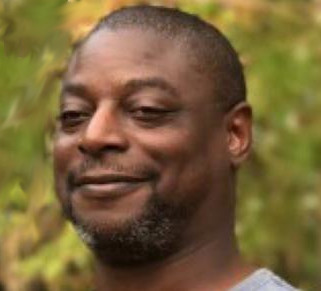
My guest this week is Jon Steingard, the lead singer and guitarist for Hawk Nelson. In late spring of 2020, Jon posted a gut-wrenching confession on Instagram that he no longer believed in God. He is one of the more prominent recent high profile deconverts. Jon risked more than most by publicly acknowledging his lack of faith as his career was tied to the Christian music world. This confession and the public discussion of his loss of faith has and will continue to have reverberations throughout the Christian community for some time.

I was ensconced in this culture and my career was a part of that
and questioning it would have meant undermining my career
and so for a long time I just didn’t.

Jon has made himself widely available to honestly and vulnerably tell his story both to the Christian community and to the atheist humanist communities. It is Jon’s honest seeking after truth and his willingness to respectfully engage apologists and other prominent Christians that are having such a large impact. He has become a safe person for others in the Christian world to discuss their doubts.

So often I would say, “You know I am really wondering about this,” and you would just see this look of relief go over their face
and they would be like, “oh, thank you for saying that, I’ve wondered that too.”

I noticed there [were] a lot of people in Christian culture that were my age that had grown up in the church that were beginning to ask the same questions that I was and also similarly intimidated by what it would mean to say [this] out loud.
And so I just found myself being like, “well, I’ll go first!”

In my conversation with Jon, he describes a major turning point in his life when he saw poverty, starvation and abandonment of the Batwa children and community in Uganda. This began a quite reasonable time of questioning: if God is all-powerful, all-knowing and good, why are the Batwa suffering?

{Witnessing poverty starvation and abandoned children in Uganda} And that kind of thing wrecked me

The things that I am seeing here, do not dovetail with the idea of an all powerful and all loving god.
Because when I read scripture, when I listen to what I hear in Christian culture,
I hear about a god who intervenes,
I hear about a god who answers prayer, certainly not always but definitely sometimes.

And so I grew up hearing [answered prayers for parking spots], and then I go to Uganda and I see this [poverty …]
And I go like, “God, maybe answer a few less parking spot prayers and a few more prayers for these children who are literally dying
and suffering unimaginably.

I came back from that trip and I was just like, “There is no way that I can believe in god the way that I used to.”

In January of 2021, Jon started a podcast and YouTube channel called The Wonder and Mystery of Being.

Links

Instagram
https://www.instagram.com/jonsteingard/

The Wonder and The Mystery of Being podcast and YouTube channel:
https://www.youtube.com/channel/UCUjFcPl10_QMxoevHL4jLXg

Jon’s deconstruction story

Twitter
https://twitter.com/jonsteingard

The documentary Jon produced while still a Christian

Interact

Deconversion from Christianity
https://gracefulatheist.wordpress.com/2017/12/03/deconversion-how-to/

Jennifer Michael Hecht’s Doubt: A History
https://gracefulatheist.wordpress.com/2019/05/16/jennifer-michael-hecht-doubt-a-history/

Clergy Project
https://clergyproject.org/

Podchaser - Graceful Atheist Podcast

Send in a voice message

Support the podcast
Patreon https://www.patreon.com/gracefulatheist
Paypal: paypal.me/gracefulatheist

Attribution

“Waves” track written and produced by Makaih Beats

Transcript

NOTE: This transcript is AI produced (otter.ai) and likely has many mistakes. It is provided as rough guide to the audio conversation.

David Ames  0:11  
This is the graceful atheist podcast. Welcome, welcome. Welcome to the race for atheist podcast. My name is David, and I am trying to be the graceful atheist. We have finally made it to 2021 I can't say that I am disappointed to see 2020 in the rearview mirror. This doesn't mean that we will miraculously solve all of our problems overnight. But it is a nice mental marker to move forward to have some new hope. I want to begin by giving some thinks I want to thank my ongoing supporters, Libby N. James T. John G. In Job W. I also want to thank new writers and reviewers, GG M. I won't be able to pronounce this user name but begins with J S G. And another user, whom I will call DD. Thank you for the ratings and reviews. Thank you for the support of the podcast. I'm going to talk a little bit about my upcoming plans for the 2021 year for the podcast improvements that I'd like to make. So please hang on in the final thoughts area of the episode and I will go over some of those plans. In the meantime, I will ask that you do in fact rate and review the podcast. And one other request is an ongoing goal is to rise in the Google results for various keywords. The podcast has been number one for the term secular grace for quite some time. And it just recently has started to rise in the ranks for the term deconversion. So if you could do me a favor and just Google deconversion and click on my link, which is probably about the fourth or fifth link in the list that will help rise in those rankings. The podcast is all about secular grace and deconversion. So I'm hoping that people will find the podcast by googling those terms. onto today's show. My guest today is Jon Steingard, the lead singer and guitarist for Hawk Nelson. Several months ago, Jon posted on Instagram, a heart wrenching revelation that he no longer believed in God, that he could no longer call himself a Christian. As you can imagine, someone who is famous within the Christian music world and famous just in the Christian world. This was a dramatic moment. The number of hot takes that I have read from apologists about Jon's deconversion are innumerable. I've talked about them on the still unbelievable podcast with Matthew Taylor and Andrew Knight. Jon has since gone on what I would call a podcast and YouTube world tour. He has talked to multiple apologists, he's been on multiple humanist and atheist podcasts. And he has such a down to earth way of talking about his seeking for truth because really, this isn't about atheism, or anything else. He wants to know what is true. And so he is honest about that process. Since the recording of this podcast about a month ago, Jon has started his own podcast and YouTube channel called the wonder and the mystery of being. There will be links in the show notes for these and I highly recommend that you go and check that out. Here is my conversation with Jon Steingard.

Jon Steingard, welcome to the graceful atheist podcast.

Jon Steingard  4:03  
David. Thanks for having me, man.

David Ames  4:05  
This is one of those fun times where everyone knows who you are. And nobody knows who I am. So me introducing you is just a ridiculous thing. You are the lead singer and guitarist for Hawk Nelson. Yep. And the reason you're on the show today is that a few months ago, you posted an Instagram post talking about your deconstruction process. That's right. Let's just start with how difficult was it to write that message?

Jon Steingard  4:33  
You know, on one hand, it was like one of the most difficult things I ever feel like I wrote down but on the other hand, it was so liberating to feel like I could finally say, what I was thinking. Yeah. Because it had been it had been such a process of feeling a lot of those things and thinking a lot of those thoughts and learning and processing. You know, things to do with my faith and and having to feel like I couldn't say that stuff out loud. Right. So it was difficult to write down. But it was also liberating. And you know, I'm sure anyone that's gone through that process identifies with that sort of, sort of dualistic experience where it's amazing and horrifying all at the same time.

David Ames  5:21  
Right, right. So I reread it this morning, just in preparation to chat with you. And just the feeling of being torn between being authentic, and honest and straightforward. And also knowing that this was a bomb that was gonna go off in the community. And yeah, you know, people who love you, what was the reaction? What was the main reaction to this? Yeah,

Jon Steingard  5:47  
I mean, for me, anybody that knows me personally, was incredibly kind. Yeah, with almost no exceptions. I mean, I can think of a couple now that I really actually think about it, but

David Ames  6:00  
you definitely find who your friends are? Yes, for sure. It's with virtually,

Jon Steingard  6:03  
with virtually no exceptions, I had people reaching out and saying that they loved me, and that they, you know, that we're still friends, you know, these are all mean, almost, the vast majority of my friends were Christian, and still are, right. And I also for anyone that I was pretty close to, I gave them a heads up. So like that morning, before I posted, I texted probably, you know, 35 people or so saying like, Hey, I just wanted you to hear from me, this is what I'm posting today. Obviously, it's a big deal in my life. And I just want you to know that, like, I love you. I don't want this to change the fact that we're friends, but I recognize it'll also change the dynamic. And I just wanted to, I wanted you to hear it from me and not see it on Instagram. Right. So I did that. And I think that helped. And for the vast majority of people that that know me personally, they were very kind. Of course, then you get strangers on the internet. And the response there was as mixed as you would expect, you know, some people, some people were, were also kind other people were sad, some people were downright hateful. You know, then I had, you know, atheists and Christians fighting in the comments about theology, which was always fun. It was a it was a bit of everything, you know, online.

David Ames  7:30  
So I've been following your story pretty much since you posted that, and one of the things I've been fascinated by is, you've really made yourself available. So you've been on the unbelievable podcast, to Sean McDowell, you're talking to Jonathan McClatchy, you've just really been open. And you've I think you've gone above and beyond honestly, you know, you've you've really made yourself available to answer those questions. What has it been like, talking to professional apologists?

Jon Steingard  8:00  
Oh, well, I mean, first off, I think most of the believers that, you know, like, like Shawn and Jonathan, and Frank Tarik, I did, I did a thing with him as well. They've all been incredibly kind. And they all have their own tone and their own approach to the way they do things publicly. And that's normal and cool. And, but I never felt like any of them came at me in an argumentative or overly aggressive way. Yeah, it was, it was always from the perspective of like, Hey, this is someone who was one of us, and is now you know, saying that he's not an AI would, I just hope that he has all the information before he makes that decision, that's sort of been the approach that most of them have taken. And I appreciate that. And, for me, I've chosen to engage with those people, because I am interested in the truth. And I don't want to, you know, walk away from Christianity, out of ignorance, I don't want to stay in ignorance, and I don't want to walk out of ignorance, you know, so I should be open to truth wherever I find it. And that should include the circles that I come from. So that's been why I've been, you know, making myself available as you say, I actually feel like there's a bit of a lack in my engagement with individuals from other religions. And so that's something I'd like to remedy at some point and maybe do some stuff on my own YouTube channel and maybe have some conversations with, with with Muslims, with Buddhists with Hindu individuals. And so I that's something I'd like to do more in the future.

David Ames  9:42  
Interesting. Okay. I think the reason that I say that you've gone above and beyond is, from my perspective, the work that I'm doing, I feel like adult deconversion like yourself, like me, really says something, right? Like there's a difference between You're 20 years old, you're in college and you know, you're reading Nietzsche and you reject your, you know, I do like nature. Yeah, exactly. You specifically, you know, you had an entire career that was predicated upon your belief system for you to go through the process of deconstruction, and then be willing to let go, at least on some level of some financial security. That's a pretty big deal. And one of the things I find interesting from the apologetic response, and here, I want to I do want to separate the difference between believers, just regular people. Yep. And the professional apologetic class. Sure. But there is almost an assumption like, Well, you probably haven't looked at it from this perspective, or you haven't looked at it from that perspective. Or maybe you you didn't have faith in the right way. Yeah. Did you ever feel kind of being patronized?

Jon Steingard  10:54  
Um, you know, not from, like, the guys that you mentioned, like Shawn and Jonathan and Dr. Tarek, I don't I don't feel like they were ever patronizing. I feel like they're so used to engaging with people that are not believers, that they've learned the skill of, of being respectful and, and non patronizing. Now, there's certainly other people that have been a little bit more patronizing. You know, I remember, you know, at one point, I wrote an Instagram post listing all the crazy things that people have suggested are the cause of my conversion, right? My dude, my deconversion, right. And like one of them, I had forgotten about that post, and someone brought it up to me the other day, and like, one of them was low carb diet. So like, that's one of the more ridiculous ones. But but it's like I said before, it's like any of those kinds of patronizing things. They're all coming from people that don't know me. And, you know, one of the advantages I have, compared to someone who's maybe not used to being in the public sphere, is that I've got 15 years of experience ignoring random people on the internet. So it just, I've gotten a pretty thick skin on that level. And so it doesn't, if someone that knows me, personally, is patronizing, or rude or hateful to me that that actually does hurt my feelings. But if someone you know, a random person online, who doesn't know me personally, it's very easy for me to look at that and go like, well, they just don't know me. You know, that's okay.

David Ames  12:31  
I wanted to mention, I think the thing that made me love you, Brian Houston of Hillsong wrote a tweet.

Jon Steingard  12:40  
And he said, Yeah, that one got under my skin.

David Ames  12:43  
When someone can just walk away from their faith, I would question the strength and validity of their faith in the first place. And your response was just beautiful. Or you could just love them. And I think that encapsulates so much of what I think is wrong in the dialogue between Yeah, D converts and believers is all talk about, you know, if you're a religious humanist, if you in other words, if you care about people, the well being of human beings. And I'm a secular humanist, hey, we can do some stuff together, we can, yeah, we can make an impact on the world. Instead of trying to undermine each other's justifications for why we care about people. That just seems like a ridiculous waste of time. To me.

Jon Steingard  13:28  
Well, it's like if we can agree that we care about people like let's focus on that. Let's Exactly. I'm with you.

David Ames  13:34  
Yeah. Yeah. So I you know, that I think that Post Malone told me quite a bit about your character and your heart. I know part of your story is going to I believe it's Uganda. Yeah. Can you talk about that story a little bit about how that affected you?

Jon Steingard  13:49  
Yeah. So over the years of doing the band, I started well, when you're in a band, first off, you you have, you know, we play shows every night. And when you're on tour, in the spring, in the fall, you typically get on a tour bus, and you go from city to city, and, and you have a lot of time during the day. And so I started using that time learning how to operate cameras and do video production, okay. And, and initially, I did that because the band needed, you know, video content, and I was starting to make it but then that grew into a full on video business. And that's actually what I do full time now. And one of the projects I did a couple of years ago was a documentary in Uganda, about a people group named the Botswana and the Botswana live in southwestern Uganda kind of tucked in that corner right next to Rwanda and the Congo. And they were for, for generations, just a hunter gatherer society, like super old school, undeveloped. It's very, very remote. And they lived in this area of the Virunga mountains, and they just lived off the land. And in the 90s, the Ugandan government decided to create a guerrilla sanction. worry there. And as far as conservation of the environment goes, that's a good thing. And tourism, you know, that's a good thing and business, that's a good thing. But the one problem was they had to clear the bottle out. And when they did that, they, they didn't really offer the bottle, any sort of place to go or any solutions as to you know, we're moving these people from their ancestral homelands and then just kicking them out and not giving them any, any compensation or any options. And so they just became this last people that had nowhere to go, they didn't fit into society at all. They're physically different than the other natives in the area. They're pygmies, so they're less than five feet tall. So it's very easy to distinguish them physically. So it's easy to discriminate against them if you want to, okay, and so the organization I went with basically works with this people group, and there's a lot of orphans, there's a lot of death, a lot of starvation, there's a lot of disease, they're incredibly impoverished, and they're basically just squatting on whatever land they can find. So this organization that I went with they they have an orphanage that houses feeds and clothes, and educates 250 baht with children. And before they got there, over half the, the children born in these little encampments would not make it to the age of five. Anyway, sorry, this is getting to be not the short version of the story. But essentially, I went there to document their story, because that hadn't really been fully done the way that it needed to be for this organization. And so I went and did that. And, and I had recently become a father myself, and so I'm looking at these boxwood children. And I see my son, and I just can't help but think, you know, this, this could be my son, if he was just born here, instead of in, you know, San Diego where we live. And to see children starving to see them not making to the making it to the age of five, to see I mean, the image that actually really well, there's two images that really broke me. One of them was the descriptions of how they would find these children was typically they would find them, because they just find a random child in the forest somewhere naked and starving and alone. Well, because their parent had died while they were just sort of hiding in the forest and the child was left on their own. That's how they found a lot of these kids. And that's horrifying to me. I mean, the description is like, they would find these kids by following the sound of them crying. Like, wreck to me. Yeah. And then the other image that wrecked me was was at one point, I was taking a few shots, but this really long lens, because I was I was trying to not insert myself into the story too much. I was trying to just really like pick off little micro stories that I can see visually happening in these encampments. And at one point, I saw what looked to be about a four year old girl who was caring for a two year old boy. And I realized in that moment, like that four year old is actually responsible for this two year old the way that I am responsible for my son. Wow, yeah. And I'm watching a four year old raise a two year old because that's the only option they have. Yeah. And that kind of stuff just wrecked me. And I was already starting to sort of question a lot of things about my faith. But that put me in a place where I was like, the things that I'm seeing here do not dovetail with the idea of an all powerful and all loving God. Because when I read scripture, when I listen to what I hear in Christian culture, I hear about a God who intervenes. Yeah, I hear about a God who answers prayer. Certainly not always, but definitely sometimes. And, you know, I grew up hearing stories of people that were like, you know, God, just he loves me so much answers, even my tiny little prayers sometimes, like I, like I pulled into church one day, and I was late, and I didn't think I was gonna get a parking spot. And then bam, right up front, there was a parking spot. And I knew just, God loves me so much. He even cares about those little details. And so I grew up hearing that and then I go to Uganda, and I see this. Yeah. And I go like God, maybe answer a few less parking spot prayers and a few more prayers for these children who are literally dying. Yeah, and suffering unimaginably and in situations where honestly, sometimes dying is the the Most Merciful thing they could experience because they're suffering so much. And I just, I came back from that trip and I was just like, Like, there's no way that I can believe in God the way that I used to, after that. No way. Yeah. And then I started reading about the problem of suffering of the problem of evil in a more philosophical sense, but, but I experienced it in that way, sort of, before I really dug into it intellectually. Yeah.

David Ames  20:21  
Yeah, you know, I want to be careful that we're not exploitive of the story of the bottle as well here. But I've listened to several of your conversations with various people about the problem of evil, and they are definitely trying to answer it from a more philosophical point of view. But when you have experienced, yeah, starving children, those pat answers just aren't adequate. They don't rise to the level of the real world problems that you can see. Yeah,

Jon Steingard  20:51  
the way I describe it to them is I just, I usually say something along the lines of like, I understand the philosophical sort of responses to the problem of evil. But when I'm standing there in Uganda, with these children, those answers are not satisfying. And to their credit, a lot of the apologists that I've spoken with, are quick to say, like, yeah, the problem of evil is probably the biggest issue. It's probably the the biggest argument against the existence of a loving God. And they're usually pretty quick to, you know, to say that that's the case. Yeah,

David Ames  21:28  
we're also kind of dancing around the divine hiddenness problem. Yes. Well,

Jon Steingard  21:32  
and for a long, for a long time, I actually thought that the problem of evil was my main problem. And it wasn't till I thought about it more that divine hiddenness sort of revealed itself to me, divine hiddenness revealed itself to me. But I realized that divine hiddenness was was actually the the big issue for me, right? Yeah.

David Ames  21:53  
One of the things that I tried to get across is that, and again, I want to really separate if there are believers listening, it's not believers that I'm talking about. It's the apologetic perspective. Sure, is that the apologetic perspective has a neutered God, a powerless God that fits nicely in a box? And there are answers for every reason why? The answer is no. Right? Yeah. I believe that your experience of your faith tradition was one of charismatic experience. And yeah, very much, you know, I think your faith was of a powerful interventionist God. And then when you go again, to the real world in Uganda, and God is not intervening. These are reasonable questions to ask.

Jon Steingard  22:39  
Yes. Yeah. I, yeah. It's unreasonable not to ask them in my view, you know, right. Exactly. And I think I spent a lot of years not asking them out of fear of what the answers might be, because I was someone I mean, like you hinted at earlier, my career and my livelihood was wrapped up in my belief. And so in a sense, I was like a professional Christian, right? You know, the same way that a unapologetic author is sort of a professional Christian, right? I was as well. The only difference is, when I was a teenager, and I got into being in bands. I didn't realize that's where I was headed. Like, I just didn't think about it that way. Like, yeah, I accepted my Christianity. It's what I was raised in, I accepted my, you know, my beliefs. I hadn't really studied it the way that I've studied now. But I was ensconced in this in this culture. And my career was a part of that, and questioning, it would have meant undermining my career. And so for a long time, I just didn't. And it's not that, you know, sometimes I've been accused of like, oh, we you didn't believe for a long time, and you just lied. And I'm like, Well, no, I really did believe. And I had questions, but I was afraid to even ask them, like alone by myself. I was afraid to present them to myself. Yeah. And I think that was, that's sort of a nuanced thing. And I guess if if someone wants to argue that I was being duplicitous, they can do that. But I don't feel that I was.

David Ames  24:17  
Well, I completely understand what you're saying. Our mutual friends from still unbelievable. Matthew Taylor and Andrew Knight. Matthew has this beautiful way of saying that, you know, his deconversion he was aware of it suddenly, but suddenly didn't describe the deconversion process just described his awareness. Yeah.

Jon Steingard  24:36  
And I would relate to that tremendous. Yeah. Yeah.

David Ames  24:39  
So I feel the same way that you know, it was, you know, years of change going on under the hood, and then a moment of honesty of admitting to myself, I don't believe

Jon Steingard  24:50  
Do you remember where you were when you first said out loud? Like I don't think I believe in God. Yeah.

David Ames  24:57  
I literally said Oh, shit. Oh, Oh, yeah, I don't believe anymore. And because my immediate response was, how am I going to tell my wife? So my wife is very much a believer. And she is she still? Absolutely, she absolutely is. And in fact, we've got an episode that will probably precede yours. She and I talking together and wow, we're working through some of this. So again, back to that idea of, she's a better humanist than I am. She's just a believer and a humanist, right? Like, she loves people, she cares about meeting real world needs in the world. And we share so many values still. And that's kind of what we've been able to focus on. And, and that's

Jon Steingard  25:35  
amazing, because that's a hard journey I've spoken to, I mean, one of the really cool things that I've gotten to do the last eight months or so, is talk with people that that are also on similar journeys to mine, right, who maybe didn't have people to talk to you about it before. Yeah. And so I mean, Instagram, DMS, I've spent obscene amounts of time this year, just talking with people about this stuff, and so many people, like yourself, are in a marriage where there's a difference of, you know, perspective on this stuff. And that is incredibly difficult. So, yeah, the fact that you guys have managed to work through that. I mean, at least to the degree that you have, that's, that's incredible. That's yeah,

David Ames  26:20  
and that's mostly a testament to to my wife. But since you bring it up, you know, your Instagram post mentions your wife. And it sounds like the two of you went through this process kind of together, what was, which one of you admitted it first to the other?

Jon Steingard  26:36  
Definitely, I went first. But we got very, very lucky that we have similar backgrounds. I mean, similar, almost identical. I mean, I grew up in Canada, she grew up here in California. But other than that our backgrounds are, are like, strangely identical. So both of our dads are pastors, both of our dads are pastors of very charismatic churches, both of our dads churches had a history of church splits and disagreements within the church that were the sort of happened at very critical times in our upbringing that caused some baggage for sure. So my wife and I have very similar baggage when it comes to Christianity. And both of us sort of just didn't really want to fully admit that maybe we didn't believe for quite some time. But once I started going down that path, my wife was like, everything you're saying, is confirming stuff that I think I've felt for a really long time. So it's been awesome in the sense that we've been on more or less the same page this whole time, which is, which is really, really fantastic. It's been one less issue

David Ames  27:54  
to deal with. Yeah. Yeah.

Jon Steingard  27:56  
But at the same time, like, there's a sadness there. And maybe I don't know, if maybe you have had this experience. But, you know, for me a lot of this journey, and my wife really feels this a lot is that we used to have this sense of certainty. And, and I now, you know, we both now see that that certainty wasn't necessarily based on truth, right. But it was based, you know, like, it was based on a lot of assumptions. But regardless, we still lost that certainty. And so there's a lot of, there's a lot of things about life and death and the future. And, you know, the sort of metaphysical nature of reality that we used to think we understood, and now now we recognize that we might not know the first thing about, right, how we raise our kids, you know, those kinds of things. purpose and meaning. Yeah, purpose and meaning, you know, like, the age old question of like, what is the purpose of our lives? Why are we here? What are we doing here?

David Ames  29:07  
We can talk about this more, but like, for me, I think the recognition that I came to was, there may not be inherent purpose and meaning in the universe. Yeah. But human beings are meaning makers. Yes. And in some ways, we are so good at making meaning that we created gods, right. Like, it's kind of out of that impetus that makes that

Jon Steingard  29:30  
that's a really interesting way to say it. And I think that's, I think that that's bang on. Yeah.

David Ames  29:36  
I've had the opportunity to talk to a few of my kind of humanist heroes, Sasha Sagan wrote a book called for small creatures such as we that talks a lot about this. Lots of good title. Yeah, yeah. It's from Carl Sagan. So his, her dad BarCamp, polo, similar, and I always talk when I'm talking to them. It's like, how can we bottle up this sense of joy and humility from a secular perspective and give it away. And I find that that is the hardest thing to do. Right? Like, I don't know how to. I know how I feel it, and I can talk about it and express it, but I don't know how to give it away yet. Yeah,

Jon Steingard  30:12  
it's difficult because it's like, in a lot of ways, like, think about the word good. You know, or the color yellow? Like, how do you describe the color yellow to someone, it's just like, you have to just say, yellow. And trust that the person you're talking to knows what you're talking about. And I sort of think that finding meaning outside of religion of any kind is something like that. It's yeah, it's it's like, there are things that feel meaningful to me. But I no longer exactly have a way to articulate why and, or I can try, but, but it just sort of like, it's it's not satisfying in the same way that, you know, the apologetic explanations for the problem of evil are not satisfying, like, like, I have some guesses as to why my bond with my children is so strong. And those have to do with evolution, and genetics and sociology and all that stuff. But like explaining it like that doesn't, doesn't seem to do it. Justice. Yeah. So that's one of the areas that I continue to find myself curious. And I continue to find myself wanting to use religious language like, like, when I spend time with my son, something about that feels sacred to me. Yeah. And so it's a done, it's a question of like, well, what does that mean? Right, and like, so? Yeah, it's, it's, I feel you on that, on that stuff?

David Ames  31:43  
I think you're asking all the right questions. Again, I don't want to make this about me. But very quickly, I want to hear more. One of the answers for me is the recognition that, you know, from the apologetic point of view, they are trying to say we have this absolute justification. And in truth, an honest perspective, is that really they are asserting that God exists and everything falls out from that. Yeah. And so I just basically lean into that and say, Okay, I assert that human beings have great value, and that our connection to one another is the greatest meaning in my life. Right, I just assert it. And let what happens out of that fall out of that. Right. And it leads to a really good things, right. I think part of your story was being able to embrace the LGBTQ community, you know, Are you a human being great? Yeah. deserve rights, and dignity and kindness and love and respect? And it just, it just simplifies? Yeah, a lot of things. Right.

Jon Steingard  32:43  
Yeah. It's funny, I, I didn't think that issues pertaining to the LGBTQ community, I did not think that was central to my journey until recently. And I realized that it actually has been, yeah, the feeling of freedom to go like, you know what, I can affirm every buddy everywhere. And it doesn't mean I have to affirm every action every human being takes, but I can affirm them as a human being. Yeah. And it's been an absolute joy to be able to say stuff like that publicly. And in my heart, like, in my gut, I've wanted to be more openly affirming of same sex marriage of, you know, transgender individuals. In this journey of since talking about it publicly, I actually had a dear friend come out to me privately. And he's not out at the moment. But he was comfortable sharing that part of himself with me once I started talking about this publicly, right. And I was just like, What a joy that like, what an honor that I get to be a part of, you know, this person's life who I've known for a long time. And they're being transparent and open with me and wanting to share something about themselves with me, because they know they can trust me, right? And what like, what a joy that's been? Yeah, it's been way more central to my journey than than I thought it was.

David Ames  34:12  
What I find interesting is that, I think what compelled me to Christianity to begin with, I became a Christian in my late teens, okay, was the humanity of Jesus was the compassion, the calling out of hypocrisy, the loving the people who were unlovable, right, yeah, that's what drew me to that. And then it was that same desire to care about people that kind of led me out to recognize that this is actually limiting my ability to care for people rather than expanding upon it. And so that is one of the unexpected surprises of deconstruction. deconversion is that, you know, you're just free to care about people.

Jon Steingard  34:55  
Yeah. And, you know, I've thought about this a lot now. And I really love like, I love thinking about it in that way. Because I do feel like Christianity tracks with humanism, on a lot of levels, right. But there's just a few issues where it feels like it departs. And those issues become a problem. You know, when you're dealing, you know, when you're dealing, you're just walking through life, you find yourself, you know, if you're someone who deeply cares about people, you find yourself like, wanting to love people and affirm people more than your faith really allows you to. And those are the issues like one of the things that I'm sort of that I'm doing this sort of privately with friends, because I don't feel like I'm, I'm like, prepared to do it in a like an organized public way yet, but, but I actually feel like you can make a really good case for for being affirming of the LGBTQ community, even if you are a Bible be believing me, you know, Christian, I think you can make a really good case for it. And so one of the things I've enjoyed doing with my Christian friends is saying, Hey, I've seen how you love people. I know you love people. And I think that you would be open to the idea of being affirming to this community, if you felt like it was consistent with your faith. And here's a way that I think you can do that. Right? And that's been fun for me, because it's like, it's not adversarial, then. Because it's like, I'm going like, Hey, I know that you love people. I've seen you do it. And here's a way that I think you can do it even more. And I think you want to,

David Ames  36:40  
right? Yeah, yes, exactly. So I want to go back to the early moments of kind of admitting to yourself that you no longer believed, who did you tell first, so besides your wife, who was the first person outside of your immediate family that you tell?

Jon Steingard  36:57  
It's kind of hard to say? Because it happened in stages for me? Like I think I gradually disbelieved in things one at a time. So I like I think one of the things that I gave up before I gave up belief in God was biblical inerrancy. And I got to a point where I was just like, there's no way I can continue to believe that the Bible is the perfect word of God, right. And there's a lot of reasons for that. And some of them are simple. Some of them are technical. But you know, I had a lot of those conversations with my dad, who's a pastor, and my wife's dad, who's also a pastor. And then I had a number of close friends that are either friends that I have from Christian music, or friends that I have from the film work that I do. Yeah, I did notice somewhere around my mid 30s, or maybe even early 30s, I noticed that there was a lot of people in Christian culture that were my age that had grown up in the church, that were beginning to ask the same questions that I was right. And also similarly intimidated by what it would mean to say stuff out loud, right. And so I just found myself being like, well, I'll go first. And so I started just sort of putting it out there to friends that I had and discovering that. So often, I would say, you know, I'm really wondering about this, and you just see this look of relief go over their face? Yeah. And they would be like, Ah, thank you for saying that. I've wondered that, too, you know, yeah. And that is part of what motivated me to write the post and do it publicly, too, is that I'm just like, I think there's a lot of people out there wanting to ask these questions, and they just need to see someone go first. Yeah. And I'm willing to do that. And it's not. It's, it's not like I'm the first person to publicly ask these questions like, that's not, but I just mean, within some of the circles that I run in, I was willing to sort of say, like, Hey, I'm thinking this, what do you think?

David Ames  38:59  
We've talked about apologist quite a bit. The other end of that spectrum is kind of the militant atheist side of things. Sure. I'm very critical of the debate culture. And I think we focus so much on the philosophical arguments that we've missed what I think you've just captured there, that just being honest, yeah, just saying, Hey, I have these doubts. If more people were just honest, like that, I think that would have this huge impact. And so right, you were taking a leap by being first by coming out publicly in the circles that you run with, but I'm sure that that's going to have an impact on the people that you're friends with. Well,

Jon Steingard  39:42  
it was sort of interesting, because I think when someone sort of deconstructs or deep converts, there typically is a bit of a, an angry face. Sure. And I think I think that that's pretty normal. So anyone that's listening to this, if that's where you're at, you're very much not alone. Yeah. But I also think that you don't have to live there forever. And so I sort of I went through that phase before I started speaking publicly and actually wasn't until I felt like I could address these issues without feeling angry that I felt ready to be public. And so I had already sort of gone through that phase largely. So when I started talking about it publicly, I, I felt like I had, I'd gotten my feet under myself enough that I was like, I can have these conversations and not get super pissed off mostly right? Most of the time, yes, yeah. There's exceptions. But because of that, I had a lot of engagements with like, both people on the atheistic side and people, you know, on the Christian apologetics side, where I think I got into these conversations where people expected me to be pissed off and angry, right, and weren't entirely sure what to do when I wasn't. Yeah, yes. And, you know, a number of my conversations with with Christian apologists, for instance, I think there was a an expectation ahead of the conversation that it might be somewhat adversarial, and then it just didn't materialize that way. Yeah. And I think that it's been refreshing for me, I think it's for the people I've engaged with, there's a level of appreciation for that approach. And, and that's one of the things I love about how you're doing this. And even the the title graceful atheist, is it saying something that I feel like is really important to say, because as much as our positions are important, and our beliefs are important, I also just think our posture is really important to write, and how we relate to people and how we give people the benefit of the doubt and assume that their motivations are exactly what they say they are, right? And that kind of stuff. And so, for anyone who's listening and is going through this journey, like it's okay to be angry, if you have spiritual, you know, if you have some, some wounds that that are coming as a result of your experiences with Christianity or any other religion, that's not uncommon, right. But you do not have to let those wounds define you for the rest of your life. They can heal, you can find healing, and then you can look for what's good and true in life. And that journey is worth taking.

David Ames  42:31  
Absolutely. I'm still curious about the first people that you were telling, what was it like telling your dad and I understand your your wife's dad is also a pastor. So what was that? Like?

Jon Steingard  42:43  
It was tough. To this day, the hardest part of this journey, for me has been the knowledge that my parents worry about my soul. You know? Yeah. And the idea that, that they might be afraid that I would go to hell. Like, if I was worried about that, for my kids, I would have a hard time sleeping at night. Right. And so knowing that I was that my journey was basically putting them in a position where they might feel that way. That's tough. Yeah. I went through my rebellious teenage years where I was like, Screw you guys. You know, I don't feel that way anymore. I love my parents. They're not perfect. They didn't do everything perfectly. But they things loved me really well. And they still do. And so sometimes I'll you know, I'll publicly say like, if you want to criticize the faith, I come from that. That's fine. I'm doing it. But if you want to criticize my parents, like, I'll come at you absolutely. Because I had some people saying like, Oh, obviously, his parents didn't teach him good theology. I'm just like, I just to that I just want to be like, like, you don't know the first thing about how I was raised, right. So like, that bothers me because I get defensive of my parents because I adore them. Right. So that's, that's been that's been tricky.

David Ames  44:10  
I think this is really, really, really important, what you just said, I've talked to a few apologists who are looking at deconversion specifically, and they'll have these lists of, you know, causes from their perspective. And one of them they'll often talk about is, and I'm being unfair here, but they're basically attacking the way that you were raised or the way that you've been taught Christianity as if that's your fault, anyway, but Right, it seems also to me to be missing the point quite a bit that then what is the perfect way to be raised?

Jon Steingard  44:45  
Well, the insinuation there is that if my parents had just indoctrinated me properly, I went stayed indoctrinated. Exactly, you know, like that's, that's why I sort of have an issue with that whole line of thinking, because I'm like, Look at I'm asking questions, and I'm listening to answers from all kinds of people. I am interested in the truth if Christianity is true, and if I'm genuinely interested in truth, then I'll end up there, right? So you don't have to go after my upbringing. You don't have to go after my parents. It's like, we're here. Now, let's have a conversation about truth now, right? Every time I talk to believers who try to convince me of the truth of Christianity, I generally point out I'm like, You are believing first and rationalizing? Second, right? I'm not saying that I'm not doing the same thing. I'm not saying I'm more objective than they are. But let's not pretend that this is exclusively like, oh, I through the powers of logic and reason. I am completely objectively looking at this stuff. And I have objectively determined that it's true. It's like, that is not how this works. Yeah. And so I engage with Christian apologists a lot. And I and I very often say, like, we're looking at this issue, you're presupposing that it's true, right? I don't feel like I'm presupposing that it's untrue. But I might be somewhat so I got it. I have to grant that. And, you know, it seems that the evidence is inconclusive, because neither of us is drawing the same. You know, we're not drawing the same conclusion here. Right. So what's different, like the facts are the same, what we're bringing to the table is different. And so that's why I think a lot of people's certainty on doctrinal issues or theology is a result of sort of an a priori, interpretive framework for reality that that they're sticking to.

David Ames  46:42  
Absolutely. And again, this is why I think that adult deconversion have so much to say, if I believed in the resurrection wholeheartedly, I believed that Jesus was my savior, I believe with all of my heart, even with any doubts that I had I you know, I that was the core of everything. And then when I began to look for I was I was haunted by the idea that I wanted this to be true. And so could I find an objective reason? And when I went down the road of looking for objective reasons, what I found was special pleading. Yeah, overstating the evidence, I found bad arguments. And when I was just honest about that fact, the, you know, the, the everything began to crumble, right? I was just just recognizing that. It's okay for me to believe this. It's not irrational for a person to believe this. No, but there isn't proof in any way. There is no objective reason to believe

Jon Steingard  47:41  
No, and that's, that's one of the one of the sort of the places that I've landed with regards to Christianity is, I don't think it's unreasonable to be a Christian, right. Even from getting to know the, you know, some of the apologists that we've been discussing, like, they're very sharp individuals. And they've really thought about this. And, and it's not, it's not like they're being irrational for believing what they believed. The only thing that's a little bit irrational to me is the certainty. Yeah. And one of the things I appreciate about Sean McDowell, for instance, is, is we had a conversation where we talked about certainty. And he said, I don't say that I'm certain about these things. I say that I have confidence, meaning, I don't know that this is certain. But I see enough reason to believe it, that I have some confidence in it. And it's an it's been a good thing in my life. And when someone says that to me, I'm like, Hey, fair enough, you know, like, Yeah, that's great.

David Ames  48:43  
Yeah, my response is, you know, if you say you believe by faith, I respect that. I can't follow you there. But I respect it.

Jon Steingard  48:51  
Yeah. So it's an interesting thing, because in my journey, I've sort of gotten to this place where I'm like, okay, at some point, I'm going to have to embrace some mystery here. Because, you know, if I'm going to be truly, if I'm going to be as objective as I, as I can be, knowing that I can't be completely objective, because I'm human, then there's just certain things I can't know. Like, I don't think that I can know what happens to me after death. You know, I can have guesses, but I don't think I can know that. And this is one of the things that I think is a fair criticism of religion is that like, there are things you can reasonably believe but then there's also things that are not reasonable to have certainty about so. So like Christianity claims to know what happens after death, like most religions do, right? I don't think that you can know that. And so that's an issue on which like, like you said earlier, I think we're so uncomfortable with uncertainty that sometimes we invent our own certainty. Yeah. And to allow degree I think that's what religion is. But religion also provides a way of, of looking at the world that adheres groups together in ways that evolutionarily we seem to have needed, right? I mean, I don't think it's any coincidence that basically every society that has ever arisen out of humanity had a religion. Right? I don't think that's a coincidence, it serves a function. The question is, as we become more enlightened, and more rational, and more scientific, what do we do with those religions? You know, and, and, and, you know, we mentioned Nietzsche earlier. And I think when I was a believer, I always assumed Nietzsche was like, you know, he's quoted as saying, you know, God is dead, and we have killed him. And when I thought about that, as a Christian, I always thought he was like, celebrating that. Right, right. But you read Nietzsche, and that is not the case. Right? You know, he's concerned about, we used to derive values from this shared fiction that we had. And now we're going into an era where we no longer, you know, share these these religious beliefs. So how do we determine our values? And he hoped that someday we'd be able to determine our own values in a meaningful way. And he, you know, he described those those individuals as an Uber Metro Superman. Right, right. And so he hoped that we'd be able to do that. And I think to a degree we have, but it's not at all clear that we've been able to do that on a societal level. Right. You know, and I think we see some of the effects of that today and the political landscape. And yes,

David Ames  51:46  
and I find this quite ironic as well, in that I became a Christian in the late 80s. It was kind of the beginning of the Moral Majority. And the specter of post modernism. Yeah, that was the thing that was the death of society, and the what we're living through today, and I don't want to get too political here, but no sure. That group of people has embraced nihilism entirely. Nothing matters. Nothing is true. Willpower is the only thing that matters, right? And I just find the irony of the misunderstanding of the post modernists, who were saying, hey, given the fact that we can no longer accept these as absolute truths. Now, what do we do? Right, it's just the entire point of post modernism?

Jon Steingard  52:33  
Well, I think the postmodern question is a good question the exact right, yeah. And it's so much of the critique of post modernism is not a critique of its truthfulness. It's a critique of its effects. Right. Yeah. And so I share those concerns like I, I wonder what happens to a society when our whole legal system is based on it's predicated on the idea that a we have freewill, which it's possible, we don't, right. It's predicated on the idea that human beings have intrinsic value. It's not easy to ground that claim and naturalism. So there, there are sort of religious ideas that we've built our society on, that I think it's reasonable to be concerned that if you pull that particular Jenga block out of the bottom, can the thing stand up? Yeah. So I think there's some, you know, like Jordan Peterson is a good example of someone who rails against pomoc post modernism. And I think his concerns are, are totally justified. But it doesn't mean that postmodern thinkers are metaphysically wrong. Right. So it kind of comes back to like, the way that that applies to Christianity. For me, it's like, I've had this thought, like, I see Christianity as a good thing, or at least a, you know, more good than bad in a lot of the lives of people that I care about. And so I go, okay, that doesn't mean it's true. Right, but what do you do with something that's good, but not true? Or, and I'm not saying that is even for sure exactly how it is? I'm just like, if that's a good question. That's a great question. So I've wrestled with that a lot. You know, like, my entire family and my wife's entire family there. They're all Christian. They're all plugged into churches and to detach themselves from Christianity would be to detach themselves from careers from social circles from their communities. And it would be really disruptive to their lives and, and I kind of go like, okay, so if I don't believe in this thing that they all believe in encouraging them to come over to my side, quote, unquote, right? Like, what if that's really disruptive? Do their lives and? And if that's the case, like, how do I relate to them? Yeah. And that's, that's a tough question. I don't I don't have. I don't have good answers for that yet.

David Ames  55:13  
Two things I want to say in response. One, I've used the analogy of Dumbo and the magic feather. And I've specifically used it for my experience, like, right when I needed some support. Feeling of somebody's got my back, somebody loves me, is when I became a Christian. Yeah. And then recognizing, decades later that actually, there was no magic and the feather was the people who loved me that that was the magic that people were in the magic. And the reason I bring that up is to say, I recognize that snatching the magic feather out of the people who are still believers who we love, just leads to a crash, right? That there's no good and doing that. That's not going to help anybody. Yeah. And then to everything I know about you thus far is that you're incredibly well read. I've got one more book recommendation for you. Oh, please do Yeah. That is Jennifer Miko, Hex doubt a history, who I don't, I'm gonna write it down early on in my deconversion. I've read this book. And what it did for me was so important was just to ground that these questions are not new. Yes. So Cicero, that Roman philosopher that Greek philosophers the Epicureans, that they were asking this exact question, we don't think there are gods. But if we took that away from the people, what would that do? What would happen? Yes, is an age old question. And what I just personally derived a tremendous amount of comfort in knowing that humanity has been asking both the questions of the existence of supernatural and deities, and what happens when you let go of that. Yeah, for 1000s of years.

Jon Steingard  56:53  
Yeah, in fact, I would actually say that in most religious texts, you see that? Yeah. So like the Bible would, which is the one I'm the most familiar with, obviously, I heard someone say a few months ago, and this sort of blew my mind. So for your, for your audience, when we were talking about the problem of evil, any attempt to sort of solve the problem of evil and talk about God in that way. That's it's known as a theodicy. And I'm sure you're familiar with that. But but someone said, at some point, the Bible is one big theodicy. And, and I thought about that, and I was like, that is true. Because everyone that wrote the Bible, or everyone that wrote a part of the Bible was wrestling with this stuff, you know, look at the book of Job. I mean, that's like the ultimate right. Incidentally, that's probably the oldest book in the Bible. Right? And to think that the oldest writings we have in Christian, or Jewish scripture, is dealing directly with the problem of suffering, right? I mean, that says something. Yeah. Yeah.

David Ames  58:03  
So we've talked a little bit about that your career is in the Christian world, and you were definitely giving something up. When you came out publicly about your lack of faith. I'm curious how your bandmates handle that? What was their response? And then, is there a future for Hawk Nelson?

Jon Steingard  58:25  
Good question. Um, so I should give you a little bit of background. Basically, we were already as a band sort of phasing things out. And that's because right around when I became a father, I recognized that I had been touring full time for 15 plus years, right? Everything that, that within Christian music, most of the things that you can do, or accomplish or experience we had done and accomplished and experienced and, and so, you know, like, I had kind of gotten the sense that like, the best we could hope for is more of what we'd already done. And with the way that I'm wired, I'm so wired to seek out new experiences. So, so I was just like that, you know, like, continuing to do the same thing. The rest of my life does not sound awesome. Plus, I just wanted to be home with my family. And yeah, you know, touring full time when you've got kids, it's just a tough life. Sure. So So I had told the guys, you know, like this a few years, quite a, you know, it is early 17. I think I told them this 2017. And I said, Hey, like, I'm not freaking out. I'm not quitting. But I want to transition my life away from music, and I'm fine for that to take a few years. I don't want to leave anyone because I was the singer at this point. And right, and we had already gone through one lead singer change and we were not anxious to do that again, right. And so so we had already decided as a band to wind things down and it was as we were winding things down gradually, that I started to ask myself these questions about faith and God and stuff like that. And so by the time I started telling my bandmates about my doubts and stuff like that, we were already sort of winding things down. So it didn't feel like it had the same sort of like, Oh, shit. Yeah, exactly. Like it was sort of like, okay, like, they were able to approach it from a more personal place, less of a concern on a band level and more just like they we love each other as friends like, right? Not every band has that, by the way, I bet there's plenty of bands where you see them on stage, and you think they're all cool. But back, you know, they walk off stage, and they hate each other's guts like, that is so common, even in Christian music that's common?

David Ames  1:00:48  
Well, it must be a very high pressure environment to work. Right.

Jon Steingard  1:00:52  
Yeah. I mean, it has its unique challenges for sure. So I know that you know that the all the rest of the guys in the band are still believers. When I posted publicly, I told them that morning that I was going to, but I didn't really prepare them for the fact that I was going public. So they sort of quickly gathered together, you know, with the band's manager and publicist and label and stuff like that. And they put a statement out, which was very, very kind, they actually sent it to me before they released it and asked if I was comfortable with it. And I was like, Well, that's nice of you. I didn't do that for you. But yeah, so they were, you know, super kind. I mean, to this day, we still have a hawk Nelson text thread that, that's fairly active here and there intermittently. And we talked to each other, and we love each other. And there was definitely no love lost there. But I don't I don't see Hawk Nelson, being active in the future. Okay, but but the the way we've sort of approached it is we never really did like a big goodbye announcement or a finale or anything like that. I like to joke around and say like, you know, we're actually still a band, we just don't play shows or make music. Yes. So but I think once I once I sort of came out as a non believer, I think that that probably effectively took that option off the table. So yeah, I doubt that we'll see any more music or or shows from Hawk although, do you just life is weird, man. So who knows? But yeah, I sort of doubt it.

David Ames  1:02:30  
You can do kind of Dixie Chicks recovery from they had the political statement way back. I know. 2004. And, you know, they're, they're back doing things, man. Yeah, yeah.

Jon Steingard  1:02:40  
They just needed, they just needed some time.

David Ames  1:02:44  
So along these lines, and you've specifically said that they are all still believers. So I'm not talking about the band here. But But you've mentioned that you had friends, and maybe other people in professional Christian world who have expressed doubts. I'm curious what their response was, did it make them nervous at all that you came out about this publicly did that? Did you they have to say, Oh, that's great for you. But don't tell anything about me that kind of thing? Did you have that response?

Jon Steingard  1:03:09  
Oh, well, within within Christian music, there's always an understanding that there's things that are private. So for instance, like, uh, for a long time, Christian artists didn't want people to know if they were okay with drinking, for example, right. And I have always, I've never had a moral issue with alcohol. I've never thought it was wrong, right. And I've always been comfortable with it. And I love ending the day with a beer. And that doesn't mean I'm getting shot wasted every night. You know, it's like, it's like, I think you can be an adult about these things. And so but, you know, the Christian music audience as a whole for a long time was very, very uncomfortable with the idea that they're the artists they listened to, you might be okay with alcohol, right? So we'd be on tour, and we, you know, back on our bus after the show, I might go and have a beer on the bus. And right, we usually had a rule that like, once you've had a drink, you just stay on the bus, you just, you know, like, you don't go back into the venue, you don't go talking to people. It's just there's no reason to stir up issues. So just don't but you know, other artists would come on the bus and we'd all have a drink together. And there's this sort of 90% of Christian artists are fine with alcohol. Sure. And, and so there's this sort of understanding that you just sort of like, you keep certain things quiet. Yeah. Not because they're wrong, but just because it's easier to just not go there. Right. So that understanding sort of is is sort of a foundation of my relationships with all these other artists. And so if some of them you know, maybe identified with my journey a little bit like it was always understood that that's a private conversation. Yeah. But I did. I mean, this this was crazy. Like I had multiple Christian artists, who I've known for years, that once I came out publicly and said, I didn't believe in God anymore. Are they? You know, privately said to me, you know, honestly, I haven't believed in years. Wow. And they're like, you know, I just this is my career, I've spent my entire adult life building it. And I don't know how I would feed my family other than this. Right. And like, That is awful to me. And yeah. And, you know, I know of a few pastors who have similar feelings, right. And I would imagine that among, among pastors, that it's actually a lot more common than we think.

David Ames  1:05:34  
I absolutely agree with you, I think just generally, people in the pews there's a lot more doubt and lack of belief, but also, pastors, leaders, Christian singers, what have you, I just think they get stuck, right? Especially if you're, it's the way you feed your children, like you say,

Jon Steingard  1:05:53  
oh, yeah, and like, especially if you have children, like, um, like, I know, so many people that after, after high school, sort of went to Bible college, and, you know, it's like, it was a somewhat natural progression that maybe they didn't think about that much. And they're just like, oh, well, this is, you know, I like my youth group. I like my young adults group. Look, you know, maybe I'll go and be a pastor, and they became a youth pastor for a time, and then they get older, and they become an associate pastor at a church, and then eventually, you know, they become the lead pastor at a church and, you know, their life has taken this progression, and they find themselves eventually, you know, in their 40s 50s 60s. And they've pastored their whole lives, and suddenly they have this crisis of faith. And who are they supposed to talk to about it? Exactly. And so I just feel just tremendous empathy for these pastors. And, you know, people that are visible Christian leaders who just, there's no way that they can explore their doubt without it threatening their livelihood. Right. So how are they supposed to? And I don't have a solution to that problem. I just, I see the problem, and I have tremendous empathy for it.

David Ames  1:06:59  
Yeah. Hey, maybe that's some work you can do.

Jon Steingard  1:07:04  
I would love that's a really good idea. I would, I would love to do that. I mean, I've had I've had very prominent Christian artists call me and ask me to help them walk through a doubt issue. Yeah. It's really strange. And, and also very, like, humbling. But you make a good point. I hadn't thought about that. Maybe. Maybe I should more actively try to make myself available to those people. Not in not in a way to influence them any one way or another, just someone that they can talk to?

David Ames  1:07:44  
It's a soft landing. Yeah. I

Jon Steingard  1:07:46  
mean, that's the thing that I've told my my parents like, I'm actually not interested in pulling anyone away from Christianity, right? What I'm interested in is pulling people away from feeling stuck if they feel stuck, like, if you're someone who feels fulfilled and happy and in Christianity and doesn't want to, you know, doesn't want to leave then great. That's awesome. But there's a lot of people who don't feel like they have the capacity to ask the questions, or the place to ask the questions that are in their heart. And I think that's toxic, right? unexplored doubt and questions. They linger. they fester, they become a source of real anxiety for people. And that's what I want to see people freed from. I'm not trying to free people from religion. I'm trying to free people from unhealthy states. That's something I can spend my life on.

David Ames  1:08:46  
Hey, that's awesome. However, I can support you let me know do I mean, that's what you're doing? Try it. Yeah, I will. I will just say for the people that you do know, that are pastors and maybe even singers as well. The clergy project I highly recommend.

Jon Steingard  1:09:02  
I've heard of this. Yeah. I don't know as much. Maybe you could maybe just explain it for a moment to both your audience and me. Yeah.

David Ames  1:09:09  
Yeah. So yeah, Lindell Escola. And Daniel Dennett started this. And it basically it was just that recognition that there are many, many pastors lay leaders that are financially embedded in the Christian world in such a way that being honest about their doubt would break them financially. And so it is a private group where you can be a member, I'm not actually so I don't actually know the details, but you can join this group and they do a little preview interview with you, and then get you some resources. And it's just a way that a person could express their doubt, or if they're on the other side of deconversion. Just be honest, be authentic. themselves. So it's, I highly recommend it. It's I love the work that they're doing there. But I really want to encourage you, Jon, I think you have a unique position to be able to do some of this work because people know you and trust you. And I think that's, that's great. Which leads me to my last question, which is, what's next for Jon Steingard? What are you doing?

Jon Steingard  1:10:12  
Well, it's been funny because I've, I've been on a number of podcasts and you know, YouTube shows and stuff like that. And typically, you know, it's a kind gesture that people like yourself do, like, Oh, what, what are you up to? What can we point people to? And very often it'll be, you know, someone will say, Oh, well, my new book is blah, blah, blah, or like, you know, if you're, I spent 15 years being like, Oh, well, our new album is blah, blah, blah. But this last six months or so, when I appear on these shows, I haven't had anything to point to. And, you know, I mean, right now, I've been a little bit quieter than the last month or two, I've been a little bit more quiet online, partially, because there's been a lot of really difficult tension in the here in the US with regards to the election and COVID. So I've been trying to resist just giving my hot take on everything. And not saying anything publicly, unless I thought there was something really worth saying. But I have been working on sort of writing my journey. And my my story down. I've considered writing a book about, but I've also been aware that I was living it. So I didn't want to jump there too quickly. But you know, maybe six weeks ago, I started to get that feeling like I I feel like I'm ready. So yeah, I'm actually about 75% of the way through writing a book that I don't know, for sure will ever see the light of day. I mean, I'm definitely gonna finish it. I just, I'm aware that like, its primary purpose has been for me to feel settled in what I believe now and what I'm sure about what I'm not sure about. And there's a lot in that second category. But I do think at some point, it's very likely that I'll be putting that out. Fantastic. I think even even once I finish it, even if it's not public yet or not public at all. I think even once I finish it, I'll want to pivot to talking to people more, because I'll feel a little bit more gathered in my thoughts. Yeah. So yeah, I mean, if anyone's interested in, you know, what I'm up to Instagram and Twitter are the two best places for that. And in both those places, I'm just Jon Steingard, Jon Steingard. And that's all I got right now.

David Ames  1:12:40  
Yeah, we will have links in the show notes. For sure. I think you also have a YouTube channel. Is that correct?

Jon Steingard  1:12:45  
I do. Yeah. And I've flirted with, off and on. I've flirted with putting more stuff there. And that's something I'd like to do at some at some point as well.

David Ames  1:12:55  
Well, I for one will be buying any book that you produce? I think that people, there's probably a great appetite for that. So I hope I hope you very good luck on that. Oh, Jon, thank you so much for the vulnerability and the honesty and telling your story on the show. Thank you.

Final thoughts on the episode? Well, as you could hear, Jon is an amazing communicator and amazing person. I cannot say enough about the humility and integrity and honesty in the way that Jon tells his story. We've talked a lot about high profile D conversions and the reverberations within the Christian community that they cause Jon's deconversion. And again, his humility and honesty in the way that he expresses it will have long lasting reverberations for quite some time. I'm amazed at the availability that he has given both to the apologists community and to the atheist and humanist community. Jon has just made himself available to tell his story. I'm excited for Jon to do his own project. As I mentioned, we recorded this episode about a month ago, but on January 1, Jon began his own project called the wonder and the mystery of being and I will for one be a subscriber. I think, Jon's perspective and process for seeking after truth is something that is worth listening to and emulating. I will have links in the show notes for Jon's projects, including the Instagram posts, the response to Brian Houston of Hillsong, his YouTube channel, the podcast, and various other links. I'll mention here as well that in the show notes, there are a number of quotes Jon was eminently quotable. So I couldn't help myself, but write down quite a few of those. I want to thank Jon for being on the podcast and for telling his story and for making himself available. Jon, I wish you the best of luck with your project. I wanted to spend a little bit of time to talk about the plans for 2021. I made a plea in the December episode with my wife, Michelle, about an audio engineer. I want to first of all, thank all the people and 2020 who helped me. Several people did the editing of their own podcast, Jimmy, who did a deconversion anonymous episode, Colin did some story editing for me. Jon, early on in the year did some editing for me. So there were several people who did editing. And I don't think I've thanked them enough. So thank you so much for that. For 2021, Mike T has joined, he's already done one episode for me. He's working on the next one. And we are building some rapport. The last part of 2020 was jam packed with people who were interested in being on the podcasts. And I actually have a number of interviews already done. In fact, I'm backlogged. And that's why I have reached out for help. I'm looking forward to clearing that backlog. And reaching out to some other humanists, there's been a number of new humanist podcasts that have popped up in the last year. And I'd like to reach out to them both to be on their podcasts and to have them on my podcast. If you are the podcast host of a humanist podcast, reach out to me graceful atheist@gmail.com and I will have you on. I've also had other people reach out to me and how they can participate. There's a new site called verbal VURB l.com. And it allows you to do snippets and what I'm interested in looking for people who are willing to create 30 seconds to one or two minute quotes of pieces of the podcast that are really easily shareable that you could share with people to say, Hey, this is what the podcast is like. I'm not on tick tock, I know, that's a big thing there. But if you're on tick tock, maybe you could share something there as well. copy editing would be another way that you could participate. And mostly the thing that everyone can do is just share the podcast with somebody that you know, my goals for the year are to improve the quality, I want to go from just simply editing to producing something, I want to have better audio quality, better transitions, more musical interludes, that kind of thing, going into 2021. Now, you may not hear that in the first quarter or so. But that's my goal. I am using money that has been donated to the podcast to buy audio equipment here in the first quarter or so. So hopefully, we'll begin to hear a bit of an improvement there as well. I can't believe that the podcast has been going for almost two years now. And I am very excited about the next year coming up. But I want to begin the year in gratitude again to you the listener. There's no reason to do this work if you aren't there listening. So I appreciate you and I thank you and I hope that you keep listening. My name is David and I am trying to be the graceful atheist join me and be graceful human.

Time for the footnotes. The beat is called waves from Akai beats, links will be in the show notes. If you'd like to support the podcast, you can promote it on your social media. You can subscribe to it in your favorite podcast application. And you can rate and review it on pod chaser.com. If you have audio engineering expertise and you'd be interested in participating in the graceful atheist podcast, get in touch with me. Have you gone through a faith transition? And do you need to tell your story? Reach out? If you are a creator, or work in the deconstruction deconversion or secular humanism spaces, and you'd like to be on the podcast? Just ask. If you'd like to financially support the podcast there's links in the show notes. To find me you can google graceful atheist. You can google secular grace, you can send me an email graceful atheist@gmail.com or you can check out the website graceful atheist.wordpress.com My name is David and I am trying to be the graceful atheist. Join me and be graceful human beings

This has been the graceful atheist podcast

Transcribed by https://otter.ai

Joel Furches: Why Christians Become Atheists

20 Questions With a Believer, Atheism, Critique of Apologetics, Deconstruction, Deconversion, Podcast, Podcasters, The Bubble
Click to play episode on anchor.fm

My guest this week is Joel Furches. Joel is a Christian and a psychologist researching topics of religion. He has a BA in psychology an MA in education, and he is working on his PhD in Behavioral Analysis. He he has focused on conversions and deconversions and has written a well researched article entitled: Why Do Christians Become Atheists? A Case Study.

The people I find most likely to adopt the label atheist and deconvert are the people who tied their identity most importantly to the Church.

Joel and I discuss his research and walk through his model of deconversion. We discuss the “Market place of ideas” and “The Christian Bubble.” We define the terms disaffiliation, deconstruction and deconversion.

I would advise intellectual humility and the ability to say “I don’t know” about things.

Joel’s advice for Christians who are seeing more deconversions:

[What] I would say to Christians in general is that it is not their responsibility to re-covert [the deconvert].
They have not failed because this person deconverted and they will probably not succeed in re-converting them.
It is to respect the person who has deconverted, respect their experience. Give them the right that any other human being would have which is to defend their views. And interact or engage in those views as important.

Links

Joel’s Website:
https://joelfurches.com/

Switching Sides
FB: https://www.facebook.com/Deconversionstudies/
Twitter: https://twitter.com/SidesSwitching

Why Do Christians Become Atheists? A Case Study
https://hubpages.com/politics/Why-do-Christians-Become-Atheists-A-Case-Study

Perez, S. and Vallières, F., 2019. How Do Religious People Become Atheists? Applying a Grounded Theory Approach to Propose a Model of Deconversion.Secularism and Nonreligion
http://doi.org/10.5334/snr.108

Interact

Deconversion How To
https://gracefulatheist.wordpress.com/2017/12/03/deconversion-how-to/

Send in a voice message

Support the podcast
Patreon https://www.patreon.com/gracefulatheist
Paypal: paypal.me/gracefulatheist

Attribution

“Waves” track written and produced by Makaih Beats

Leighann Lord: Very Funny Lady

Atheism, Authors, Humanism, Podcast, Podcasters, Secular Grace, YouTubers
Click to play episode on anchor.fm

My guest this week is Leighann Lord, comedian, author and podcast host. She has traveled the world doing comedy and has been on VH1, Comedy Central and HBO. She has co-hosted on Neil Degrasse Tyson’s Start Talk Radio and on CFI’s podcast, Point of Inquiry. She hosts her own podcast, People With Parents. She has written two books: Dict Jokes and Real Women Do It Standing Up.

Leighann went to Catholic school growing up and is now a humanist activist. Leighann was awarded the 2019 Humanist Arts Award for her work as the New York City face of the African Americans for Humanism outreach campaign sponsored by the Center for Inquiry.

[First attending humanist gathering]:
I had my discovery and my sincerity.

We talk about humanism and what it can add to the conversation about race in America. Leighann handles my naivete with grace and elegance while still pointing out the world is a complicated place and racism is a persistent problem in America.

What [BLM is] doing, I believe is the work and ideal of humanism.
Which is human beings realizing that they have a stake.
You want to light a candle? That’s great we still going to have to get in here and do this work.
And to me that is humanism.
Human beings trying to be better humans.
Actually doing the work.

Leighann’s podcast, People With Parents, deals with the role reversal of taking care of elderly parents. It is also a raw and real look at grieving the death of parent. We discuss secular grief and the need to be more public about grief as non-believers.

[Regarding grieving a loved one] Everyone is there for you week one. And most of them are saying the absolute wrong thing.
So while you are trying to grieve you are also busy being angry.

We geek out about comedy and how it can let truth sneak past our defense mechanisms. Leighann shares her top five comedic influences. She talks about first seeing Marsha Warfield on stage, “I didn’t know we did this. Which tells you the power of role models.”

Leighann’s comedy specials which are available on YouTube, Spotify, Pandora and Amazon Prime have much to say about living in 2020 though they were recorded a few years ago. They cover race, religion, sexism, sex, wealth disparity, and the lack of education in the current administration.

You realize nobody changes their opinion or even starts to hear your side when your finger is in their face.
That’s just not how humans work.

Links

Website
http://www.VeryFunnyLady.com

Instagram
https://www.instagram.com/leighannlord/

Twitter
https://twitter.com/leighannlord

People With Parents Podcast
http://www.veryfunnylady.com/people-with-parents-podcast

YouTube
http://youtube.com/c/LeighannLordComedy

Books
http://tinyurl.com/LeighannsBooks

Interact

Secular Grace
https://gracefulatheist.wordpress.com/2016/10/21/secular-grace/

Send in a voice message

Support the podcast
Patreon https://www.patreon.com/gracefulatheist
Paypal: paypal.me/gracefulatheist

Attribution

“Waves” track written and produced by Makaih Beats

Bart Campolo: Humanize Me

Authors, Communities of Unbelief, Deconversion, Humanism, Podcast, Podcasters, Secular Community, Secular Grace
Bart Campolo
Click to play episode on anchor.fm

My guest this week is Bart Campolo. Bart is the host of the Humanize Me Podcast. He is the author of “Why I Left, Why I Stayed.” Along with his famous Evangelical father, Tony Campolo, Bart is the subject of John Wright’s documentary: Leaving my Father’s Faith. If that is not enough, Bart is also the Humanist Chaplain at the University of Cincinnati.

Bart and I discuss graceful ways of talking with people with whom we disagree, having conversations that are difficult that touch on religion, race and politics and changing one’s mind. I point out that Bart has been particularly public with some of these conversations, including a book and documentary with his dad, Tony Campolo, a podcast episode with his son, Roman, where they disagree on the hope or lack thereof for our species and a recent podcast episode on race. In short, Bart wears his heart on his sleeve and lives his life out loud with humility, honesty and grace.

We discuss humanism and the burden of being hopeful. Bart pushes back on my assertion that everyone needs awe, belonging and community. According to Bart different people need different amounts of each of those things. At the same time, Bart is facilitating a healthy secular community in Cincinnati providing just those things for the lucky few who attend. They put it this way:

  • Commitment to loving relationships
  • Making things better for other people
  • Cultivating gratitude and wonder in life
  • Worldview humility

I normally have a few quotes from the episode, but as I was writing them down it became a transcript. Bart is eminently quotable. Listen to the show to find out. I will leave you with just one which you will need to listen to the show to understand:

Show your work!

Be sure to listen to the end for a funny story I tell that relates to Bart’s father, Tony Campolo, during my time at bible college.

Links

Website
https://bartcampolo.org/

Podcast
https://bartcampolo.org/humanizeme

Documentary
https://campolofilm.com/

Book

Humanize Me Podcast episodes that give context to this conversation:
With Roman: https://bartcampolo.org/2020/04/510
On BLM: https://bartcampolo.org/2020/06/515
With Leah: https://bartcampolo.org/2020/07/516

Documentary

Interact

Secular Grace
https://gracefulatheist.wordpress.com/secular-grace/

Deconversion
https://gracefulatheist.wordpress.com/2017/12/03/deconversion-how-to/


Send in a voice message

Support the podcast
Patreon https://www.patreon.com/gracefulatheist
Paypal: paypal.me/gracefulatheist

Attribution

“Waves” track written and produced by Makaih Beats

Transcript

NOTE: This transcript is AI produced (otter.ai) and likely has many mistakes. It is provided as rough guide to the audio conversation.

David Ames  0:11  
This is the graceful atheist podcast. Welcome, welcome. Welcome to the graceful atheist podcast. My name is David, and I am trying to be the graceful atheist. As always, I'm going to ask if you enjoy the podcast, please rate and review. In the apple podcast store or wherever you listen to this podcast. It helps others find the show. On today's show, my guest today needs no introduction. But I'll attempt one anyway. Bart Campolo is the son of the famous evangelical preacher Tony Campolo. He is the podcast host of the humanize me podcast. He is an author of the why I left and why I stayed book, he is the subject along with His Father in John rights, leaving my father's faith documentary that's available on Amazon Prime. He is also the humanist chaplain at the University of Cincinnati. As you're going to hear, BART has had quite an influence on me personally, finding his voice post deconversion was really important. I've talked a lot about the debate culture that's out there, the pure rationality, the ivory tower perspective of many atheists, and how unsatisfying that is after about 15 minutes. So finding someone who was talking about a humanism that was boots on the ground, loving people, real blood, sweat, and tears, humanity was really important. And that does have a deep and profound impact on what you hear here on this podcast. It's also hard to overstate the impact of finding the son of Tony Campolo, to have D converted, I don't waste much time in my conversation with Bart bringing this subject up. But for those of you who maybe have been atheists all your life, Tony Campolo is huge in the evangelical community. And so finding Bart Campbell, oh, his son had D converted and was a humanist, was just like finding an oasis in the middle of a desert. Suffice to say, this is one of my favorite conversations that I have had so far. One of the great things about doing this podcast is I get to speak with people that I have a great deal of respect for, and Bart is certainly in that category. I'll stop fanboying out here. Now, I do want to point out that a couple of humanized me podcast episodes will inform this episode, they are almost assumed knowledge in our conversation, and so I'll just highlight them here. One is an episode a few months back where Bart Sun Roman really challenged Bart on a previous podcast episode that he had done in which he was a little less than hopeful about the continuation of the species of human beings. Roman really laid into him on this. And what's important about this is that BART allowed this to take place in public. As I've stated before, many times, the ethos of this podcast is about brutal self honesty. One of the subjects that BART and I discussed is having our minds changed, having our minds changed by other people. And the second episode that you should probably listen to is the June 15 episode on facing up to collective trauma in which he discusses Black Lives Matter and ways that BART himself needs to change his mind. And finally, a third episode, the July 1 episode with Leah Helbling, who by the way, is the podcast host of women beyond faith, which is excellent. But in that Leah and Bart discuss the Cincinnati humanist group, there are four ideals that that tried to live up to. And that is a commitment to loving relationships, making things better for other people, cultivating gratitude and wonder in their lives and world view humility, and that's the one that BART talks about in this episode, but never uses that term. And so it might be a little confusing. Whether you listen to those before you listen to this podcast episode, or afterwards, they will help to bring in the context of what we discussed. I often write down quotes from people during an episode and I found myself basically doing a transcript this episode. It is target rich for quote, mining, if that is your thing. BART has just some amazing turns of phrase here that I think are really important. I want you to pay attention. I want you to listen to this Episode more than once it is that good. I need to add one more thing. I also have learned that the day after BARTON I recorded this session, Bart's father, Tony Campolo had a stroke. I just want to wish him well. And the family well salutes to you all hope a speedy recovery for Tony Campolo. Please also stay to the end of the episode in my final thoughts area, I'm going to tell a funny story that I had in Bible college that relates to Tony Campo. Without further ado, I give you marched Campbell.

Hello, welcome to the graceful atheist podcast.

Bart Campolo  5:47  
Well, thank you, David. It's nice to be here.

David Ames  5:49  
I really appreciate you taking the time to talk with me. You bet. So for the one or two people in the universe who listen to this podcast who don't know who you are, you are the humanist chaplain at the University of Cincinnati. You are the podcast host of the humanize me podcast. You're an author of why I left and why I stayed and you were part of the documentary with your dad, leaving my father's face, which is on amazon prime these days. Is that correct?

Bart Campolo  6:17  
All of those things are true. Yes.

David Ames  6:18  
So one of the things that I've noticed, I've only been doing this for, you know, a couple of years, but you start to hear people say things back to you that you've said before. So the first thing I wanted to say to you is you're probably going to hear a lot of things that are your way of saying things. Because if anything, this podcast is an homage to your work.

Bart Campolo  6:37  
Oh, what a nice thing to say. Thank you so much.

David Ames  6:40  
I really, really appreciate it. So you had suggested a possible topic. And that kind of has not on me overnight. So let's start with that. And that is this idea of gracefully, talking to people with whom you have serious disagreements. And just recently, you've had a number of conversations that have been really interesting, of course, your book and the Amazon Prime story is with your dad, which must have been a very difficult conversation in the beginning. And then recently, you had a conversation with your son, where you had some disagreements. So talk to me a little bit on the on the podcast. Yeah, yeah, on the podcast. So talk to me a little bit about how you approach talking to people with whom you disagree?

Bart Campolo  7:26  
Well, you know, this is a strange moment in our world, and in our country. Like, you can't, there's no way to overstate that. This is a weird, weird moment. And, and I think what's happening is, is that unexperienced that I've had a lot around spirituality, which is like, how do you talk to somebody who really sees the world differently in such a way that it's almost like they're, they're in a different universe than you are? Like, they have a different set of rules, and a different kind of worldview? I think like that's happening in this country to everybody politically, that it used to be that Democrats and Republicans were sort of different flavors of the same coffee, you know, and there was a sort of an understanding like, oh, yeah, like, we share the same goals. But we have different sort of intuitions about how to get there. But it's now so polarized that it's sort of like, if you don't see the world the way I do, I think you're bad. Yeah. And I'm afraid of you. And, and our media is such that we have not only different worldviews, but different facts, like, literally, we get our information from different sources, and it looks very different, you know, and now now around race. Yeah, there's this conversation that's happening about race. And what I'm finding is, is that in this kind of a setting, it is really hard to have a speculative conversation with somebody. And by that, I mean, where you go, like, Hey, I think it might be this way. And the other person was like, oh, no, I think you're really missing this point. But like, they sort of assume that you want to be corrected, and that you're a good person who, who maybe has a different has a wrong angle, rather than you racist, or you fascist or you know, you person that hates America, or, you know, there's a sense in which it's very hard to have a conversation right now, where you can float an idea without fear of being judged, you know, where you can go like, right now I'm seeing it this way. And then also where you can listen to the other person and go like, Oh, that makes sense. Okay, and change your mind. Right? And I feel like I got a head start on those conversations because When I left the Christian faith, you know, all the most significant people in my life, were still in it. And so I had to figure out a way to talk with those people. And it wasn't an option to go like, well, we just won't talk about Christianity, or we just won't talk about faith, yes, because like, that was the center of their lives. And that is the center of many of their lives. And my pursuit of goodness on the other side of faith is at the center of my life. Like it's not, for me pursuing loving kindness as a way of life. That's not like a peripheral issue. For me. It's the center of everything. Exactly. And so we're not going to talk about our spiritual lives, if you will, even though my spirituality is secular. If we're not going to talk about that, we're not going to be very close.

David Ames  10:47  
Yeah, you would lack an intimacy with the people that you love, if you weren't talking about these things.

Bart Campolo  10:52  
So in some ways, it's a little bit like that with like, I live in a black neighborhood. And if we're not going to talk about race, then we're not going to be very close. Yeah. And so we have to find a way to talk about this thing, even though it's really fraught, and it's really painful. And I need to be open to changing my mind. And I think that that's the thing, that if there's anything I've learned, over the last 10 years, since I left the faith, it's been about what are some of the rules of engagement for that kind of conversation?

David Ames  11:35  
Yeah, very interesting. So just a topic or an idea that is a part of this podcast is what I call secular grace. And it's this idea that I observed while I was a Christian, that what we really needed was Grace with each other with human to human. And then through the deconversion process, I realized that well, actually, yes, that's really critically important. We need to be not only loved but accepted by one another without feeling judged. And it really does feel like that is something that we need for this moment in time. The thing that I find interesting about you and your work is that you tend to do this very publicly. So again, I mentioned the conversation you had with Roman, but also just recently, you did, but you're on your podcast about Black Lives Matter and the ways that you need to learn. And so it's approaching it with humility, from your own side to be willing to recognize that, yes, I'm probably wrong in some areas, and I need to learn. And at the same time, being loving or having a loving conversation in which everyone can participate.

Bart Campolo  12:45  
You know, I think, I think one of the crucial moments for me, and this is back in my Christian days, but like, I was working with three or four friends on a big youth project, we were organizing, we got a huge grant from the Pew Charitable Trusts, and we were trying to put together this program, and we had put it together and the guys, these guys that were buddies of mine, were working on this one part, I was working on another part of it. And at one point, they came to me and they said, Listen, you need to let us go, we need to take this money, what's left of it. And we've got the thing going and, and the thing that you're doing isn't like we need to separate. And I was furious. I felt like they were so ungrateful. I had gotten this grant, I had hired them all on, and now they wanted to kick me to the curb. And, and we went down, and we were in this huge argument about it. And, you know, what was funny was like, there was race involved in this one of them was black, one of them was Hispanic. And they were the strongest voices. And there was a sense in which they were saying, like, you know, this is a program for inner city, young people, like we know what we're doing you what you're doing is a whole different thing. And it's taking away from the project. And now, the short is we're in this huge knockdown drag out argument. And the good news for me is I hold all the cards. I'm the one in control of the money. And, like they're asking me for something or demanding something, but like, I can fire them all. I can do whatever I want. Yeah. But in the middle of the meeting, like as they're as they're arguing, I sort of almost yell back at them. So what you're saying is, and I repeat their arguments, I mean, you're saying this, because of this, because of this, and they and one of them goes, That's right.

David Ames  14:32  
Yes, yeah.

Bart Campolo  14:35  
And all of a sudden, it hit me. They were right. Like, I put it together. Like, in my own words coming out of my mouth. I was like, Wait, that's true that oh, my gosh. And I sat there for a long second. I looked him I said, Oh, I get it. Oh, so you're saying this, right. And he goes, Yeah, that's what he said. And I said, Oh, that makes sense. And one of them looked at me and said, like, what are you trying to do here? What's the game? I was like, no, no, I get it now. You're right. And you let it go. And one of the guys in the room, I still remember this friend of mine named Chris Rock looked at me and he said, I've never seen this happen in my life. And I said, What? He said, I've never actually watched somebody changed their mind in real life, in real time. Yeah. But you just changed your mind.

David Ames  15:35  
It is incredibly rare and publicly.

Bart Campolo  15:38  
But what was weird about it was, is that all the flood of love that flowed into that room? Like those guys loved me in that moment. And if state like they would all they're all loyal to a fault to me now. Yeah. And there was such an exhilaration of going like, Oh, I was wrong. And like, changing my mind meant I took a step closer to being right, or to being good to being in the truth. And for the life of me, David, I don't understand why we don't teach kids when we beat them in an argument to go like, how does it feel to be truer than you were? Or like, when we win an argument, I don't know why we don't stop. And instead of going like, Haha, I beat you go like, Oh, my gosh, you did it. Yeah, you did it. Because changing my mind, or having my mind changed for me by the evidence or by somebody else's better argument, to me is like the ultimate expression of my human potential. Like every human advancement, every bit of progress, everything good that's happened in our species, has been the result of somebody going like, I was wrong.

David Ames  17:03  
Yes, exactly.

Bart Campolo  17:06  
Like, oh, wait, so all the punches don't revolve around the earth? Or, oh, my gosh, you mean, all this differentiation of species like, complexity grows out of simplicity, not the other way around? You go like, this is a mate. It's all about changing your mind. Yeah. And so for me, what I found in that moment, and it found subsequent to that, is that the ultimate, like, in a sense, what strengthens us, what makes us feel powerful, is not when we have the ability to, to manipulate or to change other people to bend them to our well. But when we have the ability to change ourselves, yes. And so for me, I guess early on in the game, I sort of figured out like, Oh, this is real power. And this is real security. And this is also like, very selfishly, you want to get people to like you let them change your mind. Yeah. Like be open to them changing your mind. And what's interesting, too, is is and then they become more open to you change in their mind.

David Ames  18:21  
Right, you've built some trust.

Bart Campolo  18:24  
So for me, that's the key. I have this wonderful quote from Alan Alda, where he says, like, I have this radical idea that if I'm not open to letting you change my mind, I'm not really listening to you. Hmm. And I think so much of the conversation I see going on right now is one person's talking the other person not even listening. They're only listening to try to craft what they're going to say in response, but like, there's no openness to having their mind change. They're just, they're just looking for like, how do I return to this? Nobody's listening?

David Ames  18:54  
Yeah. Ironically, we, as the converts have the experience of discovering that we were mistaken, discovering that we were wrong on something deeply fundamental. In some ways, we have a leg up to have that kind of humility when we go into a conversation.

Bart Campolo  19:15  
Some of us do. I mean, one of the big questions when somebody loses their faith or deconstructs or however you want to describe the process, whether it's passive or active, and because in many ways, you know, my mind changed, I didn't change it. Right. You know, if I could have stopped the process halfway through, I probably would have it would have saved me a lot of time and trouble

David Ames  19:41  
and money. Yeah. And so you know, and so

Bart Campolo  19:43  
somebody's people are feel very betrayed by you when you leave the faith. And you know, I'm always at great pains to say like, Hey, like, I'm really sorry that this is hurting you but like, it wasn't my choice. This happened to me right now. I have to figure out how to make the most of it, but like, it's not that I won't Believe in God, or I refuse to believe in God. I can't I don't, you know, and I'm unable to. But the real question is, when that happens to you, some of us end up that ends up being a liberation into a new kind of in enthusiasm and a new kind of opportunity to live in, because we replace that worldview with another one that sort of inspires us to want to keep growing and to keep loving, and to keep building connections, like, we create a new religion in place of the old one. And for some people, it's just, it's just a loss. And so I think that having your mind changed, feels really different. If it gets changed from something into something else, and that something else is freer, and more vibrant, and fits better. And I think it's very different. When you have your worldview gets broken. And you, you just sit there with the broken pieces, trying to figure out how to get back what you've lost. Yeah. And so you know, that's why I'm very, very cautious about undermining somebody's Christianity, because there's no guarantee that if you undermine their faith in God, that they will then turn into a vibrant, enthusiastic humanist, there's a very real chance that they will just be broken.

David Ames  21:33  
Yeah, and that is actually something that I say, on this podcast, often that I just have no desire to try to take away the faith, particularly from the people that I love, who I perceive aren't ready, they would be asking questions if they were ready. And so I have all the patience in the world, with the people that I love and their faith,

Bart Campolo  21:55  
unless they're hurting people with it, or unless they're hurting themselves with it, you sometimes see that, like, there are people for whom I'm like, Listen, you know, that's, that's hurting you, baby. Yes, you know, people for whom that narrative always cast them in the loser light. And in the, in the failure light. And so there's another way of looking at the world. There's another way of of living. But yeah, when you see somebody who's sort of bearing fruit in that Christian world, and you'd like, Yeah, but it's, it's, it's insanity that none of it makes sense. There's no evidence for it. Okay. But be careful, because you take away their illusion, they may not be able to piece together a reality that works for them. Yeah. In this moment, I think the essence of the big thing is there are a bunch of us that have changed our minds for the better, or have experienced sort of like, the thrill of going like, Oh, I was wrong. And the sort of sense of power and the security that it gives you because you go like, Oh, what that means is like, maybe if I'm wrong about something else, like I'll figure that out, too. Or maybe, maybe there's a way in which this bad relationship that I'm in hate. Some of it might be my fault, or maybe that terrible conversation that we had. If it's all about them, I have no control. But like, if I have a part to play, maybe I can make it better. Yeah. And so once you have that experience, like there's almost like a giddiness that says, Please help me understand, like, what am I doing in this conversation that's making me so angry. And I think that that's for me, the key to the whole thing is, is that when I fight like it when you talk about like, there was this episode that I did with this guy, Michael Dowd. And it was about kind of what's going on in the world and sort of collapse Aryan thinking, and Michael Dowd, and I got going on that stuff, and I can get going on that stuff. And my son called me the next week, he's like, I hated that, that it was a horrible thing. And like, I ended up bringing him on the podcast, and he just rip me to shreds on this podcast. Yeah. And the thing is, is if you listen carefully to the podcast, what you'll see is, is that we're arguing about the thing. But we're also having a meta conversation about how we're talking to each other. And that's the thing is that like, even when he and I are really on the opposite side of the issues, say my dad, like, this is like a thing that we've learned is that you still need to have a conversation that says, Listen, when you use that really calm voice, it really bothers me, like, could you just or, you know, like, you're not letting me finish my sentences. And I need like, you gotta let me finish here. And so then we're not talking about the collapse of the world or about global warming, then we're talking about how are you talking to me? And how am I talking to you, right? And on that conversation. Roman and I are both committed to like, oh, we want to have a good conversation. And so like, if I'm messing up the conversation, tell me and that's the first place where you can give ground and get easy. If somebody says, I don't like the way you're too talking to me like, Oh, I'm sorry.

David Ames  25:02  
Yeah, that's, that's easy to change. It's an

Bart Campolo  25:05  
easy place to give ground. But that's also the place where you demonstrate you, my friend, are more important than winning this conversation, you may not be more important than the issue that we're talking about. But you're more important than this conversation about that issue, right? It's more important that we live to fight another day, as a team or as a family or as a friendship than me winning this no one battle is worth losing that war. Yeah. And you demonstrate that when you're willing to modify the way you talk.

David Ames  25:41  
So I want to kind of synthesize what we've been discussing here. And I want to ask you directly as a humanist chaplain, and, you know, you have a famous dad, and you have this platform on your podcast, in a moment, like now in the middle of COVID-19, in the middle of race relations, the tragedy of George Floyd, the problems with police departments, all the things that we're experiencing in the United States, you mentioned all the politics and we can't talk to each other. Do you feel a responsibility to be hopeful to be a prophet of hope, a proclaimer, of hope.

Bart Campolo  26:25  
It's funny, because I think that people, people often will say to my family, Bart's such a positive guy, you know, he's such a positive guy, and my family just laugh. And they just go like, Oh my gosh, like, this is the most relentlessly negative person ever, like, who explained you why this car won't work, why this new piece of furniture won't work? Why are vacations going to suck? Like, I struggle with negativity in real life? Yeah. And so I think for precisely that reason, perhaps I've become a student of hope. And I do feel a responsibility to be hopeful, but to be hopeful, in a way that like, I'm hopeful, but not optimistic, like optimistic, says, I think everything's gonna work out. And I don't, I don't think there's any reason to think everything will ever work out like anybody who comes telling me that like, in the end, if we, you know, if we use their system, or if we buy into their religion, like there will be eternal Nirvana at the end of it. I don't believe in eternal nirvana. I don't believe in Utopia. Yeah, I think the conflict is baked in. I don't even know if the species makes it out of here alive. The universe just keeps churning. And at some point, I think we get turned into my commitment to humanism is like, this is the species I'm part of this is my tribe. And as long as we're here, I want to make the best of this human experience. I love the human experience. I'm not saying it's eternal. I'm not saying it'll ever be perfect. I'm just saying like, I'm committed to it, right? So my hopefulness is not about utopianism. My hopefulness is this idea of like, things probably won't work out. But in the midst of them not working out. I think that what I do might make a difference for somebody. I think I have some agency here, I think I might be able to offer some comfort, I think I might be able to prolong our time a little bit. I think I might be able to make things brighter on the corner where I live. And so I think what happens is sometimes in the face of these large issues, people go like, listen, nothing I do, makes a difference. Like there's nothing I can do about it. These issues and these forces at work in our society are beyond my control. And like yeah, that's, that's true, but you still have agency, you still can make a difference. There's still something you can do that matter. Yeah. And so I do feel an obligation to tell that story. Right. And try to, in a sense, motivate people to make the most of this opportunity. Yeah, I mean, when you leave Christianity some people are like, Well, if there's no heaven and there's no heaven, we don't live forever, then what's the point of all this anyway? Like if if nothing lasts, why bother? And I go, like, you have this moment? Yeah. Like this. This matters. Like yeah, like this day matters. And I feel like that's, that's the same reality where you go like, well, if I can't really affect the whole system, if I can't change everything for the better than what's the point I got, like, ah, but because this day matters, this moment matters. This person matters. And they matter because you care about them. Yeah. So I do feel, I do feel dry. Part of it is I have to talk my self into acting hopefully every day. And so part of it is, you know, just like that preacher who's in the pulpit saying, pornography is the great evil and we must fight against sexual immorality. And you're like, Hey, I wonder what I wonder what's on his computer? Yeah. Because the ones that rail against it the loudest it's because like they're struggling with it. And so like, when you see somebody like doing like the super upbeat, warm, fuzzy hopeful, humanize me podcast, you go, like, I wonder if that guy has a heart of darkness? Of course he dies. Of course he dies. Yeah. Yeah. And he's preaching to himself. Yeah.

David Ames  30:38  
Well, I think when you did the conversation with Roman, one of my comments was that you are at the top of your game, when you are talking about hope. And it may be barks, that because we lack that we lack that kind of leadership in the world, there are very few voices who are proclaiming hope. And so I think maybe that was what Roman was reacting to, is when you are not hopeless, but less hopeful, that that is kind of diminishing, somehow the work that you do.

Bart Campolo  31:11  
Yeah, he's sort of like, we count on you. We Hey, buddy, we're counting on you. This is what yeah, we need you in the family. Like, this is what like, we need you like be you gotta be your best self for us. Yes, yeah. And I think that that is as good a reason as any, I think for a lot of people that are struggling in this COVID thing, and struggling in this racial moment, is that part of the problem of being caught off from each other is that it's the other people that tend to motivate us to do our best. Yes. And so when we get isolated, a lot of times we lose momentum, because you know, all this idea of self interest to the contrary, human beings are a tribal species, and we're motivated by one another, and by our concern for one another. And, you know, that's sort of our evolutionary trick, that that's how you get people to, like, give it up for the tribe, and, you know, to make great sacrifices is, is you build into them a sense of like, that my destiny is wrapped up with yours. And that, you know, in a sense, like, I'm more concerned about my DNA going forward than I am about my body. What do you think, which is a very sciency way of saying it, but like, what it says is like, you know, I'm part of something bigger than myself. Yes. And when you leave religion, people call it Oh, I missed that. I missed that sense of being part of the Kingdom of God being part of a larger destiny. And it's critical, like, you know, there's this other story about, you know, about life sort of emerging out of nothing, like out of the elements, and organizing itself into a place of consciousness and meaning. And then discovering a pathway that says that, like, love is the ultimate survival skill, like you actually are part of something much bigger than yourself. Yeah. And actually, if you check your impulses, to breathe, and to have sex and to eat, and to find shelter, like they are all wrapped up in, and not just surviving, but propagating this way of life, right. And this form of life, and so yeah, you know, what, you cut people off from each other, and you cut them off from literally the thing that makes life worth living.

David Ames  33:36  
So we've been dancing around it just a little bit. I find after deconversion you know, the first thing that you see online is a lot of what I call debate culture, very, Christians are wrong, and atheists are right and, and it took me a while to find the humanist voices like yourself. Tell me, what does humanism mean for you? Why do you use that label at all? And just define it for me?

Bart Campolo  34:04  
I'll yeah, that's, that's a good question. Because like, I'm not, you know, for somebody who's like a fairly well known humanist like, I'm not really that comfortable with the term. Okay. Winston Churchill once said, democracy is the worst form of government except for all the others, right? And I tend to think like humanism is the worst thing to call myself, except for all the others. Like, I don't call myself an atheist, even though I am one. Because atheist means without God, and I live my life without any kind of connection or consciousness or, you know, belief in God. But when you see the word atheist in our culture, a lot of times people interpret that as against God or against people who believe in God, right? And so like, I don't want to be associated with that. I'm not one of those angry people that wants to tear it all down. And I have a lot of respect for what believing in God did for our species. It was a stage along the way. Yeah, it was the best story we had at the time. And a lot of the good stuff that we have now, in fact, the ability to conceptualize a world without God, that stuff got hammered out by people who are educated in the universities built by the wave and God. You know, so I'm a great respecter of what brought me here. So anyway, I don't want to be called an atheist agnostic. I know what it means is like, doesn't know or sort of, again, technically, I am agnostic, like, I can't prove that there is no God, or that, that I can't even prove that this universe isn't a simulation in somebody else's computer model, right? We're not all in the matrix. I can't prove that definitively. Yeah. So I am agnostic. But again, like it makes it sound like I'm not sure. And I'm really sure about what I value. And I'm really sure about the way I'm living my life. And like, I'm not like paralyzed by uncertainty. So I don't use that word, right? free thinker. Like, I understand, like, that's a lovely term. And like, I aspire to be a free thinker. But like, come on, you don't have to, you don't have to study cognitive biases very long. Yes. Or anthropology very long to know, like, even the fact that I don't believe in God, I can't take really credit for it. Right. Like I was raised in such a way that I am able not to believe in God, if I had been raised in a different place. If I had a different brain, if I had a different cultural mindset. I wouldn't like, I can't even take credit for the way I think. So yeah, no, I'm not going to call myself a free thinker. I wish it was. And skeptic, again, makes it sound like I'm walking around the world looking for things to take issue with or trouble with. And again, like, technically, skepticism is kind of like a scientific word. And it's a good thing to be sure. But in the end, what I want to communicate to people is like, yeah, I don't believe in God, but I'm really committed to life. And in particular, I'm really committed to human life and to try to make as much meaning as I can, in the context of this human life by loving other people. And so like, humanist is kind of the it least connotes the idea. Like, it's not what I don't believe in that defines me. It's what I am committed to. Right. And if somebody says, so you're committed to humanity, I got like, yeah, yeah. Yeah, that would be my ultimate commitment. Right? Yeah. So you know, calling myself a humanist, like I said, is better than all the others. But like, if you asked me to define humanism, I would go like, Oh, man, it's like Christianity. Like, there's 1000. You know, there's as many different forms of Christianity as there are Christians, Bret, to me, when I realized that I had to figure out how to get on without God, you know, I sort of like, well, I don't, I started to sort of go like, I want to make the most of this life, it still feels really like a privilege to have it. And I did some research and I looked around, and I read a bunch of books by people and kind of came to the conclusion like, you know, loving relationships is the thing. Like the people that live their lives, the longest and sort of die. The happiest are people that have a handful of loving relationships, and that spend their lives doing things to make things better for other people and have a sense of gratitude and, and cultivate that and that like, like, the more grateful I am, the happier I am. And so like, I came to the place where I was like, that's what I want to pursue. So if somebody says to me, what's your humanism, because I'll let you know, a humanist is somebody who like is really committed to loving relationships and making things better for other people, and cultivating gratitude and wonder in their life. And who's smart enough to recognize that like, just because that works for them, doesn't mean it would work for everybody. Right? Exactly. And so that's my definition of humanism. Like, like my little fellowship here in Cincinnati, the Cincinnati caravan, those four values, like, we ran them up the flag and a bunch of people secular people were like, that sounds ridiculous. That sounds like Old Time Religion, like, you know, and then a bunch of other people were like, Oh, my gosh, that's what I've been looking for. Like I miss, I missed that sense of focus. So it's like, we're going to be a community that helps each other pursue loving kindness as a way of life. And they were like, count me in. Yeah, like, Okay, so for us, that's our humanism, right? But like for somebody else, it means something very, very different.

David Ames  39:23  
So yeah, man, you've touched on several things there. What I talk about a lot is that just because we no longer have a particular set of metaphysics does not mean that we don't need each other that we don't need community that we don't need to have a sense of belonging that we don't need to experience all we need all those things. Those are hardwired human needs.

Bart Campolo  39:43  
But you know, David, different people need different amounts of them. That's interesting. Yeah. See, when I came out of Christianity, the Christianity went first. But the fundamentalism stayed with me a lot longer. And I went from thinking that Jesus was the one true Path to going like, I got to figure out what the one true path is. And like I was, you know, I became convinced it was this like commitment to like community, and that human beings were tribal species and stuff like that. And then I started meeting like, autistic people, you know, yeah, or people that had, you know, had been traumatized by certain kinds of relationships. And they were like, Yeah, I don't want to, like, I don't want to venture into that. And these people, were still finding ways to be connected to something, some of them to music, some of them were connected to other humans in an indirect way, like, they would stay alone in their room coding, and create things that would be helpful to other people, but they didn't want to talk to those people.

David Ames  40:43  
Right? I can relate.

Bart Campolo  40:46  
And so all of a sudden, like, not all of a sudden, but slowly, it dawned on me, you're still a fundamentalist part, you still want to come up with a way of life that works for you, and then suggest that that's what all human beings need. You know, at this stage in the game, that's part of my, I guess, you would call it worldview humility, where I go, like, think of about a bell curve, you know, where like, most people are in or close to the center of it, I'm gonna go like, I think for the vast majority of human beings, this business of like, a handful of loving relationships, and a sense of doing something that makes things better for other people and is meaningful, and a sense of gratitude. I think that will work for a lot of people that, but I'm not here to impose it on anybody, because I know that there are people for whom that wouldn't be the right. Cocktail, that wouldn't be the right formula, right. And so, I think there are a lot of different ways to make meaning. This is the one that sort of works for me. And so when I meet people that are struggling, and they're sad, I tend to say to them, Hey, this is the thing my friends and I are doing, and it's working for us, like, maybe this would work for you. But when I see somebody who's happily moving through life, in a different way, I am not prone to go like, Listen, you really need to, you know, like, I'm telling you, you, you're fooling yourself, you're not really happy behind that computer screen, you really won't be happy until you're more like me,

David Ames  42:11  
right? Okay, so I'm taking that all in. And I totally agree with you. In fact, one of the things that I talked about whenever I talked about humanism is the beauty of it is that you can choose not to do that. Unlike more enforced religious doctrines, humanism allows for the great diversity within humanity. Yeah, because

Bart Campolo  42:34  
you're because somebody's doing it a different way, isn't an implicit challenge to mind. Like in Christianity, if somebody's thriving outside of Christianity, that's a problem, because my religion teaches that you can't thrive outside of Christianity. So I have to find a way of explaining like this, my dad used to do with me when I first left the faith. He's he just kept trying to like, poke holes in my humanism, and sort of go, this can't be working for you. Because if this works for you, it implicitly challenges my sense that without Jesus life is meaningless, right? And at one point, I finally Dad, it's like you want my humanism to fail? And the thing is, like, do you think if you convince me that without believing in God, I'm bound to be suicidal and miserable? Do you think that will make me believe in God again? Wow. And he said, he said, No, I said, Yeah, I can't believe in God that makes it. Like, it doesn't make sense to me. So I said, If you convince me that I can't find meaning without God, all you will do is convinced me that I am a hopeless wreck of despair. And that kind of backed him off a little bit, is what it says, like, you need to hope that there's meaning outside of Christianity, or else your son is doomed. Right. And I think as a humanist, I need to do the same thing. I need to hope that there are multiple ways because there are a lot of people for whom this way of thinking like there are a lot of people who are hardwired to believe in a supernatural force. Yes. And they're not able not to. And so we better hope that there's a way for those people to thrive. And there's a way for those people to feel a sense of joy in their lives. Yeah. Because otherwise, we have nothing to offer them. And so I like the thing is like, it's not threatening to me when somebody thrives by another path, right? It doesn't bother me, you know, my evangelism. I'm not looking to talk anybody out of anything that's working for him. I'm looking for people who their shit is not working. The stuff is just not working. And those are the people that I'm like, Look, you've tried all these other things. Have you tried this thing? Because here's a way of living. Here's a way of looking at the universe that might work. for you.

David Ames  45:01  
I want to tee up kind of a last idea teed up, David. You hit on this and that what you just were talking about, we often hear from particularly apologists, right? I often make the distinction between the regular believer in the pew and the apologist, but they're often trying to invalidate humanism or anything outside of Christianity. Of course, we come along as humanists, and we say, you know, there may not be inherent meaning in the universe, but we as human beings are meaning makers. And we find somehow, you and I, and many others have found a way for that to be really deeply, profoundly useful, purposeful, meaning making. How is it that that you make meaning how do you teach others to make meaning?

Bart Campolo  45:55  
Oh, that's, that's your that's your question. Yeah, question. Oh, thanks.

David Ames  46:01  
Yeah, just an easy one for the on the way out. Yeah.

Bart Campolo  46:05  
It's funny when you mentioned apologist, I just got a note from somebody that there's evidently this apologist out there. I guess she's fairly well known. Her name is Alyssa Childers. He sent me this interview that she was doing in which she talks about me. And, and I thought she was gonna say crappy things about me. And he said, No, no, what she says is, she says, she doesn't understand progressive Christianity, because she's like, if you don't believe in the resurrection, and you don't believe that, you know, God made the world in seven days. And if you don't believe in the virgin birth, she said, I like BarCamp Hola, because like, he admits it, like if you don't believe in it, in a sense, you probably should stop calling yourself a Christian. Right? But but then I listened to a little bit more of what you said, and I and I'm apologist, they just freaked me out. Because what she basically said is like, the great thing about apologetics is, is that it convinces you that God is real, even if there's no evidence, even if you don't feel anything, even if God never answers a prayer, like but you still know it's real. And I just thought, gosh, you know, lady, you and I are wired differently. That is not a selling point for me. Yeah. So but the thing is, is that we see people make meaning in different ways. And I think that the thing that troubles me the most, is not when somebody is making it in a way that doesn't make sense to me. But when somebody seems to have no appetite for meaning, when somebody is seems unmotivated, when they are listless when they're when they're willing to just exist, rather than to live. My one of my favorite send off lines is Maurice Sendak, in his last interview with Terry Gross before he died, he just told her how much he loved being alive and how much he had had a great time and how much he loved knowing her. And he said, Terry, I'm never going to talk to you again. So let me just say it to you. Live your life. Live your life, live your life. And, you know, it broke her down and broke me. Yeah, you know, because there's a sense in which there's a purposefulness to that there's a sense in which don't let your life just happen live it. You know, and so, the question, I think that's always, even before I became a humanist, even when I was in Christianity working in the inner city was, how do you give somebody an appetite for life? That doesn't have one? And I wish I could say I knew the answer. What I do know is this is that when I was a kid in math, they would they would do these tests, and they would give you the question. And then they would say, you know, like, what's the, what's the square root of this? You know, or what's the quadratic formula? And then they would always be like, show your work? Right? Like, it wasn't enough to put down the answer. You had to show how you got there. Yeah. And I think that I see a lot of people like you, like me, who seem to be living their lives. And the question is, are you willing to show your work? Are you willing to, to articulate the process? You know, are you willing to talk about how you find the books that you read? Not just the books you read, but like how you found it? Right? And are you willing to talk about like, the hard conversation you had with your mom? Are you willing to share about your battle with depression? And are you willing to talk about not just what you love, but why you love it? Like it takes a lot of effort to explain to a child, why we're going to go on the trip that mom planned for us this on Saturday, even though none of us really want to go home because Mom, mom put a lot of effort into planning it, and we're not going to let her down. We're going to go and we're going to make it a good time. And it takes a lot of effort. To explain to kid like, why you sometimes do something you don't want to do, because you care about the person who planned it. Right? It's easier just to say to the kid, I'm Dad, you're the kid, get in the car we're going. And sometimes that's appropriate. But then you got to circle back and say, Hey, can I tell you how that worked? Can I tell you why I did that? Sometimes why I did the wrong thing. But sometimes why I did the right thing and why it matters. In my experience, people develop an appetite for something like coffee, not just when they taste it, but when somebody explains to them why they love it, and what to look for. And, you know, or fly fishing, or bicycle racing, or whatever it is, it's somebody has to not only sort of go like, Look, isn't this cool, but they have to say to you, this is what I love about it, this, look at the nuance here, like, you're not going to notice this, but there's actually a difference between that tire and this tire. And that's why we pick that tire for this kind of race. And they may not end up loving bike racing. But that's how you teach people what it is. To be passionate about something, to be interested in something to develop a taste for something. And frankly, I don't care what you develop a passion or a taste for nearly as much as I as I want you to have one. And so I think if I was a young parent, again, I'm a grandparent, so I'm getting to do it a little bit over. If I'm a friend of somebody who's discouraged, you're depressed, I think there's a tendency to want to talk at that person and tell them what they need to do. And I think you're probably better off showing your work, showing the work of being alive. And talking about it openly, and becoming articulate about why you do the things you do and why they mean something to you. And to that end, I'm gonna give you a book recommendation. Oh, it's gonna freak you out. Okay, okay. And it's the best book I've read in the last week. But it's a classic. I just finished reading Albert Camus, the plague, okay, it is a particularly apt book during the COVID-19 thing, although the plague he's talking about is the bluebonnet plague. And these people are locked down in a village and they can't get out. And people are dying, left and right. And the doctor at the center of it, is the true humanist, who makes meaning out of thin air, and figures out what really matters. And in the book, and I won't give you the trick ending, okay, because it's worth getting to, what I will tell you is, is it in the book, there's a sense in which the great skill of the writer is, is that the doctor shows his work. He shows what it takes to care at a time when it would be so easy to despair. And I think I think it's a beautiful example of what I'm talking about. I think one of the most humanizing things we can do for other people, is to show our work.

David Ames  53:09  
I think that is a great place to stop, I'm going to keep that BART show your work, I'm going to for sure. Be telling other people about that as well. Bart, let people know how they can get in touch with you.

Bart Campolo  53:21  
Listen, there's only one thing I do that has any significance outside of my little community here in Cincinnati, and that's my podcast, humanize me. And it's a place where I, I bring on other people and talk. And I'm always like, trying to find out from other people what they have to teach me about making the most of this life. And I'm glad that you listen to it, David, I'm glad you like it. I'm always glad when people like it. And for a lot of people they get on they go that guy's way too earnest, I can't stand them, I have to turn them off. That boy reminds me of a youth pastor. And it triggers me. But for those of you that can stomach it, that's probably the thing I do that has the most oath. And I send out a little email every week when I send out the podcast. That's my little sort of our daily bread devotional. And from what I can tell from the feedback that I get, there's a subset of human beings for whom that stuff is helpful. Yeah, and if you go to humanize me.com, like there's a place where it says contact Bart, the emails all come to me and I answer them slowly, but I do. So yeah, I'm grateful to you for for letting me into your circle and letting me meet your people. And if any of them are interested, I'm easy to find, as you know, but it is really good to talk with you. Thanks so much. That has

David Ames  54:37  
been that's been a great conversation Bart, I really appreciate you giving me your time. Thank you so much. All right.

Final thoughts on the episode. As I said in the intro, if I began quoting Bart here, I would just restate the entire thing. Listen to the episode. Start again. It's fantastic. I'll just really harp on show you work. That is something that I literally have written up on my whiteboard to remind me it is a simple idea that has been haunting me for the past week or so after we recorded this episode. And it will affect the way that I parent my kids from now on. That's all I can say about that. The one thing I think that is interesting from our conversation that I'll point out here is Bart pushing back on me about what I call the ABCs of secular spirituality, all belonging and community, he pointed out that not everybody needs these things or not everybody needs them in the same degree or amounts. And that's important for me to hear that like I do think that that is a an important human need. But it doesn't mean that everyone needs it in the same way that I do. I'm assuming that if you're listening to this podcast that you think those things are important to some degree or another. But there are many secular people, many atheists out there who it sounds too much like religion, that sounds too much like their former church experience. And it could even be triggering or it could be drama inducing. So I just want to acknowledge that and I think that that's very true. While I will continue to talk about the secular ABCs of spirituality, I will do so with greater humility, the the worldview humility that BART talks about. I want to thank Bart for the amazing humility, integrity, honesty, Grace, with which he handles himself in public, as well as on this episode. I want to thank him for doing the work that he does for being hopeful in his home of hopelessness, and for admitting when he makes mistakes. And being willing to change his mind. I think all of that is an incredible example. And that is BarCamp. Polo showing his work. Thank you Bart. Again, I want to say I hope a speedy recovery for Tony Campolo after the stroke that he had on June 20. I hope that the Campillo family that all of you are well barked. I didn't bring this topic up because we had a short amount of time for our recording session. But I did want to tell this crazy story. I was in Bible college and very conservative Bible College in the 90s. And my roommate was a huge, huge fan of Tony Campillo. At the time, Tony was very famous for a provocative statement that he made in a speech, and I'll quote it here, quote, I have three things I'd like to say today. First, while you were sleeping last night, 30,000 kids died of starvation or disease related to malnutrition. Second, most of you don't give a shit. What's worse is that you are more upset with the fact that I just said shit than the fact that 30,000 kids died last night. As you might imagine, that had quite an impact on people. So in Bible college, I have a roommate, who was enamored with this statement who decided in chapel to quote, Tony, verbatim, as you can imagine, this did not go well. I just wanted to share that with you. It's a memory that is emblazoned in my mind. Thank you Tony for saying that. As always, my name is David and I am trying to be the graceful atheist join me and be graceful human beings. Time for some footnotes. The song has a track called waves by mkhaya beats, please check out her music links will be in the show notes. If you'd like to help support the podcast, here are the ways you can go about that. First help promote it. Podcast audience grows by word of mouth. If you found it useful or just entertaining, please pass it on to your friends and family. post about it on social media so that others can find it. Please rate review the podcast wherever you get your podcasts. This will help raise the visibility of our show. Join me on the podcast. Tell your story. Have you gone through a faith transition? You want to tell that to the world? Let me know and let's have you on? Do you know someone who needs to tell their story? Let them know. Do you have criticisms about atheism or humanism, but you're willing to have an honesty contest with me? Come on the show. If you have a book or a blog that you want to promote, I'd like to hear from you. Also, you can contribute technical support. If you are good at graphic design, sound engineering or marketing? Please let me know and I'll let you know how you can participate. And finally financial support. There will be a link on the show notes to allow contributions which would help defray the cost of producing the show If you want to get in touch with me you can google graceful atheist where you can send email to graceful atheist@gmail.com You can tweet at me at graceful atheist. Or you can just check out my website at graceful atheists.wordpress.com Get in touch and let me know if you appreciate the podcast. Well, this has been the graceful atheist podcast. My name is David and I am trying to be the graceful atheists. Grab somebody you love and tell them how much they mean to you.

This has been the graceful atheist podcast

Transcribed by https://otter.ai

Amy Logan: Exmormonology

Atheism, Deconstruction, Deconversion, Mormonism, Podcast, Podcasters, YouTubers
Amy Logan
Click to play episode on anchor.fm

This week’s guest is Amy Logan. Amy is the podcast host of Exmormonology. She is a certified life coach who helps people through exiting Mormonism, deconstructing and thriving in a post-faith life.

Amy was the perfect Mormon girl. She did everything right. She attended BYU. She was married in the Temple. When she discovered a book covering the full history of Mormonism she began to have doubts. Until she had what she describes as the “moment,” sitting in her car crying her eyes out with the realization that she could no longer call herself a Mormon.

If the church is true, it has nothing to fear,
and I get to figure this out.
It was at that moment I gave myself permission.

She continued on for a while trying to maintain some semblance of belief. She tried to “hang on to Jesus.” But eventually that crumbled too.

Its all bullshit.
Everything single thing I believed and held sacred and true it is not real, it just isn’t real.

Today, Amy helps those who have also left the Mormon church live full and healthy lives. Exmormonology is not just for those who have left Mormonism, it is for anyone who has gone through a faith transition.

I knew life was never going to be the same.
But I didn’t know that it could be better at that point.

Links

Amy’s website:
https://amyloganlife.com/

Exmormonology podcast:
https://amyloganlife.com/category/podcast/

Twitter:
https://twitter.com/amyloganlife

Instagram:
https://www.instagram.com/amyloganlife/

YouTube:
https://www.youtube.com/channel/UCWLNS7aHLgQ6UaiJVX8yrDw

Truman Show: ending clip

Interact

Deconversion How To:
https://gracefulatheist.wordpress.com/2017/12/03/deconversion-how-to/

Send in a voice message

Support the podcast
Patreon https://www.patreon.com/gracefulatheist
Paypal: paypal.me/gracefulatheist

Attribution

“Waves” track written and produced by Makaih Beats

Dr. Clint Heacock: Reconstruction after Deconstruction

Communities of Unbelief, Deconstruction, Deconversion, Humanism, Podcast, Podcasters, Religious Trauma, Secular Community
Clint Heacock
Click to play episode on anchor.fm

My guest this week is Dr. Clint Heacock. Clint is the host of the Mindshift Podcast that focuses on reconstruction after deconstruction. Clint grew up in the Church of Christ with parents who followed the Bill Gothard method of child rearing. Clint now describes this as cultic practices.

What I need to do is discover the authentic Christianity
… and then I wasn’t able to do it.

After pursuing a PhD in Theology in the U.K. while teaching Clint began to recolonize the disparity between what he believed and what he was teaching. The problems with the bible became too much. At the time Clint was hosting a podcast called “Preacher’s Forum.” The content had become too radical for its audience. He then changed the podcast into Mindshift and as his listeners have told him, he began deconstructing in public.

Only when you physically remove yourself and
psychologically remove yourself,
that’s when you start to think critically.

Clint has has had a focus on cult studies, Christian Dominionism and Christian reconstruction where politics and religion meet. He has had various experts in these fields on his podcast.

Best advice: Get yourself educated

Most important Clint has a heart for people. Just because we no longer are religious does not mean we lose our sense of pastoral care.

Links

Mindshift Podcast
http://mindshiftpodcast.co.uk/

Blog
https://medium.com/@clintheacock
https://medium.com/@clintheacock/leaving-christianity-is-a-lot-harder-than-it-looks-8930f532e41e

Interact

Deconversion How To
https://gracefulatheist.wordpress.com/2017/12/03/deconversion-how-to/

Send in a voice message

Support the podcast
Patreon https://www.patreon.com/gracefulatheist
Paypal: paypal.me/gracefulatheist

Attribution

“Waves” track written and produced by Makaih Beats

Transcript

NOTE: This transcript is AI produced (otter.ai) and likely has many mistakes. It is provided as rough guide to the audio conversation.

David Ames  0:11  
This is the graceful atheist podcast. Welcome, welcome. Welcome to the graceful atheist podcast. My name is David and I am trying to be the graceful atheist. As always, if you like what you hear, please consider rating and reviewing the podcast and the apple podcast store or wherever you get your podcasts that makes the gristle atheist podcast visible to more people. Please also consider letting a friend or family member know about the podcast. I've recently had very fun stories of people introducing the podcast to others. And that is really, really exciting. I hope you're doing well in your social distancing. And hopefully the isolation is not too much reach out to each other and connect with people intentionally during this time of isolation. onto today's show, my guest today is Dr. Clint Heacock. Clint is the podcast host of the mind shift podcast that focuses on reconstruction after deconstruction, post religion. I love this conversation with Clint, you're going to hear both of us talk about a pastoral perspective that we are now using in the secular community. I love the tone of the mind shift podcast and what Clint is doing there. He has specifically focused on cults and dominion theology and the way that politics and religion have come together in the western world today. We also discuss if there's any daylight between the concepts of deconstruction and deconversion. All in all, we have a really good time, and I hope you'll enjoy my conversation with Dr. Clint Heacock. Here's our conversation.

Dr Clint Heacock welcome to the Graceful atheist podcast.

Clint Heacock  2:08  
Thank you for having me, David.

David Ames  2:09  
Hey, I appreciate it. I've been following your work for some time. Now. I've listened to your podcast, you're the host of the mind shift podcast, I know you're doing a lot of blogging on medium these days. Give us just the five minute overview of the work you're doing there.

Clint Heacock  2:25  
Oh, man, we only have five minutes. So

David Ames  2:29  
we'll have some time at the end to keep

Clint Heacock  2:30  
it short. My podcast is really about helping people to reconstruct after they've deconstructed their religious beliefs. So they've left their faith. And that has led me into a lot of areas. I started out exclusively focusing on kind of the X Evangelical, and which is my backstory, coming out of evangelicalism. But it's led me into all sorts of other fields like cult psychology, Christian reconstructionism, dominion theology, the Christian right Christian nationalism, because that's, that's part of my story, too. So it's part of my reconstruction to understand the way it works, I guess. And it all sort of ties together. So I'm a former Bible college teacher, I was I was in academics for years. So for me, I love to research things. And so as a teacher, I just have to share them. So that's really the heart of what I do. I just want to be a kind of a teacher. It's my outlet, my creative outlet. And you know, if it helps one person, happy days,

David Ames  3:34  
I hear you know, I feel the same way about this podcast. This is as much for me as it is anyone else. Like I have to have some expression of all this some way to get this off my chest because otherwise you go insane. So you have to. So you've already hinted at it, but part of what I wanted to have you on is to give you a chance as well, to tell your story. You mentioned evangelicalism, but I'm not sure I know exactly. The factors and you grew up in and what that trajectory looked like.

Clint Heacock  4:02  
Well, I was raised in Seattle, Washington. I live here in the UK. Now we've been here about 14 and a half years actually came over here to do a PhD. Yeah. And that's what that's what brought us over here. We luckily we've been able to stay on. So we've this is going to be our home now. You know, we're expatriates and all the rest of it. Right? But I grew up in Seattle, Washington in a really now I would I would say it's a fundamentalist cult, because it was the church was a church of Christ. That was the denomination, okay, but they subscribe to the Bill Gothard which at the time was called the Institute in basic youth conflicts. And so, everybody, not everybody, but our church strongly encouraged everybody, let's say, to attend his seminars, which we did. My family did. I remember going as a kid, 1314 years old, taking notes. And my parents raised us we had a very large family. They raised us according to his teachings, which now I see why me that they're very toxic If I say it's a cult, it is a fundamentalist Bible cults. And so I've done that's kind of part of the cult psychology interest in of mine is I started researching the inner workings of the Gotthard Empire, and quickly came to see that it was a cult to then I realized I was raised in a cult. Yeah. Okay, what does that do? You've got a an the best advice I've heard from many, many ex cultists, and cult experts and psychiatrists is to get yourself educated, educate yourself on what the essentially what they did to you. And so that's kind of where I'm at with this journey. And so yeah, I think I was raised in a very toxic theology. Right? It was the teaching that you had to be baptized in order to be saved as a Christian. So I was baptized ended up getting baptized three times.

David Ames  5:52  
Yeah, yeah. That'll make it work. Yeah,

Clint Heacock  5:55  
the first time I was about 10, or 11. I'd seen that movie a thief in the night, back in the late 70s. And it terrified me that I was going to be left behind in the rapture, as a many, many, many, many people have reported that experience as young children being absolutely traumatized. And so I went to the pastor, and I said, I need to I need to become a Christian. He said, let's get you baptized. And that was the first you know, so every time I'd get baptized, because I was failing, in my view, as a Christian, so I'd get baptized again. And again, because I was so desperate to make sure that I had it right. Yeah, no, I didn't want to be left behind in the rapture.

David Ames  6:35  
I really find this interesting that it's the people who care about it the most. someone like yourself, you really honestly wanted to make sure that you were doing everything properly and correct. Hmm, maybe it was based out of some fear, but it was still a lot of desire to do the right thing. Absolutely. And then that tends to be the people who experience the most trauma at the back end of this. It's true people who

Clint Heacock  7:01  
care the most we really wanted to get it right. And besides the theology taught that if you didn't believe the absolute correct, right things, you were one of those people that stood a good chance of being left behind in the rapture. Wow. So in our case, I would say now, what they call the good news of the gospel was not good news at all. Because that opened me up into a world of absolute anxiety, stress, pressure, what they call religious group velocity, which is constantly monitoring ever, it's an obsessive compulsive type thing. But it's instead of OCD, washing your hands 1000 times a day. You're you're watching every thought that you think and every action that you do, and everything, you know, because God's always watching you. And anything that you do might, you know, make you a candidate for being left behind, or not being a Christian? So I probably pray the sinners prayer, you know, 1000s of times, because I just was every night I'd lay there in bed and think, Oh, my God, you know what, if the rapture happens tonight, I better make sure that I'm covered, because I read it again. And that's what led me to keep getting baptized because I was convinced that I wasn't a Christian. And, you know, the formula hadn't worked the first time. And then the second time, and then the third time. Just keep trying. Yeah, definitely. Crazy.

David Ames  8:24  
Sounds like you were very dedicated as well, you ultimately went on to seek an education in theology as well. Yeah. All right.

Clint Heacock  8:31  
And now I see it, I went to Bible college, I did two masters degrees, and I did a PhD. And I realized now a lot of my motivation, at the time, I didn't see it that way, then. But I was it was to genuinely help people avoid the same kind of pitfalls that I had fallen into. Growing up in church, I was determined, I was going to go to Bible college, then I was gonna go to seminary, I was going to study the Greek study the Hebrew, really take a deep dive into the Bible and theology so that I could explain it to other people in a clear and helpful way. Right, which led me into becoming a pastor and then a Bible college teacher. Because I mean, I am a teacher at heart, I can't help but that's how I'm wired. It's true. And so for me, it was a natural fit, you know, what better thing to teach than the Bible, preach it. And if I could help somebody by my explanation of a particular passage, or Old Testament, New Testament book or whatever, then I was doing my job as a pastor as a spiritual leader. And I see that now that's that was my drive to be a pastor, which, ironically, is a lot of the same drive that I have now. I'm still kind of pastoring people. Weirdly, there's a lot of ex ex pastors out there that say the same thing that we still feel like we're doing pastoral work, it's just we're not we're not preaching the Bible or leading people to Christ anymore.

David Ames  9:54  
Yeah, you know, I often say that, you know, when we when we lose our faith, that doesn't mean that we don't need Eat, connection and belonging and in some cases pastoral care, right? community, it's a human need that we have. And that's the best of religion is how it can bring people together. Obviously, we're talking about the darker side of things. But I'm very fascinated. And we'll maybe talk about this a little bit later of how we recreate the best parts of that in a, a more secularized environment.

Clint Heacock  10:28  
Absolutely, it's true that one thing that church, on some levels they do well, and that is offer community. Yeah, you know, someone Someone said once that it's, it's a ready made community, you just have to slot into it. It's all there. It's all the pieces are there. Once you do the right thing, say the right things, whatever the denomination, or tradition has you do get baptized or get confirmation or you know, Bar Mitzvah, or whatever your rite of passage is? Yeah, then you're accepted. And it's a wonderful thing to be part of a community of people that believe the same things you do more or less, and you're accepted. And you're you do have community I mean, I have I had, and still do have some wonderful friendships and relationships from the church. When I was a pastor, and before I was a pastor, you know, so I don't take that lightly. But like you said, we as humans, we need it. Yeah, exactly. The church is offering it, so why not just slot into become a Christian?

David Ames  11:28  
You know, just briefly my story, you know, I was at a really a cultural, Christian, my, my family were, they were believers, but it was very passive. And when my mom got clean and sober, and she had a kind of an epiphany experience, then we got very, very religious, very fundamentalist. And, you know, I sometimes point out the difference between the people who were raised in it, like if you were raising as a child, the trauma inducing nature of their fear of the rapture, or the fear of going to hell, if you know, as a child, how do you grapple with that, versus even just being a teenager when I converted? You know, I had some sense of who I was as a person and some ability to this is all hindsight, you know, but some ability to separate that and to recognize, that was a little less trauma experience. For me personally, I know, you've talked to lots of people on your podcast. Have you noticed that at all? Have you talked to people that converted at different ages? Yes, in

Clint Heacock  12:28  
fact, I have a bunch of recordings, I haven't had time to edit them down into a complete episode. But I was going to do a study on the differences between first and second generation, religious people, not just limited to Christianity, but cults as well, wherever religions that they were a part of, as you say, there's there is a massive difference between first what they call first and second generation religions or cults. And the biggest difference that I found is that for people who come into it later in life, they develop a process. It's where Robert lifts, and he's a psychologist that did a lot of seminal work on cults and brainwashing. He describes it as this process called doubling, where you almost create a second self, and you have to fit into the group. And you have your authentic self, which is the real you. And then you have the religious self that you almost have to create. They live side by side in a way to fit into the group and, you know, be accepted in that wonderful community. We were talking about the difference between first generation or people second generation who were raised in it, they only ever had the religious identity. That's all we had. So I never experienced doubling, because I never had any other personality other than the religious one. So that's a whole different journey out because it was my whole worldview was I believed it. My parents said it was true. The pastor said it was true. These are authority figures that I trusted, I believed them. Why would they lie to me? They weren't lying to me. They were they believed it. Right. They were convinced. Yeah, they were committed. They I'm not I'm not saying they misled us intentionally. But the damage was done nonetheless. And so disentangling from that is, in some ways, a lot more difficult than someone who? Well, it's a different journey, I should say. It's not not about ease of transition. Some people have a much harder time on either path.

David Ames  14:20  
Yeah. You know, the thing that I'm relating to the most here so for me, I recognize that doubling and my life I've, I was convinced that the church didn't understand grace. As you can see, I've carried over some of those ideas into the secular world. But ironically, when I became a Christian, I thought, you know, I read particularly the the Gospels, and I thought, Man, this concept of grace is so amazing, and it's just that the people who have been in church for so long they forgotten. I just don't remember how powerful this is. And I thought, and I again, I relate to the teacher thing, if I just teach them if I just have the right words, you know, they're gonna get it, things are going to be different. And one of the things I recognize eyes was that people were not their authentic selves, there was the need to present an image. Because if they were honest, they would be judged. And it wasn't possible to be your authentic self. And my theory was that that's what we're where we needed to get to was the ability to have enough acceptance and grace that we could be our authentic selves with each other sorted out, that wasn't going to work. But

Clint Heacock  15:27  
it was a horrible failure. I can Yeah, that was, yeah, I can resonate with that, because that was kind of my philosophy of ministry, as a pastor. And then later, when I taught, I taught for about eight years in a Bible college, over here in the UK. And that was really my driving focus for my students, because they were all heading into ministry. And so I was always teaching them that they need to be raising up men and women to be the person God made them to be. That was my kind of thing, you know, and to be your authentic self. And I didn't see the irony is, of course at the time, but I was on that same trajectory, of trying to encourage people to be real to be themselves, blah, blah, blah. But as you say, most churches are not safe. Yeah, they're not a safe space. So you can't afford to be real. Because as you say, you could be judged, you can be ostracized, that's the dark side of that lovely community, we were talking about, where one minute you're in it, and then you enter into the cult psychology, which again, lifted calls the dispensing of existence, you don't have the right to exist, because you've questioned things or you've bucked the status quo. So you're gone. You're out of here, right? And that's how it works. You're shunned.

David Ames  16:36  
Yeah, and that shunning that that's the loss of that community that is devastating to people? Absolutely. I think the reason that people stay in for so long, even when they begin to have doubts is the idea of walking away from that community is a huge mountain to climb.

Clint Heacock  16:54  
Well, and part of that is to the sub, the sunk cost fallacy. There's I think that's operative as well, as well as the cognitive dissonance. You get to that point where you've put so much into the thing that you can't you can't envision envision any other options other than to stay in right now. Maybe it's gonna get better. Yeah, it has its downsides. And there's people that gossip and backstab and some horrible things happen. And I got burned here and there, but look at the money I've spent, look at the time I've invested. Yeah. And that's part of the deconstruction and reconstruction piece for people that spent, you know, I mean, look at me, I spent decades spending money and spending incredible amounts of time going into schools, and studying and teaching and writing and doing all this stuff for what, you know, for what, yeah, the only thing I have to show for it, someone said to me the other day that the one good thing about all the background that you've got is that it allows you to speak knowledgeably about theology and Bible and you can, you know, talk about this stuff from from an informed perspective. I'm not an insider, and outside or looking in, we were part of the system. So we know what we're talking about. Yeah,

David Ames  18:06  
if only that respect were given, I think. Yeah, I think we're often seen as the, you know, wolves in sheep's clothing. And so anything you say is just dismissed.

Clint Heacock  18:17  
Well, and we're, uh, we're like, ironically, we're in the midst of this Coronavirus, but it were seen as like a contagious virus. I think people that leave the church, especially that were high profile leaders, and I talked to Tim sledge, he wrote the book, goodbye Jesus and all that. But he was a megachurch pastor out of Houston, Texas, I mean, guys that were profile high profile like him. They have vilified him left, right and center, because they kind of have to, you know, when of high profile person stuff like Josh Harris, the guy who wrote I kiss dating goodbye, he repudiated it all. And then they ripped him to shreds. You know, there's been several high profile people that have left recently and you read the articles in the Facebook posts, man. They have to say there they were never a Christian in the first place. And you know, all that.

David Ames  19:08  
It's it. Yeah, it's definitely terrible. I wonder what you would say to those people like what does any deconversion or any deconstruction, those high profile ones, in particular, say to the people who are still in the bubble?

Clint Heacock  19:23  
That's a hard one because it's it's part of that cult psychology. I don't think evangelicalism as a whole is a cult. It's too broad. It's too diverse. It's not a monolith. But there are many, many, many cultic tactics and psychological mind control things that go on within churches. So you have to realize that you're talking to people who, to some extent, are in a bubble. That something that Rick Ross says he's a cult expert. He said that when you're in the bubble, and you're receiving their downloads, it's very very hard to think critically. Only when you physically remove yourself and psychologically remove yourself and unplug as it were from the system and stop receiving their downloads. That's when you start to think critically. But if you're in the midst of the what million what liftin calls milieu control, you're in the milieu that's being controlled by the people at the top. You know, you're literally under their control. Yeah, we never saw it that way. I'm sure you know, when we were part of the system.

David Ames  20:29  
Yeah, definitely. I mean, I've heard what you've just said there in different terms before that did an interview with Cassidy who's the blogger behind roll to disbelieve. And part of her deconversion story was prayer group that they were trying to start. And they only had three people and they were in some closet and a college and you know, didn't have the context. She realized in that moment that she was trying to create the feeling of God's presence, and that it wasn't there. That snap for her. That was the thing that broke her out of the bubble where she could see, oh, it depends on the context. Or in your words, the Milu. You know that? Yeah, it's an environment that you're in whether this makes sense or not.

Clint Heacock  21:14  
Absolutely. And the next, these are all what Robert liftin, he has these eight markers of cults. milieu controls, the first one, the second one is mystical manipulation, which is exactly what you were just describing. When you go into, let's say, a church, you don't realize that you're entering into a milieu or a context that is being you're being manipulated. And it's creating an environment with music and the lighting and the ambiance. And the preacher, and the whole context is manipulated in such a way to make you feel and to you, you are literally on a genuine emotional journey. You really are. There's no question about it. The music is unbelievable, especially in some of these churches where they've got fantastic worship bands. I mean, yeah, like Hillsong, or Yeah, I mean, it's a full on professional concert, you're you're going to see a band that's every bit as good as any professional band is going to be on stage in a major stadium. Yeah, musically, professionally, and they are at the top of their game and they can play the crowd and move you from fast, upbeat tempo songs to slower, more introspective songs, the lighting comes down. Yeah, man, it's it is it is genuinely moving. There's no question about it. But what they do is they ascribe that to God, as you said, and then here comes the sermon. And here's 3040 minutes of rah rah Jesus indoctrination. Few more songs, and you're pumped up. And but it's a religious addiction, because you have to go back the next week to experience the same high, you know, you're always chasing that experience. And so you've got to come back to church and get it again.

David Ames  22:50  
Yeah, definitely. And I think music is such a human connection. For us. It is, when we participate in a shared musical experience. That is a really bonding moment, right now, as we're recording, you know, we know that COVID-19 is an epidemic, a pandemic. And the things that we see that go viral are people out on their verandas, you know, singing with each other,

Clint Heacock  23:12  
right, like the Italians singing across to each other.

David Ames  23:15  
Exactly. It's like that is just something that we need to do. It really is, in a way the religion has kind of hijacked that and taken over,

Clint Heacock  23:24  
that made use of it. And absolutely, I mean, I played in worship bands for years, I'm a drummer, and I felt that emotional, you get that connection with the audience. If, if you hit the pocket, kind of like a thing, where you know how it is, if you're playing live, whether you're playing rock and roll, or blues or worship music, if you hit in the right, the notes with the crowd, as it were, they get into it. And there's this symbiotic relationship between you and the audience. And I mean, I can remember many times where the worship leader would turn and, you know, let's go around again, let's go around it because yeah, there's something happened in here. You can see the audience really getting moved emotionally. And so let's play another bar. Let's play another verse. Let's, you know, keep the chorus going. And we would just flow with it. And we would say at the time, well, we were flowing with the Spirit, man. That's what it was all about. We were just, you know, the Holy Spirit took over and we were just riding the wave and I play in a rock and blues band. I felt the same thing playing AC DC songs. Yeah.

David Ames  24:25  
Exactly.

Clint Heacock  24:26  
We used to end our set with the song from Rocky Horror Picture Show, the time warp, you know, and that always went down just as big as any worship song in a church, you know? Yeah. Nothing like seeing like 400 Bikers doing the time warp dance. At a biker rally. Yeah, totally. It's amazing. And it has nothing to do with the Holy Spirit.

David Ames  24:46  
Right? It literally is resonance. Right? It's that like people their emotions are feeding on one another and there's a resonant quality to that and it's feeding back to the musicians and theatre just it's a positive feedback loop. You

Clint Heacock  25:00  
This, and it's a wonderful thing. You know, if you're a musician, you know how it feels. There's a high from playing on stage live. And there's a high from being in a crowd. That's where the band is really killing it. We've all been to concerts, secular concerts, I'm sure where we've seen bands that just blew our minds. Yeah, you know, and it was an emotional experience to see that, especially when you have a band that you've really loved for years, and then they come to town, and you've never seen them live before. Like, oh, man, I got tickets to see these guys. They just exceeded your expectations, you know, and you're on a high. Yeah, and it absolutely is. So you can replicate that in the church? Absolutely.

David Ames  25:39  
I realized that we've kind of gone way out of order here. And I do want to return to some of these subjects. But I want to just real quick, don't want to lose track of what for you personally. klant were the cracks that started to form the doubts that ultimately lead to deconstruction for you. Well, I

Clint Heacock  25:56  
see it now. I didn't see it at the time I see it now as the cognitive dissonance was surfacing. And maybe that was my authentic self somehow in there, even though I was mostly that religious, still was the real me going, Hey, this doesn't add up. And I can remember, even in Bible college, I felt like a hypocrite because I was preparing for ministry. And I had doubts. But I didn't want to stand up in front of an audience or a classroom of students, teaching them something that I felt that I didn't believe in or wasn't working for me personally. And I really wrestled with that problem. For years. I remember going to mentors at Bible College and Seminary and talking to pastors and saying, What's going on here? Because I don't I'm not sure I'm buying this product that I'm supposed to be selling. And I can see that now was it wasn't because it wasn't working. Right. But I could never admit that to myself. I just thought it's something wrong with me. It's always the problem, isn't it? Where doubt gets thrown back onto the doubt or something's wrong with you. It's never God's fault. Obviously, it's not the fault of the Bible, you're just not interpreting it correctly, or whatever your theology isn't right? Or maybe you've got hidden sin your life. There's 1,000,001 reasons why it might not be working. But it's never God's fault. Going back to what you said, I really wanted to get it right. I do not want to feel like I'm a hypocrite standing in front of a crowd, telling them to believe something and that it should change your life. When I myself wasn't doing half the stuff I was telling my congregation to do.

David Ames  27:27  
Yeah. And I've had people on who tell the story where they wanted God to change them they wanted, they were asking, you know, change me I live recognize that this isn't the best I can do help me. And then it was the recognition of that not happening, that there was no assistance, there was no helper available to assist them in changing.

Clint Heacock  27:49  
Yeah, going back to my experiences I was talking about as a kid kept why kept getting baptized because I was begging and pleading God to help me as you just described, and no help was forthcoming. For example, I was I was in the purity culture. That was another part of the toxicity of the doctrine. And I've realized this now a lot of kids raised in the purity culture, they have to suppress their sexuality. So they turned to pornography as an outlet. So I became addicted to pornography. And of course, I knew that was wrong. I felt horrible about that. At least I knew I wasn't having actual physical sex, which was slightly better. But then I was, you know, turning to porn. Yeah. And that was a sin. So I mean, I begged and pleaded, and I've heard many stories of kids like me who did the same thing, asking God to take it away to help me nothing. And why isn't he interested in helping you to become that perfect Christian or perfect kid who doesn't sin? Why? Why not? Give me some help? Throw me a bone. Yeah, nothing.

David Ames  28:53  
I totally get you. I think that on all levels, the repression of normal human sexual desire is destructive, right? It doesn't matter. You know, how you wind up dealing with that, whether that's porn, and I think the church would be so much better if they just said, Yeah, masturbation is normal. You should you should do that. If you want. There'll be a whole lot fewer problems, you know, like, but they can't, there's no way they can. They can't say that.

Clint Heacock  29:20  
I mean, I remember going to pastors conferences, we used to go to the Oregon coast that go to these weekend long pastors conferences. And by about the end of the Sunday evening session, it was 40 or 50. Pastors in a room, and they were broken down. And most of them were confessing all kinds of sins. And the biggest one is pornography. And, you know, masturbation, yeah, asters who could never ever admit that to their own wives for one thing, or certainly not to their congregation. Can you imagine that? High profile pastor went up and said, Look, people I've been watching porn for years. I'm addicted to it. I got a real problem and they'd be out in most cases Yeah. So fast.

David Ames  30:02  
I was fascinated by it when I was in the middle of, you know, I went to a Bible college purity culture was very much part of that. I was just honest with myself, I was, you know, like, I'm going to master. And I would definitely be, you know, I'd feel guilty and I would confess, and that whole cycle, but something the back of my mind was like, this is normal, the statistics on men in particular, but but women to just well over 50% of the whole population, this is just a normal thing. Some tiny part of me recognize that it was just ludicrous to beat myself up over something that was just a normal human thing.

Clint Heacock  30:40  
Absolutely. And you could analyze it, from what we talked about the perspective of doubling your religious self is at war with your authentic self, your authentic self saying, Hey, this is normal, religious selves go, No, it's a sin. It's wrong. You need to confess and repent and get right and stop doing it. Throw away the magazine, stop getting online, stop looking at porn, you know, you've got to get it right and stop and suppress that sexuality until you get married. And you're supposed to be a virgin on your wedding day bla bla bla, that's the culture.

David Ames  31:12  
I know that lots of the listeners will be very familiar with that. I know how destructive that is.

Clint Heacock  31:18  
It is I just wrote an article on Medium about that, because we did a bunch of talking on it years ago with some people in a Facebook group. And I kind of stumbled across a bunch of these comments that I had archived. And I was reading through him about, you know, I asked the question in this group, what damage has the purity culture done to you this x evangelical group, and I got a shocking array of responses. I just started cutting and pasting them anonymously and putting them in a Word document. And it was like 10 or 12 pages long. And I thought, Oh, my God, I gotta do something with this. So I put this article together talking about specific instances of damage that the purity culture does to us sexually, psychologically, etc, etc. It's quite shocking. When you actually stand back and look at what it does. Yeah. And that's all part of the church's toxicity. No, yeah. Wow.

David Ames  32:07  
To again, circle back just a little bit to the personal. So you recognize that there was a disparity between what you were teaching and what you were acting out or what you believe? What did that result in? Did you walk away from that teaching gig? How did that look?

Clint Heacock  32:22  
I got made redundant. As they say, in this country, I got laid off from the teaching gig. Through no fault of my own. It was a case of the college that I was teaching for. I'd been there about seven or eight years, they ran into huge debt. And so they laid a bunch of us off, most of us lost our jobs without any warning, we just were gone. Just like that. I got home from my last day of teaching, just before Christmas, ironically, to get a letter on my table, saying your services are no longer. Merry Christmas. Oh, and by the way, they said, Do you know the college is in financial trouble, you wouldn't mind donating your final month's pay. Oh, my goodness, help us get through this shortfall. After we've just laid you off. I could not believe that. They actually said that. Yeah, I'll give you my last month's salary when I don't have a job to go to now. Thank you very much. I see now that did me a favor. But that was quite shocking. I mean, I cannot imagine a company doing something like that to an employee. Yeah, you lay somebody off and then turn around and say, Oh, you wouldn't mind donating your final month's pay to help us out here. But it was a Bible college.

David Ames  33:32  
That is incredibly tone deaf, very tone deaf.

Clint Heacock  33:36  
And I wrote a I wrote an email to the head of the college saying, I cannot believe you know that you've done this. And you've you're asking me to give you my last month's pay. And I said, I've been there eight years. And that's how I found out I don't even have a job anymore. And his response was equally tone deaf. He said, Well, actually, you shouldn't be upset. You were never actually an employee. You were a contract. lecturer. What's the problem? We just didn't renew your contract? What are you so upset about?

David Ames  34:03  
Man? That's insane. So

Clint Heacock  34:06  
deafness? Unbelievable. What do you see? You're never an employee here. What are you so pissed off about? What just you know? You're not coming back. And that's it. Period. What's the problem? Wow, I don't know. Eight years of teaching for nothing. That's terrible. Yeah, it really is.

David Ames  34:23  
So what made you decide to start to go to the dark side a bit, to start expressing your deconstruction out loud to blog about it and whatever your first steps were? Well, what happened that

Clint Heacock  34:35  
it was the actually the podcast that I started, I've changed the name now it's mine ship podcast, but originally, four years ago, it was called the preachers Forum Podcast. Okay. That was my last gasp of trying to reform the church. So I had gone through this cycle of reading progressive Christians, jettisoning a lot of my fundamentalist evangelical conservative dogma. As, and that was the journey I was on, I was like, Okay, I'm gonna help the church get relevant kind of like you said, your, your path of Let's help the church discover grace. I was that's what I was teaching my students, I was having them question things, and exposing them to a lot of progressive ideas and pushing the limits a little bit. But then I see now that was my journey. I'm way out. Because as I was jettisoning the pieces, eventually there was nothing left. But that journey was to really one last push to kind of reform the church. What I realized is, they didn't want to hear it. Nobody wanted to hear they were not listening. You know, I was just an angry ranting ex pastor who was still a Christian though. And then as I went down the line further and further and further, I realized, I've got nothing left. So that's when I realized that the idea of the preachers forum totally doesn't fit. The name doesn't fit. The brand name doesn't work. It's nothing about what I am standing for. So I changed it to the mind shift podcast. And that's where I guess someone said to me, you're basically you've deconstructed in front of an audience, right? Over the three or four years, that's kind of what I've done. I've entered the name, the preachers form reflects my own journey out. That was the last straw. But the last thing for me was actually the 2016. Evangelical Trump support. Yeah, when I saw that, I said to myself, I'm no longer ever going to call myself a Christian. I don't want to have anything to do with it. That was the final straw. I was done. I said, I don't want to have anything to do with that movement. evangelicalism. Yeah, maybe that's an overreaction. But to me, events have borne out the fact that it's a completely bankrupt system in many ways. I mean, there's some great Christians out there, no doubt, I'm not throwing all the baby out with the bathwater. But for a lot of people, that was their last straw.

David Ames  36:57  
Like my wife is still very much a believer. And she was just crushed by, by that and continues to be crushed every time we see an evangelical who, then is not just a political thing here, but blindly supports Trump. So I know that that has affected the numbers of people huge numbers, that led them to deconstruction. I want to segue here just briefly and ask you your motto of the podcast as reconstruction after deconstruction, can I get your definitions of both of those words? What are those mean to you?

Clint Heacock  37:30  
I would say that the deconstruction part is when people question their deeply held beliefs, you know, on a very worldview level type of thing. And it's very traumatic, it's very scary. There's a lot of emotions associated with it, because it was something that we believe wholeheartedly, like we've been talking about. If we were in the system, especially people that were in any form of leadership in the church or in a religion, it's really hard to question those things. Yeah. What what it's a case I think a lot of people's story is when that cognitive dissonance, that dissonance becomes too much. Yeah, like you said, the cracks, you cannot paper over the cracks anymore. Eventually, the walls are falling down. 50 layers of wallpaper won't, won't hide the structural flaws in the building.

David Ames  38:20  
Yeah. So I've got an article that's similar to one that you've written, but that talks about this process. And I begin with unexpected events happen, something makes you think about this. But then as you go along, there stack up and you hit some critical mass point at which just what you've described, you can no longer pretend anymore, that there isn't a problem.

Clint Heacock  38:41  
You can't do it. And going back to the cult psychology, that's a lot of people. There's a lot of ways to quell the cognitive dissonance. Christianese is a good one. And that's what we use in the church, you know, sort of pithy statements, platitudes, Bible verses that cover and those are sort of that wallpaper covering the cognitive dissonance. We don't understand why things happen. You see in it right now, with the Coronavirus, the COVID-19. Look at the various Christian responses to it. They are scrambling to try to come up with some answers, because there isn't any. Why is this happening? Because they are holding to the presupposition that God is all powerful. God's in control of everything. What the hell is going on here? I mean, seriously, is it a judgment? Is it a satanic attack? Is it they've got to come up with something? And so you see all sorts of people that are walking around quoting Psalm 91, Faith conquers fear and I don't have to wear a mask, I can disregard it all because God's gonna protect me. That's straight, loaded languages. liftin calls it it's thought terminating cliches, and that's what it is. And that's what I did for a long time. As you say the weight finally though, got too much. And I can see now that the progressive Christians was part of that journey. You guys like Brian McLaren and Rob Bell and Donald Miller, because they helped me to see that I was part of a formulaic religion. And once I saw that, I thought, my God, I have been practicing a religion that's been reduced to a formula, what I need to do is discover the authentic Christianity, and then I wasn't able to do it. Okay. It's sort of like Easy Rider, you know, the two guys that go off on their Harley's to try to rediscover the real America, and they can't find it. It's not there, right, it ain't there. And then the end, they end up getting killed, you know, so it doesn't end well.

David Ames  40:38  
This is really where I wanted to go. This is a really interesting thing that you've just said, trying to find the authentic Christianity and then not being able to find it. And I want to preface this by saying that I try to avoid falling into the angry atheist, the New Atheists perspective, there's part of me that gets pulled that direction to just say, you know, just the story you just told, you know, you will have someone standing in front of a tornado strewn Street and their houses destroyed, but they survived. And they'll be like, well, thank God,

Clint Heacock  41:08  
the Bible is untouched, sitting on the nightstand.

David Ames  41:11  
100 people are dead in this massive destruction. But you know, I made it out. So that's great. The ability to miss all of that. But my point is, I want to be this idea of secular grace to be graceful to recognize where people are at, which includes various levels of progressive Christianity, various levels of deconstruction. And I'm confessing my faults to you that I times I can be critical and to try to overcome that. But what you just said is just really fascinating to me in that we have lots of progressive friends who are who are trying to live that out. I'm trying to find that authentic Christianity. What would you say to them?

Clint Heacock  41:49  
That's a good question. Because I had a conversation recently with Dan Koch, who's a progressive Christian. And we went around and around, we had a really good, respectful dialogue. It wasn't an argument. And I come from the same perspective as you I'm not trying to talk anybody out of their thing or into anything, I will have a respectful dialogue, as long as anyone wants to talk with me. Absolutely. And the question that I posed at the end of it all, I mean, we there's no question, but that the church, and I'm generalizing, but you know, including Catholicism, and sure, there's so many abuses, there's no question about it. There's sexual abuse, there's pedophilia, there's spiritual abuse and religious trauma syndrome, and you can have a laundry list, hell induced PTSD, anxiety, depression, etc, etc, etc. And that's caused by the church. So I said to Dan, whose fault is it? Because is it God's fault that all this is so messed up? Or is it the fault of humanity who took something that was pure, and then corrupted it? What we need to do is get back to that pure faith? You know, and I think that was my, my journey, as you said, for a long time. I was hoping to find that sort of X Chapter Two church. Yeah. Oh, community. And that was what I taught my students to aim for. And now I realized that I think I never found it, you know, but for the progressive Christian, I have a hard time supporting some of that I get where they're coming from, I think, because I was on that same pasture. Sure. But I couldn't reconcile it with all the damage that was being done by the church. And I thought, you know, after four or five years of trying to get people to see my point of view, and nobody wanted to listen. I'm done. I'm not I'm not beating my head against the wall here. Yeah.

David Ames  43:37  
I guess the reason I bring this up is, there's definitely part of me that still just wants to say, let it go. You're hurting yourself by trying to make this work. And my argument is this, that if, like, if you do the Thomas Jefferson thing, you rip all the miracles out of the Bible. If you take one more step and take all the archaic morality out of the Bible, you're left with a pamphlet that says you ought to be good to people. Right? And that's about it. And that the baggage that comes with traditional Christianity actually holds people back. And again, I'm recognizing that maybe that's being too critical. And people meet people where they're at and what their needs are. But there's part of me that definitely just wants to say, you can be free from this. And we can recognize what we need from one another as human beings. We still need to have community we still need to have a sense of awe. We need to have a sense of beauty of something even bigger than ourselves, if you will, but that doesn't need to be supernatural. But nature and humanity provides all of those needs. And this is ultimately my argument that even in the church, it was still just humanity that was providing those needs, right with musicians like yourself. It's the pastor's doing. You know, they're at the bedside. I'd have somebody who's dying, feeding the hungry, actually sure the action on the ground was the miracle. It's the people that are the magic.

Clint Heacock  45:09  
One, as you said, look at the examples from church history, what you just were articulating the difference between you go back 100 years, the difference between classic liberal theology and the fundamentalist background, the end of the 19th century up till about 1940s 50s, into the 60s, even where the Liberals tried to accommodate their Christian faith with modern science. And they were saying kind of the same thing. Let's take biblical criticism as an example. You know, all this stuff that was questioning the authorship of the Bible and the Pentateuch, did Moses write it and on and on and on? And they said, Yeah, we believe what these scholars are finding in the text, we don't think it's every word was written by an inspired Prophet and all the rest of it, whereas the fundamentalists, they doubled down. And so we see those two streams, where the liberals, a lot of them did end up as atheists because they finally said, There's nothing left.

David Ames  46:02  
There's nowhere to go. Yeah. Yeah. That ultimately leads me to the next question. I talked to you before we got on Mike about, is there a daylight between the concept of deconstruction, and deconversion. And usually, when I use the term deconversion, I mean, the letting go of faith of any kind of recognizing that it's basically the natural world is what we have. And I guess the point for me was the last two things I held on to the bitter end, where the concept of a soul and the resurrection, and when I realized that I had no reason no evidences no reliable reasons to hold on to those any longer. That was the thing that I was just done. At that point. I wasn't interested in going and exploring other religious traditions, I wasn't looking at other sects of Christianity. I was just done. And I'm curious if you think that most people deconstruct at some point and then fall off a cliff, or is it possible to just keep keep deconstruction going indefinitely? Sure.

Clint Heacock  47:02  
Well, looking at my example, you know, when I was talking about reading progressive Christians, I was deconstructing I was questioning a lot of things I was my mind was being blown. Like I said, when I when I discovered that Christianity that I was falling was a formulaic religion, that blew my mind. But I was still very much a Christian. However, I jettisoned a tremendous amount of stuff from my past, that I thought was absolutely indispensable. And then I realized was not only not indispensable, it was actually quite damaging, and harmful to my own mental health and the way I lived my life and treated other people, but I was still very much a Christian. So like you said, that's, you could say, That's deconstruction, you're questioning, questioning, questioning. A lot of people do that, and then never leave Christianity, or whatever religion they're a part of. They question things. They jettison things. They don't believe certain things anymore. They might believe different things now, but they still consider themselves a Mormon, Jehovah's Witness, whatever. But like you say that if you're going to define deconversion, as the point where you say, I am no longer a Christian or whatever, I walk away, I'd repudiate the whole thing. I'm not trying to salvage anything. I'm not trying to save anything. Yeah, I am done. That's that's best must be the difference between deconstructing and de converting. And maybe one doesn't always inevitably lead to the other, but it certainly can. For a lot of people that has

David Ames  48:30  
sure I definitely recognize very similar to you. You can say liberalizing, but I'm also fascinated by the Mere Christianity, Christians who say, wow, you know, these little minor doctrinal differences, they don't really matter. You know, it's really about, it's about the cross about the resurrection. But I feel like I did that I went to that edge where I was just hanging on to the resurrection has to be real the way it stated or I agree with Paul, that this is all worthless. We're the most to be pitied. Right. And, and it was when I fell off that cliff where I realized, yeah, that it wasn't true. I thought it was and I was mistaken.

Clint Heacock  49:09  
Well, and one thing we haven't really touched on, it kind of mentioned it with the liberals. But the question of what Bible are you talking about? Because that's a whole huge problem. Yeah, that I'm sure we could get into somewhere else. But, you know, that's one thing that I was struggling with increasingly, because the more I studied the Bible as a scholar, and I finally I did my PhD on the book of Ezekiel. And one of the things I discovered about Ezekiel was, of course, there was the big debates as to the scholarship of Ezekiel that you need to write the book, blah, blah, blah. And I realized no, it was it was compiled from a bunch of different sources, and that that's the consensus of most scholarship, but certainly in the Old Testament, and there's a lot of questions about the New Testament. And that led me to think, Okay, this fundamentalist conservative view of the Bible, and therefore the interpretations that are drawn from that view of the Bible. Will cannot possibly be consistent, because the text doesn't support that it really doesn't. Scholarship has shown definitively, that is not the case. And there's a lot of questions around the Gospels and the historicity of Jesus. You know, so if you can argue about who Jesus was and what Jesus taught, and we need to recover the true Jesus, which Jesus, right, which gospel? Yes, you know, there's significant discrepancies. One of the things I used to have my students do when I was teaching New Testament, but I would make them study three different passages from Matthew, Mark, and Luke, that were parallel passages giving the same account of an event. And I would have them list all the similarities and all the differences between the three. And there was a huge list of discrepancies. And that blew their minds, because they were like, know that they all have to agree they cannot possibly disagree. And I'd say, Well, what do you do with that? Right? Which account is right? Which account is historical? And it's all historically true, but it cannot be because they contradict each other in key details. So who's right which one's correct? You know, there's cognitive dissonance for you. Yeah. So, after that class session, a lady came up to me and said, Are you a Christian? And I said, What do you Why would you say that? The Bible college, just because you're having this question the Bible, and that Christians don't do that. Yeah. So that was her go to answer.

David Ames  51:25  
You know, I often say that my Bible college teachers did their job too well. Hmm. In that, you know, my college experience, at least in the classroom was really good. It was critical thinking it was a bit of textual criticism, it was they didn't take it too far, but a little bit, but they know they would recognize that, yep, the Gospels are anonymous, they are hagiographies, you know, they were acknowledged that much, right. And then the new hand wave about well, it's still authoritative and similar enough. But my point is that they, you know, they conveyed the idea of good exegesis of good study of good hermeneutics interpretation of good, recognizing, you know, what it meant to the off the original author and the original hearers. And when you start to go down that road, and you recognize, as you've said, many books of the Bible are compilations that have multiple authors that have multiple time periods represented, that have multiple theological perspectives that are trying to be a service, you know that when you get to that point where you're just kind of honest with the text itself, that that's what it is, it's very, very hard to then maintain that this is some kind of supernatural developed product as it were

Clint Heacock  52:39  
inspired product. That's the inerrant mistake, free, error free. Look at for example, if you just take a straight reading of the text, you end up with a God in the Old Testament, who commands genocide. Yeah. And he commands laws in the Book of Leviticus and Exodus and other places that are absolutely horrific. We would repudiate them today as human rights violations on all kinds of levels. And so you go wait a minute, if that's the same god of the New Testament, that you're worshipping in a church every Sunday? What about that? Yeah, how can you worship a God who commanded genocide on multiple occasions? And that's the same guy you're singing about and worshiping on a Sunday? What? This doesn't make any sense. And that's just a straight reading of the text. Now, of course, there's a million answers. I studied it myself, the Odyssey, the problem of evil, you know, there's a million reasons why Gods let off the hook. And it's not his fault and blah, blah, blah. But that's bullshit. Yeah, he commanded His people to kill men, women, children, animals, slaughter him without mercy. Yeah, we would condemn that as a war crime today, we sent the Nazis to the gallows for that, for killing millions of Jews in World War Two. And that's just the same scale, maybe not as industrialized the course. But same principle.

David Ames  53:59  
Yeah, for sure. You know, about two years before my deconversion I read through the Bible. And my wife, you know, she'd say, you're angry, why are you angry? At the time, I had no idea why. Now, with hindsight, I recognize I was reading it straight through it all, including the boring parts, including Ezekiel, including the prophets including, and it's horrifying, what it actually says, you know, so if you I always recommend, you know, if you're a believer, read the Bible. Read it. That will make an atheist study. Yeah. The only thing I request is that you see it for what it actually says rather than that's what most people do is they interpret it in light of it for my case, I previously have interpreted all in light of grace, right? Well, God was judgmental because he was bringing the Hebrew people together, you know, needed to keep purity and what have you, but, but when I started to let go of that I took the rose colored glasses off and just I read the text, what does it say? That was devastating. It was absolutely devastating.

Clint Heacock  55:05  
It is. And that was part of my, the shocking journey going through Ezekiel, you know, reading the book from a theological point of view, then I started reading it as a narrative text. That's what blew my mind. It's actually a story about this prophet who's in us in Babylon with these exiles. And he's trying to get through to them and all this. And at one point, God comes to Ezekiel and says, according to text, tomorrow, your wife's going to die, I'm going to kill your wife, and you will not be allowed to mourn for her as a some sort of object lesson to your fellow exiles here in Babylon. And God killed Ezekiel, his wife, and he wasn't allowed to shed a single tear. And that's horrifying. Yeah, if that's true, you know, narrative of historical, whatever. But I mean, that's what the text says, man. What the hell as equal, he was the good guy. That's exactly what he was doing. was obeying. He was doing everything got all the ridiculous things God was telling them to do. And God kills his wife. What kind of a monster is that? The same guy who destroys Job's life or allow Satan to over a cosmic bet with the devil. That job never finds out about? I mean, if that's the God of the Bible, I don't want to have anything to do with that. God, that's what did it for me? Yeah, no way.

David Ames  56:29  
I can definitely relate. I feel like we've done a pretty good job of bashing the Bible and says, I want to turn the corner just a little bit and talk about first of all, like, do you consider yourself an atheist? You pick a term that you identify with? Is there agnostic?

Clint Heacock  56:44  
I'd say I'm more of an agnostic, I think, definitely D converted. Okay, I'm not a Christian. There's no question about that. I don't call myself a Christian. But I'm not sure I have a lot of problems with that. God, like I've been saying, it seems pretty clear. I get passionate when I was talking about Yeah, because I have a lot of questions. If that God exists, the one of the Bible, there's some serious problems, right? I want some answers to those questions, you know, and I'm not getting them. I ain't getting them, you know? And so, I'm not sure if there is a God out there. If the if he does exist, wow, we've got some serious issues to deal with. So I could see the appeal of saying, Yeah, that's probably better off saying it's all made up. And if there's no God, right, I'm an atheist and sack the whole thing off.

David Ames  57:36  
So then I want to use you know, the most generic term that I you know, I often use the word secular to be very generic. I don't necessarily mean atheistic, right, but just not religious. In your life and your quote, unquote, secular life now, how do you find community? What do you find meaningful? How do you experience all?

Clint Heacock  57:58  
I find community Yeah, wherever you can really. It's around shared interests. Ironically, a lot of the things that we did in the church, yeah, music, motorcycles, American football in this country, it was what we call it. I played American football for eight seasons. I coach now, for about the last five years, I've been a coach. So my fellow coaches, the players, the team, that is my I used to say, That's my church. You know, we were we live in North Wales here. We're part of a community of it's a biker club. So we play music, and we have hundreds of people come we do rallies here where I live with bikers from all over the country. I mean, that's community, but it's around shared interests and passions, and, you know, things like that. So that's where I find it. Next, and I, my students, where I teach at the college here in England, I teach carpentry and multi skills to military veterans. And I always end up with some amazing friendships that come out of that, out of the classes that I teach. I keep in touch with people, you know, so it's things that I'm passionate about, I guess.

David Ames  59:05  
Yeah, that's awesome. Can you give me the top three ish books that have been the most meaningful to you through this process or after this process?

Clint Heacock  59:14  
The top one would have to be Robert Lipton's thought reform in the psychology of totalism, which opened my eyes to the whole cult psychology, and then I started relating that to evangelicalism. The second one I think would be take back your life by Janya law college and Madeline Tobias. Okay, which is a very good book about exactly what it says on the tin, you know, yeah, take that's the reconstruction piece, which we never actually talked about, but it's where you start to take back everything that was lost, stolen, smash destroyed from your old self, right? How did how do you do that? The next book, I would have to say now I'm reading with holy terror, Conway and Siegelman. which opened me up to studying the religious right, the rise of the religious right in America, which then led me into studying dominion theology, and which is part of my backstory coming out of Christian education, which is Christian reconstructionism. So those are three of the top books I would recommend.

David Ames  1:00:19  
Excellent. I do recognize we missed a lot of the reconstruction stuff. Do you want to talk about that briefly? Like, what what for you was reconstruction? What do you what would you recommend for people that they're looking for when they are in the process of reconstruction?

Clint Heacock  1:00:34  
The biggest piece of advice, and I've heard this, I asked the same question every time to someone who's Yeah. X religious person, they always say the same thing. They say education is the number one thing, educate yourself. And that's what I've been doing. That's why those books I recommended, were all books that changed my life from a reconstruction point of view, because they helped me to identify areas in my life where I had been controlled and manipulated and was part of that cult psychology. And I was a pawn in a bigger game in a way. And I wasn't seeing it at the time. But now I can look back and actually identify the various tactics that were used on me and many other people in the system. And I know it's true, because I've heard I've heard it from many, many, many, many, many people that say, that's what happened to me. You're describing my experience, right. And that helps me to start to disempower what they did to us and say, Okay, if I can name if I can point my finger to the actual tactic, then I can start to figure out how it affected me psychologically, then I can start to rebuild. And that's the journey I'm really on.

David Ames  1:01:47  
Man, one of the things you just said, there really resonates with me as well. One of the purposes of me doing the podcast is for me, that recognition, when Clint you're telling your story, and I'm just like, Ah, I totally, I totally loved the resume. And like, and, you know, I have guests on that just happens consistently. And then I hear from people who are listeners, and they say, Oh, that person was telling my story. And they all are unique, every story is unique. But there's these brines that just everyone recognizes this. I went through that phase, and that was part of my story.

Clint Heacock  1:02:22  
That's, and that's why the community is a huge piece. So the education is one, finding a supportive community, wherever that is, what we've been saying is that it's critically important, we need community as humans. And it's important if you're coming out of your faith, your religion or a cult, to find a group of supportive people that are, they don't have to be from the same story that you had. But we find that typically, like ex Jehovah's Witnesses, ex Mormons, ex evangelicals, they tend to band together because yeah, they all they all get it. Yeah, you know, they came out of the same destructive cult or whatever. And so yeah, they resonate. And there, they can offer the support that only a person coming out of that particular context can give. And so that's what's really important is to find that community.

David Ames  1:03:13  
Absolutely. I wanted to give you just a minute to plug the work that you're doing, I understand, you've been doing a lot of blog posts on medium, one of which we discussed on seekers and skeptics a bit about the number of different ways that people go through deconstruction, tell us about the work that you're doing these days.

Clint Heacock  1:03:32  
That's true. I've been doing a lot of work, as I was saying, on cult psychology, as well as Christian reconstructionism, dominion theology, the religious rights, so I tend to seek out people on the show that are experts in the field or authors. I've just got an episode coming out with Katherine Stewart, who wrote the book, The Power worshipers just came out in March. And she talks about the rise of Christian nationalism in America and the world really, and I'm chasing down other people to have on the show that are experts in Christian reconstructionism dominion theology, because I find a lot of people don't know much about that. Right? And they're very under informed as to what's actually going on. Again, not just in America, that's the most clear example but we're seeing it in Brazil and other places, where there's alliances with evangelicalism from a political point of view, and their agenda is really quite chilling. They want to establish a theocracy. And it's gonna become like a Handmaid's Tale type thing. And that's really not it's not an overstatement. Actually, quite scary.

David Ames  1:04:39  
You know, and I live in the state so I see Betsy DeVos and you know, that like everything is moving that direction, then what's fascinating to me, it's it's absolutely special pleading. Christianity gets all these perks and but if you were to say, well, mosques should also get money rebuilding or something like no way that's not going to happen. So we have a couple completely abandoned separation of church and state. Exactly.

Clint Heacock  1:05:02  
We have Bible studies led by Ralph drove injured in the White House in Congress weekly. The Congress, they're fine with that Mike Pence drops in absolutely fine. Trump has an evangelical advisory board. And someone said, Well, why doesn't he have a Muslim advisory board? Right? Why does he have a Scientology advisory board? Yeah, they should be in accordance with the terms of religious freedom and religious tolerance in America. Every religion should be equally represented. But why is it only these particular evangelical Dominionists that get to get these Bible studies and all these influences in the Trump administration? So that is affecting legislation right now? Today? They have a vision and they are working to make it happen.

David Ames  1:05:48  
Yeah. And your mind shift podcast? I know. There's a few podcasts out there. They have that name. How do they find your podcast? If they're looking for it?

Clint Heacock  1:05:58  
That's true. Because it's funny. I my wife actually suggest that name. And I kind of didn't realize at the time, there's about three or four. I changed the name, I did all the work. And then I went on there to iTunes, about Oh, my God, there's like four miles. Yeah. What have I done? Then for a minute there? I thought I might be in trouble. That's like copyright issue. Nobody said anything. So I'm kind of playing it safe. But yeah, if you look for my name, basically, I'm the only one that has Dr. Clint, hey, click on it. You'll find me there. That's me. The other ones tend to be like education podcasts, and there's one from a church. So I thought that was kind of interesting. Maybe they'll end up listening to a sermon, and think that it's me. Don't get the wrong mindset podcast. That's your head. You think what's this guy's he's preaching a sermon all of a sudden?

David Ames  1:06:54  
Well, I just wanted to thank you for being on the podcast. And we talked briefly about still having kind of a pastor's heart and really, still acting that out. I hear that in you, I hear that in your work. It's very clear that you care about people. That's what this podcast is all about is how do we care about people more? I think the work that you're doing helping people to recognize the cultic nature of their previous faith is really, really important. Thank you so much for being on the show and sharing all that wisdom with us.

Clint Heacock  1:07:25  
Yeah, thank you so much, David, for being a great host. I want to have you as a guest on mine ship podcast. So we need to talk about how we can make that happen to

David Ames  1:07:34  
that sounds great.

Final thoughts on the episode, there were so much resonance between Clinton I think we have very similar experiences and very similar perspectives on the post religious life and how we connect with one another how we maintain the human needs in community was just a great conversation to have with him. I thought the conversation about the potential difference between deconstruction and deconversion was really interesting. I know I sometimes come across as the stronger atheist. And it's important for me to remember that deconstruction is definitely a part of that process. I'm very much interested in meeting people where they are at, and not necessarily having them conform to what I think they should be thinking. So wherever you are in your deconstruction or reconstruction, I hope you'll listen to the podcast and enjoy it. I'm also fascinated by the work that Clint is doing and specifically the people that he has interviewed in the expertise of cults, the overlap of evangelicalism and cultic, like practices is fascinating. And as Clint himself said, it's not to say that all of evangelicalism is a cult, but there are practices which can be more or less cultic, and manipulative. recognizing those manipulations is important. I highly recommend that you check out the mind shift podcast and in particular, some of those episodes that focus on the ways in which cults manipulate people and see if you recognize some of those things from your faith tradition. Clint really touched on something when you remove yourself from the context, he said psychologically and physically. That's when you're able to get some space to start critically thinking, and that critical thinking may lead to deconstruction. And finally, I think his best advice was get yourself educated. Knowledge is really the key when we are in the bubble. And depending on how high demand the religious tradition you were a part of, there may be many resources or sources of information that were not allowed that were verboten, and now there are no restrictions. I highly recommend that you read everything read the Bible read apology. As I read atheists read everyone and come to your own conclusions, the entire point is that now, you are free to seek information and interpret it in light of reality, rather than in light of a body of dogmatic tradition. I want to thank Clint for being on the podcast and for sharing his heart for people. Again, I resonated so much with him being kind of a former ex pastor or ex teacher, at least of wanting so badly to convey the right things. And then ultimately, that being a part of what led to our own deconstructions in my case, full blown deconversion. Thank you, Clint, for the work that you do, and I hope that everyone will go out and listen to the mind shift podcast, I will have links in the show notes for that. I hope you will stay tuned. I have a number of exciting episodes coming up. I've already done the interviews. I'm really excited about them. One is Amy Logan of the ex Mormon ology podcast. Another is Richard Swan, who is the director of the London City voices. If you haven't heard of them, you got to check this out on YouTube. It is amazing the community that he has built, they sing pop songs and choir. And then they go out to the pub afterwards and hang out with each other. It's amazing the community that he's building there, stay tuned for those episodes coming up shortly. And as Clint hinted at the end of the episode, I will be joining him on his podcast we've already done that interview, and that will be released in the next few weeks. Until then, as always, my name is David and I am trying to be the graceful atheist join me in being graceful human beings. Time for some footnotes. The song has a track called waves by mkhaya beats, please check out her music links will be in the show notes. If you'd like to help support the podcast, here are the ways you can go about that. First help promote it. Podcast audience grows it by word of mouth. If you found it useful or just entertaining, please pass it on to your friends and family. post about it on social media so that others can find it. Please rate and review the podcast wherever you get your podcasts. This will help raise the visibility of our show. Join me on the podcast. Tell your story. Have you gone through a faith transition? You want to tell that to the world? Let me know and let's have you on? Do you know someone who needs to tell their story? Let them know. Do you have criticisms about atheism or humanism, but you're willing to have an honesty contest with me? Come on the show. If you have a book or a blog that you want to promote, I'd like to hear from you. Also, you can contribute technical support. If you are good at graphic design, sound engineering or marketing? Please let me know and I'll let you know how you can participate. And finally financial support. There will be a link on the show notes to allow contributions which would help defray the cost of producing the show. If you want to get in touch with me you can google graceful atheist where you can send email to graceful atheist@gmail.com You can tweet at me at graceful atheist or you can just check out my website at graceful atheists.wordpress.com Get in touch and let me know if you appreciate the podcast. Well this has been the graceful atheist podcast My name is David and I am trying to be the graceful atheists. Grab somebody you love and tell them how much they mean to you.

This has been the graceful atheist podcast

Transcribed by https://otter.ai

David Johnson: Skeptics and Seekers

Atheism, Bloggers, Critique of Apologetics, Deconversion, Philosophy, Podcast, Podcasters
David Johnson
Click to play episode on anchor.fm

My guest this week is David Johnson, the co-host and creator of the Skeptics and Seekers podcast and blog. David is a former Church of Christ member and a pastor’s kid. He was baptized at 7, leading the church in song at 7, preaching at 12, the youth leader at 15 and assistant minister at 21.

Was I the real thing? Pathologically so.

His deconversion process began as he examined the Church of Christ’s doctrine against musical accompaniment in worship. He says “the little things, were the big things.” And if the little things were wrong, what else might be wrong?

You know, I think we might be wrong about that [instrumental accompaniment].
And that was hard for me.
It was hard in a way that I am not going to be able to express.
For me, if we were wrong about musical instruments, we were wrong about everything.

Deconversion was “like death” for David.

It was so hard for me to say,
not out loud mind you,
“I don’t believe there is a god.”
And then to say it out loud … alone in the woods where no one can hear.

Today David uses an unabashed polemic approach to counter-apologetics to reveal the problems with Christianity and faith in general. You can find him on his Skeptics and Seekers podcast and on his appearances on Justin Brierley’s Unbelievable? podcast. You can read the book he co-authored in response to Justin Brierley: Still Unbelievable!

The damage I did on the other side [as a believer] keeps me up at night.

Links

Skeptics and Seekers blog
https://skepticsandseekers.squarespace.com/

Skeptics and Seekers podcast
https://anchor.fm/skeptics-and-seekers

Still Unbelievable! book
https://reasonpress.net/SU1E

David Johnson’s appearances on Justin Brierley’s Unbelievable? podcast
https://www.premierchristianradio.com/Shows/Saturday/Unbelievable/Episodes/Unbelievable-Is-the-resurrection-unbelievable-Jonathan-McLatchie-vs-David-Johnson
https://www.premierchristianradio.com/Shows/Saturday/Unbelievable/Episodes/Unbelievable-Can-Justin-defend-his-own-book-feat.-David-Johnson-Andrew-Knight-Randal-Rauser

My recent appearance on Skeptics and Seekers
https://skepticsandseekers.squarespace.com/blog/x-tians-part-one-what-christians-who-stay-need-to-know-about-the-christians-who-dont

Interact

Deconversion
https://gracefulatheist.wordpress.com/2017/12/03/deconversion-how-to/

Send in a voice message

Support the podcast
Patreon https://www.patreon.com/gracefulatheist
Paypal: paypal.me/gracefulatheist

Attribution

“Waves” track written and produced by Makaih Beats

Sam: When Belief Dies

Atheism, Bloggers, Deconstruction, Deconversion, Humanism, Podcast, Podcasters, Secular Grace
When Belief Dies
Click to play episode on anchor.fm

My guest this week is Sam, the blogger behind When Belief Dies. Sam is also starting an upcoming podcast of the same name. Which will include his friend Dave who remains a believer with questions. They will tackle the difficult questions about Christianity with mutual respect and curiosity.

Belief was my life.

Sam was a very dedicated to Christ and to his church. He was in the process of becoming an elder when depression and doubt led to deconversion. Sam tried to appease his doubt with apologetics to no avail.

Christianity is a hope giving mechanism …
that doesn’t mean these things are actually true.

Now Sam uses his insights post-deconversion to help others who are doubting and in the process of deconverting.

People matter.

Links

Blog
https://whenbeliefdies.com/

Twitter
https://twitter.com/WhenBeliefDies

Facebook
https://www.facebook.com/whenbeliefdiesblog/

Interact

This is the Graceful Atheist Podcast’s one year anniversary episode.

My guest appearance on the Skeptics and Seekers podcast
https://skepticsandseekers.squarespace.com/blog/x-tians-part-one-what-christians-who-stay-need-to-know-about-the-christians-who-dont

Deconversion
https://gracefulatheist.wordpress.com/2017/12/03/deconversion-how-to/

Secular Grace
https://gracefulatheist.wordpress.com/2016/10/21/secular-grace/

Send in a voice message

Support the podcast
Patreon https://www.patreon.com/gracefulatheist
Paypal: paypal.me/gracefulatheist

Attribution

“Waves” track written and produced by Makaih Beats

Joel Berry: The Petty Prophet

20 Questions With a Believer, Critique of Apologetics, Podcast, Podcasters, Secular Grace
Click to play episode on anchor.fm

My guest this week is Joel Berry, the podcast host of the Petty Prophet Podcast. Both hist blog of the same name and the podcast are from the Christian believer and politically conservative perspectives. Joel is very much a believer. He had listened to the Graceful Atheist Podcast and was curious enough to initiate a conversation.

[Due to fundamentalism] I think that I was teetering, when I was 19,
…, and I was deciding which direction to go with my life, teetering in my faith a little bit, and I joined the military, became a Marine Corps infantry man. Within a year I was in Fallujah.
[I was] a sheltered kid, [a] home schooled fundamentalist. I am taken out of the [United] States, out of my Christian bubble, and I spent a year in Iraq.
… I had a little Bible in my flak jacket that I read when I could.

Joel meets me in an honesty contest in which we both push each other but also take the time to listen to one another. I think it makes for a compelling conversation.

What compels me about Christianity? I think the first thing was that, and this is experiential … ,
I was taken out of a Christian world …
and I open my Bible and I read the words of Jesus in the Gospel and the words of Jesus really drew me in, there was something about that man that seemed other worldly and amazing to me.

Joel experienced a deconstruction from a fundamentalist form of Christianity. He left the IFB. He left a fundamentalist Calvinist theology. But he maintains in his words “a childlike faith.”

[I got into] aplogetics, the reasons to believe, the reasons for my faith, but all that stuff it’s all arguments, none of it is completely conclusive, and there is still an element of childlike faith involved.

This is a 20 Questions with a Believer episode. Joel and I take turns asking each other questions and then crucially allowing the other person to answer.

Links

Joel on Twitter:
https://twitter.com/JoelWBerry

The Petty Prophet Blog:
https://thepettyprophet.com/

The Petty Prophet Podcast
https://thepettyprophet.com/homepage/petty-prophet-podcast/

Interact

In the final thoughts section I make reference to this:

Joel brings up several episodes he has listened to. Here are links to those episodes:

Laura Anderson: Adverse Religious Experiences:
https://gracefulatheist.wordpress.com/2019/10/31/laura-anderson-religious-abuse-and-religious-trauma/

Matthew Taylor: Confessions of a Young Earth Creationist:
https://gracefulatheist.wordpress.com/2019/06/20/matthew-taylor-confessions-of-a-young-earth-creationist/

Send in a voice message

Support the podcast
Patreon https://www.patreon.com/gracefulatheist
Paypal: paypal.me/gracefulatheist

Attribution

“Waves” track written and produced by Makaih Beats

Marie D’Elephant: Everyone’s Autonomous

Atheism, Autonomy, Deconversion, Humanism, Podcast, Podcasters
Marie D'Elephant
Click to play episode on anchor.fm

And what else would you want from life except to connect with other people … and to talk about things that matter and ask the big questions?

My guest this week is Marie D’Elephant the host of the Everyone’s Autonomous podcast. Marie has a powerful and unique voice in the secular community. She is passionate about her own autonomy and the autonomy of others.

What is next? Since none of that is real, what is going on and how do I want to live?

Her new podcast jumps off where Everyone’s Agnostic leaves off. What to do now after a faith transition. The podcast “hosts conversations about reclaiming our autonomy and advocating for the autonomy of others through the lens of recovering from religion.”

OK, I’ve been heard, I understand what happened, how do I resolve this, how do I move forward?

We discuss existential dread, the fear of aging and facing death. Marie talks about her work on Everyone’s Agnostic and taking on managing Dave Warnock‘s Dying Out Loud tour. Mostly we talk about autonomy and how you can discover yours.

I love this autonomy and this is the life that I want to live!

Links

Everyone’s Autonomous Podcast:
https://podcasts.apple.com/us/podcast/everyones-autonomous/id1485253552?mt=2&app=podcast

Twitter:
https://twitter.com/s_autonomous

Facebook:
https://www.facebook.com/everyonesautonomous/

Interact

Dave Warnock Episode:
https://gracefulatheist.wordpress.com/2019/08/08/dave-warnock-dying-out-loud/

Send in a voice message

Support the podcast
Patreon https://www.patreon.com/gracefulatheist
Paypal: paypal.me/gracefulatheist

Attribution

“Waves” track written and produced by Makaih Beats