Mary Burkhart: Religion In Remission

Adverse Religious Experiences, Atheism, Deconstruction, Deconversion, ExVangelical, Mental Health, Podcast, Podcasters, Religious Trauma, YouTubers
Listen on Apple Podcasts

CW: sexual abuse; suicidal ideation

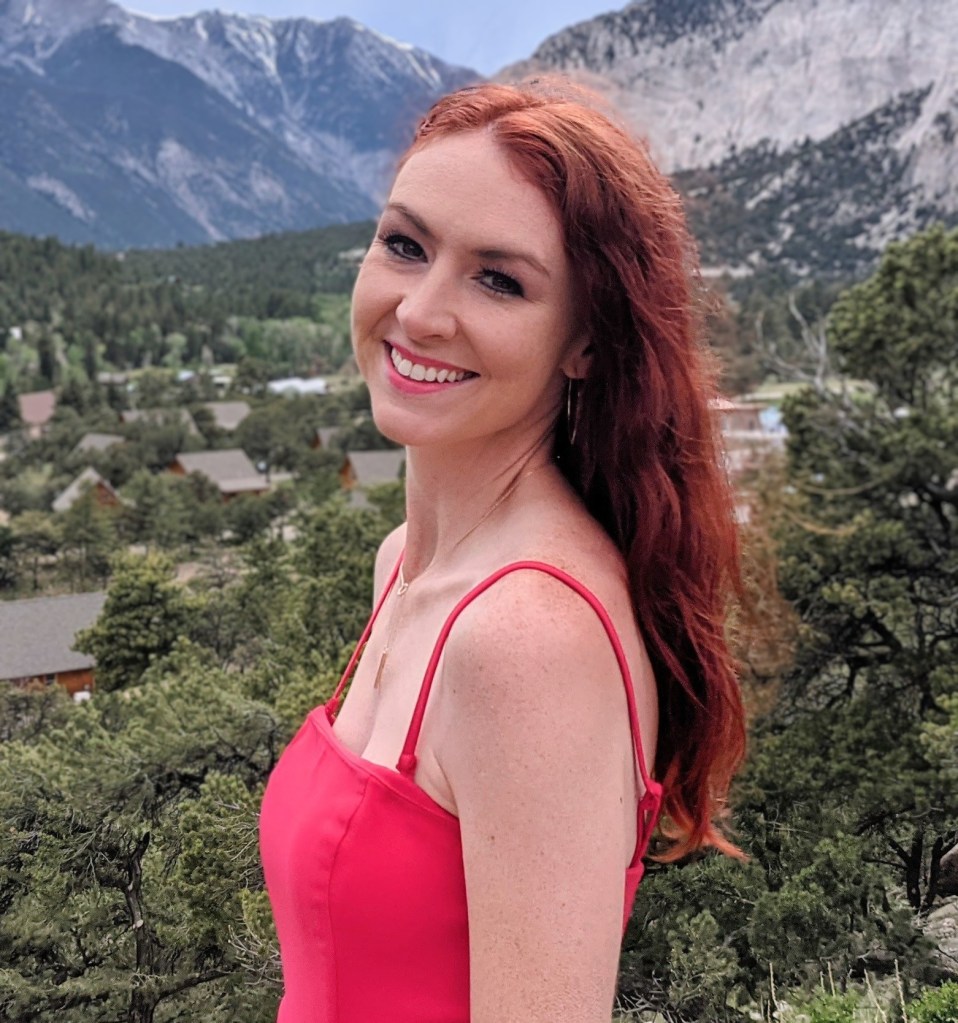
This week’s guest is Religious Trauma Life Coach, Mary Burkhart. See her full bio here.

Mary grew up in the Apostolic Pentecostal Church, and her family’s devotion goes back generations. 

When she was little, unspeakable things happened to Mary, but their church self-righteously dismissed the situation, forcing her mom and her to move. They found different churches; Mary hoped these would be different. 

Between working behind the scenes in another church and seeing the “same ugliness,” she’d seen before and a silly question asked by a college friend, Mary’s uncertainties started to pile up.  She was still a believer but she needed sturdier answers than Christianity was giving her.

“It’s not about being hurt or about hurt feelings. You leave [the Church] because things keep compiling, things keep compounding. That’s why.”

After more than fifteen years out of religion, Mary coaches others through their own journeys of religious deconstruction with Religion In Remission. Her work is a grand example of secular grace. 

Links

Site
https://religioninremission.com/

Instagram
https://www.instagram.com/religion_in_remission/

Facebook
https://m.facebook.com/RiRLifeCoach
https://m.facebook.com/religioninremission

YouTube
https://www.youtube.com/channel/UCE0BqfCB0iPQT2zmxbj66Rw

Religion In Remission Podcast
https://religioninremissionpodcast.buzzsprout.com/

Recommendations

Leaving the Fold by Dr. Marlene Winell
https://amzn.to/3YfOfIH

Matt Dillahunty
https://www.youtube.com/@SansDeity

Black Nonbelievers
https://blacknonbelievers.org/

Divorcing Religion podcast with Janice Shelbie
https://www.divorcing-religion.com/religious-trauma-podcast

Andrew Pledger
https://andrewpledger.mypixieset.com/links

Quotes

“We really have to take our experience and make it work for us. It’s fuel. We can either let it destroy us, or we can let it make us better.”

“At five and six years old, I was just so moved. In retrospect…I was so moved because I would see everyone else so moved, and I wanted to be part of that. I wanted to be part of the Spirit. I wanted to be part of the environment, and I took it very seriously.” 

“When you get…behind the scenes, you start to see a lot more of the ins and outs of how a religion and a church function. You start to see things unravel. You start to see that people are not what they seem like they are.” 

“It’s not about being hurt or about hurt feelings. You leave [the Church] because things keep compiling, things keep compounding. That’s why.”

“I never knew that my exit from religion would lead me to atheism. I never knew. I had no idea. When I left the church, I thought I was leaving that church. That was it.”

“It is just as difficult to leave a religion as it is to stay.”

“The compassion that religion is supposedly built on just doesn’t exist. It’s all a business.” 

“Everyone has speculations. Even religions have speculations. They’re just going off what they’ve been told!” 

“…a lot of people don’t like it when I say this, but religion is for people who are terrified of their own mortality. They have to have some kind of guarantee that there’s ‘something else out there.’”

“Is it really love if you can’t take your love away without consequences?” 

“You have to own your own existence. You have to own your own life…You decide how to live your life. You decide what’s important to you…You have to find what you makes you happy, and you have to go after that.” 

“If I can help people, steer them away from that ledge and say ‘What you’re feeling is normal. What you’re feeling will get better. What your feeling has a remedy.’ That makes me happy. That gives my life some purpose…”

Interact

Graceful Atheist Podcast Merch!
https://www.teepublic.com/user/gracefulatheistpodcast

Join the Deconversion Anonymous Facebook group!

Deconversion
https://gracefulatheist.com/2017/12/03/deconversion-how-to/

Secular Grace
https://gracefulatheist.com/2016/10/21/secular-grace/

Support the podcast
Patreon https://www.patreon.com/gracefulatheist
Paypal: paypal.me/gracefulatheist

Podchaser - Graceful Atheist Podcast

Attribution

“Waves” track written and produced by Makaih Beats

Transcript

NOTE: This transcript is AI produced (otter.ai) and likely has many mistakes. It is provided as rough guide to the audio conversation.

David Ames  0:11  
This is the graceful atheist podcast United studios podcast. Welcome, welcome. Welcome to the graceful atheist podcast. My name is David, and I am trying to be the graceful atheist. Thank you to all my supporters on Patreon if you too would like an ad free experience of the podcast become a patron at patreon.com/graceful atheist. If you're in the middle of doubt, deconstruction, the dark night of the soul, you did not have to do it alone. Join our private Facebook group deconversion anonymous and become a part of the community. You can find us at facebook.com/groups/deconversion Remember, there is a merch shop you can get your T shirts and mugs with graceful atheists and secular Grace themed items on it. The links will be in the show notes. Special thanks to Mike T for editing today's show. On today's show, Arline interviews this week's guest, Mary Burkhart. Mary is a life coach helping people through deconstruction with her company religion in remission. Mary grew up Apostolic Pentecostal, she had some very traumatic experiences in her young life. Later in life, she began to work in the tech part of the church and saw how the sausage was made behind the scenes. And eventually, her questions piled up beyond her ability to continue to her faith. Today, Mary is helping other people process there deconstructions you can find Mary on Instagram, at religion underscore in underscore revision. And there'll be many links for her work in the show notes. Here is our Lean interviewing Mary Burkhart.

Arline  2:08  
Mary Burkhardt Welcome to the graceful atheist podcast.

Mary Burkhart  2:12  
Thank you. Thank you for having me.

Arline  2:14  
I'm sure it's the almighty algorithm of Instagram that said, you may like this account. And so I started following you. And I'm no longer a Christian, no longer believer and I have an okay. religious background. Like I didn't have a whole lot of crazy because I did not grow up in it. But I loved the resources that you were putting out there the the questions you ask you just like curious. And so anyway, I love what you're doing. And I want to hear all about religion in remission. But um, first, Mary, tell us about the religious environment that you grew up in?

Mary Burkhart  2:48  
Sure. I grew up Apostolic Pentecostal. And what that is, yeah, that's usually the response that I get. Very, very churchy. Yeah, you know, church, many, many days out of the week. So when I was, I was born into it. My mom, she's been in it since she was 12. And I've been in it because she's still in it. And my dad was also very heavy into it as well. It is later years he's very religious, but he doesn't really go to church anymore. Just because of health reasons. But he's definitely very, very much a believer. But I grew up Apostolic Pentecostal and when you think about the connotations that come along with that, running around the church and Holy Ghost filled and, you know, all kinds of speaking in tongues and what they call crazy cult stuff. It kind of comes along with that, and being at church so much dedicating a lot of your time to the church. My mom was very, very devout and into, you know, us serving in whatever capacity we could. She was very close with the pastor, which was a woman and her daughter. Yeah, right. It was the pastor being a woman who was very rare, because they didn't you know, there was not very big on women pastors back then. And I'm an 80s baby so I mean, it wasn't terribly far away, but it was definitely still close enough to where they didn't think that women should be leaders over a flock. And so we were in church. I mean Monday for I try to remember the order of things but I know Monday was like cleaning the church after Sunday's you know, Tuesday's a prayer meeting. Wednesday's was Bible study. I think we had maybe Thursday was choir rehearsal, and then Fridays we had off and then Saturdays we go clean the church for Sunday. Sunday. We were in church all day. Yeah, it was it was just that deep. Um, And so my devotion to religion and to God to the Christian God, I'll say, came very early in my life. And but I, I don't? Well, it's hard, right? Because indoctrination is definitely it's a difficult being, it's a difficult beast to deal with. I've learned not to live my life with a ton of regrets or resentment towards towards it, because it really did shape me into who I am, you know, we have to take our experiences and make it work for us. It's, it's fuel, like, you know, we can either let it destroy us or we can let it make us better. As I got older, I mean, I, even though I didn't really understand fully the devotion and the things that were happening, the the vows that I was saying, and, you know, the commitments that I was making, I meant them, you know, I didn't know anything with them. But I was still very committed. And I was testifying in church at five and six years old. And I remember, I was just so moved, you know, because, and in retrospect, obviously, because at five years old, six years old, seven years old, well, you really know about this huge system of religion. But I was so moved, because I would see everyone else moved, you know, and I wanted to be a part of that. I wanted to be a part of the spirit, I wanted to be a part of the environment. And I take it very seriously, there was just a lot of mimicry. Because I wanted to make sure that I fit into that mold. And so it was around five years old that I started being sexually abused. And it was by my god, brother. His mom had died. And he was in his teens. And it was very, it was difficult, obviously, you know, for the obvious reasons, but it was confusing. And more so when everything came out, because my brother was the one I confided in. And I asked him not to say anything. But of course, he did. And I was very happy that he did, because it stopped everything in its tracks, and come to find out he was also abusing some of my cousins. But what happened with the church at that time was, I was called a liar. And I was completely demonized. And I was shamed. I was I was just talked about so badly as a child, not at all, and had no frame of reference, you know, for where this stuff would even come from. I'm just telling what happened. And yeah, my mom, she asked if we want it if I want it to take it to court. And I told her, yes.

Arline  8:11  
So your so your family, your mom believed you? Oh, absolutely not. But not church.

Mary Burkhart  8:17  
Yeah, no, my mom 100% believed me. And my it was kind of a split thing. My parents had split by the time everything came out. And my dad was he believed me, but he was of the mindset that he's just a kid. You know, he's a teenager, we don't want to ruin his life. And let's just, you know, do that. That typical church response, you know what I'm saying that typical? Yeah, let's sweep it under the rug, so that it can happen to someone else, essentially, you know. But I told my mom, I wanted to go to court. And we were pretty much excommunicated, and ostracized by our church. It was hard for me because I, because I still didn't understand the the depth and the scope of religion itself. All I knew was what they told me. And that was that God was love and that he was supposed to, you know, his people love us. You know, we were supposed to love each other and believe each other and trust each other. And when that happened, I was totally confused.

We won our case. And I just think that the scars were a little bit too deep for my mom at that point, because, like I said, she's been in it since she was 12. And she loved her church family. So for that to happen, you know? And it's funny because even now, saying it, I don't think I ever really took the time to think about how deeply that part hurt her. You know, she had Been in it way longer than we had? Would that was in New Jersey and we she took us and moved us to North Carolina for a fresh start. Oh, wow. Yeah, that was a few years later. And so I grew up the latter part of my years and for the next 20 years in North Carolina, and we continued going to church we found a church in North Carolina St. Apostolic, Pentecostal very, very traditional churchy running around the church, we couldn't dunk, you know, and she was home, you know, she, so I didn't go back immediately. But I started following her when I was about 16. And it was a few times off and on from like, 14 to 16. And then I committed completely. But even though we were away from the church in that time, we never stopped believing we always had those core beliefs of Jesus Christ is the Savior and, you know, death, burial resurrection, he's got in the flesh and all that. And when I started really committing myself to my religion, I don't do things half assed, so I'm like, I'm gonna commit, you know, and I'm reading and I'm searching, and I'm researching. And I was, I loved it, I found that that same kind of naive love that I had when I was about, you know, five and six again, and with the people that I felt like, we're family, you know, and, you know, spiritual brothers and sisters, and we were able to make friends and, you know, make connections. And then it wasn't, it was proud. I started shortly after I went back to church on the sound ministry. And I completely loved it. I'm very technical, so that that's something that always sticks with me, wherever I go. And, but when you start in the technical aspect of things, and you get behind the scenes, you start to see a lot more of the ins and outs of how a religion and a church functions. And you start to see things unravel, you start to see that people are not what they say they are. They don't believe as heavy as they say that they do. They have flaws and use, you don't think anyone's perfect, but they're not practicing what they preach. And yeah, for me, not, I guess, having that gap between, you know, the adolescent years and the teen years, you know, that those preteen to young teen years, I missed kind of that transition, you know, in church that you get, when you realize these things younger, and you just still go with the flow, you know, you're just like, Okay, well, you know, this is just kind of how it is, right? So I had a naivety as an as an older teenager, almost an adult into my young adult years. Thinking that, well, we're all the same. We're all serving God the way that he wants us to, we're all making the sacrifices, we're all doing the same things and reading our word and going to church. And we all love this, you know, the same God the same way. It was just not the case, you know, and that was a hard realization for me as well. But seeing those same kinds of the same kind of ugliness surface that I noticed when I was younger, and it was I think I was going to college, and I was just talking to this guy who he wasn't a believer at all. And he just asked a really silly question about Can God make up a boulder that's too heavy for him to lift? Yeah. And I was like, No. Yeah. You know, it was just it was a weird question. And I always say it's the dumbest question. But it really did throw a monkey wrench at me and it was it kind of started to chip away at what I now understand is critical thinking. Things are black and white. You know, things are things are not always easily answered. And I don't remember the guy's name, but I'll always be grateful to him for for that simple, little crazy question.

Things to do, once you start to employ certain strategies, critical thinking and, you know, you're, you don't look at things the same way. It's like, well, what if, what if this isn't or what if This is or, you know, how do I go about this in a different way? And so people always ask me, why did you leave the church? That's what they want to know. Why did you leave? Why do you think they just want some really simple answer, like, Oh, I was hurt, you know? No, that's people. Most people don't leave the church because they're hurt. They don't leave because it's like, hurt, okay? You deal with feelings and emotions, like an adult, the same way you do, whether you're in or out of, out of the church. It's not about being hurt. It's not about hurt feelings, you leave, because things keep compiling things keep compounding that's why, because they continue to be unresolved and they keep compiling. And you're trying to resolve inconsistencies. You're trying to resolve the the backbiting that you're seeing, you're trying to resolve the lack of love and compassion that you're seeing, you're trying to resolve these inconsistencies and contradictions in your holy text. And it's like, okay, so you know, if I can't get answers here about this, there's no answers for this. There's no answers for this. There's not you know, and things just really start piling up. You, you don't really have a choice at that point, but to, you know, serve your cognitive dissonance. And one way or the other, right? So you're either going to turn inwardly to your religion, and say, Okay, I'm just going to ignore all of this over here and just continue to trust and have faith. Or you're going to say, No, I need to know. And I feel like I deserve to know if there's more truth out there. So you turn outward, and you say, I'm going, I never knew that my exit from religion would lead me to atheism. I never knew I had no idea. When I left the church. I thought I was leaving that church. That was it. That was it. For me. I was like, Okay, I'm just done. When I left the church, I tried other churches. I didn't try other religions, but I did go non denominational, so that I could you know, I'm just like, Okay, let me see. But it was just more of the same. It was just more and so I left religion altogether. And I didn't even leave God, I was still a believer, you know, and it was just, it took time to really unravel and deconstruct my religious experiences. And the more research that I did, the more of my understanding that came through. That is when I made the decision, that I do not believe in a God in any God. And so it's people always want that simple answer. Why did you leave? Is that simple? You know, it's really not. And you can say, well, I joined the church. And you know, I didn't for this reason, you know, it's not, but it's usually not simple for why you join a church, either, you know, unless you were like, Okay, I was born into it. But why did you stay? Because there's, it's more complicated than that. So a lot of believers, they want to know why you left, right, they want to know, why did you leave? Because they're looking for some hole in why you left? Why did you, you know, you must have been hurt. Someone must have said something. So? No, it's It's, it's just as difficult to leave a religion as it is to stay. Yeah, it's totally difficult, you know, in the little cliched adage, about the road to atheism being littered with Bibles, which I always change to holy texts, because it's true. It doesn't matter where what religion you're coming from. Most people who have been indoctrinated into religion, or have been developed to a religion for a specific number of years, have tried to find answers within their religion first, before them. And it's just, it's not happening. And there's a reason for that, you know, so, in my own coaching, I never tell people you shouldn't believe you know, and I think a lot of people think that's what I do, I don't turn people away from their religion. And as a matter of fact, there have been several potential clients that I have told, you might need to go back to your religion, and see if you can get these answers because you're you seem to be confused about why you don't believe you know, and no one can give you that why you have to figure that out for yourself. So you know, telling people not to believe or to leave religion, that is not what I'm here for you. It's something that we all have to come to on our own.

Arline  19:38  
I haven't had a lot of people ask, like, why did we leave? And sometimes I'm like, just ask me, I will talk to you just ask me. Like family family has asked a whole lot. But yeah, you're right. Like, I didn't leave because I wanted to sin or because I was hurt. Like I said earlier, like, our church life was pretty easy, which wasn't too bad. My husband he converted and so that sent me on a job He realized he couldn't believe so I was like, Oh my God, what? What do we do? So then I'm like, reading everybody I had not read yet who was a Christian. I was reading Catholic people I was reading like, these people that used to be off limits. And I was like, No, it's just the, the, the church is getting bigger to me, Holy Spirit's bigger, I was just learning, I had no idea it was going to lead me to be an atheist. And it was it was just a long trail of like, learning and learning and learning and then eventually going, you know, this doesn't, like I thought it did. And the things for me it was there was also a lot of mental health stuff. And so realizing that like, praying was stressing me out because I didn't know if God was going to help me or not, yes, like that anxiety, and finally, just being like, I don't, I'm just not gonna pray about stuff. It was like my brain cleared up a little bit like, it was so bizarre. So yeah, there's no easy answer. And it takes a long time. It's not an end for my husband. It was very emotional. For me. I was just like, I don't think this is true anymore. So then, of course, I get the thing Bush's head knowledge, No, baby, if you saw my journals, it was like the real deal. The whole Yes. Anyway, I've talked a lot but go ahead.

Mary Burkhart  21:10  
So no, no, it's, I totally get what you're saying. And you know that that whole spiritual bypassing that they love to do when it comes to you know, your journey, the the No True Scotsman fallacy about you know, you were never really a believer. I'm like, Listen, I don't have anything to prove to anybody. And then that's not why I do what I do, you know, but it's always funny to me when I like, Well, you were just never really a believer. You're never you're never truly a Christian if you if you could leave so easily. I'm like, unfortunately for you, I was more Christian than you were. You know, I mean, I have, I have I've spent so many hours on on my knees praying, I have spent I have gone to so many prayer meetings, so many tears, waiting, just continue fasting, feet washing, okay, like I was, I was in it all the way. And I believed all the way journals thick, you know, notebooks full of knowledge and just studying studying material that I have, I cease to sit at the front, I remember when I was old enough to go to the Adult Bible study, I was so ready. I was like, Oh, my gosh, I can't wait. And I was just, and then the adult Sunday school, because my pastor taught it. And I was just, I'm like, I just want to know, you know, I want to know what's going on, I have to get this information. And I used to look at the Bible as something that was so dynamic. Like, how could you just read one scripture, and then it can be interpreted so many different ways. I thought I loved to read. And then I left religion and I started reading more philosophy and psychology. And I was like, oh, but you can do that with anything, you know.

Arline  23:04  
I'm just about to be 40. And it just dawned on me a few months ago that I can highlight other books, and like, take away really great insightful things, right, fiction and nonfiction, with all my little highlighters, like I used to do in my Bible, like, I can learn from all these people. And it never it just, yeah, there's you can get it from so many different

Mary Burkhart  23:27  
years. Just like music, right? And that's a big one.

The one thing, big thing that I really try to drive home with a lot of my, my clients, my, my friend, my family, whatever it is, whoever I'm talking to. Music is huge, but it's the psychological tactics of religion, right? They know what they're doing. That's why there's a song for everything music evokes emotion. And when you really start to understand how down to a science religion has it, it's it's really predatory. We are emotional beings. And religion understands that. Think about when you go to the store. We buy with emotions first, and then we rationalize later. Yes, that's, that's how religion is. We will join religion we will you know, we dive in headfirst, and then we rationalize it later. So when we're talking about giving, let's talk about tides, right? There's this music, a tone of music that's played. There's certain scriptures that are used to evoke emotion and say, you know You know, what a man rob God? And are you going to, you know, how are you going to bring in, you know, your, your 10%, or whatever into the storehouse, you know, give until God to God's people. And I remember my pastor used to say, don't give until it hurts, give until it stops hurting. And I always thought that was that was first of all, that was so brilliant. Because you're like, Wait, do I give more? Or do I give? Yeah, I'm like. So, you know, it's really up to your interpretation of what that means. But it was always meant for you to give more essentially, you know, take the sacrifice, take the leap, trust God, you know, and there was always, it never failed, there was always a search situation in the church where I, personally would see and experience people trying to decide between whether to pay their bills, or whether to pay their ties. And I always thought that was so hard. I was one of them. At one point, I was like, man, you know, what do I do? How am I? Because you're supposed to trust it's all about faith. Right? Yeah. And that is one of the most difficult things. It's easy for people who are wealthy, you know, it's okay. Okay, here's my whatever. It's just, but if you're working and trying to make your ends meet, it's tough. It's a tough decision to make. When I was more faithful and devout, it was an easy decision, but I would suffer because of it. And yes, like, I couldn't understand, like, I would see people who needed help from the church, and then they couldn't get it. And like, wait, but wasn't, isn't that what we're here for? To help people? Are we supposed to be, you know, and like I said, being in the background, and behind the scenes and seeing how things work? Then I also started hearing Oh, well, you know, you don't get your jobs, you can't get help. What about the community? What about the, you know, the, the Bible says that we're supposed to help, that's what we're here for. That's what the church is established for, to help the world to help the community. And it just really came out that there was agenda, you know, and then the more that I started going to other churches, the more that I started researching, and even helping people and talking to people, the more I find out, this is a thing. You know, it's not it wasn't just my church. Yeah, it wasn't just my religion. It's, it's a theme throughout religion. And the compassion that religion is supposedly built on just doesn't exist. It's all a business. Yeah. And that's where you know, it. It makes it easier for me, but it also made it more difficult in the beginning, you know, because, my, my soul, I was like, Yeah, my soul is just a business, my soul. What about that? What about that is okay, where I'm really trying to strive and get to, you know, this heaven place. And it doesn't seem like that really, is the goal of church anymore. You know, it just kind of seems like this is all a transaction. And yeah, it was, it was difficult, and it's hard. But I wouldn't change it honestly, just for me, the way that I went about everything, because I honestly, I went with all my heart. And that's one thing I tell my clients, like, your intention matters, because there's always a lot of regret, things that I wish I didn't do. I wish I didn't say places I wish I wouldn't have gone. But intention matters. And it's not your fault that you were exploited. That's not your fault. You have to understand that and it's a difficult time. But if you can push beyond that, that guilt and that shame, and that's what I deal with a lot with people. It gets better, you know, we have to learn to shed that because our intention was not to, you know, exploit others or bring others into a system that we thought was horrible. It was to help people and to really think that when we're bringing them into a system of salvation, that we're this is the only way that they're going to be able to get to, you know, to get to heaven and to save their soul to make their life better. That's that was that intention? And you know, it's, it falls on us because now we are the ones who are deconstructing, and we're the ones who've walked away but we understand better you know, better you do better. That's all you can do. That's all you can do.

Arline  30:02  
Yeah, that's very true.

So how did you get from, to, let's say, Christian to not real sure about church to still believe in God, but then started reading, how'd you get into philosophy was that just you just started reading other stuff? Or

Mary Burkhart  30:24  
I always loved the concept of philosophy, but I never really was like, Oh, let me just read Nietzsche, you know, let me just open this up, you know, me read a little bit of Aristotle, you know, but honestly, it really was just that. I wanted to understand different schools of thought. I just, I honestly, I've just picked up a book on philosophy one day. And it was the first philosophy book, oh, my gosh, I don't even remember it was it was some existential ism book. epicurean, I think that's actually what it was. But I I was still fascinated, because I was like, Wait, this makes so much sense, you know, and just how, how we view life. Under religion, it's search for the right word. It's so concrete, right? It's like, okay, we have a goal. We have to live like, we have to live every facet of our being around this goal. We are working towards heaven. We're working towards salvation, we're working towards saving souls. That is our goal. Then you start reading, different schools of thought, and philosophy. And it's like, what if life means nothing? Yeah. Well, wait a minute. What of all this actually means shit? What if this means nothing? What if I don't? What if I don't mean anything? You know, it's really mind blowing. And I always, I love that experience that I had, when it came to philosophy. What if none of this matters? What if I die, and there's nothing but void? You know? How does that work? And it's hard, right? It's hard realizations. We don't ever know what's after death. But we have speculations everyone has been even religion has speculation. They don't know for sure they just go on, they're going off of what they've been told. But even in the Bible, it says, like, your people can't come back to you and tell you, they can't warn you. So you know, don't expect that. So what kind of assurity Do you really have that, you know, an afterlife exists? But I think the existential is existential is a part of philosophy has always been the most fascinating part for me, because one of the biggest takeaways was that religion. And a lot of people don't like when I say this, but a religion is for people who are terrified of their own mortality. Hmm, they have to, they have to have some kind of guarantee that there's something else out there, we cannot stand the thought that all of this just ends. And part of part of understanding that all of this just ends is okay. begins with understanding that all of this isn't actually great in the first place. You know, it's like, you know, even if your life is good, that's awesome. But think about the state of the world. Everywhere else, you know, we get so much tunnel vision when we're in religion. And it's, you know, I always use the example of a like a 12 car pileup. Oh, God is so good. There was a 12 car pileup, but I walked away. Every other person involved is gone, but I'm good. So God is good. What?

Arline  34:17  
I remember some lady at the library where library frequent tours, and she was talking about how would the storms came through recently, she was like a not a tree fail. Like God was so faithful. And I was like, this was what I was still a Christian. And I just said to trees fell in our yard. Like, what does that mean about our life? Like, and she didn't? Yeah. What did God just like? That sound? It sounds so presumptuous. Right. Like it sounds so presumptuous. It really,

Mary Burkhart  34:47  
at its core. That's, that's what it is. I mean, you talk about I remember the Hurricane Katrina and you know, or any hurricane really, they're like, Oh, the cross is still saying anything,

Arline  35:00  
or the Bible that survived the fire?

Mary Burkhart  35:03  
The fire? Yes. Because if you actually look into it, the Bible is actually made of like flame retardant material and the thickness of it, it's going to take a lot longer to burn. But we don't think about that. We just think, Oh, well, you know, it's something that has God's name on it. So it had to be preserved. And but you know, it's like this hurricane came through this town and killed 1100 people, but the cross is still standing. So God is still good. And it's like, no, definitely not. No, but yeah, if you ever noticed, like a funeral, let's just say, and it happens a lot. That has a lot of funerals. But, you know, I noticed the pattern a lot for people is, when someone dies, we lost three people very close to our family, my uncle, my aunt and my brother. Every single time there was a funeral. Everyone's like, oh, yeah, family is so important. We got to stick together, we got to do more. And you know, this, God is so good. And I'm just like, now at this, at this point, when I, when we lost all three of them, I no longer was a believer. So for me, I'm trying not to be cold. And just tell everybody like you listen, this is going to pass, you're just afraid of your own mortality, this death has just brought your mortality closer to you. And so that's all that's happening is that you're once again, faced with the fact that life ends. That's really all it is, you know, and this is going to pass, you know, right now, you're just speaking from a place of fear. I wish it was, you know, real, I wish that you guys really wanted to stay in contact with family. But you know, this is just really, it's all fear based. And, you know, but these are the most religious people right there. Because they're responding in kind to the way that they serve religion. In fear. They're serving in fear, elaborate, what? Kind of, they're responding in kind to the death of a loved one, the same way that they serve religion, which is fear based. Oh, yes. Yeah. Yeah. So it's consequence, right. So there are a lot of people they, you know, they say, Oh, well, you know, I love my I love God, I love this. I love that. So is it really love? If you can't take your love away without consequence? Mm hmm. You know, are you serving your god seriously, in full truth and love and devotion? Because there's consequences if you don't? Or, you know, it's hard. But that's a difficult question. Because it's hard for people to say, well, yes, I am. But how do you know? Because there are consequences. You know, it's not love. If there's consequences for removing your love away, for taking your side of the equation. Yeah, if we've taken your side of the equation, if you have to burn for, you know, leaving and saying, you know, I'm out of here. This is not for me. Is it really unconditional love? Is it really? You know, is it is it really unconditional love? And can you honestly say that you're serving fearlessly? I couldn't. I mean, some people might be able to say that they are. But I couldn't. I couldn't say that. It was It wasn't fear based for me. I was told it was totally fear based. I was like, Wait a minute. Yeah. This makes total sense to me now, you know, because especially being indoctrinated into it from a child. I had such irrational fears of hell. Such irrational. Yes, yes. And anybody who was brought up Baptist Baptists, any kind of, you know, really like deep Pentecostal roots. You at one point in your life, thought you were left behind. You went to the church, and no one was there, you came home and everybody was gone, or somebody with everybody was asleep or whatever. Nobody was answering your phone. You thought you missed the rapture. You know.

Arline  39:19  
We weren't taught the rapture stuff. But I have heard so many people on the podcast talk about that, like, they, yeah, they turned around and target and couldn't find their mom and start panicking. And I'm like, I cannot imagine being the little kid and like, having this experience

Mary Burkhart  39:35  
that that that's the first thing that comes to your mind as a child.

Arline  39:38  
Yes, rather than like, oh, I stepped away and she's on the toy aisle like, Yeah,

Mary Burkhart  39:44  
but um, oh my gosh, God doesn't love me. I left behind

Arline  39:49  
my head

so tell me Now that you are a flaming crazy atheist who has you can't you can't have meaning in life, you can't have hope you can't have any note, you're not a moral person. How do you find your hope and your meaning?

Mary Burkhart  40:14  
These days? Oh, man, that's good. Yeah, I mean, like I said, I love philosophy. And I'm really, about, you have to own your own life, you have to own your own existence. I mean, I think nihilism to a great extent is blurring the lives of absurdity. Because, you know, you just, yeah, okay, some, a lot of things don't matter, you know, conceptually, but you give your life meaning. You decide what you're living for, you decide what's important to you. You know, I am, I'm married to a wonderful man. I have a daughter who's about to be six years old, and a couple of weeks, I'm pregnant with my second. And, you know, I work very hard to take care of my family, and I relish the time that I get to spend with them, the memories that we make, you know, that is what gives my life meaning, you know, helping people through my coaching is one of the things that gives my life meaning. I can't speak for everyone else, but you have to find what makes you happy. And you have to go after that, you know, it's, it's easy to sit back and say, Well, you know, life doesn't mean anything. So I'm just, I'm not going to do anything about it. But at that point, I mean, you're just resigned to, to just exist. And that's, I mean, if that's what you want, sure. But, you know, for me, I, I feel like, this is the only life that we get, you have to, you have to make it mean, what you want it to mean, you have to yes, there's a system, especially in the United States, this country is not set up for us to win, right. But there are ways to live a great life and to enjoy life, you know, if the homeless person on the street, can have a smile on their face, and be so loving, I know I can too. You know, I have a lot to be grateful for I work hard. And it's about finding your passion, serving in that. Like, my passion is the coaching, you know, I, I didn't have this when I started deconstructing. And I wish that there was something like this available. Because my journey through deconstruction was very dark. In the beginning, I didn't realize that I was lacking a whole lot after I left the church. And I almost took my life. It was it was a very hard time because I just the things that I work to help people recognize on their own journeys, are the things that I wish somebody would have told me, you know, and I've been deconstructing for over 15 years. And it's been, it's been, it's gotten a lot better, but having to do it on my own. And there are people who don't survive it, because religion is so much one of the heaviest pieces of the country here in the United States, and in a lot of other countries, too. So you'll have people who, unfortunately have taken it a step further and have ended their life. Because you get family rejection, you get friend, you get all kinds of self hate, and you don't understand emotions and things you don't understand because of the way that indoctrination and religion weaves itself into your life. It's hard, it's so difficult. So if I can help people, steer them away from that ledge, and say what you're feeling is normal. What you're feeling will get better. You know, what your feeling has a remedy. That's, that makes me happy that that gives my life some purpose, you know, on a certain level because I do enjoy helping people but man, being able to steer people away. That's invaluable, you know, and I I have a heart for that because, again, those psychological tactics, we don't know what's happening to us. When we're indoctrinated. You know, we think we're just serving in religion. We think we're just doing you know, what comes with it. We're being manipulated and it's hard. It's a hard it's a hard thing to unravel. So, you know, as far as, of course, morality I mean, Obviously, we're immoral havens, and there's no there's no basis for morality if you're an atheist. But I always think that's so funny because morality predates Christianity. Yeah. So it's just so funny that they're like, Oh, well, you know, it's you can't have morals if you're not a Christian because God is the ultimate authority of morality. No, not really, though.

Arline  45:26  
Yeah. And let's open the Bible and pull out some morality from different aside.

Mary Burkhart  45:33  
Yeah, it's like

Arline  45:35  
it's perfectly and infanticide. Like all the sides, all the

Mary Burkhart  45:40  
rape and yeah, yeah.

Arline  45:53  
Well, you were talking about your coaching, so tell us all about religion in remission, tell us what you're doing.

Mary Burkhart  46:00  
So, religion, our mission is my coaching program I've been, it's my coaching business, I've been coaching for over two years now. And I absolutely love it. You know, it's helping to see people, you know, helping people to see themselves in a better light. Because we come out of religion with so much darkness and heavy of heart, you know, and just hopelessness sometimes, and think anything from you talking about sexual identity, to, you know, your, your human identity, to family rejection, to, you know, unsure of how to just view the world, where do I fit in, in the world? Now? You know, what, what do I do now that I don't have religion, all of these things, they matter, and they're so downplayed in religion, we get into these little bubbles within our religions. And then when you hit the world, you're like, Shit, no one prepared me for this. I have no frame of reference, I don't know what to do. And so being able to help people understand that one, it's completely normal, it happens, it's fine. But to that, it's, there's another side to it, you know, it gets better. Because I was so heavy, I was just, man. It took a lot for me to get to a place where I wanted to end my life. And so to come from that, and know, like, boom, there's, there's so much better on the other side of it. This is It's okay, you can get through this and your life can be so much better than you think. Because there's endless possibilities. If you decide that you want more, you know, it's about that's what it's about, you know, so you have to make the decision. Like, you know, this is just not my end, you know, I'm not just someone who left religion, I'm actually a human, a whole human. And I can, I can make my life what I want it to be. So I coach people. And I basically the core of it is helping people to transition out of toxic religion environments, toxic religious environments, and toxic mindsets, because that's really, the mind work is what needs to happen before anything else. And one of the things that I definitely harp on is indoctrinate indoctrination. And I coached people who have been in religion few years to, you know, over 30 years or whatever, it doesn't matter. But indoctrination is so subtle, and in harsh, that I really love to help people unwind that. Because it and I, I've said it before, if anyone's heard me that they know I use a rope analogy, you know, it's it's it religion reinforces itself. And it's so that's why you know, people, there's a revolving door, a lot of people will leave religion, but they'll go right back into it, because it really does, it reinforces itself. You know, those the rope is made up of little strands that are woven into fibers that are woven, you know, they're just in there tightened around it, so you cannot just break that that's how indoctrination is in our life. You know, you have to carefully remove these little fibers and strands out from your life because if you try to do it by like chopping the rope in half or just pulling it strands, you can unravel your entire life. So that's why some people just don't make it and so it's important that you be careful. You know, when you're unraveling your religious experiences and unpacking them Um, but the mindset work is so important. And we have to make sure that we're taking the time to do that a lot of times you see people come out and it's just like, one extreme to the next. You know, but if you've been in religion for I usually say about, you know, 10 years or more in your life, especially if you're an adult and you've been indoctrinated, you have to consider that you've been indoctrinated longer than you've been away from religion. Yes. So you, you have to be patient with yourself. And that's, that's really the most important part. You can, you know, get frustrated if you want to, but it's not. You have to take your time. It's a process, you know, and it's a lifelong process that we have to commit to. So don't you know, don't be in a rush because I was indoctrinated. I didn't leave religion until I was 24. I didn't become an atheist until I was 26. Well, I'm 39. So I've still been indoctrinated longer than I've been away from religion. Yeah. So you know, it's, it's a lifelong journey. So you know, you have to be patient with yourself. But, um, yeah, I have a podcast called religion or mission podcast, it's on YouTube, it's on Buzzsprout. And I just, I interview guests, and talk about their own deconstruction and their own religious experiences, or even lack thereof. I am on Instagram, Facebook, Twitter, you know, it's all over the place for me and I have been on several podcasts and, and it's always been a journey, I'm really grateful for the growth that religion and revision has had. And I, I, there's a big thing coming in the future. And we'll see, you know, I won't release it here. But right now, what's what's happening with religion, and my mission is I have a 12 week coaching program called destination deconstruction. And that is, it's so funny, because I always tell people like there is no destination to deconstruction, right? When you're on that path, there's no destination, don't ever think that you're going to get to a point your deconstruction, you're like, I'm finished, I'm done. I've completed these constructed. No, that's not that's never the case. But when you're leaving religion, the destination is to get healthy on that path to deconstruction. So it's about making your way to that Healthy Start of deconstruction. So in that 12 week, coaching program, it's about transform helping people transform their toxic mindsets, and dismantle them, so that they can start their deconstruction in a healthy way. And, you know, we go into even sexual identity, because it and I, it's funny, because I actually even posted about this today, where sexual identity is a huge part of our human identity. So much so that it colors, our experiences every day, we don't think about it on, you know, on that level every day. But, you know, you see someone you're attracted to. But if you see someone that you're attracted to, and you've spent years and religion, you're probably a year ashamed of that attraction, you're probably beating yourself down. You know, so it's about those nuances of sexual identity, as well as the big parts, you know, as well as, you know, what, I do think that I'm attracted to the same gender, or I do think that I want to explore this more, you know, so, in the 12 weeks, it's intense, but we go through, we go through a lot of what it takes to get a healthy start to, uh, to deconstruction, um, and it's even if you even if you've been away from religion for a while, you know, but you feel like, Man, I'm missing something. I need to figure out where I want to start and what which direction I want to go in, you know, everybody's welcome to to come. So

Arline  53:58  
that's awesome. Do you have any recommendations books, podcast, YouTubers, anything that either was helpful on your deconstruction journey, which 10 or 15 years ago, that was long time ago? Or, or just now anything now that

Mary Burkhart  54:13  
I'm that you're leaving the fool by Dr. Wintel Dr. Marlene widow, she's awesome. She you know, she coined the term religious trauma syndrome. And thanks to her and her work, it really is getting more attention that it deserves in the mental health space, because for the longest time, I mean, religion just didn't want to acknowledge that there were mental health issues, but neither did the mental health community. And so, you know, now that we're able to get things like religious trauma syndrome in the DSM, you know, it's, that's huge. It to acknowledge and religion may still not acknowledge it fully because it means that they have to acknowledge that there's a problem in the system. But that's, it is definitely worth read podcasts. I love Matt Dillahunty. He's, he's awesome. He and everybody knows him. Black nonbelievers has a podcast called in the cut. And I love black non believers allowed Mandisa Thomas. She's awesome. She's the founder of Black non believers. And I am a part of that. And basically, I mentioned black non believers a lot. Because when being a woman of color being a black woman coming out of religion, well, black people are the most religious denominations, denominations, excuse me. Demographic, not dominant demographic. And so, uh, you know, being a woman of color and not being religious 15 years ago,

Speaker 2  55:50  
you know, yes, that's true. Yeah.

Mary Burkhart  55:53  
So now it's a lot more it's because becoming more common, but it's, it's difficult to find support, it's difficult to find people who look like you. And it's just like, I don't know what to do. So when I found black non believers about eight years ago, I was very happy. I was very, because I was like, Oh, thank goodness. So I'm not alone in this. You know, it's hard. Because when you're growing up in a black household, that is extremely religious, everything surrounds that everything is about that, you know, whether you're going to church or not, you are a believer, and that's just kind of the end of it. And so, being a non believer in the people of color space, it's been, that helps a lot. It helps when you have that kind of representation and the support, you know, around you, so be black nonbelievers also has a Facebook group, and a podcast and you can always follow them in DC. They're on Instagram and Twitter as well. divorcing religion podcast with Janice Selby. She is. Yeah, she's awesome. I actually interviewed her on her. She's interviewed me as well on her podcast. She came from a very fundamentalist background as well. Very Mennonite. And oh, wow. So yeah, it was her trends. Her story is beautiful. Yeah, I mean, uh, speaking up with Andrew Pledger, who is also a great spin on the podcast. Yeah. Okay. Yeah, he's awesome. And he has I love his perspective, and how he's definitely, because he's a member of the LGBTQ community as well. And so you know, he definitely promotes that, that angle to help people who are struggling with it in that community. So yeah, some some really great ones out there. And I mean, if I think you have any more, I'll let you know. But yeah.

Arline  58:03  
Well, Mary, thank you so much for being on the podcast. This was a lovely conversation. Of course,

Mary Burkhart  58:08  
thank you so much for having me.

Arline  58:16  
My final thoughts on the episode. That was a lovely conversation, I really enjoyed getting to know Mary, I've only been following her a little bit on Instagram. But she asks some of the just most curious questions. Like she really wants to know how people are doing what are the things that they've struggled with since leaving religion? What do they miss from religion? How are they finding meaning and hope? It's neat to watch and to see people respond on Instagram to her questions. And, and I know she really has, oh, I was about to I was about to say she really has a heart for people. But the Christianese runs deep. But yeah, she has a heart for people, she really wants to help others and not to make them into atheist or make them into anything, but to just empower them to become the people that they want to be coming out of toxic religious environment. And so it's wonderful to see the work she's doing and the people that she's helping and thank you again, Mary. It was a fabulous conversation.

David Ames  59:22  
The singular Grace Thought of the Week is participation was interesting that we did not plan to have Daniel and Mary back to back both Daniel and Mary talk about the existential dread on this side of deconversion or even the existential dread that drives religion in the first place. But a very insightful thing that Mary mentioned, is giving back as a part of the process of healing as a part of the deconstruction process. Over the years we've tried to provide ways for people to participate, obviously you can join the deacon version anonymous Facebook group and become a part of the community there. We have people like Jimmy who writes for the blog, Arline writes for the blog Arline does interviews, Mike t does the audio editing. There are lots of other things that you could participate in with the podcast if you are interested. If you have any interest on doing website work, marketing, running a group for the community, any of these things can be a way that you could participate and give back. Beyond the podcast, obviously, there are ways in your community as well. Volunteer, do something that you love something that makes you feel like a full human being, and that can absolutely be a significant part of growing as a human being and healing from the deconstruction process. Next week, we have Dr. Darrel Ray of recovering from Religion Foundation, as well as the secular therapy project. Darrell is also written a number of books, including The God virus and sex and God. Darrell is a font of wisdom. I think you're absolutely going to love this conversation. Check it out next week. Until then, my name is David and I am trying to be the graceful atheist. Join me and be graceful human being. The beat is called waves by MCI beats. Do you want to get in touch with me to be a guest on the show? Email me at graceful atheist@gmail.com Four blog posts, quotes, recommendations and full episode transcripts head over to graceful atheists.com. This graceful atheist podcast a part of the ABS United studios Podcast Network

Transcribed by https://otter.ai

Purity Culture Doesn’t Get the Last Word

Books, Deconstruction, Influencers, LGBTQ+, Musicians, Podcasters, Purity Culture, Uncategorized, YouTubers

Purity Culture says that monogamous married sex between two heterosexual people is the only good and moral way. Anything that “deviates” is evil and sinful, even an abomination to god.

But it’s all a lie. 

When we leave religion—whether it’s Christianity or any other fundamentalist belief system—we don’t magically forget everything we believed. The homophobia, internalized or otherwise, runs deep. Be compassionate and patient with yourself and others.

Below are some resources from members of our private Facebook group. Perhaps they’ll be helpful to you, as well!

“Just getting to know human beings who do life differently cannot be replaced by all the reading and listening.” —Ursula Schneider

Books

Entertainment

Instagram

Podcasts

Youtube

The last resource is a simple quote from a community member and past guest, Ursula Schneider: “Just getting to know human beings who do life differently cannot be replaced by all the reading and listening.”

We don’t have to walk this path alone, and there is so much we learn from one another. If you’re in need of community, consider joining the Deconversion Anonymous private Facebook group.

Arline

Stacie: Apostacie

Atheism, Deconversion, ExVangelical, Hell Anxiety, Podcast, YouTubers
Listen on Apple Podcasts

This week’s guest is Stacie, the creative mind behind the @apostacie on Instagram and the co-host of @skeptichaven on Youtube.

Stacie grew up in charismatic churches, believing what she learned about and experienced at church was normal—from speaking in tongues to full-on demonic oppression. It wasn’t until Stacie was an adult that she began to seriously question her upbringing. After watching a Reformed-Christian documentary about the Charismatic church, the questions started coming.

“I made the promise to myself: If I had questions, I was going to find the answers to them.”

Now, she uses her online platforms to reach both atheists and doubting religious folks. Her compassionate wisdom is helping so many people.

Links

Instagram
https://www.instagram.com/apostacie/

Skeptic Haven
https://www.youtube.com/c/SkepticHaven

Recommendations

Thinking Atheist podcast & YouTube

Deconverted by Seth Andrews

Childish Things: A Memoir by Dave Warnock

Mom, Dad, I’m an Atheist by David McAfee

The Belief Book by David McAfee

The Book of Gods by David McAfee

#AmazonPaidLinks

Quotes

“Basically I didn’t think that I had a choice but to be Christian because that was how I was raised. It was: This is the Truth. Why would I not serve [God]?

“…looking back I can see all the anxiety from the time I was a young child, especially with spiritual warfare, always believing there were supernatural forces, whether they were demons or angels. That causes a lot of terror in a small child.” 

“I made that promise to myself: If I had questions, I was going to find the answers to them.”

“I thought, If I’m going to do this, I have to know I’m not going to go to hell for it.”

“I would listen to [sermons] like I was someone hearing them for the first time. I was like, This sounds like a fairy tale. This sounds very ridiculous. I don’t know if I would believe this, if I wasn’t raised in it.”

“To find out there’s this big, huge, amazing community of people [deconverting]…you have this connection instantly. It’s like: You get what I’m going through. You know what I’m going through. You know the words I am saying!

“For anyone out there…who’s having doubts: Don’t be afraid to continue exploring those doubts. Don’t go to your pastor. Go to someone else who’s neutral.”

Interact

Deconversion
https://gracefulatheist.com/2017/12/03/deconversion-how-to/

Secular Grace
https://gracefulatheist.com/2016/10/21/secular-grace/

Support the podcast
Patreon https://www.patreon.com/gracefulatheist
Paypal: paypal.me/gracefulatheist

Podchaser - Graceful Atheist Podcast

Attribution

“Waves” track written and produced by Makaih Beats

Transcript

NOTE: This transcript is AI produced (otter.ai) and likely has many mistakes. It is provided as rough guide to the audio conversation.

David Ames  0:11  
This is the graceful atheist podcast United studios podcast. Welcome, welcome. Welcome to the graceful atheist podcast. My name is David, and I am trying to be the graceful atheist. As always, thank you to my patrons. If you too would like an ad free experience of the podcast, please become a patron at any level at patreon.com/graceful atheist. I wanted to highlight our blog. Jimmy and our lien from the community have been participating in writing on the blog and I'm just really excited about the work that they are doing. Please check out the blog at graceful atheists.com/blog If you are questioning, doubting, deconstructing, or D converting, you don't have to do it alone. Please join us at the deconversion anonymous Facebook group at facebook.com/groups/deconversion. Special thanks to Mike T for editing today's show. onto today's show. Our lien interviews today's guest Stacey. She goes by the moniker apostasy which I think is just amazing. You can find her on Instagram @apostacie and she is the co host of Skeptic Haven on YouTube. We'll of course have links in the show notes. Stacey stone story is amazing. She began in a more Pentecostal charismatic environment Word of Faith. She eventually went to a more Reformed churches. Her and her husband and her family were excommunicated multiple times. Apparently, she talks about health anxiety, a fear of literal demons and angels, and then going through a really investigatory timeframe where she was searching for the truth. She saw a documentary from the reformed perspective against the charismatic movement. She saw documentaries about multilevel marketing as cults, but it was ultimately the response to COVID within the Christian community and deconstructing her belief in the devil, and hell itself that led to hurt deconstruction and deconversion. Here is our Lean interviewing Stacy.

Arline  2:23  
Hi, Stacey, welcome to the

Stacie  2:24  
graceful atheist podcast. Hi, thank you for having me.

Arline  2:28  
Now, you have a fantastic Instagram presence. And a friend sent me your information was like you need to check her out. And I I love it. I have not just learned a lot but like laughed, and I really appreciate the work that you're doing. Usually we begin with just tell us about the religious environment that you grew up in.

Stacie  2:49  
Sure. So my name is Stacy. And well, first of all, I live in Canada. So the west coast of Canada near Vancouver just for context of locations. And I grew up mainly in a charismatic environment, Pentecostal word of faith, so very much believing in the supernatural, the healing, speaking in tongues, prophesying, if you were to see kind of the pastors and preachers on television that pray for people, and they're being slain in the Spirit, that's sort of the environment that I grew up. And it was very much quote unquote, normal for for church services, in my, my formative years, and throughout my teenage hood, so very much, you know, spiritual warfare was a huge part of that as well. So not something that I recommend for people, but that's what I thought was normal for Christianity and believing in God.

Arline  4:15  
I was part of the Calvinist part of Christianity. So we totally just, yeah.

Stacie  4:23  
Well, it's interesting, because I don't know if you know this about me, but later, actually, that's super interesting that you are out of Calvinism, because I would love to hear your story later on. But when I was leaving Christianity, that is kind of the stepping stone. That was that was what I left. That was my way out of Christianity as I dabbled in Calvinism. Wow. Yeah. So about in 2019 I came across a documentary called American gospel. I don't know if you're familiar with when I have not seen it. Okay. Well, it is a documentary that is a Christian documentary. But it is from a reformed perspective, kind of exposing the charismatic Word of Faith theology. Okay. And when I saw that documentary and 2019, that is, I feel like that's where my deconstruction sort of began. I felt like my world had been turned upside down, because I thought, everything that I had grown up believing about God and Christianity, and Jesus, I felt this was all a lie, because it exposed speaking in tongues, and just how ridiculous it was and how it's not biblical and how it was. It gave scripture backing up how that was only meant for that time period. And so I leaned into that reformed perspective quite heavily. And I thought, well, if, if I've had Christianity wrong, I need to figure out the right kind of Christianity. So I went into kind of the Calvinism side, and I thought, well, this is the closest to the Bible. So I wanted to be correct in my theology. And so I thought, well, I didn't think Christianity was wrong at that point. So I found a Reformed Church. And I started listening to a lot of Reformed preachers and reading a lot of Reformed books and getting involved into into that side. And I feel like I just went from one culty, Christianity to another culty Christianity. And that is the last bit of church experience that I had. And yeah, it's interesting that you have that background, because I don't have a ton of experience in it. I can't really speak from a Calvinist perspective a lot, because I don't have a ton of knowledge on it. But that is the last church that we were a part of. And, yeah, they are bizarre. They are very much legalistic, what I was always told about. So you were told that we were probably bizarre in our own way of being heavily into the Holy Spirit and like, wacky, probably, but I was told growing up, oh, they don't have the Holy Spirit. They're dry. They're legalistic.

Arline  7:55  
But you guys are right. That was.

Stacie  8:00  
So there's a bit of it's so weird how it's just everyone's kind of pointing fingers. Like you don't have it. Right. You don't have it? Right. And it just, yeah, I fell right back into that like, Okay, well, no. The charismatic people are right now. I'm right. So it's, it's so there's just so much to it. But the church that we left, that was the first time I ever experienced becoming a member of a church formally. Oh, wow. Yeah. And then being called out with church discipline. And

Arline  8:39  
that's definitely a thing in the world, I think.

Stacie  8:43  
And so when we left and yeah, we got excommunicated, and publicly called out many times over last last year, 2021, and over their live stream on YouTube, and not just us, but our children's names too. Not that not them calling out our kids, but basically naming our children because of our quote unquote, sin. So that was harsh. But yeah, anyways

Arline  9:26  
so you grew up charismatic, did it work for you in your teens and 20s? Like, was life like it was all working fine, or?

Stacie  9:35  
Well, I mean, I guess that's all I was used to. Oh, that was all I was used to. So I don't I didn't think there was any other way of I. Basically, I didn't think I had a choice of not being a Christian. Because that's how I was raised. I it was, this is the truth. Why would I not serve? Jesus? I felt like people who didn't were just either blind. They didn't have their eyes open to to it, or they were just ignorant. And I felt sorry for them. I, so I just didn't see any other way to live. And yeah, I wouldn't have ever chosen not to. Because I, I fully believe what I was living was the truth I wouldn't have committed to it for so long if I didn't believe what I was doing was right. So yeah, even though it was not easy, because I brought on a lot of now I'm looking back and I can see all the anxiety. From the time I was a young child, especially with, like the spiritual warfare aspect with always believing that there were supernatural forces, whether it be demons or angels. That causes a lot of terror to a small child,

Arline  11:14  
children up to a certain age, they don't know the difference between real and pretend. Know Exactly. And then when things we teach them, and we were guilty of it when our kids were little, we were reformed. But we, we liked Hillsong music, we didn't literally go to his church, but like, listen to Mark Driscoll is preaching, and he had spiritual warfare stuff. Okay. And so we did believe that there were invisible forces doing things. Of course, we were teaching our kids that because that's, that was what we were convinced was true. Looking back, I do not have any, I didn't grow up in the church, I became a Christian in college. So I am very thankful to hell. But I'm looking back, I did not have any experiences that I can't now just explain by my brain thinking that these things are true. And since I believed that they were true, I saw things through that lens. Like, did you do you have experiences having grown up in the charismatic church? Do you have experiences that now you look back and you're like, like, how would you define them? Or explain them now? From when you were younger?

Stacie  12:25  
Yeah, there were there were times where, see, I was told by I have a lot of stories of me being a toddler, seeing things in the spirit realm. I don't remember those things. But it's interesting, because I have a lot of memories from that age. Like, I have a really good memory from the time I was one and two and three years old. Wow. But all these stories that happened at that age, I don't remember them taking place. So I, I don't know if they were just sort of fed to me like, oh, did you see this? Oh, is that what like, I don't know if that's true. But I just grew up always thinking, Oh, I used to see in the spirit realm and a toddler. And it was mostly my grandmother who kind of influenced that, oh, stories. And then as I grew up, having a lot of anxiety. Sometimes she would be the person that I would go and asked, please, can you pray with me? I'm just feeling like, just not right. I think I'm being attacked by Satan. You know, I think anxiety was not the word that I would have used back then. Always. This is an attack because I'm such a strong Christian, the devil knows that. He needs to take me down.

I tell this story somewhat often, because I think it really gives a picture of sort of the mind frame that I had, but I remember sleeping over at her house when I was in grade eight. So I was probably 13 or 14. And I just said can you please pray with me because I just feel really oppressed. But that was the Word and she said, Sure. I can pray with you. So she did. And after she was done praying for Satan and his demons, just leave me alone. She basically said, okay, but just remember, now that he's, he's left you alone. If you let him come back to bother you. He's gonna bring back seven times the amount of demons.

Arline  14:57  
I remember the story that This idea comes from Yes. Right from the Bible where sweep your house clean. And then yeah, that's yeah.

Stacie  15:07  
And I was like, Oh, great. Okay. So I felt a lot of pressure to make sure I wasn't opening any doors to the enemy. So I'm, you know if anyone is a former Christian though, they'll recognize these little catchphrases and Buzz phrases. But so here I am at 13. And I thought, Okay, well, I didn't really do anything that was wrong. I never I knew what Christians considered doors that would, would open to the devil or give him a foothold, which would be right. That's all the words. I don't know how to say them. Not in Christianese. But I understand. Yeah. And so I didn't read my horoscope, even if I had like a 17 magazine, I would rip that page out because I didn't even want it in my house. I, I wouldn't, I would really censor the movies or TV shows, if they were doing a scene on television or safe. The teenagers came across a Ouija board, I would shut that scene off. Because I didn't even want that to be something that would open the door. And they could come through my television screen. Right. So I was very, very careful about what I watched. And so when anxiety came back, because anxiety always does it wasn't the devil or his demons. I was petrified. Great. Now I let them back. What did I do wrong? And now they're going to come back and it's going to be seven times stronger. So I was terrified. Yeah.

Arline  16:53  
And that makes your anxiety worse. Because lately, so it feels like seven more came because now it's

Stacie  16:59  
because you're just freaking out. And then you have that guilt of what did I do? Yes. What the word that I open? Yeah,

Arline  17:09  
it has to be your fault. So then you have more anxiety? Because now you're trying to figure out like,

Stacie  17:14  
exactly, yeah, hey, Stacy, I had a lot of just my mind was always racing, your mind was always going and that continued up. I mean, I now I'm on anxiety medication, because good for you. It helps, right? But even just leaving that environment helped. Tremendous, I'd say 80% of my anxiety just left from leaving that environment and leaving that way of thinking, and deconstructing spiritual warfare, and just realizing that's not a thing. And I began deconstructing that without even realizing that was what I was doing when I came across that documentary. And so when I, when I watched that in 2019, I answered a lot of questions that I had about the Bible and about Christianity that I had been raised in. And I promised myself then that I would never not allow myself to find answers to questions that I had, because even though it was a Christian documentary, it answered a ton of questions about the craziness of the charismatic Pentecostal faith, right. And so I started doing major deep dives into that and finding out well, when did speaking in tongues become part of the church again, and when did this happen? And when did like the Foursquare church become the Foursquare church? And I started really investigating all these things. And now I'm like, Okay, that is kind of like a deconstruction, of finding out the roots of all of these things. I also believed in the rapture my whole life, I had the kind of fear of, you know, when is Jesus gonna come back, even though, I had a bit of an excitement towards that, there's still a lot of anxiety, especially when roll events start taking place. And you know, people who kind of subscribe to that mindset. They are always looking at the news. And anytime there's a war or a rumor, or they're like, this is it and I've heard that for my entire life. Yeah, yeah. And so that was sort of the next thing that I do. instructed without realizing it, and I thought, okay, I don't think I believe in that anymore. And I was still a Christian. I was more reformed, but I was like, No, I don't think that I'm, I believe in the rapture, I don't think this is something that's going to take place, or at least a pre tribulation rapture, which means, if anyone doesn't know what that is, it's Jesus come back, collects the true Church, and then there's going to be like a seven years of absolute chaos. And basically, hell has broken loose on earth, and it's survival of the fittest, so to speak. So I stopped believing in that. And, you know, found out where that kind of theology came from. And it's like, okay, well, I feel better. So, yes, I really made myself that promise, if I have questions, I'm going to find out the answer to them. And so it just kind of naturally progressed from there. And it was in the summer of 2021, where we moved away from our, our family, our church, our whole circle, we move four hours away. And once we moved, I was kind of free. In my head, I wasn't surrounded by all of the propaganda, I guess. I had myself very well insulated. By everything, Christian. Yeah. And when we moved, it was like, Oh, I can sort of listen to these podcasts, or, you know, like, when we were living in where we lived before I was this, like, very Christian woman, and I spent all day listening to sermons. So all day, that's all that I had on AI. And so, you know, like, you start to have doubts. So it's like, feed your faith, you know? And, yep, that's what you would do. And so, but when we moved, I was kinda like, I don't want to do that. I want to, I want to listen to other things, I want to start kind of exploring. Just, it wasn't even like I was looking to, like, deconstruct by faith that wasn't even it, it was just sort of like, oh, this podcast is kind of interesting. And then it kind of got me thinking, Oh, well, that actually makes a lot of sense. And another one would sort of get suggested or recommended, and it kind of went from there. And it wasn't even anything really to do with Christianity, I was really interested in in like, swell kind of cults and not just like, like religious cults, but even like multi level marketing call, yes, political call. So I was listening to a lot of those podcasts, and sort of seeing the similarities between those and religion. And that's when the wheels really began to turn.

I also was seeing a lot of just the Christian response to COVID. And that was also a huge eye opener to me. And it all just kind of went from there. It was not really like one specific moment, but it was, I just say it was the fall of 2021, where it all just popped open like a can of worms. And it was exciting. At the same time, like, because I had gone through times in the past, where I would have major, major doubts and just think this is all ridiculous, but I would keep it inside. I wouldn't say anything to anyone. And I knew how to kind of get through it. And come out on the other side without losing my faith. And one of the ways was, it's like I would just kind of think my way in a circle. And I'd be like, well, this doesn't seem true. This just sounds ridiculous. And then I'd come back around and think but when it comes down to it, I believe that there is a devil because I was so afraid. Oh, wow. And I thought, Well, I'm afraid of going to hell. I'm afraid of a of the double. I can't believe in a devil and not believe in Gods so I'm just back at square one. Okay. i Yeah, I have to just believe in God, then. You have

Arline  24:54  
to stop this like okay, yeah, exactly. No farther.

Stacie  24:58  
That's exactly it. So I would I've kind of like, take the next step in my brain, take the next step and then be like, but if I believe there's a devil, and I believe that more some times, and the fear of that, and that would just stop me dead in my tracks, and then I'd be like, Okay, well, I give up. Yeah. Okay, I can't believe in the devil and not believe in God. So, wow, yeah. And so I really, in order to go any further in my questioning of things, and my search and my doubts, I thought, if I'm going to do this, I have to know I'm not gonna go to hell for this. And I know a lot of people, that's sort of the last thing that they, they get rid of, for me, it had to be the first thing. And so I, I talked to my husband. And I just asked him, I was like, I'm just so nervous about finding out certain answers to questions. Because what if I'm sitting, and I, I commit the unpardonable sin? And then that's it, I'm doomed. I'm gonna go to hell. Yes. And he never like, everyone always asks me, Well, what did your husband feel? What's his belief system? So he was a very supportive husband who had a he, he always thought it would be great if there was a heaven, and he would love to go if it existed, but he has a very analytical scientific mind that just, he's like, there's not enough proof for me, but he was very supportive in my faith.

Arline  26:44  
So was he not a believer while you guys were married? Or

Stacie  26:49  
I think he was just really good at at being supportive, and all of that, but he just was like, No, this is, but I didn't really know because he never really liked he didn't challenge me on anything. He just, he's amazing. So that's awesome. When I would go to him, and at this time, he just offered me these little like, pieces of of encouragement or advice. He never like, nudged me, or was like, yeah, do this, go for it, like, stop believing he was just like, just use caution. Don't, don't go overboard. Because this was my whole identity. He didn't want me to, like, lose my faith, and then spiral and be like, well, now what you know,

Arline  27:35  
it can go really badly really quickly. Because it is a scary thing, especially if this is like you said, this has been your identity for your entire life. And we're fed the idea that like without Jesus or without God, we we have no purpose. We have no meaning everything you know, you're nothing to be thankful for. You know, everything falls apart. It doesn't. That's all just lie, they have to sell you that idea. So you'll stay because it's kind of just boring. Well, I'm coming out of Calvinism. We were boring, you guys, you're not boring.

I am curious, I'd like to go back. How did you go from listening to sermons super godly woman to watching that documentary? Oh, but

Stacie  28:25  
you said it was a Christian, it was a Christian document.

Arline  28:29  
You weren't necessarily asking questions or anything. You just happen. You watched it. And then you started asking questions. Part of

Stacie  28:35  
watching that documentary was, I was a huge Hillsong listener. And I was really big on like, the emotional music and all of that, but I was like, I really wanted to get to like, the heart of like, God, and theology. And like, I was starting to really think, Kay, these people sound like they're worshiping themselves. And that's not what I'm here for. So I started to just really look into their music and and, excuse me, not just them, but also like Bethel and elevation, and all those really big, big Christian names, right? And I was just like, these, these people are just, they're in it more for themselves. They're not in it to bring people to, to know the gospel. And, and so I came from it from that perspective. Yeah, so I stopped listening to all all Christian music in general, because I was listening to all the lyrics. And I was like, No, I sound like I'm singing about myself more than I'm thinking about God. And that's not what I want to do. So that's how I found that documentary. Yeah, it was. I was Just wanting to just be really pure in my worship. So, for people who tell me you are never a real Christian, I'm like, Okay, well, first of all, that's such a straw man.

Arline  30:14  
Yeah, straw man. missive. It's like, I can't think anymore. This is making me uncomfortable. I have to just dismiss your whole story. Yeah,

Stacie  30:23  
exactly. And I'm like, No, if you had any idea, but whatever. If that makes you feel better, you can no. Yeah, but I'm like, No, if you had any idea, like, I dedicated everything, to finding out who God was. And that's all I ever wanted to do. And it led me here. In the end.

Arline  30:45  
Yes, I can empathize with that. The listeners of the podcast have heard bits and pieces of my story over and over. But um, he realized he could no longer believe he didn't choose to stop believing like he just realized I cannot His thing was I can't worship the God of the Bible. All the stuff I've been told is true. Like, I just can't square it with reality anymore. And that burst my little bubble because it's like, okay, well, now what a were Calvinist, he can't lose his salvation. But I know he had always been a Christian. So that we're, I'm having to figure that out. And so I needed to make it make sense. So then I go on my own journey, trying to figure out like, what do I believe? What do I think is true? And it led me to now I'm an atheist, like, I don't believe there are supernatural things. And all of it was just all of it was in my head. I was telling some people last night like, my daily life is almost exactly the same as it was when I was a Christian. But my brain is so much more quiet. Yes. Yes. The anxiety the I didn't have as much. No, I did have a lot of what I thought was demonic oppression. When there are lots of rules to break, you're constantly worried about, you're breaking the rules. Exactly. So yeah, I can empathize with being like, I was trying to be the best. I was trying to bring my husband back to Jesus. I was trying to, like explore more parts of Christianity. I had friends who had come out of charismatic churches. So I was trying to like, learn from them. Seventh Day at Venice, and I was like, Oh, this is so great. And then slowly, I started remind mine went through like Catholicism to then learning more Buddhism to then realizing like, actually, all this stuff is much more helpful than all the things I was doing. And then, by 2019, the end of 2019, I was like, Yeah, I think it's all made up. And yeah, I like it. And people will say, Oh, it must not have been, it must have been just head knowledge. And I'm like, if you saw the Tupperware full of journals, you would know this is not this was not had. No.

So you spent 2021 What's happened since then? What's happened since then?

Stacie  33:06  
I know, it's, it's 2021 was not that long ago. But, like thinking back, I really feel like the deconstruction did we got begin in 2019. Even though I did like without realizing it. I kind of gave it that last hurrah. 2019 finding that Reformed Church and and then, yeah, it was it was the fall of 2021. And it was like, I know people say it's like, okay, it's not like you wake up one day, and you're like, Okay, I no longer believe but it was, it was a pretty short time period from the doubting again, because I would come around every couple, like every year or so I would feel these doubts, but from the time it started, again, to the time, I was like, Nope, this is all made up. It was about two months from now. Yeah. And but I had felt for a long time. This is just so ridiculous. Because when I would break it down in my head, and I would sometimes listen to it, like even to sermons, I would listen to them. Like I wasn't a Christian. I would listen to them like I was someone else hearing them for the first time. And I'd be like, This sounds like a fairy tale. This sounds very ridiculous. I don't know if I would believe this if I wasn't raised in it. Yeah, and yeah, so there were just little things, especially in the Old Testament, that once I realized or discovered that I like the story of Noah's Ark, because I was also told probably like you as a Calvinist, the Bible is infallible, inerrant, you can trust it. There's, there's nothing in it. That is not true. And so I believed every word of it, I believe every story that you could take into history. Very scalably, unfortunately, but I didn't really have any reason to question those things. Right.

Arline  35:35  
Yeah. It's taught to you as though it really happened.

Stacie  35:39  
Yeah. So once I heard that, that Noah's Ark myth, in other mythologies that predated it, that's when it was just like, holy cow. Yeah. And that, to me, is a very interesting thing that I even believed that that was true, because I was also kind of told that, like, I was a young earth creationist, so the fact that I even was like, even though that didn't square up, totally, because I still, that I had a big question mark over it. I kind of sort of subscribe to it. But I still had a lot of questions over the whole six that I was like, I don't know how that works. But sure. But then hearing this predated and it was in like the Epic of Gilgamesh, yes. And then hearing, you know, there's a lot of different cultures around the world that have a no, a flood myth to them. And they all have a similar, they all have a similar vein of like, the gods were angry, and they save one part one family and everyone, and I was like, Okay, if that story, if that story is not true, that means none of this is true. And I can't trust anything written in it. And that was just, that was kind of that moment for me of if one thing is a lie, then it's all a lie. And because that's just, I don't know, it just, you can't be like, Okay, well, it's just this one thing is a lie when you're told it's infallible the entire thing. So from there, that was sort of my like, cake, go for it, you have, like, I gave myself permission to just go for it. And then what I was saying earlier about my husband is and deconstructing Hell was, this quote that he told me when I was just like, I'm really afraid of going to hell I'm afraid of sending is he saw this quote on Twitter a couple of days prior to this conversation we had, and it said, Life is a spark between two identical eternities, the one before birth, and the one after death. And it was like this, like, this weight on my shoulders just like left because I thought, Oh, my goodness, before I was born, was an entire eternity. And I have no concept of what that even was, there was no, like, I wasn't in a paradise. I wasn't burning in the lake of fire. There was literally nothing. So I thought, why wouldn't it be the exact same? And I feel like, after living my whole life being so afraid of like, Oh, I really don't want to go to how it was just gone from that quote, and I was like, thank you so much for sharing that with me. Oh, my gosh, you have no idea. Like, I just thanked him and thanked him. And he's like, you're welcome. Because he didn't believe in it. But I was just like, You have no idea what you just did for me. And he's like, okay, that's no problem. Like, can you please send me that? Can you like, wherever it was? Can you send me that I need and so I kept it on my phone as my back ground screensaver because I just needed to look at it and remind myself I kept it on for like, three or four months and just every time I looked at my phone, I was like, you can you can question everything. There's no hell, it's just like before you were born. That is awesome.

Between that and finding out about the Noah's Ark myth, and just, I was like, Kay, I think I'm pretty much out. And from there, I just find everything I learned so fascinating. Every one I listened to who has been in the same situation. And I started seeking out stories like this of other people giving their accounts, because the next thing I wanted to do was know, who has been in this situation? Have there been other people? And were they feeling the same way that I'm feeling? And so I started just connecting, without them knowing, just listening. And just wanting to know, Okay, who else has gone through this? Because I didn't really know, if there was other people, well, obviously, there were, but it's not something you hear about when you're in the church at all, at all. And so to find out, there's like this big, huge, amazing community of people that are just, like, once you know, someone that's come through it, it's like, you have this connection, instantly. And it's like, you get what I'm going through, you know, what I'm going through, you know, the words that I'm saying, as words. And it's just, like, it's so amazing. So, that's why like, I love sharing this, because if you know if I can help people, if people connect with me, it's like, awesome. I'll be your friend. Because you, you do lose people too, in the process. It's hard stuff.

Arline  41:39  
Yes, I've heard that. Often people stop believing long before they leave the church simply because you know, you're going to leave your community, you're going to be alone. And it is very necessary for the church. Well, I don't know that they can do it anymore. But used to to make it feel like there isn't going to be community, if you leave, there's no other place, you can get this now. People know, there are so many places that I can get the needs met, that I used to get from church. Now I know there are so many other places that I can get those thinking back to the anxiety conversation, mental health help, yes, the church does not corner the market on your spiritual world. Like this is all BS, I can go therapy, embodied therapy, I mean, you can find so many different places to get the help in the community that you need. And it does not have to be in church anymore.

Stacie  42:35  
No, I don't think they really have any idea. Unless they are, you know, a licensed professional, they don't know how to handle mental health at all. And, you know, I used to think, Okay, I should only talk to Christians for counseling, but that's not even true, because they're only going to you know, point you in one direction for everything. So, no, step outside that.

Arline  43:05  
So, here you are now, how do you find community? How have you been able to connect with people? Have you in real life because I have not in real life?

Stacie  43:15  
But no, I have thought because we have moved away from but even then, my whole my whole community was was Christian, Christian, Christian. And other than my, my in laws on my husband, we have my husband's family. They aren't necessarily Christians. But they live where we used to live so we don't see them often. Unfortunately, they would have been the only people that I still would have had and they they've rallied around me for sure. But I don't have any in person connections besides my husband, my kids and my amazing mom. Yeah. And then that's that's plenty for me right now. Like it's, it's amazing. But other ways of finding community is online has been the most powerful resource if you're not sure of where to start online, there's YouTube shows are amazing. There's a lot of live YouTube shows that you can watch throughout the week. And wow, there's a lot and I watch you know, I don't watch them all. But if I'm, if I'm doing dishes or something or cooking dinner, I'll turn them on and then there's a live chats and so you get to know people that way. And there's also I was just on recovering from religion. Their Zoom meeting last month. I didn't even know about that until I was on their show. And they do like a weekly Zoom meeting. And it's amazing because it's like, it's like a group therapy in a way they have a guest, guest speaker, and I was their guest speaker, but then you can ask questions to the speaker at the end of the show, and you can have your camera on, and you can see the people that are there. And that was really awesome. And then, of course, there's just, you know, you can connect on Instagram and tic toc. And, you know, there's just so many ways to get to know people who have gone through the same thing. And so I've really utilized that and connected with people and made some really good online connections. And so when I do, I also host, a weekly YouTube show. And that's been a lot of fun. And getting different guests on as well. And yeah, so it's been, it's been a really fulfilling journey, one that I wasn't expecting to, to, then have it go this route. But yeah, so I find just online has been huge. And then if you are in the States, I have not, but they do have conferences throughout the year in different locations. So depending on where you live, you can also just go and meet different people at conferences, and I would love to attend one at some point, but you can, if you are familiar with different YouTube shows or or different activists through social media, a lot of them attend, but you can you can either meet them, but also other people who are there just to attend and then make those connections. So we have

Arline  47:09  
not the graceful atheist podcast we have not had in real life meet up things yet. But there are some people in the deconversion anonymous Facebook group who all live in North Carolina. And so they just set up their own thing. And they all met and hung out and ate. And I was so jealous. I'm in Georgia. I was like, oh, it's only eight hours away. But um, but yeah, people, it's just like building the online friendships. And then you get to meet people that you can meet in real life. And then, like you said, the conferences like they're just, we live in a time where geography no longer, I guess, like, prohibits us from building community? Yeah, I have friends that I talked to so consistently, and like we haven't met in real life yet, but like they are there they are true good friends,

Stacie  47:58  
I really, really, really are.

Arline  48:09  
Well, I've really enjoyed this, is there anything, Stacy that I have not asked that you that you want to talk more about?

Stacie  48:17  
I just think that if anyone out there who listens to these types of shows, and if you're just listening because you either are skeptical of people's stories, or you're questioning yourself, don't be afraid to continue exploring those doubts. And I also think, don't go. This is just my own advice that I did for myself. Don't go to your pastor, I think go to someone else who's neutral or because they're just going to steer you back to what they want you to believe. I purposely didn't when I started having doubts. I didn't want to talk to our pastor because I thought he's just going to tell me what he wants me to know. That's not what I

Arline  49:09  
want. It's the same stuff we've heard over and over.

Stacie  49:13  
Exactly. I already knew the resources he was going to give. But don't be afraid to ask the questions. You're not doing anything wrong. There is no such thing as blasphemy of the Holy Spirit or the unpardonable sin. That's just a way to control you into submission. And I heard it was either Seth Andrews, or I think it was Seth Andrews, but he did a really good kind of blurb on that that I recorded and I'm going to share it on my Instagram but yeah, it's just it's a way that the church has controlled people is just Putting up this like, No, you don't even know what that is. Everyone's kind of in question. What is blasphemy of the Holy Spirit? It's this invisible thing that you're just afraid of? Yes,

Arline  50:11  
it's it's it's this vague enough. Well, vague, but like scary enough. It is a Bible verse Jesus said is so like somehow, yeah, it has power Bakley there's a former guest named Lars, who he often talks about how Christians and you know, we were one of them. Oh, yeah, of course. Believe that, like words are just magic. Like, if you just say these words, or if you've read these words, or if they're written out somehow, there's magical power that will harm you or benefit, you know, however. And yeah, so it's like if Jesus said it, and it's written down, even if I have no idea what that means. Then I need to take it

Stacie  50:50  
seriously. Yeah. But you don't? Yeah, so don't let just because they're written down in this book bound by leather called the Holy Bible, it's, who cares. And another thing that I really realized when I started really looking at some of these stories in the Bible is they're really grotesque. And there's a reason why you're not told to turn to them on a Sunday morning. You know, we're, we're always told, let's turn to this, and it's the same ones over and over again, you're not told to turn to the ones where, you know, the guy throws his daughter out to get rate continuously, and then she's chopped up and sent to the 12 tribes of Israel. You know what I mean? Like, you're not told because it's, if someone brings a guest, and they're like, what the actual What are you talking about? So? Just, yeah, just, it's, it's not this holy, magical book. It's literally an old

Arline  52:04  
table. There's some cool stories like my boys, and I like some of the cool stories, of course, you know, they're like, they, they always well, my older one, he was, I don't remember how old he was when we realized that we couldn't believe anymore, but he was old enough that like, he had just kind of learned to read. And he would read his little Jesus story book Bible because we were good. Calvinists.

Stacie  52:29  
Yes. We had that.

Arline  52:32  
And, and then we would read the real like real Bible, the grownup Bible. And he was like, Wait, I didn't know David cut off Goliath his head, like, why don't get to miss that. Like, because you know, and now now, it's nice, because we can, we can read those like myths, although there aren't a lot of children book myths of those stories. But we can also read Greek stories and Roman and Norse mythology, and we can just indigenous peoples, and just enjoy the stories for their coolness factor. Without and I don't have to be afraid of them. I don't have to worry that it's gonna lead my kids astray. They just, we can just enjoy. Just read them. Yeah, and alums and stuff. And then, and just go on with our lives. And it's fun.

Stacie  53:20  
Yeah, that was one thing I felt with my kid that was always like, no, don't look over here. No, don't look over. No, no, no, no, no. It was just this constant. Like, I have to keep you focused. And looking at only this. And that was a lot of stress, too.

Arline  53:36  
I didn't realize and that my older son again, when I did, because we were homeschool. We're a homeschool family. And at one point, I guess this was in 2019. Yes, it was in 2019. I was like, I don't want to do Bible store. I don't want to read this right now. Like I don't even know if I believe and he was like, okay, that's fine. You know, he has no like baggage, he just looks or whatever. And he's also like, sweet another thing we don't have to do for school. Yeah, but whenever I finally was like, Baby, I think it's all made up. I don't think it's true. He goes, so I don't have to believe in the Noah story. And I was like, no, why? And he was like, I didn't like all that all the animals dying and all the people getting left. So this whole time he had this little like, thing. He didn't love that. He had to believe because it was supposed to be true that and then I think it was the next Christmas he goes and I don't have to believe that King Herod killed all those babies. I was like nope braziers. Like all these things. I had no idea he was tucking away. Now he did like the David killed Goliath by cutting. Totally dug that part. Oh, keep that one. But um, you just don't know how like,

Stacie  54:49  
how it affects. It affects our kids. Totally. Wow. That's very profound. Kids are great. They are. They are

Arline  55:07  
Do you have any recommendations, podcasts, books, anything that helped you on your journey or where or that you're reading now that have been or listening to? Yeah,

Stacie  55:18  
I all, you know, I always like to recommend Seth Andrews, a new atheist. I think he, he comes across just so kind and compassionate in everything he says. He grew up a Christian as well. And he converted. Actually, I think he was around the same age I was. And so his book was the first book that I read. It's called D converted. I was just looking for books at the library, again, just Has anyone else written about this as I've gone through this, and I found his book had no clue who he was had no clue. He had a podcast, nothing. I just wanted to read a story. And I came across his and it was just captivating. And I love his his show. So the Thinking Atheist on YouTube. And he's, he's fantastic. He's so kind. And I listened to even shows of his from 1012 years ago, they're still relevant and they've helped in my, in my journey. And, yeah, there's just there's so many different people that you can just look up their names on, on YouTube, Dave Warnock. His book, I just finished reading a memoir called childish things. And he's another amazing person that I admire. He's become kind of a friend to He's so kind. And, yeah, just, there's a lot of just phenomenal people. And I also like, David, and I think his name is David Mack. You pronounce that David McAfee. He has some really great books as well. Mom, Dad, I'm an atheist, and he has some really good books for children as well. Really good. And I check them out of the library, David McAfee, a couple about different religions and different gods and I got those for my oldest son to read.

Arline  57:29  
We actually have I think we have those they look like little stick people that kind of, like, cartoony or colored Yeah, yeah. In pertaining to we've, we've read the belief book. Okay. I think you got Yeah, and we haven't read the second one yet. That's what we do for school now. Yeah. And just to like a shout out idea that we we did with the book, you get to create your own religion, like make up your own. Cool. Yeah. So it was fun. They, we, you know, what, are our followers going to sacrifice? What, what are some of our rules, where, where do they worship? What do the temples look like? And it was such a fun thought experiment with the kids. Our whole family did it. It was, it was a lot of fun. And you know, you have a seven year old who's like, pizza, they're sacrificing their pizza, you know, and then I'm like, I want them to be a nature because I loved it. It was just it was a neat. It's a neat experiment. It's those are those are cool books.

Stacie  58:27  
Yeah, super cool. So yeah, I recommend those, especially if you have kids that need to kind of want to expose them to just gently especially if you're a D converting and you've exposed them to religion. Yes. It's a nice way of sort of like here. Here's some information for you. Especially, you know, my son, he's 10. And my oldest and so he really enjoyed them. When he read the first one, he was like, Can you give me the second one? I was like, yeah, it's on hold. I'm waiting to pick it up at the library. So yeah, those are good ones. And I'm actually really thankful that I've had the opportunity to just chat with Dave Warnock and David McAfee on our show and Seth Andrews, I get to chat with him next week. So

Arline  59:19  
that's exciting.

Stacie  59:22  
So, yeah, but they are, they are some of my favorites. Just because I've talked to them. It's just, they're wonderful people.

Arline  59:32  
So that's great. Well, we will put all of these, all of these in the show notes so that people can just click and find things. How can our listeners connect with you online,

Stacie  59:45  
sir? Well, you can follow me on Instagram. Add me on Facebook. Follow me on Tik Tok or Twitter. So my my screen name my screen name is a POS to see, but it's it's my name. So a p o s t A C i e. Thank you. And then I'm also yeah, like I said a co host on secular soapbox once a week. So if you search skeptic Haven on YouTube. That's, that's the network. And we have a bunch of different shows and I co hosts a secular soapbox with Michael Wiseman. So okay, yeah. Well,

Arline  1:00:34  
Stacey, thank you so much for this. This was a lot of fun. You, I really enjoyed hearing your story.

Stacie  1:00:40  
Thank you. I really enjoyed meeting you and sharing my story. So thanks for having me.

Arline  1:00:52  
My final thoughts on the episode that was just simply lovely. Oh, I enjoyed that so much. Stacy is so kind and so thoughtful in everything that she said, I just I loved it was such a wonderful conversation. Seeing other people seeking after truth. She wanted to know, are these things true that was so important to her. And so she pursued that knowledge, and eventually had to stop keeping herself from moving forward with questions. And being too afraid of what those answers might be. And when she did that, it led so many places she didn't expect but to the word she is fulfilling to a fulfilling life. And I just love it. It's wonderful is so inspiring. Oh, I don't know how to use non Christian II type language. But it is it's inspiring to see to see people doing that. I very much empathized with what she talked about when it came to the anxiety. It is amazing and sad. How much anxiety how much our brains are just constant and our bodies are constantly concerned about so many things. When you are a religious person, are you glorifying God, you're not glorifying God, well, maybe I am or is that the devil? Or is this my flesh? Or is this me just constant, constant constant. And how when you leave that it's not necessarily immediate, but like, slowly your brain and hopefully also your body can slow down and calm down. Live in the present, enjoy the life that you have. Do the things that need to be done without all that added anxiety and worry and oh, it's just so much. So yes, Stacey, thank you so much for being on the podcast. This was just a lovely, lovely conversation.

David Ames  1:03:02  
The secular Grace Thought of the Week is my two favorite words, error correction. Stacy story reminded me again that the brittleness of in particular the doctrine of inerrancy but dogmatic doctrine in general, and the brittleness of any ideology that cannot be questioned. The reason there are droves of people deconstructing and leaving the church is that there is no subtlety allowed. No nuance allowed, no doubt allowed. And when one begins to doubt, even a tiny little thing, a small doctrine, the House of Cards begins to come down. Both Stacey and an upcoming guests named Stephanie, really remind me of the opposite of this, of the investigating of the finding of truth, the comfort of resting in evidence. The scientific method is not about believing in science, it's about the process. The process is not believing things that don't have sufficient evidence and being skeptical. And keep in mind here, I don't mean cynical, I mean, skeptical, Show me the evidence. And that applies to so many areas of our life, not just religion, but the onslaught of advertising that we are put under on a daily basis. Even bad science, the medical claims that come out all the time about this diet or that fad, more coffee, less coffee, more drinking alcohol, less drinking alcohol, all of those things tend to be bad examples of science but the better the example of science that it is the more double blind, the testing the number of people who have been in the study, the longer it has gone on, the more you can trust that and the irony of coming out of Christianity is that we are told we can trust that we can rest in Jesus in dogma. And the truth is, as we come out of that when we start doubting that, and we can no longer trust that we can rest in things that have evidence, we can rest in the process of the scientific method. We can rest in things that we can be critical of, and still stand after that criticism. I'm very excited next week is my interview with Jennifer Michael Hecht and her book The Wonder paradox. It's an amazing book, please go check that out that will be released in early March. The week after that we have our four year anniversary officially March 14th is the anniversary of the podcast and I have our lien, Mike T. Jimmy, Daniel, and Colin on to talk about our favorite movies, books, podcasts that talk about deconversion or secular grace in one way or another. I also want to hint at I'm in negotiations right now to do a crossover promo and have Holly from the mega podcast on to interview I'm super excited about that. I hope that comes to fruition. That will be in early April if it happens. Until then, my name is David and I am trying to be the graceful atheist. Join me and be graceful human beings. The beat is called waves by MCI beats that you want to get in touch with me to be a guest on the show. Email me at graceful atheist@gmail.com for blog posts, quotes, recommendations and full episode transcripts head over to graceful atheists.com. This graceful atheist podcast a part of the atheists United studios Podcast Network

Transcribed by https://otter.ai

April Ajoy: Evangelicalish

Comedy, Deconstruction, ExVangelical, Podcast, secular grief, YouTubers
Click to play episode on anchor.fm
Listen on Apple Podcasts

This week’s guest is April Ajoy, viral Tiktok’r, youTuber and podcaster. She is a “recovering conservative humorously detoxing religion.”

April had a unique childhood. She was homeschooled and spent half of each year in Pentacostal spaces and the other half traveling with her family, singing and evangelizing.

Her parents were evangelists and her grandfather was a pastor of a megachurch, so even as a young person April saw cracks in the traditions and beliefs. She didn’t see them as systemic, though, only random, separate incidents.

“[I was taught] don’t ask too many questions because if you ask too many questions, one day you’re going to wake up and become an atheist and go to hell.”

Over the next decade, tragedy hits April’s family and God does not step in to thwart it, a family member comes out to her and she realizes she cannot continue believing much of what white Christianity has painted as “good news”. 

“I found myself not wanting to be around Christians…not being able to know what parts of my Self I could present until I could figure out what kind of Christian I was dealing with.” 

Today, much of April’s childhood beliefs have been dissected and thrown out, but she is loving others in a much deeper way. She still considers herself a Christian and is fighting injustices in her own creative way.

“Humor is how I cope with trauma.”

On social media, April tackles all the difficult subjects—white supremacy, misogyny, purity culture, the absurd things evangelicals post online and more! She brings levity and fun to serious topics in a way that will make you laugh out and that is good medicine. 

Links

TikTok
https://www.tiktok.com/@aprilajoy

Instagram
https://www.instagram.com/aprilajoy/

Twitter
https://twitter.com/aprilajoyr

Evangelicalish on Youtube
https://www.youtube.com/c/Evangelicalish

Interact

Join the Deconversion Anonymous Facebook group!

Deconversion
https://gracefulatheist.com/2017/12/03/deconversion-how-to/

Secular Grace
https://gracefulatheist.com/2016/10/21/secular-grace/

Support the podcast
Patreon https://www.patreon.com/gracefulatheist
Paypal: paypal.me/gracefulatheist

Podchaser - Graceful Atheist Podcast

Attribution

“Waves” track written and produced by Makaih Beats

Transcript

NOTE: This transcript is AI produced (otter.ai) and likely has many mistakes. It is provided as rough guide to the audio conversation.

Summary
0:11 Welcome to the show.
2:12 What was the faith tradition that you grew up with?
6:04 Being a pastor’s kid.
10:51 The biggest thing that opened my eyes was my dad’s death.
14:13 What it was like to be an outsider in the Christian world.
20:17 On the day the Supreme Court ruled in favor of gay marriage.
25:04 The seeds of deconstruction are within Christianity itself.
27:41 Did you go to assemblies of God schools?
34:01 If you’re a Christian and you don’t like Trump, you get kicked out of the club.
41:10 Is satire intentional? How does it change people’s minds?
44:22 The role of women in the church and gender roles.
50:07 The sexy deconstruction commercial.
55:52 How EvangelicalIsh came to be.
1:00:59 Where can you find April?
1:04:46 How do we know what we know is true?
David Ames  0:11  
This is the graceful atheist podcast. Welcome, welcome. Welcome to the graceful atheist podcast. My name is David, and I am trying to be the graceful atheist. Please consider rating and reviewing the podcast on the Apple podcast store, rate the podcast on Spotify, and subscribe to the podcast wherever you are listening. Please remember that we have the deconversion anonymous Facebook group where people are connecting with one another who are going through deconstruction and deconversion. And we typically have a Tuesday evening discussion of the previous week's podcast so come and join that facebook.com/groups/deconversion Special thanks to Mike T for editing today's episode. onto today's show. My guest today is April joy. April has a very large following on Tik Tok and Instagram. She began doing satire videos of evangelical culture and her experiences growing up in evangelical culture and went viral almost immediately. April was the real deal. She was the daughter of an evangelist she traveled around. She sang in many churches with her father. She worked for CBN she went to very conservative colleges. She's a very interesting story of someone who was deep in the evangelical world, and even just a few years ago, would have considered herself an evangelical. Since then she has deconstructed. She is currently the co host of the evangelical ish podcast, and continues to do satirical videos on Tiktok and Instagram. Here is April Ajoy to tell her story.

April Ajoy, welcome to the graceful atheist podcast.

April Ajoy  2:19  
Hi, thanks for having me.

David Ames  2:21  
Hey, we want to give credit to our Arline who is the deconversion anonymous Community Manager for reaching out to you thank you to Arlene for bringing this connection. April, what I've learned about you so far is that you have a pretty large Tiktok and Instagram following you do comedy and satire about growing up evangelical or evangelical culture of today. You're also the co host of evangelical ish. And you guys are how would you guys describe yourself as progressive Christians? Is that what you would say?

April Ajoy  2:47  
Yeah, probably. We're all in kind of different places. And Christian is kind of like a cringe word sometimes. But yeah, I guess if we were putting us in a camp, progressive Christian would probably fit.

David Ames  3:02  
You all are working it out, though. Yeah.

April Ajoy  3:04  
We're working it out. We're on a journey. Yeah.

David Ames  3:07  
So we will talk more about your work the latter half. But I want to begin with your story. And we often begin with what was the faith tradition that you grew up with?

April Ajoy  3:15  
Sure. So I grew up my my parents were evangelists, more Pentecostal, nondenominational. I think my grandfather, who was also a pastor was Assemblies of God. Okay. So we kind of but we left Assemblies of God and had dinner, non denominational churches, but pretty close to Assembly of God.

David Ames  3:41  
That happens to be the tradition that I in my late teens that I converted into, so Ooh,

April Ajoy  3:47  
we probably have some, we probably have some things we could talk about. Um, yeah, so but yeah, Pentecostal, but I had a unique when I say it out loud, it feels weird. But my so my dad was an evangelist, and my mom would seeing like before he would preach in churches all over America and all over the world. So growing up, I was homeschooled for most of it until like random years, like I randomly went to seventh grade public school and high school, on and off, but we would travel in a motorhome. And so we would be visiting a different church, probably for half the year growing up. So I was in like, hundreds of different churches of all types of denominations, which my dad was pretty Pentecostal, but we'd still go to like some Methodist and Baptist churches. So kind of good taste, if at all.

David Ames  4:38  
Can I interject there? And just Yeah, please. So I think that is definitely unique and that many people grew up in a single church. They really have this, not just the monoculture of evangelicalism, but the monoculture of their specific church. Growing up, did you gain some insights that you have some did you notice the differences between the churches as you went from Sunday to Monday.

April Ajoy  5:01  
Yeah, I mean, we would obviously if we're like, oh, we're speaking at a Baptist church this week, because I would sing before my dad would preach to you. We'd like, you know, kind of tone it down a little bit. Like, we knew our audience, right? Um, but yeah, like, I mean, there were like inside jokes of, you know, the you gotta beat the Presbyterians to the restaurant because they get out before the Pentecostals. You know, just like dumb things like that. So yeah, I did notice some differences. And I think having the exposure to so many different denominations, I never, I never fully bought into. Like, we're the only ones that have it. Right. Right. Okay. Like, I believe that we had it right, and that these people had it wrong, but I wasn't as dogmatic about it, like with the different denominations, because I met so many people from different denominations who were nice. Yeah. Um, so yeah. And I don't know, I don't know how far you want me to go. But

David Ames  5:59  
let's, yeah, so you you were traveling with your dad, you would sing before he spoke? Yeah. And you were able to see a lot of different churches.

April Ajoy  6:07  
Yes, it but also so my grandfather was a pastor of a pretty large church in the Dallas, Texas area, in the night in the 80s. And 90s. had about 4000 members, which is pretty big for back then. And so my dad was also the CO pastor. So when we were home, because I'm originally from Dallas, when we were home, my dad would speak at that church. So I also, I was kind of a half pastor's kids. I have like the PK, like, you know, people all up in your business, like experience plus the being in different churches every week. So yeah, fun, fun time.

David Ames  6:42  
I bet. I've had a lot of pastors kids talk about that. Having to hold the family secrets and how pain?

April Ajoy  6:50  
Yes, yes. And I think I think I still deal with that. Sometimes trying trying to unlearn it's just like caring way too much of what other people think. Because so much of being a pat, like a pastor's family is not necessarily doing the right thing, but at least appearing like you're doing the right thing.

David Ames  7:09  
That's wild though.

And then how about like, when you were in your teen years, were you still like, was it first of all, let me ask the question. Was this something that, that you believed yourself? Or was it something that was just passed on to you by your family?

April Ajoy  7:30  
Yeah, I mean, it was passed on, but I definitely believed it. I was full on I was in it. I wanted to pretty much take over my dad's ministry when I grew up and being, you know, felt called to be in full time ministry myself at different times. So yes, I definitely believed it. And then in high school, we had moved to Florida, but we did. This is this is one of my receipts, because now when I speak out against stuff, I get a lot of comments that are like, You were never really a Christian. And so one of my receipts is I'll play me singing an original song that I wrote called America, St. Jesus on the Jim Baker show.

David Ames  8:09  
Okay, yeah, that's

April Ajoy  8:12  
okay. Yeah, here I am. I mean, this is a weird brand of Christian but still Christian. Um, so we did that in high school, my dad wrote a book called America sage Jesus, and was on the Jim Baker show for it. And we did a three month caravan, where we drove a 40 foot bus that had America sage, Jesus written all over it from South Florida to California, and then back and then up to DC. And back. And that was wild, right? Especially when we drove up and down the Las Vegas Strip, like several times, because my dad thought it was funny. In a bus that said, America stage Jesus everywhere. Yeah. So and I remember like, I should have been way more embarrassed than I was, but I was like, 16 min. Like, this is so cool. And normal.

David Ames  8:56  
Yeah. Interesting. Yeah. Yeah, it was not. It was not so cool, ya know? And so, like, at what point do you start to see some cracks?

April Ajoy  9:10  
Yeah, so I think I had seen cracks pretty much my entire life, seeing behind the scenes, seeing, you know, hypocrisy and just people being crappy. And, like, I, I had seen plenty of bad things, but somehow was able to have enough cognitive dissonance to like, somehow separate it from the whole, like, these are just one offs, you know, like, oh, that person just is deceived or being led of Satan. Like, that's not it's not a systemic thing. It's just bad people. You know, like, nobody's perfect. So anytime you have people involved in a church, it's not going to be perfect. So you kind of find ways to justify, like, just seeing bad things happen. So I had like, you know, little questions here or there. But you're kind of you see what happens to other people that really question and then they wait make up an atheist, like I remember, like, this is not this has been said to me many times. I don't know if my family actually but like in Sunday school and stuff, they're like, Don't ask too many questions. Because if you ask too many questions one day, you're gonna wake up and you're gonna be an atheist, you're gonna go to hell, like that quick. So I'm like, oh, okay, I guess I just won't ask these questions. So you just kind of learn to when questions pop up, you just kind of don't think about it. You just move on. Because they demonize people that

David Ames  10:30  
Yes. Like me, you know, that go to? Yes, yes.

April Ajoy  10:34  
Yes, yes. Because no, because obviously, you couldn't come to those conclusions on your own, you have to be led by Satan. And Satan's involved somehow.

So the probably the biggest thing that opened my eyes was my dad when I in 2011. So a little over 10 years ago, got cancer. And when he when we caught it, it was stage four. And I had never really dealt with cancer, like I knew of people that had had cancer, but they were not close to me. So being Pentecostal, we like, just knew that God was going to heal my dad, and it was just not going to be a thing. And he still went through radiation and chemo, but it was so far advanced that he passed within four months of being diagnosed. And there so there were like two things that really woke me up in this scenario, because I think this was by far the biggest change, and then the rest, the rest of things kind of fell into place, like over the next 10 years. But one just wrestling with the question of like, okay, I've been taught, you know, name and and claim it, you know, as long as you have enough faith, God's gonna answer your prayer. And I knew that I had enough faith, like, I was probably living in denial, but I was just like, No, my dad's gonna be healed. So I was wrestling with the fact that, okay, so that's not true. And then to Christians were just really the way that they responded both when my dad had cancer. And then after there were all these Pentecostal ministers that we hadn't heard from in years, suddenly would just like, show up to my dad's hospital room like and like they wanted to have. They wanted to be the ones to get credit for, like saying the quote, unquote, healing prayer. And it just kind of became a little bit of a circus to where we just stopped letting people in. And then we were being blamed for like, being out of God's will, because we wouldn't let these people come in and pray for my dad. And then when my dad died, these people saying like, Oh, well, that's because you didn't let us in. Or because we didn't have enough faith or because my dad was out of God's will, or because there was some unresolved sin in the family that so there were just like, all of these excuses coming from Christians that were really painful, because we were also going through a huge loss. And I don't know, it was just kind of, I saw a dark side of Christianity that was happening, like directly to me and my family, and then people trying to blame me. For my dad's death, oh, my goodness, which I bought in like, different ways of like, oh, maybe it was, like, maybe God was using this to wake me up. And, you know, like, just like, really dark things that are very hard to wrestle with. And so that kind of led to, I immediately started questioning and deconstructing, like, my more Pentecostal beliefs, but I was still very much like, you know, diehard Republican, because in my mind, if you were a Christian, you are a Republican, they went hand in hand. So, so yeah, that was probably the first thing that that started the path. So it was like a theological issue around healing, that kind of jump started the whole thing. And then 10 years later, and now here I am,

David Ames  14:08  
I don't want to make this about me at all. But I just just to say, I just lost my father in law to cancer. It was very similar. We, we found out in November, and we lost them in at late in late January. And of course, of course, I'm not a believer, and I was trying to support my very, very believing family. And the, the observation kind of as an outsider is the hollowness. The platitudes, you know, there is an element of denial, you know, being in denial. And now I'm watching the that real grief as they process the loss and anyway, I'm very sorry for your loss.

April Ajoy  14:47  
Thank you, and I'm sorry for your loss. I know. It would be interesting now. Like with like, what I believe now going through like great, not that I would no one wants to go through loss, but just seeing how I process it. Because another thing I noticed As to I don't know if you've seen this, but there's a lot of almost lying to yourself, like people would be like, very dismissive of our pain and be like, Oh, well, you know, he was healed. Like, God gave them the ultimate healing, because he's in heaven now. And you know, and I kind of bought on to that too, for a while, because it was kind of what kept me going. But it was just like, you know, just kind of gaslighting a little bit. Yeah. Yeah, like, like, oh, like, Oh, God didn't heal my dad. No, he did. Like, that was not the prayer that I asked for.

David Ames  15:32  
And you know, and just to acknowledge, again, like, when you are the one who has experienced the loss, this is your data. It may not be you know, other than your mom, any other figure in your life who's more important. And they, I don't know, the minimization of your grief when they say something like that, right? That just the lack of empathy, the total lack of empathy is painful. Yeah.

So obviously, grief and the way that the Christians handled, your grief was leading to a lot of questions and you kind of said, there's this 10 year process, but give us a little insight into what what that looked like. Like what yeah, what in particular?

April Ajoy  16:22  
Sure. So there are obviously other things that had happened. I found myself I probably used to be more of an extrovert and I found I found myself moving to be more introverted. I was going to Regent University at the time, which is Pat Robertson school. You were the real Yeah, I

I later worked for Pat Robertson, was a producer for 700 Club

Interactive. Wow. So yes, I have. It's been a journey. So but yeah, so I find myself like not really wanting to be around Christians like not feeling. I found myself like not being able to know what parts of myself I could present. Yeah, until I figured out what kind of Christians I was dealing with. Interesting.

David Ames  17:11  
Yeah, yeah. Code switching in the Christian world.

April Ajoy  17:14  
Yeah, like, I like at Regent like I had, I had already deconstructed alcohol. So I was drinking, like, not like getting drunk or like, anything crazy, because I'll still go look Christian. But, you know, like, and drink wine and stuff like that. And I remember like, trying to figure out what other Christians that region drink, you know, and be like, hey, yeah, my favorite story of Jesus is when he turned water into wine. Right? This is like gauge. Exactly. Yeah. And it was alcohol, not grape juice, right? Because there are those that are like, No, it was grape juice back then it wasn't really alcohol. Okay. Okay. We take everything literal, except that

David Ames  17:53  
right? Yeah, I remember that in the assemblies. Yeah, for sure.

April Ajoy  17:58  
Yeah. So the next, the next big thing that happened was one of my brothers have two brothers who I'm really close to, because we're only a year and a half apart, they're twins. And we grew up in the same childhood. So I'm very close to them. And one of those brothers came out to me about six years ago, as gay. And he had new since he was in middle school, but just had begged God to take it away. And one of the things that I had been taught growing up was that people choose their sexuality and choose to be gay, and it's just the worst thing that you could do, you know, like, turned over to a reprobate mind, it's an abomination. Like we, my church did not like gay people. And so and when he told me he was, like, just sobbing, because I was the first and he had told him he was 26 at the time, and had kept that secret for that long. And so I like immediately, immediately changed. Like, I had kind of already been questioning that but I never had a personal reason to really dive into why I believed what I believed. Right. And so you know, my brother coming out to me because I knew him and it wasn't some fictitious you know, nameless group of people that you hear about from the sermon it was my brother

David Ames  19:27  
love that person. Yeah, you know, right.

April Ajoy  19:28  
I love that person. So I was like, Okay, it's definitely not a choice I believe you and he had originally cuz he's still a Christian to had this originally came out saying he wanted to be celibate because he still believed it was a sin and but that like couldn't change and I was still there and I was like, okay, yeah, and probably at the time, it was easier to swallow because he said he wanted to be celibate because I still just having that ingrained in you and indoctrinated into you that that is sinful and then it will send you to hell like it was though it took it took some time to unlearn all of that your theology. But yeah, so that that was six years ago. And then I do remember though that and this was before my brother came out. I was working at CBN, like I mentioned earlier, and I was in a cubicle. And it was the day that Supreme Court ruled in favor of gay marriage. So I'm sitting in my cubicle at CBN and doing little breaking news goes off like It's like Supreme Court rules, whatever. And you see on video all celebrations happening all over the country, right? Yeah. But in that room, you would have thought someone like blew up our studio, like, the lady next to me was like, I kid you not goes Dean Supreme Court rules favor of gay marriage. She goes, Oh, Jesus, come quick, evil gays are taken. And people just thought, like, even then, and I had not even deconstructed but I was like, You people are crazy. Like, this is not. Y'all need to calm down. This. This seems like a huge overreaction.

David Ames  21:12  
I've always been fascinated by this concept of the gay agenda, where it's like, here's a disenfranchised group of people who have no power in society has, you know, repressed them and, you know, somehow they are taking over the world in some way or another. It's ridiculous.

April Ajoy  21:30  
Oh, yeah. It's, there's so many Boogie man's Yeah, it's it. Like, that's, that's what I realized, too. Looking back to there's just, it's just they say they're against canceled culture. But they are the ones that cancel all of the things. Yeah. Like, it's, yeah, I was always we were always in a fight some kind of fight against some kind of culture war that we pretty much we're making up in our heads, right.

David Ames  22:03  
And so like, how does this resolve itself? So obviously, you know, some major milestones? So major questions? Where did you land? Where do you feel like you are these days?

April Ajoy  22:15  
Sure. So, um, I, I've deconstructed quite a bit, it's kind of a buzzword these days. I would still consider myself a Christian. But I don't know I just because I feel like that closely, would resemble where I am. But I don't really hold to a lot of the evangelical beliefs. Yeah, if any of the, if any of those. So like, I believe in the teachings of Jesus. And I would say that I follow the teachings of Jesus, because I think that the the story, it's a beautiful story. And there's really good to be had of just like being selfless, and taking care of the marginalized and loving your neighbor and doing all the things that I don't see the evangelical church doing much of. So but like, I don't believe in hell, like an eternal conscious torment. Right. And honestly, once that one left, it was kind of, I've kind of landed on, you know, there's a lot that I don't know, and I'm still figuring it out. But I, the biggest difference now, between where I was, is I don't feel this pressure and this need to know, because when I was in evangelical spaces, I had certainty. And I had a very black and white way of thinking of this as absolute truth. And this is right, and this is absolutely wrong. And it's exhausting living in that binary. But in some ways, it's, it's easier because you can put things in boxes, and you don't have to think about it. Like it doesn't, you don't have to use a lot of logical thinking or critical thinking, because people just tell you what to think. And you just put things in black or white. That's right. We're now I'm kind of just living in the messy gray. And I don't know, like, I'm just finding myself being okay to not know and being okay. In this kind of, you know, I don't have to have an answer for everything. Because at the end of the day, especially when we're talking about spiritual, our spirituality, and God and like these really high level questions that we've all had at certain points in our life, none of us know. Yeah, like, you know, like, none of us had have died, and then like, come back to life, you know, to tell us like, Oh, I was in heaven for years, or I was reincarnated or, you know, all these different belief systems and like, good, none of us know. But I think that's okay. And just trying to be respectful of everyone's beliefs were before it was like, I didn't respect other people's beliefs because I knew that I am the like, What I know is correct. You know, people call me now I reminded and I would take it as a compliment, like, well, I can afford to be narrow minded because I'm right. Yeah, yes. So

David Ames  25:06  
one of the things, a common theme that comes up is the seeds of deconstruction or deconversion, or whatever are, are within Christianity itself, that the push for humility, the push for honesty, the seeking after truth, all of those things tend to lead slightly outside of Christianity. And I think you're a really good example of that of just kind of struggling to figure out which bit which bits do I keep? Which bits needs to go than that? Yeah, I'm really challenging.

April Ajoy  25:36  
Oh, yeah. When I think and I have said this before. And I remember like on a podcast, I think that other co hosts. But I think another big difference, too, is growing up in the church, especially in evangelical spaces, because so much of it is about presentation. And in like playing a good Christian role, that I was trying really hard to be a good Christian. And that made me a bad human. Sometimes, where now I've shifted it. And like, I just want to try to be a good human like to all people and by default, I, I feel like I've I'm actually a better Christ follower, like better Christian in that regard. But yeah, like, there's just, there's a lot of cognitive dissonance that you have to have to be in really extreme evangelical spaces. Like, for example, I was always taught growing up that, like, doesn't matter what you do, God loves you, and God will forgive you. And like, it seriously, doesn't matter. Like it's our relationship. It's a relationship, not religion, even though we were like, so religious. Like it's a relationship, it's not religion, it's based on grace only, like God forgives you of all your son's like, just because he loves you like, it's great that it you don't have to do anything to earn it. But then on the flip side, I grew up being like, don't steal cookie out of the cookie jar, you kids, because Jesus might come back, and then you're not going to make the rapture. And it's like, this, you all these scare tactics, like, Well, don't do this. And don't do that. Don't do that and follow all these rules, you know, just in case. And it's like, well, which is it? Is God, Does God love me? And is it completely by grace? Or is it works, and you live in this balance of it somehow being both and somehow, it like you? I don't even know how I justified it in my head. But I did and was just like, yes, it's by grace. But also you have to follow all of these rules that we're adding to the Bible, which is not like as if the Bible didn't already have too many rules. There's extra ones, especially at Assemblies of God. We have this saying for all had sinned and fallen short of the Assemblies of God. Yes.

David Ames  27:41  
Exactly. Yeah, totally.

April Ajoy  27:42  
Yeah. Did you go to Assemblies of God schools,

David Ames  27:45  
I did college. So I went to a very small assemblies, college that no longer exists. California, very, very theologically conservative, very politically conservative, as well. And I talked about I joke that the irony was that I had fantastic professors. And I joke that the professors did too good a job, they really taught me critical thinking. They taught me really good biblical interpretation, and exegesis, and hermeneutics and all those things. And a lot of that is what led to, you know, many years down the road, which led me to going, this isn't true anymore. And yeah, yeah. So that was quite an experience.

April Ajoy  28:25  
Yeah, I've some of the pushback that I get, which I get a lot from current evangelicals. say like, oh, well, I just went to school and got a liberal education and Satan use that. Yeah. I'm like, Yeah, I went to two Assemblies of God schools for undergrad and then I went to pat robertson school for grants. Yeah. I don't know what kind of liberal indoctrination you thought I was getting.

David Ames  28:49  
That's right. Yeah. Like I worked in the tech field and have for many years now, but my my Bachelor's is in church leadership. Not a terribly marketable

April Ajoy  29:01  
now. You probably really good at stacking chair.

David Ames  29:04  
Exactly.

April Ajoy  29:07  
Good stack a chair. That's right. All right. Yeah. Go ahead.

David Ames  29:11  
Please. This is your story.

April Ajoy  29:13  
Oh, no, I was just going to tell you a fun. It's not really fun. But one of the Assemblies of God schools that I went to, in Texas, stupid, like ridiculous rules. I could I could rail on the school forever. I only lasted a year. And I was still like evangelical at the time. But they had a purity week. So this school had chapel every single day, on a normal week. But on purity week, they had chapel morning and night. And it was mandatory that you had to go to all of them. And at the very end, they gave an altar call for everyone to come forward to pledge their purity in front of God and in front of all of your student body and they gave out these cards that you would vow to save yourself for marriage and you would check whether you were a virgin or a secondary.

David Ames  29:59  
Oh my goodness. But

April Ajoy  30:02  
it was so cringy. But all of us went forward because they also would like, they would take note of who wouldn't go forward because that's who then you'd have to keep an eye on to potentially kick out, you know, they were being devious. So

David Ames  30:15  
yeah, they last thing on their college front is that it was simultaneously you know, the the time period where you're becoming an adult. And and it was infantilizing, because it was, you know, we're gonna wrap you in this bubble. And and if you break any of these rules, you're out of here, like Yeah, so I have very bittersweet memories of college time. Yeah.

I do want to segue more to your work. And so I'd like to hear the beginning of your decision to start to be a public figure or to start to make public commentary about evangelicalism. How did that come about? And and talk about some of the work that you do?

April Ajoy  31:03  
Sure. So back in 2016, when Donald Trump began to run, and at that point, I would have still called myself an evangelical and a Republican in 2016. But although my person was Kasich, so a lot of people would have called me a rhino at the time, so I was definitely more like moderate, like moderate, right.

David Ames  31:27  
Quick comment, like I was, I was telling all of my Christian friends, why aren't you voting for kissick? Like he is? Absolutely the Christian guy. Why aren't you? Oh, for sure. It made no sense to me whatsoever. What why Trump? I don't get it.

April Ajoy  31:40  
No, I, you know, what? Neither do I still I still to this day, do not get it. Like I understand the background of it. Like I like I get it. But I also don't get it. I'm like, how do you not see? So anyway, so Trump, like I don't even need to go into detail. We all lived, we all lived through that no need to re traumatize us all. So I started just kind of seeing friends and family mainly mainly from church because I was friends with a lot of people from like, my dad's church, and just different churches, ministry, whatever. Really jumping on the Trump bandwagon. And so in 2016, would not vote I was a never Trumper. So did not vote for Trump, but also at that point, had a lot of unlearning to do still when it came to Democrats. So I also did not vote for Hillary because it was just like, Oh, my conscious. So I voted third party. And I would like make little posts like, hey, we could you don't have to vote for the Republican like, hey, Christians, like, you don't have to do that. You know, if your conscience won't let you vote for Trump, like, right, you don't have to. And I started getting just so much pushback, so much hate from, from church people. And I wasn't even saying anything necessarily really negative about Trump, I was just giving people permission to like, vote the other. And I even would say like, you can be a Christian and vote for a Democrat. And this idea that you can't is stupid, that people got very mad, very, very hard about that. They're like, like, yeah, so anyway, so I would kind of I wrote a couple blog posts, and I would post on Facebook every once in a while. But it just got really exhausting having to deal with the pushback that I would get from people that I know, especially like, a couple of people had said to one of my brothers, and my mom, too, and to me, so there's like different people that said this, that my dad would be disappointed in me because I didn't vote for Trump, like my late father. So I was just like, Man, y'all are worshipping this man, and I do not get it. So we survived few years. 2020 happens the pandemic, we're all stuck at home. I hear about this tick tock app, kids are talking about it. Like what is that a teen dancing app? I don't know. But it's a pandemic. And I'm stuck at home with my two little kids and my partner. So I download Tiktok. And just because I was bored, and I started making some mom videos, and then one day, and it was made 2020 I made one video that basically the the message was if you're a Christian, and you don't like Trump, you get kicked out of the club. Yeah. And it went really viral and got like almost a million views at the end. So, but I was surprised because most of the people that I was getting comments from like, yeah, I got some hate. But the majority of the comments were like, Oh, my gosh, me too. I thought I was the only one. And so I found like 1000s of Christians who didn't like Trump, but had never vocalized it because they were scared of, you know, all the pushback I was getting of being ousted and just the hate that you get from going against the grain. And so it just kind of became a thing. I was like, oh, there's there's like a need here. So I started making more political slash Christian content. went and kind of really accelerated my deconstruction, just kind of I was like, Okay, I'm going to take this year because I was home just had extra time on my hands like, and I'm really going to look at a lot of other like topics that I've never thought about like hell, and the rapture and racism, which was a huge one. Especially because like George Floyd and locally, we had some Black Lives Matter protests that I went to a lot of them and that seeing some of the like worship leaders and pastors that showed up to counter protest us in our in our protest was just to move a Confederate statue to our local museum. So not even not even destroy it. Like we wanted to move it to a museum. And the people thought we were Marxists trying to take over this town. It was, it was ridiculous. They, but yeah, but But one time, one of the local Baptist pastor showed up with his big ol Bible, and was preaching at us at the Black Lives Matter side. And one of the one of the things that he said in his sermon was that we needed to repent because the color of sin is black. Oh, dear. Oh, like, what, and then like, so in video of that went somewhat viral. And so people were accusing him of being racist, which he was. So then he went Facebook Live for like an hour, and just double down and was like, I'm not racist. It's impossible for me to be racist, because I'm a Christian. And and then he was like, I have a black friend. Like, he's all that typical stuff, like, oh my gosh, and so just realizing like, oh, the racism, so I also started digging into the just the history of the church and history of just Christianity in general, and how historically, we've been quite problematic. You know, but we don't ever hear it. We're all like growing up, especially being homeschooled. And with a Becca or Bob Jones curriculum, you know, Christianity was always portrayed as good, never bad. You know, so there's just, I just had to start speaking out more so that I just started making more and more content, and started gaining more people. I honestly, like, I kind of got a big audience on accident. It was just, you know, just finding an outlet. Really, it was an outlet to release some frustration that I was feeling from. Oh, just the world, like even even thinking back to the time when Trump was president. Like, I get anxious. Like, every day, I was watching the news. Is this the day we go into World War Three?

David Ames  37:35  
No, seriously, the existential angst that I felt for that, you know, five years or so was so long? Unbelievable.

April Ajoy  37:45  
Yeah, yeah. Yeah. So it was just like, yeah, it was awful. I would hate to, I get anxious thinking about 2024. And when I see all these people talking about Trump again, I'm like, I can't No.

David Ames  37:58  
Just one more comment, like, Trump is so easy to make fun of, but I am, I'm still astonished. I'm old enough to have grown up in the 80s. When, you know, Russia was the big, bad, evil, and the movement towards the Republican Party moving towards pro Russia. Following Trump was astonishing to me. So I mean, you know, obviously, all these other things were ridiculous, the level of racism, I my naivete was shattered. You know, I had an early post where I was like, Listen, you all know that racism comes along with it. Maybe you're not a racist, but Trump is. So if you're supporting him, you are supporting racism. And I got just this huge blowback. And I thought, I was like, you know, then there was my ignorance of not recognizing that this had always been true. All right, but yeah, but just there's so many things that is just astonishing that the conservative group of people sold out every principle they said they held in. Sorry, you got Yeah, you got me.

April Ajoy  39:02  
Why do you think that was my biggest, you know, dirt? Like I honestly probably would have considered myself an evangelical until about a year ago, okay. Because I was just like, holding on, because I, I think too, when your whole life, my whole life was that and up until, like we had moved to, we'd moved recently during Trump and I had always worked as either a worship leader at a church, like any church that I was a part of, I was a leader and at some point, and I had resigned my most recent worship leader, position, like right before the pandemic. And so we were still going to church weekly, until the pandemic forced us not to even and we still streamed it, you know, so I do think there was something of one yeah, these these people that I had respected and thought were voices for God and you know that that meant it when they said love your neighbor and you know, things that I believed and listened to and even though I was problematic and very Republic And, you know, had some racism that I had to deal with. Like, I at least wanted to, like, do good, right, you know, like that, you know, like do the right thing. And then seeing all these people somehow justify doing terrible things. You know, you mentioned how supporting Trump is like supporting racism. I had made the comment, I think it was after. I think it was after that one debate where he was debating Biden, and he told the proud boys to stand by or what, whatever he said. And I was like, God, can we stop supporting this man now? Like, he couldn't clear like, that's an easy, that's a softball answer. There's an easy answer, and he didn't do it. And then I got so much pushback. And people mean, like, Donald Trump's the least racist person, like name, name, one thing racist he's ever done. And I was, like, easy, and then I like literally name 10. Thanks. Sure. Because I was like, I'm gonna own this answer. I named 10 things with with sources of this and and to see them somehow justify those things not being racist. Or then they're like, well, Biden is worse. I'm like, Oh, my gosh, I cannot I cannot handle these people. anymore. I'm an ex Evangelical, I want no part of this group.

David Ames  41:19  
Like that's, that's fun. Yeah. Awful.

So another topic I want to talk about. And then I think what we'll do is we'll just we'll cover some of the specific items that you you tackle in your videos. Sure, is comedy in general, is satire. And, you know, was that in the use of satire? Intentional? Do you see that? How does it actually change people's minds? That kind of thing? Let's talk sure comedy as the media.

April Ajoy  41:53  
Yeah. So I've always considered myself just, I don't know, a funny, funny ish person. I like comedy. Humor is just how I cope with trauma in general, like I can, I can laugh about dark things. And most people feel like oh, my goodness, I'm just dealing with trauma. So that was part of it. But it wasn't necessarily intentional, but I just kind of realized there's enough people who are vocal about the evangelical church, like in a in a serious, really, you know, intellectual way. And I just have so many ridiculous experiences that I was like, I feel like I could just, like, portray this in a comedic way, and maybe exaggerated slightly, although a lot of the stuff I do like, isn't even exaggerated. It's like, it's hard to make satire these days. Because reality is at, like, just out of this world. Yeah, but one thing that I've kind of realized is that with comedy, sometimes it can get a message across, that's a little more palatable. Where if, you know, if I go at someone and like, Trump supporters are idiots, you know, like, immediately turned out like, you know, no one's gonna listen to me anymore. But if I show in a sketch them saying completely contradictory statements in a conversation, you know, then it's like, oh, oh, is that? Is that how we sound? Which to be fair, most of them still won't get it? Or if they do, they're like, well, Democrats are worse. You know, baby killer, whatever, whatever the Yeah, the next thing is, yeah, I found that it also comedies a little subjective to so I actually get myself in trouble sometimes, because I'll do something, you know, comedic, making fun of a certain mountain, no ideology and evangelicalism. And there are people who are still evangelicals that that will find it funny. And then start following me thinking that I'm just an Evangelical, or they took it like a slightly different way. And then like, and then they see my other stuff, and then they get really mad, and then I like sailed a little too close to the sun there.

David Ames  44:06  
I always think of Steven cold air when he did his original show. There was an aspect of people not really understanding that he was doing satire. There were lots of conservatives that followed his work. And so it sounds like that similar, but the same kind of thing happens to you.

April Ajoy  44:22  
Yeah, yeah. Yes, it does. And you like specific groups, like I'll call I've called out Bethel. I don't know if you're familiar with Bethel Bill Johnson. Yeah. Which in California. Big. I've had issues with Bethel even before I fully deconstructed but anyway, I made a video where I specifically called out like, all the weird things that Bethel has done, and it landed on like reformed side of Tiktok. Like the Calvinists of the world, and they were loving me. They were like, yes, yes, I completely agree. And then I was like, ah, you know, there's misunderstanding here like I am not you. You are probably medic two. So it's like finding these weird things because like, I call out a bunch of different things. So that'll land on certain sides of Christianity that like, yes, love it follow. And then they're in for a rude awakening. They're like, Oh, I expected more out of you. Okay, I'm sorry to disappoint.

David Ames  45:17  
If you don't mind, what I'd like to do is go over just some of the topics that you've tackled. And then you can talk about maybe specific videos you did, or just where your head was at on. Yeah, one of the themes that I think just jumps out at me looking at at your work is the role of women in church. So you're both making fun of the limitations the church puts on them, and then the the roles that women choose for themselves.

April Ajoy  45:43  
Yeah, so like, growing up in the church, there's a lot of misogyny, whether intentional or not, I mean, I didn't even grow up in a complementarian Church, which is, you know, the belief that there are very specific gender roles that men have must always be the heads and women are beneath them, and must serve them and submit to their husbands blah, blah, although that existed around where I was. But the not in in besides just gender roles, putting the pressure on the woman for how she dresses, like I found a picture of me recently, from when I was like, 19, I was at church, and it was 100 degrees in Texas, and I was outside in a sweater. Yeah, I had a sweater over my like, and I was just like, like, it was a sleeveless dress, because it was 100 degrees. But I had a friggin sweater over it. Because exposed shoulders. You know, I couldn't I didn't want a man just stumble from looking at my shoulders. Because somehow that's my problem. You know, so So and which that's a very prevalent problem still today is, you know, I mean, I don't know if you saw the Brian suave tweet that was going viral last week, where he was just where he was putting the pressure on the woman, he was saying that women should never post anything about their body. That's right. And, and his examples that he gave, were having a newborn, and show a weight loss journey. I'm like, like the idea. And I remember to getting weird books at church when I would nurse my child. Like when I had a baby, even though I was covered. Yeah, it's like, oh, a man is gonna think of your breast because you're nursing a child and like, Okay, I have breasts. I'm a woman like, like, how is that my fault? I'm feeding my child. So yeah, and it's just super toxic. And it's something and purity culture, specifically, is probably something that I've that has been the hardest to unlearn for me. Because even today, and I'm in my 30s, like, if I were as something that just reveals too much like a crop top or an reveal too much, let's like old way of saying, you know, that's just like, show some skin. Yeah, like at all. Yeah, like, I get like self conscious. Like, initially, I'm like, oh, shoot, I probably like I get anxious about it. So I'm getting better. Because I want to wear what I want to wear. But it's still so ingrained that my initial reaction is like, oh, shoot, I can't I can't show that. Like, that's, that's too much.

David Ames  48:23  
Purity culture was second on my list. And, uh, two videos that I want to comment on, or have you comment on was, the one was if we talk to boys, the way we talk to girls about how they dress, where you flipped the roles at genius? And then the other is the recent response to the John Cooper ridiculousness. Or it wasn't maybe not John Cooper, but the deconstruction being sexy. Oh, yeah. Where you just made it funny, but like, you know, you you're being provocative, and it's showing how ridiculous that is. So if you'd like to comment on either of those,

April Ajoy  48:57  
yeah, sure. So the the male one, it was a duet of another woman who had she did the cont she was doing the audio but I was acting as the boy because I do think if if the church treated men, like purity culture, the way that they treated women, you know, because we I was very tall. So I was constantly having asked to wear pants and like 100 degree weather at church camp because my legs were too long. An employee could see my legs like well I have them I do have legs all the way up to you know, right so like the reverse of that and and like also I was at youth camp in high school one of these camps I went to and all the girls whether we were in a one piece bathing suit or not had to wear T shirts over it, and the boys could go topless. Yeah. Like so it's just I do think if they had flipped it you know and made boys like always have to cover up and because women are so visual women are visual creatures. Because lust after, after your bad, like, I feel like it would be nipped in the bud so fast, you know, like, like, oh, that's stupid. We're not doing that. So there's a huge double standard there. And then the sexy deconstruction so that was kind of a first I made that one wanted to be funny and actually my partner he came up with the idea to like, shoot like a sexy commercial for sexy deconstruction, which was based off Matt Chandler chasseur. In Texas. Yeah. Who said that? That deconstruction is just like a sexy thing to do, nowadays, which is it's just it's laughable the different things they I've seen different evangelical pastors like the way they try to diminish deconstruction and like, discount it. The the I've heard that we just want street cred, that we're doing it because we just want to live in sin, that we are ushering in the times that deconstructionist were actually the ones in charge that started slavery. And then that it's sexy, like, yeah, like, okay, so they're coming up, you could just listen to us, you could just like, listen, we're telling you why. It's none of those things.

David Ames  51:14  
An episode that's coming up on my podcast is Megan Crozier. I made the comment that all of the hot takes from pastors about deconstruction show that they have never talked to someone who's actually deconstructed, and she corrected me and she said, No, they've talked to them, they just haven't listened. And I thought that was really a brilliant insight that, you know, they show that they are just looking for a response, they haven't actually listened to anyone who has gone through this kind of doubt process.

April Ajoy  51:43  
Right? Right. Yeah. And they and I kind of get where they're coming from, because that's their livelihood. You know, if everyone deconstruction leaves the church, like they're out of a job fair, which is, you know, I'm at this point, I feel like an Evangelical Church is so toxic that it just needs to burn and like, go away. You know, the, they don't like that. But yeah, like they were Did you see that? There was a Christianity Today article, I think just yesterday, very recently, that was like, the title of it was, wait, are you deconstructing? And it's a pretty long article about deconstructing and what it is, and the extra angelical I don't know movement, whatever you wanna call it, and they did not interview one single person that is deconstructing? Or is an excellent Jellicle. Like, how do you write an entire piece on it and not talk to one person on that side like this? They just keep patting each other on the back like, oh, yeah, they're just being led by Satan. No. Yep. They're just want to live in that sin. Like, I never go anywhere. Like what sin? What sin Am I living? I'm married. I have two kids. I'm pretty much at home most of the time. Like, please inform me of myself.

David Ames  52:55  
Like I'm the most boring person.

April Ajoy  52:58  
Yeah, what is my sinful lifestyle?

David Ames  53:03  
Like, we could go on forever. The more you tackle racism, the evangelical response to critical race theory. It's the new Boogeyman. And it's the new. Yeah. Anti mask. The COVID response.

April Ajoy  53:19  
Oh, that that one pisses me off. So you had one job? Yeah. Like, love your neighbor? Like, that's not hard. Yeah. Oh, I saw someone tweet this the other day that I don't remember who it was. But they were saying, you know, because all these people that are anti mascot, they do it because they're patriots, you know, the like, yeah, I would. Like you claim you would take a bullet for your country, but you won't wear a mask for your neighbor. Like come on. Come on.

David Ames  53:45  
It is phenomenal how a direct reading of Jesus's teaching within the New Testament is contravened by many of the responses of evangelicals. It's it is just oh

April Ajoy  53:57  
yeah, no, it doesn't make any sense. I talked to a pastor's wife one time about I don't even know it was like a comment. And she was talking about something violence that you know, we're gonna have to take up our arms and defend our rights and and someone had commented like Well, what about Jesus saying turn the other cheek, you know, lay down your sword and, and she said and I quote, turn the other cheek is not meant to be literal. Like okay. All right. You take everything else literal. Yes. Except for that and the wine. skip those.

David Ames  54:39  
You also tackle which I love the like the Tick Tock pastor or youth pastors like response. You've got some really good videos on that. You've tackled Christian influencers, and like the essential oil sales salesperson.

April Ajoy  54:55  
There's so many it's like endless content. Yeah.

David Ames  54:58  
And then you've got another I'd like one thing that you do is called the things I saw Christians post where you just take direct posts from from Christians and respond to them and I just read

April Ajoy  55:08  
on that one feels like revenge for for all the things that people have said to me on Facebook I'm like, oh, okay, I'm just gonna blast you on tick tock but I do block out the names because I don't want to be people used to mass report my account so actually got permanently banned one route back in November. Yeah, cuz people mass my they'll mass report it and hopefully tic TOCs change it but the way the algorithm works like if you get so many reports, it'll automatically just take your site down. So I'll have videos that get taken down from bullying and just because they get mad, but usually usually tick tock restores it. But yeah, so but I'm back. I didn't hold me down long.

David Ames  55:52  
That's amazing. Yeah.

Let's take a few minutes to talk about evangelical ish. I'll be honest, I haven't been able to see a lot of them. But I watch your like review year and the review episode. And you guys talked a lot about how cathartic it was for you as CO hosts. So maybe tell us how it came about, and what that's been for you?

April Ajoy  56:21  
Yeah, so about a year ago, we started evangelical ish and I met there two pastors on Tik Tok for one of them is still a current worship pastor is but left their Evangelical Church and is now in an affirming progressive church. And then the other one still does like a weekly, online, Zoom community type church. But as a former somebody's of God pastor, and we actually met them on tick tock just because the nice thing about tick tock is based on what you like, and what kind of content you make, it serves you more of that. So you can be on like a deconstruction X van Jellicle kind of space on tick tock, and you find people that are very similar to you. And so I met them a little over a year ago, maybe a year and a half ago now. And we were just talking because, you know, they were building their audience kind of on similar themes. And we're like, how do we, like there's such a need for community and one thing that I hear a lot is things that people miss once leaving evangelicalism is that community feeling of seeing the same people every week, you know, seeing people, just people that you may not be very close to, but they see your kids grow up. And there's just kind of a this community that's built in on the theme on the podcast. Yes. Yeah. Yeah, yes. And so how lonely it can be, you know, once you leave those spaces, you know, because like, like, for me, I, my conviction is like, I can't support an evangelical church anymore, because I don't, I don't see enough good there for that to be worth my time. And I feel like I would be complicit in a lot of harm. So like, that's my conviction. Like, I just can't do it, even though I do miss those communities. And so we were just talking like, well, what could we do to at least try to make that space. So we started evangelical ish, which is, it's a podcast, but we record them all live. And so we do it live on YouTube. So we have a live chat. So people are chatting, and then we started a Facebook, like private group for whoever wants to join, just so people can kind of meet other people and find people close to them. So we've kind of been able to build somewhat of a community, like I wouldn't say it matches in person, but you know, it's still a pandemic. So not that we'd be doing that anyway.

David Ames  58:37  
I've been living in that pension to have like, you know, trying to facilitate community, but like, okay, but still, we need to do it online right now. Because, right, it's not not as good for sure. But it's, it's better than nothing.

April Ajoy  58:49  
Yeah, but I think there's there's just been something really healing and like sharing stories with each other and hearing other people's stories, you know, people in our group, they'll share kind of their deconstruction story and where they are. And it's just, it's built this community, not based on judgment, because I feel like, like, I had been in similar spaces, like in the church when I had questions. But when you bring genuine questions to like, small groups and church, it's so easily like, given a Christianese answer, you know, like, oh, well, God just works in mysterious ways. Or no, well, you know, you just need it. You just need to believe a little bit harder, you know, just it's blind faith, you got to have that blind faith. And we're in this group of people, people just like, you know, I don't I don't know. I don't have an answer to that. But you're not alone. And I think just the you're not alone piece has been just really nice and healing in some ways, and just seeing other people who have been deeply hurt and that's why people like Matt Chandler saying the deconstruction of sexy is so laughable because we're talking about really existential crisis for a lot of people like questioning everything I've ever believed in my entire life losing that community. Like, really, it's really hard. And you know, and I think that's another reason why I do. Like, why I make my page about it humorous, is because if you I don't know if you saw the Stephen Colbert clip that was going around where he was talking about why he does comedy that he like, takes power away from the sadness if you can laugh about it. And then I was like, that's really profound, because I do feel like that's kind of where I come from, like, yeah, this stuff is really harmful, and it's done a lot of damage. But it was also really weird as crap and we shouldn't be able to laugh about it a little bit, because it's so ridiculous. And so I think it also just brings like, laughter is good medicine in general. So just being able to laugh about just some of the ridiculous stuff, which is getting harder to laugh about because reality is blurring with satire these days, but yeah,

David Ames  1:00:57  
well, I love your work. You've made a fan of me. I want to give you an opportunity to tell people how they can find your work where do they need to look?

April Ajoy  1:01:06  
Sure so you can find me on Tik Tok or on Instagram at at April Ajoy that's April spelled the normal way and then Ajoy AJOY, and then I'm on Twitter at April Ajoy are because April joy has taken and I'm not salty about it.

David Ames  1:01:23  
That's awesome. I will also make sure that the links in the show notes for that. But

April Ajoy  1:01:27  
yeah, yeah. Or and yeah. And if you want to listen to my podcast, I co host it's called evangelical ish.

David Ames  1:01:32  
Excellent. All right. Thank you for being on the podcast. Yeah.

April Ajoy  1:01:36  
Thank you so much for having me.

David Ames  1:01:43  
Final thoughts on the episode? Well, I absolutely love April's approach and her comedic take. I think satire is an incredible tool for communicating truth. It gets past people's defenses and allows them to see the ridiculousness without their defenses being up. My apologies for being a little giggly throughout this entire episode. I love comedians, comedians are my favorite guests to have an April is just absolutely amazing. I think that April's story is important because she was so deeply involved in the evangelical world. Having gone to high profile evangelical colleges, both an undergraduate and graduate school, having traveled around with her evangelist father and saying, having been on the Jim Baker show, having worked for CBN she was all in she was 100% in even calling herself an evangelical up to around 2016 or so. And for someone like that, to deconstruct it is a giant sign pointing to the problems within evangelicalism. And from my perspective, Christianity itself. Many of the topics that APR addresses on Tiktok and Instagram are about patriarchy, and misogyny and nationalism and the problems that are self evident within evangelicalism. You can hear the effect that purity culture had on April and that she's still working through that to this day, as it has had an effect on many of us. You've heard me say multiple times why I started the podcast was that right? As I was D converting there were so few voices out there that were not debate oriented and hostile. And the opposite of a Theo bro was a rationality bro and that environment. And so I am so convinced that things like comedy are the right tools to communicate what the ex van Jellicle is have to say about their experience growing up in evangelicalism. And I think April is at the top of that game. She's an incredibly important voice, communicating the problems within evangelicalism. Please do check out April's Tik Tok and Instagram, April Ajoy, April Ajoy. And you can also find her on Twitter. Also check out her podcast evangelical ish, which is, as we said in the conversation, the three co hosts are really working it out Where where are they at this point in time. Of course, there will be links in the show notes. I want to thank APR for being on the podcast for sharing her sense of humor and honesty. And her incredible story. Thank you April. The secular Grace Thought of the Week is a hard segue and really isn't related to my conversation with April. But it has been on my mind for the last week so I needed to share it with you. And this is the idea of epistemic vigilance, which sounds like a big word but it just means being very Careful and intentional about how we know what we know. And there are three areas where that's incredibly important. The obvious one is the topic of the podcast, which is we have been told that a transcendent supernatural world exists with a theistic, personal God who is in control of everything. And is that true? And how do we know if that is or is not true? What's the process we go through to determine whether that is the case or not? That's actually not what I want to talk about here. I really want to talk about the world that we currently live in, and the amount of disinformation that is out there. A simple example being a recent deep fake video of Solinsky telling his troops to stand down. The technical world is moving rapidly towards the ability to create video and audio That sounds almost indistinguishable from the person that they are faking, in this case, Solinsky. If you think that fake news is bad today, it is about to get much, much, much worse. And we will all need to learn to have epistemic vigilance to wait to let video and audio be analyzed to make sure that it's not fake to make sure that it is valid. But as you can imagine, a deep fake video comes out, it goes out on Twitter, it becomes incredibly viral to one side or the other. And then three hours later, the analysis comes out saying no, this was fake, and that doesn't go viral. And so trying to manage this information is a nearly impossible task. So what we need to do as individuals is have epistemic vigilance. And the third area that's been on my mind, I don't even know how to describe this third area other than to say the heterodox leaning, quote unquote, centrists. If you listen to podcasts like I do, there are very many left leaning or right leaning podcasts. But then there's a group of people who have set themselves up as centrists, but they are specifically heterodox in their approach. So the best example of that is there's a huge spate recently of disinformation about COVID-19 from various podcasts that are not quite against vaccines, but saying that there's too much of them. They're the people saying, two months ago, when we were in the middle of an Omicron wave that it was time to stop masking. It's that kind of thing, where they specifically take the counter position from the scientific community from the public health community. This is deeply concerning to me, because I can see how seductive This is to many people, including many friends of mine, including possibly some of you listening. I want you to have epistemic vigilance. If it sounds like somebody has a bone to pick. They do if they're going against the scientific consensus that public policy consensus. Be deeply skeptical. We don't take our skeptical hats off. Just because it is a secular person or, or someone who sounds very smart, or someone who sounds like they're an expert in in a particular field. We still need to have epistemic vigilance. All right, I will step down from my soapbox now. Next up, we have Bethany from our community, Bethany is incredibly bright. She's incredibly interesting, and I can't wait to share her story with you. And the week after that, we have Luke Jensen, from recovering evangelicals. And I will be interviewing Robert peoples of the affinis project, which I can't wait to share with you as well. A project focused on humanism and justice. Until then, my name is David and I am trying to be the graceful atheist. Join me and be graceful human beings. Time for the footnotes. The beat is called waves for MCI beats, links will be in the show notes. If you'd like to support the podcast, you can promote it on your social media. You can subscribe to it in your favorite podcast application, and you can rate and review it on pod chaser.com. You can also support the podcast by clicking on the affiliate links for books on restful atheists.com. If you have podcast production experience and you would like to participate podcast, please get in touch with me. Have you gone through a faith transition? And do you need to tell your story? Reach out? If you are a creator or work in the deconstruction deconversion or secular humanism spaces and would like to be on the podcast? Just ask you If you'd like to financially support the podcast, there's links in the show notes. To find me you can google graceful atheist. You can google deconversion you can google secular race. You can send me an email, graceful atheist@gmail.com or you can check out the website graceful atheists.com My name is David and I am trying to be the graceful atheist. Join me and be graceful human beings

this has been the graceful atheist podcast

Transcribed by https://otter.ai

Logan: Beyond Belief

Atheism, Bloggers, Deconstruction, Deconversion, LGBTQ+, Podcast, YouTubers
Logan
Click to play episode on anchor.fm
Listen on Apple Podcasts

My guest this week is Logan Thomas who blogs at Beyond Belief. Logan interned at St. Andrews, a famous church in the UK. He went on to Bible college and eventually perused a Master’s degree in theology where he studied biblical studies, biblical languages, history and textual criticism where he began to question.

After all that I had been through, what I had studied, what I had learned about myself, about people, and the world around me, I could no longer hold on to the faith and the God who had been my constant companion through it all. It just didn’t fit.

From the Beyond Belief Blog

After discovering his sexuality, Logan came out during his internship at St. Andrews. He discusses coming out twice. He started with a more progressive view on homosexuality. But between the Church’s stances and the biblical texts, he realized these things could not be reconciled. We discuss the differences between UK and US churches handling of the LGBTQ community.

Logan cares about truth. As he was deconstructing what he believed about the bible based on what he was being taught at Bible college he came to a point where he could no longer believe. Logan tells his story with a great deal of honesty and self reflection on his former faith.

It was not simply because I had lost trust in the historical reliability of the Bible; it was not only on account of the unpleasant character of the god found within; it was not just because I could not reconcile my feelings for people of the same sex with a god who condemned this without reason; it was not simply due to the increasing incoherence of the Christian worldview; and it was not only because of the vast chasm between theological expectations and my lived reality. However, when these were all viewed together…

From the Beyond Belief Blog

Now Logan has a social media presence where he blogs and creates videos asking questions about faith and doubt.

Links

Beyond Belief Blog
https://www.beyondbelief-blog.com/

Twitter
https://twitter.com/itsbeyondbelief

Instagram
https://www.instagram.com/its_beyondbelief/

YouTube
https://www.youtube.com/channel/UCw-jiLmRFSpxKuSldp7bzEQ/

Interact

Deconversion
https://gracefulatheist.wordpress.com/2017/12/03/deconversion-how-to/

Secular Grace
https://gracefulatheist.wordpress.com/2016/10/21/secular-grace/

A Humanist Podcast
https://gracefulatheist.wordpress.com/podcast/

Podchaser - Graceful Atheist Podcast

Send in a voice message

Support the podcast
Patreon https://www.patreon.com/gracefulatheist
Paypal: paypal.me/gracefulatheist

Attribution

“Waves” track written and produced by Makaih Beats

Jon Steingard: The Wonder and The Mystery of Being

Critique of Apologetics, Deconstruction, Deconversion, Humanism, Podcast, Podcasters, Secular Grace, YouTubers
Click to play episode on anchor.fm
Listen on Apple Podcasts

I really did believe and I had questions,
but I was afraid to even ask them alone by myself.
I was afraid to present them to myself.

My guest this week is Jon Steingard, the lead singer and guitarist for Hawk Nelson. In late spring of 2020, Jon posted a gut-wrenching confession on Instagram that he no longer believed in God. He is one of the more prominent recent high profile deconverts. Jon risked more than most by publicly acknowledging his lack of faith as his career was tied to the Christian music world. This confession and the public discussion of his loss of faith has and will continue to have reverberations throughout the Christian community for some time.

I was ensconced in this culture and my career was a part of that
and questioning it would have meant undermining my career
and so for a long time I just didn’t.

Jon has made himself widely available to honestly and vulnerably tell his story both to the Christian community and to the atheist humanist communities. It is Jon’s honest seeking after truth and his willingness to respectfully engage apologists and other prominent Christians that are having such a large impact. He has become a safe person for others in the Christian world to discuss their doubts.

So often I would say, “You know I am really wondering about this,” and you would just see this look of relief go over their face
and they would be like, “oh, thank you for saying that, I’ve wondered that too.”

I noticed there [were] a lot of people in Christian culture that were my age that had grown up in the church that were beginning to ask the same questions that I was and also similarly intimidated by what it would mean to say [this] out loud.
And so I just found myself being like, “well, I’ll go first!”

In my conversation with Jon, he describes a major turning point in his life when he saw poverty, starvation and abandonment of the Batwa children and community in Uganda. This began a quite reasonable time of questioning: if God is all-powerful, all-knowing and good, why are the Batwa suffering?

{Witnessing poverty starvation and abandoned children in Uganda} And that kind of thing wrecked me

The things that I am seeing here, do not dovetail with the idea of an all powerful and all loving god.
Because when I read scripture, when I listen to what I hear in Christian culture,
I hear about a god who intervenes,
I hear about a god who answers prayer, certainly not always but definitely sometimes.

And so I grew up hearing [answered prayers for parking spots], and then I go to Uganda and I see this [poverty …]
And I go like, “God, maybe answer a few less parking spot prayers and a few more prayers for these children who are literally dying
and suffering unimaginably.

I came back from that trip and I was just like, “There is no way that I can believe in god the way that I used to.”

In January of 2021, Jon started a podcast and YouTube channel called The Wonder and Mystery of Being.

Links

Instagram
https://www.instagram.com/jonsteingard/

The Wonder and The Mystery of Being podcast and YouTube channel:
https://www.youtube.com/channel/UCUjFcPl10_QMxoevHL4jLXg

Jon’s deconstruction story

Twitter
https://twitter.com/jonsteingard

The documentary Jon produced while still a Christian

Interact

Deconversion from Christianity
https://gracefulatheist.wordpress.com/2017/12/03/deconversion-how-to/

Jennifer Michael Hecht’s Doubt: A History
https://gracefulatheist.wordpress.com/2019/05/16/jennifer-michael-hecht-doubt-a-history/

Clergy Project
https://clergyproject.org/

Podchaser - Graceful Atheist Podcast

Send in a voice message

Support the podcast
Patreon https://www.patreon.com/gracefulatheist
Paypal: paypal.me/gracefulatheist

Attribution

“Waves” track written and produced by Makaih Beats

Transcript

NOTE: This transcript is AI produced (otter.ai) and likely has many mistakes. It is provided as rough guide to the audio conversation.

David Ames  0:11  
This is the graceful atheist podcast. Welcome, welcome. Welcome to the race for atheist podcast. My name is David, and I am trying to be the graceful atheist. We have finally made it to 2021 I can't say that I am disappointed to see 2020 in the rearview mirror. This doesn't mean that we will miraculously solve all of our problems overnight. But it is a nice mental marker to move forward to have some new hope. I want to begin by giving some thinks I want to thank my ongoing supporters, Libby N. James T. John G. In Job W. I also want to thank new writers and reviewers, GG M. I won't be able to pronounce this user name but begins with J S G. And another user, whom I will call DD. Thank you for the ratings and reviews. Thank you for the support of the podcast. I'm going to talk a little bit about my upcoming plans for the 2021 year for the podcast improvements that I'd like to make. So please hang on in the final thoughts area of the episode and I will go over some of those plans. In the meantime, I will ask that you do in fact rate and review the podcast. And one other request is an ongoing goal is to rise in the Google results for various keywords. The podcast has been number one for the term secular grace for quite some time. And it just recently has started to rise in the ranks for the term deconversion. So if you could do me a favor and just Google deconversion and click on my link, which is probably about the fourth or fifth link in the list that will help rise in those rankings. The podcast is all about secular grace and deconversion. So I'm hoping that people will find the podcast by googling those terms. onto today's show. My guest today is Jon Steingard, the lead singer and guitarist for Hawk Nelson. Several months ago, Jon posted on Instagram, a heart wrenching revelation that he no longer believed in God, that he could no longer call himself a Christian. As you can imagine, someone who is famous within the Christian music world and famous just in the Christian world. This was a dramatic moment. The number of hot takes that I have read from apologists about Jon's deconversion are innumerable. I've talked about them on the still unbelievable podcast with Matthew Taylor and Andrew Knight. Jon has since gone on what I would call a podcast and YouTube world tour. He has talked to multiple apologists, he's been on multiple humanist and atheist podcasts. And he has such a down to earth way of talking about his seeking for truth because really, this isn't about atheism, or anything else. He wants to know what is true. And so he is honest about that process. Since the recording of this podcast about a month ago, Jon has started his own podcast and YouTube channel called the wonder and the mystery of being. There will be links in the show notes for these and I highly recommend that you go and check that out. Here is my conversation with Jon Steingard.

Jon Steingard, welcome to the graceful atheist podcast.

Jon Steingard  4:03  
David. Thanks for having me, man.

David Ames  4:05  
This is one of those fun times where everyone knows who you are. And nobody knows who I am. So me introducing you is just a ridiculous thing. You are the lead singer and guitarist for Hawk Nelson. Yep. And the reason you're on the show today is that a few months ago, you posted an Instagram post talking about your deconstruction process. That's right. Let's just start with how difficult was it to write that message?

Jon Steingard  4:33  
You know, on one hand, it was like one of the most difficult things I ever feel like I wrote down but on the other hand, it was so liberating to feel like I could finally say, what I was thinking. Yeah. Because it had been it had been such a process of feeling a lot of those things and thinking a lot of those thoughts and learning and processing. You know, things to do with my faith and and having to feel like I couldn't say that stuff out loud. Right. So it was difficult to write down. But it was also liberating. And you know, I'm sure anyone that's gone through that process identifies with that sort of, sort of dualistic experience where it's amazing and horrifying all at the same time.

David Ames  5:21  
Right, right. So I reread it this morning, just in preparation to chat with you. And just the feeling of being torn between being authentic, and honest and straightforward. And also knowing that this was a bomb that was gonna go off in the community. And yeah, you know, people who love you, what was the reaction? What was the main reaction to this? Yeah,

Jon Steingard  5:47  
I mean, for me, anybody that knows me personally, was incredibly kind. Yeah, with almost no exceptions. I mean, I can think of a couple now that I really actually think about it, but

David Ames  6:00  
you definitely find who your friends are? Yes, for sure. It's with virtually,

Jon Steingard  6:03  
with virtually no exceptions, I had people reaching out and saying that they loved me, and that they, you know, that we're still friends, you know, these are all mean, almost, the vast majority of my friends were Christian, and still are, right. And I also for anyone that I was pretty close to, I gave them a heads up. So like that morning, before I posted, I texted probably, you know, 35 people or so saying like, Hey, I just wanted you to hear from me, this is what I'm posting today. Obviously, it's a big deal in my life. And I just want you to know that, like, I love you. I don't want this to change the fact that we're friends, but I recognize it'll also change the dynamic. And I just wanted to, I wanted you to hear it from me and not see it on Instagram. Right. So I did that. And I think that helped. And for the vast majority of people that that know me personally, they were very kind. Of course, then you get strangers on the internet. And the response there was as mixed as you would expect, you know, some people, some people were, were also kind other people were sad, some people were downright hateful. You know, then I had, you know, atheists and Christians fighting in the comments about theology, which was always fun. It was a it was a bit of everything, you know, online.

David Ames  7:30  
So I've been following your story pretty much since you posted that, and one of the things I've been fascinated by is, you've really made yourself available. So you've been on the unbelievable podcast, to Sean McDowell, you're talking to Jonathan McClatchy, you've just really been open. And you've I think you've gone above and beyond honestly, you know, you've you've really made yourself available to answer those questions. What has it been like, talking to professional apologists?

Jon Steingard  8:00  
Oh, well, I mean, first off, I think most of the believers that, you know, like, like Shawn and Jonathan, and Frank Tarik, I did, I did a thing with him as well. They've all been incredibly kind. And they all have their own tone and their own approach to the way they do things publicly. And that's normal and cool. And, but I never felt like any of them came at me in an argumentative or overly aggressive way. Yeah, it was, it was always from the perspective of like, Hey, this is someone who was one of us, and is now you know, saying that he's not an AI would, I just hope that he has all the information before he makes that decision, that's sort of been the approach that most of them have taken. And I appreciate that. And, for me, I've chosen to engage with those people, because I am interested in the truth. And I don't want to, you know, walk away from Christianity, out of ignorance, I don't want to stay in ignorance, and I don't want to walk out of ignorance, you know, so I should be open to truth wherever I find it. And that should include the circles that I come from. So that's been why I've been, you know, making myself available as you say, I actually feel like there's a bit of a lack in my engagement with individuals from other religions. And so that's something I'd like to remedy at some point and maybe do some stuff on my own YouTube channel and maybe have some conversations with, with with Muslims, with Buddhists with Hindu individuals. And so I that's something I'd like to do more in the future.

David Ames  9:42  
Interesting. Okay. I think the reason that I say that you've gone above and beyond is, from my perspective, the work that I'm doing, I feel like adult deconversion like yourself, like me, really says something, right? Like there's a difference between You're 20 years old, you're in college and you know, you're reading Nietzsche and you reject your, you know, I do like nature. Yeah, exactly. You specifically, you know, you had an entire career that was predicated upon your belief system for you to go through the process of deconstruction, and then be willing to let go, at least on some level of some financial security. That's a pretty big deal. And one of the things I find interesting from the apologetic response, and here, I want to I do want to separate the difference between believers, just regular people. Yep. And the professional apologetic class. Sure. But there is almost an assumption like, Well, you probably haven't looked at it from this perspective, or you haven't looked at it from that perspective. Or maybe you you didn't have faith in the right way. Yeah. Did you ever feel kind of being patronized?

Jon Steingard  10:54  
Um, you know, not from, like, the guys that you mentioned, like Shawn and Jonathan and Dr. Tarek, I don't I don't feel like they were ever patronizing. I feel like they're so used to engaging with people that are not believers, that they've learned the skill of, of being respectful and, and non patronizing. Now, there's certainly other people that have been a little bit more patronizing. You know, I remember, you know, at one point, I wrote an Instagram post listing all the crazy things that people have suggested are the cause of my conversion, right? My dude, my deconversion, right. And like one of them, I had forgotten about that post, and someone brought it up to me the other day, and like, one of them was low carb diet. So like, that's one of the more ridiculous ones. But but it's like I said before, it's like any of those kinds of patronizing things. They're all coming from people that don't know me. And, you know, one of the advantages I have, compared to someone who's maybe not used to being in the public sphere, is that I've got 15 years of experience ignoring random people on the internet. So it just, I've gotten a pretty thick skin on that level. And so it doesn't, if someone that knows me, personally, is patronizing, or rude or hateful to me that that actually does hurt my feelings. But if someone you know, a random person online, who doesn't know me personally, it's very easy for me to look at that and go like, well, they just don't know me. You know, that's okay.

David Ames  12:31  
I wanted to mention, I think the thing that made me love you, Brian Houston of Hillsong wrote a tweet.

Jon Steingard  12:40  
And he said, Yeah, that one got under my skin.

David Ames  12:43  
When someone can just walk away from their faith, I would question the strength and validity of their faith in the first place. And your response was just beautiful. Or you could just love them. And I think that encapsulates so much of what I think is wrong in the dialogue between Yeah, D converts and believers is all talk about, you know, if you're a religious humanist, if you in other words, if you care about people, the well being of human beings. And I'm a secular humanist, hey, we can do some stuff together, we can, yeah, we can make an impact on the world. Instead of trying to undermine each other's justifications for why we care about people. That just seems like a ridiculous waste of time. To me.

Jon Steingard  13:28  
Well, it's like if we can agree that we care about people like let's focus on that. Let's Exactly. I'm with you.

David Ames  13:34  
Yeah. Yeah. So I you know, that I think that Post Malone told me quite a bit about your character and your heart. I know part of your story is going to I believe it's Uganda. Yeah. Can you talk about that story a little bit about how that affected you?

Jon Steingard  13:49  
Yeah. So over the years of doing the band, I started well, when you're in a band, first off, you you have, you know, we play shows every night. And when you're on tour, in the spring, in the fall, you typically get on a tour bus, and you go from city to city, and, and you have a lot of time during the day. And so I started using that time learning how to operate cameras and do video production, okay. And, and initially, I did that because the band needed, you know, video content, and I was starting to make it but then that grew into a full on video business. And that's actually what I do full time now. And one of the projects I did a couple of years ago was a documentary in Uganda, about a people group named the Botswana and the Botswana live in southwestern Uganda kind of tucked in that corner right next to Rwanda and the Congo. And they were for, for generations, just a hunter gatherer society, like super old school, undeveloped. It's very, very remote. And they lived in this area of the Virunga mountains, and they just lived off the land. And in the 90s, the Ugandan government decided to create a guerrilla sanction. worry there. And as far as conservation of the environment goes, that's a good thing. And tourism, you know, that's a good thing and business, that's a good thing. But the one problem was they had to clear the bottle out. And when they did that, they, they didn't really offer the bottle, any sort of place to go or any solutions as to you know, we're moving these people from their ancestral homelands and then just kicking them out and not giving them any, any compensation or any options. And so they just became this last people that had nowhere to go, they didn't fit into society at all. They're physically different than the other natives in the area. They're pygmies, so they're less than five feet tall. So it's very easy to distinguish them physically. So it's easy to discriminate against them if you want to, okay, and so the organization I went with basically works with this people group, and there's a lot of orphans, there's a lot of death, a lot of starvation, there's a lot of disease, they're incredibly impoverished, and they're basically just squatting on whatever land they can find. So this organization that I went with they they have an orphanage that houses feeds and clothes, and educates 250 baht with children. And before they got there, over half the, the children born in these little encampments would not make it to the age of five. Anyway, sorry, this is getting to be not the short version of the story. But essentially, I went there to document their story, because that hadn't really been fully done the way that it needed to be for this organization. And so I went and did that. And, and I had recently become a father myself, and so I'm looking at these boxwood children. And I see my son, and I just can't help but think, you know, this, this could be my son, if he was just born here, instead of in, you know, San Diego where we live. And to see children starving to see them not making to the making it to the age of five, to see I mean, the image that actually really well, there's two images that really broke me. One of them was the descriptions of how they would find these children was typically they would find them, because they just find a random child in the forest somewhere naked and starving and alone. Well, because their parent had died while they were just sort of hiding in the forest and the child was left on their own. That's how they found a lot of these kids. And that's horrifying to me. I mean, the description is like, they would find these kids by following the sound of them crying. Like, wreck to me. Yeah. And then the other image that wrecked me was was at one point, I was taking a few shots, but this really long lens, because I was I was trying to not insert myself into the story too much. I was trying to just really like pick off little micro stories that I can see visually happening in these encampments. And at one point, I saw what looked to be about a four year old girl who was caring for a two year old boy. And I realized in that moment, like that four year old is actually responsible for this two year old the way that I am responsible for my son. Wow, yeah. And I'm watching a four year old raise a two year old because that's the only option they have. Yeah. And that kind of stuff just wrecked me. And I was already starting to sort of question a lot of things about my faith. But that put me in a place where I was like, the things that I'm seeing here do not dovetail with the idea of an all powerful and all loving God. Because when I read scripture, when I listen to what I hear in Christian culture, I hear about a God who intervenes. Yeah, I hear about a God who answers prayer. Certainly not always, but definitely sometimes. And, you know, I grew up hearing stories of people that were like, you know, God, just he loves me so much answers, even my tiny little prayers sometimes, like I, like I pulled into church one day, and I was late, and I didn't think I was gonna get a parking spot. And then bam, right up front, there was a parking spot. And I knew just, God loves me so much. He even cares about those little details. And so I grew up hearing that and then I go to Uganda, and I see this. Yeah. And I go like God, maybe answer a few less parking spot prayers and a few more prayers for these children who are literally dying. Yeah, and suffering unimaginably and in situations where honestly, sometimes dying is the the Most Merciful thing they could experience because they're suffering so much. And I just, I came back from that trip and I was just like, Like, there's no way that I can believe in God the way that I used to, after that. No way. Yeah. And then I started reading about the problem of suffering of the problem of evil in a more philosophical sense, but, but I experienced it in that way, sort of, before I really dug into it intellectually. Yeah.

David Ames  20:21  
Yeah, you know, I want to be careful that we're not exploitive of the story of the bottle as well here. But I've listened to several of your conversations with various people about the problem of evil, and they are definitely trying to answer it from a more philosophical point of view. But when you have experienced, yeah, starving children, those pat answers just aren't adequate. They don't rise to the level of the real world problems that you can see. Yeah,

Jon Steingard  20:51  
the way I describe it to them is I just, I usually say something along the lines of like, I understand the philosophical sort of responses to the problem of evil. But when I'm standing there in Uganda, with these children, those answers are not satisfying. And to their credit, a lot of the apologists that I've spoken with, are quick to say, like, yeah, the problem of evil is probably the biggest issue. It's probably the the biggest argument against the existence of a loving God. And they're usually pretty quick to, you know, to say that that's the case. Yeah,

David Ames  21:28  
we're also kind of dancing around the divine hiddenness problem. Yes. Well,

Jon Steingard  21:32  
and for a long, for a long time, I actually thought that the problem of evil was my main problem. And it wasn't till I thought about it more that divine hiddenness sort of revealed itself to me, divine hiddenness revealed itself to me. But I realized that divine hiddenness was was actually the the big issue for me, right? Yeah.

David Ames  21:53  
One of the things that I tried to get across is that, and again, I want to really separate if there are believers listening, it's not believers that I'm talking about. It's the apologetic perspective. Sure, is that the apologetic perspective has a neutered God, a powerless God that fits nicely in a box? And there are answers for every reason why? The answer is no. Right? Yeah. I believe that your experience of your faith tradition was one of charismatic experience. And yeah, very much, you know, I think your faith was of a powerful interventionist God. And then when you go again, to the real world in Uganda, and God is not intervening. These are reasonable questions to ask.

Jon Steingard  22:39  
Yes. Yeah. I, yeah. It's unreasonable not to ask them in my view, you know, right. Exactly. And I think I spent a lot of years not asking them out of fear of what the answers might be, because I was someone I mean, like you hinted at earlier, my career and my livelihood was wrapped up in my belief. And so in a sense, I was like a professional Christian, right? You know, the same way that a unapologetic author is sort of a professional Christian, right? I was as well. The only difference is, when I was a teenager, and I got into being in bands. I didn't realize that's where I was headed. Like, I just didn't think about it that way. Like, yeah, I accepted my Christianity. It's what I was raised in, I accepted my, you know, my beliefs. I hadn't really studied it the way that I've studied now. But I was ensconced in this in this culture. And my career was a part of that, and questioning, it would have meant undermining my career. And so for a long time, I just didn't. And it's not that, you know, sometimes I've been accused of like, oh, we you didn't believe for a long time, and you just lied. And I'm like, Well, no, I really did believe. And I had questions, but I was afraid to even ask them, like alone by myself. I was afraid to present them to myself. Yeah. And I think that was, that's sort of a nuanced thing. And I guess if if someone wants to argue that I was being duplicitous, they can do that. But I don't feel that I was.

David Ames  24:17  
Well, I completely understand what you're saying. Our mutual friends from still unbelievable. Matthew Taylor and Andrew Knight. Matthew has this beautiful way of saying that, you know, his deconversion he was aware of it suddenly, but suddenly didn't describe the deconversion process just described his awareness. Yeah.

Jon Steingard  24:36  
And I would relate to that tremendous. Yeah. Yeah.

David Ames  24:39  
So I feel the same way that you know, it was, you know, years of change going on under the hood, and then a moment of honesty of admitting to myself, I don't believe

Jon Steingard  24:50  
Do you remember where you were when you first said out loud? Like I don't think I believe in God. Yeah.

David Ames  24:57  
I literally said Oh, shit. Oh, Oh, yeah, I don't believe anymore. And because my immediate response was, how am I going to tell my wife? So my wife is very much a believer. And she is she still? Absolutely, she absolutely is. And in fact, we've got an episode that will probably precede yours. She and I talking together and wow, we're working through some of this. So again, back to that idea of, she's a better humanist than I am. She's just a believer and a humanist, right? Like, she loves people, she cares about meeting real world needs in the world. And we share so many values still. And that's kind of what we've been able to focus on. And, and that's

Jon Steingard  25:35  
amazing, because that's a hard journey I've spoken to, I mean, one of the really cool things that I've gotten to do the last eight months or so, is talk with people that that are also on similar journeys to mine, right, who maybe didn't have people to talk to you about it before. Yeah. And so I mean, Instagram, DMS, I've spent obscene amounts of time this year, just talking with people about this stuff, and so many people, like yourself, are in a marriage where there's a difference of, you know, perspective on this stuff. And that is incredibly difficult. So, yeah, the fact that you guys have managed to work through that. I mean, at least to the degree that you have, that's, that's incredible. That's yeah,

David Ames  26:20  
and that's mostly a testament to to my wife. But since you bring it up, you know, your Instagram post mentions your wife. And it sounds like the two of you went through this process kind of together, what was, which one of you admitted it first to the other?

Jon Steingard  26:36  
Definitely, I went first. But we got very, very lucky that we have similar backgrounds. I mean, similar, almost identical. I mean, I grew up in Canada, she grew up here in California. But other than that our backgrounds are, are like, strangely identical. So both of our dads are pastors, both of our dads are pastors of very charismatic churches, both of our dads churches had a history of church splits and disagreements within the church that were the sort of happened at very critical times in our upbringing that caused some baggage for sure. So my wife and I have very similar baggage when it comes to Christianity. And both of us sort of just didn't really want to fully admit that maybe we didn't believe for quite some time. But once I started going down that path, my wife was like, everything you're saying, is confirming stuff that I think I've felt for a really long time. So it's been awesome in the sense that we've been on more or less the same page this whole time, which is, which is really, really fantastic. It's been one less issue

David Ames  27:54  
to deal with. Yeah. Yeah.

Jon Steingard  27:56  
But at the same time, like, there's a sadness there. And maybe I don't know, if maybe you have had this experience. But, you know, for me a lot of this journey, and my wife really feels this a lot is that we used to have this sense of certainty. And, and I now, you know, we both now see that that certainty wasn't necessarily based on truth, right. But it was based, you know, like, it was based on a lot of assumptions. But regardless, we still lost that certainty. And so there's a lot of, there's a lot of things about life and death and the future. And, you know, the sort of metaphysical nature of reality that we used to think we understood, and now now we recognize that we might not know the first thing about, right, how we raise our kids, you know, those kinds of things. purpose and meaning. Yeah, purpose and meaning, you know, like, the age old question of like, what is the purpose of our lives? Why are we here? What are we doing here?

David Ames  29:07  
We can talk about this more, but like, for me, I think the recognition that I came to was, there may not be inherent purpose and meaning in the universe. Yeah. But human beings are meaning makers. Yes. And in some ways, we are so good at making meaning that we created gods, right. Like, it's kind of out of that impetus that makes that

Jon Steingard  29:30  
that's a really interesting way to say it. And I think that's, I think that that's bang on. Yeah.

David Ames  29:36  
I've had the opportunity to talk to a few of my kind of humanist heroes, Sasha Sagan wrote a book called for small creatures such as we that talks a lot about this. Lots of good title. Yeah, yeah. It's from Carl Sagan. So his, her dad BarCamp, polo, similar, and I always talk when I'm talking to them. It's like, how can we bottle up this sense of joy and humility from a secular perspective and give it away. And I find that that is the hardest thing to do. Right? Like, I don't know how to. I know how I feel it, and I can talk about it and express it, but I don't know how to give it away yet. Yeah,

Jon Steingard  30:12  
it's difficult because it's like, in a lot of ways, like, think about the word good. You know, or the color yellow? Like, how do you describe the color yellow to someone, it's just like, you have to just say, yellow. And trust that the person you're talking to knows what you're talking about. And I sort of think that finding meaning outside of religion of any kind is something like that. It's yeah, it's it's like, there are things that feel meaningful to me. But I no longer exactly have a way to articulate why and, or I can try, but, but it just sort of like, it's it's not satisfying in the same way that, you know, the apologetic explanations for the problem of evil are not satisfying, like, like, I have some guesses as to why my bond with my children is so strong. And those have to do with evolution, and genetics and sociology and all that stuff. But like explaining it like that doesn't, doesn't seem to do it. Justice. Yeah. So that's one of the areas that I continue to find myself curious. And I continue to find myself wanting to use religious language like, like, when I spend time with my son, something about that feels sacred to me. Yeah. And so it's a done, it's a question of like, well, what does that mean? Right, and like, so? Yeah, it's, it's, I feel you on that, on that stuff?

David Ames  31:43  
I think you're asking all the right questions. Again, I don't want to make this about me. But very quickly, I want to hear more. One of the answers for me is the recognition that, you know, from the apologetic point of view, they are trying to say we have this absolute justification. And in truth, an honest perspective, is that really they are asserting that God exists and everything falls out from that. Yeah. And so I just basically lean into that and say, Okay, I assert that human beings have great value, and that our connection to one another is the greatest meaning in my life. Right, I just assert it. And let what happens out of that fall out of that. Right. And it leads to a really good things, right. I think part of your story was being able to embrace the LGBTQ community, you know, Are you a human being great? Yeah. deserve rights, and dignity and kindness and love and respect? And it just, it just simplifies? Yeah, a lot of things. Right.

Jon Steingard  32:43  
Yeah. It's funny, I, I didn't think that issues pertaining to the LGBTQ community, I did not think that was central to my journey until recently. And I realized that it actually has been, yeah, the feeling of freedom to go like, you know what, I can affirm every buddy everywhere. And it doesn't mean I have to affirm every action every human being takes, but I can affirm them as a human being. Yeah. And it's been an absolute joy to be able to say stuff like that publicly. And in my heart, like, in my gut, I've wanted to be more openly affirming of same sex marriage of, you know, transgender individuals. In this journey of since talking about it publicly, I actually had a dear friend come out to me privately. And he's not out at the moment. But he was comfortable sharing that part of himself with me once I started talking about this publicly, right. And I was just like, What a joy that like, what an honor that I get to be a part of, you know, this person's life who I've known for a long time. And they're being transparent and open with me and wanting to share something about themselves with me, because they know they can trust me, right? And what like, what a joy that's been? Yeah, it's been way more central to my journey than than I thought it was.

David Ames  34:12  
What I find interesting is that, I think what compelled me to Christianity to begin with, I became a Christian in my late teens, okay, was the humanity of Jesus was the compassion, the calling out of hypocrisy, the loving the people who were unlovable, right, yeah, that's what drew me to that. And then it was that same desire to care about people that kind of led me out to recognize that this is actually limiting my ability to care for people rather than expanding upon it. And so that is one of the unexpected surprises of deconstruction. deconversion is that, you know, you're just free to care about people.

Jon Steingard  34:55  
Yeah. And, you know, I've thought about this a lot now. And I really love like, I love thinking about it in that way. Because I do feel like Christianity tracks with humanism, on a lot of levels, right. But there's just a few issues where it feels like it departs. And those issues become a problem. You know, when you're dealing, you know, when you're dealing, you're just walking through life, you find yourself, you know, if you're someone who deeply cares about people, you find yourself like, wanting to love people and affirm people more than your faith really allows you to. And those are the issues like one of the things that I'm sort of that I'm doing this sort of privately with friends, because I don't feel like I'm, I'm like, prepared to do it in a like an organized public way yet, but, but I actually feel like you can make a really good case for for being affirming of the LGBTQ community, even if you are a Bible be believing me, you know, Christian, I think you can make a really good case for it. And so one of the things I've enjoyed doing with my Christian friends is saying, Hey, I've seen how you love people. I know you love people. And I think that you would be open to the idea of being affirming to this community, if you felt like it was consistent with your faith. And here's a way that I think you can do that. Right? And that's been fun for me, because it's like, it's not adversarial, then. Because it's like, I'm going like, Hey, I know that you love people. I've seen you do it. And here's a way that I think you can do it even more. And I think you want to,

David Ames  36:40  
right? Yeah, yes, exactly. So I want to go back to the early moments of kind of admitting to yourself that you no longer believed, who did you tell first, so besides your wife, who was the first person outside of your immediate family that you tell?

Jon Steingard  36:57  
It's kind of hard to say? Because it happened in stages for me? Like I think I gradually disbelieved in things one at a time. So I like I think one of the things that I gave up before I gave up belief in God was biblical inerrancy. And I got to a point where I was just like, there's no way I can continue to believe that the Bible is the perfect word of God, right. And there's a lot of reasons for that. And some of them are simple. Some of them are technical. But you know, I had a lot of those conversations with my dad, who's a pastor, and my wife's dad, who's also a pastor. And then I had a number of close friends that are either friends that I have from Christian music, or friends that I have from the film work that I do. Yeah, I did notice somewhere around my mid 30s, or maybe even early 30s, I noticed that there was a lot of people in Christian culture that were my age that had grown up in the church, that were beginning to ask the same questions that I was right. And also similarly intimidated by what it would mean to say stuff out loud, right. And so I just found myself being like, well, I'll go first. And so I started just sort of putting it out there to friends that I had and discovering that. So often, I would say, you know, I'm really wondering about this, and you just see this look of relief go over their face? Yeah. And they would be like, Ah, thank you for saying that. I've wondered that, too, you know, yeah. And that is part of what motivated me to write the post and do it publicly, too, is that I'm just like, I think there's a lot of people out there wanting to ask these questions, and they just need to see someone go first. Yeah. And I'm willing to do that. And it's not. It's, it's not like I'm the first person to publicly ask these questions like, that's not, but I just mean, within some of the circles that I run in, I was willing to sort of say, like, Hey, I'm thinking this, what do you think?

David Ames  38:59  
We've talked about apologist quite a bit. The other end of that spectrum is kind of the militant atheist side of things. Sure. I'm very critical of the debate culture. And I think we focus so much on the philosophical arguments that we've missed what I think you've just captured there, that just being honest, yeah, just saying, Hey, I have these doubts. If more people were just honest, like that, I think that would have this huge impact. And so right, you were taking a leap by being first by coming out publicly in the circles that you run with, but I'm sure that that's going to have an impact on the people that you're friends with. Well,

Jon Steingard  39:42  
it was sort of interesting, because I think when someone sort of deconstructs or deep converts, there typically is a bit of a, an angry face. Sure. And I think I think that that's pretty normal. So anyone that's listening to this, if that's where you're at, you're very much not alone. Yeah. But I also think that you don't have to live there forever. And so I sort of I went through that phase before I started speaking publicly and actually wasn't until I felt like I could address these issues without feeling angry that I felt ready to be public. And so I had already sort of gone through that phase largely. So when I started talking about it publicly, I, I felt like I had, I'd gotten my feet under myself enough that I was like, I can have these conversations and not get super pissed off mostly right? Most of the time, yes, yeah. There's exceptions. But because of that, I had a lot of engagements with like, both people on the atheistic side and people, you know, on the Christian apologetics side, where I think I got into these conversations where people expected me to be pissed off and angry, right, and weren't entirely sure what to do when I wasn't. Yeah, yes. And, you know, a number of my conversations with with Christian apologists, for instance, I think there was a an expectation ahead of the conversation that it might be somewhat adversarial, and then it just didn't materialize that way. Yeah. And I think that it's been refreshing for me, I think it's for the people I've engaged with, there's a level of appreciation for that approach. And, and that's one of the things I love about how you're doing this. And even the the title graceful atheist, is it saying something that I feel like is really important to say, because as much as our positions are important, and our beliefs are important, I also just think our posture is really important to write, and how we relate to people and how we give people the benefit of the doubt and assume that their motivations are exactly what they say they are, right? And that kind of stuff. And so, for anyone who's listening and is going through this journey, like it's okay to be angry, if you have spiritual, you know, if you have some, some wounds that that are coming as a result of your experiences with Christianity or any other religion, that's not uncommon, right. But you do not have to let those wounds define you for the rest of your life. They can heal, you can find healing, and then you can look for what's good and true in life. And that journey is worth taking.

David Ames  42:31  
Absolutely. I'm still curious about the first people that you were telling, what was it like telling your dad and I understand your your wife's dad is also a pastor. So what was that? Like?

Jon Steingard  42:43  
It was tough. To this day, the hardest part of this journey, for me has been the knowledge that my parents worry about my soul. You know? Yeah. And the idea that, that they might be afraid that I would go to hell. Like, if I was worried about that, for my kids, I would have a hard time sleeping at night. Right. And so knowing that I was that my journey was basically putting them in a position where they might feel that way. That's tough. Yeah. I went through my rebellious teenage years where I was like, Screw you guys. You know, I don't feel that way anymore. I love my parents. They're not perfect. They didn't do everything perfectly. But they things loved me really well. And they still do. And so sometimes I'll you know, I'll publicly say like, if you want to criticize the faith, I come from that. That's fine. I'm doing it. But if you want to criticize my parents, like, I'll come at you absolutely. Because I had some people saying like, Oh, obviously, his parents didn't teach him good theology. I'm just like, I just to that I just want to be like, like, you don't know the first thing about how I was raised, right. So like, that bothers me because I get defensive of my parents because I adore them. Right. So that's, that's been that's been tricky.

David Ames  44:10  
I think this is really, really, really important, what you just said, I've talked to a few apologists who are looking at deconversion specifically, and they'll have these lists of, you know, causes from their perspective. And one of them they'll often talk about is, and I'm being unfair here, but they're basically attacking the way that you were raised or the way that you've been taught Christianity as if that's your fault, anyway, but Right, it seems also to me to be missing the point quite a bit that then what is the perfect way to be raised?

Jon Steingard  44:45  
Well, the insinuation there is that if my parents had just indoctrinated me properly, I went stayed indoctrinated. Exactly, you know, like that's, that's why I sort of have an issue with that whole line of thinking, because I'm like, Look at I'm asking questions, and I'm listening to answers from all kinds of people. I am interested in the truth if Christianity is true, and if I'm genuinely interested in truth, then I'll end up there, right? So you don't have to go after my upbringing. You don't have to go after my parents. It's like, we're here. Now, let's have a conversation about truth now, right? Every time I talk to believers who try to convince me of the truth of Christianity, I generally point out I'm like, You are believing first and rationalizing? Second, right? I'm not saying that I'm not doing the same thing. I'm not saying I'm more objective than they are. But let's not pretend that this is exclusively like, oh, I through the powers of logic and reason. I am completely objectively looking at this stuff. And I have objectively determined that it's true. It's like, that is not how this works. Yeah. And so I engage with Christian apologists a lot. And I and I very often say, like, we're looking at this issue, you're presupposing that it's true, right? I don't feel like I'm presupposing that it's untrue. But I might be somewhat so I got it. I have to grant that. And, you know, it seems that the evidence is inconclusive, because neither of us is drawing the same. You know, we're not drawing the same conclusion here. Right. So what's different, like the facts are the same, what we're bringing to the table is different. And so that's why I think a lot of people's certainty on doctrinal issues or theology is a result of sort of an a priori, interpretive framework for reality that that they're sticking to.

David Ames  46:42  
Absolutely. And again, this is why I think that adult deconversion have so much to say, if I believed in the resurrection wholeheartedly, I believed that Jesus was my savior, I believe with all of my heart, even with any doubts that I had I you know, I that was the core of everything. And then when I began to look for I was I was haunted by the idea that I wanted this to be true. And so could I find an objective reason? And when I went down the road of looking for objective reasons, what I found was special pleading. Yeah, overstating the evidence, I found bad arguments. And when I was just honest about that fact, the, you know, the, the everything began to crumble, right? I was just just recognizing that. It's okay for me to believe this. It's not irrational for a person to believe this. No, but there isn't proof in any way. There is no objective reason to believe

Jon Steingard  47:41  
No, and that's, that's one of the one of the sort of the places that I've landed with regards to Christianity is, I don't think it's unreasonable to be a Christian, right. Even from getting to know the, you know, some of the apologists that we've been discussing, like, they're very sharp individuals. And they've really thought about this. And, and it's not, it's not like they're being irrational for believing what they believed. The only thing that's a little bit irrational to me is the certainty. Yeah. And one of the things I appreciate about Sean McDowell, for instance, is, is we had a conversation where we talked about certainty. And he said, I don't say that I'm certain about these things. I say that I have confidence, meaning, I don't know that this is certain. But I see enough reason to believe it, that I have some confidence in it. And it's an it's been a good thing in my life. And when someone says that to me, I'm like, Hey, fair enough, you know, like, Yeah, that's great.

David Ames  48:43  
Yeah, my response is, you know, if you say you believe by faith, I respect that. I can't follow you there. But I respect it.

Jon Steingard  48:51  
Yeah. So it's an interesting thing, because in my journey, I've sort of gotten to this place where I'm like, okay, at some point, I'm going to have to embrace some mystery here. Because, you know, if I'm going to be truly, if I'm going to be as objective as I, as I can be, knowing that I can't be completely objective, because I'm human, then there's just certain things I can't know. Like, I don't think that I can know what happens to me after death. You know, I can have guesses, but I don't think I can know that. And this is one of the things that I think is a fair criticism of religion is that like, there are things you can reasonably believe but then there's also things that are not reasonable to have certainty about so. So like Christianity claims to know what happens after death, like most religions do, right? I don't think that you can know that. And so that's an issue on which like, like you said earlier, I think we're so uncomfortable with uncertainty that sometimes we invent our own certainty. Yeah. And to allow degree I think that's what religion is. But religion also provides a way of, of looking at the world that adheres groups together in ways that evolutionarily we seem to have needed, right? I mean, I don't think it's any coincidence that basically every society that has ever arisen out of humanity had a religion. Right? I don't think that's a coincidence, it serves a function. The question is, as we become more enlightened, and more rational, and more scientific, what do we do with those religions? You know, and, and, and, you know, we mentioned Nietzsche earlier. And I think when I was a believer, I always assumed Nietzsche was like, you know, he's quoted as saying, you know, God is dead, and we have killed him. And when I thought about that, as a Christian, I always thought he was like, celebrating that. Right, right. But you read Nietzsche, and that is not the case. Right? You know, he's concerned about, we used to derive values from this shared fiction that we had. And now we're going into an era where we no longer, you know, share these these religious beliefs. So how do we determine our values? And he hoped that someday we'd be able to determine our own values in a meaningful way. And he, you know, he described those those individuals as an Uber Metro Superman. Right, right. And so he hoped that we'd be able to do that. And I think to a degree we have, but it's not at all clear that we've been able to do that on a societal level. Right. You know, and I think we see some of the effects of that today and the political landscape. And yes,

David Ames  51:46  
and I find this quite ironic as well, in that I became a Christian in the late 80s. It was kind of the beginning of the Moral Majority. And the specter of post modernism. Yeah, that was the thing that was the death of society, and the what we're living through today, and I don't want to get too political here, but no sure. That group of people has embraced nihilism entirely. Nothing matters. Nothing is true. Willpower is the only thing that matters, right? And I just find the irony of the misunderstanding of the post modernists, who were saying, hey, given the fact that we can no longer accept these as absolute truths. Now, what do we do? Right, it's just the entire point of post modernism?

Jon Steingard  52:33  
Well, I think the postmodern question is a good question the exact right, yeah. And it's so much of the critique of post modernism is not a critique of its truthfulness. It's a critique of its effects. Right. Yeah. And so I share those concerns like I, I wonder what happens to a society when our whole legal system is based on it's predicated on the idea that a we have freewill, which it's possible, we don't, right. It's predicated on the idea that human beings have intrinsic value. It's not easy to ground that claim and naturalism. So there, there are sort of religious ideas that we've built our society on, that I think it's reasonable to be concerned that if you pull that particular Jenga block out of the bottom, can the thing stand up? Yeah. So I think there's some, you know, like Jordan Peterson is a good example of someone who rails against pomoc post modernism. And I think his concerns are, are totally justified. But it doesn't mean that postmodern thinkers are metaphysically wrong. Right. So it kind of comes back to like, the way that that applies to Christianity. For me, it's like, I've had this thought, like, I see Christianity as a good thing, or at least a, you know, more good than bad in a lot of the lives of people that I care about. And so I go, okay, that doesn't mean it's true. Right, but what do you do with something that's good, but not true? Or, and I'm not saying that is even for sure exactly how it is? I'm just like, if that's a good question. That's a great question. So I've wrestled with that a lot. You know, like, my entire family and my wife's entire family there. They're all Christian. They're all plugged into churches and to detach themselves from Christianity would be to detach themselves from careers from social circles from their communities. And it would be really disruptive to their lives and, and I kind of go like, okay, so if I don't believe in this thing that they all believe in encouraging them to come over to my side, quote, unquote, right? Like, what if that's really disruptive? Do their lives and? And if that's the case, like, how do I relate to them? Yeah. And that's, that's a tough question. I don't I don't have. I don't have good answers for that yet.

David Ames  55:13  
Two things I want to say in response. One, I've used the analogy of Dumbo and the magic feather. And I've specifically used it for my experience, like, right when I needed some support. Feeling of somebody's got my back, somebody loves me, is when I became a Christian. Yeah. And then recognizing, decades later that actually, there was no magic and the feather was the people who loved me that that was the magic that people were in the magic. And the reason I bring that up is to say, I recognize that snatching the magic feather out of the people who are still believers who we love, just leads to a crash, right? That there's no good and doing that. That's not going to help anybody. Yeah. And then to everything I know about you thus far is that you're incredibly well read. I've got one more book recommendation for you. Oh, please do Yeah. That is Jennifer Miko, Hex doubt a history, who I don't, I'm gonna write it down early on in my deconversion. I've read this book. And what it did for me was so important was just to ground that these questions are not new. Yes. So Cicero, that Roman philosopher that Greek philosophers the Epicureans, that they were asking this exact question, we don't think there are gods. But if we took that away from the people, what would that do? What would happen? Yes, is an age old question. And what I just personally derived a tremendous amount of comfort in knowing that humanity has been asking both the questions of the existence of supernatural and deities, and what happens when you let go of that. Yeah, for 1000s of years.

Jon Steingard  56:53  
Yeah, in fact, I would actually say that in most religious texts, you see that? Yeah. So like the Bible would, which is the one I'm the most familiar with, obviously, I heard someone say a few months ago, and this sort of blew my mind. So for your, for your audience, when we were talking about the problem of evil, any attempt to sort of solve the problem of evil and talk about God in that way. That's it's known as a theodicy. And I'm sure you're familiar with that. But but someone said, at some point, the Bible is one big theodicy. And, and I thought about that, and I was like, that is true. Because everyone that wrote the Bible, or everyone that wrote a part of the Bible was wrestling with this stuff, you know, look at the book of Job. I mean, that's like the ultimate right. Incidentally, that's probably the oldest book in the Bible. Right? And to think that the oldest writings we have in Christian, or Jewish scripture, is dealing directly with the problem of suffering, right? I mean, that says something. Yeah. Yeah.

David Ames  58:03  
So we've talked a little bit about that your career is in the Christian world, and you were definitely giving something up. When you came out publicly about your lack of faith. I'm curious how your bandmates handle that? What was their response? And then, is there a future for Hawk Nelson?

Jon Steingard  58:25  
Good question. Um, so I should give you a little bit of background. Basically, we were already as a band sort of phasing things out. And that's because right around when I became a father, I recognized that I had been touring full time for 15 plus years, right? Everything that, that within Christian music, most of the things that you can do, or accomplish or experience we had done and accomplished and experienced and, and so, you know, like, I had kind of gotten the sense that like, the best we could hope for is more of what we'd already done. And with the way that I'm wired, I'm so wired to seek out new experiences. So, so I was just like that, you know, like, continuing to do the same thing. The rest of my life does not sound awesome. Plus, I just wanted to be home with my family. And yeah, you know, touring full time when you've got kids, it's just a tough life. Sure. So So I had told the guys, you know, like this a few years, quite a, you know, it is early 17. I think I told them this 2017. And I said, Hey, like, I'm not freaking out. I'm not quitting. But I want to transition my life away from music, and I'm fine for that to take a few years. I don't want to leave anyone because I was the singer at this point. And right, and we had already gone through one lead singer change and we were not anxious to do that again, right. And so so we had already decided as a band to wind things down and it was as we were winding things down gradually, that I started to ask myself these questions about faith and God and stuff like that. And so by the time I started telling my bandmates about my doubts and stuff like that, we were already sort of winding things down. So it didn't feel like it had the same sort of like, Oh, shit. Yeah, exactly. Like it was sort of like, okay, like, they were able to approach it from a more personal place, less of a concern on a band level and more just like they we love each other as friends like, right? Not every band has that, by the way, I bet there's plenty of bands where you see them on stage, and you think they're all cool. But back, you know, they walk off stage, and they hate each other's guts like, that is so common, even in Christian music that's common?

David Ames  1:00:48  
Well, it must be a very high pressure environment to work. Right.

Jon Steingard  1:00:52  
Yeah. I mean, it has its unique challenges for sure. So I know that you know that the all the rest of the guys in the band are still believers. When I posted publicly, I told them that morning that I was going to, but I didn't really prepare them for the fact that I was going public. So they sort of quickly gathered together, you know, with the band's manager and publicist and label and stuff like that. And they put a statement out, which was very, very kind, they actually sent it to me before they released it and asked if I was comfortable with it. And I was like, Well, that's nice of you. I didn't do that for you. But yeah, so they were, you know, super kind. I mean, to this day, we still have a hawk Nelson text thread that, that's fairly active here and there intermittently. And we talked to each other, and we love each other. And there was definitely no love lost there. But I don't I don't see Hawk Nelson, being active in the future. Okay, but but the the way we've sort of approached it is we never really did like a big goodbye announcement or a finale or anything like that. I like to joke around and say like, you know, we're actually still a band, we just don't play shows or make music. Yes. So but I think once I once I sort of came out as a non believer, I think that that probably effectively took that option off the table. So yeah, I doubt that we'll see any more music or or shows from Hawk although, do you just life is weird, man. So who knows? But yeah, I sort of doubt it.

David Ames  1:02:30  
You can do kind of Dixie Chicks recovery from they had the political statement way back. I know. 2004. And, you know, they're, they're back doing things, man. Yeah, yeah.

Jon Steingard  1:02:40  
They just needed, they just needed some time.

David Ames  1:02:44  
So along these lines, and you've specifically said that they are all still believers. So I'm not talking about the band here. But But you've mentioned that you had friends, and maybe other people in professional Christian world who have expressed doubts. I'm curious what their response was, did it make them nervous at all that you came out about this publicly did that? Did you they have to say, Oh, that's great for you. But don't tell anything about me that kind of thing? Did you have that response?

Jon Steingard  1:03:09  
Oh, well, within within Christian music, there's always an understanding that there's things that are private. So for instance, like, uh, for a long time, Christian artists didn't want people to know if they were okay with drinking, for example, right. And I have always, I've never had a moral issue with alcohol. I've never thought it was wrong, right. And I've always been comfortable with it. And I love ending the day with a beer. And that doesn't mean I'm getting shot wasted every night. You know, it's like, it's like, I think you can be an adult about these things. And so but, you know, the Christian music audience as a whole for a long time was very, very uncomfortable with the idea that they're the artists they listened to, you might be okay with alcohol, right? So we'd be on tour, and we, you know, back on our bus after the show, I might go and have a beer on the bus. And right, we usually had a rule that like, once you've had a drink, you just stay on the bus, you just, you know, like, you don't go back into the venue, you don't go talking to people. It's just there's no reason to stir up issues. So just don't but you know, other artists would come on the bus and we'd all have a drink together. And there's this sort of 90% of Christian artists are fine with alcohol. Sure. And, and so there's this sort of understanding that you just sort of like, you keep certain things quiet. Yeah. Not because they're wrong, but just because it's easier to just not go there. Right. So that understanding sort of is is sort of a foundation of my relationships with all these other artists. And so if some of them you know, maybe identified with my journey a little bit like it was always understood that that's a private conversation. Yeah. But I did. I mean, this this was crazy. Like I had multiple Christian artists, who I've known for years, that once I came out publicly and said, I didn't believe in God anymore. Are they? You know, privately said to me, you know, honestly, I haven't believed in years. Wow. And they're like, you know, I just this is my career, I've spent my entire adult life building it. And I don't know how I would feed my family other than this. Right. And like, That is awful to me. And yeah. And, you know, I know of a few pastors who have similar feelings, right. And I would imagine that among, among pastors, that it's actually a lot more common than we think.

David Ames  1:05:34  
I absolutely agree with you, I think just generally, people in the pews there's a lot more doubt and lack of belief, but also, pastors, leaders, Christian singers, what have you, I just think they get stuck, right? Especially if you're, it's the way you feed your children, like you say,

Jon Steingard  1:05:53  
oh, yeah, and like, especially if you have children, like, um, like, I know, so many people that after, after high school, sort of went to Bible college, and, you know, it's like, it was a somewhat natural progression that maybe they didn't think about that much. And they're just like, oh, well, this is, you know, I like my youth group. I like my young adults group. Look, you know, maybe I'll go and be a pastor, and they became a youth pastor for a time, and then they get older, and they become an associate pastor at a church, and then eventually, you know, they become the lead pastor at a church and, you know, their life has taken this progression, and they find themselves eventually, you know, in their 40s 50s 60s. And they've pastored their whole lives, and suddenly they have this crisis of faith. And who are they supposed to talk to about it? Exactly. And so I just feel just tremendous empathy for these pastors. And, you know, people that are visible Christian leaders who just, there's no way that they can explore their doubt without it threatening their livelihood. Right. So how are they supposed to? And I don't have a solution to that problem. I just, I see the problem, and I have tremendous empathy for it.

David Ames  1:06:59  
Yeah. Hey, maybe that's some work you can do.

Jon Steingard  1:07:04  
I would love that's a really good idea. I would, I would love to do that. I mean, I've had I've had very prominent Christian artists call me and ask me to help them walk through a doubt issue. Yeah. It's really strange. And, and also very, like, humbling. But you make a good point. I hadn't thought about that. Maybe. Maybe I should more actively try to make myself available to those people. Not in not in a way to influence them any one way or another, just someone that they can talk to?

David Ames  1:07:44  
It's a soft landing. Yeah. I

Jon Steingard  1:07:46  
mean, that's the thing that I've told my my parents like, I'm actually not interested in pulling anyone away from Christianity, right? What I'm interested in is pulling people away from feeling stuck if they feel stuck, like, if you're someone who feels fulfilled and happy and in Christianity and doesn't want to, you know, doesn't want to leave then great. That's awesome. But there's a lot of people who don't feel like they have the capacity to ask the questions, or the place to ask the questions that are in their heart. And I think that's toxic, right? unexplored doubt and questions. They linger. they fester, they become a source of real anxiety for people. And that's what I want to see people freed from. I'm not trying to free people from religion. I'm trying to free people from unhealthy states. That's something I can spend my life on.

David Ames  1:08:46  
Hey, that's awesome. However, I can support you let me know do I mean, that's what you're doing? Try it. Yeah, I will. I will just say for the people that you do know, that are pastors and maybe even singers as well. The clergy project I highly recommend.

Jon Steingard  1:09:02  
I've heard of this. Yeah. I don't know as much. Maybe you could maybe just explain it for a moment to both your audience and me. Yeah.

David Ames  1:09:09  
Yeah. So yeah, Lindell Escola. And Daniel Dennett started this. And it basically it was just that recognition that there are many, many pastors lay leaders that are financially embedded in the Christian world in such a way that being honest about their doubt would break them financially. And so it is a private group where you can be a member, I'm not actually so I don't actually know the details, but you can join this group and they do a little preview interview with you, and then get you some resources. And it's just a way that a person could express their doubt, or if they're on the other side of deconversion. Just be honest, be authentic. themselves. So it's, I highly recommend it. It's I love the work that they're doing there. But I really want to encourage you, Jon, I think you have a unique position to be able to do some of this work because people know you and trust you. And I think that's, that's great. Which leads me to my last question, which is, what's next for Jon Steingard? What are you doing?

Jon Steingard  1:10:12  
Well, it's been funny because I've, I've been on a number of podcasts and you know, YouTube shows and stuff like that. And typically, you know, it's a kind gesture that people like yourself do, like, Oh, what, what are you up to? What can we point people to? And very often it'll be, you know, someone will say, Oh, well, my new book is blah, blah, blah, or like, you know, if you're, I spent 15 years being like, Oh, well, our new album is blah, blah, blah. But this last six months or so, when I appear on these shows, I haven't had anything to point to. And, you know, I mean, right now, I've been a little bit quieter than the last month or two, I've been a little bit more quiet online, partially, because there's been a lot of really difficult tension in the here in the US with regards to the election and COVID. So I've been trying to resist just giving my hot take on everything. And not saying anything publicly, unless I thought there was something really worth saying. But I have been working on sort of writing my journey. And my my story down. I've considered writing a book about, but I've also been aware that I was living it. So I didn't want to jump there too quickly. But you know, maybe six weeks ago, I started to get that feeling like I I feel like I'm ready. So yeah, I'm actually about 75% of the way through writing a book that I don't know, for sure will ever see the light of day. I mean, I'm definitely gonna finish it. I just, I'm aware that like, its primary purpose has been for me to feel settled in what I believe now and what I'm sure about what I'm not sure about. And there's a lot in that second category. But I do think at some point, it's very likely that I'll be putting that out. Fantastic. I think even even once I finish it, even if it's not public yet or not public at all. I think even once I finish it, I'll want to pivot to talking to people more, because I'll feel a little bit more gathered in my thoughts. Yeah. So yeah, I mean, if anyone's interested in, you know, what I'm up to Instagram and Twitter are the two best places for that. And in both those places, I'm just Jon Steingard, Jon Steingard. And that's all I got right now.

David Ames  1:12:40  
Yeah, we will have links in the show notes. For sure. I think you also have a YouTube channel. Is that correct?

Jon Steingard  1:12:45  
I do. Yeah. And I've flirted with, off and on. I've flirted with putting more stuff there. And that's something I'd like to do at some at some point as well.

David Ames  1:12:55  
Well, I for one will be buying any book that you produce? I think that people, there's probably a great appetite for that. So I hope I hope you very good luck on that. Oh, Jon, thank you so much for the vulnerability and the honesty and telling your story on the show. Thank you.

Final thoughts on the episode? Well, as you could hear, Jon is an amazing communicator and amazing person. I cannot say enough about the humility and integrity and honesty in the way that Jon tells his story. We've talked a lot about high profile D conversions and the reverberations within the Christian community that they cause Jon's deconversion. And again, his humility and honesty in the way that he expresses it will have long lasting reverberations for quite some time. I'm amazed at the availability that he has given both to the apologists community and to the atheist and humanist community. Jon has just made himself available to tell his story. I'm excited for Jon to do his own project. As I mentioned, we recorded this episode about a month ago, but on January 1, Jon began his own project called the wonder and the mystery of being and I will for one be a subscriber. I think, Jon's perspective and process for seeking after truth is something that is worth listening to and emulating. I will have links in the show notes for Jon's projects, including the Instagram posts, the response to Brian Houston of Hillsong, his YouTube channel, the podcast, and various other links. I'll mention here as well that in the show notes, there are a number of quotes Jon was eminently quotable. So I couldn't help myself, but write down quite a few of those. I want to thank Jon for being on the podcast and for telling his story and for making himself available. Jon, I wish you the best of luck with your project. I wanted to spend a little bit of time to talk about the plans for 2021. I made a plea in the December episode with my wife, Michelle, about an audio engineer. I want to first of all, thank all the people and 2020 who helped me. Several people did the editing of their own podcast, Jimmy, who did a deconversion anonymous episode, Colin did some story editing for me. Jon, early on in the year did some editing for me. So there were several people who did editing. And I don't think I've thanked them enough. So thank you so much for that. For 2021, Mike T has joined, he's already done one episode for me. He's working on the next one. And we are building some rapport. The last part of 2020 was jam packed with people who were interested in being on the podcasts. And I actually have a number of interviews already done. In fact, I'm backlogged. And that's why I have reached out for help. I'm looking forward to clearing that backlog. And reaching out to some other humanists, there's been a number of new humanist podcasts that have popped up in the last year. And I'd like to reach out to them both to be on their podcasts and to have them on my podcast. If you are the podcast host of a humanist podcast, reach out to me graceful atheist@gmail.com and I will have you on. I've also had other people reach out to me and how they can participate. There's a new site called verbal VURB l.com. And it allows you to do snippets and what I'm interested in looking for people who are willing to create 30 seconds to one or two minute quotes of pieces of the podcast that are really easily shareable that you could share with people to say, Hey, this is what the podcast is like. I'm not on tick tock, I know, that's a big thing there. But if you're on tick tock, maybe you could share something there as well. copy editing would be another way that you could participate. And mostly the thing that everyone can do is just share the podcast with somebody that you know, my goals for the year are to improve the quality, I want to go from just simply editing to producing something, I want to have better audio quality, better transitions, more musical interludes, that kind of thing, going into 2021. Now, you may not hear that in the first quarter or so. But that's my goal. I am using money that has been donated to the podcast to buy audio equipment here in the first quarter or so. So hopefully, we'll begin to hear a bit of an improvement there as well. I can't believe that the podcast has been going for almost two years now. And I am very excited about the next year coming up. But I want to begin the year in gratitude again to you the listener. There's no reason to do this work if you aren't there listening. So I appreciate you and I thank you and I hope that you keep listening. My name is David and I am trying to be the graceful atheist join me and be graceful human.

Time for the footnotes. The beat is called waves from Akai beats, links will be in the show notes. If you'd like to support the podcast, you can promote it on your social media. You can subscribe to it in your favorite podcast application. And you can rate and review it on pod chaser.com. If you have audio engineering expertise and you'd be interested in participating in the graceful atheist podcast, get in touch with me. Have you gone through a faith transition? And do you need to tell your story? Reach out? If you are a creator, or work in the deconstruction deconversion or secular humanism spaces, and you'd like to be on the podcast? Just ask. If you'd like to financially support the podcast there's links in the show notes. To find me you can google graceful atheist. You can google secular grace, you can send me an email graceful atheist@gmail.com or you can check out the website graceful atheist.wordpress.com My name is David and I am trying to be the graceful atheist. Join me and be graceful human beings

This has been the graceful atheist podcast

Transcribed by https://otter.ai

Leighann Lord: Very Funny Lady

Atheism, Authors, Humanism, Podcast, Podcasters, Secular Grace, YouTubers
Click to play episode on anchor.fm

My guest this week is Leighann Lord, comedian, author and podcast host. She has traveled the world doing comedy and has been on VH1, Comedy Central and HBO. She has co-hosted on Neil Degrasse Tyson’s Start Talk Radio and on CFI’s podcast, Point of Inquiry. She hosts her own podcast, People With Parents. She has written two books: Dict Jokes and Real Women Do It Standing Up.

Leighann went to Catholic school growing up and is now a humanist activist. Leighann was awarded the 2019 Humanist Arts Award for her work as the New York City face of the African Americans for Humanism outreach campaign sponsored by the Center for Inquiry.

[First attending humanist gathering]:
I had my discovery and my sincerity.

We talk about humanism and what it can add to the conversation about race in America. Leighann handles my naivete with grace and elegance while still pointing out the world is a complicated place and racism is a persistent problem in America.

What [BLM is] doing, I believe is the work and ideal of humanism.
Which is human beings realizing that they have a stake.
You want to light a candle? That’s great we still going to have to get in here and do this work.
And to me that is humanism.
Human beings trying to be better humans.
Actually doing the work.

Leighann’s podcast, People With Parents, deals with the role reversal of taking care of elderly parents. It is also a raw and real look at grieving the death of parent. We discuss secular grief and the need to be more public about grief as non-believers.

[Regarding grieving a loved one] Everyone is there for you week one. And most of them are saying the absolute wrong thing.
So while you are trying to grieve you are also busy being angry.

We geek out about comedy and how it can let truth sneak past our defense mechanisms. Leighann shares her top five comedic influences. She talks about first seeing Marsha Warfield on stage, “I didn’t know we did this. Which tells you the power of role models.”

Leighann’s comedy specials which are available on YouTube, Spotify, Pandora and Amazon Prime have much to say about living in 2020 though they were recorded a few years ago. They cover race, religion, sexism, sex, wealth disparity, and the lack of education in the current administration.

You realize nobody changes their opinion or even starts to hear your side when your finger is in their face.
That’s just not how humans work.

Links

Website
http://www.VeryFunnyLady.com

Instagram
https://www.instagram.com/leighannlord/

Twitter
https://twitter.com/leighannlord

People With Parents Podcast
http://www.veryfunnylady.com/people-with-parents-podcast

YouTube
http://youtube.com/c/LeighannLordComedy

Books
http://tinyurl.com/LeighannsBooks

Interact

Secular Grace
https://gracefulatheist.wordpress.com/2016/10/21/secular-grace/

Send in a voice message

Support the podcast
Patreon https://www.patreon.com/gracefulatheist
Paypal: paypal.me/gracefulatheist

Attribution

“Waves” track written and produced by Makaih Beats

Richard Swan: London City Voices

Atheism, Communities of Unbelief, Deconversion, Humanism, Podcast, YouTubers
Richard Swan: Director of London City Voices
Click to play episode on anchor.fm

My guest this week is Richard Swan. Richard grew up Catholic, became an Anglican and then moved on to Pentecostalism. He was a worship leader and an active member of the Christian music scene including touring as Graham Kendrick‘s choir director.

He began to notice that regardless of his person life the people responded in worship under his leadership. This began his questioning which eventually led to his deconversion.

It seemed to be working and I didn’t like the fact that it was working because it didn’t make sense to me.

Post-deconversion, Richard is now the director of London City Voices, a non-religious community choir.

London City Voices is so much more than your average London choir… We are a community, a group of friends, an increasingly-large group of drinking buddies… and we are also a dynamic non-religious, non-audition community London choir.

Richard has figured out how to use his passion for music to build a secular community. In our conversation, we talk about the power of music to bring people together, how it can be manipulated and what it takes to be a community builder.

Church can give us a little window on [ the human response to music]. If it’s linked to your belief system it can have an even bigger impact. Or not because maybe your a humanist and you just bloody love music and that is no less of an experience.

Links

Website
https://www.londoncityvoices.co.uk/

YouTube
https://www.youtube.com/channel/UCCE7166Y1HBO7_lh7_yjE4g

Twitter
https://twitter.com/LondonCityVoice

Facebook
https://www.facebook.com/groups/412432238841455/

Interact

Deconversion How To
https://gracefulatheist.wordpress.com/2017/12/03/deconversion-how-to/

Send in a voice message

Support the podcast
Patreon https://www.patreon.com/gracefulatheist
Paypal: paypal.me/gracefulatheist

Attribution

“Waves” track written and produced by Makaih Beats

Amy Logan: Exmormonology

Atheism, Deconstruction, Deconversion, Mormonism, Podcast, Podcasters, YouTubers
Amy Logan
Click to play episode on anchor.fm

This week’s guest is Amy Logan. Amy is the podcast host of Exmormonology. She is a certified life coach who helps people through exiting Mormonism, deconstructing and thriving in a post-faith life.

Amy was the perfect Mormon girl. She did everything right. She attended BYU. She was married in the Temple. When she discovered a book covering the full history of Mormonism she began to have doubts. Until she had what she describes as the “moment,” sitting in her car crying her eyes out with the realization that she could no longer call herself a Mormon.

If the church is true, it has nothing to fear,
and I get to figure this out.
It was at that moment I gave myself permission.

She continued on for a while trying to maintain some semblance of belief. She tried to “hang on to Jesus.” But eventually that crumbled too.

Its all bullshit.
Everything single thing I believed and held sacred and true it is not real, it just isn’t real.

Today, Amy helps those who have also left the Mormon church live full and healthy lives. Exmormonology is not just for those who have left Mormonism, it is for anyone who has gone through a faith transition.

I knew life was never going to be the same.
But I didn’t know that it could be better at that point.

Links

Amy’s website:
https://amyloganlife.com/

Exmormonology podcast:
https://amyloganlife.com/category/podcast/

Twitter:
https://twitter.com/amyloganlife

Instagram:
https://www.instagram.com/amyloganlife/

YouTube:
https://www.youtube.com/channel/UCWLNS7aHLgQ6UaiJVX8yrDw

Truman Show: ending clip

Interact

Deconversion How To:
https://gracefulatheist.wordpress.com/2017/12/03/deconversion-how-to/

Send in a voice message

Support the podcast
Patreon https://www.patreon.com/gracefulatheist
Paypal: paypal.me/gracefulatheist

Attribution

“Waves” track written and produced by Makaih Beats

John Lopilato: Counter Apologist

Atheism, Critique of Apologetics, Humanism, Podcast, Podcasters, YouTubers
Counter Apologist
Click to play episode on anchor.fm

My guest today is the Counter Apologist AKA John Lopilato. John is active on Twitter as @CounterApologis. He has a YouTube channel called Counter Apologist. He is also one of the new co-hosts of the RealAtheology podcast.

John has taught himself philosophy, apologetics and counter apologetics. In fact, he learned apologetics in a desperate attempt to keep his faith. Ultimately, he found apologetics wanting. He became the Counter Apologist because he wanted there to be sophisticated answers to apologetic arguments that could not be easily dismissed. John can be found online interacting with apologists and discussing the relative merits and flaws of apologetic arguments.

I appreciate John’s approach. He is often more than fair to his interlocutors. In my conversation with him, he is very kind to my naive questioning. We discuss a wide range of topics including: debate culture, the burden of proof, lacktheism, Kalam Cosmological Argument, the rationality of faith, values vs facts and how difficult it is to make a compelling argument when the two sides may have differing values and presuppositions.

I threw myself into apologetics to try and salvage my faith.

Counter Apologist

Links

John’s Blog:
http://counterapologist.blogspot.com/

John on Twitter:
https://twitter.com/CounterApologis

John on YouTube:
https://www.youtube.com/user/CounterApologist

RealAtheology Podcast
https://twitter.com/RealAtheology/
https://www.facebook.com/RealAtheology/

For further study

Kalam Cosmological Argument:
https://en.wikipedia.org/wiki/Kalam_cosmological_argument

Falsifiability:
https://en.wikipedia.org/wiki/Falsifiability

A and B Theory of Time:
https://en.wikipedia.org/wiki/A_series_and_B_series

Interact

Send in a voice message to the podcast:
https://anchor.fm/gracefulatheist/message

Attribution

“Waves” track written and produced by Makaih Beats
http://freemusicarchive.org/music/Makaih_Beats

Attribution-NonCommercial-ShareAlike
https://creativecommons.org/licenses/by-nc-sa/3.0/us/