Audrey: Deconversion of an American Christian

Autonomy, Deconstruction, Deconversion, ExVangelical, Podcast, Purity Culture, The Bubble, Unequally yoked
Listen on Apple Podcasts

This week’s guest is Audrey. Audrey spent her childhood and adolescence deep in American Christianity. 

In college, she took a course in “biblical perspectives,” and she had many questions. She would shelve the cognitive dissonance for years, though, pretending that everything was fine. 

After years of experiencing church from the inside and working around more “secular” people, the uncertainty could no longer stay buried. “Something just wasn’t right.”

Audrey is an atheist now, but deconversion is fresh. The past guilt and shame still come up at times. She’s reconnecting with her body and mind, though, and loving the woman she is—the woman she’s always been.

“It’s so incredible how once I stepped away from christianity, how I was able to gain a better understanding of how to actually take care of myself.”

“All I wanted to do was be a Woman of God. I had my future planned out: I was going to find a husband at college, be the perfect godly woman, and he was going to be the man that was going to lead me in Christ.”

Quotes

“I was so oblivious to the bubble that I grew up in.”

“Those things I’d buried started to rise up again.”

“There was so much cognitive dissonance that I don’t think I could verbalize to you what doubts I was struggling with. It was just ‘something wasn’t right.’”

“Fuck being equally yoked!”

“To be able to off-load all of the things that I had been dealing and also find solace and comfort in mutual doubts with somebody—and not just somebody—my husband.”

“In my upbringing, from my perspective, being a good Christian was the ultimate for my parents. That was the definition of a good child—a good Christian, so I was like, Okay. That is what I’m going to be.

“I have never felt more free in my whole entire life…I was walking around without feeling guilty for every little decision I made.”

“The last year of my Christianity, I feel like it can be boiled down to: I am just believing this because I’m scared of the alternative.”

“I can be a decent human and it not be connected to a deity.”

“I really, really love the person that’s underneath [all the layers]. The confidence I have found in myself, owning my femininity, owning who I am, taking up space in the world, no longer subscribing to that dialogue…of a ‘sweet Christian woman.’” 

“I have control over the information I care to share. I have control over how I present that information. I have control over my reactions and the words that come out of my mouth. I have zero control over what that person on the other side wants to say…I don’t need to concern myself now with what they think of me because it’s none of my business.”

“Well-being is not ‘your relationship with the lord.’ Well-being is how you’re taking care of your physical body, how you’re taking care of your mental body.”

“It’s so incredible how once I stepped away from Christianity, how I was able to gain a better understanding of how to actually take care of myself.”

Interact

Join the Deconversion Anonymous Facebook group!

Deconversion
https://gracefulatheist.com/2017/12/03/deconversion-how-to/

Secular Grace
https://gracefulatheist.com/2016/10/21/secular-grace/

Support the podcast
Patreon https://www.patreon.com/gracefulatheist
Paypal: paypal.me/gracefulatheist

Podchaser - Graceful Atheist Podcast

Attribution

“Waves” track written and produced by Makaih Beats

Transcript

NOTE: This transcript is AI produced and likely has many mistakes. It is provided as rough guide to the audio conversation.

David Ames  0:11  
This is the graceful atheist podcast United studios Podcast Network. Welcome, welcome. Welcome to the graceful atheist podcast. My name is David, and I am trying to be the graceful atheist. Please consider reading and reviewing the podcasts on the Apple podcast store. You can rate the podcast on Spotify, and subscribe to the podcast wherever you are listening. Thank you to all my patrons if you too would like an ad free experience become a patron at any level at patreon.com/graceful atheist.

We are trying to create a safe place to land to ask questions to doubt to deconstruct in our private Facebook group deconversion anonymous. Please join us be a part of a community so that you do not have to go through this alone. You can find it at facebook.com/groups/deconversion

Special thanks to Mike T for editing today's show. On today's show, Arline interviews Our guests today Audrey. Audrey is one of those people who was fully dedicated completely within the bubble. She went to camp every year including becoming a counselor and began to see how the sausage was made. She also participated in ministry and her experience working at the church also caused her to begin to doubt. It turns out that her husband had de converted ahead of her. And there was some tension there. But when she finally told him that she was having doubts, she felt much better. She felt that her and her husband became closer. Audrey talks about telling her parents her mom specifically and how hard that was. I think you're gonna love Audrey story here is our Lean interviewing Audrey.

Arline  2:21  
Welcome Audrey to the graceful atheist podcast.

Audrey  2:24  
Hi, thanks for having me.

Arline  2:27  
Yes, I'm excited. You and I connected shortly after I did my episode on the podcast. Yes, I heard you. Yes, you and I had some some church things related. And you and I were able to talk and so I'm excited to hear your story.

Audrey  2:44  
sYeah, for sure. Yeah, I heard I heard you on the podcast. And when you talked about where you lived and where you came from, I just thought I'm gonna reach out to her because I feel like we have some similarities. And I was just at a point where all of this was just starting to unfold. And I knew that it would be or I thought it would be beneficial for me to just chat with somebody who had been through it because it was all so new. And I just didn't even know I don't know, it was felt kind of like the rug had been pulled out from under me. And I was like grappling for something to hang on to somebody to give me some kind of advice. I was like, I'm gonna reach out to Arline and you were kind enough to immediately respond. So thank you, because that was very, very helpful for me.

Arline  3:30  
Oh, you're too kind. Yes, I, I enjoyed it. It was my first experience. Like I had talked to David during my episode. But there was no deconversion anonymous Facebook group yet. I had maybe found some other podcasts. But I had no idea that other people near where I lived. Were also going through this. So it was it was good for me. It was good to have that conversation. So yes, we usually start tell me about the spiritual environment that you grew up in.

Audrey  3:58  
Yeah. So to your point. The reason why I wanted to reach out is because you were from the old state of Georgia. I was like, I want to talk to a fellow southerner. It's been interesting, born and raised in Georgia, born and raised in just a small suburb north of Atlanta. I guess not small, pretty big, pretty big. Metro Atlanta is pretty big. But I still live here just further north. So not in the same suburb that I grew up in, which I'm very thankful for. Because I am the kind of person that does not like going to the grocery store and see people that I know and I got to a point where, you know, growing up in the summer working in the same area, I worked at a church in the same area. So it's just every single where every single place I went, I saw somebody I knew and I'm so happy that my husband and I are now 20 minutes further north because I don't run into those familiar faces in in the grocery store, um, but yeah, so fake background, I guess. Well, where should we begin? Definitely, I'm born and raised in a Christian household, from the very beginning pretty much popped out a Christian, I guess. I remember, I'm the youngest of. So I guess I'll just start with my family in the background. I'm the youngest of three brothers. So I, there's my family definitely. sort of formed who I am today, by being the only girl. Both my parents are still together. My mom and I grew up really close to just being the only girl in the family but born and raised into a very, very conservative household I was. But I didn't really realize it, you know, because when, in when you're in the bubble, or when you are born into a conservative family, you tend to hang out with other conservative families. And yet, homeschooling is a whole thing in and of itself, which is its own bubble. So you don't really realize this until you get outside of it. But I was homeschooled until about fifth grade. And then my mom put us all into school in the same year. So we're all two years apart. So I was fifth grade, my brother above me with seventh grade, my brother above him was ninth grade. And then my brother above him was 11th grade. So I'm not envious of my eldest brother, who was homeschooled pretty much all the way through. He did a few schools here and there. So wasn't it was definitely split up. And for the majority of his high school, he was at a private Christian school. But for my brother and I are the two youngest kids. So me and my brother, who's two years older than me, we got put into a very small Presbyterian Christian school. So it was basically, if you can the equivalent of like homeschooling, but the church version where you actually go, it was like, the place where other people that were homeschooled, went to school. If that makes sense, the graduation from homeschool. So still very, very sheltered environment. It was a Presbyterian school.

I think the name covenant was in the name.

Yes, very much. So. And I should mention to go back just a second, I went to a sort of a one day a week hybrid program in the third and fourth grade, which was also it was a classical school. And it was also Yep, it was also Christian. So education thus far has been all entirely Christian. And then, in eighth grade, when my brother graduated from the school that we both went to, it was only up it was K through eighth. So he went to a bigger private Christian school down the road, which was, you know, entirely a new experience for him, because going from homeschooling to just to give you an idea, the school that I went to in middle school, fifth through seventh grade was there was about 20 people in my grade. And we were divided into two homeroom classes, you know, 10 and 10. So very, very tiny. Yes. And then, so he, when he was finished with eighth grade, he went on to the bigger private Christian school that had, you know, probably like 8200 people per grade. So that's, even though people listening to this that might have gone to a public school, that seems so tiny, I actually ended up going there. The plan was for me to follow him and go there in high school, but I just, I wasn't having the greatest experience in my middle school environment. So I just went ahead and transferred. And that was a completely new experience for me again, all the while. Christian, Christian, Christian, Christian school, Christian, small school, bigger Christian school, throughout this whole time period of mine developmental years. I was in this bubble, that it was cool to be a Christian. And like, the more the more Christian you were, the cooler that you were. So it was definitely there were incentives outside of just what the Bible said to sort of walk the walk, if that makes sense. And I'm trying not to get too much into the nitty gritty here, but I feel like it's kind of important to bring some con Next up sort of my developmental years, because I'm in my later 20s Now, but that was, you know, elementary, high school, early college, you know, all of that was in this bubble, and it was all it was cool to be a Christian. Right. So, um, anyway, so that's kind of my schooling and into high school. Definitely the, the vibe, I should say, at the bigger Christian high school that I went to was, you know, it's cool to be a Christian. You know, definitely in a group of friends where, you know, the kids that maybe didn't, didn't follow the way if you will, or kind of rebellious work, gossiped about, you know, rumors were started that kind of thing. So, I definitely set myself up in the group of friends that was not rebellious, but also, you know, not super uptight, but just in that comfortable, sort of, I guess, it's hard to bring vocabulary to it. But it was just this element of, we're all Christians, we talk about it, it's cool if you're a Christian. And if you're not, you're going to be gossiped about, or if you choose to do things that are quote, unquote, like against what the right way to do things is, then you're going to be considered rebellious or a black sheep, or you're gonna get a rumor mill started about you. So God forbid, quite literally, you know.

All throughout elementary, middle and high school, my parents, you know, wanted us all to be involved in church wanted us to be involved in the youth group. And I one more aspect, and I think this is probably the most one of the most important aspects of my sort of developmental years for forming my faith was I was a camper. So I went to church camp every single year, and it wasn't affiliated with my church, so to speak, it was can I say the name? Is that okay? That's, I feel like it might, some people listening might even resonate, but I went to camp called Kanak in Missouri, and not super popular in my state of Georgia. But so many people from Texas, Arkansas, Colorado, all the surrounding states were Frequenters there, and this camp was, you know, the best thing that ever happened to me in my elementary school mind, it was just so cool. I remember going there the first year. So I started going there when I was eight years old. Yeah, yeah. So the way that camp works is that it's one you know, the big name, but with the big name, there's several camps spread out in the same area in Missouri, that based on age group, and duration that you want to go and sort of your focus. So I went started out in like the elementary age camp, then went to the middle school age camp, and went to the high school age camp, and then was a counselor. So all in all spent about 13 summers, wow, my life at this camp. And, you know, the more and more and packed that the more and more issues I have with things that I learned at this camp. But I remember going when I was eight, and talk about it was cool to be a Christian, you know, this camp, it was an app like a sports camp, but you know, all under the guise of evangelical Christian ism, I guess, if you will. So the whole goal was you know, how many people can we get in the doors and how many kids can we get to pray the prayer and then like, fire them up to go home and then spread the gospel and all that, you know, whereas now I just, it blows my mind really, and some of the experiences that I had there I quite frankly, look back on it and I'm just like, there was a coat it was it was a cold. It was so secluded, you know, when you go there, you don't have your phone. You can spend I was at Canberra one summer for a whole month. So as a high schooler being at a camp without your phone you know, it's it's weird because you go and you know, it's healthy in a way to you know, but just be out in nature and there was parts of it that I loved. The now looking back back on it. That was so it was like every summer I would go and it would be like a reboot to my fate that reboot to my bit the reboot to my bit. So every year it was, you know, I get reminded of why I believe in this. And this is so incredible. And not to mention, all the while and I'm trying to get to sort of a very vital part of my story was that, you know, my mom, my mom and I, and I had my dad really, I had this incredible desire to please my parents and what they wanted me to be and I knew that my parents loved you know what I learned at camp and I remember my mom saying something to me in high school, just she goes, you're just when you get home from camp, you're just better I don't know how to explain it, but you're just better. You know, I don't really know exactly what she said. But how do you interpret that you know, as a, as a high schooler, she said something along the lines of You just have this better demeanor, you seem just more kind and all of this stuff. And I'm thinking in my head, all right, well, better try to be exactly the way that I am. When I get home from camp all year long. I don't know what that even means, or how to interpret that. But it just kind of became this thing of all wrapped up in I left camp. But I also loved the fact that my parents loved that I went and it was like this, this whole toxic feedback loop, I guess, of just wanting to please them, but also, you know, enjoying the camp in and of itself. But that is sort of where my I would guess people might remember this term, you know, my fire for the Lord was sort of kick knighted, you know, and you see the counselors, the older Christian college girls and how awesome they are. And you're just like, I want to be just like that. And then you know, you get on the other side of it. And I worked at the camp for four summers as well. And it kind of de romanticize it it sighs did a little bit for me. D romanticized it a little bit. For me just being on the other end of things and seeing how things were run by the leadership and seeing the attitudes of people behind the scenes, that kind of thing. So with a little bit of a bad taste in my mouth, and maybe if I could pinpoint sort of, I don't know how to say it. Where I started maybe asking questions, but but I didn't want to admit that I was just kind of seeing the other side of things, you know, and then, you know, reshelving that not wanting to get into it, it like I could feel something and I don't even know if I knew how to verbalize it. But and I don't even think I could pinpoint when this happened. But maybe towards the last summer so I was probably I guess this would be summer going into my sophomore year of college. Okay, I have no summer going into my junior year of college would have been my last summer working there. And I would say you Yeah, questioning a little bit. I'm just I left with a bad taste in my mouth is what I would say. But if I could really so, you know, I feel like I'm skipping around here but that's my long intro to elementary, middle school high school, then I go to college. You know, still camper Audrey still coming from a Christian high school, all I wanted to do is just, you know, be a woman of God, you know, had my future planned, I was going to find a husband at college and, you know, be the perfect godly woman and he was going to be the man that would lead me in Christ and all the things and didn't really think about like a career much. I know that sounds so cliche, but I knew that my quote unquote, heart's desire was to just be a mother. So that's what I was paying attention to working at a summer camp, working with kids, I was a nanny, you know, it just it makes me angry. And I don't want to be angry. But I think back on it, I'm just like, if I had just had a little bit more of my own opinions that my own drive and I didn't try to morph into what the Christian community wanted me to be. And I'll get into that a little bit, but I'm trying to be concise with my background here. So I feel like if I could pinpoint sort of when the beginning maybe that first thread you know, got pulled from from the stitching I took Biblical perspectives class in my freshman year of college. So I should mention that I went to a Christian college that I was going to. Yeah. So I went to a Christian college called Samford University, you might have heard it in Birmingham just for a year, though, I went for my freshman year. And that was where, you know, my heart was set. It was basically like my high school but bigger.

Basically, like the the college version of where I went to high school and looking back on it, I'm just wondering why in the hell, I wanted to do that. But anyways, did it went and I took a biblical perspective class at Stanford. And you know, still remember where I sat in the class, I remember my professors name, it was just the first time in all of my years of education, that someone took the time to teach me, it wasn't just biblical perspectives of just a Christian perspective of the Bible. But this class taught me perspective, other religions and other people's perspective of the Bible. And that was so eye opening, and I am so appreciative of that professor, because the way that she chose to teach the class was from a completely unbiased place. You know, I think that she is a Christian, and I'm not really sure where she is today. But she was, she had a grace about her. That was never, she never came from a place of condemning or laughing at other people's perspectives. And that was very different for me, because I actually came from in my high school courses, we were required to take Bible classes every year, but also our junior year, we took an apologetics class. And my professor, I guess, teacher, was very, very, very biased and very judgmental, and kind of like, would give the perspectives of other people for the sake of teaching us the arguments. And he was very good, he was very good at teaching us how to argue and do it well, but it's funny, my husband and I were actually just talking about this is a very good app, because we went to the same high school, but we took the same course, actually, I'll get into him, he's also part of my story, but it was just always from a place of look at what these other people believe how silly is this, how ridiculously stupid of them to have this perspective, and of course, as a malleable, you know, 16 year old, and not to mention, that teacher was like, the Cool Teacher, you know, that all the students looked up to, so if it comes from Him, you're gonna kind of if you're a robot that follows what you're told, You're gonna mimic his sort of attitude about other people's worldviews and perspectives, which is so toxic, and there's so many things wrong with that, which I could spend the whole time venting my frustration about that. And my issues with teachers, you know, pushing their own, not teaching but pushing their own opinions on to a very impressionable aged students. But so then to go from him to the professor at Stanford, that was very much so this from an unbiased teaching place, was just very helpful for me. And at the time, I maybe wouldn't have said the word helpful, it was very confusing and very frustrating to sort of deal with that, and not understand what was happening, but the reality of it was my brain was actually starting to work. And I was maybe seeing things from the other side and being frustrated with the fact that, you know, on one hand, this is how I was born and raised. And this is what I was trained to believe in, and this is the stuff that I was robotically, you know, told to spit out when people would ask me what my faith was in the God that I served and whatnot, and then on the other hand, I would see other people's perspectives and be like, that doesn't really seem all that weird or silly to not believe in Christianity or even hearing, you know, people that might be Islamic or Buddhist in coming from their perspectives of the Bible and seeing the core relation between, you know, their religious upbringing and what their perspective is in seeing how there's lots of commonalities in religions across the world and things of that nature. But when you're born and raised in good old Georgia, and there's a church on every corner, of course, the religion that I believe is the right one, right? How could it be any different, right? It's so silly to believe in anything else. Obviously, I'm kidding. But that is just, that was the first the start of it. And then it became one of those things where, so this was probably 1920 year old Audrey, and I just, I shelved it, I was too frustrated, and too confused, and probably a little bit too immature to actually wrestle with it. And it was a lot more comfortable for me to just pretend that I found closure, but I really did it, if that makes sense. So I came to a point in my faith where I told myself, well, look at your life, Audrey, look at all of the things that you have been blessed with, look how fortunate you've been to, you know, grow up in a family that could afford to send you to a school like this, or, you know, afford to send you to a summer camp, that that wasn't even, you know, something that I mentioned, but of course, it was predominantly a white Christian summer camp. So if that is any, and it also was not free. So that's any indication of the camp campers in the families and the kind of people that were there, and the kind of people that ran the camp. So I just, I was so oblivious to the bubble that I grew up in. And I, you know, I used to be embarrassed to admit that, but life is a journey, and I'm, you're learning every day, you know, and I can't help that. I can't help the background that I came from, but I can proceed in a different way. So

Arline  27:24  
we know better, we can do better.

Audrey  27:26  
Exactly. When you know better, you can do better. And so from all that, I just realized that. Okay, look at my life, look at all of the things that I've quote, unquote, been blessed with and how things have quote unquote, worked out like, of course, that's the sovereignty of God. Of course, he exists, of course, you know, how can he not and that sounds very naive, you know, saying that from where I was to where I am now, but that was kind of what I fell back on. It's like, okay, I have a lot of questions. But it seems like God has been utterly faithful in my life. So I'm just going to cling to that. And I'm just going to sort of bury all of the concerns that I have that cognitive dissonance, right. So that went on for a while.

Flash forward, took a little bit of a break from school. My junior year decided that I wanted to pursue songwriting, which is kind of a hobby of mine, but I for a year took just a break and moved out to Nashville and was on my mat. Yeah. During that time, I reconnected with someone who went to my high school and we actually started dating. We were not I actually dated one of his good friends in high school. And then we reconnected later because I transferred from Sanford to Kennesaw, which is a school near close to where I live now. But during that time, started dating Mason, my husband. And then I took a break from school, went to Nashville, highly recommend anyone who is of college age to just take a year and do it completely on their own because I feel like even though at the time still a Christian still trying to pursue my faith with the Lord but just to kind of be on your own it. You know, some of those things I buried started to rise up again. Being a waitress out in Nashville writing songs being in a completely secular world, you know, going from a Christian High School to Christian College, then transferring to a massively secular or university was the best thing that I did, but at the time didn't know. Right? So slowly starting to become way more ingrained in the secular world, and having secular friends and all of that. So maybe those things I buried might start to rise up again. I remember just still dealing with some questions. And I actually when I saw I was in Nashville for a year. And then when I moved back, I decided I wanted to come back to where I'm from. And when I came back, I actually got a job working at a church as a, I guess my title was intern, which I have issues with, because I was paid. But I was, but not that internships can't be paid. But I was an intern, I think it was youth group intern was maybe my technical title on my contract. However, I called myself the student ministry coordinator, because that was, quite frankly, I was the student ministry, there was it it was a very small church in the student ministry, it was very small, and they just needed to hire someone part time to sort of establish a ministry, it really and I, so that was very, I was there. My contract was for two years, it was part time. And the job itself was very administrative. So it was kind of, you know, that typical female church role of, you know, they females work on the staff, well, they work in the children's ministry, and they do admin, you know, or the same thing for the student ministry, I was admin, I was never considered, you know, the pastor or anything like that, because I didn't have those credentials. However, it was required of me to teach lessons every Sunday and leave Bible study, but I was just strictly, you know, the coordinator.

Arline  32:11  
The requirement of having testicles, really does put a damper on things are some of this

Audrey  32:18  
exactly, and unfortunately, I do not have balls. So I was the intern or the coordinator or what have you. Um, but this church is very small. I was. At the time I was working there, there was only four people on staff. So including that. Yeah, so it was a pastor worship, Pastor me, the student ministry, and then another person who was definitely the church wouldn't have run without her. The admin gal that was pretty much the pastor's right hand, everything, you know, fell on her pretty much is what I would say. And I never knew what she was paid, but I bet you wish she was undefeated. But, so that was ultimately very unfulfilling. And I just, I would never have said that, you know, when I was in it, but looking back on it I felt the whole time that I was there, that I wasn't doing a good job. Because I it didn't come natural to me to you know, part of being a student ministry coordinator or leader or what have you is, you know, showing up to things for the students on random weekends and going to their homecoming and sort of being in their life and I'm sure people listening to this can resonate with that, you know, that cool youth group gal or guy that showed up to your homecoming pictures or went to your high school events just to say hey, and you know, be in your life. And I was very much so I would that was not natural for me, you know, going to grab a coffee with a student. It's just it wasn't I didn't love it. And I always felt very conversation felt very forced. I don't think anybody that was on the other side of those coffee dates when we would have said that but it was never I was never I never felt fully comfortable. Doing those kinds of outreach things. It felt forced, it felt in genuine like, the whole purpose in meaning behind me meeting for coffee with you is to really, you know, how's your heart?

Arline  34:48  
It's not I like this person. We're friends. Let's hang out and do a thing it here is part of my job and part of my job is hanging out with these kids but I've checked off this box I did this I went to this soccer game like that, that isn't loving, it doesn't feel loving.

Audrey  35:05  
Absolutely, I couldn't have said it better myself, it just being on the other side of it, having that church paycheck, you know, all the things that you do seem very and genuine. And I use this word before, but just like working at the camp, kind of de romanticized camp, for me, working at the church completely de romanticize the church for me. And that really was where the threads started pulling a little bit more and a little bit more. And I the whole time that I was there, I was wrestling with this, you know, I feel like I'm pouring out and pouring out and pouring out, but no one is pouring into me, I feel completely drained. I'm not really connecting to what I'm doing here, because I feel like it's coming from a place of engine Uranus. Yes, while I did form relationships with some, you know, high school girls and students that I still today, you know, think of in love, I don't reach out to them just because I don't think that that would be appropriate, just for where I am. And I don't have no idea where their worldviews are. And obviously, they're all older, probably college age now. But it's just looking back on it coming from this place of how can I lead you in love and guide you in love if I don't really feel connected to what I'm supposed to believe in? I was just impostor syndrome, like I, this is not. I'm not connecting here to what people are telling me to connect to. And then on top of that, I am required to now teach it to these people that I are young and impressionable. But I'm not really connecting to it. So how am I even supposed to teach it to them? So I got to the end of my contract, and I that was it, I was just like, Okay, I'm gonna leave all the while I had been getting my personal training certification, this was back in 2017 2018, getting certified as a personal trainer. So Little did I know that would completely set off the trajectory of you know, what I do now in my career, but fell in love with that whole industry. So that's kind of what I pivoted to after working at the church. And I had been training part time because the job at the church was also part time. So two part times make a full time. I was a busy gal. But all that today, the contract ended. Right around it. August of the pandemic of 2020. Oh, wow. So yeah, so I did the whole youth group thing from March to August, like virtually, which was a disaster. I was trying to pivot and figure out, you know, how to navigate that. And then of course, came to the end of my contract. And that was it for me, and, to be honest, took quite a long hiatus from going to church. And I knew when I my contract was up that I would I wanted and needed a break for myself almost like my own sabbatical. Because I had been pouring out so much. And I was just like, I don't even want to go to church. I just want to take a break. I'll listen to the podcasts, I'll listen to sermons, what have you, but I don't want to set foot in church for quite a bit

so it was throughout that process, that things kind of changed a little bit foggy for me, I guess is what I would say things became a little bit foggy.

Arline  39:17  
And what do you mean, what does foggy mean?

Audrey  39:20  
I would say I, I feel like a huge frustration and almost like a burden is that I, I always carried around so much Christian guilt. And I hated that, that during that period where I took time off from going to church, I was wracked with guilt for doing that. And dealing with that frustration and feeling like starting to feel disconnected. But not minding. Not good Going to church was a chore for me. And so finally it got to the end of those eight months or what have you. And I was like, okay, Sunday's the day, I'm gonna go, we're gonna go to church, I'm going to try something new, I definitely didn't want to go to the church that I had worked out. So I actually tried to go to the Woodstock City Church, because my husband and I are actually moving close to the church, not for the church. But we were in the process of moving out of our apartment to a, we were building a new construction home. So I knew that we were going to be in this area. So I started just perusing seeing what kind of churches were out here and started going there. My husband actually never went with me, even though, I asked him if he wanted to come, but again, never wanted to pressure him. So again, that was what I was wrestling with kind of like, maybe he doesn't, you know, want to do this anymore. I'm a little bit confused, because I thought, you know, I had this whole idea that we were going to be, you know, the Christian family and our kids in the church and all this stuff. So I was kind of dealing with a little bit of fear that I didn't know where he was. And so you know, months go on, I would infrequently visit the church, but I guess foggy just meant, I started dealing with frustration and doubt and almost jealousy of, you know, he sleeps in on Sunday, and doesn't feel bad about not going to but we weren't really having conversations about it, but I was jealous I want to sleep in but I have this Christian guilt. So I have to drag my ass out of bed, and you know, get up and go and then not really feel anything from what I just heard. You know that that whole you want to emotionally I'm uh, I was very much you know, I'm a singer and, you know, creative. So worship was a big thing for me and you want to feel that Holy Spirit, you know, rush of fire and you know, what have you but just stuff wasn't sitting right for me. And so I eventually, I remember distinctly sitting down with him at dinner. And I keep I keep using the phrase stuff didn't sit right with me and not really getting into the detail. Because at the time, that was all it was I it was so much cognitive dissonance, that I don't even think I could verbalize to you what doubts I was struggling with. It was just something wasn't right. So I feel like once I get past this portion of my story, I'll be able to explain the things that didn't sit right with me. But at that point, it was just like that feeling of something's not right here.

Arline  43:06  
Something's not right.

Audrey  43:08  
Something's not right here. And I don't know what it is. But I remember we were at dinner, my husband and I and we had just come to see our house for like, the last time before we like moved into. It's very, it was definitely like the closing of a chapter the newness it was very timely, but we were at dinner. And I remember going into the dinner with this. This plan to sort of ask him where he was in terms of his fate. And you know, how he was what that has turned into, because I've noticed that you haven't really wanted to come to church with me and that kind of thing. And I don't really know what happened, but it was like, I opened my mouth to start to say that. And then it was it became a conversation of I've actually been really struggling like, is this something that I want to do? And he was like, eyes wide like, Oh, finally like, Oh, yes, talk about this, because he was all the while Little did I know having his own deconversion and didn't want to say it to me, because, you know, every you know how that goes. One person's a Christian one versus not what's that going to do to our relationship? This is something that really matters to her, you know, and I don't want to I think ultimately his heart and I so appreciate and love him for this. But he didn't want to persuade me he didn't want to be the reason why I decided that I wasn't a Christian anymore. My husband

Arline  44:47  
was the same way like he told me we had what we called our one on ones because that was like our like time to talk about the hard stuff happening in you know, marriage, parenting work, whatever. And he told He could not believe anymore. And multiple people have said on the podcast, you don't suddenly decide not to believe you just realize, I don't think I believe the same. And he told me, but yeah, he didn't want to tell me anything more or keep having conversations because he was afraid he didn't want me to go through because it was very important to me to go through what he went through. He didn't want to talk to the boys about it, because they were young and impressionable. And he did. But because he loves us, He cares about us. Now, we did fight, because I was like, if it's not true, then you need to tell us because I was not I did not take it kindly. Whenever he then led me that, you know, that's my own story. But yes, I understand. You don't want the other person to go through what you know, destroy the thing that they love. Yeah,

Audrey  45:49  
exactly. Exactly. And I think I still relate to you in that way of, except for the fact of the matter of I was already kind of unraveling when we had that conversation. So thankfully, I will i am just, I'm very, very, very happy with the timing of that, because I feel like spirit, serendipity right. That we were able to sort of both open up? Well, I don't want to say both of us, because he obviously had been going through silently for a couple of years, which I you know, that that I feel for him in that I can't I don't know what that's like, so I am. I'm so grateful that he's stuck around right? Here. I am like working at a church all the while I'm like, you want to come to church on Sunday? He's probably like, Hell, no, I don't want to go to church. But I love you. So I guess you know, but again, he would, thankfully was not super open at the time. Because I couldn't have handled it, I really don't think that I could have handled it. And he was wise enough to know that it was not the right time. So when I opened my mouth to have a conversation about are you a Christian? Because I am actually turned into a conversation. Are you a Christian? Because I actually am not sure I am either. Which I just I don't know, it was almost like, I think it's kind of interesting to think about. It was like one side of my brain knew the conversation that I was supposed to have with him. And the other side of my brain knew the conversation that I needed to

Arline  47:33  
have with. That's interesting. Yeah.

Audrey  47:36  
My mind knew that something wasn't right. But the Christian side of me, the Audrey, you have to be a dedicated what godly woman like you need to talk to your husband about where he is in his faith, because this is this is going to be an issue in your marriage or whatever. And the fact of the matter. No, it's not, you guys need to just get on the same page here, because both of you are going through it and you're not talking about it. So that just kind of the floodgates opened. And I would say that Mark did a very significant date for me, but also like, my relationship with my husband comes in, completely changed in the best way. Because, yeah, because I no longer was like dealing with this. Oh, we're not, you know, equally yoked or that. I hate that term. Now, just like wool makes my makes me nauseous, really. But like, there was no longer that. Okay, how do I phrase this in the Christian bubble that I was born and raised. And most a lot of people listening to this might relate to this, there's like a standard, there's a way that your marriage should look like and the way that you should portray yourself to other fellow Christians. And if I was looking at our relationship, outside looking in, did not meet that standard. So I was the word is concerned, too, go from a dinner, being concerned and then to leave a restaurant being like, oh, my gosh, I have a peer, a fellow person that I can finally like, unburden all of my doubts to and not feel condemned or judged. And I'm also you know, fuck being equal to whatever that means. Like, I love this man. And there's nothing It was almost like for me there was this like barrier between us. And you know, he's gonna he's probably gonna listen to all of this first time, but there was like this wall that that I was this wall of concern. And that's the only way I know. And then it was like once I was able to eliminate that wall of concern, there was no longer a barrier between us. And I just felt it's so interesting because you didn't have that Bible verse like you. You become one

Arline  50:17  
that you felt that happened,

Audrey  50:19  
right? It was in that moment, that I finally felt like, oh my god, this is my person, and it had nothing to do with a deity. It was just like, Oh, finally, I feel like I can take a deep breath. And that was amazing. And that was like, I would say that conversation was, you know, I've been referencing like a slow thread unraveling. Or people have said, you know, the statue has crumbled, or the foundation starts getting chipped out, shut down, shut down, and then once it crumbles, or once that scarf unravels, there's, it's quite frankly, impossible to put back together. Right? Yes. So, after that night, I would, I would say that was the statue crumbling for me.

I have felt like the past year of my life, I have met myself for the first time. And the Audrey that existed underneath the I am an onion essentially, like referencing Shrek, I feel like my whole entire life, I had been putting on layers of myself to fit a mold that everyone in my Christian bubble wanted me to be, especially my parents. And what are reference? A huge part of my unraveling was the realization that I didn't choose this belief system, this belief system was I was born into it. And it was quite literally force fed to me from the time that I could talk. And then not until I'm 28 years old, or 27, I don't even know how not into my upper, you know, upper 20s had this realization of not only was I forced by this religion, but it was so wrapped up in pleasing the people that were in charge of me, even after they weren't in charge of me anymore. How twisted is that? And obviously, I love my parents and I did the best they could, they really did with with their worldview. They loved me in the best way that they knew how to, and they still do. But I think it's very important. And it was very important for me to recognize and find out through therapy, etc. that a large part of what I was trying to be back to that onion, that those layers, I was trying to appear to be the person that they wanted me to be. Yeah. And because of that, those layers hid the root of who I really am my opinions, what I care about, you know, what I actually think is right, and just, you know, it was almost immediately after having the conversation with my husband, I was like, Okay, no more sermons for me, I immediately started looking up, you know, atheists podcast,

Arline  53:53  
you just jumped like,

Audrey  53:55  
immediately, literally, I have not listened to a worship song or a sermon since that dinner. So I immediately jumped. That's actually how I found this podcast, which I am so thankful for, because that's been a big part of my deconversion as well, but I started listening to it's called Voices of deconstruction by Steve hilliker. I don't know if that name sounds familiar, but I quite literally found the podcast just I think I typed in like deconversion in the search bar, and Spotify is how I find a lot of my podcasts anyway, just like a keyword. But I typed deconversion in my search bar, and found his podcast and I started listening. And I remember the very first girl that he interviewed or the very first podcast that I listen to, um, he interviewed a bisexual girl and she was talking about, you know, just with her sexuality and how she said the phrase, I couldn't subscribe to her religion. That didn't allow me to love all people. Oh, wow. And I was just like, I was running, but I almost stopped. It was just like, holy shit. What have I been doing? Like, just wanted to weep because that's that. That's it for me. Like, if I could boil it all down, I don't want to subscribe to I mean, there's a million other things at this point now that I could say this is it for me this is it for me this is it from that I think we all can relate to that of there's just a slow unraveling of in this in this in this and I, I think I felt shared full transparency before we started that I was like, a little bit unprepared because I feel like there's just so many things that I am gonna forget to mention. And it might take me a while to get to the point of my of my deconversion. But I remember hearing her say that. And, you know, she was sharing how she, you know, had struggled with her sexuality. And then when she, you know, obviously was able to go through the process of de converting and accepting herself for who she was, and being bisexual and all of that. It just was so eye opening for me. And honestly, I doubt a little bit for a while of just feeling horrible for subscribing to a worldview that as much as I said, it didn't matter. At the end of the day, there's that rhetoric, it does depend on what set of religion of Christianity that you belong to. But there's that rhetoric of that I don't even want to say it because it makes me want to throw up but the love the sinner Hate the sin. The phrase, it's like, That doesn't even make sense. Like, if you're hating a part of who someone is at their core, then you're hating them. Like it's not, you can't separate the two. And so I think that was a huge thing. For me. It's like, okay, I immediately know to be a Christian. I just like had this moment of Yeah, that's not who I am anymore. Absolutely not. And I have never felt in the week of like that dinner with my husband and the week following. I felt like I was floating on air. Like I had never felt more free in my whole entire life. To get to a point where I was walking around and not feeling guilty for every little decision that I made or questioning. I think for me, a huge thing was I always wanted to you know, be in the Lord's will and do what he wanted for my life. So every single every damn decision was prayed about, you know, and gosh, that is tiring. It's exhausting.

Arline  58:07  
I remember when I consciously I didn't I didn't know I was deconversion. I didn't know you don't know what's happening. You just, you're just you're just asking questions or whatever. I remember when I was like, I don't think I'm gonna pray about stuff anymore. And I don't remember exactly why I decided that. But it was like my brain like my I have ADHD. So my brains already busy. But it was just like, my brain just slowed down. And I was like, Have I really been causing this this whole time? Like, the just constant hamster wheel inside my mind of I need to pray about this. Is God gonna answer? What's God's answer going to be? Do I need to read in the Bible? Do I need to look for signs? Do I need to ask them? I mean, like, and then it was just like, I'm done. And my brain just slowed down? Absolutely. Yes.

Audrey  58:55  
I feel like when I made that decision of, yeah, this isn't working for me anymore. I felt like I was able to take a deep breath for the first time in my whole entire life. Like to really know, it was like 100 pounds had been on my ribcage and I didn't know the difference. You didn't know. I didn't know what it felt like to walk around without 100 pounds on my ribcage. And so when I was able to take that deep breath, it was like, I was just realizing so many things about my upbringing, so many things about my past so many belief systems and neurological pathways that I had, like, two that started to unravel. That's a huge one. I'm just like, catching yourself in these thought processes of guilt and then being realizing, Oh, I don't need to feel guilty about thinking that, you know, or doing that, you know, and also I think for me, it was at the end For the last kind of year of my Christianity, I feel like it could be boiled down to I'm just believing in this because I'm scared of the alternative. Yeah. And I shared that with my husband. And he said something to me at that dinner. He said, I said, You know what, what happens when we die? That's really scary. What if, you know, I don't want to go to hell. And he was like, what if when you die, you just die. And that's it, you're just dead, you pretty much disintegrate and you lived your life. And there's nothing that happens after. And I was like, that sounds really good actually. Like, I like that. And whereas a year before, that might have terrified me to think God, eternal life doesn't exist. And then to be in a place with where I believe now is that, you know, I don't claim to know everything, I know that there are things that we can explain. And that is, I'm happy to just kind of leave it at that. And I will never say that, like, my belief is the absolute correct belief, because I just don't think that anybody really knows. But I'm happy to believe that when I die, I just die. And I am okay, I'm satisfied with that. And honestly, it's super free, because it just is more motivation to live a life that I really am, I love and enjoy. I agree. It's like now

Arline  1:01:31  
this life is way more important. So let's, you know, whatever the things that we value, let's be sure that we do them. Exactly.

Audrey  1:01:39  
And I think a huge thing for me was that realizing, I, there's this sort of this dialogue, and this way of thinking, as a Christian, at least from my background of like, life is just a drudgery, life is something that you have to kind of get through to get to the good part, which is heaven. Like, we're servants, we're bond servants of Christ. And this is just the, this is like the time we have to surf in order to get that mansion in the sky. And so, first of all, it's a horrible, sad way to approach life my opinion, because then you're just living your, you know, 75 Hopefully yours that you have on this planet in this sort of mindset of I'll just get through it, you know, just get through it. And now it's like, no, I have, I have maybe 55 solid, good more years on this earth, and I'm going to try to milk it for all it's worth.

The other thing that I was, quote unquote, scared about was that argument you always hear of like, what it's making you be a good person, if you're not a Christian, you know, it's like I can, I can be a decent human, and not be connected to a deity. And I can also there are aspects of Christianity that I can value and that I can teach to my kids, not the religious aspect of it. But you know, I think it is a wonderful thing to be a person of integrity. I think it is a wonderful thing to be a person who, you know, is honest in the in in his kind. But I don't have to say, you know, this is the Bible verse that tells you that you need to do that right.

Arline  1:03:43  
Now we we still use the phrase, love your neighbor as yourself. And that's why you have to brush your teeth, children, like you're going to be around your friends and you love them. Please brush your teeth. It's Jesus. Like, this is why we love our neighbor.

Audrey  1:04:04  
Yeah. All right. Um, so all that to say, I'm definitely spent about a year sort of detoxing, I guess, if you will, from the Christian garb. The Christian diet that I had been on for my life, really, honestly, that's the best way of saying it. Like I put my Bible in a box in the attic when we moved in. Haven't gone up there since. Like, I don't maybe I'll get to a place where I want to go, you know, from a different perspective, sort of read and just for information sake, but I have just been, you know, eating up all the podcasts and listening to all the things that I would have felt guilty for listening to before are, you know, really just diving into everyone else's, everything outside of the bubble has been for the past year. And it's just been super enlightening. A bit disturbing. To realize the brainwashing that I went through. I know that sounds that that term is kind of thrown around. And it seems like harsh, but in reality is a little bit brainwashing, you know, to be, you know, put through. And so that sort of crumbling started last October. And I, I knew I wanted to come on this podcast, but I because I had this, this community has meant so much to me. And I felt like, maybe I'll share my story, because I feel like there's a lot of people out there that might have a similar one. And just like a lot of people that have been on this podcast have said the same thing. And I've related to a lot of people. So I was hoping that, you know, maybe someone would hear this and say, Oh, my gosh, I went to summer camp to and that you never know. But I wanted to take a year to just sort of, like I had mentioned earlier, unwrap the onion, D layer myself and figure out who I actually was the center of all of the outer clothing and layers I had put on to fit the mold that people wanted me to be. And I really, really love the person that's underneath all of that. And the confidence that I have found in myself back to how I was saying I needed to take this year to detox. I took a whole year to process because I knew that I want to tell my mom, but I didn't want to tell her as it was happening. I wanted it to be this has happened this is where I am now. So take that and process it how you will because

Arline  1:07:15  
yeah, Audrey, you are not responsible for how they respond, which is something else. So I have had to learn as a full grown adults. Yes, that is my responsibility.

Audrey  1:07:27  
That has been such a huge source of battle for me and realization that I have control over information that I care to share. I have control over the way I present said information, I have control over my own reactions and the words that come out of my mouth, I have Zerbo control over what that person on the other side wants to say how they want to react, also their own thoughts that are in their head that I don't know, I don't need to concern myself of what they now think of me because it's none of my business.

I have had two best friends from the time I was in eighth grade at that private Christian school until now. And I told them as kind of like my prep to tell my mom, I also waited a year to tell them and that was really difficult. At least in my story. That was what I was the most terrified of doing. Because I had grown up in this bubble and every, every my community, everybody was a Christian. So I got to this point of like, what do I do? You know, how do I move forward? I know that the second that I tell my two best friends, it's going to completely change the dynamic of our relationship. Because we are best we have been best friends. But a lot of that friendship has been deep talks about our faith in our Christian unity. And that was sort of the thread that connected us. But telling them I was like, Okay, once I told her, I felt like I could be my authentic self. The reason why that was this is such an important part of my story is because my relationship with my mom, very much so really correlates with my relationship with God because it was like, Oh, wow. We've been very close, but a huge sort of foundation of our closeness in our relationship with our spirituality. And I think she and I connected because my dad's not super outspoken about his faith, and none of my brothers really We're and so for us to have that mutuality and connection there. And then also to see, you know, always hear from her, like, you're just the daughter, I always wanted, and I love you so much. And I'm so happy that you're the person that you are, you know, hearing that my whole life and then sitting down to dinner with my mom and saying to her, you know, how do you tell somebody something that you know, is going to break their heart? Yeah. Without a doubt, it's not like, Oh, I hope this doesn't affect her. It's, this is going to affect her in a major way. And it is going to affect our relationship, it's going to affect the dynamic that I have with my parents right now. So I sat down with dinner with her. Well, I had it all out, laid it on the table. I had, I went into the conversation, trying really hard to not have any expectations of the way that she was going to respond, because I didn't want to sort of set myself up for disappointment and failure. You know, I'm so sat down with dinner, waiting on the table. At first, I remember her saying, you know, it just seems so saddened to me, you're not one to make a rash decision, you know, like, like, Mom. It's been a year. Since I have decided I want to tell you, so it's definitely a year of me mulling this over officially. But it's been about three, four years in the making, I'd say. So this is where I am now. It was probably the most emotionally draining conversation I have ever had in my life. I told her that in this is just all because of the closeness that we shared. And the foundation of our love, I guess. And I remember, there was two pivotal things. One of the things that and maybe someone out there listening to this is struggling with knowing how or when, or if to tell their parents if that's like a difficult thing. And this is true, just for me, it might be true for someone else. But my mom loves me, my dad loves me. I had to come to a realization of, okay, I know my mom. And I know that I know her heart. And I know that once I share this with her, while it will change our dynamic, she's not going to stop loving me. So there's really and you know, if she does it, my business is none of my business. So I kind of had to had that, quote, unquote, come to Jesus meeting with myself, to use that terminology. And I shared it with her. And at the end of the conversation, I'm a big apologizer I understand that I'm learning that to apologize to Yep, that word sorry, has been a battle for me my whole entire life. And something I'm trying really hard to only say when it is appropriate for me to say. And at the end of the conversation, I said, you know, mom, everything in me right now wants to say sorry for something. But I'm not. And I hope that we can move past this. But, you know, I know you're going to need to take your own time to sort of process and it's new for you. Well, it's not new for me. So that's kind of where we left it. I asked her that she would tell my dad, because I didn't really feel like I felt like I owed it to tell my mom because of our relationship. My dad and I had never really had a super close spiritual relationship. So I didn't really feel like I and I also knew that he would not react the way that my mother did. And he is very my dad is very conservative, very, this is the way that you do it. And if you do it differently from this, then you're wrong and you're stupid. Yeah, so So kind of close minded there. I haven't asked her how he responded. Ultimately, my family's pretty conservative and it is interesting to go from being the perfect child to now kind of watching the vibe of I am the black sheep which I've never been in my whole entire life. But then also, I came to the realization that like we had been saying earlier that night after I shared with my mom, I thought that I was going to immediately feel this sense of like, relief. And my drive home, of course, I was bawling, because I just like, it was like a release for me, but a work home and I was like, why do I still feel just kind of icky. And it was because my brain was diverting to those neurological pathways of I want to please her, I want to please her. And also, I caught myself thinking, I hope she doesn't think a BNC about me, I hope she doesn't think this about me, I hope she doesn't think this about me. And then I got eyebrows like, whoa, whoa, whoa, whoa, it doesn't matter. It does not fucking matter what she thinks about me anymore. I'm my own woman. I am really happy with the woman that I have started becoming right. I love my mom. We love her so much. I love my dad, I love my family. And I know that they loved me in the way that the best way that they knew how. But now I have to kind of remove myself, take a step back and accept that their perception of me has now changed. And it's not in my business, and I can still love them. And I can accept the the secret elbow nudges in the side eyes, and what have you, and what might come when we start having kids and the problems that might, you know, ensued from that dynamic. But I'm so happy with

the trajectory of this deconversion. While it has been incredibly challenging. I don't know, I just would encourage other people that if there are things that they're afraid to sort of tap into or unravel because of fear. Just do it bit by bit, you know, go in a little bit. And you might find that, okay, this is scary, but I'm feeling better. I feel like I'm finding clarity. And it's just interesting to I'm trying to wrap up here, but I think a huge part, not only mentioning, you know, the development of self confidence and just becoming sure of who I am, but my whole 2022 I set out to reconnect with my body. Because there's such a disconnect when you're, quote, unquote, living that Christian in that Christian perspective of, you know, that verse like the the adorning of your body or whatever. The you know, there's so much a highlight on you or your soul. And that's it. And I have lived my entire life in my head. And I I should have mentioned this earlier, but I'm a wellness specialist, I'm I said, I'm a trainer. So my my profession is very much so in the body. And I also just recently got my yoga certification. So I would say yoga has been a huge, huge lifesaver.

It's so incredible, how once I stepped away from Christianity, how I was able to gain a better understanding of how to actually take care of myself, because beforehand, taking care of myself just meant working on my relationship with the Lord.

Arline  1:19:14  
Anything more be selfish.

Audrey  1:19:16  
Exactly, exactly. And now that I am in, or self care is selfish, you know, that kind of mindset, that kind of dialogue and now that I'm on the complete opposite spectrum, where I actually tell people all day or on how to take care of themselves and remind them to take care of themselves. It's just been it's been great. What else say and it's just, uh, you know, I am every day, sort of unraveling bits and pieces of my past and dealing with them as they come and taking deep breaths and trying not to be angry you And, you know, learning who I am, and tragically beautiful.

Arline  1:20:10  
It's amazing. And that was 28 years. It's been one year, you know, it's a journey. And there's so much to grieve so much to be angry about too much to move past. So I mean, it just, there's not a here's the timeline. And this is how things will work out.

Audrey  1:20:24  
Exactly, exactly. And I am thankful though, that it, it has happened when it has happened because my husband and I don't have children yet. We might kids. But I'm really happy that I am going to be able to, you know, right from the beginning, not have to deconstruct or not have to teach them something that I don't really, you know, believe in anyway. And also, I'm excited to give them the freedom to decide whatever they want to

Arline  1:20:55  
leave it. We homeschool and it's been fun to see like, I used to be really scared of like, Greek mythology, Roman mythology, indigenous wisdom, you know, these ancient stories, because they were so similar to the ones I was supposed to tell them are true stories. Oh, yeah. So we would just kind of like say, there are other stories, and then we would just move on. And now it's like, we can just read anything and talk about it. And it's so fun. And we can we can, we can love all these stories of how the birds used to talk and the animals used to talk and all you know this, God ate this other god and then spit out humans like it's so fun, like, and we can just enjoy it without having to be afraid of any of it or thinking of it's true. We can just and the boys of course, you know, they're going to like anything that says, you know, one God ate another god and then spit out?

Audrey  1:21:46  
Yes, I mean, absolutely. I can't wait like some of the things that I was sheltered from as a child. I cannot wait. Like one thing. This is kind of silly. But Harry Potter not allowing me. Yep, I so to this day, I'm almost embarrassed to say like, I have never watched a Harry Potter movie, maybe one. And I've never read a Harry Potter book. But the reason now I'm holding out because I want to like read them to my kids and experience that for the first time and like, let them love it. Because obviously, it's a great series from everyone and their mother. But he's like that. And even this is, again, another thing that I'm embarrassed about. But I've learned evolution for the first

Arline  1:22:31  
time. I did to I'm a decade older than you Yes, I

Audrey  1:22:35  
understand. That is how sheltered my education was in I was that made me angry. Because how can you choose what you want to believe in if you're not even taught the other part? So that's huge for me is like I am definitely my kids education is going to be well rounded. It's going to be from a Christian perspective, because I think that'd be some damage. So that is another thing that I'm just like, Okay, I went to the museum. I think it's like the Natural History Museum in Georgia. I can't remember it's in Atlanta, but they have like, a fun Fernbank yes, they had this event called Night at the Fernbank. And it was so fun because it's like, they shut down and they serve alcohol. And so it's like you go and you can walk through the museum and just get a drink at each station. I went with our group of friends but I was there like reading everything like guys, this is amazing. And they're all like yeah, pretty cool stuff. We learned it back and didn't know about this faultline in Georgia. How I know that that is someone who's probably listening to this thinking this girl is completely sheltered. But it's true. Like I I didn't have the opportunity. And nor nor did I have the confidence in myself to go and seek out the other people's perspectives. It was I only knew one way and I was too afraid to veer from the one way that I knew. So yeah, all that to say, teach your kids evolution, folks.

Arline  1:24:24  
Audrey, this has been so lovely. I have enjoyed this so much. Thank you. Thank you for telling us your story. This has been wonderful.

Audrey  1:24:33  
Thank you for letting me I hope that this might be helpful to maybe one soul out there. So I I do appreciate thanks for dealing with my ramblings.

Arline  1:24:44  
There will be lots of people who can relate to to a lot of your story. It's it's wonderful. It's always amazing to me. Everybody's story is unique and so many things overlap. So many things. So, thank you again for being on. Thanks for having In

my final thoughts on the episode, Audrey was an absolute delight to speak with. I know her story is going to resonate with lots of people who she's becoming now, realizing that the person she is now is the person she always was. But she was unable to be that woman able to be that little girl. She had to cover up in layers, like an onion, like an artichoke, but like it's being peeled back. And she's realizing who she is. And the confidence she's gaining, exerting her presence, no longer apologizing for just existing, but being able to be her whole self, her true self like, this is an absolutely beautiful thing. And I know that there are so many men and women, women, especially, but also men, who know what it's like to spend decades of your life being somebody else, because that's what God's will is for your life, or that's what your church says is best for you. That's what someone else has put on you. And being able to have the freedom to change and to I guess, unlearn so many things to reveal your true self. That's a good thing. It's a beautiful thing. And the world needs more of those people. And so, again, Audrey, thank you so much for telling your story and letting me be a part of hearing it.

David Ames  1:26:45  
The secular great start of the week is about radical acceptance. I've been thinking about this from last week's guests, Taylor Yoder, this week's guest Audrey and my discussion on the beyond atheism podcast with Nathan Alexander and Todd Tavares. A lot of the conception of secular grace comes from some of my experience with 12 steps when I was very young, and my mom was in early recovery. And it was about watching someone tell their story. Sometimes horrifying stories, sometimes stories that talked about really, truly hurting people. And then washing that group of people love and accept that person. And what I'm not saying is that they condone it, they weren't saying it was okay. They weren't saying it was right. They were saying that they loved that person. And they were gonna love them through their recovery process in that context. I'd been pulling that out into secular grace, in the recognition that we as human beings need to feel accepted, to feel loved. And a couple of things that Audrey and Taylor said, Taylor last week said, after she d converted, she realized that, you know, there was no one following her around judging her. And Audrey talked about just the guilt that she felt that constant guilt. And it is letting go of the Christian conception of sin and the guilt and the sense of being judged constantly, not just by God up above, but from the community of faith that you belong to. The experience of coming out of that and being authentically yourself. And this doesn't mean that you don't make mistakes, To err is human. To forgive is also human. It is the human experience that we are not perfect, and that's okay, and we can embrace ourselves and our humanity. Everything about this podcast has been about embracing our own humanity and bracing the humanity of others. Once we have come to a wholeness for ourselves, we can give that away we can be the person who hears the story from someone else and loves them through it. We have some great episodes coming up. We've got community members, and as well as Stacey who goes by apostasy, which I just absolutely love. And then in early March, we have Jennifer Michael Hecht, and we're going to have our four year anniversary podcast where we're going to talk about movies we like that talk about secular grace and deconversion. In fact, if you're out there, send us your recommendations on movies and TV shows that have a element about secular grace or deconversion. Until then, my name is David and I am trying to be the graceful atheist. Join me and be graceful human beings. The beat is called waves by MCI beats Do you want to get in touch with me to be a guest on the show? Email me at graceful atheist@gmail.com for blog posts, quotes, recommendations and full episode transcripts head over to graceful atheists.com. This graceful atheist podcast, a part of the atheist United studios Podcast Network

Transcribed by https://otter.ai

Taylor Yoder: In the Trenches of Deconstruction and Deconversion

Atheism, Autonomy, Deconstruction, Deconversion, ExVangelical, Podcast, Purity Culture
Listen on Apple Podcasts

This week’s guest is Taylor. Taylor grew up in a small church in a small town, surrounded by Christianity. She had family devotions at home and a private-Christian-academy curricula at school.

By twenty-one, however, she moved out and stopped attending church completely. Her “personal relationship with Jesus” was more important than church-going. 

While watching a loved one live with cancer and then face death, Taylor’s faith gave her hope and meaning, until it didn’t. Depressive episodes came for a while and Taylor knew she needed to get mentally healthy. 

Once her head was “out of the fog,” and she began reading the Bible again, she was shocked at what she read. It had been there all along, but now she could see. “[People said,] ‘Well you just need to dig deeper in the Bible.’ It had the complete opposite effect.”

Now Taylor has let go of many childhood beliefs. She doesn’t have all the answers. but she has peace—a peace that hasn’t come from supernatural help but from doing her own inner work. She is her own savior, no one else. 

Links

Instagram
https://www.instagram.com/skeptical_heretic/

Recommendations

Watching online debates

Encouraging myself rather than praying

You are Your Own by Jamie Lee Finch

Genetically Modified Skeptic

Religion for Breakfast

#AmazonPaidLinks

Quotes

“I feel I am currently in the trenches of deconstruction and deconversion.”

“While digging deep to heal my trauma, it got really hard and it is strange to say, the happier and more at peace I became with my healing the more I doubted my faith.”

“This is such a hard time for me but I have found that talking about this out loud is very helpful to me,
as I can not do that often since every single family member I have is a serious Christian.”

“It felt like I really didn’t have to deal with [death and grieving] because I was given this idea that life is just very temporary and the big part of life is going to be after we die…”

“The second I started healing and unpacking stuff, I had the motivation to really look into my faith and my religion and start asking questions…I was like, Wait. I did this on my own. I helped myself, and that’s the only reason I got better.”

“[People said,] ‘Well you just need to dig deeper in the Bible.’ It had the complete opposite effect.”

“Well, that makes sense why [Christians need apologetics] because some of the stuff is awful.”

“I started looking at my earthly father versus my heavenly father, and I was like, The stuff that God is doing and threatening to do, my dad would never do to me.”

“[Not having to have all the answers] gives me the opportunity to keep learning about stuff and also learn from my experiences.”

“Taking all my morals and thoughts from the Bible stopped me from growing as a person.”

“I wasn’t willing to give up my true morals and values just to stay part of that community.”

“Religion really pushed me to be critical of myself…and I was doing that to others.”

“I can mess up as a human without it being this inherently evil thing. I can just mess up and make mistakes and that’s okay.”

“For me, if the Bible wasn’t correct, everything else was just done for me. Whether there was a god or not didn’t really matter…”

Interact

Heather Wells interview mentioned in Taylor’s interview:
https://gracefulatheist.com/2022/11/06/heather-wells-trustworthy/

Join the Deconversion Anonymous Facebook group!

Deconversion
https://gracefulatheist.com/2017/12/03/deconversion-how-to/

Secular Grace
https://gracefulatheist.com/2016/10/21/secular-grace/

Support the podcast
Patreon https://www.patreon.com/gracefulatheist
Paypal: paypal.me/gracefulatheist

Podchaser - Graceful Atheist Podcast

Attribution

“Waves” track written and produced by Makaih Beats

Transcript

NOTE: This transcript is AI produced and likely has many mistakes. It is provided as rough guide to the audio conversation.

David Ames  0:11  
This is the graceful atheist podcast United studios podcast. Welcome, welcome. Welcome to the graceful atheist podcast. My name is David, and I am trying to be the graceful atheist. Thank you to all my patrons on patreon.com. And thank you to my newest patrons Sharon, Ruby, John and Joseph. If you too would like an ad free experience of the podcast, please become a patron at any level at patreon.com/graceful atheist. The deconversion anonymous Facebook group continues to thrive. We are trying to be a safe place to land to doubt question deconstruct and even reconvert the Tuesday night podcast discussions are now happening on Zoom. So please come and be a part of the community and part of the Hangouts. You can find that at facebook.com/groups/deconversion. Friend of the podcast Matthew Taylor, who is the co host of still unbelievable was recently on the premiere Christianity podcast unbelievable with Justin Brierley. And he did an amazing job talking about Mike De Virgilio those uninvented. Matthew is stellar in that discussion. I just wanted to shout him out and have you all listen to that episode. I'm going to be featured on the beyond atheism podcast in the next week or two. They were on this podcast in November and they have returned the favor so look out for that episode as well. Special thanks to Mike T for editing today's show. On today's show, my guest today is Taylor Yoder. Taylor describes herself as being in the trenches of deconstruction and deconversion. Taylor grew up as a person of faith she had a personal sense of her relationship with Jesus. But watching her father die of cancer, she began to ask more questions. She looks out to apologetics to find those answers, but the answers she found were very weak. And then Trump and ultimately the pandemic took place and Taylor found herself in the trenches of deconstruction and deconversion. You can find Taylor on Instagram at skeptical underscore heretic. The link will be in the show notes. Here is Taylor Yoder to tell her story.

Taylor Yoder, welcome to the graceful atheist podcast.

Taylor Yoder  2:45  
Thanks for having me, David.

David Ames  2:46  
Taylor, I loved your email to me, you said that you were currently in the trenches of deconstruction and deconversion. And that's kind of the sweet spot for the podcast. So I'm excited to hear your story. We always begin with what was your faith tradition growing up? And what was that like?

Taylor Yoder  3:05  
So growing up as a child, I went to a church called Maranatha brother in church. And during that time period, I would say like during elementary school years, I was also going to private Christian school. And then my dad was very adamant about, you know, bringing devotionals to like the home and stuff. So every night after dinner, we would have a routine of doing devotions after after dinner, and that that's a constant my life until I moved out. And then when I got a little older, my around middle school, my parents one do switch to public school and they switched to a non denominational church. I think they thought we I think the non denominational church they did because I think they saw at least me I don't know about my brother struggling a little bit. And the first church we're in. So we went to non denominational church. I was good for a while I was excited because I could wear jeans. That was like my first real excitement. I didn't have to dress up anymore. And so that was good at first. Then a little bit into it, it got pretty rough in the way that I had. ended up liking one of the I mean, as much as you can like someone at 13 years old. boy who was the son of the two youth leaders at that church and something I don't really remember it was so long ago when I was so young. I just remember something had happened where like, I guess I didn't really like him anymore and things kind of went awry after that.

David Ames  4:57  
Oh no, you have the audacity to break up with the youth,

Taylor Yoder  5:02  
I didn't know what I was getting myself into that young. But yeah, that was actually the first time the the whole purity culture thing kind of hit me in the face because I got called like a horror and youth group and I didn't know what that meant. Like, I had never, I had never, I never, like, I never knew what that word meant I had, I was like, I don't know, I barely knew boys at that point. But it got bad after that point, because his parents didn't like me, then the whole youth group, he was so involved with the youth group that, you know, they kind of followed his lead type thing. So then eventually, I was old enough to leave the youth group, thank God because I didn't want to be there anymore. And my youngest brother joined the youth group at that point. And I remember he came home and told me like, they told me that I shouldn't grow up to be like you and hopefully I don't grow up to be like you. And I was like, Oh, that's

David Ames  6:05  
nice. Wow, wow, that is so terrible.

Taylor Yoder  6:09  
That was like my first I guess, bad experience with like, the Christian community. But then thankfully, after that, my dad allowed me to pick my own church. So I was able to pick a church, that so my friends went to, and I felt more comfortable. So that was good for me, because I felt like I could feel I felt way more of a connection when I got to pick for myself. Because my dad's role was like, you know, as long as you live in this house, you have to go to church. So I was like, okay, I'm okay. And then I moved out of my parents house around 20, like, 21 years old, I think. And after that, I kind of didn't go to church anymore. Church wasn't really important to me. And I think a reason for that is my dad always emphasize the, like, personal relationship with God. I don't even really know what that means anymore. But like, at the time, I felt like I knew what I meant. Um, so yeah, that's kind of all there was with that.

David Ames  7:10  
So I mean, that's a pretty god awful experience with purity culture, but did you? Like you say, who knows what it actually means a personal relationship. During that time? Did you have a sense of a connection to to God?

Taylor Yoder  7:24  
Um, yeah, I was thinking, Yeah, I think I really did, especially when, when I was moving out, my dad had, um, we found out he had stage four glioblastoma, and that, you know, it was terminal. And that, thanks. And he, and that was, that was hard. But I think at the time, it actually made my faith stronger, because I really clung on to the idea of, you know, seeing him again, and that he was gonna go to like, a good place. And I feel like, in a way, it really put a bandaid on grieving, even like after he passed, it was a big, like, it felt like I didn't really have to deal with it, because I was given this idea that life is just very temporary. And the big part of life is going to be after we die. So I, I feel like what I know now, I would have cherished a lot more moments. Back then, like, while he was sick and stuff, but um, yeah, during that time was hard. And then my mother during that time also had a very bad drug addiction. And during, when my dad was got sick, it was kind of like, this time where we're like, okay, she's either gonna, you know, change and get better for the sake of my father or it's going to explode and it definitely exploded.

David Ames  8:50  
Taylor I, by the way, I can, I can relate. I've got many stories. My mother as well. So very similar.

Taylor Yoder  8:58  
Yeah. I never really had a good relationship with her. It was kind of weird. I lived in the same house with her my whole life, but I, she like, was a mess in her room all the time. But I didn't realize what was going on and tell us about like 1718 Even though I saw her go to rehabs, but I didn't know what they were. I know that sounds strange. But I just, I wasn't aware. I knew something was going on. But I was never really told. But so during that time, when my dad was sick, things got so bad with her that we actually like, I got a townhouse for my dad to live in to kind of hide him from my mother because he had he had gone so long without having any peace in his life because my mom that like, we just wanted to give him the gift of like dying and peace essentially. Okay, so she was like, actively trying to find him and it felt it felt really intense. Like some days it felt cruel, and in other ways were like, you know, he's put up with so much he's done so much in his life that he deserves this type of piece at the end. So that's what we decided. And then after he passed away, I just ended up not like speaking to her anymore at all, I think the last conversation with her was she said, You have to forgive me and you have to keep me in your life or you're not like a true Christian. And that was kind of like the last like straw with it, because I felt like it was another form of manipulation, like attacking my face

so the past like five or six years, that's when it happened. Like about six years ago. I feel like I was just kind of in this weird period where I was super depressed, but I just, that's just kind of how I lived because I was used to it at a certain point, it was just like, my, the standard for me. And then the past, like, couple of years, it got really bad to the point where I was like, Okay, I need to be in therapy, I need to maybe be in medicine or get on medicine. And so I did that. And it was very strange. Because the second I like started healing and like unpacking stuff. I miss had the motivation to look like really look into my faith and my religion. And start asking questions. As in before, when I was really depressed, I felt like I needed that religion, like I needed it to make me feel better. And like now that I was feeling better, I was like, wait, I did this on my own, like I helped myself. And that's the only reason I got better.

David Ames  11:47  
Yeah, and that can be both really empowering and a little bit terrifying. Yeah.

Taylor Yoder  11:52  
Yeah, yeah, it was definitely terrifying. But those past like four or five or six years, I had struggled with it, because I'm, while I'm going to school, I'm also working at Starbucks. So I came from like a really small town. And Starbucks is obviously like really liberal. And I got to work with all sorts of people, all different genders and sexualities, and just everything you could think of. And I felt so strange feeling like I couldn't fully accept the people I was working with, like eight hours a day, every day. And I it didn't feel right to me. So stuff started changing for me in the way that I was like, I was told, like on paper, these are my morals, or these are my values, but I didn't feel that way. And I was like cherry picking to the point where there was like, hardly anything left. And then I realized towards the end, I was like, ashamed to call myself a Christian. I was embarrassed. I can relate. Yeah. I was like, Do I really belong to a community? If I'm embarrassed to say that I'm part of that community? is what I was asking myself. So yeah, that it got to that point. And then so like I said, when I started actually being in a good headspace to investigate about how I really felt because I actually had the energy. I just like, couldn't believe what I was finding, like, I was honestly just researching in the Bible. And people my family had told me that I told them, I felt kind of weird about things. And I didn't really know what was going on there. Like you just have to dig deeper in the Bible. And I was like, Well, okay, but it had the complete opposite of So, yeah, and I just, I felt so I don't know, I felt so shocked. Like, there were so many things I was reading and finding out that I felt so like, I felt like I was crazy. I was like, Why didn't anybody say anything about all of these things that are awful?

David Ames  13:54  
Yeah, you know, I think for a long time, I was aware of, you know, some of the things that were in the Bible that were awful. And I always thought, well, somebody smarter than me, someone else knows how to explain this or like, you know, understands this. And I had very similar experience to you in that when when I went, I finally on my own went to go look for okay, what are these answers? It was just, it was amazing. It was turtles all the way down. You know, there was no substance to it. And like, it was just shocking to discover that.

Taylor Yoder  14:27  
Yeah. And I didn't even know like, I was researching a lot. But I didn't even know what apologetics was like that was I never knew what that was. And I was like, Well, that makes sense why they need that because some of this stuff is like awful. And not only that, but I got really specific into like translations and stuff. And when I started doing that, the whole idea of hell like really fell apart for me because I also was hanging out with my friends when I am one of the one of them it was June one them is Jewish. And I was asking the questions I was like, so why don't if you believe in the Old Testament, why do you why don't you believe in hell? Because hell is in the Old Testament. And he was like, No, it's not. I was like, What do you mean? And he was like, yeah, it's not that was added later. And I just, it's like, it just, that was like the straw that broke the camel's back. I was like, Okay, wow. And then I also thought about, like, how many times I had heard that, like, the Jewish people were God's chosen people. And I was like, if they don't believe this, then how am I believing this kind of thing?

David Ames  15:36  
Yeah. Yeah, that is definitely with hindsight, again, you know, to think about how often Christians oppose Jewish theology. And yet they're simultaneously saying, These are the chosen people. And I, that is just a bizarre, a bizarre way of thinking,

Taylor Yoder  15:54  
right? It's very bizarre. Yeah, so like, when I was researching that, and like, the origins of like, hell, and just different ideas in the Bible, I was like, wow, I was seeing how a lot of it was taken from like, Greek mythology and things like in the New Testament, and that just felt like a kind of, like, people taking ideas from other, like religions or stories, and it, it just, it felt so off, but at the same time going through this thing, and I'm sure a lot of people described this, it was honestly really scary. It was a lot of emotions at once. But the reason I was holding on to faith for I feel like a long time was because of my dad. And my dad was just such a good guy and important person in my life, that the idea that I wasn't sure if I would see him again, or where he was, or what he was doing was really intense for me. And I was talking to a friend about that, actually. And he, he looked at me and was like, Taylor, you're gonna have to grieve your data all over again. And I just like, it came, I came to that realization, I was like, wow, like, you're right. And I really don't want to do that. But like, I feel like I have to. And, but then in that process, also, I felt like I didn't really grieve him the first time because of what I said about, I feel like sometimes Christianity puts the bandaid on grief, where it's just kind of like, this is temporary. Yeah.

David Ames  17:24  
This is a common theme that, yeah, you aren't allowed to grieve the loss, because you have to say all the right things that you know, they're in a better place, and what have you and, and just like you say, then, at some point in time, you experience grief on another level, when you let go of the idea of heaven.

Taylor Yoder  17:45  
Yeah. And that level felt real, because to me before, it was kind of like numbness and some sadness, but the second time felt very real, very deep, intense feelings. But it also felt good to finally feel those feelings, because I think they were there the whole time. But it was hard to feel them with that kind of ideology, I guess.

David Ames  18:07  
I do think that's the point is that, as human beings, we have to grieve, we have to feel the feeling of loss, and experience that and go through it. And when we're masking that when we're pretending, like that's invalid in some way, it doesn't make it go away, it just postpones when that's going to hit you.

Taylor Yoder  18:27  
Right? And like when I feel like when you see other Christians around you being like, it's okay, this is temporary, you're just like, okay, and it's just kind of a like, convincing yourself type thing.

Like along with that, when I was because I had been thinking about my dad a lot during this process, I thought about, you know, what a good dad he was, what a good relationship we had. And then I started looking at my earthly father versus my heavenly Father. And I was like, yes, stuff that God is doing, or the stuff that God had done and is threatening to do, my father would never do to me, I feel like my, my father was like, I felt true unconditional love from him. So I knew what it was like to have a good relationship with my father. So the relationship with God felt like abusive, because it it didn't feel the same. And I also couldn't. I couldn't grasp the understanding of having to fear someone you love like saying that you should fear God and also love him that felt weird and not right to me because I couldn't think of one example in my life where I was afraid of someone and also just love them so deeply. And so like that, that was a big idea. That was like that was a big thought for me growing up was everyone seemed okay with the concept of being afraid of someone and but then Somehow, out of the goodness of their heart, just choosing to love them. And I'm like, but I feel like we just love him because we told him to get out. So it felt Yeah, not genuine.

David Ames  20:10  
Well, and you're being you were being honest with yourself, right? Yeah, I think it's easy to not be honest with yourself and just follow along with what what you're told,

Taylor Yoder  20:19  
right? The whole deconstruction thing was also scary for me, because every single person in my family is a very strong, devout Christian, even like, all of distant relatives, like every single relative that I have. So I was like thinking to myself, Do I really want to go down this path and be the first person in my family to be this kind of giant like, elephant in the room every time we get together, like, I'm the one who doesn't believe. And this was all around the same time. It's like the Christmas and Thanksgiving that just came up. And all of a sudden, us all praying in the same room together felt so strange. I was like, I've done this my whole life. And now it was like, so weird.

David Ames  21:05  
Can I ask, who knows? Have you talked to people? Is that something that you've been public about? Or

Taylor Yoder  21:10  
I'm not really but like, at this point, I'm okay with like, I'm starting to be like, I will only kind of talk about it with people who ask. But um, I talked to it about some with my sister, who's a very devout Christian. And she tried to answer some questions for me, but she was also truthful in the way that she's like, I don't have all the answers for this, which like, I appreciated that. And I did end up getting a debate on Christmas super fun, and with some of my aunts, and my brother, and I did I know my aunt is very devout Christian. So I wanted to know, like, I was curious, it wasn't kind of It wasn't to, you know, say this isn't true. I just wanted to know, you know, her answers for things, but kind of what I feel like I got was a circle of, you know, God is God, I will never understand him. And then I said, well, then can I not question him? They're like, Oh, no, well, you can I'm like, But how, how can I if I will just never understand and write, I just, the questions didn't satisfy anything, it kind of felt like it was just blind faith, which I knew, like growing up, and for some reason, all of a sudden, it was like a shock to me, but it's because I wasn't really like looking into it.

David Ames  22:28  
There's a term for that the discussion ending phrases, like, God is above our ways, you know, like, it just stops the conversation, and it protects the believer from actually having to dig any deeper, right? You can Google this kind of thing, but like there's, you know, lists of those, and you start to recognize them when you're in a conversation with someone. And, you know, it's debatable whether or not you're going to, you know, move that person. But you can recognize it for yourself, ah, this conversation has been shut down, you know, not not take it personally, that it's, you know, it's not about you. It's right there on faith.

Taylor Yoder  23:05  
Yeah, exactly. There are a couple of things that now that I'm starting to realize that there are a couple of things that Christians will say that, that you're right, they're like conversation, Enders, I'm like, Yeah, well, there's nothing else I can say past that, because they don't really want to engage in that type of conversation. And I understand because it's hard, and it's difficult. And I think one thing they struggle with is that I'm okay with not knowing things like they think because I don't believe in God, I'm gonna have an answer for the other things, but I don't, but I, I'm growing a lot more comfortable with that rather than believing in God. Because I feel like either way, I don't know. Anyway, so

David Ames  23:46  
that is incredibly wise. The thing that is so important to understand for the people who are listening that are in the middle of, as Taylor says, the trenches of deconstruction is that the believers will ask you to have a fully formed philosophical argument for non belief or, or what have you. And you don't have to have that you don't have to know you just you can acknowledge that you no longer believe what you've been told, without having a full set of answers that are complete and perfect. And you can then go on to discover what it is that you believe and why and you have time in other words, but the believers in our lives want to say, No, you've got to have you have to have an answer for this. And not knowing is yeah, like that's actually humble and, and realistic.

Taylor Yoder  24:33  
Yeah. And I feel like it gives me the opportunity to always be, like learning about stuff and also learning from my experiences, because I felt like taking all of my morals and values and thoughts from the Bible kind of stopped me from growing as a person because I felt like my thoughts and values and morals were almost kind of always morphing with how much I knew and how much I listened to other people. little interest. And I didn't want that growth to stop. And I felt like if I kept believing in the Bible, it would stop that. And I wasn't really interested in that. And on top of that, my family was very, and I know you hear this a lot in your podcast, but I'm, the Donald Trump thing did change a lot. For me. It was, it was very strange. But it made me realize that was like a realization I had where I wasn't conservative anymore. And I was like, I can't be a part of this. But there's such a strong people act as if there's a really strong relationship between being a Republican and being Christian. So I felt like a fraud at that point, because I'm like, here I am saying, you know, gay marriage is good, and abortions are fine. But I'm also being told I can't really be a true Christian and believe those things. So that was part of it too. And I'm not willing to give up, I guess, I wasn't really willing to give up my true morals and values, just to stay a part of like that community. And that faith.

David Ames  26:09  
Again, the two things over the last six years or so that come up as themes constantly is the acceptance of Donald Trump by the evangelical community. And then the pandemic being away from church and the combination, that one two punch of things has really affected kind of an entire generation of people. And that theme comes up on the podcast over and over again.

Taylor Yoder  26:34  
Yeah, and like, I felt like the one part I did like about Christianity was, was about being good to people and helping people. And it felt like with that type of change with the Donald Trump thing, and some other political things, it felt like there was no room for that anymore. It felt like it was like a us again, or me against the world type of thing. And that's not how I felt. And I was realizing, with discussions with people I was surrounded by that my empathy or wanting to accept people was looked at as such a like weakness. And I felt the opposite about it. So that was definitely really frustrating. But I just, that was difficult. Because I had also, at the same time, I was also volunteering at the rescue mission. And what I saw an experience there was like, the closest I'd ever felt to a type of God was like, actually being able to help and interact with these people and like a sense of community. And that was like, that was huge for me. But it also changed my mind about a lot of things because I'm like this. This is the type of person I want to be, and not what the Christians in my life are telling me that I need to be instead.

David Ames  28:03  
The major theme of the podcast is what I call secular grace. And you've just eloquently described it, that when you were participating, helping other people and you feeling that connection, feeling a part of something bigger than yourself feeling like you were giving that secular grace, right. And then there's nothing spiritual or you know, Transcendence about that. That's just humans being good to other humans. And we get to keep that is the thing I want to say right? After deconstruction, you're a human being, you experience all you experience connection with other people, you experience community, and all of those things are the best parts of what church were, and you get to keep all that.

Taylor Yoder  28:44  
Right. Right. Yeah, yeah, that's, that's also something I struggled with was, you know, being told, as I grew up, and I'm sure a lot of Christians experienced this was like, you know, atheists don't know where to get, or they can't really have good morals, or they can't really pull from anything, because they're not being told to. And that also didn't sit right with me, because I'm like, why do we have to be told to be a good person, like, just so that we don't like, suffer the consequences instead of like, just wanting to. So then my view changed of like, I almost felt like the atheist doing it from the good of their heart were better in a way because they weren't doing it for really any kind of gain. And that's why I felt as well. So that was big for me.

David Ames  29:34  
Again, back to the apologetics. I think another thing that we say on the podcast is, you know, if you want to be good to people, you want to be kind to people and do good in the world. And your justification is Christianity, more power to you go do that. My justification is that human beings have value. So let me go do that right instead of arguing with each other's justifications and in regards to morals, specifically the apologists will say that non believers don't have justification or grounding for their morality. And my point is that neither do they. Right I like I can, I can have the conversation with with that person and point out that they are just as subjective as they're claiming that I am. So like, That conversation is just a waste of time, right? We're all human beings. We're all winging it. We're all we're all figuring it out as we go.

Taylor Yoder  30:27  
Right? Exactly. Yeah, I, I was just a lot more interested in that when it came to the religion. But like I said, the more I was reading the Bible, I saw like less of that it felt like, or, you know, any sort of contradictions to it? Or, you know, and like I said, the the biggest part for me was I'm like studying to go into mental health. And I thought to myself, I'm like, How can I truly be a good therapist, if I have all these biases, and I, and I, I mean, I know everyone has biases. But if I kind of have this judgmental thought process, because I felt like, religion really pushed me to be overly critical of myself, and I'm sure that had a lot to do with like depression and stuff like that, because I was constantly just nitpicking at everything I did. Because I think those kinds of teachings that lead you to think you're inherently bad is going to do that. And then, once I was doing that to myself, I was doing that to others. And I'm like, Can I really accept people and love people and help people with their mental health have this is how I'm thinking of them? And I just felt like the answer was no. I felt like I couldn't be a Christian and also be a good therapist one day, if that's what I end up doing.

David Ames  31:42  
And that's surprising, right? Like, the the expectation is, or what we're told in the bubble, is that you can't love people without Jesus. And so I think part of why this is this process is so difficult is you are discovering that you are able to love and care for people better outside of the bubble without Jesus as it were. Right. And that's surprising.

Taylor Yoder  32:09  
Yeah, it definitely was surprising for me. But then, with all of that, I felt a extreme sense of freedom and like a weight off my back. And the way that I didn't have like an invisible ghost following me around being like, Oh, you did that wrong, you did write that wrong. And I'm like, Oh, my God, no one's following me around anymore. This is great. Like, I can just, I can mess up as a human without it being this like, inherently evil thing. Like I can just mess up and make mistakes. And that's okay. Because I felt like I always was trying my best. But when I did make any kind of mistake, or mess up, it was like this huge thing that I was taught that I was just inherently wicked, and it was sinful, instead of it just being part of being human. And that really took some weight off my shoulders for sure.

David Ames  32:59  
Yeah, absolutely. I don't think Christians appreciate how damaging the concept of sin is. And for anyone who is self critical, or even self aware, that feedback loop can be really, really dangerous. And the dark side of the concept of grace within Christianity is that you have to really lean into I'm a sinner, and that does deep damage to people. And again, one of the difficult parts of deconstruction is letting go of that and accepting yourself as just being human. Right? Right, the extension of that as accepting other people in their humanity flaws, and all

Taylor Yoder  33:37  
right. Another part that it was kind of relieving to me is I never really, I felt as if I never really fit the Christian woman expectation and the way that I never, I was never really big into getting married, I was really never big into getting kids not to say that stuff will never happen. But I think that it'll probably happen later in life for me, and it's not my, like, main goal in life. And then also, I'm pretty stubborn. I'm not a submissive person at all. So I always feel kind of weird, because a lot of women in my life, you know, that was a role like they, I mean, they, they had careers and stuff, but they, you know, the husband was the leader, and you know, having kids was like the greatest gift and stuff and, and it is a great gift. It just, I felt like I was being kind of the odd man out by just like not really caring about those things right now. Because another thing with I feel like that happens with purity culture is people getting married pretty young. And I'm like, Yeah, and I'm like 28 now and I feel like some people in my family are looking at me like, What are you doing? Like? Yeah, and it's hard. It's kind of hard to tell them that I'm not even really trying to do that because it seems like it's It's not right with how I grew up. But so that's kind of difficult.

David Ames  35:04  
Yeah, and again, a very, very common theme of purity culture, damaging people. And two things. One, the immense pressure to get married, especially if you're in a relationship with someone because of sex and the guilt and shame that's put on on you. And a sense of like, you need to be breeding for Jesus kind of thing, you know, is is definitely in that message. That's inescapable as well.

Don't know if you heard a few months ago, my conversation with Heather wells, she wrote a book called trustworthy. And it's her memoir of getting married young and having kids young. And she's kind of describing the flip side of the coin, of your experience of actually doing the thing that she was supposed to do, but also being a very strong woman also wanting to needing to, to lead and felt felt like she was held back and trying to live up to that impossible standard. Yeah, so it hurts everybody, regardless of what you choose, right?

Taylor Yoder  36:11  
Yes, yeah, I've definitely heard a lot of stories like that. And I am glad that I wasn't pressured to the point where I felt like I needed to do that, like right away. Because I feel like my family, they don't really outright say it. It's just kind of like a, you know, reoccurring theme. But then I also started thinking about, you know, if I were to have my own children, how would I want to raise them and stuff like that, and the idea of telling them about hell at such a young age, because I was, I was also thinking about how I was like, wow, in the Christian community, there's no kind of age for you to finally learn about how it's like, as, at least how I grew up is just like, as soon as they can, as soon as they can form a thought you can tell them about it. And I'm like, wow, that's really intense, because they're shielded from Ms. Everything else, at least how I grew up, and then but this like, really massive, terrible thing is like, told to them so early, and I'm like, yeah, that feels wrong. And it feels like something I couldn't bring myself to do. And I also was thinking about, like, if any of my kids you know, ended up being gay or transgender, I'm like, I wouldn't be mad about it. So if I was a Christian, I would have to pretend to care. And I'm not going to pretend to care about it, like, in a negative way.

David Ames  37:32  
In just like you described your relationship with your dad and how much he loved you and was showing you unconditional love. If you choose to have children, someday, you will feel that that just is a thing that happens to us when we have kids. And yeah, it is unimaginable to you know, threaten them with hell or, or make them fearful that just it it doesn't compute. I don't understand how that is a thing, right? But it is it is damaged many, many young people who have grown up with that because kids take it as literal and the adults can have some separation from it. But our five year old can't write five year old that is a real thing. That is a threat waiting over their head.

Taylor Yoder  38:13  
Right. And I also didn't want to be if I had a daughter I also didn't want to teach her that her value as a person is like tied to her purity because it feels it feels so wrong and like I'm already objectifying her at that point. And it I don't know I just I can't imagine doing that. So that's where I'm like if I'm not willing to also raise my children and the like Christian way then I don't really have any business and like staying with something like that. So yeah, along with that was the was the idea given to me that like you know, the unequally yoked thing and not you know, marrying someone who's an atheist and that was always really hard for me because of like, what I said how my values and morals changed I was way more likely to end up with an atheist so the thought of like having to date a Christian man or you know end up with a Christian man was like really stressing me out at that point, because I was like, we're not gonna have anything in common at least. Yes, yeah. Normal Christian man. I

David Ames  39:23  
feel like Yeah, and you know, back to the pressure to be married, often the pool of available partners is very small. Some people you know, they grow up in one church and they never they never leave that church and in they feel obligated to select from that very small candidate pool of people and there's a big wide world out there. Right. You know, like, you know, recognizing what you do and do not like in a partner is a huge part of growing up and becoming an adult and if outside pressure, is is trying to tell you tell you What you like that is doomed to failure?

Taylor Yoder  40:02  
Right? And like, yeah, I, I have definitely seen people like get married because they feel like it's the right thing to do. And they really struggle. And I'm not saying you're not going to struggle, either way, but it's just definitely not a place I wanted to be at. But also I thought I thought about, it seems so normal to me growing up. But I thought about the idea that it's almost like Christians feel like getting married is less of a commitment than having sex or living together. And I was like, this feels all backwards. This feels like you should be doing some of those things before you commit to somebody because that's less of a commitment than marriage. Right? I feel like marriage is like one of the biggest commitments but they want us to do they want us to get married before any of those things. And that terrified me, because I'm like, I don't want to know. I don't want to not know what it's like to live with someone before I get married to them. That sounds awful. It sounds scary. Yeah, it feels like a gamble.

David Ames  41:04  
Again, back to Heather wells, and sexuality, like, you know, you don't know if you, you and that partner or get together well, sexually or not. And that's a big deal. That's a major part of a partnership. And so yeah,

Taylor Yoder  41:17  
yeah, it's funny to me that I feel like, they act like some sexual compatibility is just like a fake made up thing, or they just like, don't even think of it. Like, I've never heard of that. But I'm like, No, it's definitely a very real thing. And I feel like, you know, the struggle, like those struggles can happen, you know, if you get married in the, like, the, the traditional Christian way. And also, one thing I had, I learned about while researching and listening to different stories is like, how hard it can be for couples who you know, stay abstinent stay, like, completely away from sex or sexual thoughts. And they get married later on down the road. And it's like they, they have trouble doing it, or they have trouble getting to a point or being intimate with somebody. And that made a lot of sense to me, because I'm like, you, you tell your body and your brain to completely shut down from those things. And then one day, you're like, Okay, turn back on. You're good. Like, I feel like it doesn't doesn't work that way. So it made a lot of sense to me. Exactly. Yeah, that changed my mind a lot about about a lot of things too.

David Ames  42:29  
I guess I want to ask a couple questions, clarifying Was there a particular moment or not moment, but like a realization that you no longer believe? Did you say to yourself, at some point, I think I'm gonna I'm gonna leave Christianity.

Taylor Yoder  42:44  
Um, so like, like I said, before with my job and stuff, I feel like part of that was a really slow burn in the way that I was. Picking things that I wanted, and like throwing away things that I didn't. Yeah, but when I really did start doing the research is the translations were like a huge thing for me. I don't know why. But like, I was very concerned about if the Bible was translated correctly, and if we were getting the right information, and because for me, if the Bible wasn't correct, everything else was just, it was done for me. Like whether there is a God or not, it doesn't, it didn't really matter, because we didn't know the exact way of how to do things or what he would do or what he was like. So when I started to get into translations and research about it, and then, like I said, with the translation of hell, that's kind of when it was done for me, because I felt like that was the one thing kind of clinging me to it was the idea that I could go to hell. And if you believe in hell, it's an absolutely terrifying place. And even the thought of it, I feel like would keep you in your religion or your face. And if that was kind of falling apart for me, I'm like, Well, I don't, I don't even have to do this. Like, I don't have to do anything I can, I can choose what I'm doing. And that was huge for me. Like I was very happy to learn about the health stuff. So that really helps me out.

David Ames  44:15  
And then it I'm sorry to even go here. But you can say no, this is too deep, but like, how are you feeling about the acceptance of the loss of your dad is the loss of the idea of having more painful, less painful,

Taylor Yoder  44:29  
um, I feel like it was really painful at first and I definitely did have a lot of like hard days and hard nights and I definitely have been like, thinking about him more than ever, but I am not wanting to completely discredit the idea that we'll see each other again, like I have no idea. Okay. So the idea that we might see each other again is there for me and honestly, and then on the other side of the spectrum, if it's just like absolutely nothing. I'm becoming more okay with that because I You know, everybody dies, the end comes for everything. It is hard some days, but in other times I'm like, I don't know, it kind of feels good not to have the pressure because I'm like, what if I go to hell, and he's in heaven and whatever, like, because I feel like Christians like to believe they they know for sure which one they're going to. But even if you believe in it, I feel like most people aren't completely sure, or else that health anxiety and stuff would not be there. So it feels better for it to be unknown, honestly.

David Ames  45:30  
Yeah, it might Yeah.

Taylor Yoder  45:33  
It is strange thinking about, because my dad definitely lived out his life. Like, that was his entire life. So thinking about that can make me upset in the way that he did. Like, everything he thought he should all the time. And that's how I ended up like it ended up for him, which was it was pretty rough at the end. So that kind of makes me angry thinking about it. But you know, that's just part of it.

David Ames  46:02  
And again, Taylor, I'm very sorry for your loss. I know how difficult that must be. Thank you.

I want to hear a little bit about the other side of I know, you're you say you're kind of still in the middle of things, with a bit of acceptance of this deconstruction for you. What is giving you meaning, what is what is been helpful for you on this side of that?

Taylor Yoder  46:32  
Yeah, so like, research for me really helps. I like to, a lot of times, I'd like to hear unbiased things I know nothing is completely unbiased. But I do like to hear from both sides. Like I listened to a lot of debates, that helps me. And I notice a lot of times I will, this is funny, but I will start praying. And I don't even realize I started doing it. Because it was such a habit for me, like, at the end of the night, or like, whatever, I would just start praying. And sometimes when I go to sleep, I automatically start it. And then I kind of stop and I'm like, what are things that I could say to myself that like, encouraged me or make me feel good about where I'm at. And that, I guess it's like a form of meditation. I've never really done meditation, but it kind of feels that way. Just kind of talking myself through things. And that kind of helps, because I feel like I was kind of talking to myself the entire time but, but wasn't really utilizing it. And it's, I feel like it's good to check in with yourself. And now I'm like, actually using it to check in with myself. And I feel like it's extremely beneficial. I also read, I know it's a pretty popular book. Do you are your own by Jamie Lee Finch was pretty good for me. Yeah, just kind of like wrecking, like even just the title got me excited. I was like, wow, I didn't really I always thought of it like, we weren't our own. I even thought about that with my dad. I'm like, well, he wasn't really mine. I can't be upset that, you know, God took him back type thing. But even the title, and the entire book was pretty empowering. Because I'm like, I can, like take things back for myself and choose. Like for myself, which was a pretty big deal for me. And I was pretty excited about that. Very cool.

David Ames  48:23  
Taylor, thank you for telling your story. This is this has been amazing. I think, as I said at the beginning, this really is this kind of the sweet spot of the podcast, I think a many, many people are going to relate to your story. Do you have any recommendations you have for us?

Taylor Yoder  48:40  
Yeah, I am. Like I said, I kind of like listening to like factual things. So there are two YouTube channels I really liked the one is genetically modified skeptic and the other one is religion for breakfast. Sometimes they're not all about Christianity, but they're very good if you're like wanting to do so stuff on the research side of things. So I found that really helpful. And then but besides that the born again, again, podcast, I know that they're like, done with that now, but just read or listening through that really did help me because they were also like a younger couple. So that helped me too. And then like, just being very honest and transparent was pretty helpful.

David Ames  49:19  
Those are great recommendations. Taylor, thank you so much for being on the podcast. Yeah, thank

Taylor Yoder  49:24  
you so much for having me.

David Ames  49:30  
Final thoughts on the episode. I really appreciate Taylor's story. I think the loss of a loved one the loss of a parent is incredibly impacting and she had the added worries of mental health and drug issues with her mother and trying to protect her father from that in his last days. My heart really goes out to her how difficult the time that must have been. I'm struck As always at how the most faithful look to apologetics to find answers and how unsatisfying, apologetic arguments are. That is that doubling down impetus to Jesus harder and make it work to keep the plates of faith spinning. For many people, it is inevitably leading towards deconstruction. deconversion Taylor story also includes the impact of purity culture, both on herself and people that she knew the role of women was a ridiculous restraint for her. We continue to hear from people who have been devastated by purity culture. Her story of participating in feeding the homeless, and experiencing community and awe was a perfect demonstration of secular grace. That is exactly what secular grace is, it is loving and caring for people and feeling that sense of belonging within a community. And Taylor exemplifies that quite well. My favorite part about this interview is Taylor describing the huge weight lifted off her back and the freedom that she felt, she says, I didn't have an invisible ghost following me around telling me how I had done things wrong. She said, No one is following me around anymore, I can mess up as a human without it being this inherently evil thing, I can just mess up and make mistakes. And that's okay. Reminder that Taylor has an Instagram called skeptical underscore hair tech find her there, the link will be in the show notes. I want to thank Taylor for being on the podcast for telling her story, and sharing with us being in the trenches of deconstruction and deconversion. And surviving. Thank you, Taylor. The secular Grace Thought of the Week is the surprising nature of the human ability to love. In the conversation with Taylor, that topic came up. It is only surprising because Christianity tells you that you cannot love people without Jesus. And yet Taylor's description of recognizing that she couldn't be the therapist or the type of therapist that she wanted to be, and be a Christian because she would be judging the people instead of actually caring for them. It is that recognition on this side of deconversion that we can embrace our humanity for ourselves, we can embrace the humanity of everyone around us, and in all of its beautiful diversity, without having to feel like we are obligated to judge. And as I pointed out in the conversation, that is surprising if you grew up in the bubble of evangelical Christianity or some other traditional faith tradition. And the main thing I want to get across here is that religion doesn't own grace. Religion does not own gratitude. Religion does not own all, religion doesn't own community. And if you really want your mind blown, Christianity doesn't own Jesus. By looking critically at the words of Jesus in the New Testament. We can take what we want, and leave the rest. Coming up, we have a number of community members. In early March I'll have the episode with Jennifer Michael hacked about her book, The Wonder paradox, as well as our four year anniversary, which is officially March 14, but we will release an episode on March 12. Just celebrating the four years of the podcast. And after that we have our Lean interviewing David Hayward, the naked pastor, really looking forward to that. Until then, my name is David and I am trying to be the graceful atheist. Join me and be graceful human beings. The beat is called waves by MCI beats. If you want to get in touch with me to be a guest on the show. Email me at graceful atheist@gmail.com for blog posts, quotes, recommendations and full episode transcripts head over to graceful atheists.com This graceful atheist podcast part of the atheists United studios Podcast Network

Transcribed by https://otter.ai
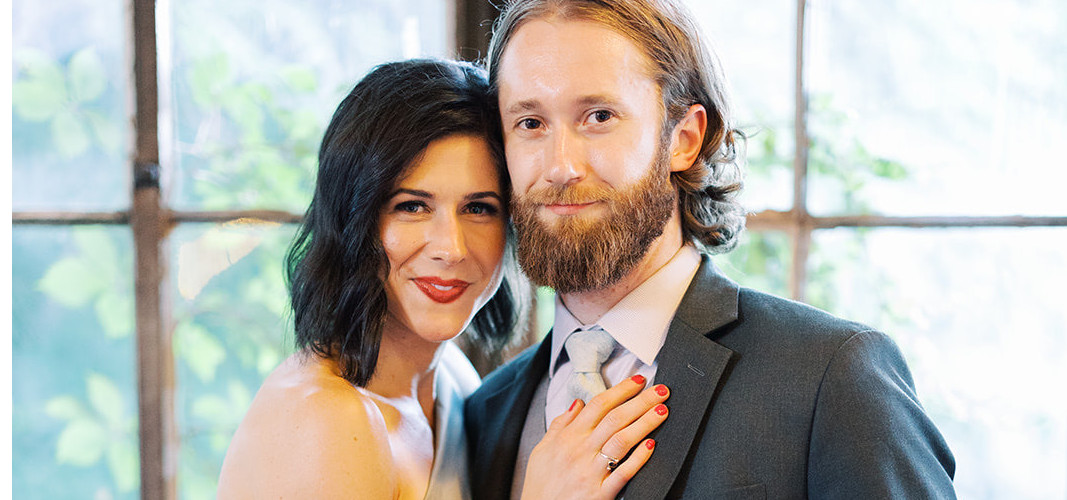
Three Yous

Blog Posts, Deconstruction, Deconversion, Secular Grace, Thought Experiments

Imagine a genie walks (floats? sidles?) up to you and says, “See that guy over there? Yeah, the 80-year-old that looks like he’s having a great time. If you say yes, I’ll make him sad and lonely, riddled with guilt, obsessing over the past. So, shall we?” How would you react?

Assuming you react with disgust or shock, why is that? Seems obvious: It would be awful to do that to someone.

Or try this: someone walks up to you on a playground and says, “See that mom over there? She used to yell at her kids, like super angry stuff. You should go over there and tell her to undo it.”

That’s also inhumane, but why? Again, seems obvious: she can’t do anthing about it. Plus, she’s doing better now. It’ll do a lot of harm, and what good would it do?

Now imagine the 80-year-old guy is your future self, or the mom is your past self. We do those things to ourselves all the time. We beat ourselves up over the past, even though we’re doing better. We shortchange ourselves now, laying the foundation for sadness and loneliness in the future.

For that reason, I like to think of myself as three different people: past Jimmy, Jimmy, and future Jimmy.

With past Jimmy, I try to be kind. An arm-over-the-shoulder, kindly uncle to my past self. Sure, past Jimmy screwed up, but he knows it, and he’s working to do better. Plus, you see how much progress he’s made? Cut him some slack, present Jimmy!

With future Jimmy, I try to be kind. I invest in friendships, knowing that friendship is key to human flourishing. I try to do healthy things, knowing that future Jimmy is the one who’s going to pay for today.

In the end, all we have is right now. The past is unchangeable and the future is unknowable.

I like how James Clear put it, though he’s coming from a self-help perspective:

Be forgiving with your past self.
Be strict with your present self.
Be flexible with your future self.

Being forgiving with your past self sounds pretty healthy to me.

– Jimmy

PS – I literally speak in the third person about past and future Jimmys. (Jimmies?) Try it! it’s weirdly helpful.

You Can’t Change the Past

Blog Posts, Deconversion, Philosophy, Purity Culture

Forget everything else. Keep hold of this alone and remember it: Each of us lives only now, this brief instant. The rest has been lived already, or is impossible to see.

Meditations 3.10 (Hays)

One of the hardest things about deconverting is coming to terms with the fact that there’s so much time already spent: time spent doing what now seems like a complete waste; time spent not doing the things that seem to actually make up a life. So frustrating. Such a waste. Why did purity culture have to happen when I had youth and energy? Why did I spend that youth and energy building up hangups and trauma around sex? Why don’t I know how to have friends?

It’s like Plato’s allegory of the cave was somehow tangled up with that urban legend about waking up after a party, missing a kidney. Or does that metaphor only work for me?

And it’s harder the later in life you deconvert.

One of the most helpful things I’ve found is to accept that the past is gone. Nothing I can do about it, nothing I can do to get it back.

Easier said than done.

First, why is it helpful? If I know I can’t do anything about the past, I can shift my focus on the present moment. The present moment is something I can do something about. Sure, I can learn from the past, but when it comes to making choices, what matters is the here and now.

Even better, if I accept the past as unchangeable, I can be kind to myself, cutting myself some slack for the road ahead.

A thought experiment to take away: What if you were dropped into your current situation? What if you were unceremoniously plopped into the body, memories, life, history, and family of someone else in this situation? What if you knew it wasn’t your life? What would you do? Would you do anything differently? Would you feel differently about the past? How?

– Jimmy

PS – I asked one of these new AI programs for a suggested title for this post. My favorite: “From Kidney Theft to Puritan Lessons: Surviving Unappreciated Time.” …success?

Rachel Hunt: Recovering From Religion

Deconstruction, Deconversion, doubt, Podcast, Secular Therapy, Volunteerism
Listen on Apple Podcasts

This week’s guest is Rachel Hunt. Rachel is both the Support Group Director and an Ambassador for Recovering From Religion.

From her RFR bio, “Rachel is a motorcycle-riding ballroom dance teacher from rural Texas. Married with two adult children, Rachel has a strong interest in psychology, philosophy, and communication, in addition to the creative arts and home improvement. She was raised in Christian Science but drifted off as a teenager. She explored Scientology, Law of Attraction, and a variety of Protestant churches before settling comfortably into atheism.”

Rachel shares her personal story and how Recovering from Religion is serving people all over the world.

Links

24/7 RfR hotline: 84-I-Doubt-It (844-368-2848 )
https://www.recoveringfromreligion.org/#rfr-welcome

Recovering From Relgion
https://www.recoveringfromreligion.org/

Secular Therapy Project
https://www.seculartherapy.org/

Quotes

“It is because people in religious communities are taught to suppress them [doubts] or hide them.
Everybody around you could be doubting but you will never know it because they are afraid to show it to you.”

“What I find, the more I do this, is that people just need someone to listen and not judge and not tell them they’re wrong.”

“The more I learned about science and evidence and developed my critical thinking skills, the more I realized: This just doesn’t make sense.”

“[Religious people] will sell you the snake oil to what ails you. They know what people want and need, and they’ll just promise it. They have absolutely no evidence that they can provide it, but that doesn’t stop them from promising whatever you want.”

“A church shouldn’t be the only place you can go where people are nice to you.”

“Critical thinking is a just thing that people lack, even in general society. But religious organizations…[they] really consider faith and childlike gullibility to be virtues…”

“[At Recovering from Religion,] our job is to meet you where you are and to help you get to where you want to go…”

“Changing the way you think doesn’t automatically change the way you feel.” 

“Refusing to have boundaries and refusing to respect that your body needs…autonomy. It’s almost like taking the doors off of your house and telling yourself that it’s your responsibility to let anybody who wants to, to walk through and take whatever they want. It’s damaging.”

“As bad as all these issues are, just having someone to talk to—who understands and may have experienced something similar—is so healing. So soothing.”

“You can self-gaslight.”

“The reasons to believe are so ephemeral. They’re all social and behavioral.” 

Interact

Join the Deconversion Anonymous Facebook group!

Deconversion
https://gracefulatheist.com/2017/12/03/deconversion-how-to/

Secular Grace
https://gracefulatheist.com/2016/10/21/secular-grace/

Support the podcast
Patreon https://www.patreon.com/gracefulatheist
Paypal: paypal.me/gracefulatheist

Podchaser - Graceful Atheist Podcast

Attribution

“Waves” track written and produced by Makaih Beats

Transcript

NOTE: This transcript is AI produced and likely has many mistakes. It is provided as rough guide to the audio conversation.

David Ames  0:11  
This is the graceful atheist podcast United studios Podcast Network. Welcome, welcome. Welcome to the graceful atheist podcast. My name is David, and I am trying to be the graceful atheist. Thank you to all my patrons on patreon.com. If you too would like to have an ad free version of the podcast become a patron at any level at patreon.com/graceful atheist. Please consider joining the deconversion anonymous Facebook group where we are trying to provide a safe place to land to doubt to question and be supported. You can find that at facebook.com/groups/deconversion. Special thanks to Mike T for editing today's show. On today's show, Rachel is both the support group director and an ambassador for recovering from religion. Rachel's bio says she's a motorcycle riding ballroom dance teacher from rural Texas. Married with two adult children Rachel has a strong interest in psychology, philosophy and communication. In addition to her creative arts and home improvement, she was raised in Christian Science but drifted off as a teenager, she explored Scientology law of attraction and a variety of Protestant churches before settling comfortably into atheism. We get to hear Rachel's personal story, we get to hear about the beginnings of recovering from religion, the beginnings of the secular therapy project. And I will note here that recovering from religion provides a 24 hour hotline you can call eight four, I doubt it. That is 844368 to 848. Or you can make a web call on their website at recovering from religion.org. If you're in the middle of a crisis of deconstruction, doubt deconversion give them a call reach out they can support you. Here is Rachel hunts to tell her story. Rachel hunts Welcome to the graceful atheist podcast.

Rachel Hunt  2:13  
Thank you so much. It's great to be here.

David Ames  2:15  
Yeah, thank you for reaching out. You are the Support Group Director for recovering from religion. And I think that you all are doing just amazing work. I'd like you to just introduce us briefly about what recovering from religion is and a little bit about yourself. And then we're gonna jump into your personal story thereafter.

Rachel Hunt  2:34  
Absolutely. Recovering from religion is a nonprofit organization that our mission statement is really simple. We're here to provide hope, healing and support to individuals struggling from issues of doubt and non belief or from religious harm. So we basically have a range of programs that are designed to just give people someone to turn to when they don't know what to do. Man,

David Ames  3:00  
I know, I've talked to so many people who talk about how lonely this is. And it really can be. Yeah, it's great that you all are there. We'll dig into lots more in more depth here in a bit about what you all are doing. But I want to hear just briefly about your story like, like, did you have a religious background? And did you go through a deconstruction or deconversion process?

Rachel Hunt  3:23  
I did for me, it was kind of slow. I remember having doubts when I was very little. In fact, one of my earliest memories about religion was being in Sunday school when I was maybe seven or eight. And I just kind of piped up and said, Hey, this idea just popped into my head. Why? How do we know there's a God? The the look that I got from the Sunday School teacher told me all I needed to know that that is not the place that you find those answers. You're not supposed to ask that kind of stuff in church. And, you know, from then on, I would I would kind of be, you know, I tried to do what they told me to do. And I tried to understand and the older I got, and the more I learned, the more I realized it just didn't make any sense. My background is a little bit different from some of the others that you hear because I was raised in Christian Science, okay, which isn't unusual religion. Most people if they've heard of Christian Science at all, they have heard of some of the more extreme stories where maybe people, you know, had severe health issues and their community or their family did not take them to the appropriate resources. And they, you know, had some sort of very dramatics into that story. And I never witnessed anything like that. In my church, most family, most families had at least one or two family members that were not members of Christian Science, and they would just sort of insist that, you know, if you have a broken bone, you go to the hospital, the only things that really made us different from my peers were that we did not get vaccinated at a time when almost everybody else did and evacs was not a thing. This was in the 70s and So, you know, it was really it wasn't a big deal because there was herd immunity. So we never got sick because everyone around us was vaccinated that didn't cause this problem. And then also, my mom gave me a religious exemption to biology class in high school. Okay? You even now, to this day, sometimes I'm like, why don't I know the difference between a phylum and a family? And I go, Oh, yeah, cuz I didn't take biology.

David Ames  5:28  
Interesting. Very, very interesting. Yeah.

Rachel Hunt  5:31  
The weird thing about Christian Science is that it was it was founded by a woman, Mary Baker Eddy. And she was she fancied yourself an intellectual. She was part of the new thought movement of the turn of the century around the end of the 18th century. 1800s, beginning of 1900s. And, you know, people like Norman Vincent Peale, and Wallace Wattles, she was she was part of that group where they all decided that you can just control the universe with your brain, right? And she derived her, you know, inspiration from the Bible. She wrote another book called Science and Health with key to the Scriptures. And it's all about healing, basically, right? But it wasn't like that charismatic healing that you see, like with Evangelicals today, it was more like, oh, just pray and read your Bible and hear these passages from science and health and read those and you'll feel better, you just have to change your thinking so that you can see the world the way God sees it. And while pain and suffering will disappear, no. And of course, it works a little for minors,

David Ames  6:34  
right? Yeah. Yeah, the placebo effect is a thing. Yeah.

Rachel Hunt  6:38  
Yeah, it does. So you know, but the more I learned about science, and just, you know, evidence and develop my critical thinking skills, the more I realized, this just doesn't make sense. So I stopped going to church, as soon as my mom, let me, but that didn't solve all my problems. Life is still hard. And there are still many, many people that will tell you with great confidence that they have the answers and that they don't have any stress and worry, because they have God in their life, including many people that I admire greatly. Yeah. So you know, my mother is still very religious. And she's just one of the most serene people I've ever met. But I just couldn't buy into it. So I kept looking for other things. Like New. You know, what people do that. I tried other churches, I tried Scientology. That was an adventure. Again, I did not encounter any the really extreme stuff, but it's, you know, it's different. It's kind of, they present themselves as kind of an alternative to psychology. And so I looked into it, I'm like, well, maybe this will help me feel better. You know, I'll try that. Moc just didn't work. So, you know, I moved on, I tried law of attraction. I did. I was really all into that for a while till I realized it was clearly confirmation bias. Yes, yeah. It took me a while to figure that out. Yeah. Yeah. You know, and, and after a while, I discovered the atheist community, and I go, Oh, that's me.

David Ames  8:06  
interested? Yeah. You know, I think you've tapped into something there of just the, you know, as human beings, we, I mean, you know, the existentialist that's all they were writing about us, you know, we have this Melis that we can't identify, you know, and, and there are various religious organizations that are just ready to weave out the answer for that. And you know, you don't feel quite comfortable, we know why I'm here. Oh,

Rachel Hunt  8:29  
absolutely, they will, they will sell you the snake oil to what ails you, you know, they know what people want and need, and they'll just promise it, you know, they have absolutely no evidence that they can provide it that doesn't, you know, that didn't stop them from just promising whatever you want to do that, you know, draws a lot of people in,

David Ames  8:48  
for sure. And then just the love bombing concept of, you know, people who are lonely and then all of a sudden, here's, you know, 20 people who are saying that they love you, and they, they bring you up a potluck mate. And for some people that may be the first time they've experienced that, and it's manipulative in a way it is.

Rachel Hunt  9:05  
And it's, it's really fun in our society, that people have to go to a church to get something like that. Church shouldn't be the only place you can go where people are nice to you. And unfortunately, it's short lived, right? I've never walked into a church where people weren't super nice and welcoming. But then, you know, after a while, it starts to become apparent that that love is conditional. You eventually have to profess that you believe what they believe. And you have to behave the way they want you behave and dress the way they want you to dress and do all the things they asked you to do, otherwise, you are no longer part of their organization. And it's it's really sad when people discover that after they've invested a lot of emotion into it,

David Ames  9:46  
you know, something that I've been trying to articulate recently is is that there's such a community or or social aspect and you know, that beliefs kind of are tied to the social group, and even your description of being in Sunday school and having a Yeah, you know, an unorthodox thought, as a child, you would recognize, oh, that's out of bounds. You know, I'm not allowed to say that. And so those kinds of things are socially enforced. So even if you're new to the, the spiritual religious community, you learn very quickly what you can and cannot say what's allowed. What's not?

Rachel Hunt  10:16  
Oh, absolutely. They don't even have to say it out loud. Just the look on someone's face, or even just a silence and the fact that no one agrees with you. I mean, that's really very powerful. And, you know, I was a young child, and I picked up on that. And, you know, it's not subtle, you know?

David Ames  10:39  
One last personal question. Did I see in your bio, that you focus on philosophy a bit,

Rachel Hunt  10:44  
I enjoy philosophy, I have a few philosophy classes in college, I didn't finish college, so I didn't, you know, major in philosophy or anything that I like it. And I did, I remember having a class, my first philosophy class 101, I was 18 years old. And it's so funny how, to me it was so obvious. We're there to study ideas, were there to study what people thought and why they thought it and what we think of it now and, and people just could not wrap their brains around it people raising their hands going. But Aristotle can't be right, because that's not what it says in the Bible. Yeah, it was so strange to me that people were absolutely incapable of understanding that we were just exploring ideas, and there can be more than one thought about the same subject and was insane. To me.

David Ames  11:31  
It's interesting, we might circle back to this, one of the things that I think is an issue that as a secular, a more pluralistic society that we need to, to worry about, and I think this is not new, right? This is all a philosophy kind of deals with this is that as we become more secular people can be susceptible to variations on on, you know, these, as you said, snake oil kinds of things. And I think a philosophy of religion, as a kind of a base part of education would be very important that we recognize, we learn what other people have thought in the past what other people have said in the past, as almost an inoculation against what someone might say in the future, that kind of thing. You're

Rachel Hunt  12:11  
absolutely right. I've noticed that. You know, on the Helpline at recovering from religion, we get a lot of people calling for a lot of reasons. But one of the things that is I've noticed lately that really bothers me is young people, maybe 1314 years old, they go online, they find some Christians screaming about how the world is about to come to the end, and you must get Jesus or you're gonna burn in hell forever. And these kids, maybe were never religious, they weren't raised with these ideas. But they are terrified. And they're contacting us going, is it true? Is it real? What Why are they saying this? And they get, you know, they get just as traumatized as anybody that was, you know, suffered from some sort of abuse because they're so scared, and they have no defense against it. It doesn't even occur to them that someone maybe just made it up. Yeah, no.

David Ames  12:57  
And I realize we're a bit far afield here. But also, I just think it's relevant for our moment in history with the disinformation misinformation, even non religious aspects of that.

Rachel Hunt  13:08  
Critical thinking is a big thing that people lack, just in general in society, but But religion, a lot of religious organizations, particularly the high control ones, really de emphasize education. They almost villainize it, they consider faith and childlike gullibility to be a virtue, you know, obedience. These are all things that you want from someone they want to control. And when you teach people that it is wrong to lean on your own understanding, it is wrong to seek out external sources of validation, then people just absolutely do not develop their critical thinking skills. So many of our clients who, you know, come to us, you know, just trying to figure out how to live their lives without religion. They'll ask us for resources on developing a critical thinking because they just don't know how to decide what's true. They have never done it before.

David Ames  14:01  
And then I'm sure that you've seen in your support groups, something that I've seen, it's the, that people come out of this and they they doubt themselves, that takes a long time for them to trust their own kind of internal communication. And, you know, they've been taught all their lives that you're wrong, you know, you're Yeah,

Rachel Hunt  14:19  
yeah. Yes, yes, that you're sinful and broken and that you are nothing without God, you're nothing without this community. You can't possibly accomplish anything on your own. You're, you're not capable of understanding things by yourself, we hit you have to be told what to believe. These are, it gets even more than that. It's not just that you're not capable of doing things but that you are fundamentally unworthy of love. You have to earn your place in the world. And that's incredibly damaging. You know, religion isn't the only place people absorb that message. Obviously, capitalism tends to do the same thing. You know, you're not worth anything unless you can contribute to it. You know, some somebody's pocketbook or, you know, you know any, anybody that's been the victim of any sort of abuse gets that same message that they're unworthy and unlovable and it's a horrible way to have to live. It's just a horrible feeling.

David Ames  15:15  
I don't know how much you know about the podcast, but I started it with a few ideas. And you know, almost immediately, what I found was it was just kind of a landing place for people to talk about the trauma they have experienced, which wasn't my personal experience, it surprised me. It's something that I learned in the process.

My understanding that is that recovering from religion started with Dr. Darrel Ray, because he was seeing these kinds of trauma responses from people, and that that just barely existed as a thing. I want to talk just a little bit about what recovering from religion does, how people can access it, and then really want to get to the specifics of what you're doing with your support groups.

Rachel Hunt  16:01  
Okay, great. Yeah. It's a great story, how recovering from religion developed, Dr. Darrel Ray was an organizational psychologist, he'd written a couple of books about teamwork, and I actually have him on my shelf here. And then he wrote a book called Sex and God. And he wrote another book called The God virus actually can't remember what order he wrote those and but, but he got a lot of emails from people who had suffered religious harm and wanted to talk to him about it. And so he said, I think there's a need for people to, you know, receive some sort of, you know, support for this. So he, he, I believe it was about 13 years ago, he just created an event for people to come and talk to him and an IOP, he say, just invited some people and said, Hey, you want to come talk about religious trauma. And he got 11 People at the first meeting, this is in I think it was in Kansas City. And so from then on, that's how the support groups got started. It's actually the oldest program of recovering from religion is the support group program. Yeah, so from then on, I mean, then he created this nonprofit and and now we've got the helpline, and we've got an online community, and we've got a podcast, and we've got a YouTube channel and a blog. And, you know, it's a huge, pretty big organization, and now we're worldwide, you know, but it's, it's funny how you don't even realize how much you need something like that until it exists. And then you go, Oh, my gosh, where's this? Ben? Yeah, exactly. So many people that we've spoken to who deconversion, before recovering from religion existed, you know, really say that they wish it had been around for them, because it's can be very lonely trying to do this by yourself.

David Ames  17:46  
Exactly. And I do want to just mention really quick, you mentioned the hotline, I don't remember the number off the top of my head, I'm sure you do. Maybe give that out to people. Yeah. So you know, listener, you know, if you find yourself in in need, you need somebody to talk to in the immediate, there are someone on the other end of that phone line, who can talk to you. And I think that's super valuable work that you guys are doing there?

Rachel Hunt  18:06  
Absolutely. We do try to man that helpline, 24/7 obviously, that we're all staffed by volunteers, that 100% volunteer organization. So sometimes you may try to call and no one answers, but please just keep trying, because we do have a lot of people that want to help you.

David Ames  18:24  
So the support groups begin with Dr. Ray, just having a few people at an IHOP Oh, that sounds amazing. I constantly I said that all the time of like, you know, if people want to do something in this space, you know, just set something up on meetup.com. And people will show up. I think that's really that's really interesting. Yeah, talk to me about how that has developed and what the support groups look like these days.

Rachel Hunt  18:45  
Well, I haven't been around for the whole thing. So I can't tell you all the details of how we got from point A to point B. But I can tell you that during COVID, the support demand for support groups and a willingness to or an ability to volunteer really exploded. So we had, we have each of our support groups this numbered. So we have 6870 support groups. Now I should have looked that up before I talk to you, I think we have 70. But many of those have gone inactive because the people who were volunteering during the pandemic had to go back to work. And so some of those have gone inactive. But we do still pay for all of those meetup groups. So if there is a meetup in your town, you will find it by going to meetup.com. And even if we the group itself is inactive, there will be links to a lot of our virtual support groups.

So when I took over the support group program in March of 2021, yeah, I guess that's what I want. No, it was March of this year, March of 2022. Sorry. There were a lot of inactive support groups, and there was demand for some specialty support groups. I guess I should mention that, you know, most of those support groups did go online, they were all originally in person, they all went online during the pandemic, and now, we only have five that have gone back to in person, okay, so there might be an in person group near you, there might not be. But more and more of our support group leaders are considering going back to in person. So that is not out of the range of possibility, you know, that will happen. And of course, you know, we can provide more support groups, if we have more volunteers, that's the bottleneck. So, if you are interested in volunteering, go to recovering from religion.org/volunteer. And there's a thing on there that tells you what it's all about. And we go through an interview process and a training process, and there's lots of support, and we definitely need you if you are willing and able to do that.

David Ames  20:54  
Yeah, for sure. We will, we will make a big deal about this. I constantly have people asking, you know, how can they, again, do something without never really knowing what answer this definitely sounds like a practical aspect that that they could they could do?

Rachel Hunt  21:08  
It is and we we have a nice community within our volunteer group too. And, you know, that can be really powerful. I remember, you know, I've tried volunteering for a few different types of organizations, you know, and I even did local politics, and oh, my gosh, that is so frustrating. I can't. With politics, you just can't even imagine. Politics and politics, it's just me and personal. And just like nothing ever gets done so bad. So, you know, I just bounced around looking for things. And when I discovered recovering from religion, and I looked into the volunteer training, the community is just so I mean, you know, we talked about love bombing, it's not love bombing, they're just nice. And they're just fun and funny, and they really need you and appreciate you. And there's a there's so much flexibility in how you can volunteer, there are lots of different ways you can do it. And you can kind of create your own schedule and do what's comfortable for you. And if something comes up and you can't do it anymore, it's no big deal. And, you know, it just gives you people to talk to you about things that you care about that care about the same things. And anyway, I just really enjoy it. I stopped going on Facebook, and now I'm just I talk to my volunteers all the time.

David Ames  22:30  
Yeah. I hear you definitely we, we've started a community as well. And like that has provided a lot of what I was missing personally. Yeah.

What are some of the things that people come to recovering from religion with and or discuss in the in the support groups? Like, what are the kinds of ways this presents itself to people?

Rachel Hunt  23:01  
That's a great question. A lot of times when people first come to us, either in a support group or on the helpline, they're just, they're just lost and upset. And they're almost to the point of not even being coherent. You know, they're just like, I don't know what to do. I be so confused. There's pressure on all sides. I don't you know, I don't know if I should tell people if I should not tell people, I don't know what I believe, I don't know what to call myself. I don't know, you know, how to live my life. It can be really disorienting. But, you know, once we start talking to them, we're normally able to break down their issues into some some fairly clear and common challenges. You know, one of the challenges is, if you're beginning to doubt, do you tell the people around you who seem to so strongly believed you tell them that you're doubting? You know, sometimes it's as easy as, hey, I'm not sure how I feel about that. And you can have a discussion with someone because they're open minded. Sometimes it's absolutely unacceptable to question at all and you know, that, just as we were saying, you know, if that were your community, or family or churches, you know, that and you have to sort of do your study and secret because you can't, you're not allowed to tell anybody that you're even considering doubting. So there's, you know, what to do about your relationships is a big deal. There's How do I figure out what to call myself? Am I an agnostic and my spiritual but not religious? And like Christian, but not evangelical? Am I, you know, am I an atheist? Those labels, we don't think they matter that much. We want you to, you know, whatever you believe is what matters. And we want to help you figure out, you know, help you sort through your mind and your thoughts so that you can figure out what you believe we're not here to tell you what to think. But we can offer you some definitions like you know, what do people usually mean when they say they're agnostic? What do people usually mean when they're say say they're atheists, but really, the labels are not that important. The secular community is pretty open

David Ames  24:59  
on that. notes, I know that you all are going to try to make it very clear that you are not in the business of D converting people that, you know, if you're a believer and you're questioning, you can still come to recovering from religion, express those doubts, and nobody is going to try to convince you to change your mind. Right?

Rachel Hunt  25:15  
Absolutely, thank you for saying that it is true that most of the volunteers are formerly religious, no longer religious, a lot of us are atheists, but, but we are training is very clear on that. On that point, our job is to meet you where you are, and to help you get where you want to go. And sometimes what people want is just to feel better about the fact that they doubt a little bit, but they don't want to leave their community, they don't want to leave their church, they're not really changing their beliefs, they just want to, they just want someone to tell them that they're not crazy for having questions. Yeah, exactly. Yeah, sometimes people come out of a very extreme religious group, and they still want to be religious, they just need a church that's going to be more welcoming for them and not so controlling, we can help with that, you know, we can send you someplace, that's not going to be so difficult, you know, occasionally we get people that, you know, are offended that we exist at all, you know, don't like the idea that somebody might possibly need to recover from religion, and, you know, but, but most most of those people don't Don't cause a problem. Another really big issue that people have is mental health issues. A lot of times, religious organizations try to fix you through prayer, they, they, they try to, you know, they like to believe that God can cure anything, and that if you are not cured, yet, it's because you didn't have enough faith, or they want to send you to a religious counselor who's going to tell you to pray, and you need more Jesus in your life. And that's why you're bipolar, you know, they, you know, they don't diagnose you, and they don't really treat you. And that can be a problem. And another big thing that can last for years, sometimes if it's not properly addressed is fear of hell, or, or Armageddon or fear of dying. These are things that people are taught in religion, this is real, and then it's going to happen and, and when your brain has grown around those fears, it's very, it doesn't just go away, because you change your beliefs, you know, changing the way you think doesn't automatically change the way you feel.

David Ames  27:21  
I throw rapture and anxiety in there as well. People have legitimate anxiety about that. Yeah,

Rachel Hunt  27:27  
absolutely. Rapture is another thing that we get sometimes people that were not even religious before, you know, seeing something online and getting scared, you know, was the rapture happening? Well, you know, it hasn't. Yeah, we know, they've been wrong every time so far. So what do you get? That? Yeah, yeah, those are really common, we get a lot of issues with people who are in the LGBTQ plus community. And, you know, they really wanted to be, you know, good Christians, or, you know, good Muslims, or, you know, whatever religion they were raised, and they, they want to comply with what their community wants from them, but they're just simply not capable. And it was so harmful to them, when they are constantly told that there is something fundamentally wrong with them. And that the only way that they can be accepted is to just change who they are. And they, you know, that's really difficult and harmful. And a lot of times that'll be the pathway out of religion for people's well.

David Ames  28:27  
I imagine beyond just LGBTQ is just purity culture in general that we've got. Oh, yeah. I think this is the thing that I was surprised. You know, I'm Gen X. And I've just got a ton of millennials who are just suffering from that 90s era, kiss dating goodbye purity culture. And it just really hurt people.

Rachel Hunt  28:46  
Yeah, it's so bad. It's so bad. I mean, there are people who, you know, did everything they were supposed to do, they did everything they were told, and then they get into a marriage that is, you know, they love their spouse, but they just cannot figure out the sex thing. They just it's so consumed with shame. And they just don't know how to make it work. And it's terrifying for them. And if you happen to discover that you need something different sexually than what your partner needs, nobody wants to help you, you know, and especially if you're, I mean, I don't know, maybe it's, it looks different from the male perspective. But what we hear a lot, particularly in our women's group is that is that women are just taught to please the man, it's just your job. And your pleasure is secondary, if at all. Sometimes the idea of women enjoying sex is, you know, bad, like if you enjoyed it's bad. You know, you're only supposed to do it to please your partner and and you are required and expected to do whatever he wants. Whether you like it or not. That's just your job.

David Ames  29:47  
Yeah, that's so ripe for abuse there. Yeah,

Rachel Hunt  29:51  
absolutely. Absolutely. And even if your partner isn't abusive, it's you're almost abusing yourself by refusing to advocate for yourself You know, refusing to have boundaries and refusing to respect that your body needs some sort of autonomy. You know, it's just incredible. It's almost like, it's almost like just taking the doors off of your house and telling yourself that it's your responsibility to let anybody who wants to just walk through and take whatever they want. You know, it's, it's just damaging.

David Ames  30:22  
Yeah, that's a painfully accurate analogy.

Rachel Hunt  30:24  
Yeah, it's, it's really, it's bad. The good news is that as bad as all these issues are just having someone to talk to who understands who may have experienced something similar, is so healing, and so soothing, and, and so helpful for people.

David Ames  30:43  
Yes, absolutely. Yeah. It's so it's such a lonely experience, you think you're the only one and no one else could possibly have had these kinds of doubts before.

Rachel Hunt  30:53  
It's true. And it's because the people, because people in religious communities are taught to suppress them or hide them. And so everybody around you could be doubting, but you'll never know, because they're afraid to show it to you, you know. But I was, what I started to say is that I remember as a new volunteer was really nervous that I wasn't going to be good enough for what people needed, that I wasn't going to be able to, you know, answer their questions or find resources for them, or I just wasn't going to be what they needed. But what I find the more I do this is what people need is to someone to listen, and not judge not tell them, they're wrong. And a lot of times, it's even, it's even better if you don't try to fix it, you know, because jumping to solutions too quickly, doesn't give people time to express themselves. And sometimes when people join our organization, as volunteers, they are a little overwhelmed, because there is kind of a lot of training. And it can seem like a lot to learn. And sometimes people feel like maybe they're not adequate to the task. But all the training is really just there to teach you to set aside, all your need to help and your need to be something and you're need to have all the answers. And just let people tell you their story.

David Ames  32:07  
You're telling my story. So like, I started the podcast, because I needed to tell my story. And I was on steep hill occurs, voices of deconversion early on. And it was such a cathartic experience. I was like, I want to provide that for other people. And like, just being able to talk through even verbalize, maybe for the first time to another human being is just super cathartic. That's what you guys are providing, it helps

Rachel Hunt  32:35  
so much just to get it out of your head and out into the world. You know, yeah. And of course, some of the other things that we're trying to do as volunteers is to ask specific kinds of questions, just to help people sort through what they're thinking and what they're feeling. And it just helps you sort of get your get all the chaos that's going on in your head sort of more organized so that you can kind of break it down and go, Okay, you know, these are the things that are bothering me, these things are more important or more urgent, and those are the things that I can attack first. And, you know, these are my options, and I can, you know, figure out what's best for me, you know, again, we don't, we don't have to tell you what to do. Because you know what to do, really, usually, we just have to, you know, help you get it all organized so that you can look at it, and think clearly and calmly and you know, then you can make your own choices

David Ames  33:36  
I think you said earlier just the you know that you're not crazy that you're not, you know, alone in this. It's all that cognitive dissonance that you're experiencing while you're trying to keep these competing ideas, your own doubt and the orthodoxy of your faith tradition together. And you know, it's falling apart, you can feel that it's falling apart. And just have someone come alongside and say, Yeah, that's that's normal. Is that really a powerful thing?

Rachel Hunt  34:01  
It really is, you know, gaslighting is a thing. And you can self gaslight too, you know, you know, when people when you're taught that, you know, there's only one way to believe there's only one way to think there's only one way to feel there's only one way to look, there's only one way to behave. And you start to feel like you don't fit in that box anymore. You can really, you know, this is why people feel like they're going crazy, because they think but I've always been taught that this thing that I feel doesn't exist, or I've always been taught that if I do A, B, C and D, that x will disappear and it's not working, you know, and we we delude ourselves into thinking that what we were taught is real and what we believe and think and our own experiences are not real. You know, it really can drive you crazy. It's bad.

David Ames  34:51  
And I definitely have come to the to the point of view that that doubt in in most circumstances is a pretty good thing. It's kind of your brain telling you to do And the truth, right? Like, you know, there is risk. But questioning, ultimately is a good thing. You know, either you're going to be more convinced of your faith, or you're going to learn something new in either of those is good in the long run.

Rachel Hunt  35:13  
Yeah, yeah. Well, lots of people have changed their beliefs, or sometimes deepen their beliefs by looking critically at what they were taught. And, you know, there's an old joke that if you want to make an atheist just gets give somebody the Bible to read? Yes. No, it doesn't have an effect on everyone. Obviously, there were plenty of people that are very well educated in the Bible that are still very strong Christians. But there are a lot of people that I've spoken to who started reading the Bible and started studying, you know, whatever religion that is really deeply because they wanted to get closer to God, they wanted to be better, you know, they wanted to understand better, and they were very committed to their faith. And the more they studied them more, they realized that there's just not much there that the reasons to believe are so ephemeral. They're all social and behavioral. Really. Yeah, I don't know if you saw this recent video essay by Drew of genetically modified, modified skeptic, he was talking about belief, behavior and belonging, and how the belief meaning the intellectual part is the smallest part, that's what kind of gets tacked on the top of it. But the belonging the behavior, the things that really are what faith is,

David Ames  36:35  
yeah, yeah, no, I totally agree. Yeah, it's another statement of the community aspect of belief that, that social aspect of it, yeah, absolutely.

Rachel Hunt  36:43  
And that's not even counting some of the really coercive, shunning and, you know, strong behavioral requirements that some of the very high control groups have, even if you're in a, you know, relatively benign religion, that community aspect, and that sort of peer pressure is pretty strong.

David Ames  37:10  
I wanted to point out that not only does recovering from religion, have the immediate needs settled with the hotline and the support groups, but you also are like kind of the source of the secular therapy project, which is something that we mentioned on this podcast probably every other week, that, you know, if somebody needs a therapist, and as we've already stated, not someone who's going to just tell you to pray more that they can find a therapist through the secular therapy project.

Rachel Hunt  37:36  
Absolutely. Yeah, secular therapy.org. It is a database. This is another organization, we call it a sibling organization to recovering from religion. It was also started by Dr. Darrel Ray, and we've worked pretty closely with them. But it's just a database of vetted, licensed trained, secular therapists who are committed to not using any non evidence based treatment methods. So they're not going to hand you a crystal, they're not going to talk to you about your chakras, they're not going to tell you to go home and read your Bible. You know, they're, they're going to use actual treatments that will help you with whatever your mental health challenge is. And quite a few of them, they're not required to know about religious trauma syndrome, but quite a lot of them are familiar. So if you have religious trauma, looking for a therapist through the secular therapy program, Project is a pretty good idea. And that the service is free, you know, putting the client together with the therapist, that service is free. Everything that recovering from religion, and the secular therapy Project does is free to the client. We don't charge for any of our services. But of course, the therapists themselves have to make a living and they have private practices, and they charge whatever they charge. One of the most common questions we get with regards to the secular therapy project was how much do they charge? And do they take insurance? Well, it depends on the specific therapist, and we can't we don't have control over that. You just have to contact them and and see what we can do it. I mean, I wish we could just offer free therapy to everybody. Everybody needs it. And yeah. When it snows, and you know, especially in the United States, most people do not have access to get therapy, if at all, and it's a big problem. But, but we do our best with peer support. And this might be a good time to talk a little bit about peer support. Yes. You know, the, the support groups that we do and the helpline, you know, these could be considered mental health services, but we're not trained. None of we're all just volunteers we have training but it's in pure support reflective listening and, and things like that. We're obviously not qualified to diagnose or treat mental illness in any way. But we can do a few things that you just wish your best friend would do. You know, or you know, when you sit down with your spouse and you want to talk about your day and then they jump in and want to solve that for you. Like, we don't do that we will listen, we'll ask you questions that will help you sort through it yourself will, you know, and we can also point you to resources. We have a vast database of all kinds of articles and videos and books and podcasts like yours, that that can answer questions and just give people a sense of what's out there other than what they've been exposed to. And these are very carefully curated. So they're, they're not going to be triggering. For the most part, I mean, obviously, depends on what triggers you, but it's not gonna, it's not going to be a critical thinking book that you pick up and go, Oh, look, a critical thinking book for kids. And halfway through, you realize this is a Christian book, they're telling you to think critically, unless it conflicts with the Bible. So those resources, don't make it into our database, you won't get it. Yeah. Anyway, so yeah, we we, we just keep adding things so that we can help people more and more, we have an online community, which is so private as to be almost secret, okay, you cannot, you can't reach it through our website, there's no link that you can follow. The only way that you can join this community is to talk to a volunteer like myself, or go to the helpline, and ask to be added in, they will ask for your email address, and then they will send you an invitation and you can't invite your friends, they have to go through us as well. And that just helps us keep it safe. For our clients that are at their most fragile, they need to have people to talk to and they need to know that some troll isn't going to pop in and start telling them they're gonna go to hell. And they need to know that they're not going to have some scammer, start asking them for their address, and you know, soliciting them for money and things like that. This is a very, very safe, supportive environment, we use the platform Slack. So it's like a social media, we have channels for different different topics and things like that. But it's a really good place to go if you need to have people to talk to you on an ongoing basis. Okay.

David Ames  42:05  
Very cool. Rachel, are there any other topic that I haven't asked about that? You would definitely wanted to get across?

Rachel Hunt  42:12  
Cali, we have so much. We talk too much about support groups. I don't know if you want to talk about that in more detail. Sometimes people want to know exactly what happens when they join a support group. Sure, let's do that. Yeah, so the way that works is you can go to meetup.com. And look for recovering from religion support groups in your area. And there'll be links to lots of different things in there. Most since most of the support groups are virtual, you can join any support group that suits your schedule, it doesn't have to be near you. And we have some that are specifically online that aren't even on meetup. I mean, they are on meetup, but there's not a meetup page because they're not centered in in a place like our women's group and like our LGBTQIA plus group. So we have so many that they really, there's one almost every day, if you look at the calendar, there's a support group somewhere in the world almost every day, most of them are centered in the United States, we do have one in Europe. And oh, this is something I wanted to say we're trying really hard to reactivate an inactive group in the UK. And we're having trouble finding a volunteer who's able to take over that group. So if you live there, or know someone who lives there, and is interested in training and support group, we would really love to have somebody from the UK, so we can reactivate that group. And we have several in Oceania. So we've got two in Australia and one in New Zealand. And we have one and Mexico, Mexico City as well. So we're national and one in Canada. So we're International, but you know, we're kind of growing out from the United States. We're working on it. But what happens when you join is you it's you'll go into a Zoom meeting, and you do not have to have your camera on if you want to, you do not have to give your real name. We'd like you to give some sort of a name. But it doesn't have to be your real name. You don't have to speak but you will be invited to usually we just do a few brief announcements about what the rules are, which is basically no proselytizing, no disrespect. And then each person is invited to briefly tell their story kind of like what I did at the beginning of this podcast about your religious background and what brings you to the group. And then we have open discussion about just whatever what people want to talk about. And it gets very emotional sometimes there. There are usually at least a couple of people that have had some very, very dramatic and traumatic experiences and it can be kind of gut wrenching, but it is so healing for people to realize that they're not alone. The other thing that's really funny is that a lot of times people feel like no one can understand them unless they came from that exact religious brat background. You know, like, Oh, but I come from this very specific small family culture. Oh, they come From this very obscure, you know, off shoot of Hinduism or something. And it's true that there's going to be some things about your specific group that are different from everybody else's. But those core feelings of needing to be heard. And having been taught that there's something wrong with you and feeling like you're not allowed to be honest with the people around you. And feeling like every your every thought and move is controlled. Those things are pretty universal, that can happen in any high control group has that. And even if the person you're talking to doesn't know anything at all about your religion, they can understand your feelings.

David Ames  45:38  
For sure. I think that is a commonality that people hear their stories in a diverse range of experiences that include different faith traditions that include somebody from different gender from a different race, you know, what have you like, just hearing the human experience of this is super, super valuable?

Rachel Hunt  45:55  
Absolutely. I mean, Orthodox Judaism, and you know, Amish and Muslim and Orthodox Catholic and evangelical like these, they all have the same core experience of being told who they're supposed to be. And that's really tough thing to get out of, it's hard.

David Ames  46:25  
Well, I think you guys are doing amazing work, Rachel, hunch, the Support Group Director for recovering from religion. I want to give you just one more opportunity to tell people how they can reach your support groups and and the site itself?

Rachel Hunt  46:38  
Absolutely, yes, the easiest way is to go to recovering from religion.org. Our main webpage has links to everything we talked about today. And if you're interested in joining support group, that main webpage does have a link to the map, the meetup map where you can kind of see what's near you. And it also has a link to the calendar where you can just see which groups are meeting at a time that's convenient for you. It also has the all the phone numbers that you can reach from anywhere in the world. And it has the chat line. So if you just want to chat into someone, it kind of looks like it's sort of a Tech Support Chat. But it's our helpline and you just chat in and there'll be someone that can talk to you about whatever's on your mind.

David Ames  47:22  
That is awesome. Thank you so much for being on the podcast.

Rachel Hunt  47:24  
Thank you. Oh, it was a blast. Thank you so much.

David Ames  47:33  
Final thoughts on the episode. If you are having the dark night of the soul, if you are having a crisis of faith, and you need someone to talk to immediately, please reach out to recovering from religion, they have a phone number 84 I doubt it that is in the United States 844-368-2848. Or you can go to their website recovering from religion.org and have a web call with them. There are other numbers for other countries as well. And the main thing I want to point out here is that they are not going to try to D convert you. They are there just to listen. So if you need someone to talk to and someone to listen, reach out immediately. I love this conversation with Rachel, she is absolutely amazing, you can tell that she's in the right spot, helping to direct the support groups at recovering from religion. Rachel's personal story is really interesting, going from Christian Science to dabbling in Scientology, the law of attraction, various other things that I would put in the category of Woo, and eventually landing and realizing she was an atheist and that these were her people. I also really appreciate the volunteerism of recovering from religion and what Rachel specifically is doing gathering people who, like us, like you listener have been through this process. You can volunteer for recovering from religion and be on that crisis hotline. And my favorite quote of the conversation is Rachel saying it is often because the people in religious communities are taught to suppress their doubts or hide them. Everybody around you could be doubting, but you will still never know because they are afraid to show it to you. And then she said, what I find the more I do this is that what people need is just someone to listen and not judge and not tell them that they are wrong. That's all it takes to be a listening ear to help out. Please consider volunteering, as well as the recovering from religion.org site you can check out secular therapy.org. Secular therapy has the list of secular therapists that you can go to if you're having these kinds of doubts and you need professional care. I want to thank Rachel for being on the podcast for telling her personal story with honesty and integrity and inspiring us to do something to volunteer to be a part of helping people recover from religion. Thank you, Rachel. The secular Grace Thought of the Week is about volunteering. I get asked often, what can I do in the secular community and I often give you ideas about how you can support the podcast. But Rachel has given us an even better idea. You can volunteer and be a part of recovering from religion. You can be the receiver of people's stories, you can be the person who listens and does not judge and does not tell them that they are wrong. As Rachel pointed out, recovering from religion is not about D converting people, it's not about convincing them that their religion is wrong. It is about just hearing the person story and what is working and what is not working for them. Rachael pointed out that she needs a volunteer in the UK to lead some groups. I know we have a number of UK listeners, if you are interested at all, you can reach out directly to Rachel or you can reach out to me and I will get you in touch with her. And more than that, I think the idea of just doing what Darrel Ray did start something, put it on meetup.com and see who shows up and just listen to people. I think this is acting out secular Grace if we can actually provide that safe place to land for people, a safe place for people to express their doubts to express their worries to not be judged. That is making an impact on the world. This is secular grace. Next week, we have our Lean interviewing Brian, the week after that we have community member Taylor Yoder after that, Stephanie b and so on. I will be conducting my interview with Jennifer Michael Hecht coming up here pretty quick and that episode will be out in early March. Until then, my name is David and I am trying to be the graceful atheist. Join me and be graceful human beings. The beat is called waves by MCI beads. If you want to get in touch with me to be a guest on the show. Email me at graceful atheist@gmail.com for blog posts, quotes, recommendations and full episode transcripts head over to graceful atheists.com This graceful atheist podcast a part of the atheists United studios Podcast Network

Transcribed by https://otter.ai

It takes time

Blog Posts, Deconstruction, Deconversion, Hell Anxiety, Religious Trauma

Say you’ve realized you no longer believe, gone through some of the typical stages of deconversion, and are ready to move on with your life, when, Whammo! You’re blindsided by some old feeling from your previous life.

“Why do I still fear Hell?” “Why am I still afraid of being Left Behind?” “Why do I still feel guilty when I stay home from church?” “Why do I still feel guilt around sex? I’m a grown-up, for crying out loud.”

This is one of the hardest things I’ve found day-to-day about being deconverted. I don’t believe any more, but my body doesn’t seem to have got the message.

There’s a lot I can say on this topic, but number one is this:

It takes time.

It takes time to deprogram what took decades to program in the first place. It takes time to get used to who you are today and who you are becoming. It takes time to figure out how to navigate a world where you don’t have a book (or a publishing industry, church, etc.) telling you how to think. It takes time to find new art, new music, new friends, new habits, and new…everything.

I don’t say these things to be overwhelming, though I know from experience it can be. For now, I hope you can be patient with yourself. Be kind. You’ve been through a lot, and it’ll take time.

It’s been several years since I realized I no longer believed, and I can tell you: it gets better. There’s a wide, wonderful world of truly incredible people, experiences, places, ideas. This whole world is now open to you.

– Jimmy

Troy and Brian: I Was A Teenage Fundamentalist

Atheism, Deconversion, ExVangelical, Podcast, Podcasters
Listen on Apple Podcasts

This week’s guests are Brian and Troy of the podcast, I was a Teenage Fundamentalist. They interviewed David at the end of 2022, and now it’s our turn to hear from them.

Brian and Troy “used to be loyal Christians megachurch leaders. They’re not anymore.” Their parallel stories are fascinating, as we are given a glimpse into their past lives and the Pentecostal movement in Australia.

Today, Brian and Troy’s “honest and often hilarious podcast peeks behind the curtain at the weird, the worrying and the sometimes traumatic world of Evangelicals and Pentecostals.” This is a great episode that you won’t want to miss! 

Links

Website
https://www.iwasateenagefundamentalist.com/

I Was A Teenage Fundamentalist podcast
https://pod.link/1558606464

Twitter
https://twitter.com/WasTeenage

Facebook
https://www.facebook.com/TeenageFundamentalist

Facebook Group
https://www.facebook.com/groups/3188989997871128

Link Tree
https://linktr.ee/iwatf

YouTube
https://www.youtube.com/channel/UCs0jrFsxPsg7rGNfgqzAGug

IWATF interviews David from the Graceful Atheist Podcast
https://pod.link/1558606464/episode/f8067a71cf74f38205420663954fceaf

Quotes

“I say, ‘I started to deconvert,’ but I think I had started to deconvert the day I joined…because as you’re studying, as you’re looking into it all, you come across these issues, these contradictions…”

Troy

“I would say I felt accepted [in the church]. I would say it was absolutely conditional…on me behaving and conforming. But I was happy to do that at the time as long as that meant connection.”

Brian

“Bit by bit, I just started to think, This just isn’t actually true. But I didn’t want to come out and say it.”

Brian

“When you’ve been in Christianity for so long. When you’ve operated in such a confined environment…[and then] you open the floodgates and start to use some of your brainpower, sometimes it can become a scary place for people.”

Brian

“Anyone can tell their story. There’s such a power in human connection. There’s such a power in sense-making and story-making in our lives.”

Brian

“Pentecostalism is a very small slice in Australia, but it’s a very influential slice of Christianity.”

Brian

“I would bet there are more ex-Pentecostals than there are Pentecostals.”

Troy

“[In] most of the progressive groups, most of these progressive denotations, there are very few converts. It’s mostly refugees from conservative theology who…end up there.”

Troy

Interact

Join the Deconversion Anonymous Facebook group!

Deconversion
https://gracefulatheist.com/2017/12/03/deconversion-how-to/

Secular Grace
https://gracefulatheist.com/2016/10/21/secular-grace/

Support the podcast
Patreon https://www.patreon.com/gracefulatheist
Paypal: paypal.me/gracefulatheist

Podchaser - Graceful Atheist Podcast

Attribution

“Waves” track written and produced by Makaih Beats

Transcript

NOTE: This transcript is AI produced and likely has many mistakes. It is provided as rough guide to the audio conversation.

David Ames  0:11  
This is the graceful atheist podcast. It's part of the atheist United studios podcast. Welcome, welcome. Welcome to the graceful atheist podcast. My name is David, and I am trying to be the graceful atheist. I want to thank my latest patron Ruby, thank you so much for supporting the podcast. You too can have an ad free experience of the podcast by becoming a patron at any level at patreon.com/graceful atheist. You don't have to go through the deconstruction and deconversion process alone, please consider joining the deconversion anonymous Facebook group, which includes various Hangouts, book clubs, discussion groups, you can find that at facebook.com/groups/deconversion. A quick shout out to my sibling podcasts on the atheist United studios Podcast Network, amusing Jews beyond atheism, and the humanist experience. Please check out those podcasts you can find them on the atheist United website at atheist united.org. Special thanks to Mike T for editing today's show. My guests today are Troy and Brian of the I was a teenage fundamentalist podcast. Troy and Brian have done some amazing work, you can hear the experience of having had faith and having experienced the downside and coming through on the other side. They both deconstructed at different times. But they've remained friends. And after they found each other after deconversion they decided to make a podcast and talk about it. They are from Australia as you will immediately recognize and the Assemblies of God was the faith tradition that they were both a part of at one time or another. Try and Brian have created a community much like our own the deconversion anonymous group for this podcast. They have the I was a teenage fundamentalist group on Facebook as well. Please check out their podcast, I was a teenage fundamentalist. There will be links in the show notes. Here are Troy and Brian to tell their stories. Brian, Troy, welcome to the graceful atheist podcast.

Brian  2:31  
Thank you. It's awesome to awesome to be here with her chat that we have with you late last year. So it's great to reciprocate and come on your podcast. So thank you.

Troy  2:41  
Yeah, it's fun.

David Ames  2:43  
Yeah, you guys are part of a really popular podcast called I was a teenage fundamentalist. And I think you're very authentic, the the fundamentalist experience that you guys had, I think really comes through, then your experience. On the other side. We're kind of a sister cousin podcast to one another. And I think this is a really great crossover.

Troy  3:03  
We've watched your podcast for a little while. And when I say watch, I mean watching what you've been doing, but also, you know, listening and stuff. So yeah, it's really cool to be to be connecting with you because I just feel there's such a synergy. And what you're trying to achieve is very much with what in line with what we're trying to achieve to so thanks for having us on, David.

David Ames  3:21  
Yeah, absolutely. And I love to give the opportunity to, you know, cross pollinate our communities, because I think our communities can benefit from listening to each other's podcasts. Yeah, absolutely.

Brian  3:32  
Well, quite often cities have like sister cities don't those. So that's right, let's let's have a sister podcast. There you go. Graceful? Yeah, here we go. With forging new ground, this is what we do.

David Ames  3:43  
That's right. What is very typical on my podcast is to begin with people's stories of their faith experience. So if we can, we're going to do like 10 or 15 minutes each on your personal stories of what your religious faith is like, and maybe a bit about your deconversion story. And just because of the ordering that's on my screen, I'm gonna have Troy go first.

Troy  4:04  
Yeah, cool. Well, I was converted to Christianity through school. I was brought up in a family where we were told that we were Christians, but we didn't even go to church on you know, Easter and Christmas. And that kind of thing. I know that my mother had bought us all a Children's Bible. But Australia is very, it's a very secular nation and a lot of ways or at least post Christian in a lot of ways. And so whilst we wore the label, it didn't really matter. Even at Christmas time, Christmas was more about Santa than it was about anything else. But my mother had a friend that had been involved in the Catholic Charismatic Renewal movement. And I used to listen to my mother and her friend tell stories about being involved in this and not so much my mother's stories but her reaction to her friend being involved in this so I'd heard about speaking in tongues and healing and these kinds into things. And so I was quite open to the idea of this. And when a Christian band came through my school telling us all about Jesus made a bit of a kerfuffle in, do you say that in the US kerfuffle? Is that a word that you use? Do you? Okay, cool. So yeah, made a bit of a kerfuffle in my school and some kids got converted. And then through a Fallout, I also, you know, ended up giving my life to Christ, as we say, and then I joined a Pentecostal group, which turned out to be quite an extreme cult, very similar to what's called the United Pentecostal church in the US. So we had to speak in tongues to be saved, we didn't fellowship with any other churches. And I was involved with them quite heavily, till about 17. And at that age, I'd started to realize that this was not how I wanted to live, because my family had never joined. And so I still had this, this measuring stick at home that I could say, This is what acceptance looks like, this is what love looks like. And so I ended up having myself kicked out and please go back and have a listen to my, my podcast stories about that. I don't want to bore you too much. But I had myself kicked out, I worked out how to how to do that. And then, as I was leaving, they were like, Oh, by the way, you probably damned to hell. And I was like, ah, and that didn't quite sit so well with me. So I went started doing, you know, clubbing and partying and all the things that you would do at sort of 17 until I came to a point in my life where I didn't like where I was, where I'd landed, I didn't like where this lifestyle had sort of taken me even though I was still quite young. And I had a friend of mine who had by this stage joined in Assemblies of God church, which is where this original group that I was a part of, had had come from. And so I went along with him and, you know, got a good dose of guilt and also saw the idea of, you know, the things that I've done over the last few years could be forgiven. And as I said, I wasn't really happy with the way I'd sort of journeyed and the way I sort of become. And so I recommended my life to Christ and, you know, join the ARG basically. And long story short, ended up Bible college, finishing Bible college, involved in church plants, involved in a series of different churches left the EOG became involved in in Baptist, the Australian Baptist union, later in the Australian Churches of Christ. And then my, my marriage really hit the rocks. And I started to D convert. It's funny, because it's even saying that now I say, I started to D convert. No, I think I started to do convert the day I joined. Really, yeah. And because as you're studying, as you're looking into it all, you come across these, these issues, you come across these contradictions. But the other thing was what Josie MC skimming, who was one of the guests on our podcast, I don't know if you've heard from her yet, but she She's wonderful. She's a clinical clinical social worker who specializes in religious trauma. And she said to us, there's these sites of injury. You know, there's these incidents that happen that just build up over time. And I think that's what happened to me, David, I think the sites of injury built up the inconsistencies of the religion. My study was probably the worst thing I could have done for my for my faith, because I took it seriously and studied the Bible and studied theology and looked at the contradictions and yeah, long story short, I d converted in about 2004 Stop church in about 1999 D converted in about 2004. Back in the day, where it was, there was no such thing as deconstruction. I mean, that was, you know, that was Jacques Derrida talking about art and things, you know, let alone religion. But yeah, then found my way into the hole. Richard Dawkins, Daniel Dennett, that that kind of stuff and the infidels website and there was a back in the day, there was a bulletin board online called walk away, which was for ex fundamentalist. I don't know if it still exists anymore. But it was a very isolating experience. And I'd headed overseas just to sort of leave everything behind. And yeah, you know, here I am. Now, I, as I said, I really came to a point of deconversion 2004. So we're nearly coming up on 20 years, but I'm still unpacking it. David, still, to this day, I'm unpacking things and, you know, stepping into in and out of therapy at times to talk about some of this stuff. But yeah, that's my story.

David Ames  9:40  
I really liked that idea of sites of injury, that that's really evocative. We say sometimes that it's, it's not one thing, it's 1000 things so that's an interesting way to express that. Yeah. So I mean, I relate to so much of that and I will recommend to my listeners when Troy says go listen to his his story. He literally did get him stuff kicked out intentionally. So you gotta go listen to that story. It's really good

all right, Brian, let's hear it. Let's hear about your story.

Brian  10:16  
Well, my story was I grew up in a home where spirituality was there, but certainly not church, certainly not Jesus or God. And I tell this in my story on the podcast as well around. We grew up having seances as a family that yeah, that would that was, we'd like to we'd like to connect with the dead cousins. So that was, I guess, my experience spirituality in it would also we'd speak about the afterlife would speak about reincarnation, I was always fascinated by those sorts of things growing up, and I had this book called unexplained mysteries, and it was all of those sort of things about, you know, portals and, or it was rubbish. But it was it was fascinating. And that was probably the thing that primed me for my Christian experience, which didn't start till I was 17. I hadn't really been involved in a church at all, or well, not really, I haven't hadn't at all, most of my siblings, I've got a, I've got seven siblings, and most of them grew up with some sort of, you know, nominal Catholics sort of connection to the church, they'd be pulled along on the occasional Sunday. But the next sister, my next sister up in me in the level, she was never exposed to it either. And neither was I. But when I was probably, I reckon 14 or 15, one of my brothers became a Christian. And it was one of those conversion stories, you know, he was a, he was a fan of drugs. And, you know, everyone saw him convert, and the drug use stopped, and very much like you spoke to us about your mom's conversion story. It was a very similar thing so bad. He used to evangelize the hell out of us. And he lived in another state in Australia, and he would ring and we would have to hang up on him. Like he was just so fearful. We're all going to die and go to hell. Yeah. So I just I thought it was bullshit. I thought that there's, you know, it's all rubbish. But anyway, when I was 17, I decided to go and visit him he lived in, in Queensland in Australia, and he was a surfer. So it didn't serve community. It's the sort of place you you'd go for a holiday. So I went up there and I got converted to this bullshit. I went up actually, with all these providers that if I stayed with them, they weren't allowed to speak about God or Jesus. They weren't allowed to have a Bible around. And if they had a Bible, it could be in their bedroom only. I was just a prat. But they stuck to that, you know, to their own credit. And it was me through seeing the contrast on of how that brother had been. And by this time, another brother had become a Christian and another sister had become a Christian. It was just like, it was spreading this revival in our family brother. So I gave it a shot, I became a Christian, and I was 17, you know, did the thing. Then I came back to to Melbourne, where I live in Australia. And back back then. I didn't have any connection with church. So I had to seek something out. It was pre internet. This is 1991. I was having no wasn't it was 1989, actually. And so I was just basically going around and seeing where these churches were. It was a church called Christian city, which was a large Pentecostal church. I found one connected with it just kept dropping in and out till I was about 19 and then connected with Pentecostalism through an independent church, and really felt part of it. I think it was, it was the connection that was the community. It was the ability to be able to, I would say I felt accepted, it was absolutely conditional. There was no doubt. It was conditional on me. Behaving and conforming a bit. I was happy to do that at the time, as long as that meant connection. But then I ended up at nao G church where Troy and I met and when I was I don't know, I was maybe 19 By that time, and that was my Pentecostal experience was very, very short really it was three and a half four years. I had a devolution very similar to Troy's be then left that that experience. You know I was the same I went to Bible college was on that trajectory to become a pastor. saw that as a career path, you can be a career Christian, why not? Why not get paid for it? So I tried all that. But then I ended up halfway through Bible college thinking, I just can't survive on this money, like, I'd become engaged around that time. And I thought, I'm just gonna go back to work. I'll come back to Bible college later. But I've just got to go work a while, and I never went back to Bible college. But I did stay connected with the church. The Toronto Blessing started to happen around that time. And for me, I just that repulsed me, I just I call bullshit on it. So that actually caused me to have a bit of a fallout with at that time, I was in leadership in youth leadership in the ARG church. And the pastor there, I just said to him, I can't stay, I think it's rubbish. And I left went to a Baptist church, so a bit more moderate. You know, obviously, they weren't Christians, because there was no Toronto Blessing happening there. So I felt I felt again, connected, but drifted and then ended up at a church of Christ. So Troy and I, even though at this time, we were hanging out a little bit, we it was just the same journey out. And it was more moderate, more moderate, more moderate. I was involved in churches of Christ, I lived into state for about 11 years. And that's where I ended up connecting with church of Christ, and then came back to Melbourne, where I then went to the church of Christ here. And really, it was quite progressive. And there was a lot of experimenting with church, there was a lot of there was meditation sessions. There was, hey, let's not have any preaching this week, let's all just hang out in groups and talk about shit that happened this week. And you know, how we can connect as community.

Troy  17:10  
No wonder you fell away. They stopped what was what worked? Brother?

Brian  17:17  
That's, that's exactly right. And, you know, and my, my university training as a social worker. So, you know, social justice is incredibly important to me. And so at this time, you know, it's it was really connecting with the Social Justice Mission of the churches of Christ, I was involved in a few different offshoots of social justice groups. And I think it was just bit by bit, things started to fall away in literal resurrection. Look, seriously, that she didn't happen, you know, personal relationship with God, really? How does he have a personal relationship with 7 billion people if everyone converted? That doesn't work. I'm just putting, when I'm praying, it's just going out in the ether. So bit by bit, I just started to think, I don't think that this is actually true, but I didn't want to come out and say it, there's a lot of fear sitting behind it. So I was married. At that time, I'd met my now ex wife, in church in the Pentecostal church. So but we'd both sort of journeyed out and probably started to Deacon for to some degree, we'd had children. The kids were involved in church, but probably not at the degree where others thought that they should be. So things were falling away, but then, probably 12, B 12, ish, maybe even 13 years ago, my marriage broke down. And it was at the point where my marriage broke down, that I walked away, because it gave me an out. There was your habit, we were habitually going to church. I hadn't had really, I don't think any real belief for quite a while. And so it gave me the ability to cut that but I was still very afraid at the time to go. I actually don't think I believe the Jesus story. I don't I really don't think that there's a literal heaven or hell, I don't and that took me a while on it's probably even a 10 year deconversion journey. Post that 13 years of completely leaving the church and and I'm still deconstructing and still trying to work it out. And so you know, what do you do when you do that, will you and and when you're close mates, you start a podcast. That's right.

David Ames  20:01  
So I think it's fascinating that both of you, it seems like an inflection point was the end of a relationship. And, you know, kind of a theory that I kick around a lot is the the idea that faith is very much a community sustained thing. And that, for example, during 2020, when we were doing lock downs, I theorized that, you know, I bet a lot of people are going to deconstruct during this time, because they're out of the context of church. So Brian, you said you, you were habitually going to church. And so the second, you're not doing that, that that kind of sustaining force of that faith goes away? And I think for many people, that gives them a little bit of space to then think, you know, is this something I really believe or not? And without someone right over their shoulder saying, of course you believe, of course you do.

Brian  20:50  
Yeah, absolutely. And particularly in Australia, we're not a Christian nation. You know, we weren't found, it's not like the states where, you know, God is everywhere. So he there, you don't walk out the front door and bump into something or someone else that's going to keep you in that bubble. And I definitely the bubble sustained me for a long time. And it was just the fact that my social connections, my community connections, were all within that church bubble. And you're right, as soon as I left that, I didn't, I didn't fear not believing necessarily, anymore, I might not have come out and said it. But I didn't have that fear. Whereas a lot of even though I was at a very progressive Churches of Christ, it was still fear based. It was still if you stopped believing if you had that formula that was there was there for a reason. And that kept you within the salvation bubble. And if you leave it, well, you know, your risky, so

David Ames  21:49  
yeah, and it also sounds like that having a brother who really believed it, who if you take health seriously, that's actually the correct response. Right? If this is real, you had better be on everybody's cased, to convert, because they're going to hell. And so I think I sometimes say that it's not that Christians take things too seriously. It's that they don't take them seriously enough, like, what it actually says what the actual core of Christianity is, is deadly. And, you know, if you take that seriously, there's a certain reaction that would be appropriate to that.

Brian  22:24  
So it was a strange time to live. And we, we often talk about this on the podcast, Troy and I have very different responses to our Christian and Christianity. I wasn't into evangelizing, I wasn't even into sharing my faith with people. And in hindsight, I'm not quite sure that I had a depth of belief. Even back then, I was just going through the steps, I was connecting with community, I was feeling like I belonged, that I was accepted. So I kept, I kept taking that stuff along. I mean, don't get me wrong, I was very sincere, in my belief, but I'm not sure about the depth of it. And I think that's why it was probably easy for me to walk away in the end, because I don't think I'd ever truly, because I always struggled with this, you know, that attitude of the other. You know, that other person out there, they're not saved, or someone so you know, we should treat them differently, because they're not a Christian, that they haven't said these 15 words that make them a Christian, you know, it, I just always struggled with that I struggled with that sense of the other and that you had to rescue them because I didn't necessarily see what they were involved with, is dangerous, or need rescuing from so I was bad Christian, really trying to say,

David Ames  23:47  
when you see the humanity of out atheists, or out LGBTQ people, and you just realize actually, they're really good parents. They're really good people. Like, you know, I'd kind of like to be like, it's hard to hate that that person.

Troy, what I want to hear is, you guys were friends at one point in time, and you've kind of gone on your journeys in parallel tracks, how aware of each other were you as you were going through this moderation and deconstruction process?

Troy  24:23  
Well, when we were in the Assemblies of God, towards the end of my time, Brian had sort of grown up in the ranks or grown up into the ranks of the youth group and I had gone away to be a youth pastor of another church. So when I came back, because that didn't quite work out when I came back, you know, talk about this, you know, away from the, from the supporting community. When I came back, I felt like they had changed. The whole church had changed, but actually it was probably more me that you know, that my experience had changed me and I disconnected from from that community. median, and that communities norms. And so I started to challenge what was going on in that church, but from a Christian perspective, and that didn't land that didn't land at all. And so I, you know, ended up out of my ass, as we say, in Australia and really looking for, you know, a better version of Christianity, and Brian was was still quite embedded in that still quite enmeshed in that. And then, uh, only a few months later, I think he started to sort of go, you know, which we heard in his story started to say, Oh, this doesn't quite add up for me. And so we connected again, quite quickly, because we had grown up in a similar part of town, we had very similar socio economic backgrounds, we enjoyed the same music, you know, this is before church. And then I think we we connected on that, because we hadn't been raised in the church, we had a genuine friendship, I think is a good way to put it. And so when I, when I had journeyed away, when as often happens, as you know, with people that leave, you know, the religion, they reconnect with people who have also left and you know, reforge relationships, and that's when you find out who your real friends were, and who were just who were just church acquaintances. So yeah, I think as soon as that happened, we reconnected in the, what we call the Baptist hostel space, because it was still Pentecostal ish, but it was also not. And but but then I think when I finally walked away from religion, Brian was still in it. And I think we, we stayed in touch, we sent emails to each other, I was living overseas. But then when I eventually came back from overseas, which was about 12 years later, by that stage, Brian's marriage had broken down, and we were in a place where we could reconnect his friends and his religion. I don't think you quite walked away yet, Brian, I think you were still holding on to it in name only. But I was happy that he's saying I'm an atheist, I think this is all bullshit. And that wasn't an issue. And so we, you know, continued on as friends and then we, we maintained our friendship, as unchurched as non believers, we both, you know, re partnered with non-believing women and had kids and all the things that you do. And during the COVID, lockdown, because Melbourne, where we live is one of the most lockdown cities in the world, least one of the most, one of the biggest cities. Although now with what's going on with China, that may not be true, but at least up to that point, it was. And I was listening to a lot of deconstruction podcasts and listening to a lot of these and I say, young people, because compared to me, they were and they were beginning this journey. And they were sort of moving into sort of this progressive space and, and I realized that some of the fear was still there. So I reached out to Brian, I said, Hey, I want to join this conversation, and no one's going to have me on the liturgist podcast or any other kind of things. So let's do our own with it with a uniquely Australian voice. And so and so we did, and you know, here we are, as you as you heard, in our in our episode, nearly two years later. And and we're still going and like you were never going to run out of content, I think the only time will probably stop this is when we've had enough because exactly where he is going to continue to be told and and as you said to us in the episode, when you came on our podcast was this is not new. And people have walked this road hold denominations have walked this road, you know, where they have become liberal and, and then become, you know, secular humanists. And we look at them and go, how could we ever become like that? And yet, here we are, in that exact space, you know, so yeah, so that was our journey.

David Ames  28:39  
And then we also talked a bit off, I think Off mic about how doing this work benefits us as well, that there's a, you know, an aspect of this is our outlet, that kind of thing.

So Brian, I want to hear what the focus of the podcast was like what you Troy mentioned, uniquely Australian voice, what were you guys trying to accomplish? And what is the background to the podcast?

Brian  29:12  
I think we set out to tell our stories and tell you know, you know, our podcast starts with and we sort of cringe when we look back at our first couple of episodes, just to you know, obviously your craft you grow into it. But we start out telling our stories and how we actually became involved. So it's a bit of a deeper dive into that than the the blurb that we just gave at the start here. But you get the sense of who we are, where we came from. But then we started talking about our experience and some of calling out some of the absurdities, calling out most definitely our experience of cognitive dissonance, you know, there's a lot of things that we toed the line I knew that, you know, it just didn't make sense. But you did it because you did it for Jesus. So it notes that sort of rubbish, but we just started to dive into, you know, talking a lot about our experiences. But then, very, very quickly, I think like you You described in the episode with us, you start to think about, well, this could be others, who do we start to have a conversation with about their experience? So we'd bring people in, and we'd start to talk about, hey, what was your experience? How did you go through this, this space? How did you navigate it. And then people started connecting, we started an online community, where people come together to process and to talk about the stuff that is happening for them in their lives. And quite often, it's pegged to an episode. So we'll drop an episode and, and people will go Oh, when, you know, so and so said that, you know, I really connected with it, but I just don't know how to work through this. And you'll have a bunch of people who will jump in, really help each other, try and navigate what they're going through, try and make sense of it. As you know, when you've been in Christianity for so long, you've operated within such a confined environment, that where you can process things that when the floodgates are open, and you can actually start to use some of your your brain power. Sometimes it can become a scary place for people. So we've we've done that with the podcast, it's been storytelling, it's been a lot of our storytelling of our experiences, it's been guests coming in. Sometimes it's been a therapeutic bent, where we bring someone in who's an expert in a particular area, but Josie mix gaming that we spoke about. And, you know, that religious trauma, we're recovering from religion. With Darrel Ray, you know, we've we've had all of those sorts of people come in as well to talk about their experience. But I think the story connection is a big thing. The stents making is a big thing for people being able to know that they're, they're not alone. And we want to continue that. And it's become far more popular than we thought it would become. A lot more people have connected with it than we ever thought. And I think it's it's the beauty of the current environment where you can anyone can have a voice, and it's something in the church where unless you're actually anointed to have a voice, then you don't get one. But yeah, yeah. So now anyone can tell this story. And I think there's such a power in human connection as a power and sense making and, and story making of our lives. And that's, I think that's where we are.

David Ames  32:57  
It definitely that what comes across is the honesty and the vulnerability. And, you know, as we've said a few times, you know, I think that is really a powerful thing, people come along, and they can say, I'm not alone, these people have experienced this as well. And it comes from that willingness to kind of, for lack of a better term, bear your soul a bit. And I think that's that human connection. That's super powerful.

I want to ask a question, and I want to give you the opportunity to tell me to eff off if this is too personal, but I noticed that you guys began with a level of anonymity of just your first initials. And at some point, you began to use your first names. Talk me through that, what were you trying to accomplish there? And why are you a little more open these days?

Troy  33:47  
Yeah, when we first started, I was afraid because we were going to be bagging out Hillsong and bagging out Australian Assemblies of God now called the Australian Christian churches. I was a bit worried about us getting sued. years before I was involved in a group called the revival centers and years before in the 90s. When I was what we called, you know, deprogramming isn't it funny the way it's gone from deprogramming to deconversion to deconstruct Yeah. But I was involved in, in, I guess, bringing down this revival centers movement, and we were threatened with legal action a number of times. So I wasn't sure how far this was going to go. I didn't think we were going to go quite as as blatant as I did in the sort of counter revival center days. But nevertheless, let's set up for that. The other thing too, is we both have professional lives, and we didn't know how this was going to be received in that space as well. And both of those have proven to be not true. Both of them have proven to be positive. So we have just recently started well, not just recently at the end of last year, we started using our first names, and then recently when we have been promoted We've even used our last names in some of the things that we've done as well. So it was it was sort of an opening up, it was a testing of the waters and to see what's going to happen, because you know, Hillsong, for example, is quite litigious. And they do try and shut people down. But we've sort of made the decision as well that we won't come out with any sort of accusations, etc, that aren't firsthand, or that aren't already on the public record. And in that sense, I don't think we're going to be sued anytime soon. But yeah, that that was where we were coming from, and that has come at a cost. Like I've had my ex wife contact me and being very concerned about what I've got to say, podcasts, things like that. So you know, that does come at a cost. But I think we've pretty much weathered that storm, I don't think anything's going to happen anytime soon.

David Ames  35:50  
I definitely went through a similar process, I wanted to protect my family, you know, you're doing this on the internet, then, you know, who knows, and growing a bit more comfortable, maybe even naively. So we'll see. We'll see if that ever turns out to have been a bad decision. But I understand that impetus delight. I want to have my voice out there, but I'm not quite ready to be fully known.

The next topic I want to get to is, you know, we clearly have similar backgrounds, both in kind of Pentecostalism, charismatic, and the general and specifically Assemblies of God. What I don't know as as clear to us listeners is how big a deal Hillsong is in Australia. So I'd like to talk about the experience of you guys call it the great big A OG for samples of God, but Pentecostalism in general, and Hillsong, specifically within Australia.

Brian  36:49  
Yeah, look, I think Pentecostalism within Australia is quite a small thing. Like it's a Yeah, it's a fairly small slice. However, it's a very influential slice of Christianity. And some of that has been through Hillsong. And its success, particularly with its music, you know, hit the the Australian area, the area charts, it's hit billboard, over in the stage, you know, I mean, it's been hugely, hugely successful. So I think that has been part of his exposure and influence here. But we also recently, until about a year ago, had a Pentecostal Prime Minister, who was part of the Australian Christian churches, and he very much bought his his beliefs into the way that he governed Australia, he connected and you know, he had been to Hillsong. He denied he'd been to Hillsong. But someone shared photos of him with Brian Houston, the then senior global pastor at Hillsong. That was a very strange denial. He, you know, he tried to get Brian Houston into a meeting with Trump when Trump was your president. So you know, he definitely tried to leverage it. So I think Pentecostalism got an exposure through that. But Hillsong it's been a huge thing. I mean, we had a Royal Commission into Institutional sexual abuse. So it looked at a different institution such as churches, homes, you know, the the environment that people had been in, in foster environments or whatever. And Hillsong came to the fore through that as well because Brian Houston, the the global senior pastor, as he likes to call himself of Hillsong, his father had sexually abused children in New Zealand, which is the country that Houstons came from, and that had been covered up covered up by Brian Houston. Of so it was, he's actually been charged with covering that up is looking at a prison term. And he also has been thrown out as pastor of appeal sung in Hillsong, I know has gone crazy over in the states to in New York, and, and also LA and, you know, it's been the Church of the stars with Justin Bieber and, and many other artists becoming involved with them. And with the practice involved as well. Christopher proud of something like that. And there's quite a few Hollywood stars involved. And

David Ames  39:35  
the music too, I think, I mean, I think non Pentecostal churches that are evangelical like will do lots of Hillsong music as well. So it's been it's had a huge, huge influence from that perspective.

Brian  39:45  
Yeah, it has. It's been massive. And I think that was the watershed moment when they first started hitting the charts here. And you know, it's a massive church. I mean, it meets in a stadium. It's your typical type of mega church, and it's in the media Like we actually have journalists here who their focus is Hillsong. So, someone in Hillsong farts and they report on it, you know, it's quite nuts. But I don't know what you'd say Troy about any further about that. I mean, we weren't necessarily connected with Hillsong it's it hills, some came out of the Australian Christian churches or that ARG. And we were, I guess the church were involved with at the time was definitely fit the bill of a mega church, it was probably bigger than Hillsong at the time, before Hillsong really broke. But Hillsong was sort of an offshoot, it was something to solve we've been involved with. Okay.

Troy  40:41  
I think I think the thing to note, though, is that there's a, there's a revolving door with Australian Pentecostal churches, even though they may be small numbers, there's a lot of people go through them. And come out the other side, I would dare say that there's more X Pentecostals than there are Pentecostal. So our story is not unique. So in that sense, I think there is also an influence. Most people in Australia would know someone who's been involved in a in a mega church or in a Pentecostal church, even though they don't have the numbers they don't have the political clout that you see in the US.

David Ames  41:17  
Yeah, I think in the US, probably someone will correct me the minute I say this, but I would say the Southern Baptist Convention has kind of as a single entity has the kind of the biggest influence in the US. But you know, Assemblies of God is still widespread throughout the US as well. I've had people ask me this question, I'm gonna ask you guys this question. Had you been a part of a more progressive tradition a more? And actually, I want to get to this concept of the difference between liberalism and progressive, but I just mean, less theologically conservative, do you think you would have had the same deconstruction experience?

Troy  41:52  
I think the answer to that, for me is, the question is really moved to because I was recruited via a Pentecostal cult, I had no experience of, of Christianity in any sort of meaningful way. I journeyed out of Pentecostalism into more moderate eventually to becoming a sort of progressive, but it was always a journey out. So I think the the attraction of community, the attraction of forgiveness, the attraction of it, a meaning and a purpose. I remember in Bible college once a pastor said to us, he said that the problem with liberal churches is he said, they don't convert anyone that don't bring anybody in. And he said, as a matter of fact, they are what did he call them a a parasite on the true church. And and I think there's some truth to that without the vitriol. I think there's some truth to that, that most of these progressive groups, most of these progressive denominations, there's very few converts. It's mostly refugees from conservative theology that sort of ended up there. So, so no, I don't think I don't think that I would have even possibly been recruited into that sort of church. But ultimately, when I did journey out of Pentecostalism, or out of fundamentalism out of evangelicalism into something more progressive, I made a conscious decision. It's like, well, what, what's here, nothing. There's nothing here that I need, I can be a good person I can be, you know, a humanist, I can be a giver of my time and energy and effort and money to charities, etc. If I want to do good, I don't need fairytales. I don't need, you know, mythology. So, so I don't think I would have ever been drawn into that kind of church in the first place. David,

David Ames  43:42  
that would probably be similar to my answer. But I still want to hear Brian's as well.

Brian  43:46  
Now very similar. I came into the bright lights and the band of a Pentecostal church and, you know, the really cool acceptance and, you know, I got a, I became a Christian in a surf community. So it was very cool. You know, it's a bunch of very cool people, their ex hippies, you know, I think that connected me into it, there was a bit of a reality in what they were doing. End up, it was a performance. And I connected to that performance, I journeyed out, as we heard before the same route as Troy through the Baptist hostel through the more progressive Churches of Christ. So even when I tried to make sense of what I will try to make sense of what I believed, it still didn't work, like I was always going, I was on a trajectory to journey out and the day that I do need in,

David Ames  44:36  
you've said that a couple of times, it reminds me of a quote from BART Campolo that somebody asked him, you know, when did you start to doubt? And he said, about 15 minutes after I started to believe, and, and I think there's some deep honesty there, right. Like lots of people would jump on that and say, See, you didn't really have any faith, but I think there's just honesty in that statement and the way that you're expressing it as well.

Troy  44:56  
David, can I just footnote I think that's exactly where I got that. Comment from I think it came from BART Campolo that the day I joined was the day I started to leave. So yeah, footnote there.

David Ames  45:06  
Yeah, yeah, absolutely.

Trash I heard you working through and we're gonna get to the source of this, but in a minute but a difference between liberal versus progressive Christian, I wonder if you would expound on that. And what you were trying to capture in describing that difference?

Troy  45:33  
Yeah, I look, it could just be semantics, it could just be a matter of terminology. But back in the day, to be a liberal Christian was worse than being a non Christian. You know, because you didn't believe in the basic tenants of the Christian faith. You didn't believe in the basic Creed's? Why are you even calling yourself a Christian? You know, it's a wolf in sheep's clothing would have been the way that we would have used it. And I think that term became for most conservatives. For most evangelicals. It was a term that you never wanted to wear. And you never wanted to believe that you were ever going to become a liberal, or a liberal Christian. And so I think what happened is that as that term became more and more pejorative, people just came up with new terms, you know, and we see that all the time, we see that in political correctness, we see that in the even we talked about it before from deprogram to deconversion. to deconstruct, it all seems to become a little less offensive, and then it'll come full circle, and people will start using it again, I think it's the same kind of thing with that term. So people adopted this word progressive. And I think, you know, you know, John Shelby Spong, Marcus Borg, all these poster boys for liberalism would be quite happy to wear the modern label of progressives. And I think a lot of progressive Christians would be wearing that label. It's very happy to read those books, if they really got in and had a look at what those people were saying, because as you said before, Nothing is new. Right? This is this is all the same. And so the journey into liberalism, the journey into progressivism, it's the same thing. So ultimately, that was the long way of saying I think it's basically the same, but there are cultural reasons why we've abandoned that term.

David Ames  47:15  
And then I think what led to that discussion is you had a couple of people on and we're going to talk about one of them in depth here. But yeah, Brian McLaren on and Philip Yancey. Brian McLaren, I think would give himself the moniker of progressive Christian. Yancey might not, Yancey might still think of himself as a evangelical. The reason I bring up Philip Yancey in particular is that he had a profound impact on me during my Christianity that Jesus I never knew hit me right at that time, when I was a youth pastor, feeling very isolated and alone. It expanded Christianity for me in a way that probably made it drag on a little bit longer for me. But he was kind of the intellectual outlet for a Christian who is a bit of a skeptic, a little bit of doubts, that kind of thing. And so I have a soft spot in my heart for him. Well, you guys got the opportunity to interview him on this side of deconstruction. deconversion. And it was quite an experience for you. So I'd like you to talk about why you had him on what what it was like having him on. And then you guys had to process it after it was done as well.

Brian  48:18  
Yeah. I think it was the same for us. And Troy even spoke to Philip in the episode, and saying the the profound influence that he had on him was to a point where he actually got a tattoo of the word grace in Chinese. So it was, you know, I think that what's so amazing about grace, that book that he wrote, for me, was one of the most impactful books that I ever read as a Christian. And I think it was because I read at that time, where I was just going, I was bought in through this whole forgiveness and grace story. I'm not feeling it. Like I'm actually feeling judgment. And I'm feeling an incredibly constrained environment. So I was questioning that. The book was, yeah, it was powerful. And but he also dropped another book, which is his memoirs where the light fell. And it was reading, reading that, that I actually felt a deeper connection to him because he was incredibly vulnerable in that book. He told the stories of growing up he tall, he told the warts and all of the church. So having him on was, we were fanboying. Both of us were absolutely fanboying. And the conversation was, it was great. It was deep. It was authentic. But he very much still does identify as an evangelical. He's disappointed with where evangelicalism has gone in the States. And you know, he's vocal about that. But he's still deeply evangelical and believes in the roots of it, and he's still very much a Christian. He still believes in The tenants of Christianity we were really clear before we got him on. And we were having conversations with him saying, we are not Christians, we do not believe anymore. And he said, Great. These are the sorts of people I want to connect with you guys. These are the you know, I would his words he said to us with I would hope that the Expand Jellicle community would connect with my new book. That's that's who I want to reach there to I want to read my story. So it was a it was an interesting episode because you can't dislike Philip Yancey, he's the one he might be touting beliefs that we don't any longer believe but He's genuinely doing that and genuinely engaging. However, cognitive dissonance all the way through the conversation. But you couldn't not like him. But then when we dropped that episode, it was a real polarization I think with with our listener community, which is their Facebook community of people going oh my god, I loved Philip, what a great conversation and others going What the fuck? Why did you talk to him? You know, he's still deeply in it. And and people really wrestled with the content there because we we also you know, we did connect with him I think during the interview and for us that was a real unsettling after it like we spoke after him when our goal wasn't that amazing. And then listen back to the episode and went, What the fuck? What what happened there? We're, we're under a spell. But we had to so we dropped that episode. And then next week, the next week, we dropped a debriefing episode and a deconstruction of that episode and what was happening for us. It was full on but like, if you haven't listened to the episodes, which it sounds like you have like, we really tried to process it and we're going what went on here. Troy, what are your thoughts around it?

Troy  51:55  
Well, yeah, it's, it's, it's even hard. Now thinking about it and thinking how much we did fanboy him. We were just all over him. You know, we just it was like, Oh, we got Philip Yancey. Because there was a part of us that was you know, all of a sudden we were 20 something again, and we were interviewing Philip Yancey. For God's sake. It was it was really, really cool. But that said I was afraid he was going to see us as a mission field. I'm sure he did on some level, but I was afraid he was gonna come on and, and you know, high and mighty but he didn't and his book is really, really good. I mean, his book, you could read that as a as a non believer and just think this is, this is amazing. As I've said before, it's a combination of To Kill a Mockingbird, and One Flew Over the Cuckoo's Nest. It's, it's just wonderful. It's a really, really good book. I think he it still comes through that at the end. There is crazy religious mother, there's crazy atheist brother and there's middle road Evangelical, Philip Yancey kind of thing. And I think that that implicit that this is the right path. And I don't know necessarily that that's that's the case, even for his own family. But yeah, it it challenged us to say what do you do with evangelicals who aren't Trump supporters who aren't politically motivated to, you know, tear democracy down, and yet are good people and are doing good things and, you know, intellectually addressing the inconsistencies of their faith. And that's when I thought, I think it comes down to labels again, and this is what I said. I think he's a liberal. I think he's a progressive, maybe not theologically, but socially. And even politically, he's quite progressive. And I think that's where the rubber hits the road. It's what people are doing, not what they, you know, sort of believe in, in their own private world.

Brian  53:56  
I think that I think that's the cognitive dissonance bit like he's, he's definitely is talking the words of Christianity and evangelicalism, but he seems to be living the life of the progressive. And I can't remember in the episode if we put it to him, of where he he sees himself out. I can't remember any of that. But we'll have to go back and have a listen to

Troy  54:22  
you. I think he did. Because we asked him, you know, what about the term evangelical? And he said, Well, maybe one day I'll have to stop using that term if it continues to go the way that it's going. So you know, he's aware, but but it is its labels, its its badges.

David Ames  54:39  
If I could be so bold as to talk about a way to process that. There's a leader whose name is escaping me other than his first name James of the St. Louis Ethical Society. He made a statement once on on Twitter that he probably has already forgotten but it's stuck with me. Basically, that everything is secular. Everything is a human endeavor, and And that religion is included in that. And so what we do when we're religious is still secular still humans trying to figure out the world to connect with each other. And, you know, I think Yancey is well within within that in the sense that, you know, he has a religious humanist and he cares about people and he's expressing that. And so just the same way that you know, meeting atheists or or LGBTQ people, when we were within our faith shook that you meet Nancy and it's kind of the opposite of it. It's just because it's, this is a good human being you're talking to and so that's what you're connecting with is it would be my interpretation of the of the experience.

Troy  55:38  
I think so. And I think also, you know, hearing what you were saying about your experience of Philip Yancey and also our experience of Philip Yancey is he's doing a good thing. He's actually helping fundamentalists be less fundamentalist. And as I said, if we hadn't gotten his book from the Christian bookshop, we probably would have said, This is too liberal, but they did a bait and switch. You know, we went into the fundamentalist bookshop bought a fundamentalist book, and we're impacted with humanist ideas. Oh, my God. And and it did push. both Brian and I, and from what I'm hearing from you as well, it did push us in the in a good direction. So. So kudos to him, you know, kudos to him. Yeah.

David Ames  56:21  
And I think you guys said that he probably wouldn't like to hear that, but that he was a part of your deconstruction. Quick, I don't want this to turn into a fanboy session about Philip Yancey. But quick sidenote, when I went to buy the Jesus, I never knew, very, very conservative Christian bookstore, and I got just glaring looks. As I was buying the book from the bookseller, it was understood that, you know, he was definitely more liberal. And there's something different about him, even at the time.

Troy  56:54  
One of the things that I wanted to ask him, which I didn't get to ask him was that Marcus Borg wrote a book called meeting Jesus again for the first time, which sounds a lot like the Jesus I never knew. And I wondered if Philip Yancey hadn't read that book, and thought, I want to bring an evangelical version, because it comes back to the person of Jesus, you know, aside of, aside from all the religious stuff that we've gone through, and all the doctrines, etc, let's come back and look at this, this person of Jesus and and meet him again for the first time or the Jesus that I never knew. And and I would really like to know if Marcus Borg had actually impacted Philip Yancey, or if he would even admit that because Marcus Boggs book was first, I haven't actually

David Ames  57:37  
read that. So you know, maybe someday, if I'm interested. I'll do that.

As we wrap up, guys, I want to focus back on your podcast and the community that you're building, how can people find the community and maybe just talk a little bit about what is going on in the community that you guys are building?

Troy  58:02  
Sure, well, the podcast is available on all the good platforms. And as Brian likes to say, some of the bad ones too. Yes. We have, obviously where, you know, we're on social media, we're on Instagram, we had to be pushed onto Instagram, because we're both in our 50s. We didn't, didn't know about the Instagram. We are now on Instagram, we're on Twitter, we'll see how long that lasts. We're on Facebook as well, we have that Facebook community. You know, and look, we have communities of people that are you know, volunteering behind the scenes to help us out. People can connect with us in the in the different social media platforms, because we do tend to respond, we read pretty much everything. Matter of fact, there's time to have to say I've got to I've got to put this down for a while it could become an obsession. But we try to make it meaningful, and we try to make ourselves available to people. I think the fact that we have this uniquely Australian voice makes us different. And I think some of our American audience, sometimes grab their pearls, you know what I mean by that they're like, they just say that. And that's that's very Australian. And I think that's unique. And some people have actually said to us from from foreign audiences, it's nice to hear you guys saying stuff that we would never dare dare say in our own accent. And that makes it kind of distant yet the same in the same moment. So, you know, we welcome people from around the world, but it's uniquely Australian in our experiences. But as you've said, David, and we've said to you, it's still the same shit different bucket. Yeah.

Brian  59:37  
And I think it's the great thing about living in a nation that was founded for convicts is that we were just a reverent, it's in our DNA. We, we definitely dwell in that irreverent place. But I look, I think that the Facebook community is definitely a place where people connect most. As I think I said before, it's about 800 people within that community as we speak, the podcast has gone mental, in compared to our expectations, you know, nominated for an Australian best podcast award for current affairs. By the time this goes to air, we'll know whether we got the gong. But it's, you know, it's just amazing to, to actually think that people are connecting with two ordinary blokes living in Australia.

Troy  1:00:27  
And if we do when I think we need to stand up the front and say, we just want to thank God for his podcast, because if it wasn't for God, the podcast wouldn't exist.

Brian  1:00:40  
If it wasn't for a God that doesn't exist, wouldn't exist.

David Ames  1:00:45  
I think that is the ultimate Mic drop. And Troy and Brian, thank you so much for being on the podcast. Thanks. Thank you.

Final thoughts on the episode. You might notice I'm a little subdued, my voice is a bit subdued. I have not been feeling very well. I'm feeling a little better now. But if my voice is different than that is why I really love what Troy and Brian are doing with our podcast and particularly with their community. It is so much like this podcast, it's a it's amazing. You can hear in the interview, the realness that comes through in their stories. They both had experience in the Assemblies of God, and we're around the influence of Hillsong, if not directly at Hillsong. And then I thought it was interesting that during their deconstruction they called themselves Baptist hostels that they were going to a theologically Baptist church, but that had charismatic leanings. Troy's story of getting himself kicked out so that he can have sex is well worth it. You've gotta go listen to that episode, for sure. I've really appreciated Brian's discussion in this interview about the influence of his brother, his brother becoming a evangelical Christian and him going to visit assuring them that he was not going to be converted, and he got converted. So there is the acknowledgement of the power of religion and the message and love bombing and all of those things. I really appreciated Troy and Brian's humor, they're Australian humor. They're distinctly Australian voices, they say. I think that humor is a fantastic way to overcome what can be seen as tragedy. And they are doing that. Well. I've obviously related to both Troy and Brian, because of reading many of Philippians C's books, it was really interesting to dive in and talk about their experience interviewing him and the misgivings that they had after interviewing Philippians. See, that is a fine line that I walk constantly of who should be on the podcast, who should we platform, it is not always obvious what is going to work and what isn't. You can find I was a teenage fundamentalist on all the podcast platforms. They also have a YouTube channel called I was a teenage fundamentalist. They also have a Facebook group that is associated with their Facebook page. So check that out. I will have links in the show notes, I will also have their link tree that has links to all kinds of their content. I want to thank Troy and Brian for being on the podcast for being so honest. As we said, This really feels like a sister podcast, so many similarities. Definitely check them out. Thank you for sharing your stories. The secular Grace Thought of the Week is about acceptance, accepting yourself accepting others. I keep finding people in my life who when they finally realize that I accept them for who they are entirely without reservations without misgivings completely open up and and I get to see that person for who they really are and they stop hiding. Then that lesson is definitely true for myself, when I have had the opportunity to really tell my story to someone to really tell where I'm at where my heart aches are. That has been a profound and cathartic experience. And actually mean this in many areas beyond just religion. But what we're doing here on the podcast is giving a platform for people to tell their story. And telling your story is profound is cathartic. And becoming a part of a community where people express their acceptance of you is life changing. I want to encourage you all to do three things. One and to accept yourself for who you are. And not to beat yourself up and brace your humanity. You don't need to be something else or someone else you can be yourself. And that is not only enough, that is fantastic to try to show secular grace for other people that they need that much acceptance as well, and be the person who is safe for others to come to and tell their story and be vulnerable. And three, if you haven't yet told your story on this podcast and you have had a faith transition of one kind or another, I'd love to have you on. And I'd also love you to become a part of the deconversion anonymous Facebook community to experience that acceptance in the group reached out to me at graceful atheist@gmail.com the Facebook group is at facebook.com/groups/deconversion Next week, I have Rachel hunt from recovering from religion. That was an amazing conversation. I can't wait to share that with you. I've got a number of community members lined up and a couple of interviews done. I still have Jennifer Michael help coming up. The interview will be later this month, and that episode will come out in early March. Her new book is The Wonder paradox and it is fantastic. Go check that out. Until then, my name is David and I am trying to be the graceful atheist. Join me and be graceful human beings. The beat is called waves by MCI beads. If you want to get in touch with me to be a guest on the show. Email me at graceful atheist@gmail.com for blog posts, quotes, recommendations and full episode transcripts head over to graceful atheists.com This graceful atheist podcast be part of the atheists United studios Podcast Network

Transcribed by https://otter.ai

Come to the Edge

Blog Posts, Deconstruction, Deconversion, Secular Community, Secular Grace

Come to the Edge 

by Christopher Logue

Come to the edge.

We might fall.

Come to the edge.

It’s too high!

COME TO THE EDGE!

And they came,

And he pushed, 

And they flew.

The edge—the brink, the threshold, the end. The edge is where you may, with one false step, plummet to your death. The edge is where uncertainty lies, and that’s terrifying. 

When we get to the edge of nearly anything, our limbic system kicks in and screams, “You’re about to die. Stop! Turn back!” We want to run away. And if staying alive is our highest objective, perhaps we should. But is there not more to life than simply surviving?

If I leave christianity, where will I go? 

If I keep asking these questions, who will be there to answer them? 

If I no longer have faith, what will I have? 

The thing is: you don’t know. Everything about standing at the edge is uncertain. But, if you’re honest with yourself, wasn’t life uncertain back living inside the fences?

Still too much outside your control. Now, at least, you can acknowledge that truth and move forward. Do it.

Do it, scared. 

Do it, full of doubt. 

Do it, seeking help along the way. 

But do it, move forward toward the edge. Let yourself be pushed and then fly. You may be pleasantly surprised at the trip. 

–Arline

More confident than you think

Blog Posts, Deconversion

You are probably more confident than you think.

I recently heard a friend, a fellow deconvert, talking about how she’s not very confident, and my jaw fell open just a little… she always seemed confident to me. Pretty sure she wasn’t saying, “I’m never confident in any area of my life,” but still: Why did I feel the disconnect?

People have different abilities. It’s common for someone like me–one who spends most of his time in his head and sometimes making music–to be in awe of a dancer, creating beauty in a way I couldn’t with my stilted clumsiness. Similarly, I think you can have different levels of confidence in various areas of life.

In this case, my friend was talking about having the confidence to speak up in a conversation where an authority figure (A pastor, I think.) was throwing his authority around. I think I under my feeling of disconnect. It seemed like she was shortchanging herself. She had stared down the reality that what she had believed for a big chunk of her life, realized it was bogus and, more importantly, she had done something about it.

Facing reality can be hard, hard, hard. Why not stay with what’s comfortable? Why not avoid the realization that we’re wrong about some things–that we’re not the center of the universe; that the cognitive dissonance we’re feeling will be explained when we get to Heaven; that God isn’t answering our prayers?

So, be encouraged! Don’t sell yourself short. Even if you can’t face down an apologist and call his bluff; even if you don’t speak out for justice in all situations, you are probably more confident than you think, and that’s a significant step toward reconstruction.

Ask Me Anything 2022

Atheism, Deconversion, Humanism, Naturalism, Podcast, Podcasters, Secular Grace

Listen on Apple Podcasts

Arline guest hosts to ask David anything. David tells his deconversion story. He talks about the beginning of the Deconversion Anonymous FB group. David goes deep on what Secular Grace is and what it means to him.

Recommendations

Blog Posts

Deconversion
https://gracefulatheist.com/2017/12/03/deconversion-how-to/

Secular Grace
https://gracefulatheist.com/2016/10/21/secular-grace/

Why I am a Humanist
https://gracefulatheist.com/2017/11/18/why-i-am-a-humanist/

Previous podcast episodes

Jennifer Michael Hecht
https://gracefulatheist.com/2019/05/16/jennifer-michael-hecht-doubt-a-history/

Sasha Sagan
https://gracefulatheist.com/2020/02/06/sasha-sagan-for-small-creatures-such-as-we/

Robert Peoples
https://gracefulatheist.com/2022/04/10/robert-peoples-affinis-humanity/

Bart Campolo
https://gracefulatheist.com/2020/07/09/bart-campolo-humanize-me/

Alice Greczyn
https://gracefulatheist.com/2021/01/31/alice-greczyn-wayward/

Marla Taviano
https://gracefulatheist.com/2022/03/06/marla-taviano-unbelieve/

Heather Wells
https://gracefulatheist.com/2022/11/06/heather-wells-trustworthy/

Thom Krystofiak
https://gracefulatheist.com/2022/09/18/thom-krystofiak-tempted-to-believe/

Ryan Mulkowsky
https://gracefulatheist.com/2022/03/13/ryan-mulkowsky-some-random-thoughts/

Podcasts

Ezra Klein
https://www.nytimes.com/column/ezra-klein-podcast

Five Thirty Eight Politics
https://fivethirtyeight.com/tag/politics-podcast/

Slate Political Gabfest
https://slate.com/podcasts/political-gabfest

Sean Carroll’s Mindscape
https://www.preposterousuniverse.com/podcast/

Decoding the Gurus
https://decoding-the-gurus.captivate.fm/

Very Bad Wizards
https://www.verybadwizards.com/

Books

Support the podcast by purchasing books with these paid Amazon links:

YouTube

Sabine Hossenfelder
https://www.youtube.com/@SabineHossenfelder

Matt Baker’s Useful Charts
https://www.youtube.com/@UsefulCharts

Link and Rhett’s Ear Biscuits
https://www.youtube.com/@earbiscuits

Interact

Join the Deconversion Anonymous Facebook group!

Support the podcast
Patreon https://www.patreon.com/gracefulatheist
Paypal: paypal.me/gracefulatheist

Podchaser - Graceful Atheist Podcast

Attribution

“Waves” track written and produced by Makaih Beats

Transcript

NOTE: This transcript is AI produced (deciphr.ai) and likely has many mistakes. It is provided as rough guide to the audio conversation.

0:00:11 David Ames: This is the Graceful Atheist podcast. Welcome. Welcome to the Graceful Atheist Podcast. My name is David and I am trying to be the Graceful Atheist. I want to thank all the patrons, many of whom have moved over from the Anchor and stripe support which is now shut down onto Patreon. Thank you to Joel, Lars, Ray, Rob, Peter, Tracy, Jimmy and Jason. Thank you so much for being patrons. You all will have access to Ad Free for the podcast forever.

0:00:47 David Ames: As we move into 2023 and become a part of the Atheist United Podcast Network. There will be ads if you too would like to have an ad free experience, you can become a patron for any amount. There aren't any tiers, any amount and you'll have access to that RSS feed. As a part of the move to Atheist United, we are moving the podcast from Anchor to Spreaker. The podcast will be on hiatus for the Christmas and New Year holidays anyway.

0:01:14 David Ames: From the 18 December to the 8 January we are off. You may notice that the podcast may show up in a different way in the podcast application that you use to listen to this. So definitely by January 8 be checking to make sure that you have up to date episodes as of January 8, 2023. I'll try to minimize all the technical hiccups, but there might be one or two. Please feel free to reach out to me if you have any problems.

0:01:44 David Ames: This hiatus will be right during the holidays, which I know can be a difficult time when you are in the middle of deconstruction and family can be challenging. First of all, my apologies, but I want to give all of our volunteers a break in this episode. I do a number of recommendations for this episode and really all episodes. If in the show notes you'll see a link that will say for quotes, recommendations and more, follow this.

0:02:12 David Ames: It goes to my blog. Truly, there are a number of book recommendations, podcasts, blog posts, all kinds of information that can hopefully get you through this holiday season. Please hang on to the Final Thoughts section as I want to thank a number of people. Special thanks to Mike T for editing today's show. On today's show, Arline guests, hosts and asks me anything. You all gave us some questions you wanted me asked in the Facebook group and Arline is here to ask the questions and I am here to give you some answers.

0:02:55 David Ames: As I say upfront. For those of you who have been listening to the podcast from the beginning, some of this will be a bit repetitive. For those of you who've just joined in the last year or year and a half, it might be new information, so I hope you enjoy this. Here is Arline asking me anything.

0:03:16 Arline: David. Welcome to the Graceful Atheist podcast.

0:03:19 David Ames: I'm so glad to be here. Thank you.

0:03:21 Arline: Yes, I'm excited to get to interview you we've had a lot of people in the Deconversion anonymous Facebook group ask them questions, and listeners ask them questions. And so today we get to hear all about the host. David, this is great.

0:03:37 David Ames: Very cool. Yeah. You and I were talking earlier that I'm sometimes concerned that I repeat the same stories, but we have such a brand new set of people that for the die hard people sorry, you're going to hear the same thing again.

0:03:51 Arline: That's okay. We love it. It's good for us. One thing that I do want you to start with is, can you tell us a shortened version of your Deconversion story? And then we have tons of questions after that.

0:04:03 David Ames: Yeah, so the quick version is that my family is very much a soap opera, so it's hard to tell my story without talking about my mom. So I'll just lay down on the couch here and tell you lots of drug and alcohol abuse on and off. Again, being, you know, an adult and then not. And when I was about 17 years old and again, this is after years already of back and forth, she came to me and said, Jesus spoke to me, and it was life or death, you choose.

0:04:45 David Ames: And I'm going to try to choose life. And I was like, yeah, sure, whatever.

0:04:50 Arline: I understand.

0:04:51 David Ames: Again, I'd heard I'll be sober tomorrow stories a thousand times. The next day she was sober, and the day after that and the day after that. And she was great, right? Like, she handed me a Bible and said, if you care, if you want, take a look at this. And, you know, I was an inquisitive kid, so I did something that was very weird. I really, you know, our family was really kind of nominally Christian, so I really hadn't I'd been to a friend's churches here and there. I really didn't have any church exposure, so I read through the entire Bible on my own before I really went to church, right, to have the experience of church.

0:05:30 David Ames: So I fell in love with Jesus, man, this guy. I came for the sick and not the well. And you cleaned the outside of the cup, but the inside is filthy. It's like that stuff spoke to me, and I was just all in. And it's hard to overstate as well the apparent miracle of my mom getting clean and sober. She went for yet another round of impatience for a few weeks and came out but clean and sober. She got a job.

0:06:04 David Ames: Things really did change. Really did, in fact, change, but I really took this on for myself. That was definitely the impetus. But my reading of particularly the New Testament, I thought this Jesus person was amazing. Like, I loved everything about it. It it spoke to the modern hypocrisy of of Christianity in a way that I was already critical of. And so I was convinced by this concept of grace before I even really had the theological underpinnings to explain it.

0:06:43 David Ames: I'll try to speed up the story here. We were also in poverty. I had grandparents that saved me from the most dire consequences of poverty. But I had very little hopes. I was dropping out of high school, no particular prospects of what I was going to do with my life.

0:07:00 Arline: Oh, wow.

0:07:01 David Ames: Then we did get to church. Had a youth pastor. At that time, I was probably late 18, almost 19. They really didn't know what to do with me. They threw me in the youth group as a leader. That kind of moving people up to leadership way too fast. I was good at it. Youth pastor basically said, you could do this, you should go to Bible college. And I will definitely credit him for that's. What I needed to hear, I needed to have someone other than my family say, you could go to college, you could do something with your life.

0:07:36 David Ames: And in that, with hindsight, I now see it was just somebody believing in me. That was like the huge power of all this. And of course, I saw it in spiritual terms that God was the father of the Fatherless because my dad had passed away when I was very young, and I saw this as divine intervention and so on and so forth. Still, to speed up the story, it went through Bible college. I absolutely adored it.

0:08:04 David Ames: It was the best of times, it was the worst of times. There was an element of infantilizing students who are 18, 1920 years old. But at the same time, I had incredibly good professors who were critical thinkers. They taught critical thinking, they taught real biblical research, and the technical term is exegesis and herbaneutics. And I ate it up, man. And then I learned the theology of grace, and I was off to the races.

0:08:35 David Ames: And it was like, what the church is missing is grace. They just don't understand this. And I literally felt like God called me to do this thing. Speeding up the story again. I did ministry for a while. I burnt out. I left on bad terms. I had a relationship with it was fully consenting. It had a relationship with a woman. That was frowned upon. As you can imagine, that did not end things. I went on to marry my college sweetheart, who I'm still married to and adore.

0:09:10 David Ames: She is also still a believer, which I'm sure we may get into, but 20 years really like 20 some odd years after that, I remained a Christian and taught Bible studies, but didn't jump into ministry ever again. I went off on my tech career, and that has done really well, and so on and so forth. Having children was a big deal. Trying to convey this to children was kind of putting the mirror in front of me of what like, what am I saying?

0:09:51 David Ames: And in particular, what's something that stands out is when they were old enough to be baptized and really they weren't old enough to be baptized, right? The expectation was they were old enough, but really it just hit me like they don't understand the decision this means, what this means. And I started to feel really uncomfortable with it. That's about the time that I really started to be deeply uncomfortable praying, especially out loud, and expectations in a Christian family to pray for your children and that kind of thing.

0:10:24 David Ames: And I just got more and more uncomfortable and did it less and less. And near the end I had like a year or so, a year and a half before the end. I did a read through the Bible for a year, which is probably my 4th, 5th time through something like that. I wasn't like an exceptionally good biblical reader, but I read through it several times and my wife pointed out to me that I was angry, I was expressing anger and I thought, why is that?

0:10:59 David Ames: And I think it was the first time that I was reading it without kind of a grace rose colored glasses filter. I was kind of reading it for what it says and the judgment and the capriciousness of God was leaping off the page for me at that point in time. And that was, I think, a major milestone for me as I started to I was always a kind of pop science nerd and again, grace focus. So I wouldn't necessarily have called myself a liberal Christian, but on the liberal side of evangelicalism of trying to be open minded for people.

0:11:44 David Ames: And in the very last stretch, I didn't know it at the time, but I was deconstructing without knowing what the term was. I was doing it alone without any outside input. I think what Christians often believe is that, oh, we read atheists and then we deconstruct. But I did all of this on my own. But it was a much more liberal interpretation of the Bible, really understanding. And the thing that I was hanging on to, the last pearl of great prides, to use the term, was the resurrection.

0:12:18 David Ames: For me, if the resurrection happened literally, as it states on the Ten, I was a Christian. And if that wasn't the case, it was super binary for me, then I am out in the bitter end. Like I was just hanging on to my sense of God's presence alone and nothing else. And I found myself being exposed to secular and atheist writers just by accident, right, just in the Twitter feed, you know, and just like not being afraid of it and oh, let me see what this says.

0:12:52 David Ames: And in particular a blog by Greta Christina about why are atheists so angry was probably a list of like 20 things. And I realized I agreed with all 20 of the things. There was like no notes, right? It was just like, she's right. And I think in that moment. And I love the way friend of the podcast been on the podcast. Matthew Taylor says this, I suddenly realized I no longer believed, but the suddenly refers to my awareness, not the process.

0:13:26 David Ames: So that process was those years in the making, but it was this sudden moment of, I don't believe this anymore. And immediately part of it was the idea of a soul. Like, I really viscerally got. I am my body and my body is me. My mind is a part of my body and there is no soul. And then immediately afterwards was, there is no resurrection, and I'm out. I tried to make it quick. That's the quick version.

0:13:57 David Ames: And we'll get into what happens next, I'm sure, in more questions.

0:14:02 Arline: I can empathize with the doing it alone. My husband had deconverted, but it just looked very different for both of us. And so when I was going through what at the time called deconstruction, I didn't know any of these terms either. It's so lonely.

0:14:18 David Ames: It is. Yeah, I know. This is going to air later. I do an episode with the guys from beyond Atheism, and we talk about the juxtaposition of deconstruction, deconversion versus conversion. When you convert, you do it as a part of a community. In my case, it was my mom, right? You do it with people. Deconstruction deconstruction tends to be really isolating and alone. And I thought that was a really insightful thing we kind of came together and described.

0:14:51 David Ames: And so I think that's super common.

0:14:53 Arline: Yeah, I look forward to listening to that episode. And yes, that's very true. Like I said, I had my husband, but in real life, I had nobody from real life.

0:15:02 David Ames: Yeah, he doesn't tell. Johnny's amazing, by the way, listeners.

0:15:08 Arline: He's fantastic. One day, we're going to get him on here.

0:15:11 David Ames: One day.

0:15:12 Arline: But I didn't know podcasts existed. I knew the Four Horsemen, I knew some authors, but that was about it. And so that's one reason. And multiple listeners have said this. Like, when they found your podcast, when they found the Graceful Atheist podcast, it became a staple. It was like, I get to hear other people's stories. I'm not alone, and yet getting to hear the similarities and the differences.

0:15:37 Arline: And now with the Deconversion Anonymous Facebook group, we're finding community. We're finding community.

0:15:43 David Ames: Yeah, definitely.

0:15:52 Arline: The first thing I do want to ask you is how would you define graceful atheist? You as a graceful atheist, how would you define that?

0:16:00 David Ames: So again, I'll circle back to mom. My my real first kind of spiritual introduction was the Twelve Steps, going to therapy and a couple of different aspects, going to the inpatient thing that I mentioned. And what attracted to me there and what attracted me to Jesus in the New Testament was brutal honesty, brutal self honesty and honesty with each other. And there was something incredibly intimate in the AANA context when somebody would get up and say, Hi, I'm so and so, and I'm alcoholic, or I'm a drug addict, and go on to describe horrific things and have a group of people love them, embrace them, and care for them.

0:17:01 David Ames: So that's really what I think my concept of grace comes from is like kind of the worst possible circumstances, real, quote unquote sin, right? These people really hurt people and finding that acceptance. And then as I became a Christian, I then had this theological foundation to describe this in this vertical way that God loves people, theoretically unconditionally, of course there's more to the story there, but I realized that that's kind of what I had been looking for.

0:17:38 David Ames: I was not a terrible sinner. Like, I had slept with my girlfriend and things like that, but it wasn't sex, drugs, and rock and roll for me. And in fact, in many ways, I was rebelling against my family by being a pretty good kid, right? But I had this visceral sense of the concept of sin, this visceral sense of, yeah, I could do better, you know, I'm not perfect the honesty. That honesty was a part of it. So over the time of being a Christian, that it changed for me between God accepting me or God accepting the people and then actually witnessing it in other people watching person to person.

0:18:21 David Ames: That that acceptance. That love. And one way I try to describe this is the first time you tell, like, your best friend about your first crush, right, and they don't run away screaming. Or to use a more purity culture example, the first time you tell somebody that you masturbate and they don't run away screaming, right. They're exhibiting grace, or what I would call secular grace, right? And what I've come to learn and what I think is just true about humans is that we need acceptance and love wherever we're at, right?

0:19:07 David Ames: We may have made mistakes, we may have actually hurt people, and yet we still need people to love us and accept us. And so there's some extreme examples like that, but then the regular average person hasn't gone around with a trail of tears behind them. They also need to experience love and acceptance. And for our LGBTQ friends who have been isolated from society in one way or another or felt different than they need love and acceptance, right? And so it just drove home for me over time how much we need this as human beings. And so what I'm trying to express is that there need not be a spiritual or.

0:19:52 David Ames: And here, I mean, like nonnatural I struggle for words, non transcendent aspect to grace. It can just be people loving people.

0:20:02 Arline: I love that. Yes, I am thankful for the atmosphere of this podcast because the Deconversion Anonymous group, like, the audience that we have attracted, want to be those kinds of people, people loving people, and compassion and empathy and grace. What are some things that you have learned through doing the podcast, or how have you changed over the years having done this?

0:20:34 David Ames: I want to tackle the first part of that question first. The number one thing that leaps out to me when I think about what did I learn, is that I had it super easy for a couple of reasons. One, I came to this, as I mentioned, in my late teens, and I was mostly an adult already. I had a sense of identity. I did. I grew up in a nominally Christian house. We talked about God, we talked about Jesus, but there was no pressure at all.

0:21:02 David Ames: There was no purity culture. None of that existed. Right. I had sex before I became a Christian. I knew what that was like. I liked it. I enjoyed it. I felt like that was a part of the grace that the church was missing, was, hey, human beings like sex. That's a thing. So the number one thing that I learned, and just one other aspect that I think was true for me, is there were lots of emotional elements, but it was ultimately a relatively intellectual process for me of like, this cannot be true, and this cannot be true, and this cannot be true, and what else might not be true?

0:21:44 David Ames: And it really was kind of an intellectual exercise over time. It took a long time, but, like, at the end of it all, it was it was breaking down my own cognitive dissonance, my own non critical acceptance of what the church had fed me. Right? So the thing that I've learned is that that is not the case for many, many people. I I think our our main target audience is millennials who grew up during the 90s with I've kissed, dating to goodbye.

0:22:19 David Ames: Purity culture has done an anomaly on these people, hurt them deeply. Whether they're LGBTQ, whether they're CIS, het, it doesn't matter. Like, they were deeply, deeply affected by purity culture. And then on top of that, I never had the hell drilled into me again. Coming to Christianity as an adult and being grace focused, I always thought that hell was not the focus of Jesus's teaching, and that was overemphasized. So I was trying to be a corrective.

0:22:56 David Ames: So again, I never had the sense of existential dreads that our target audience has. So thing I've learned, man, Christianity can be much more damaging, and I would want to expand this to traditional religious teaching. On the fundamental side, I want to be expansive here. Not just christianity can be deeply, deeply damaging to human beings. And that is the biggest thing that I've learned. How have I changed?

0:23:34 David Ames: I think you helped me arlene to be more open. I don't know if we have time to get into it, but, like, when I started the podcast, it was because I saw the atheist environment, particularly the kind of YouTube environment, was very reactionary. Literally half of the YouTube channels were response channels to something some apologists said, and I just felt like, that's fine, and I wanted that for like, a week, but then I was done with it, and I thought, what is next?

0:24:08 David Ames: What's the next thing? That's why I started it. But I still was relatively narrow and that I was still focused on very secular. I struggle for a better word than atheist, but non believer, non theist, non supernaturalist. Right. And I think some of the people you've brought in to have the interviewed, some of the people you have interviewed has helped me to kind of expand, hey, we want to be open, an open space for people questioning in the middle of the process.

0:24:42 David Ames: And the only way to do that is to actually do what I'm saying, really be graceful and love people where they're currently at, which is going to include things that I don't necessarily agree with. Right. And and so I think that has changed me of just loving people spiritually is where they are spiritually, where they are in the deconstruction process and not having to try to define hard barriers for that.

0:25:11 Arline: Some of that was taught to us as Christians.

0:25:14 David Ames: Yeah.

0:25:14 Arline: There are certain goals that people should reach, and so we should help them reach that goal rather than just letting them be wherever it is that they are.

0:25:21 David Ames: Yeah.

0:25:30 Arline: Speaking of a past guest who you interviewed, and she and I met through Instagram, who was in a similar place, in a place of still maybe kind of believing, not really sure, was Marla Taviano, and her question jumped out at me. So I'll jump here. How do you say, Stay so damn graceful?

0:25:52 David Ames: That's exactly how she wrote it.

0:25:55 Arline: And yes, how do you do it?

0:25:57 David Ames: How do you do it, David?

0:25:59 Arline: How did she say become the annoyed atheist or the bitter atheist?

0:26:02 David Ames: Yeah. So one of the things I want to just step back for a second and put context here. One of the things I didn't like about Christian thought leaders, let's call them, but authors, speakers, what have you, is that they would often be very judgmental without the honesty that would be required to make that actually powerful or useful. And so I want to make it clear here that I actually think I'm a fairly judgmental person.

0:26:35 David Ames: I have pretty strong opinions, right. And I'm holding those back 95% of the time. And the part of the podcast is you're hearing restraint from me. Right. I'm not doing the response video the way that I saw my peers do. I'm choosing Volitionally not to do that. And it's a close thing. And if you follow me on Twitter, which I know is dying every once in a while, man, I'll get sucked in and I have to respond to an apologist. It just drives me crazy.

0:27:16 David Ames: So the first thing is the honesty to say that I don't think I'm a graceful person, the graceful atheist moniker is Aspirational. That's why I literally start every episode by saying I am trying to be the graceful atheist. I do not think I am good at this at all. It is hard to have your arms wide open and accept lots of people from different diverse backgrounds. That's a difficult thing to do. And I never, ever want to suggest that I am doing that well.

0:27:49 David Ames: So there can always be we can do this better. It's kind of my constant mantra, I can do this better. And then further honesty is to say, I do get angry, right? Like, I get angry at the Christian thought leaders of today. I get angry at the Christian nationalism, at the politics. I am angry. I don't think that putting more anger out into the world will be helpful. So let me give you a dumb example.

0:28:22 David Ames: Like I see constantly, especially on Twitter, but elsewhere as well, a conservative Christian says some stupid thing and then a bunch of people in my timeline retweet that and have some comment about it. And it's like if we have learned nothing from 2016 to 2020, it's that you cannot feed the trolls or the trolls win. And so, again, it's restraint. It's not that I don't have passionate feelings about these things.

0:28:55 David Ames: It's that I think my end goal of a more pluralistic, more secular, and I mean secular here in the freedom of religion and freedom from religion, not more atheists necessarily, is to not put more hate into the cycle, right into the feedback loop. And I hope that answers Marla's question. But I just fall back on I'm trying and I'm trying to do that every day.

0:29:31 Arline: I'm going to tuck that away. Don't feed the trolls or the trolls win. Because yes, tuck that away inside my mind because I do get pulled into the retweeting and the memes because it is so angry. Why do you think the podcast is so successful? Like, what do people love about it?

0:29:58 David Ames: Yeah, it's hard to separate my own cognitive biases here. So, again, if I take you back to ID converts, I'm looking around online, trying to find a place for me and not finding it. On the one hand, there's kind of a hyper rationality. It's all about debate, it's all about aggressive. Even the good guys. I follow a number of philosopher people who do a bit of counter apologetics and they do it well, right? They do it with kindness.

0:30:36 David Ames: But even them, right, it's still pure rationality. It doesn't acknowledge the human being. Right? And I was feeling all this emotional response. And one other thing I'll say is it was all men, too. It was just men, right? And I thought, there has got to be other people out there who this is hitting the whole person and they want to express that in some way. And I also was cognizant of not like the flip side of this, the other side of the equation is there are 1001 three X pastors and a beer podcast.

0:31:21 David Ames: So the flip side of the hard atheist is the really open minded progressive Christian, right? And I knew that wasn't what I wanted to say either. I think, and I may lose people here, that Christianity is not redeemable. I think we should take things from it and learn from that. I think grace is one of those things, but I think history has taught us that every attempt to redo Christianity, to go back to the basics.

0:31:57 David Ames: Again, I hate to lose people here, but reconstruct Christianity in some way is doomed to failure. So those are kind of the polls and I was trying to hit the middle of people who are asking legitimate questions, but also are experiencing this range of emotions as a human being does. And again, one of the things I learned is that there's real trauma, literal trauma that people are experiencing. And I didn't know that at the time when I was starting and providing a place for that.

0:32:29 David Ames: So I went in with my own cognitive bias that there must be at least some people like me out there. And I did so with the podcast knowing that I could double quadruple the audience by being an asshole, being the hard atheist, doing the response stuff, and I chose not to. Again, restraint, as much restraint as I could have, right? And it has been slow but steady growth and I could not be more grateful for that.

0:33:01 David Ames: Right. I did not need the overnight success. I feel like now we're reaping the benefits of doing it the right way. And I hope that, again, maybe my cognitive bias, but I hope that that's what people are responding to, that the core message is if you find that you can no longer believe, there is still hope, there's still awe, there's still wonder, there is still community, there's still grace. And that's the core message of the podcast.

0:33:33 Arline: Yeah, I think you're right. Those are themes that I see when I talk to different people about listening to the podcast. Those are things that I've heard. Speaking of community, how do you find community? Who do you have in your real life or online life?

0:33:50 David Ames: Yeah, this is a tough one. My best friend lives in the area, so we see each other on a pretty regular basis, so I don't feel like I'm hurting. He's a believer, but we are real honest with each other. I would say that he's in a place where I was five years before my vegan. Whether he will or not, who knows? I've also built some friendships. I'm not going to name drop here, but a couple of people we meet almost once a month and they are kind of a, for lack of a better term, spiritual outlet for me where I don't filter myself.

0:34:36 David Ames: I can just say what I'm feeling and I don't have to edit it. And make it sound pretty or graceful and I really appreciate them. I don't want to call it an accountability group, but it's kind of an accountability group. It's not, but you know what I mean, I get that from those people. And then the other thing, and I think this will be an answer to another question I'm anticipating you asking is that I'm an introverts and that might surprise people, but I build very strong, few very strong relationships and I feel pretty satisfied.

0:35:18 David Ames: I know 2020 was brutal on people and the lockdowns and things, but I thrive. My wife's very similar, we are homebodies, we literally enjoy each other's company and at times to be on our own and we provide a tremendous amount of what we need in other human beings for each other. And so it's kind of a boring answer, but I am not hurting for friendships and I have work colleagues online as well and I meet with a handful of people on a relative regular basis as well.

0:36:00 David Ames: I do want at some point in time to have some in person real world in the same room, breathing the same air experiences. Whether or not I've had time for that in reality is a question, and again, that may be a question that comes up here in a second.

0:36:14 Arline: Yeah, that was one of the questions is you are largely absent from the Deconversion Anonymous group and people were curious why you're not able to be part of it more.

0:36:25 David Ames: Yeah, that is a super honest question and I'm really glad that that got asked. So again, Arline, I'm so grateful that you are here that you've taken on the community management. The reality is that when I started the podcast, first of all, we started every other week. I was doing the editing, the interviews, I was doing all of it and I knew that there just wasn't much more that I could do. Mike came on and made a huge impact. So we went to once a week, he's doing all the editing and we could not do once a week without Mike.

0:37:09 David Ames: I had seen online communities explode just like overnight sensations and then implode and self destruct probably three or four times in the time of being kind of online after deconversion for me. And I did not want to repeat that. I knew that I didn't have the time to start a community and shepherd that for lack of a better term, but like be a leader there. And so I didn't, we didn't for a long time. We started the podcast in 2019 and particularly over the pandemic and the lockdown, I could viscerally feel the need for it and I put out the call like, is anybody interested?

0:38:01 David Ames: And you responded. And again, I'm incredibly grateful. And the point I want to make is that for listeners who are part of the Deconversion Anonymous community, it would not exist if not for Arline. Because I have two things that are competing for my time that is a very robust work demand and family with a partner who is a believer and does not understand what I'm trying to do here. So I have a very limited window of time to do the things that I do, and I try to make what I do in that limited time as high impact as I can.

0:38:39 David Ames: And so that is doing the interviews and trying to provide some high level leadership. And that's about all I can do.

0:38:48 Arline: And I am thankful for that because I can do the group stuff.

0:38:54 David Ames: And I've heard fantastic feedback, by the way. You are a National Treasurer.

0:39:01 Arline: Yes. And I've said this I know I said this whenever I was interviewed and said, again, the atmosphere of the podcast has brought in such wonderful people into the group.

0:39:12 David Ames: Yeah. Let's take a quick second to thank the moderators. So there's a team of people that are moderators and they take that very seriously to try to protect the atmosphere and the environment for people. So thank you to everyone who participates in that way. The last thing I just want to say to wrap this up is that I'll refer back to I'm also an introvert. I'm a part of I don't know how many deconstruction deconstruction Facebook groups. And I think I can count on one hand the number of times I posted.

0:39:51 David Ames: It just isn't my personality. Right? Yeah, I can do this. I do one on one really well. I am terrible in a group. If we ever do a big get together party, I will be the guy in the corner by myself. That is just my personality. I know that about myself and I'm fine with it.

0:40:14 Arline: No, that's good. In the church, extroverted personalities and evangelism and get out and do all the things. Those are very much valued. I read the book, I was still a Christian. Read the book Quiet by Susan Cain.

0:40:27 David Ames: Very good.

0:40:28 Arline: And I was like, I am valuable because yes, similarly, Donnie and I would stay home and be happy. The pandemic, we were like, sweet. We just will work out at home now. Our whole family was perfectly content being at home. And I do love the small groups that we have during the week for the deconversion group. But that fills me up and then I'm good. I don't want to socialize in real life.

0:40:52 David Ames: Yes.

0:40:53 Arline: You told us earlier about some of the things that make you angry. You were very honest about that. What are some things that give you hope?

0:41:01 David Ames: So I'm tempted to grab the Joss Whedon quote, and I know he's kind of not super popular these days, but it expresses what I want to say. I'm actually going to look at my concussion. Joss Whedon said, the enemy of humanism is not faith. The enemy of humanism is hate. It is fear. It is ignorance. It is the darker part of ban that is in every humanness, every person in the world. That is what we have to fight.

0:41:25 David Ames: Faith is something we have to embrace. Faith in God means believing absolutely in something with no proof whatsoever. Faith in humanity this is the point I'm quoting. Faith in humanity means believing absolutely in something with a huge amount of proof to the contrary. We are true believers. I believe in people, and I know that sounds insane. We're recording this on the day of the election. We don't know what the outcome is going to be.

0:41:55 David Ames: It looks grim. I know it looks bad. But I believe in people coming together and connecting with each other and being honest with each other and yes, showing grace with each other. That that is something powerful. And again, I want to be super clear here. I don't mean in some supernatural sense. I mean in a literal physical sense. It is powerful. It changes people's lives. It makes an impact on society.

0:42:26 David Ames: I think that if we can get beyond the just christianity is bad and actually start to collectively come together and see ourselves as even a political voice, as a civic voice, as a good actor in society, as a group, that that will have a positive impact on the world. And I'm sorry if that sounds sappy sweet, but I honestly believe that that honestly gives me hope. And again, we witness it in the Deconversion Anonymous Facebook group.

0:43:04 David Ames: I'm amazed on a weekly basis. I may not post there, but I'd read a fair amount of it. Someone comes in and says, man, I'm having trouble. I got to talk to my mom, I got to talk to my partner, I got to talk to my son. And 20 people come along and go, wow, I had to do the same thing. This is what I learned and I it that gives me hope, right? Like that is super, super powerful.

0:43:40 Arline: One thing that has come up often in the group are unequally yoked marriages. People who have deconverted their spouse is still a Christian or religious in some way. We have some who in the group who are Christians and their spouses deconverted and they're trying to figure out what is happening. What advice do you have? You and your wife are making it work. What advice do you have, if any, for people living in that?

0:44:10 David Ames: Yeah, I definitely want to refer back to I think last year my conversation with Michelle that we recorded or two years ago. I can't remember now what it was, but I first have to say this would not have worked if we both were committed to the relationship. And I know there are times when maybe the relationship won't work and if only one partner is committed and the other isn't, it might be terribly sad, but it may also be necessary for that relationship to end. So I want to preface it with here that I don't want to burden anyone here with more guilt.

0:44:56 David Ames: Having said that, another reason for the podcast was I saw lots of deconverts go out in blaze of gory and burn the bridge on the way out and f you to everyone around them that was still a believer. And I thought, that can't be right either. And I love my wife and I want this to continue. The core advice is this find the mutual values. And that can be challenging when one partner is a believer and one partner is not.

0:45:32 David Ames: But in our case, we have a lot of values. What drew us together, our impetus toward ministry, was about caring about people, right? We shared that. And so when I could put it in secular and again here, I mean, just nonreligious terms, right? Not atheistic, but nonreligious terms. We share these values and how that doesn't change. I think that's step one and then step two is making it abundantly clear to the other partner that you love that person for who they are, including if they are believers for the rest of their lives.

0:46:15 David Ames: The truth is that we as the deconvert may need to be the bigger person. That sounds arrogant, but but there's some truth to that in my How To deconvert in Ten Easy Steps, which is a joke title, which I wish I wouldn't have done, but here we are. Is you have to realize that all that process that we talked about, that took years, and then the realization is sudden. Your partner has done none of that.

0:46:43 David Ames: They have none of that context. They've read none of the books, they've listened to none of the podcasts. And when you come to that person, it's going to hit them like a ton of bricks from out of left field with no context. And that is a brutal thing to do. So you have to be the graceful person in that scenario because you have all the information and they don't. Beyond that, again, I'll refer back to my wife.

0:47:13 David Ames: She has a psychology degree. She brilliantly brought up this idea of in a long term monogamous relationship. And I know there are people out there exploring other options, but if that's you, if you want to be in a long term monogamous relationship, people grow and they grow in different ways and they can grow apart. And you have to kind of reevaluate, do we want to remain a monogamous partnership?

0:47:40 David Ames: And if you do, then you have to accept that person where they're at. Michelle had this idea of a second marriage to the same person, right? Like recognizing, yes, you changed and maybe she changed too. But we were agreeing volitionally, we love each other, we want to remain partnered. I'm big on volition. Right. I think marriage in general or partnerships in general are about will and not warm fuzzies necessarily.

0:48:13 David Ames: And it was just a restatement to one another. We're committed to each other and really trying to listen, really trying to hear where the other person was coming from. It may surprise you that I never correct or try to counter apologetics Michelle, ever. I never do that. There are times when I will carefully bring up a subject and it's clear that it's not going to go, it's not going to fly. So I don't I stop because I respect the boundaries she's telling me she has.

0:48:52 David Ames: Right. And that is hard, man. That's hard. Not everybody is going to be able to do that. These are restraints I've put on myself. Again, by volition, by choice, you out there may not be willing to do that. And that's okay. That's fine. Bottom line is it takes two to tango. You need both partners to be committed and you can't fix that for someone else.

0:49:20 Arline: I saw a meme that said the only time you can change somebody is when they're in diapers.

0:49:25 David Ames: Yes. For real. With teenagers. I agree. Yes.

0:49:33 Arline: Someone did ask. Speaking of teenagers, someone did ask, how have you guys, you and Michelle navigated parenting being in different faith or beliefs?

0:49:43 David Ames: Yeah. Again, both about the marriage partnership and about parenting. I don't want to make this sound like this has been smooth sailing. Again, we have tensions flare up and when we have an argument, 25% of the time, I think it's related to we, we are we have different world views, we come from different perspectives and there's this underlying tension that just never goes away equally with our kids.

0:50:12 David Ames: Again, fortunately, unfortunately, depending on your perspective, they were into their early teens when I deconverted. They had that exposure, a graceful exposure, but they had that exposure to Christianity prior to that. Both of them are definitely not traditional Christians. I don't like to speak for them, but more, very much more on the agnostic side of things than anything, that's tension in the family, that hurts Michelle and I know it.

0:50:42 David Ames: And I've tried to spin the plates of making sure my kids feel free and unburdened by purity culture and are free to make their own choices about spirituality and at the same time to try to any of you who have teenagers, you know, it is them against the parents. And so I have to back up Michelle too. There are times there are times where I put a boundary not quite where I would have and vice versa. I push at times to move that boundary and it is a give and take and it's tension and it hurts.

0:51:16 David Ames: And I wish I had a silver bullet and I don't. And again, for me, it's all about making sure that my kids know I love them and accept them. And no matter if they wanted to be hardcore evangelical Christians, I would love them and accept them for that. If they are agnostic, I love them and accept them for that. And I try to communicate the same thing to Michelle.

0:51:45 Arline: Something I meant to ask earlier when you were talking about the podcast, where do you want the podcast to go? What do you see for the future of the podcast and the deconversion group?

0:51:54 David Ames: Do you have places or how you.

0:51:56 Arline: Want that to go?

0:51:57 David Ames: Yeah, let's do the group first. Again, I'm really interested in now that it seems as though the pandemic is winding down. There doesn't seem as much personal health threat out there. I'm sure there are some of you who have family members who might be ill and that's not true for you, and I acknowledge that and I think that's true. But eventually maybe we want to meet together. And again, I don't know that I'm going to be the best person for that, both from a time point of view and a personality point of view.

0:52:27 David Ames: So I'd be interested to hear people who are interested in making this happen. I know that some North Carolina people and you in the south, there like a few other places have met one another in real life, and I think that's super valuable. So I'd love to see us try to build the infrastructure such that people can do that organically and then maybe also do something a little more structured once in a great while.

0:52:55 David Ames: I'd like to see more people step up, and that's happening just today even. I think there's more push towards an unequally Yoked group thing happening, like for people who are willing to lead, you know, a get together to step up. I know how much this sounds like the small group thing in church, and that's because it is. We're human beings. That's just the way we work. And I'm sorry, but we need people who are willing to just be there, be present, say, I'm going to be here at Wednesday at 07:00 every week, right? Like that's, that's all it takes.

0:53:29 David Ames: And then people will follow, you know, so more more niche needs in the group. So secular parenting, we've already talked about unequally yoked. We've talked about you're doing the sex and sexuality. I think that's an amazing thing. Maybe we need an LGBTQ, maybe we need a black corner, a Hispanic corner, whatever the people need, let's do that and provide that space for people. So as for the podcast, I feel like we go through waves and I'll talk about I'm going to go back to the beginning again.

0:54:10 David Ames: The other thing I noticed about my peers is they would go after all the famous people, of which there is really a very small number of secular people out there, and they'd get four or five of them and they would peer out. And I knew from day one. First of all, again, my personality, I'm not going to go ask all those people, like day in and day out to let me interview them. And I also was interested in real life stories.

0:54:36 David Ames: What is this actually like? I don't want to hear, like, even I at this point, what you hear here is pretty packaged. Like, I've told this story a bunch of times. I know the points I need to hit, that kind of thing. I want to hear regular people, what are they going through? And I've been honest with you. I wanted that to be open to women in particular as well, and not just be a male dominated thing, not just be a white dominated thing.

0:55:02 David Ames: We've tried really hard to accomplish that. I'll let listeners and community members be the judge of it. So I knew I wanted to do just people telling their stories. And here's the beautiful thing. And you and I talked about this, how intimate it is to just be the receiver of someone's story. And I could feel the magic of it right while I was interviewing somebody. This is it. This is the thing that people will want to hear.

0:55:34 David Ames: And again, maybe my cognitive bias, but I believe that sincerely, that that was the thing that was not out there or rarely out there. Yeah. And then I have interviewed I've interviewed authors, some people that I adore. Jennifer Michael, hex jumps to mind. Alice gretchen recently. Tom Cristofiak I love that book. I really like author. We just had Heather Wells, just someone who takes the time to really lay out that story in detail and has much better eloquence than I do to put that down on paper. So I really enjoy that.

0:56:12 David Ames: So we have an opportunity to be and I'm not going to name drop yet because I don't know if it's going to happen. Part of a podcast network that is atheist focused but very humanist in its approach. Basically what we're doing here, and I'm fairly certain that's what we're going to do and we're going to cut this part if we don't. And that would open up the door to a few more famous people, right? So a few more authors, a few more speakers.

0:56:49 David Ames: So I want to lace that in. I do not want to lose the heart of what we're doing, which is the people. And so my promise to you is that will always be the core. That's going to be the core. But if you have a few more podcasters, a few more authors, a few more speakers, that's what's happening. And we're also getting noticed. So even apart from the network thing, I'm starting to get people reaching out to us back to the it's starting to pay dividends, doing it the right way from the beginning and not just taking the easy, quick way.

0:57:25 David Ames: I'm getting solicitations from slightly more, wellknown, people and things like that. So I think you're going to see a bit more of that on the podcast. And again, I want to keep our feet on the ground and it's still going to be about people. The core driving thing for me is about honesty and vulnerability. I think you get those two things, and you have an amazing conversation, and that's what people relate to, and so I'm not going to lose sight of that.

0:57:55 Arline: And that's exciting. That sounds exciting. The last couple of questions, some of your favorites. Do you have any favorite interviews that you've done, favorite blog posts that we can link in the show notes?

0:58:16 David Ames: Sure. Some of my original stuff was before the podcast. It was me just figuring this stuff out. If you read it, you hear me trying to work out what this has become. Right. I already mentioned how to deconvert into any steps. Again, I hate that title, but it has a bunch of Google SEO. I can't leave it. Yeah, trust me, this is not just an intellectual exercise. I was trying to get to what does it feel like to deconvert?

0:58:47 David Ames: What does it feel like? And I feel like I hope that I captured some of that. I've gotten some positive feedback from it. So I would say that my early doc on secular grace and humanism. So those two different blog posts are really kind of my pouring out my soul. I did my deconversion, but it was a bit intellectual. I've had feedback on that, that it was more counter apologetic than most people care about.

0:59:22 David Ames: But if you're into that thing, you'll enjoy that if you're into that counter apologetic things. I also have a set of what I call thought experiments for believers where it kind of addresses some underlying apologetic without just to let the reader come to their own conclusion. Right. I'm not trying to tell them what the answer is. Just like, what do you feel the answer is when you get to ask this question? So I love all of those blog posts for interviews. I've already mentioned Jennifer Michael hecht her book.

0:59:56 David Ames: And let's do recommendations, too, if you don't mind, here.

0:59:59 Arline: Yes, go for it.

1:00:00 David Ames: So her book, Doubt a History, one of the early books I read, actually not the earliest. So, again, I read all the people that atheists read. I read The Four Horsemen. I read a few humanists early on, and it was all very cold and philosophical, and I still was looking for if I was going to describe secular grace. It's humanism with boots on the ground, blood, sweat, and tears, loving people. Right.

1:00:28 David Ames: That's what was missing. And what I found in Jennifer's book was, yes, it was intellectual, but it connected me to history. Deconstruction is not new. Atheism is not new. These questions, I mean, the exact questions now, I'm not talking about just generalities here, but the exact questions you are likely to have gone through. There is a trail of historical references of people going through the same thing, feeling just as isolated, feeling just as societally, left out and apart from the mainstream.

1:01:09 David Ames: And her book connected me to that. It also was humbling. I say this every time I talk about the book, not only are my ideas not original for today, they are not original for 2500 years ago. This is not new. And there's something profoundly comforting about that for me. I love her spirit. She also comes from a secular Jewish perspective, which I adore. Christians who say that humanism is stealing from Christianity. I want to just laugh in their faces.

1:01:45 David Ames: It is all secular Judaism. Like, we owe everything to secular Judaism. That's best. So a follow along to that is Sasha Sagan, that interview with her in it. First of all, I think Carl Sagan is one. You know, I often say I'm a Sagan like atheist, not a Dawkins like atheist. And what I mean is there is still wonder and awe and joy and connection and people. I love people. And I feel like Carl captured that and Dawkins doesn't.

1:02:21 David Ames: Well, man his wife Annie and his daughter Sasa Sagan have extended that legacy, and I love everything they do. Her book, Small Creatures Such as we, captures the need for us as human beings to have ritual again. There need not be a spiritual, non physical, non natural element to the need to connect with each other and mark time, mark birthdays, mark weddings, mark mark deaths, and collectively grieve and celebrate.

1:03:01 David Ames: Right? So in that conversation with Sasha, we talked about, man, how can we capture this and put it in a bottle and give it away? If I could give away to you the feeling that I have the satisfaction and I'm not a nihilist at all, right? 95% of what they accuse atheists of, I feel like that just doesn't apply to me. Right. I have more than what I felt as a Christian because I feel freer. Right? And if I could give away this project is trying to give that away.

1:03:41 David Ames: And I feel like people like Sasha have that. Alice Gretchen, I think I already mentioned she wrote the book, wayward I'll mention it's, in the same tone. Heather Wells, who was just on both of them are memoirs. I think there's a deep place for that. You mentioned Marla taliano hers'book of poetry. The three of them speak in a way that I could never right. That's not my experience. They are expressing an experience that's deeply important in a way that I don't have access to.

1:04:17 David Ames: And so I love those three. Amy rath came on. She has a podcast about nuns. N-O-N-E-S. Love her work. I think she's on to something deep and meaningful and important there. Just in the recent past, ryan Mukowski, Robert Peoples gosh, there's so much. I feel like I leave people out by trying to acknowledge these people. But you can hear in my voice when I'm super excited, right. And it tends to be humanist, skepticism, loving people, right? That combination, some combination of that is going to fire me up and I'm going to be excited.

1:04:58 David Ames: Can I give you more recommendations? I don't know you have more questions. Okay. More recommendations really quick, because this question was asked of me. I think it was via you. And I was unprepared. I came prepared today. All right?

1:05:13 Arline: That's right.

1:05:13 David Ames: Yeah. Often people ask me, what podcasts do you listen to? And the truth is, I don't really listen to the conversion deconstruction podcasts. And the reason is, like, I know that people will age out, for lack of a better term, of the graceful atheist, right? People come to us at a time of need, either during the process or they need a booster shot, so to speak, after deconversion, and they need to feel like I'm not alone.

1:05:46 David Ames: And they probably get satisfied right. Within, let's say, a year or so, right? Like, okay, I have enough. I can move on. And they will age out. And that is a good thing, not a bad thing. I feel like that for me, too, just in the same way that I was just 15 minutes of rationalist atheist and I was done in the deconversion space. Like, you know, I've listened to the podcast. Of course. I still do. I do a ton of research, right? Like, just for the podcast, I do a ton of research.

1:06:15 David Ames: So I still am listening to it. But for myself, that's not what I listen to. So a couple of recommendations. One is. Sabina hasenfelder. Dr. Sabina hasenfelder. She is a science communicator, and she is a skeptics skeptic. I love this person. She has both a YouTube channel, she's written the book Lost in Math. Where she is critical of the Tlcr is the concept of the beauty of mathematics and physics.

1:06:51 David Ames: And she says that led us astray. We're too focused on this aesthetic value and not looking at the data. She is critical of the foundations of quantum field theory, which, as you know, can spill out into things like the multiverse concepts and things like that. She is a skeptics skeptic. I love her. Even if I disagree with her, I respect her beyond anything else. For that reason, she's willing to just stand.

1:07:25 David Ames: And I want to be really super clear here. There is a movement, the wrong word, an intellectual trajectory sometimes called the heterodox sphere. And that's actually my next recommendation I'll talk about in a second that I don't agree with. Okay? So this is the people who are heterodox just for the sake of being heterodox. These are the people who were pushing ivoryctum during the antivaccine, during the pandemic, which I think was it makes me angry.

1:08:07 David Ames: Misinformation, disinformation, makes me angry. That was to build a podcast audience, and it pisses me off. So I do not mean heterodox. I mean willing to stand for the truth based on the data we have, right? And stand in the unknown. We don't know. The other message of this podcast is that the Christian apologetics will say, you have to have this answer. You have to have an answer. And it's okay to just not know.

1:08:37 David Ames: And I would much rather not know something than to speculate and get entrenched into my speculative answer. And that is the description of all of apologetics, but also sometimes philosophy and sometimes even science in some science, anyway. Sabina the second one is a podcast similar in that it is of skepticism. It is decoding the gurus. Two guys, Chris Kavanaugh and Matt Brown, they are both academics, but they are looking at all the famous people that I have avoided talking about so far, people like Sam Harris and Brett and Eric Weinstein.

1:09:22 David Ames: And that heterodoxphere. They are looking at it from an academic point of view, and they are looking at how it feels. Whenever you use the term cult, it gets negative immediately. But how they are abusing their personality, their charismatic personalities for monetary gain. And so it is critical of the critics, right? And so I think it's a super valuable perspective. Another YouTube channel that I really like, that I just found literally within the last month is Matt Baker's Useful Charts.

1:10:01 David Ames: Matt is a theistic Jew. He came, from, what he calls his words a cult. The British Judaism. I don't probably not even calling it right. Anyway, long story short, he's a history buff. He is a religious studies. That's his actual degree, his education, and his business is building, drawing out these charts. So he does things like monarchic lines, successions and so forth. But he has applied that to his religious studies knowledge.

1:10:45 David Ames: And so he has a ton of really well documented, really well resourced researched biblical history from a critical point of view. So he'll be like, here's the Bible's timeline and here's the archeological timeline. It's super valuable, right? Like, was Moses a real person? He tackles that with real honesty, right? And he separates mythology, legends, and history. And there's a bright line there. And I've learned things from him, I think.

1:11:20 David Ames: Man where were you 20 years ago? So I love that one from that podcast is of the book by Neil Silberman, the Bible unearthed similar. This is actually I'm way late to the game here. This has been out for a while. I believe he's at least Israeli, if not Jewish. But again, looking at the actual archeological evidence, is there evidence of 700,000 to 202 million people going through this tiny little space in the Middle East? And spoiler alert, no, there is not.

1:11:56 David Ames: And it's just an honest look at what does the data actually say, right? And I'm just beginning that book, but I think it's great so far. Again, I'm late to the party. Christian Demez is Jesus and John Wayne. One thing I learned what did I learn? I learned that I have been super privileged and ignorant and I have had the privilege of nivete. Right. I was a white ish male in an evangelical patriarchal environment.

1:12:36 David Ames: And similar to Jennifer Michael Heck's book about deconstruction is Not New the Christian Nationalist Patriarchal Elements of the Christian Right and Is Not New And something I would talk about from the Watched it Happen from the 80s, but she's taking it all the way back before the 50s even and just tracing the line of we should not have been surprised by Trump. So the fact that I was surprised is a revelation of my own naivete and privilege. Right.

1:13:19 David Ames: I highly recommend that book. I know you have as well. In my interview of you we talked about Tyler Merit. The name of it is I take my coffee black. He references the school I went to. He is definitely a Christian. But the experience of being a Black Man in 2020. And not only that, a Christian Black Man and his Christian friends and family not understanding, not getting it. And the pain that he'll just what he's so good at is the visceral experience of being a Black Man in America during that time period. And prior to that, too. So I highly recommend his book.

1:14:10 David Ames: Just to rattle off more podcasts that I listen to. You don't have to. Ezra Klein on politics I think is amazing. Yes. Sean Carroll on all things science, particularly physics, particularly cosmology, but also the philosophical background. He kind of blends those two. His his is called Mindscape 538 on politics, political Gabfest on politics. You're seeing sensing a theme here, very bad wizards, philosophy and psychology kind of related to the gurus, but without that critical aspect.

1:14:48 David Ames: So those are the kinds of things that I listen to. And then last recommendation is I wouldn't have known these guys but my teenagers. But Lincoln Rhett are the famous guys from what is it? Mythical Morning. Mythical morning. Yeah. Now. Ear biscuits. They were youth for Christ. Minister they did all kinds of stuff. They didn't talk about that through Mythical Morning. They deconverted and they came out publicly.

1:15:19 David Ames: And the series of podcasts in ear biscuits, both on YouTube and on their podcasts are just amazing. Very, very good. They did like a year after retrospective. All of that is fantastic. Go listen to it. It is great.

1:15:37 Arline: Yes. And Good Mythical Morning is just hilarious and funny and it's just think of a family friend, their kid was like, can we watch Good Mythical, Mythical Morning? Like eating the hot cheetos stuff. I mean, just the most bizarre, random stuff and it was so much fun. And then somehow I found out that they had deconverted and listened their story and so similar to so many people's stories that we've heard.

1:15:59 David Ames: Totally. Yeah.

1:16:01 Arline: Any more recommendations?

1:16:03 David Ames: I'm done. I'm finally done. That was wonderful.

1:16:06 Arline: I wrote a lot down podcast, although I do not need to keep adding to my podcast.

1:16:11 David Ames: Yeah, I hear you. And I'll definitely send you these names. I had to write it down. I would not have remembered.

1:16:18 Arline: Is there anything I did not ask that you wanted to talk about?

1:16:22 David Ames: I talked briefly about kind of having this packaged, trying to have the elevator pitch. So I want to wrap with secular grace is I sometimes talk about this ABCs of a secular, quote unquote, spirituality that's all belonging in connection. So again, I appreciate that this is a little too three points in a sermon kind of thing, but to try to simplify it for people. Again, thing I learned is how much cultural context feeds into our interpretation of the experience of awe.

1:17:05 David Ames: We know that you can use high powered magnet over a person's brain and they will experience God. And if you're in the west, you're going to see Jesus, right? And if you're in Asia, you're going to see the Buddha maybe, or Shiva or Vishnu or what have you, right? And if you're in the Mideast, you might see Allah, right? Your cultural context gives you the interpretation of what awe means to you. And what I'm trying to say is awe is a human experience and we should embrace it.

1:17:39 David Ames: It is a wonderful thing. I experienced that for sure, in nature and in friendship and sometimes in these interviews, right. That literal physical feeling of man. This is amazing, right. I feel that and I no longer have to say that's a god, right? No, it's just two people connecting and that's a great thing.

1:18:00 Arline: Yes.

1:18:01 David Ames: The belonging is what we've been talking about with the deconversion anonymous group. It's to know that you are not alone. You are a part of a people. It's part of what I talked about with Jennifer Michael Heck, that we are in a historical line of doubters. We are not alone, not only for this time period, but for all of human history. As long as there has been belief, there have been doubters, and we are a part of that. And so having a sense of I'm a part of something, I'm a part of this group is a hardwired need.

1:18:36 David Ames: We are social creatures. It's okay to embrace that. It's also okay to be very critical about which groups you are willing to make yourself be a part of. We are not particularly joiners secular people and that's okay too, but it is kind of a human need. And then the connection is back to what I was talking about earlier, about that almost confessional level, one on one human talking to your best friend in the world, the human being who holds your secrets, whoever just came to your mind.

1:19:13 David Ames: That's what I mean by connection. It's about trusting that person with implicitly. You know they are going to hold your secrets. You know that you can tell them anything. You can be angry and you can be an asshole. You can be yourself unedited to that person, find that person, love them, hug them, be the same back for them. That connection is so valuable, so necessary, such a deep part of being a human being.

1:19:40 David Ames: And the whole thing I'm trying to say is if you find yourself no longer able to believe in spirituality of any kind, you get to keep all those things. Those things still come with being a human being. You do not lose them. You do not need to be a fatalist nihilist who succumbs to despair. That is not necessary. And that is the message of the podcast.

1:20:06 Arline: All right, mic drop.

1:20:07 David Ames: I don't have a microphone.

1:20:09 Arline: David, this was wonderful. This was so much fun. I learned a lot and I know our audience is going to really enjoy this episode. This is great.

1:20:16 David Ames: I appreciate it. Thank you so much for doing the interview. I think this is valuable.

1:20:20 Arline: Thanks for being on.

1:20:27 David Ames: Final thoughts on the episode.

1:20:31 Arline: My final thoughts on the interview I really enjoyed getting to interview David. I learned a little bit more about his story, where he's come from, and it reminded me again how much he has a heart for people, how much he has a heart for helping people who used to find community. In the church, but now know that's not something they can believe in or are journeying away from the church and can figure out ways to give them space to tell their stories, to find empathy and compassion from friends through whether it's the podcast or the Facebook group.

1:21:14 Arline: He is putting good things out into the world and it's wonderful and I love it. And it reminds me of how thankful I am that I get to be part of this. I get to be part of his vision, I get to be part of whatever comes in the future. And it makes me excited about the future of the podcast, to see where things are headed and to get to see what the future holds for David and the graceful atheist podcast.

1:21:46 Arline: I love it. It's wonderful and I'm so thankful to get to be a part of it.

1:21:51 David Ames: For the secular Grace Thought of the. Week, it's just my gratitude for everyone involved with the podcast. I'm terrified I'm going to leave some names out here. So please, if I forget you specifically, you are included in all of this gratitude. I obviously have to begin with Arline and all of the work that she's been doing as the community manager of the Deacon Version Anonymous Facebook Group, guest hosting, recruiting people to be on the show, copy editing, just a number of things.

1:22:22 David Ames: The podcast could not happen without her. Equally, Mike T doing the editing, we do about 48 50 shows a year. That is a lot of editing to do and I could not do it without Mike. He is an integral part of what you get to hear. Both Arline and Mike are in the deconversion anonymous Facebook group. So if you appreciate the podcast, please thank them. Let them know how much their work means to you. I also want to thank the moderators in the Deconversion Anonymous Facebook group.

1:22:53 David Ames: Thank you to Arline again, lars, Mike, T. Again, Stephanie, Ian and Vanessa, thank. You so much for the work that. You do to help make the group graceful and provide a safe place to land for people doubting, deconstructing and deconverting. Thank you guys. I want to thank everyone who has been a financial supporter of the podcast in the past through Anchor and Stripe. Thank you so much for really years worth of giving there.

1:23:22 David Ames: I really appreciate that. And I want to thank the new Patreon patrons, some of whom have moved over from the Anchor stripe scenario. Joel, Lars, Ray, Rob, Peter, Tracy, Jimmy and Jason. Thank you so very much. I want to thank Ray from the Deconversion Anonymous Facebook group for doing the memes. These beautiful memes that you see of quotes from the guests on the episodes are just absolutely beautiful and it's a great way to promote the podcast and for people to connect and recognize there's something there that they want to see.

1:23:54 David Ames: In this episode, I mentioned there's a couple of people who I hang out with about once a month. You all know who you are and I thank you guys so much for keeping me sane, letting me be myself, and giving me a place to just vent sometimes. That is incredibly appreciated. Again, I'm terrified that I have left someone out. I need you to know that if you have participated in any way with the podcast as a guest, as a member of the community, if you've promoted the podcast on your social media, if you've told a friend, thank you, thank you, thank you.

1:24:26 David Ames: All of that is just so important. For 2023, as I've been talking about, we will be moving to the Atheist United Podcast Network. What that will do will give us. Some more exposure to the wider secular community, hopefully more guests on the show and me as a guest on other podcasts. But also we will be supporting the. Work that Atheist United does and they do a lot of work in the Los Angeles area for the homeless and various other community efforts.

1:24:58 David Ames: And the ad revenue from the podcast will go to Atheist United and will be helping a good cause. A reminder of one more programming. Note that after the 18 December to the 8 January, we are off. We're going to be migrating the podcast from Anchor to Spreaker. Definitely before the 8th, double check to make sure that you still have the podcast in your podcast application. And after the 8th, you definitely have a new episode.

1:25:27 David Ames: And if you don't, I might have made a mistake and you might need to refresh your connection to the podcast. I'm excited about 2023 and everything that we're going to do together. Until then, my name is David and I am trying to be the graceful atheist. Join me and be graceful human beings. Time for the footnotes. The beat is called waves from Mackay. Beats links will be in the show. Notes if you'd like to support the podcast, you can promote it on your social media.

1:26:04 David Ames: You can subscribe to it in your favorite podcast application, and you can rate and review it on podcasters.com. You can also support the podcast by. Clicking on the affiliate links for books on gracefullaytheus.com. If you have podcast production experience and you would like to participate with the podcast, please get in touch with me. Have you gone through a faith transition and do you need to tell your story?

1:26:29 David Ames: Reach out if you are a creator. Or work in the deconstruction, deconversion or secular humanism spaces and would like to be on the podcast, just ask. If you'd like to financially support the podcast, there's links in the show notes to find me. You can Google Graceful Atheist, you can Google deconversion, you can Google secular grace. You can send me an email Graceful. Atheist@gmail.com or you can check out the website Graceful Atheist.com.

1:27:01 David Ames: My name is David and I am trying to be the Graceful Atheist. Join me and be graceful human beings. This has been the graceful atheist podcast.