David Hayward: Naked Pastor

Artists, Authors, Deconstruction, ExVangelical, Podcast
Listen on Apple Podcasts

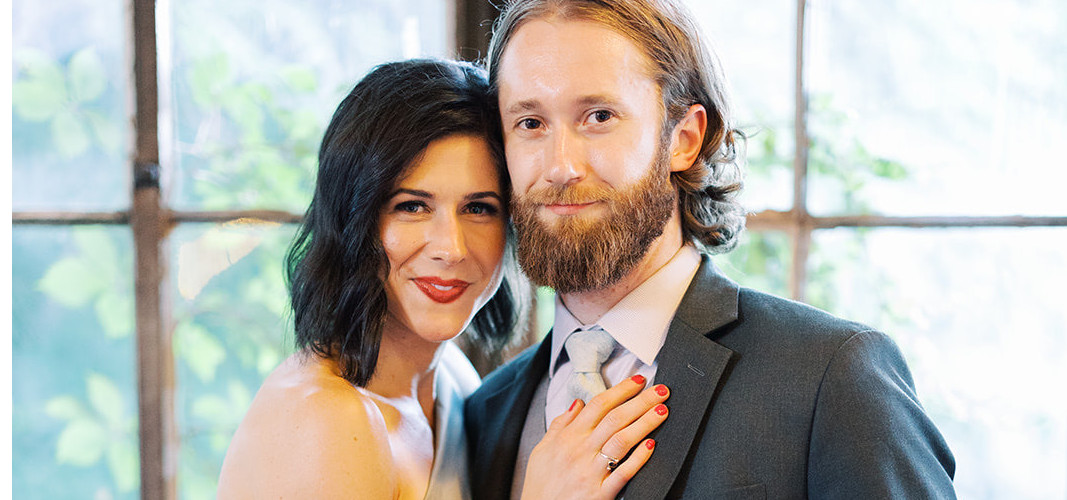
This week’s guest is David Hayward, also known as The Naked Pastor. David is “a pastor turned artist painting, drawing, and thinking about what it takes to be free to be you.” 

For over a decade, David has been creating online spaces for anyone “interested in deconstruction, spiritual journeying, freedom of thought, or looking for your authentic self.” His personal story and the wisdom he’s gained over the years continue to speak to those of us who have completely left religion and those who still believe. 

For more information, be sure to check out David’s website and follow him online!

Links

Website
https://nakedpastor.com/

Instagram
https://www.instagram.com/nakedpastor/

David’s Books
https://amzn.to/3lm9oSr

Recommendations

#AmazonPaidLinks

More from David Hayward
More from Esther Perel
More from Gabor Maté
More from Cormac McCarthy
More from Carlo Rovelli

Quotes

“So one of the big things that we do when we deconstruct if we keep going in the deconstruction or the deconversion direction, is we demystify everything, everything has to be demystified. De-magical-ized I don’t know what the word is. De-supernatural-ize everything.
… So one of the things we do when we deconstruct, is that magical thinking has to go.”

“I wanted to pull back the curtain and let people see what the life of a real pastor is like. I wanted to be totally transparent and honest and vulnerable and open…That’s why I chose ‘Naked Pastor.’”

“I just had a moment where I saw the connectivity and the oneness, the unity of all things. It was a profound instant where I saw the unity of everything…From that moment on, I experienced a profound peace of mind that I’d been seeking for my whole life…”

“…the inner life of a person which includes, mental, emotional, psychological, everything…All that, to me, is ‘spiritual’.”

“For me, my deconstruction started way back in seminary when I started questioning the inspiration of Scripture.”

“[My wife and I] had to come to the realization that it wasn’t compatibility of belief that held us together. That wasn’t the glue…There was love and mutual respect, wonder and appreciation for this person who isn’t exactly like you. That is what made our marriage better.”

“[Marriage is] an agreement for each of us to grow, and to make space for one another and constantly adapt to that growth.” 

“I don’t label myself. The can of food is very comfortable with its contents. It doesn’t need the label…The label is for other people, slapped on, so I can put you in the right place on the right shelf. And we do that with human beings. We put a label on people so we know where to put them.”

“My home is in Christianity, but I have cottages everywhere.”

“I appreciate my roots, but I’m not going to let them limit me.”

Interact

X-Shaped Hole In Your Heart
https://gracefulatheist.com/2023/02/08/the-x-shaped-hole-in-your-heart/

Join the Deconversion Anonymous Facebook group!

Deconversion
https://gracefulatheist.com/2017/12/03/deconversion-how-to/

Secular Grace
https://gracefulatheist.com/2016/10/21/secular-grace/

Support the podcast
Patreon https://www.patreon.com/gracefulatheist
Paypal: paypal.me/gracefulatheist

Podchaser - Graceful Atheist Podcast

Attribution

“Waves” track written and produced by Makaih Beats

Transcript

NOTE: This transcript is AI produced (otter.ai) and likely has many mistakes. It is provided as rough guide to the audio conversation.

David Ames  0:11  
This is the graceful atheist podcast United studios podcast. Welcome. Welcome. Welcome to the graceful atheist podcast. My name is David, and I am trying to be the graceful atheist. Thank you to all my patrons on patreon.com. If you too would like an ad free experience of the podcast and receive the occasional bonus episode, please become a patron at any level on patreon.com/graceful atheist. Our Facebook group deconversion Anonymous is trying to be a safe place to land for those people who are doubting, questioning, deconstructing, and even D converting. Please join us at facebook.com/groups/deconversion Special thanks to Mike T for editing today's show. On today's show, our lien interviews Our guests today, David Hayward, the naked Pastor David deconstructed very early relative to the rest of us, suffered the pain of leaving ministry, and has since become an artist and an author. He is very well known for the cartoons he draws that are biting commentary on the church, as well as freeing and embracing the diversity of humanity. David has written a number of books, including a book for partnerships that have a disparity in faith or lack thereof called till doubt do us part. His most recent book is called flip it like this is a book of cartoons, some of his great work, one of his earlier works, I also really appreciate his called questions are the answer. You can find David at naked pasture.com. There'll be links in the show notes for his website and his books. Here is our Lean interviewing David Hayward.

Arline  2:08  
Hi, David, welcome to the graceful atheist podcast.

David Hayward  2:12  
Thank you. Thanks for having me on your show. Good to be here. Nice to meet you early.

Arline  2:16  
Nice to meet you. I'm, I'm excited. I followed your work on Instagram over the past couple of years. And it's funny, it's clever. And it is extremely timely, often and I'm always impressed with the work that you do. I've learned a lot also.

David Hayward  2:34  
I appreciate that. Thanks very much. It's good to hear positive things back from people that you know, I'm doing some work that people appreciate. I don't always hear it that way. But I'm really grateful when I do.

Arline  2:48  
Yes, I can imagine the the pushback that you would receive for some of your work. But um, the way we always begin is just tell us about the spiritual environment of your childhood.

David Hayward  3:01  
I grew up in a I would say a Christian home I when I was born, I was baptized Anglican when I was a baby. I'm in Canada. So that would be if you're in the States, I would be Episcopal. And I grew up in a home where my father worked for the Ontario Provincial Police where he was transferred quite a bit every couple of years. So we moved a lot in in Ontario, Canada. And so we never, we never graduate. We never gravitated towards the same church denomination we are whatever was convenient and closest or, you know, most fun or most fruitful, you know. So I grew up in a home that was Christian, but at the same time not devoted to any one denomination. And some people think that's a handicap but for me, I saw it as an advantage where I I didn't feel like I needed to stay in the Anglican Church or wherever I ended up. And I always found myself gravitating towards churches that I felt had the most space for me to grow. And to become my most authentic self and even as a pastor I found myself gravitating towards churches that were were a good environment for me and my family to become our truest self. So, you know, I, I was like I said it was we were Anglican. We went into the United Church. We were in the Catholic Church. We were in the Baptist Church, Pentecostal church. I went to a Pentecostal Bible college. I went to an evangelical seminary, got my master's, I got ordained as a Presbyterian minister, and then I switched to vineyard, which is where I ended my ministry and vineyard for people who don't know it's kind of a it's an evangelical move. then kind of a mixture of Baptists teaching and Pentecostal kind of experience. So that's where I ended up. And I, you know, I met my wife at Bible College. We served in the ministry together for many years, roughly 30 years. And then I left the ministry in 2010. And decided to see if I could make my blog naked pastor, full time gig. And it worked. So that's what I do now.

Arline  5:31  
Wow. Very cool. So was there anything specific that led you out of ministry? Or was it just that seemed to be the next right choice for you?

David Hayward  5:39  
Well, it didn't feel like the right choice. But it was because I no longer felt I had the freedom to grow, were in the direction I wanted to grow. So I was starting to get, you know, phone calls from head office and things, suggesting I toned down my cartoons or my posts, and maybe run things through them first for approval. And that's just not the way I live my life. My most fundamental drive, I think, is personal freedom to be who I am. And, you know, that was a huge infringement on that personal freedom of mine, even as a pastor. So that happened that started happening in around 2009. And then in 2010, was when I finally realized I had to go my own way.

Arline  6:32  
So you were already writing you're already drawing? Were you already like, on Instagram? So I am, as of 2020, was when I was like, I don't think I was 2019. I don't think I believe all this stuff anymore in mind, my husband realized he couldn't believe in 2017. And that sent me on a journey and then 2019 And so that's when I first even got on the internet, want to on the internet, but on social media to be like, am I the only person who's gone through this? So it's only been a few years that I'm familiar with your work, but all the way back to 2010? Or before that you were already online and your church people didn't love your online presence?

David Hayward  7:11  
Well, I I started blogging as as naked. pastor.com. And in 2000, sorry, 2005. I started a blog. Yeah, around 2004 2005. I started blogging as naked pasture. And at that point, I'd already been painting and stuff. But I would post written blog posts and I would share my paintings, landscapes mostly. And I it was in 2006, I think where I had been following a cartoonist online, and I thought it just suddenly dawned on me, hey, why don't I try drawing cartoons and see what happens? And they took off. And so I decided to make cartoons, my primary means of communication. And you know, a lot of fun. I thought it would last maybe a month, because I challenged myself to draw one every day until I ran it. But here I am. Many, many years later, still drawing cartoons. And pissing people off.

Arline  8:16  
I love it. I love it, pissing people off and also making the rest of us go like, that is such a clever way to say that, like, that's exactly what I was thinking. And, and it's so concise. And it's, in my personal opinion, way more interesting than like a tweet, where it's just words, but like, the pictures are fantastic.

Going back, where did make it pasture? Where did where did the moniker come from?

David Hayward  8:47  
I started out as David hayward.ca, which stands for Canada. And then I saw that's kind of boring, and I really wanted.com And so I, I called my blog, Church pundit.com. And after a while, I thought, Gee, that sounds kind of pretentious, and kind of boring. And so I for some reason, I searched for naked pasture.com Because at that time, like the naked chef, oh, geologist, and he could true thought that was kind of cool. And I had inadvertently entered into a auction for the, for the URL astra.com Because some months later, I got an email saying Congratulations, you won the auction and my stomach just dropped because I thought oh, how much you know? Like 70 bucks, like nobody wants it. Right. I got a good pastor.com Because I was a pastor at the time. And blogs are a lot of pastors blogging at the time. And you know, talking about theology and about their church services and their sermons and their premium coffee and doughnuts and Bible studies and home groups and leaders and worship, all that stuff. And I wanted to pull back the curtain and let people see what the life of a real pastor is like. And I wanted to be totally transparent and honest and vulnerable and open. And so that's why I chose naked pastor. It's just me being totally out there, unadorned and raw and real. And, you know, for the first while, I mean, I started in absolute Oblivion, like nobody heard about me or anything, and even my own congregation was like, why would we read your blog when we have to listen to you every week already? So I was under the radar for for many years, but it was when I started drawing the cartoons. And they started to, they started to get noticed. And, you know, I was a little bit you might call progressive in my thinking, and might have been, might have been associated with progressive Christianity at that time. But in 2009, I had a profound sort of epiphany moment where it was very mystical experience, no, no chemicals or mushrooms involved. It was just, I just was had a moment where I saw the connectivity, and the oneness, the unity of all things. It was just a profound instant, where I just saw the unity of everything. And that there's one reality that we all share. But we all have different perspectives and opinions and descriptions of of that one reality. And I just sort of naively started sharing that in my blog. That's when I started getting in trouble because it was being seen, it was being interpreted that I was deviating away from orthodoxy at that point. And, yeah, naturally, and I was a bit naive, because for me, it was a very profound, liberating experience, where from that moment on, I experienced profound peace of mind that I'd been seeking for my whole life, I finally experienced that peace of mind, Theologically speaking, ever everything was at rest. And I was excited to share this experience of peace of mind and freedom. And, but it, it made quite a few people unhappy. And it was in 2009, when I started getting in trouble. And people started concern and, and I knew my time was up. And sure enough, it was a year later when I left.

Arline  13:00  
So what did leaving leaving the ministry look like? Was that like, leaving belief Bible god, like? Because I've heard Derrick Webb has said before, you know, we deconstruct different things, but that, you know, the God of the Bible, or the Bible or church, and there's so many different things, but none of it necessarily leads to any specific place. So I'm curious, like, what did that look like?

David Hayward  13:24  
That's, I really agree with what you just said. deconstruction doesn't necessarily lead you to any certain place. And I emphasize that all the time, because there is quite a few movements out there trying to steer people to certain conclusions. And that, to me, undermines the whole purpose of deconstruction was which is basically questioning your beliefs and, and becoming spiritually independent. So, and by spiritual, I'm not necessarily invoking any divinity or supernatural what I when I, when I say spiritual, I'm talking about the inner life of a person, which includes mental, emotional, psychological, everything, all that combined, to me, is spiritual. It's kind of in the kind of a union kind of a field to it to me. Yeah. So I believe and I've said this for a long time, I think for Christians or believers, there's two different deconstructions one is theological and one is ecclesiological. So there's a theological deconstruction when you question your beliefs and, you know, it's kind of like the blue or the red pill to see how far down the rabbit hole go. And you can keep going. The other one is ecclesiological, where you deconstruct your relationship to the church. And my observations are that people who deconstruct Ecclesia logically don't necessarily deconstruct theologically. So I know a lot of people who left the church who are just as dogmatic and fundamentalist they were in In the church, deconstruct the illogical often their relationship with the church has to change. That makes sense. Yeah. Yeah. It's like any relationship really like your I, I'm assuming you're still married, I'm married when I my mind about very important issues that affects the relationship. So it's the same with people. When they change their minds theologically, it's going to affect the relationship to the church.

So for me, 2009 that moment, profound flash of insight moment for me, was the conclusion or the culmination of decades of theological anguish. It's for me, my deconstruction started way back in seminary when I started questioning the inspiration of Scripture. And it took that long for everything to kind of, it was kind of like the final piece of 1000 piece puzzle just sort of snapped into place, the picture came into view, and it was done. Then I had to leave the ministry, which meant leaving the church for me. And that was a whole other ball of wax that happened pretty quickly. But it took but my theological deconstruction took decades, whereas my ecclesiological deconstruction happened overnight, and, and it took Lisa and I, a couple of years to find your feet again, that was a really rough period of time. To the point now, where we're, we're doing great, we're better than we've ever been, ever. But it took a lot of negotiating to figure out how to navigate those really, really tumultuous times.

Arline  16:51  
Yeah, I can empathize my husband. We met in college ministry like that. So like, we were, we were Calvinists. So it's like John Piper, my Mark Driscoll, Matt Chandler, this, that's our world for a long time. Oh, yeah. Yeah. Neither of us grew up in the church. So we did, we at least had some sense of self when we became Christian. So we didn't have I've, you know, interviewing people and just getting to know people. The things people have to pull apart from what they were taught when they were little, tiny kids. I mean, it's just this whole other experience. But um, our everything was based off of Jesus and the Church and all that. And then 2017, you know, he would we become parents and just things start changing for him, to where he's like, I don't think I can believe in the God of the Bible anymore. And I'm like, so yeah, that tumultuous time where it's like, the, I was told, marry a godly man, find my bow, as you know, like, and then everything will just go wonderfully. And, and at least, you know, just so many promises that they make you. And they do say, you know, marriage isn't for making you happy. It's for making you holy, and all this stuff. But it was still like, I just had expectations that we were always going to be Christians.

David Hayward  18:07  
And I gotta write that. Cartoon out of that. I'm sorry.

Arline  18:13  
Yes, that some of the little one liners that pastors can come up with. But yeah, so I can empathize with just that time of being married and things are just so vastly different than you ever expected. And it was scary for us. It took it was about two years before I was like, and he never tried to D convert me like it was never, it was never like evangelizing for not believing it was just, I just had to figure out well, especially being Calvinists, he can't lose his salvation. So like what what has happened? So yeah, I can empathize with that experience.

David Hayward  18:49  
No, it was it was such a profound experience for Lisa and I, that I wrote a book about a called till death do us part when changing beliefs change your marriage? Oh, wow. Yeah. Because it's happening a lot. There's not many resources out there for couples. Most books for marriage are you need to be compatible, and you need to believe the same things and hold the same value. Whereas Lisa and I suddenly we're on. We're not on the same page anymore. Are we even in the same chapter? Are we in the book? Are we in the same library? You know, so it was it was really difficult to figure out how to be married again.

Arline  19:31  
Yes, we will make sure all of your resources are in the show notes. We have a Facebook group deconversion anonymous, is the name of it. It's based off the episodes that we do. And there are lots of, you know, for want of a better term term, unequally yoked marriages and we have people who one yet one has D converted, the other hasn't and it's hard for the believing spouse to understand we have a least one person in the group who is still a Christian, but their spouse has D converted. And he was just looking for like somebody else who no longer believes I'm not sure how he found the Facebook group, but who know who no longer believes to help him understand his wife. It's so hard on marriages, it's so hard on both both people. And we only usually have one or the other in the group. But um, yeah, yeah, there aren't a lot of resources. You're exactly right. There aren't.

David Hayward  20:28  
Yeah, but I think it's a great opportunity for us to grow as individuals, when our spouses change on such a dramatic level, like Lisa and I, we've been married now we're going on through 43 years, holy, very nice.

Arline  20:42  
And

David Hayward  20:45  
we, like I said, are better now than we've ever been. Because, you know, we grew along side by side for so many years. And we were serving in the church together. And it was kind of like our lives were kind of mirroring each other. And then when that happened, though, she decided to go to university, she was 48 years old, she decided to go to university and get a nursing degree. And so she's a nurse. And I decided to, I went and taught at a university for a couple of years. And then it was in 2012, when I thought, I'm going to see if I can make make a pastor go. And it worked. But we, our lives now were so very, very different. And our beliefs were different and everything. So it was tricky. But we come to the realization that it wasn't compatibility, a belief that held us together. That wasn't the glue, we always kind of assumed it was. There was love and mutual respect, and wonder and appreciation for this person who isn't exactly like you. And that, for me is what made our marriage better.

Arline  22:06  
David Ames, the main interviewer, the the actual graceful atheists, that's his, that's his moniker. He he and his wife, she is still a believer. And he has said the same thing. It's like, it's love. It's respect. It's honoring and loving her whole self. And she loving him. Not like because we were told in that well, that my husband and I were told in the church that yes, Jesus and you having the same beliefs, even very particular theological agreement, is what's going to hold you together. And so when you don't have that, you think, oh, no, there isn't anything left. And then you just slowly for me, I just watched Donnie be the same husband be the same person he'd always been. And I was like this, nothing. Our values haven't changed. Nothing has changed. I, I expected things to get crazy. But yeah, you're exactly right. It's respect and love.

David Hayward  23:01  
Yeah, it goes back to that. That vision I had in 2009, or experience where I saw the oneness of all things. That there's one reality but a zillion thoughts. So when Lisa changes her thoughts, she's still Lisa, kind of like the river out front of my house. It's very deep and wide, and not a deep, deep level, it's still the kind of cases River, the surface does all the time. But that doesn't change the fact that it's still the same river. And so, you know, our beliefs are like that. I think they're constantly changing and moving or thoughts are changing and moving. And, but at a deep and fundamental level, I'm still me and Lisa still hurt. I remember the first time I saw the Solon Bible College walk into the cafeteria was like, it wasn't, Oh, my goodness, she believes in the substitutionary atonement. No, I it was totally different than the attraction that happened with theology or belief. That came later, but we got back to that primary wonder for each other. And which comes before belief, you know?

Arline  24:21  
Yes. Because you don't know anything about her when you first meet someone, you know?

David Hayward  24:27  
Yeah, I mean, isn't that marriage though, when when you marry someone, you're you're not saying I'm going to marry you never change. Basically, you're saying never grow up. Never become more self aware. Never peel back the layers of your own onion within to become a deeper person, because I wouldn't be able to handle it. It's the opposite. It's like you, you go deeper into yourself and become more self aware and more of an individual individuated person more Have an authentic individual. And I will love that. I will love you for that. And, and so that to me is what marriage is the agreement for each of us to grow and to make space for one another and constantly adapt to that growth.

Arline  25:18  
Yes, I agree completely. 21 year old Arline should not be in 40 year old Arline's body doing life? Absolutely not I, Oh, heavens, poor little young.

Thinking back to that time, that hard time when y'all were married. And for people who are listening, what are some of the things that you guys found to be most helpful when, when you had different beliefs, differing beliefs?

David Hayward  25:55  
Well, there's the obvious ones, and that is therapy finding a good counselor. Or, for us, also, I believe in the value of a good coach, if you can find one. They're more expensive. Yeah, find one. That's good as well. Hopefully, you've got a few friends around that love you both, and can provide a safe space for you guys. And then there's each other. And this, this is the hard part, this is where you sit down with one another, and you have the hard conversations. And, you know, the very uncomfortable squirming kind of conversations. And so that, to me, is is the most important thing. Like Lisa and I went into this transition, this traumatic transition, kind of with tools in our belt already. We'd already been to marriage retreats, and marriage weekends, and we'd already been for marriage counseling several times. And we've read a lot of books on marriage and relationships and love and had already had our government communication skills down. So that when we went into this situation, we weren't caught off guard completely. And we had tools at our disposal. I remember, a few years ago, this was before COVID, we were in a room with a bunch of couples, and we ended up talking about marriage for some reason, or whatever. And I said, well, has anybody here been to like a marriage weekend? Or a marriage retreat? No. Nobody's been to a marriage. Well, anybody here been for marriage counseling? Nobody? Well, has anybody here read a book on marriage? Nobody. So it when when a crisis comes to, to their relationships are totally unprepared. You you learn the skills of how to be married. Hopefully you you have them those skills before a crisis. It's hard to you know, as they say, drain the swamp when you up to your ass and alligators.

Arline  28:22  
That's very true. So my first thought is the hubby and I had also been to marriage retreats. And we we had read but what I had read the books, he's not a book reader, I'd read the books and then give him that, you know, too long didn't read kind of stuff. But there are some problematic things in Christian marriage books. So are you saying like, just the the basic things that are this is universally probably helpful in interpersonal relationships, communication, listening, all those kinds of things. Like just having those.

David Hayward  28:59  
Yeah, so when people ask now about marriage books, I recommend mine for one part, but then there's people like David snark, who wrote passionate marriage, which is, I think the best book on marriage out there. There's Esther Perel.

Arline  29:17  
Yes, she's fantastic.

David Hayward  29:19  
Yeah, there's Gabor Ma Tei. There's other people writing about relationships out there, who I recommend to people. It's, it's really, really it's just about being interested in human growth, and makeup and psychology and depth. Even reading Carl Jung and dream interpretation and, you know, understanding the Anima and the Animus and, you know, the female aspect for the male and the male aspect for the female and all that all those kinds of things are just little tools that we use to understand ourselves better. The shadow side of ourselves, for example, learning how to integrate that rather than reject that, like Christianity tends to want to do. So yeah, it's, there's there's a lot of books out there. And a lot of information to help people in their marriage, relationships or in other relationships. Yeah. And so like the David snark book, passionate marriage has been around for many years. But it's one that I recommend all the time. And even if you just read that one and study it intently, it's, it's your 90% there, you know, it's just a resource.

Arline  30:52  
And I wasn't expecting to have a whole lot of this discussion. But how about for couples, I've seen different discussion in our Facebook group. One of them is like, Oh, well, you have D converted, or I have, I have d converted, and I don't want to do this anymore. Now whether there's more to it, you know, we don't know that just seems to be something that's been brought up where one spouse is like, this can't work because you're not a Christian, or I'm not a Christian anymore.

David Hayward  31:22  
So one of the big things that we do, when we deconstruct if we keep going in the deconstruction or the deconversion direction, is we demystify everything, everything has to be demystified, the magical lies. I don't know what the word is. The supernatural is everything. You know, for many of us, Christians, we grew up in a Christian culture or became absorbed in a Christian culture that said, marriage is forever. And, and, you know, God's blessing and God and all this stuff. And it was all, you know, very scary, sacred, you couldn't even have sex with somebody, because they would take part of your soul with them. And, you know, save yourself for your spouse, because otherwise you're giving your soul parts of your soul away at all to do all this magical thinking, right? So one of the things we want we deconstructed is that magical thinking has to go. And there's another book too, John did her Joan did her on the Year of Magical Thinking, fantastic, but

Arline  32:33  
it's on my TBR list, actually, oh, it's so good.

David Hayward  32:38  
And where she, she spent a whole year she lost her husband, in a whole year, magical thinking. And that book meant so much to me, because it it described my deconstruction that I was, you know, I, I've never seen a miracle. And I grew up in a Christian culture that believed in miracles. So I could, I've never, nope, sorry, I have never seen a miracle. And, you know, I've seen people say, Oh, my head suddenly feels a little bit better. So suddenly, my right nostril, like, breathe through my right nostril. I see that all the time, or, I've never seen a real miracle. And, and so just that kind of thing. So it's the same with marriage, where I really do believe a lot of couples come to that place where they start deconstructing, or one does and the other doesn't, or whatever, and they're like, I don't want to do this anymore. And when you remove that magic, the sacredness, the holiness, you know, God, divinity, all this kind of scary punishment and eternal torment, when you remove all that, it might make absolute sense at that moment for them to go their separate ways. Some couples got married, because they were prophesied to that they should get married, some couples got married, because that was the only way they could have sex. So he just got married, because, you know, their parents made an agreement, you know, and they get to the point where they're saying, I I'm not invested in this, I don't really love you the way I think I should love you. You know, so some people are married, that shouldn't be and, and there's some people who are married that don't have to be and and then there's some people who are married who go through this struggle, where they want to remain married, but they don't know how I want to help those couples do that. In my book, I do have a few chapters in there about you know, maybe maybe it is time to go your separate ways and that's okay. That's totally okay. And, and, and that's fine. It could be heartbreaking for one or the other. But yeah, that happens a lot.

Arline  34:49  
Yeah.

So If you are pastor turned artist, you're doing your drawings. Time is going by, even after you've left the church, like, are your beliefs still changing? Like, are you what, what? What do you believe? Now I was looking, I was thinking back to all the cartoons I've seen. I was like, I have no idea. I know he's calling out the church and calling in the church, and it's fabulous. I have no idea what this man believes. So it's curious, what, where are you now spiritually? Like, what? So? Or is there a label?

David Hayward  35:32  
No, there's not a label. I don't label myself because Nice. Anna food is very comfortable with its contents. Uh huh. It doesn't need to label it, you know, it could be Irish Stew, let's say. And just totally comfortable with being whatever the label is for other people that they slammed on, they can buy who you are, and put you in the right place on the shelf. And we do that with human beings. We slap a label on people, so we know where to put them how to talk with them. Or not? No, I don't, I don't use a label. I say I My home is in Christianity, but I have cottages everywhere. I also have. Christianity is in my DNA. I mean, I was baptized. When I was a baby in the Anglican Church, I was circumcised by a Jewish rabbi when I was eight days old. You know, I was my parents were very, very religious. And all like I, I grew up in that whole whole culture. But so my, it's in my DNA. I also say I appreciate my roots, but I'm not going to let them limit me. So I I'm at that place. Like I said, when that when that happened to me in 2009, realizing that there is one reality with many experiences interpretation, so to say I'm a Christian is basically to cut myself off from all of those other interpretation, interpretations and expressions and articulations. One reality, I feel I'm more at one with everyone. And, you know, for me, Christian, Buddhist, Muslim, Jewish, atheist. They're all just perspectives on the same reality. And one, some might feel one's more right than the other, but no one has a corner on the truth. No one has the whole pie. They're all different interpretations of this one reality. This one reality is the pie. And we all are somewhere in there, you know. And so when I, when somebody says, Are you a Christian, yes or no, I'm saying, well, let's unpack that. Like, what does that mean? And immediately most people are like, Okay, you're fudging you know, you're getting squirmy, you're like jello, trying to nail jello to the wall? Because most people who are believers need that yes or no? Yes. Whereas most people who aren't they're agnostic, or they're atheist, or, or whatever, they don't need that. Yes or no. As much. Oh, so for me, I'm, I'm also there's another reason to, I want to be very careful. So yeah, on the one hand, I do not have a statement of faith. I, I could not write a theology book. Because it isn't a true the true expression of my myself or what I think best reflects reality. But also, I don't want people to say, I believe what David Hayward believes, if I follow David Hayward, you know, it was a cluster. So I really avoid providing anything that caught could cause somebody to want to do that. So, you know, there's people out there writing, theology or spirituality, and people say, I'm going to follow them. I like the way you know, and for me, because what what is at the core of my I said this earlier, my fundamental drive is my, my, I want to be free to be my authentic self. And so how that interprets in the world is, I want you I want our lien to be have the freedom to be her authentic self. Wherever that ends up. You could end up a Calvinist again or a believer or a non believer or an atheist. I do want care. I honestly don't care. And I honestly don't think it matters. In the great scheme of things. What matters is that you eat that freedom to be who you are freely. That to me is what's the most important thing, work no matter where you end up. And so when I talk about deconstruction, I'm very very careful to a I'm emphasize that this is your journey, you're taking the steering wheel of your own life, and you get to drive wherever you want. That, to me is the most the most important thing. I love that. Yeah, a lot of people find that really encouraging. Or like, I feel I'm free I can, I can decide how to be spiritual or not. But for other people find it very, very frustrating because a lot of people want directions, they want a map with a destination. That to me is, is not life.

Arline  40:36  
No, no, I can agree now used to I, I needed someone to like, lead me and tell me and tell me maybe what to believe maybe that really was part of it. Just what to believe, and give me the Bible study and other things. And, and I've heard this from from other people as well, leaving the church leaving Christianity. It's like, Oh, crap, I have to figure out like, what I believe what are my values? What does like I love the little like, devotional size kind of books. I was like, I didn't know the word day book. I was like, I don't what do I read in the morning? Do I have to read things in me was just so many little things and huge things. How are we going to parent the boys, we have two boys. You just have to you have to figure it out on your own. And it's, it's a lot, it's wonderful. And it's but it can be a lot, I can see people being like, you know what, I'm just gonna go back and be in my little square. And they tell me what to do and what to think, like,

David Hayward  41:36  
happens all the time. It's like when we left home, I remember when I first left home, when I was 18, I went to college. It was it was very exciting. There was a it was a lot of fun, but I had to learn how to you know, pay bills, buy growth, make, you know, make a home, you know, meet women, get married, figure out how to, you know all that stuff and eating and scary. And it's the same spiritually, where we get to the point where we need to be, be able to take care of ourselves and decide that. And this, to me is where the church has really dropped the ball and insists it knows how you should be living. And the church not loves nothing better than to hear you say, I need you to tell me what to believe. And that, to me is the exact opposite of spiritual maturity, where we say I'm going to decide how to be spiritual. Thanks very much. It's like walking into a buffet. You get to decide what to eat, you know, by now what's healthy for you and what's not healthy, but maybe you want a night off you, you want to enjoy some pie and some, you know, barbecue ribs and mashed potatoes with gravy. And you know, you want to enjoy all that stuff sometimes. But you're allowed to, it's the buffet, you're an adult, you get to choose. I mean, when you take your little kids, you give them what you think they need. When they get a little bit older. They said Can I have some red JellO too, and you put a little bit of red yellow on there. But then as they get older, they start choosing what they want. Even sometimes you let them load the plate with junk. And eventually though, when they leave your home, they're on their own, and they're going to want and they have to figure out what's healthy for me and you know, what's not? What do I what do I not want? So I think that's just what it means to become spiritually independent.

Arline  43:53  
I love Yes, the idea of people getting to choose what spirituality or religion or any of that looks for them. A lot of your cartoons are very much like calling out often. It's not explicitly white evangelicalism, but if it's talking about racism, white evangelicalism, homophobia that is pervasive in church world as a whole, but when people's religions and choices are causing harm, like how does what are your thoughts on that?

David Hayward  44:26  
So this is kind of a biblical analogy for using it but it's a good one. My cartoons are kind of like a double edged sword. They, on the one hand, encourage people say people of color, First Nations LGBTQ women, children, heretics, you know all the marginalized people. They're encouraging to them. Uplifting, valid Dating affirming. The other edge of the sword though is where I, I go after any beliefs or system or, or policies or whatever that violate those freedoms that I think those marginalized people shouldn't be enjoying just like us. So that's, that's why my cartoons kind of have this sort of double edged. So some people love my cartoons, and other people hate my cartoons. But one is it's lifting up the those who are marginalized, persecuted. Rejected. And on the other hand, it goes after people and systems and beliefs that do persecute and marginalize and reject,

Arline  45:55  
which, from like thinking back to when I was a Christian, and even now, like just singing about Jesus that was kind of religious people hated him, because he called them out. And everybody else loved him, like, you know, and so you're in good company.

David Hayward  46:12  
Yeah, yeah, they say,

Arline  46:15  
Do you have any current projects you're working on? Or future ideas project? Well,

David Hayward  46:20  
I've got I just came out with this book here. Flip it like this? Oh,

Arline  46:23  
that's right. I have some Yeah, I've seen that.

David Hayward  46:26  
It's my new cartoon book. Believers and atheists alike. No, it's my best stuff cartoons. And I have literally 1000s of cartoons, but there's, it's full of my best stuffs. And there's like 15, never before seen, it just came out. So if you want to pick up, it's wherever books are sold, like Amazon, in the books, there's a noble, etc. You can get it at your local bookstore, but people are having fun, you know, accidentally leaving this in their guest room or mailing it to their ex pastor or, you know, I love it. That's hilarious. Yes. But I'm continuing to do my stuff online. Every day, I'm posting times a day, I have an online community like you do, but mine's called The Last Supper. is for people deconstructing and courses and there's interaction in our Facebook group as well. So yeah, I'm very busy every day doing this stuff. Yeah, that's awesome.

Arline  47:29  
It makes my heart happy. Like we just had before we're recording this we just had, I was a teenage fundamentalist the guys, Brian and Troy from that podcast, and they have a Facebook group that's just like space for people recovering from religion, Rachel Hunt has been on here from the support groups. I mean, there's just so many more spaces online and in real life, for people who just, you know, you leave church or you're just asking questions, and you don't, you don't have anybody, and it can feel so, so isolating and so lonely. And so that's awesome that you guys are doing that. That's,

David Hayward  48:07  
it's weird. I started talking about deconstruction, which is a French Derrida coined the word deconstruction, the philosopher, but I started using it in 2006, in reference to reliefs, I started talking more and more and more about it. And then, in 2012, when I launched the lasting supper, I targeted people who were deconstructing and needed a safe place to do that. And we felt very, very isolated and alone out there in the world. Now, it's everywhere. Like you say, there's tons of Facebook groups and other communities sprouting up all over the place. So it's pretty cool.

Arline  48:55  
Yeah, I had, um, a church friend. And her mom was really bothered by like, knowing the work that I was doing, being part of the graceful atheist. And my friend, I mean, she's still a Christian. She was like, Mom, when people used to leave the church, where did they go? She's like, I don't know. She was like, Yeah, this is just like, creating space for people who before they didn't have anywhere to go, they were alone. And I was like, Yay, thank you for like, you know, speaking truth, but it is like before, people just left and I can't remember it was recently on the podcast. I can't remember who said it. But like, in the past, or like, when you become a Christian or become some spirituality, religion, it's usually done in a group. There's some kind of community become part of a college ministry or youth group or whatever. Not always, but most of the time. But when you start asking questions, often, it's just you, or it may be like you and one other person and so it can feel extremely isolating. So that's awesome. What you guys have been doing this for a long time. That's fabulous. I know a

David Hayward  49:57  
very long time. Yeah, that's still going so great.

Arline  50:08  
I have asked a few other people. Do you think there's hope for like American 21st century white evangelicalism like church myths? Do you think there's hope for it to like change and be redeemed? Or do you think it's like, no, just dismantle it, and we got to start back over? Like, I'm just or or, I mean, those are not the only two options, but what are your

David Hayward  50:28  
thoughts? Well, I think the church is here to stay in some shape or form. The church has a resiliency to it, that survives all kinds of programs and programs and persecutions. And it has a, you know, some people like say, well, it's no better than a cockroach, you know, just keep surviving. It could also be people's, you know, ability resiliency to bounce back or to rebel or to meet if they want, you know, where we've seen in the past where the church has been made illegal, and there's underground movement start and so on. So I think the church is here to stay, whether whether they're good or bad, healthy or unhealthy, or there's people there's going to be some healthy expressions of it. And there will also be unhealthy expressions of it. I think American white, white male American evangelicalism is scary. I'm, I'm, but I'm of the opinion of the opinion that such right wing kind of conservative ism is always a reaction to progress. And so I think as long as we progress, and were open and inclusive and fair, and just will continue seeing the uprise zing of resistance to that. I think progress is like the gas pedal, and conservativism is the brake pedal, and the harder you press the gas, the harder they're going to put on the brakes. And I think that's human nature. I think we're going to continue seeing that, that the more progress we do see, the louder the resistance, and even more violent the resistance might might become, which is scary. So that's what I'm seeing happening. This evangelicalism right now in the West is a reaction to to progress. I

Arline  52:54  
was with family this weekend, and I have a family member. Most of my family is very conservative, southern white people. And they, some of them fit the stereotype not all, but um, one of my family members, he and I were sitting and talking and he's just the kindness and gentlest man. But he's so scared of, you know, he knew the trigger words like woke ism, he's so scared of that He's so scared of immigrants so scared, just fill in the blank and it was like, it was my first time seeing someone who wasn't like angry and mean about it. He was just scared of everything. And it was just like bizarre revelation of like, everything I kind of already knew this but like everything that that I have seen with conservative especially like white males and women like I was in white lady Bible study world so like, women too, but um, it's just afraid of everything afraid of like you said progress anything changing anyone else getting rights that they haven't had, and, and there's such this overlap of church world and conservatism and it's

David Hayward  54:04  
yeah, it's, it's icky. Very icky. Yeah, no, I I have friends or people in my family too, that are super super conservative in Canada. And they're otherwise lovely, lovely people, but they're, they're scared they're they have weird conspiracy theory ideas about what's happening. And but then I do know people who are conservative and hateful like they're just nasty would use violence or bullying to achieve their goals. And but that's that's like a fearful reaction as well.

Arline  54:51  
They go into fight or flight. Yeah, we're seeing that for sure everywhere. Last thing, do you have any any recommendations? podcasts, books, YouTube channels, Instagram accounts, anything that you're like,

David Hayward  55:06  
Oh, that's funny. I was telling you earlier. I'm not a podcast listener three times a week for podcasts. But I have this weird thing where I can only do one thing at a time. Yeah, so I'm a painter, for example. So when I'm painting, I can listen to music. But if I listen to a podcast, I'll be painting and all sudden stop, because I have to concentrate on what's being said. So I might as well just sit there and read the book, which of course, you can't do and peanuts. I tried, I tried audible at Christmas time. And I worked really hard to get through one book. But just sitting there, I just have to sit there like a lump on a log just staring into space listening. So it's really weird. Even when I'm running. I run naked, they say, without any gear, you know, just by putting clothes on and shoes. But no, you know, no headphones or music or anything. I just enjoy nature. So but for books, I'm a more of a nonfiction guy. But I do really love Cormac McCarthy. And he just came out with a new book called The passenger. So I'm reading that right now. He's the one who wrote No Country for Old Men and The Road and

Arline  56:30  
road. I've read the road I haven't read it's other stuff. That was

David Hayward  56:33  
horses. Yeah. The road and that changed my life, that book. But I read I read quantum physics. I just finished reading. Isaacson's biography of Einstein. I read Slavoj ejack Living philosopher, right now. I'm reading, you know, some mystical literature, you know, like, like Rumi, or Meister Eckhart or others find that when you're reading quantum physics, you're reading mystic CISM, you're reading philosophy, they all sort of start sounding the same. That's the, that's the, they're, they're sort of, they've sort of caught a glimpse of that one reality and they're, and they're using their language, either mystical, philosophical, or scientific or whatever to to describe this, this one reality so that that's where I'm reading right now.

Arline  57:42  
Whenever I D converted, I did. I was like, what are the things I have not learned? So I was like, I'm gonna learn evolution. I want to learn anthropology, like all these different things that I had just been gently nudged. You probably don't need to take that class or whatever. I wanted to learn these things. And the more I learned about certain scientific things I listened to I like audiobooks, astrophysics for young people in a hurry by Neil deGrasse Tyson, I couldn't read the grown up one, because it was like way over my head. But I listened to the young people's one. And I was like, this is fascinating. And it was narrated by LeVar Burton. So clearly, it was going to be wonderful. And I learned so much stuff. I was like, there's so much just mind blowing science. I love the mystical, like, I love Rumi and I've read a few other people I can't think off the top of my head, but like I love the feel of all that but and I love how science there's so much all inspiring science that it was like, I don't have to go beyond this anymore. Like there really is so much science that which I don't understand a lot of it. But yeah, it's just there's so much all in wonder in this world. And I love it. I love it so much.

David Hayward  58:58  
One of my favorite books, it's in my top 10 books of all time, is Carlo Rovelli, who's an Italian physicist, seven brief, I've read that. I can read a lovely little book, beautiful, get the heart for that. You'll treasure it your whole life kind of thing. But you reminded me of something. When I left the church, I stopped reading theology. I am zero interest in reading theology. Because I was in the deep end, I read. I read all the theology. So what I discovered is I was so much in my head that I had to figure out how to get into my body. And so I'm really, I become a little bit of a health freak hedonist. What a Christian would call a hedonist because I enjoy pleasure and my body and and working out out and running and breathing exercises and cold plunges and stretching. And you know, like all these things just get out of my head just to get out of my head, because I lived in my head for my whole life and it got me nowhere. So, so I'm just enjoying, like and Lisa and I go for, you know, where we can forest bathing, where you go for long walks in the woods and like, it's just, it's wonderful and it's guilt free, shame free, beer free. It's wonderful. Just just being out of your head and into your body and enjoying life. It's it's great.

Arline  1:00:44  
I love it. I love it so much. Well, thank you again, David, for being on the podcast. This was fantastic. I learned a ton and I really really enjoyed this conversation.

David Hayward  1:00:53  
Thanks, Arline. Me too. I enjoyed it

Arline  1:01:02  
my final thoughts on this episode. So I tried not to fan girl. But I was really excited about this interview because his little drawings and say little drawings that sounds condescending, but like his very cleverly put together concise stick people drawings are so fantastic. I've I mean, they just they call people out for the foolishness that harms people. They're uplifting, they're kind. And again, they're just so clever. And so I really enjoyed this episode. I loved getting to know, David more. I didn't realize how many he's written multiple books. He also does watercolor and his beautiful landscape paintings. And he's just an artist and a mystic at heart. That plus just the wisdom and intellect that he brings. Like, it's impacted so many people, myself included, and I'm thankful for his his presence online, and the work that he has been doing for decades now. I just I love it. It was so good. So much fun. I look forward to just seeing more things the naked pastor will be doing.

David Ames  1:02:23  
The secular Grace Thought of the Week is it is our humanity that connects us. One of our bloggers Jimmy recently wrote a post talking about the X shaped hole in our hearts. I've talked about this a lot that the suppose it God shaped hole in our hearts is really our need for connection with one another. I truly believe that the connection that we seek is relationship is love for one another. And I mean that in the least mystical way possible to take the demystification the deconstruction one step further. I don't think there's anything terribly mysterious about this. I think it just is our need for each other. Our need to be known by one another, our need to be loved by one another. Our humanity is our connection. And I have done the interview with Holly law rock from the mega podcast that is going to be sometime in April or May. Also upcoming in April, I'll be interviewing Darrel Ray of the recovering from Religion Foundation. And we have a number of community members that will be on the show as well. Until then, my name is David and I am trying to be the graceful atheist. Join me and be graceful human beings.

The beat is called waves by MCI beats. If you want to get in touch with me to be a guest on the show. Email me at graceful atheist@gmail.com for blog posts, quotes, recommendations and full episode transcripts head over to graceful atheists.com. This graceful atheist podcast part of the atheists United studios Podcast Network

Transcribed by https://otter.ai

Anne: So I Persisted

Deconstruction, Deconversion, ExVangelical, LGBTQ+, Missionary, Podcast
Listen on Apple Podcasts

This week’s guest is Anne. Anne grew up in an English family whose Christian history goes back generations. As a young child, Anne and her twin took their beliefs seriously, even the damaging ones.

Her parents’ divorce shook her up, though. Her family had been “that Christian family,” and it felt like her parents had become strangers. Still, she clung to her faith throughout her teens and twenties. 

Anne married young, meeting an American missionary while in Scotland, but it seemed her partner wasn’t as devout as she’d hoped. His was on his own journey through deconstruction, but she didn’t want to see it. 

In her thirties, Anne began to acknowledge the questions and the psychological distress she’d had for years.  “It’s almost like this pressure had been building and building and building and finally it broke through, and I just thought, What if it’s not real? I had not allowed myself to ask that question.”

It took a little googling, excellent therapy and other people’s deconstruction stories for Anne to see that she no longer believed. It’s been freeing for her to see the world as it really is. No more “magical thinking.” 

She and her partner are asking whole new questions, and it’s growing and changing them in ways they never could have imagined. 

Recommendations

Rob Bell’s podcasts and books

Coming Out with Lauren and Nicole

Exvangelical

We Can Do Hard Things with Glennon Doyle

Quotes

“I often equated feelings of anger with sin—feeling angry is sinful.”

“I think a lot of it was magical thinking. I really wanted it to be true.”

“Looking back, I think there was a lot of clinical anxiety and depression…[but to] me, everything was a spiritual problem.” 

“Everything was a spiritual fight, so…if I felt bad, then maybe this is a test from God!…It made me double-down rather than thinking something’s wrong.”

“It felt like praying was escaping to a magical place where I felt like things were going to get better, but that was the opposite of how to heal myself.”

“It’s almost like this pressure had been building and building and building and finally it broke through, and I just thought, What if it’s not real? I had not allowed myself to ask that question.”

“It was a total ‘on the road to Damascus’ experience. It was like, all of a sudden I could see. I could see the real world.”

“I feel like the hardest thing to undo is this feeling of ‘badness.’” 

And so I persisted. And I persisted in spite of negative feedback.

Interact

You are not broken, you are human

Join the Deconversion Anonymous Facebook group!

Deconversion
https://gracefulatheist.com/2017/12/03/deconversion-how-to/

Secular Grace
https://gracefulatheist.com/2016/10/21/secular-grace/

Support the podcast
Patreon https://www.patreon.com/gracefulatheist
Paypal: paypal.me/gracefulatheist

Podchaser - Graceful Atheist Podcast

Attribution

“Waves” track written and produced by Makaih Beats

Transcript

NOTE: This transcript is AI produced (otter.ai) and likely has many mistakes. It is provided as rough guide to the audio conversation.

David Ames  0:11  
This is the graceful atheist podcast

United studios Podcast Network. Welcome, welcome. Welcome to the graceful atheist podcast. My name is David and I trying to be the graceful atheist.

Please consider rating and reviewing the podcast on the Apple podcast store, rate the podcast on Spotify, and subscribe to the podcast wherever you are listening.

Thank you to all my patrons, if you too would like to have an ad free experience of the podcast become a patron at any level at patreon.com/graceful atheist. And as a quick note, where we're spending the money, I'm using a tool called otter AI to get transcripts of our episodes. So now the show notes have transcripts as well. I am trying to backfill those that's going to take a while to get to all of them. But this is a great way for Google and SEO to pick up the website. Thank you to the Patrons for making that happen. The deconversion anonymous Facebook group continues to thrive if you are looking for a safe place to doubt, to question to deconstruct and even D convert find us at facebook.com/groups/deconversion.

Special thanks to Mike T for editing today's show. On today's show. My guest today is an content warning that N gets into her mental health including anxiety, depression, and suicidal ideation. If you need immediate help, you can call 988 in the United States and get immediate assistance. We also talk about being very pro therapy, you can reach out to recovering from religion if you want to discuss elements of deconstruction and deconversion. As well as reaching out to the secular therapy project to find an ongoing therapist and grew up very serious about her Christianity took her Christianity even more serious than her parents. She continued to believe that God would participate in her life. She went to why wham, she chose missionary style work. Even in her secular occupation. She was constantly trying to live up to the standard of Christianity. Things began to break down as after she was pregnant, and the pandemic hit. And she was out of context of church, the key line of the entire episode as she says, and so I persisted, she continued to try to double down to make it work. And yet it did not work out in the end.

Here is Anne to tell her story.

Anne, welcome to the graceful atheist podcast.

Anne  2:57  
Thank you. It's great to be here. And I'm really excited to be able to tell my story and thank you for this opportunity. I really, I really think it's great what you're doing.

David Ames  3:07  
I very much appreciate it. I really think that this is the the magic is hearing people tell their stories. And and I promise you that there will be people that recognize themselves in your story. So I'm excited to hear it. I understand you've already prepared an answer for this. But you know that our first question is what what was your faith tradition growing up?

Anne  3:26  
Okay. Yeah, I tried to think how to how to summarize this. I guess the very short answer is that from my dad's family, I inherited this fairly conservative and evangelical

And I, I, I'm fairly sure from kind of limited stories that have been told that it goes back actually to my great great grandfather around there, who was apparently an alcoholic who lived in a very kind of deprived life. And apparently he was out in the streets and heard a call to repent from the Salvation Army and kind of immediately dropped to his knees and repented. Okay, and that's apparently where this this comes from. And since then, everyone, everyone that I know in my family has been an extremely kind of committed Christian in that sense. And so his son or grant son, I'm not sure he was a pastor for the Manchester City Mission during the Second World War. And, and his son, my granddad, I knew very well and was always very, very serious about his faith, kind of have memories of going to his house. And he would have like the study guides to each of the books of the Bible lined up in order, okay? And yeah, like after church would be like discussing the sermon very seriously. And, you know, that kind of thing. So that's where my dad, where my dad kind of came from and what was handed down to me.

David Ames  5:28  
Okay. And, like a question that I like to ask is, did you feel a personal faith? Did you have a sense of this was something that you believed or that it was just handed to you from your parents. So

Anne  5:41  
I did. Strangely enough, it was only after I D converted that I really realized that this was a family thing. Like, I always had the sense that I had converted, okay. And it goes back to a very young time in my life. And we were going along to a church a time when there was this. And it sounds so old fashioned and ridiculous that it makes me laugh. But it was this group, this couple who traveled around with an accordion, and songs with actions for children, and they do these missions. And they came to our church and did this mission, where I guess it was like, every evening for a week or something, okay, yep. And they were all like, you know, children's songs, and then they would do the altar call at the end. And my parents must have given me the option to go or not, and I have a identical twin sister. And she had gone to this last session, and I chose not to, and I was kind of convicted, I must have been about four or five, I was convicted that, you know, I, she'd gone and responded to this call. And every all the parents were talking about the children that had gone up and gone to the front and said the prayer. And they'd given us these tracks that I carried around with me for for my entire childhood. It was inside my NIV Bible. Interesting, that was falling apart. And this tract has picked had pictures of hell in it. You know, it was really like outlining, like, you know, sin, hell, this prayer that you have to pray. And so that evening, I asked my twin sister. You know, please remember the exact prayer, I want you to do it exactly how they did it, but you do it for me. So that was my kind of conversion experience. And I was I took it very seriously.

David Ames  7:47  
It sounds very much. Yep. And then, you know, throughout your childhood and into like, The Age of Reason, was it still like a major part of your life at that point?

Anne  7:59  
It was. So I guess a detail that feels like in retrospect was probably relevant is that that conversion experience happened at a time when our family had quite a tragic thing happened, which is, so my, my parents were very, very young. When they had me and my sister, in fact, they were kind of teenagers, like, weren't married, and they got kicked out of the church youth group for it. Oh, no. Okay. When they when they found out it was twins, apparently, it turned from being a sin to a gift from the Lord. Everything was fine. Yes. So. So that was kind of the origin story of our family. So they were pretty young. But when we when me and my sister were about four, we had a baby sister who only lived for about a month, and then she sadly died. So we were obviously very young and too young to be able to appreciate that. But in the work that I've done since I, I feel that there was something about the way that I responded to this message about sin in the the environment that I was in, and I think I felt it was easy to feel that I was bad, because I was surrounded by a lot of very intense kind of emotions associated with obviously extreme grief. And I see. So I think I really internalize that.

David Ames  9:47  
So on top of the fact that Christianity kind of tells you that you're bad that you're a sinner, were you also feeling like, because you were around this grief that maybe somehow it was your fault. Is that what you were feeling or

Anne  10:00  
I think I felt that I didn't feel it was my fault. But I think I felt that, you know, if I invoked bad reactions in people, it made me bad. Or if I had bad feelings they were they were bad. So I often equated feelings of anger with sin, for example, feeling angry is sinful.

David Ames  10:21  
Got it? Okay. So the adults around you are in grief and probably not responding in the most healthy manner. And if you've elicited that response, you felt like that was on you in some way?

Anne  10:32  
Yes, yes. Okay.

David Ames  10:33  
So, okay.

Anne  10:35  
Yeah. So I think I think, you know, that's something that I I thought about in retrospect, but obviously, at the time, you know, you've kind of experienced it as a child, you just kind of absorbing it all.

David Ames  10:50  
Yeah, absolutely. It's all very, very real when you're a child, and especially if someone tells you that hell is real, and gives you a graphic depiction of it in a in a track tends to leave a mark on a child.

Anne  11:03  
Yeah, and for a long time, but you know, I was, I really believed that God would judge the soul of my sister, and I would never know if she had gone to hell or heaven, but God would make the right choice. And it wasn't till a couple of decades later, that good friend, who was also a Christian said, Well, of course, your baby sister's going to heaven. And I kind of thought, oh, but you know, at the time, like you say, kind of taking it on as a child, it all is kind of internally sync it consistent in some way. Yeah. So, yeah, so I guess that probably played into it. And the other aspect of that was that it felt like the church was what we fell into, like, they, you know, the very few memories I have of that time, include, you know, my mum being really, you know, grieving and, and weeping in church and the church ladies coming in taking us away and looking after us. So it felt like they were they were the safe place where we landed. And so that's, we always saw them that way.

David Ames  12:20  
Yeah. And again, I think it's important to recognize the human need for community and sounds like the church responded in a time of need for your family in that aspect.

Anne  12:32  
I think so. Yeah. Yeah. And, and our family also, always, the I saw my parents always having a very kind of generous and fun loving way of looking out and to the world. And my mum tells stories that when we were babies of Jehovah's Witnesses tend to the door, she'd say, take a baby, take a bottle, and you can sit here and talk to me while you feed a baby. And then she, and then she gives them the number of, oh, I have a good friend who you know, left the Jehovah's Witnesses. And now as a Christian, if you ever want to leave, you can take the number. And we had all those kinds of people in our church who had all sorts of backgrounds. And we even had in one very deprived place that we went to church, we had kids turn up without their parents, and my parents kind of took them under their wing and turned out they have a lot, I had a lot of social problems. And we kept in touch with that family. And we and I even visited one of them in prison with my parents, because, you know, that was that level level of social issues. And my parents kept in touch with them and and kind of, yeah, they sought you could tell those that kind of mission orientation, you know, the appeal to them?

David Ames  14:01  
Well, I think you can encapsulate it with the social gospel concept for some of the evangelical listeners, you know, there are versions of Christianity that are more focused on feeding the poor, you know, housing, the house less said in visiting the prisoners, that kind of thing. And so, there are some people who actually do try to do what Jesus literally talked about. And it sounds like that's the environment that you that you grew up in.

Anne  14:27  
Yeah, yeah. Suddenly, suddenly start with at least Yeah, okay.

So we were involved in a lot of different organizations. We used to go on like Christian family holidays where we'd stay in, you know, big old house with other Christian families, and there was tons of things like that. And, you know, I really had the sense that we were, we were always in this small Churches so they always used to welcome us because like, my mum would be happy to do the Sunday school and, you know, the we would join the Sunday school and they'd ask us to play Mary in the, in the Nativity or whatever. And so I always I thought we were that Christian family and, you know, it was all good. And then my parents got divorced, and very quickly remarried. And it was I was 12 at the time, okay. And it was like a really devastating shock to me like it really. I felt like I'd been betrayed, because I had these very strong convictions, like at that age, it was very black and white for me. Yeah. And so, the other thing was that because my mum didn't come from a Christian family, she had kind of converted around the time that she met my dad. And because my grandparents on my dad's side, were very kind of devout and very kind of serious. I think, well, that was the way it was explained to me anyway, they decided that the story would be that my mum had left and, you know, she'd note basically left, and just kind of abandoned the whole Christian life at the same time. So she did everything that she didn't do when she was 19 and pregnant and a Christian.

David Ames  16:36  
I say,

Anne  16:39  
Well, maybe not everything. But to me, to me, it seemed like wild living.

David Ames  16:45  
And you know, that, that's honestly, though a common thing, right? People who lost some of their teenage time or young adult time to the restrictions within Christianity, they come out the other side, and they go a little bit wild, and maybe maybe not make the wisest choices.

Anne  17:04  
Yeah, yeah. And, and so we went with her, and we were, you know, some distance away from my dad. But really, it made me double down in my faith. And so me and my sister at that point, we were living in a different town. We were actually near my mom's family, but none of them were that just tall. And we kind of independently like, went to church hopping found a church and would go along, every every week. All right.

David Ames  17:37  
Wow, you guys were really dedicated. Yeah,

Anne  17:39  
we were Yeah. And yeah, we didn't have any kind of mentor or any kind of like connection. And, honestly, I think it made me feel quite disconnected, because it was very weird attending this very family, church without your parents, okay. People, I almost felt like people didn't quite know how to treat us like we were doing. We were kind of quiet. Nobody asked and nobody said anything. And we just went along every week. And we would walk there because obviously we can try. Yes, yeah. So yeah, we'd walk down the hill every morning and, and then like, walk back up again. And we didn't really have a lot of Christian friends, because in England at that time, you know, as you will know, like, the kind of state religion I suppose the Church of England is, was extremely loosely kind of held on to by most people. So they might be christened as a baby, and they might get married in church, that might be very common, but other than that, most people they might call themselves Christian, that that's really kind of it

David Ames  18:55  
more and more of a cultural moniker rather than a internal thing.

Anne  18:58  
Yes. Yeah. And we certainly would see them as in need of being saved, like absolutely kind of thing. So yeah, so we felt like I grew up feeling kind of isolated in that way, because it was rare that I would have friends that would understand at all right, kind of evangelical background. So yeah, me and my sister went on this kind of journey. And we ended up that was the first time that I was exposed to charismatic Christianity actually, through through the we went to this Methodist, kind of this Methodist church, we talked all around we've been to Baptists, Anglicans, you know, in the past after after these kinds of small evangelical churches, but we ended up in this Methodist Church because just because it was in walkable distance, and they took us along occasionally to this end. I'm very charismatic church, and I don't actually know what denomination it was. But it was the first time I really experienced it. And I think the first time I experienced it, I just felt like, I felt scared. But I interpreted it as a sign that then maybe that's because this is something that it's almost like, I felt scared, therefore, is something that I should do. Because maybe like, the the maybe like, the devil would make you scared. And maybe this is like it. So this is maybe something that like, hey, you know, maybe this is more spiritual, more, and I was all about anything that would lead me to be more spiritual, more kind of closer to God more, whatever. And we moved a lot growing up. So that's kind of part one reason why this story hops around a lot. I went to kind of eight different schools and Oh, wow. Yeah, I've moved about 30 times in my life altogether. So it's one that was kind of throughout. Yeah, yeah. So anyway, we ended up moving somewhere in the south of England, which has a lot traditionally has a lot more kind of evangelical Christians. And we ended up getting hooked in the new school with like a little group of people who were quite kind of on fire with the very kind of eclectic backgrounds, okay. And that we were kind of tangentially connected the sole survivor, which runs a big festival that's quite well known in the UK, but also has a fairly small church in Watford. And they are very charismatic kind of think, connected to the kind of Toronto Blessing movement. Federation's. In name Anglican, but somebody went, and somebody went to Toronto, and then somebody came back, and there was this kind of like movement within that little group.

David Ames  22:09  
In those kind of early days, especially after the Toronto Blessing a lot of churches that are denominations that you wouldn't expect, took on some charismatic elements, probably because of that. And if you start to trace all the lines of the church history, and you know, you can tie things back to events like that, like you say, a pastor goes and experiences something like that, and wants to bring it back to their church, even if their denomination isn't known for that.

Anne  22:36  
Right? Yes, yeah. And I know that my parents were influenced by Billy Graham, as well. So that was another thing that came over from the States. Even though we were in these little very, like English places, there was a, there was influence, right, and these different movements.

So yeah, I ended up going to one of the festivals in the summer. And I really think I just was very, like tortured teenager, wanting to not miss out on anything and wanting to be so kind of close to God. And I was still quite scared of these charismatic kind of things going on. But I ended I think I tried so hard, it was so intense, that I had this kind of experience, where I felt this new sense of being in this kind of spiritual realm and being close to God. And so that was kind of another chapter in the life of kind of. And, and it's funny, because when I look back, when I was much younger, I would read these books that my parents had on the shelves that were from, I think 70s 60s, maybe even earlier, the kind of missionary books so there was, well, that's how I think there was the Cross and the Switchblade. Yeah, okay. They can't David Wilkinson, I think. And then there was Brother Andrew, who like smuggled Bibles into behind the Iron Curtain. And there are all sorts of miraculous stories in those books. So although my family did not really have those charismatic beliefs, or they wasn't happening at church, I had it in my, in my mind that kind of miraculous Sure. And so I did definitely at that, from that point, really kind of started to believe in God speaking directly to me and things, but I didn't have any looking back. I didn't have like I said, I didn't have like a mentor. My dad wouldn't have held those kinds of beliefs. My grandparents certainly didn't. So it was quite internal internalized. Yeah. And I think that when I look back, I think a lot of it was Magic of magical thinking. Yeah, now you realize, yeah, yeah. And I really want this to be true.

David Ames  25:08  
I think you've hit on something that's really important that if the children can take on something much more seriously than even the parents do. And so it sounds like not to question their faith in any way. But like you were taking it, another step forward, right, another another step deeper, as it were, of more more truth more reality in your life. And even though that wasn't your parents experience, this was becoming yours. And I think that's relatively common as well.

Anne  25:37  
Absolutely, yeah, definitely see that. Yeah, in many ways, I really felt I had feelings of resentment towards my mum for leaving, because I saw her as a rebel. You know, I remember her telling me at one point that she had thrown away the Bible, because it was like it was shouting at her from the shelf. And to me, that was a sign of, you know, maybe there was something demonic going on. Right. Okay. It was how I interpreted it, obviously now, I don't think that, you know, it really, it made me will often protect my faith and feel that I had to

David Ames  26:20  
double down. Okay. Roughly, how old are you at this point?

Anne  26:24  
So I was having these kinds of experiences and sole survivor and things around 1718. Okay. Okay. Yeah. So we're coming up to kind of finishing school and deciding what to do next. And I'm very much feeling like God speaks directly. And this crazy thing happens, which is that I am a chaotic, messy teenager, and I happen to have a leaflet about a YWAM Youth With A Mission Discipleship Training School, lying on my bedroom floor. And I am applying for universities to get into vet school, which is very competitive. And I'm getting these rejections. And I'm thinking, what am I going to do, I'm planning to reapply next year if I don't get in, and it's all kind of stressful. And then one day, I just kind of look down and see this leaflet. And of course, it's a direct like, word from God, it's a message. It's a message from God. I know, all I've wanted is to be a missionary on adventures, like all like, like, all I wanted, like these stories in these books. And

David Ames  27:42  
yeah, sounds like

Anne  27:44  
great. That's it, that that's exactly what I'm gonna do. So I did get into vet school, but I actually postponed for a year because my heart had already, like, totally fallen for the idea of going and training to be a missionary. So I postponed for a year and I went there. And it was a weird year a little bit because, well, firstly, I went to Scotland and I went to Scotland because that's where the leaflet was advertising. But I learned afterwards that useful, the mission is really global. And I could have gone to Hawaii or India or anywhere in the world. But I went to Scotland.

David Ames  28:22  
It's a long way to go really? Yeah.

Anne  28:27  
And it also happened to be just a couple of weeks after 911 happened as well. Okay. All right. And of course, a lot of Americans went there are a lot of Americans who wants to go and discover their Scottish roots and travel to Scotland. And, you know, it was an adventure for them. But of course, when we arrived, there was a lot of like, nobody knew exactly what was happening with air travel and things. So we ended up doing our mission that originally could have been anywhere in the world. We ended up doing that in Scotland as well. Okay, I see. And so there was a couple of months of training, which was like these lectures and a lot of kind of prayer sessions very charismatic, a lot of a lot of pressure to speak in tongues, a lot of like, looking for the miraculous and really like people making projections about kind of about suddenly seeing the whole town like saved and things like that. And I was just very, like, taking it very seriously. And it just so happened that there was this American guy there who looked kind of like this in retrospect, he looked kind of like good looking American Jesus, like you have the long hair and you had the bright blue eyes. White Jesus. He was he was white Jesus. And of course like my dreams. Like, fulfill, because all I wanted was this like Christian man and like this missionary life. And so one thing led to another, and we ended up getting married like very, very young. Same as my parents really, I'm really against the will of my parents, my parents were very strongly against. And we also did not have very much money, or like, everything was very much kind of in the moment. And so the way it worked was that we basically, were in a long distance relationship for a year. And then he hopped on a plane, and we moved into a single room basement in the middle of London.

David Ames  30:48  
Okay. I imagine that was a shock. Yeah.

Anne  30:52  
Neither of us had any previous relationship experience. Yeah. No support from my parents, his parents were a long way away and thought that he needed to become a man and be responsible now. And that was that was Yeah, so that was kind of an I had this like, vision that we were going to be this kind of missionary family. And we were going to travel the world. And, in fact, I really wanted to live in that location in London, because it was very socially deprived. Okay. And I had been going during my first year of university, when we'd been in this long distance relationship, I'd gotten involved in this, really in a city church that had this big Salvation Army mission, where they said homeless people and like treated dread, drug addicts, and homeless people in the basement. And then that was really like, I was really drawn to that. And they really wanted so much to kind of forgot to use me. And so we ended up doing that I ended up volunteering us in the first year to get involved in a, a summer mission. Like on top of my veterinary school. We were involved in this summer mission, which I decided that God was leading us to plan, which involved hosting young people to go door to door, which we did. And then on top of that, the same summer, I also planned and found funding for a trip to Central Asia to go and explore being missionaries. So I was kind of like,

David Ames  32:30  
wow, well over a little over

Anne  32:33  
a little over achieving. Yes,

David Ames  32:36  
exactly. Yeah.

Anne  32:38  
And this is where the I think the first real cognitive dissonance really came in. Because in reality, my husband had already begun the process of D, of deconstruction, okay. And I was completely unable to see it or recognize it. Because I did not want to see it. But also, he didn't believe that God spoke in that way. And again, I couldn't see it because I didn't want to. And so every time we'd have like this feeling, I have this feeling like I was forcing these things. And I didn't feel it didn't feel spiritual. It didn't feel like God was answering, it didn't feel like there was no fruit that I expected from this level of commitment. Like I had gone against my parents, I had taken this risk. I knew nobody who'd got married at that age, because like I said, it wasn't there wasn't a normal part of my culture. So none of my friends, it was crazy thing to do. Okay, so my friends, I think, so we didn't have any network and that sense of other married couples. And on top of that, there was a lot of them. And I guess the word is psychological distress, I think, because we were dealing with adjusting to a huge life transition.

And so my partner, it was the first time living in the country, first time living in an inner city. It was the first time managing a budget, really. And we were in this very enclosed space. And like I said, no prior relationship experience at all. And so, I think, you know, there was a lot looking back again, I think there was a lot of like, clinical anxiety and depression, and neither of these us even had the thought to reach out for help. I don't think we even we didn't even kind of categorize it as a medical problem. Like to me everything was a spiritual problem. Virtual fight. And so yeah, it's kind of shocking to me looking back now, I recognize a lot of distress. And I remember as going to a Christian conference, and we were surrounded by other students, and I remember coming to in the morning, really having suicidal thoughts. But I didn't even really recognize it. I just thought that's, that's strange. But I was, think psychologically, I was looking for an escape, because it felt I think the cognitive dissonance of being in this, like, we were, like I said, at a Christian conference, we were signing up to everything Christian, and yet nothing felt like I was getting any feedback from anywhere, anything good was coming out of it.

David Ames  35:57  
You know, I do think that this is important, as well as that the most faithful, that people who take it the most seriously suffer from it the most, because God made these promises, and you believe that God is going to come through and going to be there for you and then participate in the ministry that you feel called to. And then nothing happens or reality, just normal reality hits. And it's this deafening silence. And that can be really traumatizing and difficult to get through.

Anne  36:29  
Yeah, yeah, absolutely. Yeah, I didn't have an eye everything was, like I said, as a spiritual fight. So in some ways, when I felt bad, I felt like well, you know, maybe this is a test from God. And it's going to come later down the line, that fruit, and so maybe double down rather than thinking something's wrong, I signed that I need to do more. And so I persist it. And I persisted, in spite of, in spite of like, a lot of negative feedback that like, this reality was not going to emerge. And I tried to make things happen a lot. And I thankfully, both of us graduated from university, which I'm really grateful, but and feel credibly grateful, listening to other people's stories that I was, have had access to a lot of education, that has been very much secular. But I what I did is every chance I got to make my career closer to being a missionary, I took that option. Right. So I went back. Yeah, after being a vet for a couple of years, I went back to university to study epidemiology with this idea that like, if I can't go and be initially I was like, I'll go and be a vet overseas, and I'll use my veterinary training to bring good news to like, livestock farmers and and when it I just wasn't getting the kind of enthusiasm from my partner. And so I went back and trained to do epidemiology thinking that if I can't go and do that, maybe I can do some kind of public health research that will allow me to travel and in and I actually did that I ended up doing a PhD, which involves me doing fieldwork in Central Asia. Okay. Okay. And I, I also traveled quite a bit during that time, again, I was very lucky. And everywhere I went, I would go and find the church. And in places where it wasn't, you know, they didn't have where it wasn't acceptable to be overtly Evangelical, I would use my contact networks to find the advertised church. And I would go so I went to those churches and like China, Kyrgyzstan, Kazakhstan, India. I went to a lot. And I also felt like maybe I was being a missionary, like I carry a Bible and I remember I left a Bible somewhere in the in the like an apartment that I rented, and things like that. But again, it felt like I was making it happen, and like doors weren't opening and I still wasn't getting the enthusiasm from home and things are still difficult.

And then, I ended up after I finished my PhD, I ended up accepting a job as a postdoc researcher in the States. Okay. And so we moved I dragged my reluctant partner back to the states and promised he was only committing to a year

David Ames  39:59  
okay, Uh, yeah,

Anne  40:01  
within the year I was pregnant. And, and kind of the rest is history. But I do think that was an important part in my deconversion because it removed me away from everything I knew on the Christianity that I knew. By that stage, by the way, we've just set taking the steps to more or less charismatic and more. More liberal Christianity and churches, mainly to keep my partner happy if I'm honest, yeah. But increasingly, I felt that sick feeling like the sick feeling that something made me feel uncomfortable, but I never would have labeled it. But I remember the day when a friend shared something on Facebook about how women should be really equal to men. And I remember kind of thinking, yeah, do you know I actually think that? Yeah. And and I had insisted, as a 19 year old that we would that we I wanted the old fashioned vows where I promise to obey. Very seriously. Yes. So there was a kind of, there was a move to more liberal sure things. And trying to accommodate and find like, what, what would work and what felt right. And then when we came to the States, I, we tried to find a church that felt right. And a lot of it was because my partner was really falling away, and really not wanting just had no enthusiasm to go to church. And, and some of it was health related, like he could find excuses. But really, he just didn't. And so I was often going on my own. And it felt very foreign, which was a really weird feeling. Because church had always felt like the place where I understood the language. And I understood the culture. Yeah, and then just going to a church in America, I felt like, I don't, I feel uncomfortable. And I experienced situations where I felt like people were superficially trying to, like, bring me into the church. Yeah. And that felt really uncomfortable, because like, I was the one who was like, the most saved. Like, and yet, I felt like this outsider. And it all felt very, like superficial. And I noticed, it was like, I was noticing that it had a lot to do with money. And also, obviously, I was going for a time with a very young baby. And I was realizing that when you're there with a baby on your own, it's limited how much you can really interact during a service, you're just trying to keep a baby happy for the whole service. And then you're exhausted and not able to do much or suddenly for me for the rest of the week, either. So then it was like my role changed. And I felt like I was the one in need. And yet, whenever I asked for help, I felt like that was just a way for them to get me in.

David Ames  43:04  
And I can feel what you're describing, like. So there's several things happening at the same time, just what you described, obviously, being a mother with a baby is one element. But coming to the United States had to have been a culture shock, like you say that the language of church was different. But even more than that, like you're beginning to have that cognitive dissonance and that need to church hop or to find something that feels right. And then it just doesn't is so painful is so it hurts so bad. And like, that is really common. I hear that all the time. I know that I've experienced that myself as well that you're looking for the thing that you know, should exist, and you can't find it. And then on top of all of that, like you're describing, you've been the giver and here you find yourself in a place where you need and recognizing the superficial nature of the response. So oh, man, I can feel for you that that was a rough spot to be in.

Anne  44:01  
Yeah, yeah, it was. And then the pandemic came. Yeah, I think before the pandemic came, I really hit a low spot mentally with the small baby. I was on a work visa. And so I had no option but to carry on working. And I come from a culture where it's normal to take a year off after you have a baby but this was kind of six week deal. And no, not much support around and trying to match up like where is God's plan or purpose in all of this. It just feels so far removed from what I was trying to get to and I've tried so hard to stay on course yeah.

And so I started experiencing like signs of over clinical depression at that point. And I had access. Yeah, I had access to free clinical psychotherapy, which again, so grateful for it through my job. And so I was able to go along. And that was huge for me. Because she did not, it was it was just very skilled, very professional.

Really good therapy. And she didn't touch the religion thing, because I remember her asking your what does it mean to you? And my response was, it's everything. Yeah, it's everything. And I remember her asking, you know, you've had kind of a difficult time what, but you're kind of resilient. What, what are your resilience factors? And I said, Jesus, and my twin sister.

David Ames  46:04  
Like, interesting.

Anne  46:06  
Yeah, she didn't. She didn't press that further. But she just simply like, did the, you know, the, whatever. They're kind of like, psychotherapy kind of tools, and listening and things like that. And I started to feel like, a lot of it was to do with internalizing things. And I remember having a moment when I felt like, when I was praying that I was actually doing was like, working my way out of my bad feelings. Okay, I started to feel like that's the opposite of what my therapist is trying to get me to do. I like felt like praying was like escaping to a magical place where you felt like things is gonna get better. And that's the opposite of how to heal myself. Yeah. And so I kind of, without even thinking about it, I just kind of thought, I've got to stop doing that for a bit, I need to actually be present, and work through what's actually going on, then I think that was a step. And there was no thought of leaving Christianity or anything. I just felt like I was just following my intuition, purely, I think. And then the pandemic.

David Ames  47:24  
First, let me just say how insightful that was, and self aware to recognize that to begin with, is really quite impressive, honestly. And I know there's the pandemic probably makes things much worse, but just acknowledging that, that it is a bit of fantasy, it is a bit of Magical Thinking prayer is and then to the need to remain in reality and deal with the emotions that you're experiencing, or the depression or what have you. It's really quite insightful.

Anne  47:53  
Thank you. I appreciate that. And it took me a long, long time together. I mean, we're talking about like, 30 years after convention. Yes. Yeah. And I honestly think that one of the reasons I was able to get to that place, because I was so far removed from my place of origin. And I also think that it was because my therapist created a kind of safe place, like I felt some level of safety of emotional safety. That allowed me to do that. But I remained as far as I was concerned, a Christian. Yeah. And I never had conversations with my partner about him D converting, even though he kind of, well, I don't know if he would say D converting so much as deconstructing. But he, I think he knew that I couldn't deal with it. And I subconsciously knew that I couldn't deal with it either. And he was incredibly gracious in that respect, that he did not push me. And he was able to kind of contain it himself, okay. And then, basically, anyone who's kind of been through the academic system will know that, as a postdoc, you're always on temporary funding, or you kind of you don't really have job security. And so with the small child and the pandemic, we also needed to find a job. And I had been kind of like, looking low key, but it all kind of came to a head. When I had I had this offer in the midwest of a permanent job as an assistant professor, that would be the like the way for us to finally have this kind of stability and security. And so we came here and so bizarrely, we've come to this place that is just surrounded by these huge Churches, they literally put messages in my mailbox. And it's so strange. And I hear people talking about church when I'm like in a restaurant or something, which is so bizarre to me. And I can almost like I can spot them. I'm like, Oh, they're Christians, I can see. See the way the smiley, I can tell by the T shirts. Yeah. And instinctively I had this like, reaction to the mega churches in the big churches, I just could not stomach it. And I tried zoom church for a little while for, like, Anglican church that I just felt like, what's the point of trying to do a zoom church with a small child, and yeah, just pointless. And then, one day, I had this distinct memory, I have this distinct memory. I was just on my laptop, just kind of, I guess, doing that kind of Googling, zoom, zoom, Facebook, whatever thing. And I just kind of, it's almost like this pressure had been building and building and building. And finally it broke through. And I just thought, what if it's not real? Wow. And I had not allowed myself to ask that question.

I was too scared. Like, I know, when people had questioned theology earlier on. I'd felt like kind of sick feeling like I can't do that to the idea of like, there being no help had been so disorientated. I just feel this kind of dizzy feeling. Yeah. And but at that moment, I just felt like, Oh, that's a question. Yes. And I immediately, you know, just immediately googling these like words. I didn't have the word deconversion or deconstruction or anything. I just started Googling and I came across how I should have written down her name that she's well known in this community have has kind of written a book called leaving the fault.

David Ames  52:15  
Yes, Marlene? Well, that's right. Yes. Yeah, I

Anne  52:19  
came across her YouTube video of her, her story of how she kind of D converted. And it was almost like, as soon as I asked the question, I knew the answer. It happened that fast. Yeah. And so yeah, I just did lots of research. But I had this, it was total, kind of like, on the road to Damascus experience, I felt like I felt like all of a sudden, I could see, I could see the real world, I could see everything and like, the weight is just kind of gone. I was like, free. I was just able could discover just kind of living without the weight of the, what is God telling me? What should I be doing it? And my, you know, I think that was the main thing for me a feeling like I was not on this spiritual track, but I still wanted to be. Yeah.

Um, and so yeah, that was really like the main thing that happened. But that opened the gateway to like, a lot of discussions. So that have been very,

in a way kind of as life changing in terms of it's allowed us to discuss the reasons why we got married, and why certain things have been so hard and allowed us to discuss well, do we want to stay married? Like, and in a completely a way that just was not possible?

David Ames  54:01  
You're being honest with each other?

Anne  54:03  
Right? Yeah. Yeah. And I also kind of, I think I also discovered that I am not. I had always just assumed that I was this very normal, straight Christian. And now I'm kind of more feeling like, I'm probably bisexual and doesn't have like, you know, that doesn't necessarily change a lot. But it's like, something that I would for all these years. I never even asked the question, right, because it was not even a thought that

David Ames  54:44  
was allowed. Right? Right. You can't even think that thought,

Anne  54:48  
right. Yeah. And so that feels like it feels like there could be more to come down the road like it still feels quite early. It's kind of Who, maybe it's coming up to two years. But it feels like this kind of these kind of surges of like, realizing that I'm freer than I felt like I was for so long,

David Ames  55:18  
it's almost being introduced yourself, right, you get to suddenly be authentically yourself, whatever that may be. And the discovery process of taking off the layers of kind of mental protection that you have been carrying around up until that point, I always say it's terrifying and absolutely wonderful. That you that this discovery process that it sounds like you're still kind of in the middle of so

Anne  55:45  
yeah, absolutely. Yeah. And I feel like the hardest thing to undo is this feeling of, of badness, you know, like, and I feel like that might be something that I am still working on, like in therapy, and just in my, the way that I'm processing and trying to kind of move through this is trying to separate myself from those beliefs that were introduced. So Young. Yeah. And, and to realize that, I don't have to, like be trying really, really hard not to be bad.

David Ames  56:29  
Yes. What, you know, what we've talked about on the podcast a lot, the idea of secular grace of humanism, for me is about embracing our humanity. And religion takes that away. Not all religions, most, most traditional religions take that away, they strip you of your humanity and tell you that you're bad that you're no good. And like, so I think a part of this coming out of it is, is embracing who you are, and accepting yourself for who you are without having to have these external expectations placed on you. And that, again, can be very freeing, and also very scary.

Anne  57:09  
To Yeah, yeah, absolutely. And I feel again, so lucky that I'm able to access therapy, the good therapy here as well. And also that I have a career that's not really reliant on my face, right. Which allows me to have it allows me to have a domain of life, which wasn't dominated by the Church, which I think it was healthy for me.

David Ames  57:39  
Absolutely. So we are very pro therapy here and often recommend the secular therapy project for people to find therapists beyond therapy. What other things have been helpful for you any any particular books or podcasts other than this one information that you found? Inspiring or useful?

Anne  57:59  
Hmm, yeah. I mean, I think I, a lot of the things that I've found just by following, you know, your podcast and others, has led me to similar things that have been mentioned before. Now, I didn't mention that in the early days. Before I deconstructed I found Rob Bell really helpful.

David Ames  58:22  
Okay. Yeah.

Anne  58:25  
As a kind of stepping point. Yeah. And also an he has a podcast and lots of books. Also, let me think I'm terrible at remembering things. I have actually opened up my

David Ames  58:42  
that's fine. Take a second time. Right now.

Anne  58:46  
Yeah. So I won't mention all the bisexual podcasts that I've been listening to you because maybe it's niche, but maybe it's not.

David Ames  58:56  
Please do go ahead. Yeah.

Anne  58:58  
Oh, my gosh, there's a ton of so there's one called coming out with Lauren. And they call and a lot of the people they speak to have a religious background. A lot of them don't. Yeah, but the ones that do you really see that intersection between you know, the oppression from religion and the oppression from society and figuring out who you are. And I just love hearing people's stories. That's one of the things that I love about this podcast. Yeah. So the coming out with Lauren and Nicole is kind of like that, but for for quite a queer people. Fantastic. Yeah, I love expand Jellicle I love I love Glennon Doyle's podcast. We can do hard things, which I put in the kind of category of like, self help a little bit. Yeah. And I'm not like, I don't believe everything they say. Like, I don't think we should make a new religion out of self help. Right, but I find it I also find a lot of humor. mentality in the podcast. I like that. Yeah. And yeah, and it feels like it feels like that thing of like being in a small group and being able to buy your soul.

David Ames  1:00:09  
Yes. Yeah, exactly. Yeah.

Anne  1:00:12  
Yeah. Well, then my real kind of go twos,

David Ames  1:00:18  
I think. Okay. Yeah, yeah. And I can't tell you how much of your story that I related to like just a lot of touch points along the way. And you were incredibly eloquent, I could feel what you were feeling. And again, that's the magic. That's what we're trying to get to. I talked about an honesty contest you came, you came with that honest, authentic part of your story telling your story. So I just want to thank you so much for being on the podcast.

Anne  1:00:47  
Oh, well, thank you so much for this opportunity. Yeah, once again, I just think it's great what you're doing. And I think it helps people on so many levels. So thanks for

David Ames  1:01:00  
final thoughts on the episode. And so I persisted, that is such a great line with with a nod to Elizabeth Warren, but captures that desire to double down, I'm going to make this work. I love Anne's honesty, she, as I said, there at the end, I could really feel the experiences that she was going through as she told her story, I think you the listener are going to have felt that as well. And it is the honesty of telling one story that really is the profound part of this work. There are so many elements of Anne's story that are incredible, growing up and being more serious about Christianity than her parents getting married to another why Whammer the focus on more social gospel actually reaching out and helping people picking her careers based on the missionary effect. Ultimately, going into epidemiology and traveling the world and experiencing other cultures. And then the depression and anxiety that she experienced as she was at the beginnings of the deconstruction process. And her pregnancy and the pandemic so much happening at the same time. As many other guests have said the being outside of the context of church having to have zoom church or streaming church begins to allow one to reflect and and it. My favorite part of her posts. deconversion is the hardest thing to do is the feeling of badness to separate from beliefs introduced when she was young. And she realized she doesn't have to really try really, really hard not to be bad. She's just a human being. And that's okay. She discovered her bisexuality, she's becoming herself. I want to thank you and for being on the podcast and again for telling your story with rigorous honesty, with passion and letting us feel what your experience was like. Thank you, Anne, for telling us your story. The secular Grace Thought of the Week is you're not broken, you're human. I have a blog post of the same title. From the early days of the blog. I'm going to link that here, but ends discussion of letting go of the feeling of badness of the need to constantly be on guard to feel judged. The human experience is difficult. The human experience can be tragic at times, the human experience can be joyful and wonderful. But Christianity in particular, and traditional religions in general have a tendency to warp that normal human experience and to say that it is because of one's brokenness, it's because of one's unrighteousness. And that message is internalized, particularly for those of you who grew up with a more traditional religious background, and that is very difficult to shake. The core message of the podcast has always been embracing your humanity and the humanity of others. And that includes the human foibles the Nui the the desire for more the mistakes and the human error is all a part of being a human being and it can be a meaningful part of your life. As soon as you're not fighting yourself. You are not broken. You are human. Next week, we have our Lean interviewing Stacey who goes by apostasy love that moniker still. The week after that is my interview with Jennifer Michael Hecht. And the following week will be the four year anniversary of the podcasts. So March 14 is officially the anniversary of the podcast. Please join us as we celebrate we're going to talk about our favorite movies and television programs and books that have elements of deconversion or killer grace on them and it was a blast to have that conversation. Check that out. Until then, my name is David and I am trying to be the graceful atheist. Join me and be graceful human beings. The beat is called waves by MCI beats. If you want to get in touch with me to be a guest on the show, email me at graceful atheist@gmail.com. For blog posts, quotes, recommendations and full episode transcripts head over to graceful atheists.com This graceful atheist podcast part of the atheists United studios Podcast Network

Transcribed by https://otter.ai

Audrey: Deconversion of an American Christian

Autonomy, Deconstruction, Deconversion, ExVangelical, Podcast, Purity Culture, The Bubble, Unequally yoked
Listen on Apple Podcasts

This week’s guest is Audrey. Audrey spent her childhood and adolescence deep in American Christianity. 

In college, she took a course in “biblical perspectives,” and she had many questions. She would shelve the cognitive dissonance for years, though, pretending that everything was fine. 

After years of experiencing church from the inside and working around more “secular” people, the uncertainty could no longer stay buried. “Something just wasn’t right.”

Audrey is an atheist now, but deconversion is fresh. The past guilt and shame still come up at times. She’s reconnecting with her body and mind, though, and loving the woman she is—the woman she’s always been.

“It’s so incredible how once I stepped away from christianity, how I was able to gain a better understanding of how to actually take care of myself.”

“All I wanted to do was be a Woman of God. I had my future planned out: I was going to find a husband at college, be the perfect godly woman, and he was going to be the man that was going to lead me in Christ.”

Quotes

“I was so oblivious to the bubble that I grew up in.”

“Those things I’d buried started to rise up again.”

“There was so much cognitive dissonance that I don’t think I could verbalize to you what doubts I was struggling with. It was just ‘something wasn’t right.’”

“Fuck being equally yoked!”

“To be able to off-load all of the things that I had been dealing and also find solace and comfort in mutual doubts with somebody—and not just somebody—my husband.”

“In my upbringing, from my perspective, being a good Christian was the ultimate for my parents. That was the definition of a good child—a good Christian, so I was like, Okay. That is what I’m going to be.

“I have never felt more free in my whole entire life…I was walking around without feeling guilty for every little decision I made.”

“The last year of my Christianity, I feel like it can be boiled down to: I am just believing this because I’m scared of the alternative.”

“I can be a decent human and it not be connected to a deity.”

“I really, really love the person that’s underneath [all the layers]. The confidence I have found in myself, owning my femininity, owning who I am, taking up space in the world, no longer subscribing to that dialogue…of a ‘sweet Christian woman.’” 

“I have control over the information I care to share. I have control over how I present that information. I have control over my reactions and the words that come out of my mouth. I have zero control over what that person on the other side wants to say…I don’t need to concern myself now with what they think of me because it’s none of my business.”

“Well-being is not ‘your relationship with the lord.’ Well-being is how you’re taking care of your physical body, how you’re taking care of your mental body.”

“It’s so incredible how once I stepped away from Christianity, how I was able to gain a better understanding of how to actually take care of myself.”

Interact

Join the Deconversion Anonymous Facebook group!

Deconversion
https://gracefulatheist.com/2017/12/03/deconversion-how-to/

Secular Grace
https://gracefulatheist.com/2016/10/21/secular-grace/

Support the podcast
Patreon https://www.patreon.com/gracefulatheist
Paypal: paypal.me/gracefulatheist

Podchaser - Graceful Atheist Podcast

Attribution

“Waves” track written and produced by Makaih Beats

Transcript

NOTE: This transcript is AI produced (otter.ai) and likely has many mistakes. It is provided as rough guide to the audio conversation.

David Ames  0:11  
This is the graceful atheist podcast United studios Podcast Network. Welcome, welcome. Welcome to the graceful atheist podcast. My name is David, and I am trying to be the graceful atheist. Please consider reading and reviewing the podcasts on the Apple podcast store. You can rate the podcast on Spotify, and subscribe to the podcast wherever you are listening. Thank you to all my patrons if you too would like an ad free experience become a patron at any level at patreon.com/graceful atheist.

We are trying to create a safe place to land to ask questions to doubt to deconstruct in our private Facebook group deconversion anonymous. Please join us be a part of a community so that you do not have to go through this alone. You can find it at facebook.com/groups/deconversion

Special thanks to Mike T for editing today's show. On today's show, Arline interviews Our guests today Audrey. Audrey is one of those people who was fully dedicated completely within the bubble. She went to camp every year including becoming a counselor and began to see how the sausage was made. She also participated in ministry and her experience working at the church also caused her to begin to doubt. It turns out that her husband had de converted ahead of her. And there was some tension there. But when she finally told him that she was having doubts, she felt much better. She felt that her and her husband became closer. Audrey talks about telling her parents her mom specifically and how hard that was. I think you're gonna love Audrey story here is our Lean interviewing Audrey.

Arline  2:21  
Welcome Audrey to the graceful atheist podcast.

Audrey  2:24  
Hi, thanks for having me.

Arline  2:27  
Yes, I'm excited. You and I connected shortly after I did my episode on the podcast. Yes, I heard you. Yes, you and I had some some church things related. And you and I were able to talk and so I'm excited to hear your story.

Audrey  2:44  
sYeah, for sure. Yeah, I heard I heard you on the podcast. And when you talked about where you lived and where you came from, I just thought I'm gonna reach out to her because I feel like we have some similarities. And I was just at a point where all of this was just starting to unfold. And I knew that it would be or I thought it would be beneficial for me to just chat with somebody who had been through it because it was all so new. And I just didn't even know I don't know, it was felt kind of like the rug had been pulled out from under me. And I was like grappling for something to hang on to somebody to give me some kind of advice. I was like, I'm gonna reach out to Arline and you were kind enough to immediately respond. So thank you, because that was very, very helpful for me.

Arline  3:30  
Oh, you're too kind. Yes, I, I enjoyed it. It was my first experience. Like I had talked to David during my episode. But there was no deconversion anonymous Facebook group yet. I had maybe found some other podcasts. But I had no idea that other people near where I lived. Were also going through this. So it was it was good for me. It was good to have that conversation. So yes, we usually start tell me about the spiritual environment that you grew up in.

Audrey  3:58  
Yeah. So to your point. The reason why I wanted to reach out is because you were from the old state of Georgia. I was like, I want to talk to a fellow southerner. It's been interesting, born and raised in Georgia, born and raised in just a small suburb north of Atlanta. I guess not small, pretty big, pretty big. Metro Atlanta is pretty big. But I still live here just further north. So not in the same suburb that I grew up in, which I'm very thankful for. Because I am the kind of person that does not like going to the grocery store and see people that I know and I got to a point where, you know, growing up in the summer working in the same area, I worked at a church in the same area. So it's just every single where every single place I went, I saw somebody I knew and I'm so happy that my husband and I are now 20 minutes further north because I don't run into those familiar faces in in the grocery store, um, but yeah, so fake background, I guess. Well, where should we begin? Definitely, I'm born and raised in a Christian household, from the very beginning pretty much popped out a Christian, I guess. I remember, I'm the youngest of. So I guess I'll just start with my family in the background. I'm the youngest of three brothers. So I, there's my family definitely. sort of formed who I am today, by being the only girl. Both my parents are still together. My mom and I grew up really close to just being the only girl in the family but born and raised into a very, very conservative household I was. But I didn't really realize it, you know, because when, in when you're in the bubble, or when you are born into a conservative family, you tend to hang out with other conservative families. And yet, homeschooling is a whole thing in and of itself, which is its own bubble. So you don't really realize this until you get outside of it. But I was homeschooled until about fifth grade. And then my mom put us all into school in the same year. So we're all two years apart. So I was fifth grade, my brother above me with seventh grade, my brother above him was ninth grade. And then my brother above him was 11th grade. So I'm not envious of my eldest brother, who was homeschooled pretty much all the way through. He did a few schools here and there. So wasn't it was definitely split up. And for the majority of his high school, he was at a private Christian school. But for my brother and I are the two youngest kids. So me and my brother, who's two years older than me, we got put into a very small Presbyterian Christian school. So it was basically, if you can the equivalent of like homeschooling, but the church version where you actually go, it was like, the place where other people that were homeschooled, went to school. If that makes sense, the graduation from homeschool. So still very, very sheltered environment. It was a Presbyterian school.

I think the name covenant was in the name.

Yes, very much. So. And I should mention to go back just a second, I went to a sort of a one day a week hybrid program in the third and fourth grade, which was also it was a classical school. And it was also Yep, it was also Christian. So education thus far has been all entirely Christian. And then, in eighth grade, when my brother graduated from the school that we both went to, it was only up it was K through eighth. So he went to a bigger private Christian school down the road, which was, you know, entirely a new experience for him, because going from homeschooling to just to give you an idea, the school that I went to in middle school, fifth through seventh grade was there was about 20 people in my grade. And we were divided into two homeroom classes, you know, 10 and 10. So very, very tiny. Yes. And then, so he, when he was finished with eighth grade, he went on to the bigger private Christian school that had, you know, probably like 8200 people per grade. So that's, even though people listening to this that might have gone to a public school, that seems so tiny, I actually ended up going there. The plan was for me to follow him and go there in high school, but I just, I wasn't having the greatest experience in my middle school environment. So I just went ahead and transferred. And that was a completely new experience for me again, all the while. Christian, Christian, Christian, Christian school, Christian, small school, bigger Christian school, throughout this whole time period of mine developmental years. I was in this bubble, that it was cool to be a Christian. And like, the more the more Christian you were, the cooler that you were. So it was definitely there were incentives outside of just what the Bible said to sort of walk the walk, if that makes sense. And I'm trying not to get too much into the nitty gritty here, but I feel like it's kind of important to bring some con Next up sort of my developmental years, because I'm in my later 20s Now, but that was, you know, elementary, high school, early college, you know, all of that was in this bubble, and it was all it was cool to be a Christian. Right. So, um, anyway, so that's kind of my schooling and into high school. Definitely the, the vibe, I should say, at the bigger Christian high school that I went to was, you know, it's cool to be a Christian. You know, definitely in a group of friends where, you know, the kids that maybe didn't, didn't follow the way if you will, or kind of rebellious work, gossiped about, you know, rumors were started that kind of thing. So, I definitely set myself up in the group of friends that was not rebellious, but also, you know, not super uptight, but just in that comfortable, sort of, I guess, it's hard to bring vocabulary to it. But it was just this element of, we're all Christians, we talk about it, it's cool if you're a Christian. And if you're not, you're going to be gossiped about, or if you choose to do things that are quote, unquote, like against what the right way to do things is, then you're going to be considered rebellious or a black sheep, or you're gonna get a rumor mill started about you. So God forbid, quite literally, you know.

All throughout elementary, middle and high school, my parents, you know, wanted us all to be involved in church wanted us to be involved in the youth group. And I one more aspect, and I think this is probably the most one of the most important aspects of my sort of developmental years for forming my faith was I was a camper. So I went to church camp every single year, and it wasn't affiliated with my church, so to speak, it was can I say the name? Is that okay? That's, I feel like it might, some people listening might even resonate, but I went to camp called Kanak in Missouri, and not super popular in my state of Georgia. But so many people from Texas, Arkansas, Colorado, all the surrounding states were Frequenters there, and this camp was, you know, the best thing that ever happened to me in my elementary school mind, it was just so cool. I remember going there the first year. So I started going there when I was eight years old. Yeah, yeah. So the way that camp works is that it's one you know, the big name, but with the big name, there's several camps spread out in the same area in Missouri, that based on age group, and duration that you want to go and sort of your focus. So I went started out in like the elementary age camp, then went to the middle school age camp, and went to the high school age camp, and then was a counselor. So all in all spent about 13 summers, wow, my life at this camp. And, you know, the more and more and packed that the more and more issues I have with things that I learned at this camp. But I remember going when I was eight, and talk about it was cool to be a Christian, you know, this camp, it was an app like a sports camp, but you know, all under the guise of evangelical Christian ism, I guess, if you will. So the whole goal was you know, how many people can we get in the doors and how many kids can we get to pray the prayer and then like, fire them up to go home and then spread the gospel and all that, you know, whereas now I just, it blows my mind really, and some of the experiences that I had there I quite frankly, look back on it and I'm just like, there was a coat it was it was a cold. It was so secluded, you know, when you go there, you don't have your phone. You can spend I was at Canberra one summer for a whole month. So as a high schooler being at a camp without your phone you know, it's it's weird because you go and you know, it's healthy in a way to you know, but just be out in nature and there was parts of it that I loved. The now looking back back on it. That was so it was like every summer I would go and it would be like a reboot to my fate that reboot to my bit the reboot to my bit. So every year it was, you know, I get reminded of why I believe in this. And this is so incredible. And not to mention, all the while and I'm trying to get to sort of a very vital part of my story was that, you know, my mom, my mom and I, and I had my dad really, I had this incredible desire to please my parents and what they wanted me to be and I knew that my parents loved you know what I learned at camp and I remember my mom saying something to me in high school, just she goes, you're just when you get home from camp, you're just better I don't know how to explain it, but you're just better. You know, I don't really know exactly what she said. But how do you interpret that you know, as a, as a high schooler, she said something along the lines of You just have this better demeanor, you seem just more kind and all of this stuff. And I'm thinking in my head, all right, well, better try to be exactly the way that I am. When I get home from camp all year long. I don't know what that even means, or how to interpret that. But it just kind of became this thing of all wrapped up in I left camp. But I also loved the fact that my parents loved that I went and it was like this, this whole toxic feedback loop, I guess, of just wanting to please them, but also, you know, enjoying the camp in and of itself. But that is sort of where my I would guess people might remember this term, you know, my fire for the Lord was sort of kick knighted, you know, and you see the counselors, the older Christian college girls and how awesome they are. And you're just like, I want to be just like that. And then you know, you get on the other side of it. And I worked at the camp for four summers as well. And it kind of de romanticize it it sighs did a little bit for me. D romanticized it a little bit. For me just being on the other end of things and seeing how things were run by the leadership and seeing the attitudes of people behind the scenes, that kind of thing. So with a little bit of a bad taste in my mouth, and maybe if I could pinpoint sort of, I don't know how to say it. Where I started maybe asking questions, but but I didn't want to admit that I was just kind of seeing the other side of things, you know, and then, you know, reshelving that not wanting to get into it, it like I could feel something and I don't even know if I knew how to verbalize it. But and I don't even think I could pinpoint when this happened. But maybe towards the last summer so I was probably I guess this would be summer going into my sophomore year of college. Okay, I have no summer going into my junior year of college would have been my last summer working there. And I would say you Yeah, questioning a little bit. I'm just I left with a bad taste in my mouth is what I would say. But if I could really so, you know, I feel like I'm skipping around here but that's my long intro to elementary, middle school high school, then I go to college. You know, still camper Audrey still coming from a Christian high school, all I wanted to do is just, you know, be a woman of God, you know, had my future planned, I was going to find a husband at college and, you know, be the perfect godly woman and he was going to be the man that would lead me in Christ and all the things and didn't really think about like a career much. I know that sounds so cliche, but I knew that my quote unquote, heart's desire was to just be a mother. So that's what I was paying attention to working at a summer camp, working with kids, I was a nanny, you know, it just it makes me angry. And I don't want to be angry. But I think back on it, I'm just like, if I had just had a little bit more of my own opinions that my own drive and I didn't try to morph into what the Christian community wanted me to be. And I'll get into that a little bit, but I'm trying to be concise with my background here. So I feel like if I could pinpoint sort of when the beginning maybe that first thread you know, got pulled from from the stitching I took Biblical perspectives class in my freshman year of college. So I should mention that I went to a Christian college that I was going to. Yeah. So I went to a Christian college called Samford University, you might have heard it in Birmingham just for a year, though, I went for my freshman year. And that was where, you know, my heart was set. It was basically like my high school but bigger.

Basically, like the the college version of where I went to high school and looking back on it, I'm just wondering why in the hell, I wanted to do that. But anyways, did it went and I took a biblical perspective class at Stanford. And you know, still remember where I sat in the class, I remember my professors name, it was just the first time in all of my years of education, that someone took the time to teach me, it wasn't just biblical perspectives of just a Christian perspective of the Bible. But this class taught me perspective, other religions and other people's perspective of the Bible. And that was so eye opening, and I am so appreciative of that professor, because the way that she chose to teach the class was from a completely unbiased place. You know, I think that she is a Christian, and I'm not really sure where she is today. But she was, she had a grace about her. That was never, she never came from a place of condemning or laughing at other people's perspectives. And that was very different for me, because I actually came from in my high school courses, we were required to take Bible classes every year, but also our junior year, we took an apologetics class. And my professor, I guess, teacher, was very, very, very biased and very judgmental, and kind of like, would give the perspectives of other people for the sake of teaching us the arguments. And he was very good, he was very good at teaching us how to argue and do it well, but it's funny, my husband and I were actually just talking about this is a very good app, because we went to the same high school, but we took the same course, actually, I'll get into him, he's also part of my story, but it was just always from a place of look at what these other people believe how silly is this, how ridiculously stupid of them to have this perspective, and of course, as a malleable, you know, 16 year old, and not to mention, that teacher was like, the Cool Teacher, you know, that all the students looked up to, so if it comes from Him, you're gonna kind of if you're a robot that follows what you're told, You're gonna mimic his sort of attitude about other people's worldviews and perspectives, which is so toxic, and there's so many things wrong with that, which I could spend the whole time venting my frustration about that. And my issues with teachers, you know, pushing their own, not teaching but pushing their own opinions on to a very impressionable aged students. But so then to go from him to the professor at Stanford, that was very much so this from an unbiased teaching place, was just very helpful for me. And at the time, I maybe wouldn't have said the word helpful, it was very confusing and very frustrating to sort of deal with that, and not understand what was happening, but the reality of it was my brain was actually starting to work. And I was maybe seeing things from the other side and being frustrated with the fact that, you know, on one hand, this is how I was born and raised. And this is what I was trained to believe in, and this is the stuff that I was robotically, you know, told to spit out when people would ask me what my faith was in the God that I served and whatnot, and then on the other hand, I would see other people's perspectives and be like, that doesn't really seem all that weird or silly to not believe in Christianity or even hearing, you know, people that might be Islamic or Buddhist in coming from their perspectives of the Bible and seeing the core relation between, you know, their religious upbringing and what their perspective is in seeing how there's lots of commonalities in religions across the world and things of that nature. But when you're born and raised in good old Georgia, and there's a church on every corner, of course, the religion that I believe is the right one, right? How could it be any different, right? It's so silly to believe in anything else. Obviously, I'm kidding. But that is just, that was the first the start of it. And then it became one of those things where, so this was probably 1920 year old Audrey, and I just, I shelved it, I was too frustrated, and too confused, and probably a little bit too immature to actually wrestle with it. And it was a lot more comfortable for me to just pretend that I found closure, but I really did it, if that makes sense. So I came to a point in my faith where I told myself, well, look at your life, Audrey, look at all of the things that you have been blessed with, look how fortunate you've been to, you know, grow up in a family that could afford to send you to a school like this, or, you know, afford to send you to a summer camp, that that wasn't even, you know, something that I mentioned, but of course, it was predominantly a white Christian summer camp. So if that is any, and it also was not free. So that's any indication of the camp campers in the families and the kind of people that were there, and the kind of people that ran the camp. So I just, I was so oblivious to the bubble that I grew up in. And I, you know, I used to be embarrassed to admit that, but life is a journey, and I'm, you're learning every day, you know, and I can't help that. I can't help the background that I came from, but I can proceed in a different way. So

Arline  27:24  
we know better, we can do better.

Audrey  27:26  
Exactly. When you know better, you can do better. And so from all that, I just realized that. Okay, look at my life, look at all of the things that I've quote, unquote, been blessed with and how things have quote unquote, worked out like, of course, that's the sovereignty of God. Of course, he exists, of course, you know, how can he not and that sounds very naive, you know, saying that from where I was to where I am now, but that was kind of what I fell back on. It's like, okay, I have a lot of questions. But it seems like God has been utterly faithful in my life. So I'm just going to cling to that. And I'm just going to sort of bury all of the concerns that I have that cognitive dissonance, right. So that went on for a while.

Flash forward, took a little bit of a break from school. My junior year decided that I wanted to pursue songwriting, which is kind of a hobby of mine, but I for a year took just a break and moved out to Nashville and was on my mat. Yeah. During that time, I reconnected with someone who went to my high school and we actually started dating. We were not I actually dated one of his good friends in high school. And then we reconnected later because I transferred from Sanford to Kennesaw, which is a school near close to where I live now. But during that time, started dating Mason, my husband. And then I took a break from school, went to Nashville, highly recommend anyone who is of college age to just take a year and do it completely on their own because I feel like even though at the time still a Christian still trying to pursue my faith with the Lord but just to kind of be on your own it. You know, some of those things I buried started to rise up again. Being a waitress out in Nashville writing songs being in a completely secular world, you know, going from a Christian High School to Christian College, then transferring to a massively secular or university was the best thing that I did, but at the time didn't know. Right? So slowly starting to become way more ingrained in the secular world, and having secular friends and all of that. So maybe those things I buried might start to rise up again. I remember just still dealing with some questions. And I actually when I saw I was in Nashville for a year. And then when I moved back, I decided I wanted to come back to where I'm from. And when I came back, I actually got a job working at a church as a, I guess my title was intern, which I have issues with, because I was paid. But I was, but not that internships can't be paid. But I was an intern, I think it was youth group intern was maybe my technical title on my contract. However, I called myself the student ministry coordinator, because that was, quite frankly, I was the student ministry, there was it it was a very small church in the student ministry, it was very small, and they just needed to hire someone part time to sort of establish a ministry, it really and I, so that was very, I was there. My contract was for two years, it was part time. And the job itself was very administrative. So it was kind of, you know, that typical female church role of, you know, they females work on the staff, well, they work in the children's ministry, and they do admin, you know, or the same thing for the student ministry, I was admin, I was never considered, you know, the pastor or anything like that, because I didn't have those credentials. However, it was required of me to teach lessons every Sunday and leave Bible study, but I was just strictly, you know, the coordinator.

Arline  32:11  
The requirement of having testicles, really does put a damper on things are some of this

Audrey  32:18  
exactly, and unfortunately, I do not have balls. So I was the intern or the coordinator or what have you. Um, but this church is very small. I was. At the time I was working there, there was only four people on staff. So including that. Yeah, so it was a pastor worship, Pastor me, the student ministry, and then another person who was definitely the church wouldn't have run without her. The admin gal that was pretty much the pastor's right hand, everything, you know, fell on her pretty much is what I would say. And I never knew what she was paid, but I bet you wish she was undefeated. But, so that was ultimately very unfulfilling. And I just, I would never have said that, you know, when I was in it, but looking back on it I felt the whole time that I was there, that I wasn't doing a good job. Because I it didn't come natural to me to you know, part of being a student ministry coordinator or leader or what have you is, you know, showing up to things for the students on random weekends and going to their homecoming and sort of being in their life and I'm sure people listening to this can resonate with that, you know, that cool youth group gal or guy that showed up to your homecoming pictures or went to your high school events just to say hey, and you know, be in your life. And I was very much so I would that was not natural for me, you know, going to grab a coffee with a student. It's just it wasn't I didn't love it. And I always felt very conversation felt very forced. I don't think anybody that was on the other side of those coffee dates when we would have said that but it was never I was never I never felt fully comfortable. Doing those kinds of outreach things. It felt forced, it felt in genuine like, the whole purpose in meaning behind me meeting for coffee with you is to really, you know, how's your heart?

Arline  34:48  
It's not I like this person. We're friends. Let's hang out and do a thing it here is part of my job and part of my job is hanging out with these kids but I've checked off this box I did this I went to this soccer game like that, that isn't loving, it doesn't feel loving.

Audrey  35:05  
Absolutely, I couldn't have said it better myself, it just being on the other side of it, having that church paycheck, you know, all the things that you do seem very and genuine. And I use this word before, but just like working at the camp, kind of de romanticized camp, for me, working at the church completely de romanticize the church for me. And that really was where the threads started pulling a little bit more and a little bit more. And I the whole time that I was there, I was wrestling with this, you know, I feel like I'm pouring out and pouring out and pouring out, but no one is pouring into me, I feel completely drained. I'm not really connecting to what I'm doing here, because I feel like it's coming from a place of engine Uranus. Yes, while I did form relationships with some, you know, high school girls and students that I still today, you know, think of in love, I don't reach out to them just because I don't think that that would be appropriate, just for where I am. And I don't have no idea where their worldviews are. And obviously, they're all older, probably college age now. But it's just looking back on it coming from this place of how can I lead you in love and guide you in love if I don't really feel connected to what I'm supposed to believe in? I was just impostor syndrome, like I, this is not. I'm not connecting here to what people are telling me to connect to. And then on top of that, I am required to now teach it to these people that I are young and impressionable. But I'm not really connecting to it. So how am I even supposed to teach it to them? So I got to the end of my contract, and I that was it, I was just like, Okay, I'm gonna leave all the while I had been getting my personal training certification, this was back in 2017 2018, getting certified as a personal trainer. So Little did I know that would completely set off the trajectory of you know, what I do now in my career, but fell in love with that whole industry. So that's kind of what I pivoted to after working at the church. And I had been training part time because the job at the church was also part time. So two part times make a full time. I was a busy gal. But all that today, the contract ended. Right around it. August of the pandemic of 2020. Oh, wow. So yeah, so I did the whole youth group thing from March to August, like virtually, which was a disaster. I was trying to pivot and figure out, you know, how to navigate that. And then of course, came to the end of my contract. And that was it for me, and, to be honest, took quite a long hiatus from going to church. And I knew when I my contract was up that I would I wanted and needed a break for myself almost like my own sabbatical. Because I had been pouring out so much. And I was just like, I don't even want to go to church. I just want to take a break. I'll listen to the podcasts, I'll listen to sermons, what have you, but I don't want to set foot in church for quite a bit

so it was throughout that process, that things kind of changed a little bit foggy for me, I guess is what I would say things became a little bit foggy.

Arline  39:17  
And what do you mean, what does foggy mean?

Audrey  39:20  
I would say I, I feel like a huge frustration and almost like a burden is that I, I always carried around so much Christian guilt. And I hated that, that during that period where I took time off from going to church, I was wracked with guilt for doing that. And dealing with that frustration and feeling like starting to feel disconnected. But not minding. Not good Going to church was a chore for me. And so finally it got to the end of those eight months or what have you. And I was like, okay, Sunday's the day, I'm gonna go, we're gonna go to church, I'm going to try something new, I definitely didn't want to go to the church that I had worked out. So I actually tried to go to the Woodstock City Church, because my husband and I are actually moving close to the church, not for the church. But we were in the process of moving out of our apartment to a, we were building a new construction home. So I knew that we were going to be in this area. So I started just perusing seeing what kind of churches were out here and started going there. My husband actually never went with me, even though, I asked him if he wanted to come, but again, never wanted to pressure him. So again, that was what I was wrestling with kind of like, maybe he doesn't, you know, want to do this anymore. I'm a little bit confused, because I thought, you know, I had this whole idea that we were going to be, you know, the Christian family and our kids in the church and all this stuff. So I was kind of dealing with a little bit of fear that I didn't know where he was. And so you know, months go on, I would infrequently visit the church, but I guess foggy just meant, I started dealing with frustration and doubt and almost jealousy of, you know, he sleeps in on Sunday, and doesn't feel bad about not going to but we weren't really having conversations about it, but I was jealous I want to sleep in but I have this Christian guilt. So I have to drag my ass out of bed, and you know, get up and go and then not really feel anything from what I just heard. You know that that whole you want to emotionally I'm uh, I was very much you know, I'm a singer and, you know, creative. So worship was a big thing for me and you want to feel that Holy Spirit, you know, rush of fire and you know, what have you but just stuff wasn't sitting right for me. And so I eventually, I remember distinctly sitting down with him at dinner. And I keep I keep using the phrase stuff didn't sit right with me and not really getting into the detail. Because at the time, that was all it was I it was so much cognitive dissonance, that I don't even think I could verbalize to you what doubts I was struggling with. It was just something wasn't right. So I feel like once I get past this portion of my story, I'll be able to explain the things that didn't sit right with me. But at that point, it was just like that feeling of something's not right here.

Arline  43:06  
Something's not right.

Audrey  43:08  
Something's not right here. And I don't know what it is. But I remember we were at dinner, my husband and I and we had just come to see our house for like, the last time before we like moved into. It's very, it was definitely like the closing of a chapter the newness it was very timely, but we were at dinner. And I remember going into the dinner with this. This plan to sort of ask him where he was in terms of his fate. And you know, how he was what that has turned into, because I've noticed that you haven't really wanted to come to church with me and that kind of thing. And I don't really know what happened, but it was like, I opened my mouth to start to say that. And then it was it became a conversation of I've actually been really struggling like, is this something that I want to do? And he was like, eyes wide like, Oh, finally like, Oh, yes, talk about this, because he was all the while Little did I know having his own deconversion and didn't want to say it to me, because, you know, every you know how that goes. One person's a Christian one versus not what's that going to do to our relationship? This is something that really matters to her, you know, and I don't want to I think ultimately his heart and I so appreciate and love him for this. But he didn't want to persuade me he didn't want to be the reason why I decided that I wasn't a Christian anymore. My husband

Arline  44:47  
was the same way like he told me we had what we called our one on ones because that was like our like time to talk about the hard stuff happening in you know, marriage, parenting work, whatever. And he told He could not believe anymore. And multiple people have said on the podcast, you don't suddenly decide not to believe you just realize, I don't think I believe the same. And he told me, but yeah, he didn't want to tell me anything more or keep having conversations because he was afraid he didn't want me to go through because it was very important to me to go through what he went through. He didn't want to talk to the boys about it, because they were young and impressionable. And he did. But because he loves us, He cares about us. Now, we did fight, because I was like, if it's not true, then you need to tell us because I was not I did not take it kindly. Whenever he then led me that, you know, that's my own story. But yes, I understand. You don't want the other person to go through what you know, destroy the thing that they love. Yeah,

Audrey  45:49  
exactly. Exactly. And I think I still relate to you in that way of, except for the fact of the matter of I was already kind of unraveling when we had that conversation. So thankfully, I will i am just, I'm very, very, very happy with the timing of that, because I feel like spirit, serendipity right. That we were able to sort of both open up? Well, I don't want to say both of us, because he obviously had been going through silently for a couple of years, which I you know, that that I feel for him in that I can't I don't know what that's like, so I am. I'm so grateful that he's stuck around right? Here. I am like working at a church all the while I'm like, you want to come to church on Sunday? He's probably like, Hell, no, I don't want to go to church. But I love you. So I guess you know, but again, he would, thankfully was not super open at the time. Because I couldn't have handled it, I really don't think that I could have handled it. And he was wise enough to know that it was not the right time. So when I opened my mouth to have a conversation about are you a Christian? Because I am actually turned into a conversation. Are you a Christian? Because I actually am not sure I am either. Which I just I don't know, it was almost like, I think it's kind of interesting to think about. It was like one side of my brain knew the conversation that I was supposed to have with him. And the other side of my brain knew the conversation that I needed to

Arline  47:33  
have with. That's interesting. Yeah.

Audrey  47:36  
My mind knew that something wasn't right. But the Christian side of me, the Audrey, you have to be a dedicated what godly woman like you need to talk to your husband about where he is in his faith, because this is this is going to be an issue in your marriage or whatever. And the fact of the matter. No, it's not, you guys need to just get on the same page here, because both of you are going through it and you're not talking about it. So that just kind of the floodgates opened. And I would say that Mark did a very significant date for me, but also like, my relationship with my husband comes in, completely changed in the best way. Because, yeah, because I no longer was like dealing with this. Oh, we're not, you know, equally yoked or that. I hate that term. Now, just like wool makes my makes me nauseous, really. But like, there was no longer that. Okay, how do I phrase this in the Christian bubble that I was born and raised. And most a lot of people listening to this might relate to this, there's like a standard, there's a way that your marriage should look like and the way that you should portray yourself to other fellow Christians. And if I was looking at our relationship, outside looking in, did not meet that standard. So I was the word is concerned, too, go from a dinner, being concerned and then to leave a restaurant being like, oh, my gosh, I have a peer, a fellow person that I can finally like, unburden all of my doubts to and not feel condemned or judged. And I'm also you know, fuck being equal to whatever that means. Like, I love this man. And there's nothing It was almost like for me there was this like barrier between us. And you know, he's gonna he's probably gonna listen to all of this first time, but there was like this wall that that I was this wall of concern. And that's the only way I know. And then it was like once I was able to eliminate that wall of concern, there was no longer a barrier between us. And I just felt it's so interesting because you didn't have that Bible verse like you. You become one

Arline  50:17  
that you felt that happened,

Audrey  50:19  
right? It was in that moment, that I finally felt like, oh my god, this is my person, and it had nothing to do with a deity. It was just like, Oh, finally, I feel like I can take a deep breath. And that was amazing. And that was like, I would say that conversation was, you know, I've been referencing like a slow thread unraveling. Or people have said, you know, the statue has crumbled, or the foundation starts getting chipped out, shut down, shut down, and then once it crumbles, or once that scarf unravels, there's, it's quite frankly, impossible to put back together. Right? Yes. So, after that night, I would, I would say that was the statue crumbling for me.

I have felt like the past year of my life, I have met myself for the first time. And the Audrey that existed underneath the I am an onion essentially, like referencing Shrek, I feel like my whole entire life, I had been putting on layers of myself to fit a mold that everyone in my Christian bubble wanted me to be, especially my parents. And what are reference? A huge part of my unraveling was the realization that I didn't choose this belief system, this belief system was I was born into it. And it was quite literally force fed to me from the time that I could talk. And then not until I'm 28 years old, or 27, I don't even know how not into my upper, you know, upper 20s had this realization of not only was I forced by this religion, but it was so wrapped up in pleasing the people that were in charge of me, even after they weren't in charge of me anymore. How twisted is that? And obviously, I love my parents and I did the best they could, they really did with with their worldview. They loved me in the best way that they knew how to, and they still do. But I think it's very important. And it was very important for me to recognize and find out through therapy, etc. that a large part of what I was trying to be back to that onion, that those layers, I was trying to appear to be the person that they wanted me to be. Yeah. And because of that, those layers hid the root of who I really am my opinions, what I care about, you know, what I actually think is right, and just, you know, it was almost immediately after having the conversation with my husband, I was like, Okay, no more sermons for me, I immediately started looking up, you know, atheists podcast,

Arline  53:53  
you just jumped like,

Audrey  53:55  
immediately, literally, I have not listened to a worship song or a sermon since that dinner. So I immediately jumped. That's actually how I found this podcast, which I am so thankful for, because that's been a big part of my deconversion as well, but I started listening to it's called Voices of deconstruction by Steve hilliker. I don't know if that name sounds familiar, but I quite literally found the podcast just I think I typed in like deconversion in the search bar, and Spotify is how I find a lot of my podcasts anyway, just like a keyword. But I typed deconversion in my search bar, and found his podcast and I started listening. And I remember the very first girl that he interviewed or the very first podcast that I listen to, um, he interviewed a bisexual girl and she was talking about, you know, just with her sexuality and how she said the phrase, I couldn't subscribe to her religion. That didn't allow me to love all people. Oh, wow. And I was just like, I was running, but I almost stopped. It was just like, holy shit. What have I been doing? Like, just wanted to weep because that's that. That's it for me. Like, if I could boil it all down, I don't want to subscribe to I mean, there's a million other things at this point now that I could say this is it for me this is it for me this is it from that I think we all can relate to that of there's just a slow unraveling of in this in this in this and I, I think I felt shared full transparency before we started that I was like, a little bit unprepared because I feel like there's just so many things that I am gonna forget to mention. And it might take me a while to get to the point of my of my deconversion. But I remember hearing her say that. And, you know, she was sharing how she, you know, had struggled with her sexuality. And then when she, you know, obviously was able to go through the process of de converting and accepting herself for who she was, and being bisexual and all of that. It just was so eye opening for me. And honestly, I doubt a little bit for a while of just feeling horrible for subscribing to a worldview that as much as I said, it didn't matter. At the end of the day, there's that rhetoric, it does depend on what set of religion of Christianity that you belong to. But there's that rhetoric of that I don't even want to say it because it makes me want to throw up but the love the sinner Hate the sin. The phrase, it's like, That doesn't even make sense. Like, if you're hating a part of who someone is at their core, then you're hating them. Like it's not, you can't separate the two. And so I think that was a huge thing. For me. It's like, okay, I immediately know to be a Christian. I just like had this moment of Yeah, that's not who I am anymore. Absolutely not. And I have never felt in the week of like that dinner with my husband and the week following. I felt like I was floating on air. Like I had never felt more free in my whole entire life. To get to a point where I was walking around and not feeling guilty for every little decision that I made or questioning. I think for me, a huge thing was I always wanted to you know, be in the Lord's will and do what he wanted for my life. So every single every damn decision was prayed about, you know, and gosh, that is tiring. It's exhausting.

Arline  58:07  
I remember when I consciously I didn't I didn't know I was deconversion. I didn't know you don't know what's happening. You just, you're just you're just asking questions or whatever. I remember when I was like, I don't think I'm gonna pray about stuff anymore. And I don't remember exactly why I decided that. But it was like my brain like my I have ADHD. So my brains already busy. But it was just like, my brain just slowed down. And I was like, Have I really been causing this this whole time? Like, the just constant hamster wheel inside my mind of I need to pray about this. Is God gonna answer? What's God's answer going to be? Do I need to read in the Bible? Do I need to look for signs? Do I need to ask them? I mean, like, and then it was just like, I'm done. And my brain just slowed down? Absolutely. Yes.

Audrey  58:55  
I feel like when I made that decision of, yeah, this isn't working for me anymore. I felt like I was able to take a deep breath for the first time in my whole entire life. Like to really know, it was like 100 pounds had been on my ribcage and I didn't know the difference. You didn't know. I didn't know what it felt like to walk around without 100 pounds on my ribcage. And so when I was able to take that deep breath, it was like, I was just realizing so many things about my upbringing, so many things about my past so many belief systems and neurological pathways that I had, like, two that started to unravel. That's a huge one. I'm just like, catching yourself in these thought processes of guilt and then being realizing, Oh, I don't need to feel guilty about thinking that, you know, or doing that, you know, and also I think for me, it was at the end For the last kind of year of my Christianity, I feel like it could be boiled down to I'm just believing in this because I'm scared of the alternative. Yeah. And I shared that with my husband. And he said something to me at that dinner. He said, I said, You know what, what happens when we die? That's really scary. What if, you know, I don't want to go to hell. And he was like, what if when you die, you just die. And that's it, you're just dead, you pretty much disintegrate and you lived your life. And there's nothing that happens after. And I was like, that sounds really good actually. Like, I like that. And whereas a year before, that might have terrified me to think God, eternal life doesn't exist. And then to be in a place with where I believe now is that, you know, I don't claim to know everything, I know that there are things that we can explain. And that is, I'm happy to just kind of leave it at that. And I will never say that, like, my belief is the absolute correct belief, because I just don't think that anybody really knows. But I'm happy to believe that when I die, I just die. And I am okay, I'm satisfied with that. And honestly, it's super free, because it just is more motivation to live a life that I really am, I love and enjoy. I agree. It's like now

Arline  1:01:31  
this life is way more important. So let's, you know, whatever the things that we value, let's be sure that we do them. Exactly.

Audrey  1:01:39  
And I think a huge thing for me was that realizing, I, there's this sort of this dialogue, and this way of thinking, as a Christian, at least from my background of like, life is just a drudgery, life is something that you have to kind of get through to get to the good part, which is heaven. Like, we're servants, we're bond servants of Christ. And this is just the, this is like the time we have to surf in order to get that mansion in the sky. And so, first of all, it's a horrible, sad way to approach life my opinion, because then you're just living your, you know, 75 Hopefully yours that you have on this planet in this sort of mindset of I'll just get through it, you know, just get through it. And now it's like, no, I have, I have maybe 55 solid, good more years on this earth, and I'm going to try to milk it for all it's worth.

The other thing that I was, quote unquote, scared about was that argument you always hear of like, what it's making you be a good person, if you're not a Christian, you know, it's like I can, I can be a decent human, and not be connected to a deity. And I can also there are aspects of Christianity that I can value and that I can teach to my kids, not the religious aspect of it. But you know, I think it is a wonderful thing to be a person of integrity. I think it is a wonderful thing to be a person who, you know, is honest in the in in his kind. But I don't have to say, you know, this is the Bible verse that tells you that you need to do that right.

Arline  1:03:43  
Now we we still use the phrase, love your neighbor as yourself. And that's why you have to brush your teeth, children, like you're going to be around your friends and you love them. Please brush your teeth. It's Jesus. Like, this is why we love our neighbor.

Audrey  1:04:04  
Yeah. All right. Um, so all that to say, I'm definitely spent about a year sort of detoxing, I guess, if you will, from the Christian garb. The Christian diet that I had been on for my life, really, honestly, that's the best way of saying it. Like I put my Bible in a box in the attic when we moved in. Haven't gone up there since. Like, I don't maybe I'll get to a place where I want to go, you know, from a different perspective, sort of read and just for information sake, but I have just been, you know, eating up all the podcasts and listening to all the things that I would have felt guilty for listening to before are, you know, really just diving into everyone else's, everything outside of the bubble has been for the past year. And it's just been super enlightening. A bit disturbing. To realize the brainwashing that I went through. I know that sounds that that term is kind of thrown around. And it seems like harsh, but in reality is a little bit brainwashing, you know, to be, you know, put through. And so that sort of crumbling started last October. And I, I knew I wanted to come on this podcast, but I because I had this, this community has meant so much to me. And I felt like, maybe I'll share my story, because I feel like there's a lot of people out there that might have a similar one. And just like a lot of people that have been on this podcast have said the same thing. And I've related to a lot of people. So I was hoping that, you know, maybe someone would hear this and say, Oh, my gosh, I went to summer camp to and that you never know. But I wanted to take a year to just sort of, like I had mentioned earlier, unwrap the onion, D layer myself and figure out who I actually was the center of all of the outer clothing and layers I had put on to fit the mold that people wanted me to be. And I really, really love the person that's underneath all of that. And the confidence that I have found in myself back to how I was saying I needed to take this year to detox. I took a whole year to process because I knew that I want to tell my mom, but I didn't want to tell her as it was happening. I wanted it to be this has happened this is where I am now. So take that and process it how you will because

Arline  1:07:15  
yeah, Audrey, you are not responsible for how they respond, which is something else. So I have had to learn as a full grown adults. Yes, that is my responsibility.

Audrey  1:07:27  
That has been such a huge source of battle for me and realization that I have control over information that I care to share. I have control over the way I present said information, I have control over my own reactions and the words that come out of my mouth, I have Zerbo control over what that person on the other side wants to say how they want to react, also their own thoughts that are in their head that I don't know, I don't need to concern myself of what they now think of me because it's none of my business.

I have had two best friends from the time I was in eighth grade at that private Christian school until now. And I told them as kind of like my prep to tell my mom, I also waited a year to tell them and that was really difficult. At least in my story. That was what I was the most terrified of doing. Because I had grown up in this bubble and every, every my community, everybody was a Christian. So I got to this point of like, what do I do? You know, how do I move forward? I know that the second that I tell my two best friends, it's going to completely change the dynamic of our relationship. Because we are best we have been best friends. But a lot of that friendship has been deep talks about our faith in our Christian unity. And that was sort of the thread that connected us. But telling them I was like, Okay, once I told her, I felt like I could be my authentic self. The reason why that was this is such an important part of my story is because my relationship with my mom, very much so really correlates with my relationship with God because it was like, Oh, wow. We've been very close, but a huge sort of foundation of our closeness in our relationship with our spirituality. And I think she and I connected because my dad's not super outspoken about his faith, and none of my brothers really We're and so for us to have that mutuality and connection there. And then also to see, you know, always hear from her, like, you're just the daughter, I always wanted, and I love you so much. And I'm so happy that you're the person that you are, you know, hearing that my whole life and then sitting down to dinner with my mom and saying to her, you know, how do you tell somebody something that you know, is going to break their heart? Yeah. Without a doubt, it's not like, Oh, I hope this doesn't affect her. It's, this is going to affect her in a major way. And it is going to affect our relationship, it's going to affect the dynamic that I have with my parents right now. So I sat down with dinner with her. Well, I had it all out, laid it on the table. I had, I went into the conversation, trying really hard to not have any expectations of the way that she was going to respond, because I didn't want to sort of set myself up for disappointment and failure. You know, I'm so sat down with dinner, waiting on the table. At first, I remember her saying, you know, it just seems so saddened to me, you're not one to make a rash decision, you know, like, like, Mom. It's been a year. Since I have decided I want to tell you, so it's definitely a year of me mulling this over officially. But it's been about three, four years in the making, I'd say. So this is where I am now. It was probably the most emotionally draining conversation I have ever had in my life. I told her that in this is just all because of the closeness that we shared. And the foundation of our love, I guess. And I remember, there was two pivotal things. One of the things that and maybe someone out there listening to this is struggling with knowing how or when, or if to tell their parents if that's like a difficult thing. And this is true, just for me, it might be true for someone else. But my mom loves me, my dad loves me. I had to come to a realization of, okay, I know my mom. And I know that I know her heart. And I know that once I share this with her, while it will change our dynamic, she's not going to stop loving me. So there's really and you know, if she does it, my business is none of my business. So I kind of had to had that, quote, unquote, come to Jesus meeting with myself, to use that terminology. And I shared it with her. And at the end of the conversation, I'm a big apologizer I understand that I'm learning that to apologize to Yep, that word sorry, has been a battle for me my whole entire life. And something I'm trying really hard to only say when it is appropriate for me to say. And at the end of the conversation, I said, you know, mom, everything in me right now wants to say sorry for something. But I'm not. And I hope that we can move past this. But, you know, I know you're going to need to take your own time to sort of process and it's new for you. Well, it's not new for me. So that's kind of where we left it. I asked her that she would tell my dad, because I didn't really feel like I felt like I owed it to tell my mom because of our relationship. My dad and I had never really had a super close spiritual relationship. So I didn't really feel like I and I also knew that he would not react the way that my mother did. And he is very my dad is very conservative, very, this is the way that you do it. And if you do it differently from this, then you're wrong and you're stupid. Yeah, so So kind of close minded there. I haven't asked her how he responded. Ultimately, my family's pretty conservative and it is interesting to go from being the perfect child to now kind of watching the vibe of I am the black sheep which I've never been in my whole entire life. But then also, I came to the realization that like we had been saying earlier that night after I shared with my mom, I thought that I was going to immediately feel this sense of like, relief. And my drive home, of course, I was bawling, because I just like, it was like a release for me, but a work home and I was like, why do I still feel just kind of icky. And it was because my brain was diverting to those neurological pathways of I want to please her, I want to please her. And also, I caught myself thinking, I hope she doesn't think a BNC about me, I hope she doesn't think this about me, I hope she doesn't think this about me. And then I got eyebrows like, whoa, whoa, whoa, whoa, it doesn't matter. It does not fucking matter what she thinks about me anymore. I'm my own woman. I am really happy with the woman that I have started becoming right. I love my mom. We love her so much. I love my dad, I love my family. And I know that they loved me in the way that the best way that they knew how. But now I have to kind of remove myself, take a step back and accept that their perception of me has now changed. And it's not in my business, and I can still love them. And I can accept the the secret elbow nudges in the side eyes, and what have you, and what might come when we start having kids and the problems that might, you know, ensued from that dynamic. But I'm so happy with

the trajectory of this deconversion. While it has been incredibly challenging. I don't know, I just would encourage other people that if there are things that they're afraid to sort of tap into or unravel because of fear. Just do it bit by bit, you know, go in a little bit. And you might find that, okay, this is scary, but I'm feeling better. I feel like I'm finding clarity. And it's just interesting to I'm trying to wrap up here, but I think a huge part, not only mentioning, you know, the development of self confidence and just becoming sure of who I am, but my whole 2022 I set out to reconnect with my body. Because there's such a disconnect when you're, quote, unquote, living that Christian in that Christian perspective of, you know, that verse like the the adorning of your body or whatever. The you know, there's so much a highlight on you or your soul. And that's it. And I have lived my entire life in my head. And I I should have mentioned this earlier, but I'm a wellness specialist, I'm I said, I'm a trainer. So my my profession is very much so in the body. And I also just recently got my yoga certification. So I would say yoga has been a huge, huge lifesaver.

It's so incredible, how once I stepped away from Christianity, how I was able to gain a better understanding of how to actually take care of myself, because beforehand, taking care of myself just meant working on my relationship with the Lord.

Arline  1:19:14  
Anything more be selfish.

Audrey  1:19:16  
Exactly, exactly. And now that I am in, or self care is selfish, you know, that kind of mindset, that kind of dialogue and now that I'm on the complete opposite spectrum, where I actually tell people all day or on how to take care of themselves and remind them to take care of themselves. It's just been it's been great. What else say and it's just, uh, you know, I am every day, sort of unraveling bits and pieces of my past and dealing with them as they come and taking deep breaths and trying not to be angry you And, you know, learning who I am, and tragically beautiful.

Arline  1:20:10  
It's amazing. And that was 28 years. It's been one year, you know, it's a journey. And there's so much to grieve so much to be angry about too much to move past. So I mean, it just, there's not a here's the timeline. And this is how things will work out.

Audrey  1:20:24  
Exactly, exactly. And I am thankful though, that it, it has happened when it has happened because my husband and I don't have children yet. We might kids. But I'm really happy that I am going to be able to, you know, right from the beginning, not have to deconstruct or not have to teach them something that I don't really, you know, believe in anyway. And also, I'm excited to give them the freedom to decide whatever they want to

Arline  1:20:55  
leave it. We homeschool and it's been fun to see like, I used to be really scared of like, Greek mythology, Roman mythology, indigenous wisdom, you know, these ancient stories, because they were so similar to the ones I was supposed to tell them are true stories. Oh, yeah. So we would just kind of like say, there are other stories, and then we would just move on. And now it's like, we can just read anything and talk about it. And it's so fun. And we can we can, we can love all these stories of how the birds used to talk and the animals used to talk and all you know this, God ate this other god and then spit out humans like it's so fun, like, and we can just enjoy it without having to be afraid of any of it or thinking of it's true. We can just and the boys of course, you know, they're going to like anything that says, you know, one God ate another god and then spit out?

Audrey  1:21:46  
Yes, I mean, absolutely. I can't wait like some of the things that I was sheltered from as a child. I cannot wait. Like one thing. This is kind of silly. But Harry Potter not allowing me. Yep, I so to this day, I'm almost embarrassed to say like, I have never watched a Harry Potter movie, maybe one. And I've never read a Harry Potter book. But the reason now I'm holding out because I want to like read them to my kids and experience that for the first time and like, let them love it. Because obviously, it's a great series from everyone and their mother. But he's like that. And even this is, again, another thing that I'm embarrassed about. But I've learned evolution for the first

Arline  1:22:31  
time. I did to I'm a decade older than you Yes, I

Audrey  1:22:35  
understand. That is how sheltered my education was in I was that made me angry. Because how can you choose what you want to believe in if you're not even taught the other part? So that's huge for me is like I am definitely my kids education is going to be well rounded. It's going to be from a Christian perspective, because I think that'd be some damage. So that is another thing that I'm just like, Okay, I went to the museum. I think it's like the Natural History Museum in Georgia. I can't remember it's in Atlanta, but they have like, a fun Fernbank yes, they had this event called Night at the Fernbank. And it was so fun because it's like, they shut down and they serve alcohol. And so it's like you go and you can walk through the museum and just get a drink at each station. I went with our group of friends but I was there like reading everything like guys, this is amazing. And they're all like yeah, pretty cool stuff. We learned it back and didn't know about this faultline in Georgia. How I know that that is someone who's probably listening to this thinking this girl is completely sheltered. But it's true. Like I I didn't have the opportunity. And nor nor did I have the confidence in myself to go and seek out the other people's perspectives. It was I only knew one way and I was too afraid to veer from the one way that I knew. So yeah, all that to say, teach your kids evolution, folks.

Arline  1:24:24  
Audrey, this has been so lovely. I have enjoyed this so much. Thank you. Thank you for telling us your story. This has been wonderful.

Audrey  1:24:33  
Thank you for letting me I hope that this might be helpful to maybe one soul out there. So I I do appreciate thanks for dealing with my ramblings.

Arline  1:24:44  
There will be lots of people who can relate to to a lot of your story. It's it's wonderful. It's always amazing to me. Everybody's story is unique and so many things overlap. So many things. So, thank you again for being on. Thanks for having In

my final thoughts on the episode, Audrey was an absolute delight to speak with. I know her story is going to resonate with lots of people who she's becoming now, realizing that the person she is now is the person she always was. But she was unable to be that woman able to be that little girl. She had to cover up in layers, like an onion, like an artichoke, but like it's being peeled back. And she's realizing who she is. And the confidence she's gaining, exerting her presence, no longer apologizing for just existing, but being able to be her whole self, her true self like, this is an absolutely beautiful thing. And I know that there are so many men and women, women, especially, but also men, who know what it's like to spend decades of your life being somebody else, because that's what God's will is for your life, or that's what your church says is best for you. That's what someone else has put on you. And being able to have the freedom to change and to I guess, unlearn so many things to reveal your true self. That's a good thing. It's a beautiful thing. And the world needs more of those people. And so, again, Audrey, thank you so much for telling your story and letting me be a part of hearing it.

David Ames  1:26:45  
The secular great start of the week is about radical acceptance. I've been thinking about this from last week's guests, Taylor Yoder, this week's guest Audrey and my discussion on the beyond atheism podcast with Nathan Alexander and Todd Tavares. A lot of the conception of secular grace comes from some of my experience with 12 steps when I was very young, and my mom was in early recovery. And it was about watching someone tell their story. Sometimes horrifying stories, sometimes stories that talked about really, truly hurting people. And then washing that group of people love and accept that person. And what I'm not saying is that they condone it, they weren't saying it was okay. They weren't saying it was right. They were saying that they loved that person. And they were gonna love them through their recovery process in that context. I'd been pulling that out into secular grace, in the recognition that we as human beings need to feel accepted, to feel loved. And a couple of things that Audrey and Taylor said, Taylor last week said, after she d converted, she realized that, you know, there was no one following her around judging her. And Audrey talked about just the guilt that she felt that constant guilt. And it is letting go of the Christian conception of sin and the guilt and the sense of being judged constantly, not just by God up above, but from the community of faith that you belong to. The experience of coming out of that and being authentically yourself. And this doesn't mean that you don't make mistakes, To err is human. To forgive is also human. It is the human experience that we are not perfect, and that's okay, and we can embrace ourselves and our humanity. Everything about this podcast has been about embracing our own humanity and bracing the humanity of others. Once we have come to a wholeness for ourselves, we can give that away we can be the person who hears the story from someone else and loves them through it. We have some great episodes coming up. We've got community members, and as well as Stacey who goes by apostasy, which I just absolutely love. And then in early March, we have Jennifer Michael Hecht, and we're going to have our four year anniversary podcast where we're going to talk about movies we like that talk about secular grace and deconversion. In fact, if you're out there, send us your recommendations on movies and TV shows that have a element about secular grace or deconversion. Until then, my name is David and I am trying to be the graceful atheist. Join me and be graceful human beings. The beat is called waves by MCI beats Do you want to get in touch with me to be a guest on the show? Email me at graceful atheist@gmail.com for blog posts, quotes, recommendations and full episode transcripts head over to graceful atheists.com. This graceful atheist podcast, a part of the atheist United studios Podcast Network

Transcribed by https://otter.ai

Taylor Yoder: In the Trenches of Deconstruction and Deconversion

Atheism, Autonomy, Deconstruction, Deconversion, ExVangelical, Podcast, Purity Culture
Listen on Apple Podcasts

This week’s guest is Taylor. Taylor grew up in a small church in a small town, surrounded by Christianity. She had family devotions at home and a private-Christian-academy curricula at school.

By twenty-one, however, she moved out and stopped attending church completely. Her “personal relationship with Jesus” was more important than church-going. 

While watching a loved one live with cancer and then face death, Taylor’s faith gave her hope and meaning, until it didn’t. Depressive episodes came for a while and Taylor knew she needed to get mentally healthy. 

Once her head was “out of the fog,” and she began reading the Bible again, she was shocked at what she read. It had been there all along, but now she could see. “[People said,] ‘Well you just need to dig deeper in the Bible.’ It had the complete opposite effect.”

Now Taylor has let go of many childhood beliefs. She doesn’t have all the answers. but she has peace—a peace that hasn’t come from supernatural help but from doing her own inner work. She is her own savior, no one else. 

Links

Instagram
https://www.instagram.com/skeptical_heretic/

Recommendations

Watching online debates

Encouraging myself rather than praying

You are Your Own by Jamie Lee Finch

Genetically Modified Skeptic

Religion for Breakfast

#AmazonPaidLinks

Quotes

“I feel I am currently in the trenches of deconstruction and deconversion.”

“While digging deep to heal my trauma, it got really hard and it is strange to say, the happier and more at peace I became with my healing the more I doubted my faith.”

“This is such a hard time for me but I have found that talking about this out loud is very helpful to me,
as I can not do that often since every single family member I have is a serious Christian.”

“It felt like I really didn’t have to deal with [death and grieving] because I was given this idea that life is just very temporary and the big part of life is going to be after we die…”

“The second I started healing and unpacking stuff, I had the motivation to really look into my faith and my religion and start asking questions…I was like, Wait. I did this on my own. I helped myself, and that’s the only reason I got better.”

“[People said,] ‘Well you just need to dig deeper in the Bible.’ It had the complete opposite effect.”

“Well, that makes sense why [Christians need apologetics] because some of the stuff is awful.”

“I started looking at my earthly father versus my heavenly father, and I was like, The stuff that God is doing and threatening to do, my dad would never do to me.”

“[Not having to have all the answers] gives me the opportunity to keep learning about stuff and also learn from my experiences.”

“Taking all my morals and thoughts from the Bible stopped me from growing as a person.”

“I wasn’t willing to give up my true morals and values just to stay part of that community.”

“Religion really pushed me to be critical of myself…and I was doing that to others.”

“I can mess up as a human without it being this inherently evil thing. I can just mess up and make mistakes and that’s okay.”

“For me, if the Bible wasn’t correct, everything else was just done for me. Whether there was a god or not didn’t really matter…”

Interact

Heather Wells interview mentioned in Taylor’s interview:
https://gracefulatheist.com/2022/11/06/heather-wells-trustworthy/

Join the Deconversion Anonymous Facebook group!

Deconversion
https://gracefulatheist.com/2017/12/03/deconversion-how-to/

Secular Grace
https://gracefulatheist.com/2016/10/21/secular-grace/

Support the podcast
Patreon https://www.patreon.com/gracefulatheist
Paypal: paypal.me/gracefulatheist

Podchaser - Graceful Atheist Podcast

Attribution

“Waves” track written and produced by Makaih Beats

Transcript

NOTE: This transcript is AI produced (otter.ai) and likely has many mistakes. It is provided as rough guide to the audio conversation.

David Ames  0:11  
This is the graceful atheist podcast United studios podcast. Welcome, welcome. Welcome to the graceful atheist podcast. My name is David, and I am trying to be the graceful atheist. Thank you to all my patrons on patreon.com. And thank you to my newest patrons Sharon, Ruby, John and Joseph. If you too would like an ad free experience of the podcast, please become a patron at any level at patreon.com/graceful atheist. The deconversion anonymous Facebook group continues to thrive. We are trying to be a safe place to land to doubt question deconstruct and even reconvert the Tuesday night podcast discussions are now happening on Zoom. So please come and be a part of the community and part of the Hangouts. You can find that at facebook.com/groups/deconversion. Friend of the podcast Matthew Taylor, who is the co host of still unbelievable was recently on the premiere Christianity podcast unbelievable with Justin Brierley. And he did an amazing job talking about Mike De Virgilio those uninvented. Matthew is stellar in that discussion. I just wanted to shout him out and have you all listen to that episode. I'm going to be featured on the beyond atheism podcast in the next week or two. They were on this podcast in November and they have returned the favor so look out for that episode as well. Special thanks to Mike T for editing today's show. On today's show, my guest today is Taylor Yoder. Taylor describes herself as being in the trenches of deconstruction and deconversion. Taylor grew up as a person of faith she had a personal sense of her relationship with Jesus. But watching her father die of cancer, she began to ask more questions. She looks out to apologetics to find those answers, but the answers she found were very weak. And then Trump and ultimately the pandemic took place and Taylor found herself in the trenches of deconstruction and deconversion. You can find Taylor on Instagram at skeptical underscore heretic. The link will be in the show notes. Here is Taylor Yoder to tell her story.

Taylor Yoder, welcome to the graceful atheist podcast.

Taylor Yoder  2:45  
Thanks for having me, David.

David Ames  2:46  
Taylor, I loved your email to me, you said that you were currently in the trenches of deconstruction and deconversion. And that's kind of the sweet spot for the podcast. So I'm excited to hear your story. We always begin with what was your faith tradition growing up? And what was that like?

Taylor Yoder  3:05  
So growing up as a child, I went to a church called Maranatha brother in church. And during that time period, I would say like during elementary school years, I was also going to private Christian school. And then my dad was very adamant about, you know, bringing devotionals to like the home and stuff. So every night after dinner, we would have a routine of doing devotions after after dinner, and that that's a constant my life until I moved out. And then when I got a little older, my around middle school, my parents one do switch to public school and they switched to a non denominational church. I think they thought we I think the non denominational church they did because I think they saw at least me I don't know about my brother struggling a little bit. And the first church we're in. So we went to non denominational church. I was good for a while I was excited because I could wear jeans. That was like my first real excitement. I didn't have to dress up anymore. And so that was good at first. Then a little bit into it, it got pretty rough in the way that I had. ended up liking one of the I mean, as much as you can like someone at 13 years old. boy who was the son of the two youth leaders at that church and something I don't really remember it was so long ago when I was so young. I just remember something had happened where like, I guess I didn't really like him anymore and things kind of went awry after that.

David Ames  4:57  
Oh no, you have the audacity to break up with the youth,

Taylor Yoder  5:02  
I didn't know what I was getting myself into that young. But yeah, that was actually the first time the the whole purity culture thing kind of hit me in the face because I got called like a horror and youth group and I didn't know what that meant. Like, I had never, I had never, I never, like, I never knew what that word meant I had, I was like, I don't know, I barely knew boys at that point. But it got bad after that point, because his parents didn't like me, then the whole youth group, he was so involved with the youth group that, you know, they kind of followed his lead type thing. So then eventually, I was old enough to leave the youth group, thank God because I didn't want to be there anymore. And my youngest brother joined the youth group at that point. And I remember he came home and told me like, they told me that I shouldn't grow up to be like you and hopefully I don't grow up to be like you. And I was like, Oh, that's

David Ames  6:05  
nice. Wow, wow, that is so terrible.

Taylor Yoder  6:09  
That was like my first I guess, bad experience with like, the Christian community. But then thankfully, after that, my dad allowed me to pick my own church. So I was able to pick a church, that so my friends went to, and I felt more comfortable. So that was good for me, because I felt like I could feel I felt way more of a connection when I got to pick for myself. Because my dad's role was like, you know, as long as you live in this house, you have to go to church. So I was like, okay, I'm okay. And then I moved out of my parents house around 20, like, 21 years old, I think. And after that, I kind of didn't go to church anymore. Church wasn't really important to me. And I think a reason for that is my dad always emphasize the, like, personal relationship with God. I don't even really know what that means anymore. But like, at the time, I felt like I knew what I meant. Um, so yeah, that's kind of all there was with that.

David Ames  7:10  
So I mean, that's a pretty god awful experience with purity culture, but did you? Like you say, who knows what it actually means a personal relationship. During that time? Did you have a sense of a connection to to God?

Taylor Yoder  7:24  
Um, yeah, I was thinking, Yeah, I think I really did, especially when, when I was moving out, my dad had, um, we found out he had stage four glioblastoma, and that, you know, it was terminal. And that, thanks. And he, and that was, that was hard. But I think at the time, it actually made my faith stronger, because I really clung on to the idea of, you know, seeing him again, and that he was gonna go to like, a good place. And I feel like, in a way, it really put a bandaid on grieving, even like after he passed, it was a big, like, it felt like I didn't really have to deal with it, because I was given this idea that life is just very temporary. And the big part of life is going to be after we die. So I, I feel like what I know now, I would have cherished a lot more moments. Back then, like, while he was sick and stuff, but um, yeah, during that time was hard. And then my mother during that time also had a very bad drug addiction. And during, when my dad was got sick, it was kind of like, this time where we're like, okay, she's either gonna, you know, change and get better for the sake of my father or it's going to explode and it definitely exploded.

David Ames  8:50  
Taylor I, by the way, I can, I can relate. I've got many stories. My mother as well. So very similar.

Taylor Yoder  8:58  
Yeah. I never really had a good relationship with her. It was kind of weird. I lived in the same house with her my whole life, but I, she like, was a mess in her room all the time. But I didn't realize what was going on and tell us about like 1718 Even though I saw her go to rehabs, but I didn't know what they were. I know that sounds strange. But I just, I wasn't aware. I knew something was going on. But I was never really told. But so during that time, when my dad was sick, things got so bad with her that we actually like, I got a townhouse for my dad to live in to kind of hide him from my mother because he had he had gone so long without having any peace in his life because my mom that like, we just wanted to give him the gift of like dying and peace essentially. Okay, so she was like, actively trying to find him and it felt it felt really intense. Like some days it felt cruel, and in other ways were like, you know, he's put up with so much he's done so much in his life that he deserves this type of piece at the end. So that's what we decided. And then after he passed away, I just ended up not like speaking to her anymore at all, I think the last conversation with her was she said, You have to forgive me and you have to keep me in your life or you're not like a true Christian. And that was kind of like the last like straw with it, because I felt like it was another form of manipulation, like attacking my face

so the past like five or six years, that's when it happened. Like about six years ago. I feel like I was just kind of in this weird period where I was super depressed, but I just, that's just kind of how I lived because I was used to it at a certain point, it was just like, my, the standard for me. And then the past, like, couple of years, it got really bad to the point where I was like, Okay, I need to be in therapy, I need to maybe be in medicine or get on medicine. And so I did that. And it was very strange. Because the second I like started healing and like unpacking stuff. I miss had the motivation to look like really look into my faith and my religion. And start asking questions. As in before, when I was really depressed, I felt like I needed that religion, like I needed it to make me feel better. And like now that I was feeling better, I was like, wait, I did this on my own, like I helped myself. And that's the only reason I got better.

David Ames  11:47  
Yeah, and that can be both really empowering and a little bit terrifying. Yeah.

Taylor Yoder  11:52  
Yeah, yeah, it was definitely terrifying. But those past like four or five or six years, I had struggled with it, because I'm, while I'm going to school, I'm also working at Starbucks. So I came from like a really small town. And Starbucks is obviously like really liberal. And I got to work with all sorts of people, all different genders and sexualities, and just everything you could think of. And I felt so strange feeling like I couldn't fully accept the people I was working with, like eight hours a day, every day. And I it didn't feel right to me. So stuff started changing for me in the way that I was like, I was told, like on paper, these are my morals, or these are my values, but I didn't feel that way. And I was like cherry picking to the point where there was like, hardly anything left. And then I realized towards the end, I was like, ashamed to call myself a Christian. I was embarrassed. I can relate. Yeah. I was like, Do I really belong to a community? If I'm embarrassed to say that I'm part of that community? is what I was asking myself. So yeah, that it got to that point. And then so like I said, when I started actually being in a good headspace to investigate about how I really felt because I actually had the energy. I just like, couldn't believe what I was finding, like, I was honestly just researching in the Bible. And people my family had told me that I told them, I felt kind of weird about things. And I didn't really know what was going on there. Like you just have to dig deeper in the Bible. And I was like, Well, okay, but it had the complete opposite of So, yeah, and I just, I felt so I don't know, I felt so shocked. Like, there were so many things I was reading and finding out that I felt so like, I felt like I was crazy. I was like, Why didn't anybody say anything about all of these things that are awful?

David Ames  13:54  
Yeah, you know, I think for a long time, I was aware of, you know, some of the things that were in the Bible that were awful. And I always thought, well, somebody smarter than me, someone else knows how to explain this or like, you know, understands this. And I had very similar experience to you in that when when I went, I finally on my own went to go look for okay, what are these answers? It was just, it was amazing. It was turtles all the way down. You know, there was no substance to it. And like, it was just shocking to discover that.

Taylor Yoder  14:27  
Yeah. And I didn't even know like, I was researching a lot. But I didn't even know what apologetics was like that was I never knew what that was. And I was like, Well, that makes sense why they need that because some of this stuff is like awful. And not only that, but I got really specific into like translations and stuff. And when I started doing that, the whole idea of hell like really fell apart for me because I also was hanging out with my friends when I am one of the one of them it was June one them is Jewish. And I was asking the questions I was like, so why don't if you believe in the Old Testament, why do you why don't you believe in hell? Because hell is in the Old Testament. And he was like, No, it's not. I was like, What do you mean? And he was like, yeah, it's not that was added later. And I just, it's like, it just, that was like the straw that broke the camel's back. I was like, Okay, wow. And then I also thought about, like, how many times I had heard that, like, the Jewish people were God's chosen people. And I was like, if they don't believe this, then how am I believing this kind of thing?

David Ames  15:36  
Yeah. Yeah, that is definitely with hindsight, again, you know, to think about how often Christians oppose Jewish theology. And yet they're simultaneously saying, These are the chosen people. And I, that is just a bizarre, a bizarre way of thinking,

Taylor Yoder  15:54  
right? It's very bizarre. Yeah, so like, when I was researching that, and like, the origins of like, hell, and just different ideas in the Bible, I was like, wow, I was seeing how a lot of it was taken from like, Greek mythology and things like in the New Testament, and that just felt like a kind of, like, people taking ideas from other, like religions or stories, and it, it just, it felt so off, but at the same time going through this thing, and I'm sure a lot of people described this, it was honestly really scary. It was a lot of emotions at once. But the reason I was holding on to faith for I feel like a long time was because of my dad. And my dad was just such a good guy and important person in my life, that the idea that I wasn't sure if I would see him again, or where he was, or what he was doing was really intense for me. And I was talking to a friend about that, actually. And he, he looked at me and was like, Taylor, you're gonna have to grieve your data all over again. And I just like, it came, I came to that realization, I was like, wow, like, you're right. And I really don't want to do that. But like, I feel like I have to. And, but then in that process, also, I felt like I didn't really grieve him the first time because of what I said about, I feel like sometimes Christianity puts the bandaid on grief, where it's just kind of like, this is temporary. Yeah.

David Ames  17:24  
This is a common theme that, yeah, you aren't allowed to grieve the loss, because you have to say all the right things that you know, they're in a better place, and what have you and, and just like you say, then, at some point in time, you experience grief on another level, when you let go of the idea of heaven.

Taylor Yoder  17:45  
Yeah. And that level felt real, because to me before, it was kind of like numbness and some sadness, but the second time felt very real, very deep, intense feelings. But it also felt good to finally feel those feelings, because I think they were there the whole time. But it was hard to feel them with that kind of ideology, I guess.

David Ames  18:07  
I do think that's the point is that, as human beings, we have to grieve, we have to feel the feeling of loss, and experience that and go through it. And when we're masking that when we're pretending, like that's invalid in some way, it doesn't make it go away, it just postpones when that's going to hit you.

Taylor Yoder  18:27  
Right? And like when I feel like when you see other Christians around you being like, it's okay, this is temporary, you're just like, okay, and it's just kind of a like, convincing yourself type thing.

Like along with that, when I was because I had been thinking about my dad a lot during this process, I thought about, you know, what a good dad he was, what a good relationship we had. And then I started looking at my earthly father versus my heavenly Father. And I was like, yes, stuff that God is doing, or the stuff that God had done and is threatening to do, my father would never do to me, I feel like my, my father was like, I felt true unconditional love from him. So I knew what it was like to have a good relationship with my father. So the relationship with God felt like abusive, because it it didn't feel the same. And I also couldn't. I couldn't grasp the understanding of having to fear someone you love like saying that you should fear God and also love him that felt weird and not right to me because I couldn't think of one example in my life where I was afraid of someone and also just love them so deeply. And so like that, that was a big idea. That was like that was a big thought for me growing up was everyone seemed okay with the concept of being afraid of someone and but then Somehow, out of the goodness of their heart, just choosing to love them. And I'm like, but I feel like we just love him because we told him to get out. So it felt Yeah, not genuine.

David Ames  20:10  
Well, and you're being you were being honest with yourself, right? Yeah, I think it's easy to not be honest with yourself and just follow along with what what you're told,

Taylor Yoder  20:19  
right? The whole deconstruction thing was also scary for me, because every single person in my family is a very strong, devout Christian, even like, all of distant relatives, like every single relative that I have. So I was like thinking to myself, Do I really want to go down this path and be the first person in my family to be this kind of giant like, elephant in the room every time we get together, like, I'm the one who doesn't believe. And this was all around the same time. It's like the Christmas and Thanksgiving that just came up. And all of a sudden, us all praying in the same room together felt so strange. I was like, I've done this my whole life. And now it was like, so weird.

David Ames  21:05  
Can I ask, who knows? Have you talked to people? Is that something that you've been public about? Or

Taylor Yoder  21:10  
I'm not really but like, at this point, I'm okay with like, I'm starting to be like, I will only kind of talk about it with people who ask. But um, I talked to it about some with my sister, who's a very devout Christian. And she tried to answer some questions for me, but she was also truthful in the way that she's like, I don't have all the answers for this, which like, I appreciated that. And I did end up getting a debate on Christmas super fun, and with some of my aunts, and my brother, and I did I know my aunt is very devout Christian. So I wanted to know, like, I was curious, it wasn't kind of It wasn't to, you know, say this isn't true. I just wanted to know, you know, her answers for things, but kind of what I feel like I got was a circle of, you know, God is God, I will never understand him. And then I said, well, then can I not question him? They're like, Oh, no, well, you can I'm like, But how, how can I if I will just never understand and write, I just, the questions didn't satisfy anything, it kind of felt like it was just blind faith, which I knew, like growing up, and for some reason, all of a sudden, it was like a shock to me, but it's because I wasn't really like looking into it.

David Ames  22:28  
There's a term for that the discussion ending phrases, like, God is above our ways, you know, like, it just stops the conversation, and it protects the believer from actually having to dig any deeper, right? You can Google this kind of thing, but like there's, you know, lists of those, and you start to recognize them when you're in a conversation with someone. And, you know, it's debatable whether or not you're going to, you know, move that person. But you can recognize it for yourself, ah, this conversation has been shut down, you know, not not take it personally, that it's, you know, it's not about you. It's right there on faith.

Taylor Yoder  23:05  
Yeah, exactly. There are a couple of things that now that I'm starting to realize that there are a couple of things that Christians will say that, that you're right, they're like conversation, Enders, I'm like, Yeah, well, there's nothing else I can say past that, because they don't really want to engage in that type of conversation. And I understand because it's hard, and it's difficult. And I think one thing they struggle with is that I'm okay with not knowing things like they think because I don't believe in God, I'm gonna have an answer for the other things, but I don't, but I, I'm growing a lot more comfortable with that rather than believing in God. Because I feel like either way, I don't know. Anyway, so

David Ames  23:46  
that is incredibly wise. The thing that is so important to understand for the people who are listening that are in the middle of, as Taylor says, the trenches of deconstruction is that the believers will ask you to have a fully formed philosophical argument for non belief or, or what have you. And you don't have to have that you don't have to know you just you can acknowledge that you no longer believe what you've been told, without having a full set of answers that are complete and perfect. And you can then go on to discover what it is that you believe and why and you have time in other words, but the believers in our lives want to say, No, you've got to have you have to have an answer for this. And not knowing is yeah, like that's actually humble and, and realistic.

Taylor Yoder  24:33  
Yeah. And I feel like it gives me the opportunity to always be, like learning about stuff and also learning from my experiences, because I felt like taking all of my morals and values and thoughts from the Bible kind of stopped me from growing as a person because I felt like my thoughts and values and morals were almost kind of always morphing with how much I knew and how much I listened to other people. little interest. And I didn't want that growth to stop. And I felt like if I kept believing in the Bible, it would stop that. And I wasn't really interested in that. And on top of that, my family was very, and I know you hear this a lot in your podcast, but I'm, the Donald Trump thing did change a lot. For me. It was, it was very strange. But it made me realize that was like a realization I had where I wasn't conservative anymore. And I was like, I can't be a part of this. But there's such a strong people act as if there's a really strong relationship between being a Republican and being Christian. So I felt like a fraud at that point, because I'm like, here I am saying, you know, gay marriage is good, and abortions are fine. But I'm also being told I can't really be a true Christian and believe those things. So that was part of it too. And I'm not willing to give up, I guess, I wasn't really willing to give up my true morals and values, just to stay a part of like that community. And that faith.

David Ames  26:09  
Again, the two things over the last six years or so that come up as themes constantly is the acceptance of Donald Trump by the evangelical community. And then the pandemic being away from church and the combination, that one two punch of things has really affected kind of an entire generation of people. And that theme comes up on the podcast over and over again.

Taylor Yoder  26:34  
Yeah, and like, I felt like the one part I did like about Christianity was, was about being good to people and helping people. And it felt like with that type of change with the Donald Trump thing, and some other political things, it felt like there was no room for that anymore. It felt like it was like a us again, or me against the world type of thing. And that's not how I felt. And I was realizing, with discussions with people I was surrounded by that my empathy or wanting to accept people was looked at as such a like weakness. And I felt the opposite about it. So that was definitely really frustrating. But I just, that was difficult. Because I had also, at the same time, I was also volunteering at the rescue mission. And what I saw an experience there was like, the closest I'd ever felt to a type of God was like, actually being able to help and interact with these people and like a sense of community. And that was like, that was huge for me. But it also changed my mind about a lot of things because I'm like this. This is the type of person I want to be, and not what the Christians in my life are telling me that I need to be instead.

David Ames  28:03  
The major theme of the podcast is what I call secular grace. And you've just eloquently described it, that when you were participating, helping other people and you feeling that connection, feeling a part of something bigger than yourself feeling like you were giving that secular grace, right. And then there's nothing spiritual or you know, Transcendence about that. That's just humans being good to other humans. And we get to keep that is the thing I want to say right? After deconstruction, you're a human being, you experience all you experience connection with other people, you experience community, and all of those things are the best parts of what church were, and you get to keep all that.

Taylor Yoder  28:44  
Right. Right. Yeah, yeah, that's, that's also something I struggled with was, you know, being told, as I grew up, and I'm sure a lot of Christians experienced this was like, you know, atheists don't know where to get, or they can't really have good morals, or they can't really pull from anything, because they're not being told to. And that also didn't sit right with me, because I'm like, why do we have to be told to be a good person, like, just so that we don't like, suffer the consequences instead of like, just wanting to. So then my view changed of like, I almost felt like the atheist doing it from the good of their heart were better in a way because they weren't doing it for really any kind of gain. And that's why I felt as well. So that was big for me.

David Ames  29:34  
Again, back to the apologetics. I think another thing that we say on the podcast is, you know, if you want to be good to people, you want to be kind to people and do good in the world. And your justification is Christianity, more power to you go do that. My justification is that human beings have value. So let me go do that right instead of arguing with each other's justifications and in regards to morals, specifically the apologists will say that non believers don't have justification or grounding for their morality. And my point is that neither do they. Right I like I can, I can have the conversation with with that person and point out that they are just as subjective as they're claiming that I am. So like, That conversation is just a waste of time, right? We're all human beings. We're all winging it. We're all we're all figuring it out as we go.

Taylor Yoder  30:27  
Right? Exactly. Yeah, I, I was just a lot more interested in that when it came to the religion. But like I said, the more I was reading the Bible, I saw like less of that it felt like, or, you know, any sort of contradictions to it? Or, you know, and like I said, the the biggest part for me was I'm like studying to go into mental health. And I thought to myself, I'm like, How can I truly be a good therapist, if I have all these biases, and I, and I, I mean, I know everyone has biases. But if I kind of have this judgmental thought process, because I felt like, religion really pushed me to be overly critical of myself, and I'm sure that had a lot to do with like depression and stuff like that, because I was constantly just nitpicking at everything I did. Because I think those kinds of teachings that lead you to think you're inherently bad is going to do that. And then, once I was doing that to myself, I was doing that to others. And I'm like, Can I really accept people and love people and help people with their mental health have this is how I'm thinking of them? And I just felt like the answer was no. I felt like I couldn't be a Christian and also be a good therapist one day, if that's what I end up doing.

David Ames  31:42  
And that's surprising, right? Like, the the expectation is, or what we're told in the bubble, is that you can't love people without Jesus. And so I think part of why this is this process is so difficult is you are discovering that you are able to love and care for people better outside of the bubble without Jesus as it were. Right. And that's surprising.

Taylor Yoder  32:09  
Yeah, it definitely was surprising for me. But then, with all of that, I felt a extreme sense of freedom and like a weight off my back. And the way that I didn't have like an invisible ghost following me around being like, Oh, you did that wrong, you did write that wrong. And I'm like, Oh, my God, no one's following me around anymore. This is great. Like, I can just, I can mess up as a human without it being this like, inherently evil thing. Like I can just mess up and make mistakes. And that's okay. Because I felt like I always was trying my best. But when I did make any kind of mistake, or mess up, it was like this huge thing that I was taught that I was just inherently wicked, and it was sinful, instead of it just being part of being human. And that really took some weight off my shoulders for sure.

David Ames  32:59  
Yeah, absolutely. I don't think Christians appreciate how damaging the concept of sin is. And for anyone who is self critical, or even self aware, that feedback loop can be really, really dangerous. And the dark side of the concept of grace within Christianity is that you have to really lean into I'm a sinner, and that does deep damage to people. And again, one of the difficult parts of deconstruction is letting go of that and accepting yourself as just being human. Right? Right, the extension of that as accepting other people in their humanity flaws, and all

Taylor Yoder  33:37  
right. Another part that it was kind of relieving to me is I never really, I felt as if I never really fit the Christian woman expectation and the way that I never, I was never really big into getting married, I was really never big into getting kids not to say that stuff will never happen. But I think that it'll probably happen later in life for me, and it's not my, like, main goal in life. And then also, I'm pretty stubborn. I'm not a submissive person at all. So I always feel kind of weird, because a lot of women in my life, you know, that was a role like they, I mean, they, they had careers and stuff, but they, you know, the husband was the leader, and you know, having kids was like the greatest gift and stuff and, and it is a great gift. It just, I felt like I was being kind of the odd man out by just like not really caring about those things right now. Because another thing with I feel like that happens with purity culture is people getting married pretty young. And I'm like, Yeah, and I'm like 28 now and I feel like some people in my family are looking at me like, What are you doing? Like? Yeah, and it's hard. It's kind of hard to tell them that I'm not even really trying to do that because it seems like it's It's not right with how I grew up. But so that's kind of difficult.

David Ames  35:04  
Yeah, and again, a very, very common theme of purity culture, damaging people. And two things. One, the immense pressure to get married, especially if you're in a relationship with someone because of sex and the guilt and shame that's put on on you. And a sense of like, you need to be breeding for Jesus kind of thing, you know, is is definitely in that message. That's inescapable as well.

Don't know if you heard a few months ago, my conversation with Heather wells, she wrote a book called trustworthy. And it's her memoir of getting married young and having kids young. And she's kind of describing the flip side of the coin, of your experience of actually doing the thing that she was supposed to do, but also being a very strong woman also wanting to needing to, to lead and felt felt like she was held back and trying to live up to that impossible standard. Yeah, so it hurts everybody, regardless of what you choose, right?

Taylor Yoder  36:11  
Yes, yeah, I've definitely heard a lot of stories like that. And I am glad that I wasn't pressured to the point where I felt like I needed to do that, like right away. Because I feel like my family, they don't really outright say it. It's just kind of like a, you know, reoccurring theme. But then I also started thinking about, you know, if I were to have my own children, how would I want to raise them and stuff like that, and the idea of telling them about hell at such a young age, because I was, I was also thinking about how I was like, wow, in the Christian community, there's no kind of age for you to finally learn about how it's like, as, at least how I grew up is just like, as soon as they can, as soon as they can form a thought you can tell them about it. And I'm like, wow, that's really intense, because they're shielded from Ms. Everything else, at least how I grew up, and then but this like, really massive, terrible thing is like, told to them so early, and I'm like, yeah, that feels wrong. And it feels like something I couldn't bring myself to do. And I also was thinking about, like, if any of my kids you know, ended up being gay or transgender, I'm like, I wouldn't be mad about it. So if I was a Christian, I would have to pretend to care. And I'm not going to pretend to care about it, like, in a negative way.

David Ames  37:32  
In just like you described your relationship with your dad and how much he loved you and was showing you unconditional love. If you choose to have children, someday, you will feel that that just is a thing that happens to us when we have kids. And yeah, it is unimaginable to you know, threaten them with hell or, or make them fearful that just it it doesn't compute. I don't understand how that is a thing, right? But it is it is damaged many, many young people who have grown up with that because kids take it as literal and the adults can have some separation from it. But our five year old can't write five year old that is a real thing. That is a threat waiting over their head.

Taylor Yoder  38:13  
Right. And I also didn't want to be if I had a daughter I also didn't want to teach her that her value as a person is like tied to her purity because it feels it feels so wrong and like I'm already objectifying her at that point. And it I don't know I just I can't imagine doing that. So that's where I'm like if I'm not willing to also raise my children and the like Christian way then I don't really have any business and like staying with something like that. So yeah, along with that was the was the idea given to me that like you know, the unequally yoked thing and not you know, marrying someone who's an atheist and that was always really hard for me because of like, what I said how my values and morals changed I was way more likely to end up with an atheist so the thought of like having to date a Christian man or you know end up with a Christian man was like really stressing me out at that point, because I was like, we're not gonna have anything in common at least. Yes, yeah. Normal Christian man. I

David Ames  39:23  
feel like Yeah, and you know, back to the pressure to be married, often the pool of available partners is very small. Some people you know, they grow up in one church and they never they never leave that church and in they feel obligated to select from that very small candidate pool of people and there's a big wide world out there. Right. You know, like, you know, recognizing what you do and do not like in a partner is a huge part of growing up and becoming an adult and if outside pressure, is is trying to tell you tell you What you like that is doomed to failure?

Taylor Yoder  40:02  
Right? And like, yeah, I, I have definitely seen people like get married because they feel like it's the right thing to do. And they really struggle. And I'm not saying you're not going to struggle, either way, but it's just definitely not a place I wanted to be at. But also I thought I thought about, it seems so normal to me growing up. But I thought about the idea that it's almost like Christians feel like getting married is less of a commitment than having sex or living together. And I was like, this feels all backwards. This feels like you should be doing some of those things before you commit to somebody because that's less of a commitment than marriage. Right? I feel like marriage is like one of the biggest commitments but they want us to do they want us to get married before any of those things. And that terrified me, because I'm like, I don't want to know. I don't want to not know what it's like to live with someone before I get married to them. That sounds awful. It sounds scary. Yeah, it feels like a gamble.

David Ames  41:04  
Again, back to Heather wells, and sexuality, like, you know, you don't know if you, you and that partner or get together well, sexually or not. And that's a big deal. That's a major part of a partnership. And so yeah,

Taylor Yoder  41:17  
yeah, it's funny to me that I feel like, they act like some sexual compatibility is just like a fake made up thing, or they just like, don't even think of it. Like, I've never heard of that. But I'm like, No, it's definitely a very real thing. And I feel like, you know, the struggle, like those struggles can happen, you know, if you get married in the, like, the, the traditional Christian way. And also, one thing I had, I learned about while researching and listening to different stories is like, how hard it can be for couples who you know, stay abstinent stay, like, completely away from sex or sexual thoughts. And they get married later on down the road. And it's like they, they have trouble doing it, or they have trouble getting to a point or being intimate with somebody. And that made a lot of sense to me, because I'm like, you, you tell your body and your brain to completely shut down from those things. And then one day, you're like, Okay, turn back on. You're good. Like, I feel like it doesn't doesn't work that way. So it made a lot of sense to me. Exactly. Yeah, that changed my mind a lot about about a lot of things too.

David Ames  42:29  
I guess I want to ask a couple questions, clarifying Was there a particular moment or not moment, but like a realization that you no longer believe? Did you say to yourself, at some point, I think I'm gonna I'm gonna leave Christianity.

Taylor Yoder  42:44  
Um, so like, like I said, before with my job and stuff, I feel like part of that was a really slow burn in the way that I was. Picking things that I wanted, and like throwing away things that I didn't. Yeah, but when I really did start doing the research is the translations were like a huge thing for me. I don't know why. But like, I was very concerned about if the Bible was translated correctly, and if we were getting the right information, and because for me, if the Bible wasn't correct, everything else was just, it was done for me. Like whether there is a God or not, it doesn't, it didn't really matter, because we didn't know the exact way of how to do things or what he would do or what he was like. So when I started to get into translations and research about it, and then, like I said, with the translation of hell, that's kind of when it was done for me, because I felt like that was the one thing kind of clinging me to it was the idea that I could go to hell. And if you believe in hell, it's an absolutely terrifying place. And even the thought of it, I feel like would keep you in your religion or your face. And if that was kind of falling apart for me, I'm like, Well, I don't, I don't even have to do this. Like, I don't have to do anything I can, I can choose what I'm doing. And that was huge for me. Like I was very happy to learn about the health stuff. So that really helps me out.

David Ames  44:15  
And then it I'm sorry to even go here. But you can say no, this is too deep, but like, how are you feeling about the acceptance of the loss of your dad is the loss of the idea of having more painful, less painful,

Taylor Yoder  44:29  
um, I feel like it was really painful at first and I definitely did have a lot of like hard days and hard nights and I definitely have been like, thinking about him more than ever, but I am not wanting to completely discredit the idea that we'll see each other again, like I have no idea. Okay. So the idea that we might see each other again is there for me and honestly, and then on the other side of the spectrum, if it's just like absolutely nothing. I'm becoming more okay with that because I You know, everybody dies, the end comes for everything. It is hard some days, but in other times I'm like, I don't know, it kind of feels good not to have the pressure because I'm like, what if I go to hell, and he's in heaven and whatever, like, because I feel like Christians like to believe they they know for sure which one they're going to. But even if you believe in it, I feel like most people aren't completely sure, or else that health anxiety and stuff would not be there. So it feels better for it to be unknown, honestly.

David Ames  45:30  
Yeah, it might Yeah.

Taylor Yoder  45:33  
It is strange thinking about, because my dad definitely lived out his life. Like, that was his entire life. So thinking about that can make me upset in the way that he did. Like, everything he thought he should all the time. And that's how I ended up like it ended up for him, which was it was pretty rough at the end. So that kind of makes me angry thinking about it. But you know, that's just part of it.

David Ames  46:02  
And again, Taylor, I'm very sorry for your loss. I know how difficult that must be. Thank you.

I want to hear a little bit about the other side of I know, you're you say you're kind of still in the middle of things, with a bit of acceptance of this deconstruction for you. What is giving you meaning, what is what is been helpful for you on this side of that?

Taylor Yoder  46:32  
Yeah, so like, research for me really helps. I like to, a lot of times, I'd like to hear unbiased things I know nothing is completely unbiased. But I do like to hear from both sides. Like I listened to a lot of debates, that helps me. And I notice a lot of times I will, this is funny, but I will start praying. And I don't even realize I started doing it. Because it was such a habit for me, like, at the end of the night, or like, whatever, I would just start praying. And sometimes when I go to sleep, I automatically start it. And then I kind of stop and I'm like, what are things that I could say to myself that like, encouraged me or make me feel good about where I'm at. And that, I guess it's like a form of meditation. I've never really done meditation, but it kind of feels that way. Just kind of talking myself through things. And that kind of helps, because I feel like I was kind of talking to myself the entire time but, but wasn't really utilizing it. And it's, I feel like it's good to check in with yourself. And now I'm like, actually using it to check in with myself. And I feel like it's extremely beneficial. I also read, I know it's a pretty popular book. Do you are your own by Jamie Lee Finch was pretty good for me. Yeah, just kind of like wrecking, like even just the title got me excited. I was like, wow, I didn't really I always thought of it like, we weren't our own. I even thought about that with my dad. I'm like, well, he wasn't really mine. I can't be upset that, you know, God took him back type thing. But even the title, and the entire book was pretty empowering. Because I'm like, I can, like take things back for myself and choose. Like for myself, which was a pretty big deal for me. And I was pretty excited about that. Very cool.

David Ames  48:23  
Taylor, thank you for telling your story. This is this has been amazing. I think, as I said at the beginning, this really is this kind of the sweet spot of the podcast, I think a many, many people are going to relate to your story. Do you have any recommendations you have for us?

Taylor Yoder  48:40  
Yeah, I am. Like I said, I kind of like listening to like factual things. So there are two YouTube channels I really liked the one is genetically modified skeptic and the other one is religion for breakfast. Sometimes they're not all about Christianity, but they're very good if you're like wanting to do so stuff on the research side of things. So I found that really helpful. And then but besides that the born again, again, podcast, I know that they're like, done with that now, but just read or listening through that really did help me because they were also like a younger couple. So that helped me too. And then like, just being very honest and transparent was pretty helpful.

David Ames  49:19  
Those are great recommendations. Taylor, thank you so much for being on the podcast. Yeah, thank

Taylor Yoder  49:24  
you so much for having me.

David Ames  49:30  
Final thoughts on the episode. I really appreciate Taylor's story. I think the loss of a loved one the loss of a parent is incredibly impacting and she had the added worries of mental health and drug issues with her mother and trying to protect her father from that in his last days. My heart really goes out to her how difficult the time that must have been. I'm struck As always at how the most faithful look to apologetics to find answers and how unsatisfying, apologetic arguments are. That is that doubling down impetus to Jesus harder and make it work to keep the plates of faith spinning. For many people, it is inevitably leading towards deconstruction. deconversion Taylor story also includes the impact of purity culture, both on herself and people that she knew the role of women was a ridiculous restraint for her. We continue to hear from people who have been devastated by purity culture. Her story of participating in feeding the homeless, and experiencing community and awe was a perfect demonstration of secular grace. That is exactly what secular grace is, it is loving and caring for people and feeling that sense of belonging within a community. And Taylor exemplifies that quite well. My favorite part about this interview is Taylor describing the huge weight lifted off her back and the freedom that she felt, she says, I didn't have an invisible ghost following me around telling me how I had done things wrong. She said, No one is following me around anymore, I can mess up as a human without it being this inherently evil thing, I can just mess up and make mistakes. And that's okay. Reminder that Taylor has an Instagram called skeptical underscore hair tech find her there, the link will be in the show notes. I want to thank Taylor for being on the podcast for telling her story, and sharing with us being in the trenches of deconstruction and deconversion. And surviving. Thank you, Taylor. The secular Grace Thought of the Week is the surprising nature of the human ability to love. In the conversation with Taylor, that topic came up. It is only surprising because Christianity tells you that you cannot love people without Jesus. And yet Taylor's description of recognizing that she couldn't be the therapist or the type of therapist that she wanted to be, and be a Christian because she would be judging the people instead of actually caring for them. It is that recognition on this side of deconversion that we can embrace our humanity for ourselves, we can embrace the humanity of everyone around us, and in all of its beautiful diversity, without having to feel like we are obligated to judge. And as I pointed out in the conversation, that is surprising if you grew up in the bubble of evangelical Christianity or some other traditional faith tradition. And the main thing I want to get across here is that religion doesn't own grace. Religion does not own gratitude. Religion does not own all, religion doesn't own community. And if you really want your mind blown, Christianity doesn't own Jesus. By looking critically at the words of Jesus in the New Testament. We can take what we want, and leave the rest. Coming up, we have a number of community members. In early March I'll have the episode with Jennifer Michael hacked about her book, The Wonder paradox, as well as our four year anniversary, which is officially March 14, but we will release an episode on March 12. Just celebrating the four years of the podcast. And after that we have our Lean interviewing David Hayward, the naked pastor, really looking forward to that. Until then, my name is David and I am trying to be the graceful atheist. Join me and be graceful human beings. The beat is called waves by MCI beats. If you want to get in touch with me to be a guest on the show. Email me at graceful atheist@gmail.com for blog posts, quotes, recommendations and full episode transcripts head over to graceful atheists.com This graceful atheist podcast part of the atheists United studios Podcast Network

Transcribed by https://otter.ai

Three Yous

Blog Posts, Deconstruction, Deconversion, Secular Grace, Thought Experiments

Imagine a genie walks (floats? sidles?) up to you and says, “See that guy over there? Yeah, the 80-year-old that looks like he’s having a great time. If you say yes, I’ll make him sad and lonely, riddled with guilt, obsessing over the past. So, shall we?” How would you react?

Assuming you react with disgust or shock, why is that? Seems obvious: It would be awful to do that to someone.

Or try this: someone walks up to you on a playground and says, “See that mom over there? She used to yell at her kids, like super angry stuff. You should go over there and tell her to undo it.”

That’s also inhumane, but why? Again, seems obvious: she can’t do anthing about it. Plus, she’s doing better now. It’ll do a lot of harm, and what good would it do?

Now imagine the 80-year-old guy is your future self, or the mom is your past self. We do those things to ourselves all the time. We beat ourselves up over the past, even though we’re doing better. We shortchange ourselves now, laying the foundation for sadness and loneliness in the future.

For that reason, I like to think of myself as three different people: past Jimmy, Jimmy, and future Jimmy.

With past Jimmy, I try to be kind. An arm-over-the-shoulder, kindly uncle to my past self. Sure, past Jimmy screwed up, but he knows it, and he’s working to do better. Plus, you see how much progress he’s made? Cut him some slack, present Jimmy!

With future Jimmy, I try to be kind. I invest in friendships, knowing that friendship is key to human flourishing. I try to do healthy things, knowing that future Jimmy is the one who’s going to pay for today.

In the end, all we have is right now. The past is unchangeable and the future is unknowable.

I like how James Clear put it, though he’s coming from a self-help perspective:

Be forgiving with your past self.
Be strict with your present self.
Be flexible with your future self.

Being forgiving with your past self sounds pretty healthy to me.

– Jimmy

PS – I literally speak in the third person about past and future Jimmys. (Jimmies?) Try it! it’s weirdly helpful.

Rachel Hunt: Recovering From Religion

Deconstruction, Deconversion, doubt, Podcast, Secular Therapy, Volunteerism
Listen on Apple Podcasts

This week’s guest is Rachel Hunt. Rachel is both the Support Group Director and an Ambassador for Recovering From Religion.

From her RFR bio, “Rachel is a motorcycle-riding ballroom dance teacher from rural Texas. Married with two adult children, Rachel has a strong interest in psychology, philosophy, and communication, in addition to the creative arts and home improvement. She was raised in Christian Science but drifted off as a teenager. She explored Scientology, Law of Attraction, and a variety of Protestant churches before settling comfortably into atheism.”

Rachel shares her personal story and how Recovering from Religion is serving people all over the world.

Links

24/7 RfR hotline: 84-I-Doubt-It (844-368-2848 )
https://www.recoveringfromreligion.org/#rfr-welcome

Recovering From Relgion
https://www.recoveringfromreligion.org/

Secular Therapy Project
https://www.seculartherapy.org/

Quotes

“It is because people in religious communities are taught to suppress them [doubts] or hide them.
Everybody around you could be doubting but you will never know it because they are afraid to show it to you.”

“What I find, the more I do this, is that people just need someone to listen and not judge and not tell them they’re wrong.”

“The more I learned about science and evidence and developed my critical thinking skills, the more I realized: This just doesn’t make sense.”

“[Religious people] will sell you the snake oil to what ails you. They know what people want and need, and they’ll just promise it. They have absolutely no evidence that they can provide it, but that doesn’t stop them from promising whatever you want.”

“A church shouldn’t be the only place you can go where people are nice to you.”

“Critical thinking is a just thing that people lack, even in general society. But religious organizations…[they] really consider faith and childlike gullibility to be virtues…”

“[At Recovering from Religion,] our job is to meet you where you are and to help you get to where you want to go…”

“Changing the way you think doesn’t automatically change the way you feel.” 

“Refusing to have boundaries and refusing to respect that your body needs…autonomy. It’s almost like taking the doors off of your house and telling yourself that it’s your responsibility to let anybody who wants to, to walk through and take whatever they want. It’s damaging.”

“As bad as all these issues are, just having someone to talk to—who understands and may have experienced something similar—is so healing. So soothing.”

“You can self-gaslight.”

“The reasons to believe are so ephemeral. They’re all social and behavioral.” 

Interact

Join the Deconversion Anonymous Facebook group!

Deconversion
https://gracefulatheist.com/2017/12/03/deconversion-how-to/

Secular Grace
https://gracefulatheist.com/2016/10/21/secular-grace/

Support the podcast
Patreon https://www.patreon.com/gracefulatheist
Paypal: paypal.me/gracefulatheist

Podchaser - Graceful Atheist Podcast

Attribution

“Waves” track written and produced by Makaih Beats

Transcript

NOTE: This transcript is AI produced (otter.ai) and likely has many mistakes. It is provided as rough guide to the audio conversation.

David Ames  0:11  
This is the graceful atheist podcast United studios Podcast Network. Welcome, welcome. Welcome to the graceful atheist podcast. My name is David, and I am trying to be the graceful atheist. Thank you to all my patrons on patreon.com. If you too would like to have an ad free version of the podcast become a patron at any level at patreon.com/graceful atheist. Please consider joining the deconversion anonymous Facebook group where we are trying to provide a safe place to land to doubt to question and be supported. You can find that at facebook.com/groups/deconversion. Special thanks to Mike T for editing today's show. On today's show, Rachel is both the support group director and an ambassador for recovering from religion. Rachel's bio says she's a motorcycle riding ballroom dance teacher from rural Texas. Married with two adult children Rachel has a strong interest in psychology, philosophy and communication. In addition to her creative arts and home improvement, she was raised in Christian Science but drifted off as a teenager, she explored Scientology law of attraction and a variety of Protestant churches before settling comfortably into atheism. We get to hear Rachel's personal story, we get to hear about the beginnings of recovering from religion, the beginnings of the secular therapy project. And I will note here that recovering from religion provides a 24 hour hotline you can call eight four, I doubt it. That is 844368 to 848. Or you can make a web call on their website at recovering from religion.org. If you're in the middle of a crisis of deconstruction, doubt deconversion give them a call reach out they can support you. Here is Rachel hunts to tell her story. Rachel hunts Welcome to the graceful atheist podcast.

Rachel Hunt  2:13  
Thank you so much. It's great to be here.

David Ames  2:15  
Yeah, thank you for reaching out. You are the Support Group Director for recovering from religion. And I think that you all are doing just amazing work. I'd like you to just introduce us briefly about what recovering from religion is and a little bit about yourself. And then we're gonna jump into your personal story thereafter.

Rachel Hunt  2:34  
Absolutely. Recovering from religion is a nonprofit organization that our mission statement is really simple. We're here to provide hope, healing and support to individuals struggling from issues of doubt and non belief or from religious harm. So we basically have a range of programs that are designed to just give people someone to turn to when they don't know what to do. Man,

David Ames  3:00  
I know, I've talked to so many people who talk about how lonely this is. And it really can be. Yeah, it's great that you all are there. We'll dig into lots more in more depth here in a bit about what you all are doing. But I want to hear just briefly about your story like, like, did you have a religious background? And did you go through a deconstruction or deconversion process?

Rachel Hunt  3:23  
I did for me, it was kind of slow. I remember having doubts when I was very little. In fact, one of my earliest memories about religion was being in Sunday school when I was maybe seven or eight. And I just kind of piped up and said, Hey, this idea just popped into my head. Why? How do we know there's a God? The the look that I got from the Sunday School teacher told me all I needed to know that that is not the place that you find those answers. You're not supposed to ask that kind of stuff in church. And, you know, from then on, I would I would kind of be, you know, I tried to do what they told me to do. And I tried to understand and the older I got, and the more I learned, the more I realized it just didn't make any sense. My background is a little bit different from some of the others that you hear because I was raised in Christian Science, okay, which isn't unusual religion. Most people if they've heard of Christian Science at all, they have heard of some of the more extreme stories where maybe people, you know, had severe health issues and their community or their family did not take them to the appropriate resources. And they, you know, had some sort of very dramatics into that story. And I never witnessed anything like that. In my church, most family, most families had at least one or two family members that were not members of Christian Science, and they would just sort of insist that, you know, if you have a broken bone, you go to the hospital, the only things that really made us different from my peers were that we did not get vaccinated at a time when almost everybody else did and evacs was not a thing. This was in the 70s and So, you know, it was really it wasn't a big deal because there was herd immunity. So we never got sick because everyone around us was vaccinated that didn't cause this problem. And then also, my mom gave me a religious exemption to biology class in high school. Okay? You even now, to this day, sometimes I'm like, why don't I know the difference between a phylum and a family? And I go, Oh, yeah, cuz I didn't take biology.

David Ames  5:28  
Interesting. Very, very interesting. Yeah.

Rachel Hunt  5:31  
The weird thing about Christian Science is that it was it was founded by a woman, Mary Baker Eddy. And she was she fancied yourself an intellectual. She was part of the new thought movement of the turn of the century around the end of the 18th century. 1800s, beginning of 1900s. And, you know, people like Norman Vincent Peale, and Wallace Wattles, she was she was part of that group where they all decided that you can just control the universe with your brain, right? And she derived her, you know, inspiration from the Bible. She wrote another book called Science and Health with key to the Scriptures. And it's all about healing, basically, right? But it wasn't like that charismatic healing that you see, like with Evangelicals today, it was more like, oh, just pray and read your Bible and hear these passages from science and health and read those and you'll feel better, you just have to change your thinking so that you can see the world the way God sees it. And while pain and suffering will disappear, no. And of course, it works a little for minors,

David Ames  6:34  
right? Yeah. Yeah, the placebo effect is a thing. Yeah.

Rachel Hunt  6:38  
Yeah, it does. So you know, but the more I learned about science, and just, you know, evidence and develop my critical thinking skills, the more I realized, this just doesn't make sense. So I stopped going to church, as soon as my mom, let me, but that didn't solve all my problems. Life is still hard. And there are still many, many people that will tell you with great confidence that they have the answers and that they don't have any stress and worry, because they have God in their life, including many people that I admire greatly. Yeah. So you know, my mother is still very religious. And she's just one of the most serene people I've ever met. But I just couldn't buy into it. So I kept looking for other things. Like New. You know, what people do that. I tried other churches, I tried Scientology. That was an adventure. Again, I did not encounter any the really extreme stuff, but it's, you know, it's different. It's kind of, they present themselves as kind of an alternative to psychology. And so I looked into it, I'm like, well, maybe this will help me feel better. You know, I'll try that. Moc just didn't work. So, you know, I moved on, I tried law of attraction. I did. I was really all into that for a while till I realized it was clearly confirmation bias. Yes, yeah. It took me a while to figure that out. Yeah. Yeah. You know, and, and after a while, I discovered the atheist community, and I go, Oh, that's me.

David Ames  8:06  
interested? Yeah. You know, I think you've tapped into something there of just the, you know, as human beings, we, I mean, you know, the existentialist that's all they were writing about us, you know, we have this Melis that we can't identify, you know, and, and there are various religious organizations that are just ready to weave out the answer for that. And you know, you don't feel quite comfortable, we know why I'm here. Oh,

Rachel Hunt  8:29  
absolutely, they will, they will sell you the snake oil to what ails you, you know, they know what people want and need, and they'll just promise it, you know, they have absolutely no evidence that they can provide it that doesn't, you know, that didn't stop them from just promising whatever you want to do that, you know, draws a lot of people in,

David Ames  8:48  
for sure. And then just the love bombing concept of, you know, people who are lonely and then all of a sudden, here's, you know, 20 people who are saying that they love you, and they, they bring you up a potluck mate. And for some people that may be the first time they've experienced that, and it's manipulative in a way it is.

Rachel Hunt  9:05  
And it's, it's really fun in our society, that people have to go to a church to get something like that. Church shouldn't be the only place you can go where people are nice to you. And unfortunately, it's short lived, right? I've never walked into a church where people weren't super nice and welcoming. But then, you know, after a while, it starts to become apparent that that love is conditional. You eventually have to profess that you believe what they believe. And you have to behave the way they want you behave and dress the way they want you to dress and do all the things they asked you to do, otherwise, you are no longer part of their organization. And it's it's really sad when people discover that after they've invested a lot of emotion into it,

David Ames  9:46  
you know, something that I've been trying to articulate recently is is that there's such a community or or social aspect and you know, that beliefs kind of are tied to the social group, and even your description of being in Sunday school and having a Yeah, you know, an unorthodox thought, as a child, you would recognize, oh, that's out of bounds. You know, I'm not allowed to say that. And so those kinds of things are socially enforced. So even if you're new to the, the spiritual religious community, you learn very quickly what you can and cannot say what's allowed. What's not?

Rachel Hunt  10:16  
Oh, absolutely. They don't even have to say it out loud. Just the look on someone's face, or even just a silence and the fact that no one agrees with you. I mean, that's really very powerful. And, you know, I was a young child, and I picked up on that. And, you know, it's not subtle, you know?

David Ames  10:39  
One last personal question. Did I see in your bio, that you focus on philosophy a bit,

Rachel Hunt  10:44  
I enjoy philosophy, I have a few philosophy classes in college, I didn't finish college, so I didn't, you know, major in philosophy or anything that I like it. And I did, I remember having a class, my first philosophy class 101, I was 18 years old. And it's so funny how, to me it was so obvious. We're there to study ideas, were there to study what people thought and why they thought it and what we think of it now and, and people just could not wrap their brains around it people raising their hands going. But Aristotle can't be right, because that's not what it says in the Bible. Yeah, it was so strange to me that people were absolutely incapable of understanding that we were just exploring ideas, and there can be more than one thought about the same subject and was insane. To me.

David Ames  11:31  
It's interesting, we might circle back to this, one of the things that I think is an issue that as a secular, a more pluralistic society that we need to, to worry about, and I think this is not new, right? This is all a philosophy kind of deals with this is that as we become more secular people can be susceptible to variations on on, you know, these, as you said, snake oil kinds of things. And I think a philosophy of religion, as a kind of a base part of education would be very important that we recognize, we learn what other people have thought in the past what other people have said in the past, as almost an inoculation against what someone might say in the future, that kind of thing. You're

Rachel Hunt  12:11  
absolutely right. I've noticed that. You know, on the Helpline at recovering from religion, we get a lot of people calling for a lot of reasons. But one of the things that is I've noticed lately that really bothers me is young people, maybe 1314 years old, they go online, they find some Christians screaming about how the world is about to come to the end, and you must get Jesus or you're gonna burn in hell forever. And these kids, maybe were never religious, they weren't raised with these ideas. But they are terrified. And they're contacting us going, is it true? Is it real? What Why are they saying this? And they get, you know, they get just as traumatized as anybody that was, you know, suffered from some sort of abuse because they're so scared, and they have no defense against it. It doesn't even occur to them that someone maybe just made it up. Yeah, no.

David Ames  12:57  
And I realize we're a bit far afield here. But also, I just think it's relevant for our moment in history with the disinformation misinformation, even non religious aspects of that.

Rachel Hunt  13:08  
Critical thinking is a big thing that people lack, just in general in society, but But religion, a lot of religious organizations, particularly the high control ones, really de emphasize education. They almost villainize it, they consider faith and childlike gullibility to be a virtue, you know, obedience. These are all things that you want from someone they want to control. And when you teach people that it is wrong to lean on your own understanding, it is wrong to seek out external sources of validation, then people just absolutely do not develop their critical thinking skills. So many of our clients who, you know, come to us, you know, just trying to figure out how to live their lives without religion. They'll ask us for resources on developing a critical thinking because they just don't know how to decide what's true. They have never done it before.

David Ames  14:01  
And then I'm sure that you've seen in your support groups, something that I've seen, it's the, that people come out of this and they they doubt themselves, that takes a long time for them to trust their own kind of internal communication. And, you know, they've been taught all their lives that you're wrong, you know, you're Yeah,

Rachel Hunt  14:19  
yeah. Yes, yes, that you're sinful and broken and that you are nothing without God, you're nothing without this community. You can't possibly accomplish anything on your own. You're, you're not capable of understanding things by yourself, we hit you have to be told what to believe. These are, it gets even more than that. It's not just that you're not capable of doing things but that you are fundamentally unworthy of love. You have to earn your place in the world. And that's incredibly damaging. You know, religion isn't the only place people absorb that message. Obviously, capitalism tends to do the same thing. You know, you're not worth anything unless you can contribute to it. You know, some somebody's pocketbook or, you know, you know any, anybody that's been the victim of any sort of abuse gets that same message that they're unworthy and unlovable and it's a horrible way to have to live. It's just a horrible feeling.

David Ames  15:15  
I don't know how much you know about the podcast, but I started it with a few ideas. And you know, almost immediately, what I found was it was just kind of a landing place for people to talk about the trauma they have experienced, which wasn't my personal experience, it surprised me. It's something that I learned in the process.

My understanding that is that recovering from religion started with Dr. Darrel Ray, because he was seeing these kinds of trauma responses from people, and that that just barely existed as a thing. I want to talk just a little bit about what recovering from religion does, how people can access it, and then really want to get to the specifics of what you're doing with your support groups.

Rachel Hunt  16:01  
Okay, great. Yeah. It's a great story, how recovering from religion developed, Dr. Darrel Ray was an organizational psychologist, he'd written a couple of books about teamwork, and I actually have him on my shelf here. And then he wrote a book called Sex and God. And he wrote another book called The God virus actually can't remember what order he wrote those and but, but he got a lot of emails from people who had suffered religious harm and wanted to talk to him about it. And so he said, I think there's a need for people to, you know, receive some sort of, you know, support for this. So he, he, I believe it was about 13 years ago, he just created an event for people to come and talk to him and an IOP, he say, just invited some people and said, Hey, you want to come talk about religious trauma. And he got 11 People at the first meeting, this is in I think it was in Kansas City. And so from then on, that's how the support groups got started. It's actually the oldest program of recovering from religion is the support group program. Yeah, so from then on, I mean, then he created this nonprofit and and now we've got the helpline, and we've got an online community, and we've got a podcast, and we've got a YouTube channel and a blog. And, you know, it's a huge, pretty big organization, and now we're worldwide, you know, but it's, it's funny how you don't even realize how much you need something like that until it exists. And then you go, Oh, my gosh, where's this? Ben? Yeah, exactly. So many people that we've spoken to who deconversion, before recovering from religion existed, you know, really say that they wish it had been around for them, because it's can be very lonely trying to do this by yourself.

David Ames  17:46  
Exactly. And I do want to just mention really quick, you mentioned the hotline, I don't remember the number off the top of my head, I'm sure you do. Maybe give that out to people. Yeah. So you know, listener, you know, if you find yourself in in need, you need somebody to talk to in the immediate, there are someone on the other end of that phone line, who can talk to you. And I think that's super valuable work that you guys are doing there?

Rachel Hunt  18:06  
Absolutely. We do try to man that helpline, 24/7 obviously, that we're all staffed by volunteers, that 100% volunteer organization. So sometimes you may try to call and no one answers, but please just keep trying, because we do have a lot of people that want to help you.

David Ames  18:24  
So the support groups begin with Dr. Ray, just having a few people at an IHOP Oh, that sounds amazing. I constantly I said that all the time of like, you know, if people want to do something in this space, you know, just set something up on meetup.com. And people will show up. I think that's really that's really interesting. Yeah, talk to me about how that has developed and what the support groups look like these days.

Rachel Hunt  18:45  
Well, I haven't been around for the whole thing. So I can't tell you all the details of how we got from point A to point B. But I can tell you that during COVID, the support demand for support groups and a willingness to or an ability to volunteer really exploded. So we had, we have each of our support groups this numbered. So we have 6870 support groups. Now I should have looked that up before I talk to you, I think we have 70. But many of those have gone inactive because the people who were volunteering during the pandemic had to go back to work. And so some of those have gone inactive. But we do still pay for all of those meetup groups. So if there is a meetup in your town, you will find it by going to meetup.com. And even if we the group itself is inactive, there will be links to a lot of our virtual support groups.

So when I took over the support group program in March of 2021, yeah, I guess that's what I want. No, it was March of this year, March of 2022. Sorry. There were a lot of inactive support groups, and there was demand for some specialty support groups. I guess I should mention that, you know, most of those support groups did go online, they were all originally in person, they all went online during the pandemic, and now, we only have five that have gone back to in person, okay, so there might be an in person group near you, there might not be. But more and more of our support group leaders are considering going back to in person. So that is not out of the range of possibility, you know, that will happen. And of course, you know, we can provide more support groups, if we have more volunteers, that's the bottleneck. So, if you are interested in volunteering, go to recovering from religion.org/volunteer. And there's a thing on there that tells you what it's all about. And we go through an interview process and a training process, and there's lots of support, and we definitely need you if you are willing and able to do that.

David Ames  20:54  
Yeah, for sure. We will, we will make a big deal about this. I constantly have people asking, you know, how can they, again, do something without never really knowing what answer this definitely sounds like a practical aspect that that they could they could do?

Rachel Hunt  21:08  
It is and we we have a nice community within our volunteer group too. And, you know, that can be really powerful. I remember, you know, I've tried volunteering for a few different types of organizations, you know, and I even did local politics, and oh, my gosh, that is so frustrating. I can't. With politics, you just can't even imagine. Politics and politics, it's just me and personal. And just like nothing ever gets done so bad. So, you know, I just bounced around looking for things. And when I discovered recovering from religion, and I looked into the volunteer training, the community is just so I mean, you know, we talked about love bombing, it's not love bombing, they're just nice. And they're just fun and funny, and they really need you and appreciate you. And there's a there's so much flexibility in how you can volunteer, there are lots of different ways you can do it. And you can kind of create your own schedule and do what's comfortable for you. And if something comes up and you can't do it anymore, it's no big deal. And, you know, it just gives you people to talk to you about things that you care about that care about the same things. And anyway, I just really enjoy it. I stopped going on Facebook, and now I'm just I talk to my volunteers all the time.

David Ames  22:30  
Yeah. I hear you definitely we, we've started a community as well. And like that has provided a lot of what I was missing personally. Yeah.

What are some of the things that people come to recovering from religion with and or discuss in the in the support groups? Like, what are the kinds of ways this presents itself to people?

Rachel Hunt  23:01  
That's a great question. A lot of times when people first come to us, either in a support group or on the helpline, they're just, they're just lost and upset. And they're almost to the point of not even being coherent. You know, they're just like, I don't know what to do. I be so confused. There's pressure on all sides. I don't you know, I don't know if I should tell people if I should not tell people, I don't know what I believe, I don't know what to call myself. I don't know, you know, how to live my life. It can be really disorienting. But, you know, once we start talking to them, we're normally able to break down their issues into some some fairly clear and common challenges. You know, one of the challenges is, if you're beginning to doubt, do you tell the people around you who seem to so strongly believed you tell them that you're doubting? You know, sometimes it's as easy as, hey, I'm not sure how I feel about that. And you can have a discussion with someone because they're open minded. Sometimes it's absolutely unacceptable to question at all and you know, that, just as we were saying, you know, if that were your community, or family or churches, you know, that and you have to sort of do your study and secret because you can't, you're not allowed to tell anybody that you're even considering doubting. So there's, you know, what to do about your relationships is a big deal. There's How do I figure out what to call myself? Am I an agnostic and my spiritual but not religious? And like Christian, but not evangelical? Am I, you know, am I an atheist? Those labels, we don't think they matter that much. We want you to, you know, whatever you believe is what matters. And we want to help you figure out, you know, help you sort through your mind and your thoughts so that you can figure out what you believe we're not here to tell you what to think. But we can offer you some definitions like you know, what do people usually mean when they say they're agnostic? What do people usually mean when they're say say they're atheists, but really, the labels are not that important. The secular community is pretty open

David Ames  24:59  
on that. notes, I know that you all are going to try to make it very clear that you are not in the business of D converting people that, you know, if you're a believer and you're questioning, you can still come to recovering from religion, express those doubts, and nobody is going to try to convince you to change your mind. Right?

Rachel Hunt  25:15  
Absolutely, thank you for saying that it is true that most of the volunteers are formerly religious, no longer religious, a lot of us are atheists, but, but we are training is very clear on that. On that point, our job is to meet you where you are, and to help you get where you want to go. And sometimes what people want is just to feel better about the fact that they doubt a little bit, but they don't want to leave their community, they don't want to leave their church, they're not really changing their beliefs, they just want to, they just want someone to tell them that they're not crazy for having questions. Yeah, exactly. Yeah, sometimes people come out of a very extreme religious group, and they still want to be religious, they just need a church that's going to be more welcoming for them and not so controlling, we can help with that, you know, we can send you someplace, that's not going to be so difficult, you know, occasionally we get people that, you know, are offended that we exist at all, you know, don't like the idea that somebody might possibly need to recover from religion, and, you know, but, but most most of those people don't Don't cause a problem. Another really big issue that people have is mental health issues. A lot of times, religious organizations try to fix you through prayer, they, they, they try to, you know, they like to believe that God can cure anything, and that if you are not cured, yet, it's because you didn't have enough faith, or they want to send you to a religious counselor who's going to tell you to pray, and you need more Jesus in your life. And that's why you're bipolar, you know, they, you know, they don't diagnose you, and they don't really treat you. And that can be a problem. And another big thing that can last for years, sometimes if it's not properly addressed is fear of hell, or, or Armageddon or fear of dying. These are things that people are taught in religion, this is real, and then it's going to happen and, and when your brain has grown around those fears, it's very, it doesn't just go away, because you change your beliefs, you know, changing the way you think doesn't automatically change the way you feel.

David Ames  27:21  
I throw rapture and anxiety in there as well. People have legitimate anxiety about that. Yeah,

Rachel Hunt  27:27  
absolutely. Rapture is another thing that we get sometimes people that were not even religious before, you know, seeing something online and getting scared, you know, was the rapture happening? Well, you know, it hasn't. Yeah, we know, they've been wrong every time so far. So what do you get? That? Yeah, yeah, those are really common, we get a lot of issues with people who are in the LGBTQ plus community. And, you know, they really wanted to be, you know, good Christians, or, you know, good Muslims, or, you know, whatever religion they were raised, and they, they want to comply with what their community wants from them, but they're just simply not capable. And it was so harmful to them, when they are constantly told that there is something fundamentally wrong with them. And that the only way that they can be accepted is to just change who they are. And they, you know, that's really difficult and harmful. And a lot of times that'll be the pathway out of religion for people's well.

David Ames  28:27  
I imagine beyond just LGBTQ is just purity culture in general that we've got. Oh, yeah. I think this is the thing that I was surprised. You know, I'm Gen X. And I've just got a ton of millennials who are just suffering from that 90s era, kiss dating goodbye purity culture. And it just really hurt people.

Rachel Hunt  28:46  
Yeah, it's so bad. It's so bad. I mean, there are people who, you know, did everything they were supposed to do, they did everything they were told, and then they get into a marriage that is, you know, they love their spouse, but they just cannot figure out the sex thing. They just it's so consumed with shame. And they just don't know how to make it work. And it's terrifying for them. And if you happen to discover that you need something different sexually than what your partner needs, nobody wants to help you, you know, and especially if you're, I mean, I don't know, maybe it's, it looks different from the male perspective. But what we hear a lot, particularly in our women's group is that is that women are just taught to please the man, it's just your job. And your pleasure is secondary, if at all. Sometimes the idea of women enjoying sex is, you know, bad, like if you enjoyed it's bad. You know, you're only supposed to do it to please your partner and and you are required and expected to do whatever he wants. Whether you like it or not. That's just your job.

David Ames  29:47  
Yeah, that's so ripe for abuse there. Yeah,

Rachel Hunt  29:51  
absolutely. Absolutely. And even if your partner isn't abusive, it's you're almost abusing yourself by refusing to advocate for yourself You know, refusing to have boundaries and refusing to respect that your body needs some sort of autonomy. You know, it's just incredible. It's almost like, it's almost like just taking the doors off of your house and telling yourself that it's your responsibility to let anybody who wants to just walk through and take whatever they want. You know, it's, it's just damaging.

David Ames  30:22  
Yeah, that's a painfully accurate analogy.

Rachel Hunt  30:24  
Yeah, it's, it's really, it's bad. The good news is that as bad as all these issues are just having someone to talk to who understands who may have experienced something similar, is so healing, and so soothing, and, and so helpful for people.

David Ames  30:43  
Yes, absolutely. Yeah. It's so it's such a lonely experience, you think you're the only one and no one else could possibly have had these kinds of doubts before.

Rachel Hunt  30:53  
It's true. And it's because the people, because people in religious communities are taught to suppress them or hide them. And so everybody around you could be doubting, but you'll never know, because they're afraid to show it to you, you know. But I was, what I started to say is that I remember as a new volunteer was really nervous that I wasn't going to be good enough for what people needed, that I wasn't going to be able to, you know, answer their questions or find resources for them, or I just wasn't going to be what they needed. But what I find the more I do this is what people need is to someone to listen, and not judge not tell them, they're wrong. And a lot of times, it's even, it's even better if you don't try to fix it, you know, because jumping to solutions too quickly, doesn't give people time to express themselves. And sometimes when people join our organization, as volunteers, they are a little overwhelmed, because there is kind of a lot of training. And it can seem like a lot to learn. And sometimes people feel like maybe they're not adequate to the task. But all the training is really just there to teach you to set aside, all your need to help and your need to be something and you're need to have all the answers. And just let people tell you their story.

David Ames  32:07  
You're telling my story. So like, I started the podcast, because I needed to tell my story. And I was on steep hill occurs, voices of deconversion early on. And it was such a cathartic experience. I was like, I want to provide that for other people. And like, just being able to talk through even verbalize, maybe for the first time to another human being is just super cathartic. That's what you guys are providing, it helps

Rachel Hunt  32:35  
so much just to get it out of your head and out into the world. You know, yeah. And of course, some of the other things that we're trying to do as volunteers is to ask specific kinds of questions, just to help people sort through what they're thinking and what they're feeling. And it just helps you sort of get your get all the chaos that's going on in your head sort of more organized so that you can kind of break it down and go, Okay, you know, these are the things that are bothering me, these things are more important or more urgent, and those are the things that I can attack first. And, you know, these are my options, and I can, you know, figure out what's best for me, you know, again, we don't, we don't have to tell you what to do. Because you know what to do, really, usually, we just have to, you know, help you get it all organized so that you can look at it, and think clearly and calmly and you know, then you can make your own choices

David Ames  33:36  
I think you said earlier just the you know that you're not crazy that you're not, you know, alone in this. It's all that cognitive dissonance that you're experiencing while you're trying to keep these competing ideas, your own doubt and the orthodoxy of your faith tradition together. And you know, it's falling apart, you can feel that it's falling apart. And just have someone come alongside and say, Yeah, that's that's normal. Is that really a powerful thing?

Rachel Hunt  34:01  
It really is, you know, gaslighting is a thing. And you can self gaslight too, you know, you know, when people when you're taught that, you know, there's only one way to believe there's only one way to think there's only one way to feel there's only one way to look, there's only one way to behave. And you start to feel like you don't fit in that box anymore. You can really, you know, this is why people feel like they're going crazy, because they think but I've always been taught that this thing that I feel doesn't exist, or I've always been taught that if I do A, B, C and D, that x will disappear and it's not working, you know, and we we delude ourselves into thinking that what we were taught is real and what we believe and think and our own experiences are not real. You know, it really can drive you crazy. It's bad.

David Ames  34:51  
And I definitely have come to the to the point of view that that doubt in in most circumstances is a pretty good thing. It's kind of your brain telling you to do And the truth, right? Like, you know, there is risk. But questioning, ultimately is a good thing. You know, either you're going to be more convinced of your faith, or you're going to learn something new in either of those is good in the long run.

Rachel Hunt  35:13  
Yeah, yeah. Well, lots of people have changed their beliefs, or sometimes deepen their beliefs by looking critically at what they were taught. And, you know, there's an old joke that if you want to make an atheist just gets give somebody the Bible to read? Yes. No, it doesn't have an effect on everyone. Obviously, there were plenty of people that are very well educated in the Bible that are still very strong Christians. But there are a lot of people that I've spoken to who started reading the Bible and started studying, you know, whatever religion that is really deeply because they wanted to get closer to God, they wanted to be better, you know, they wanted to understand better, and they were very committed to their faith. And the more they studied them more, they realized that there's just not much there that the reasons to believe are so ephemeral. They're all social and behavioral. Really. Yeah, I don't know if you saw this recent video essay by Drew of genetically modified, modified skeptic, he was talking about belief, behavior and belonging, and how the belief meaning the intellectual part is the smallest part, that's what kind of gets tacked on the top of it. But the belonging the behavior, the things that really are what faith is,

David Ames  36:35  
yeah, yeah, no, I totally agree. Yeah, it's another statement of the community aspect of belief that, that social aspect of it, yeah, absolutely.

Rachel Hunt  36:43  
And that's not even counting some of the really coercive, shunning and, you know, strong behavioral requirements that some of the very high control groups have, even if you're in a, you know, relatively benign religion, that community aspect, and that sort of peer pressure is pretty strong.

David Ames  37:10  
I wanted to point out that not only does recovering from religion, have the immediate needs settled with the hotline and the support groups, but you also are like kind of the source of the secular therapy project, which is something that we mentioned on this podcast probably every other week, that, you know, if somebody needs a therapist, and as we've already stated, not someone who's going to just tell you to pray more that they can find a therapist through the secular therapy project.

Rachel Hunt  37:36  
Absolutely. Yeah, secular therapy.org. It is a database. This is another organization, we call it a sibling organization to recovering from religion. It was also started by Dr. Darrel Ray, and we've worked pretty closely with them. But it's just a database of vetted, licensed trained, secular therapists who are committed to not using any non evidence based treatment methods. So they're not going to hand you a crystal, they're not going to talk to you about your chakras, they're not going to tell you to go home and read your Bible. You know, they're, they're going to use actual treatments that will help you with whatever your mental health challenge is. And quite a few of them, they're not required to know about religious trauma syndrome, but quite a lot of them are familiar. So if you have religious trauma, looking for a therapist through the secular therapy program, Project is a pretty good idea. And that the service is free, you know, putting the client together with the therapist, that service is free. Everything that recovering from religion, and the secular therapy Project does is free to the client. We don't charge for any of our services. But of course, the therapists themselves have to make a living and they have private practices, and they charge whatever they charge. One of the most common questions we get with regards to the secular therapy project was how much do they charge? And do they take insurance? Well, it depends on the specific therapist, and we can't we don't have control over that. You just have to contact them and and see what we can do it. I mean, I wish we could just offer free therapy to everybody. Everybody needs it. And yeah. When it snows, and you know, especially in the United States, most people do not have access to get therapy, if at all, and it's a big problem. But, but we do our best with peer support. And this might be a good time to talk a little bit about peer support. Yes. You know, the, the support groups that we do and the helpline, you know, these could be considered mental health services, but we're not trained. None of we're all just volunteers we have training but it's in pure support reflective listening and, and things like that. We're obviously not qualified to diagnose or treat mental illness in any way. But we can do a few things that you just wish your best friend would do. You know, or you know, when you sit down with your spouse and you want to talk about your day and then they jump in and want to solve that for you. Like, we don't do that we will listen, we'll ask you questions that will help you sort through it yourself will, you know, and we can also point you to resources. We have a vast database of all kinds of articles and videos and books and podcasts like yours, that that can answer questions and just give people a sense of what's out there other than what they've been exposed to. And these are very carefully curated. So they're, they're not going to be triggering. For the most part, I mean, obviously, depends on what triggers you, but it's not gonna, it's not going to be a critical thinking book that you pick up and go, Oh, look, a critical thinking book for kids. And halfway through, you realize this is a Christian book, they're telling you to think critically, unless it conflicts with the Bible. So those resources, don't make it into our database, you won't get it. Yeah. Anyway, so yeah, we we, we just keep adding things so that we can help people more and more, we have an online community, which is so private as to be almost secret, okay, you cannot, you can't reach it through our website, there's no link that you can follow. The only way that you can join this community is to talk to a volunteer like myself, or go to the helpline, and ask to be added in, they will ask for your email address, and then they will send you an invitation and you can't invite your friends, they have to go through us as well. And that just helps us keep it safe. For our clients that are at their most fragile, they need to have people to talk to and they need to know that some troll isn't going to pop in and start telling them they're gonna go to hell. And they need to know that they're not going to have some scammer, start asking them for their address, and you know, soliciting them for money and things like that. This is a very, very safe, supportive environment, we use the platform Slack. So it's like a social media, we have channels for different different topics and things like that. But it's a really good place to go if you need to have people to talk to you on an ongoing basis. Okay.

David Ames  42:05  
Very cool. Rachel, are there any other topic that I haven't asked about that? You would definitely wanted to get across?

Rachel Hunt  42:12  
Cali, we have so much. We talk too much about support groups. I don't know if you want to talk about that in more detail. Sometimes people want to know exactly what happens when they join a support group. Sure, let's do that. Yeah, so the way that works is you can go to meetup.com. And look for recovering from religion support groups in your area. And there'll be links to lots of different things in there. Most since most of the support groups are virtual, you can join any support group that suits your schedule, it doesn't have to be near you. And we have some that are specifically online that aren't even on meetup. I mean, they are on meetup, but there's not a meetup page because they're not centered in in a place like our women's group and like our LGBTQIA plus group. So we have so many that they really, there's one almost every day, if you look at the calendar, there's a support group somewhere in the world almost every day, most of them are centered in the United States, we do have one in Europe. And oh, this is something I wanted to say we're trying really hard to reactivate an inactive group in the UK. And we're having trouble finding a volunteer who's able to take over that group. So if you live there, or know someone who lives there, and is interested in training and support group, we would really love to have somebody from the UK, so we can reactivate that group. And we have several in Oceania. So we've got two in Australia and one in New Zealand. And we have one and Mexico, Mexico City as well. So we're national and one in Canada. So we're International, but you know, we're kind of growing out from the United States. We're working on it. But what happens when you join is you it's you'll go into a Zoom meeting, and you do not have to have your camera on if you want to, you do not have to give your real name. We'd like you to give some sort of a name. But it doesn't have to be your real name. You don't have to speak but you will be invited to usually we just do a few brief announcements about what the rules are, which is basically no proselytizing, no disrespect. And then each person is invited to briefly tell their story kind of like what I did at the beginning of this podcast about your religious background and what brings you to the group. And then we have open discussion about just whatever what people want to talk about. And it gets very emotional sometimes there. There are usually at least a couple of people that have had some very, very dramatic and traumatic experiences and it can be kind of gut wrenching, but it is so healing for people to realize that they're not alone. The other thing that's really funny is that a lot of times people feel like no one can understand them unless they came from that exact religious brat background. You know, like, Oh, but I come from this very specific small family culture. Oh, they come From this very obscure, you know, off shoot of Hinduism or something. And it's true that there's going to be some things about your specific group that are different from everybody else's. But those core feelings of needing to be heard. And having been taught that there's something wrong with you and feeling like you're not allowed to be honest with the people around you. And feeling like every your every thought and move is controlled. Those things are pretty universal, that can happen in any high control group has that. And even if the person you're talking to doesn't know anything at all about your religion, they can understand your feelings.

David Ames  45:38  
For sure. I think that is a commonality that people hear their stories in a diverse range of experiences that include different faith traditions that include somebody from different gender from a different race, you know, what have you like, just hearing the human experience of this is super, super valuable?

Rachel Hunt  45:55  
Absolutely. I mean, Orthodox Judaism, and you know, Amish and Muslim and Orthodox Catholic and evangelical like these, they all have the same core experience of being told who they're supposed to be. And that's really tough thing to get out of, it's hard.

David Ames  46:25  
Well, I think you guys are doing amazing work, Rachel, hunch, the Support Group Director for recovering from religion. I want to give you just one more opportunity to tell people how they can reach your support groups and and the site itself?

Rachel Hunt  46:38  
Absolutely, yes, the easiest way is to go to recovering from religion.org. Our main webpage has links to everything we talked about today. And if you're interested in joining support group, that main webpage does have a link to the map, the meetup map where you can kind of see what's near you. And it also has a link to the calendar where you can just see which groups are meeting at a time that's convenient for you. It also has the all the phone numbers that you can reach from anywhere in the world. And it has the chat line. So if you just want to chat into someone, it kind of looks like it's sort of a Tech Support Chat. But it's our helpline and you just chat in and there'll be someone that can talk to you about whatever's on your mind.

David Ames  47:22  
That is awesome. Thank you so much for being on the podcast.

Rachel Hunt  47:24  
Thank you. Oh, it was a blast. Thank you so much.

David Ames  47:33  
Final thoughts on the episode. If you are having the dark night of the soul, if you are having a crisis of faith, and you need someone to talk to immediately, please reach out to recovering from religion, they have a phone number 84 I doubt it that is in the United States 844-368-2848. Or you can go to their website recovering from religion.org and have a web call with them. There are other numbers for other countries as well. And the main thing I want to point out here is that they are not going to try to D convert you. They are there just to listen. So if you need someone to talk to and someone to listen, reach out immediately. I love this conversation with Rachel, she is absolutely amazing, you can tell that she's in the right spot, helping to direct the support groups at recovering from religion. Rachel's personal story is really interesting, going from Christian Science to dabbling in Scientology, the law of attraction, various other things that I would put in the category of Woo, and eventually landing and realizing she was an atheist and that these were her people. I also really appreciate the volunteerism of recovering from religion and what Rachel specifically is doing gathering people who, like us, like you listener have been through this process. You can volunteer for recovering from religion and be on that crisis hotline. And my favorite quote of the conversation is Rachel saying it is often because the people in religious communities are taught to suppress their doubts or hide them. Everybody around you could be doubting, but you will still never know because they are afraid to show it to you. And then she said, what I find the more I do this is that what people need is just someone to listen and not judge and not tell them that they are wrong. That's all it takes to be a listening ear to help out. Please consider volunteering, as well as the recovering from religion.org site you can check out secular therapy.org. Secular therapy has the list of secular therapists that you can go to if you're having these kinds of doubts and you need professional care. I want to thank Rachel for being on the podcast for telling her personal story with honesty and integrity and inspiring us to do something to volunteer to be a part of helping people recover from religion. Thank you, Rachel. The secular Grace Thought of the Week is about volunteering. I get asked often, what can I do in the secular community and I often give you ideas about how you can support the podcast. But Rachel has given us an even better idea. You can volunteer and be a part of recovering from religion. You can be the receiver of people's stories, you can be the person who listens and does not judge and does not tell them that they are wrong. As Rachel pointed out, recovering from religion is not about D converting people, it's not about convincing them that their religion is wrong. It is about just hearing the person story and what is working and what is not working for them. Rachael pointed out that she needs a volunteer in the UK to lead some groups. I know we have a number of UK listeners, if you are interested at all, you can reach out directly to Rachel or you can reach out to me and I will get you in touch with her. And more than that, I think the idea of just doing what Darrel Ray did start something, put it on meetup.com and see who shows up and just listen to people. I think this is acting out secular Grace if we can actually provide that safe place to land for people, a safe place for people to express their doubts to express their worries to not be judged. That is making an impact on the world. This is secular grace. Next week, we have our Lean interviewing Brian, the week after that we have community member Taylor Yoder after that, Stephanie b and so on. I will be conducting my interview with Jennifer Michael Hecht coming up here pretty quick and that episode will be out in early March. Until then, my name is David and I am trying to be the graceful atheist. Join me and be graceful human beings. The beat is called waves by MCI beads. If you want to get in touch with me to be a guest on the show. Email me at graceful atheist@gmail.com for blog posts, quotes, recommendations and full episode transcripts head over to graceful atheists.com This graceful atheist podcast a part of the atheists United studios Podcast Network

Transcribed by https://otter.ai

It takes time

Blog Posts, Deconstruction, Deconversion, Hell Anxiety, Religious Trauma

Say you’ve realized you no longer believe, gone through some of the typical stages of deconversion, and are ready to move on with your life, when, Whammo! You’re blindsided by some old feeling from your previous life.

“Why do I still fear Hell?” “Why am I still afraid of being Left Behind?” “Why do I still feel guilty when I stay home from church?” “Why do I still feel guilt around sex? I’m a grown-up, for crying out loud.”

This is one of the hardest things I’ve found day-to-day about being deconverted. I don’t believe any more, but my body doesn’t seem to have got the message.

There’s a lot I can say on this topic, but number one is this:

It takes time.

It takes time to deprogram what took decades to program in the first place. It takes time to get used to who you are today and who you are becoming. It takes time to figure out how to navigate a world where you don’t have a book (or a publishing industry, church, etc.) telling you how to think. It takes time to find new art, new music, new friends, new habits, and new…everything.

I don’t say these things to be overwhelming, though I know from experience it can be. For now, I hope you can be patient with yourself. Be kind. You’ve been through a lot, and it’ll take time.

It’s been several years since I realized I no longer believed, and I can tell you: it gets better. There’s a wide, wonderful world of truly incredible people, experiences, places, ideas. This whole world is now open to you.

– Jimmy

Come to the Edge

Blog Posts, Deconstruction, Deconversion, Secular Community, Secular Grace

Come to the Edge 

by Christopher Logue

Come to the edge.

We might fall.

Come to the edge.

It’s too high!

COME TO THE EDGE!

And they came,

And he pushed, 

And they flew.

The edge—the brink, the threshold, the end. The edge is where you may, with one false step, plummet to your death. The edge is where uncertainty lies, and that’s terrifying. 

When we get to the edge of nearly anything, our limbic system kicks in and screams, “You’re about to die. Stop! Turn back!” We want to run away. And if staying alive is our highest objective, perhaps we should. But is there not more to life than simply surviving?

If I leave christianity, where will I go? 

If I keep asking these questions, who will be there to answer them? 

If I no longer have faith, what will I have? 

The thing is: you don’t know. Everything about standing at the edge is uncertain. But, if you’re honest with yourself, wasn’t life uncertain back living inside the fences?

Still too much outside your control. Now, at least, you can acknowledge that truth and move forward. Do it.

Do it, scared. 

Do it, full of doubt. 

Do it, seeking help along the way. 

But do it, move forward toward the edge. Let yourself be pushed and then fly. You may be pleasantly surprised at the trip. 

–Arline

Ask Arline Anything 2022

Atheism, Autonomy, Deconstruction, Deconversion, Humanism, LGBTQ+, Podcast, Podcasters, Purity Culture, Race, Secular Community, Secular Grace
Listen on Apple Podcasts

AMA? Try AAA. Ask Arline Anything. This week’s guest is your community manager, Arline. Arline tells us what she has learned from managing the community and interviewing guests. She explains how her views have changed on Christianity and fundamentalism after deconversion. She let’s us know what makes her mad and what gives her hope. She reveals her love language(s).

Join me in thanking Arline for all the work she does for the community and the podcast. Let her know she is appreciated.

Quotes

There is a lot of empathy, with the emotions, the anger frustration, the sadness, the grief and the happiness.
That “I am such a better person now, and wow, I never expected to feel like a better person having left Christianity.”

Watching my kids grow up and not having to micro-manage my kids. I can just let them grow into who they are going to. But I don’t have to have these strange bizarre expectations on my children.

Young people are not going to be able to be told the Bible is inherently true.
They can literally google everything

The younger people give me hope. Their ability to push back on adults. Their ability to think for themselves and learn how to think critically.

The farther away religious people get from fundamentalism. The better their religion will be and the world in general. Fundamentalism just harms.

Anyone with whom I share values, I can try to hear them.

Everyone in the group that I have met! I am so thankful for this group. So many kind people, so many lovely people from whom I can learn things. The deconversion [anonymous] group is great. I love it.

I did not know that I needed it until I had [the group]. It is fabulous.

Recommendations

Podcasts

Pass the Mic
https://thewitnessbcc.com/category/podcasts/pass-the-mic/

Sex and Psychology Podcast
https://www.sexandpsychology.com/podcasts/

Ten Percent Happier
https://www.tenpercent.com/podcast

The Happiness Lab with Dr. Laurie Santos
https://www.pushkin.fm/podcasts/the-happiness-lab-with-dr-laurie-santos

Books

#AmazonPaidLinks
Every book by Kate DiCamillo

Interact

Join the Deconversion Anonymous Facebook group!

Deconversion
https://gracefulatheist.com/2017/12/03/deconversion-how-to/

Secular Grace
https://gracefulatheist.com/2016/10/21/secular-grace/

Support the podcast
Patreon https://www.patreon.com/gracefulatheist
Paypal: paypal.me/gracefulatheist

Podchaser - Graceful Atheist Podcast

Attribution

“Waves” track written and produced by Makaih Beats

Transcript

NOTE: This transcript is AI produced (deciphr.ai) and likely has many mistakes. It is provided as rough guide to the audio conversation.

--------------------------------------------------

0:00:11 David Ames: This is the Graceful Atheist podcast. Welcome. Welcome to the Graceful Atheist Podcast. My name is David and I am trying to be the Graceful Atheist. I want to thank the brave people who have started the ball rolling on Patreon. Thank you. To Peter, Tracy, Jimmy and Jason. Much appreciated. We are about to become a part of the Atheist United Podcast Network. That will include having ads on the podcast and in order to give you an opportunity to have an ad free environment, I have started the Patreon account.

0:00:47 David Ames: For those of you who have already become patrons, I'll be sending out an email shortly with the RSS feed, which is the way you can tell your podcaster to point to the podcast without ads. But I do want to make it clear that everyone else will still get the podcast. There will just be ads on it. Please consider joining the deconversion anonymous Facebook group. The holidays can be a really tough time if you are new to Deconstruction.

0:01:12 David Ames: New to Deconversion and it's a great place to connect with other people who are feeling and experiencing exactly the same thing. You can find it@facebook.com groupsdonversion. Special thanks to Mike T for editing today's show. On to today's show. My guest today is your community manager, Arline. Arline has been an integral part of the podcast and especially the community. We would not have the thriving Deconversion Anonymous community if it were not for Arline and her tireless work.

0:01:52 David Ames: Arline also helps out with copy editing and she just handles a lot of things on the back end. So as always, I'm incredibly grateful to all the people who participate to help make the podcast and the community as special as it is. This is an AMA or ask me anything style episode and so I ask Arline about what makes her angry, what makes her hopeful, and what she's learned from being a community manager, interviewing guests and watching the Christian nationalism that is playing out in our politics today.

0:02:29 David Ames: Here is Arline to answer lots of questions. Arline. Welcome back to the Graceful Atheist podcast.

0:02:42 Arline: Hello David. I am really excited to be here.

0:02:44 David Ames: It's a little ridiculous to welcome you to something that you are a major part of. First thing, right off the bat, I wanted to celebrate with you a couple of victories. You started the Deconversion Anonymous Facebook group approximately a year ago. I think it was October of 2021. We're at somewhere in the neighborhood of 535 members as of today, which is astonishing. And as well as the podcast has been done really well. We just crossed our 200,000 mark for downloads.

0:03:15 David Ames: Downloads is a terrible metric to look at, but it does give you a sense of the growth. So it took probably three years to get to the first hundred thousand and so we did this in less than a year. Oh, wow, people are paying attention. You may recall when we were talking about doing the community group. That one of my goals was that we didn't just devolve into angry antichristian memes and just all venting. We wanted to allow space for venting, but we also wanted to allow for people to feel comfortable there if they were questioning that kind of thing.

0:03:51 David Ames: I think from my perspective, it has been, again, astonishing success, much more than I could have hoped for. And you are absolutely the reason why that is. So my first question to you is how do you do it? How is it that we have a successful community and it hasn't devolved into just angry antichristian memes?

0:04:16 Arline: Yes, well, I've thought a lot about this. Like you said, there's over 500 members. That still blows my mind. That still blows my mind totally. But how have we not devolved into chaos? I I think there most of the people in the group are acquainted with the graceful atheist podcast. So the vibe of the graceful atheist podcast, the way that you have interviewed people, the space you've given people to tell their stories, has drawn an audience of people who are also looking for that.

0:04:54 Arline: I've heard numerous people say, I was looking up atheist podcasts or I had deconverted and I wanted to find some podcasts to listen to that weren't just angry about everything and unkind who had podcasts that were just didn't make them feel some kind of way made them angry. You've drawn that audience, which then joins the Facebook group. And then I think the people who there are people in the group who are not don't even listen to the podcast go, oh, wait, this is associated with the podcast. Like, they have no idea, but they come into the space and they may post something or they read what other people have posted and they know the group is not going to be super inviting of the really angry, unkind stuff.

0:05:47 Arline: Now we totally have space. People post. Like they'll put, this is an angry post. And they just need to vent. They just need to tell how they're feeling. And people are like, yup, I get it. I empathize, I've been there. Here's a little bit of what I've gone through. And so there's the empathy and the space for all the emotions, the sadness, the grief, the fear, the uncertainty. People who are still Christians wanting a space to just like, how did you guys get here?

0:06:17 Arline: What happened? And so when people come into the group, curious or hopeful or just lonely, it's already the people in the group. I haven't done anything magical. The people in the group have created an atmosphere of just being, welcome to wherever you are. Here's a space that you can land. And it has been so I don't know what the word is, like, beautiful to watch and just see how people interact with each other.

0:06:49 Arline: And it's also been fun because there are the funny memes that people post and it's been a neat experience to watch and to be able to be a part of and get to know people.

0:07:03 David Ames: Yeah, and I do want to be clear that anger is a completely valid part of the process and we do need safe spaces to be able to communicate that. But again, I just think it needs to be commended that that's not the only thing that we're doing there, that there is a level of compassion and empathy, like you say. And what I think is just really beautiful is that someone will say, I'm having a hard time with X this thing and ten people come along and go, oh man, me too.

0:07:33 David Ames: That feeling of I'm not alone is so powerful. And as we've discussed before, the deconstruction deconstruction process is a lonely process and to just find your people is really amazing.

0:07:47 Arline: Yes, myself included. Lots of people don't have in real life friends who have gone through this. They're either still in church world, which is difficult with its own things, or they may have friends who are not believers, but they've never been believers. So all the weird stuff that we believed and did, all the grief of losing things that we used to believe, that we held so dear, all those different kinds of things, it's just harder. They can empathize with the emotion, but they don't understand necessarily those actual experiences.

0:08:24 Arline: And so, yeah, just finding a spot online where you can see that, yeah, I'm not alone, I'm not crazy, I'm not in this without anybody at all because yes, it feels like that in real life because you just may not have that. A lot of people don't have that.

0:08:51 David Ames: So you've done a number of things within the community. You lead a weekly discussion about the podcast episode, you've done sex and sexuality focused groups, you've done just social hangouts. What do you find the most useful, what do people respond to the most and what do we want to do new over the next year?

0:09:12 Arline: Yes, the Tuesday night podcast discussion. It's a lot of fun in that. Well, I'll say this, it's kind of like church world where you have like 20% who come to all the events and do all the things and then you have the rest who participate but don't necessarily come to all the little things. So you have the same people ish that come every week. It gives our guests who come who are on the podcast a chance to elaborate on things or just know other people empathize with.

0:09:49 Arline: Yes, I went through that same thing and it's we've had some very serious, like deep conversations and we've also had like just fabulous fun conversations on Tuesday night. And that, I think, has been it's added people to the group who've been people who've been on the podcast and then they join the group to be able to come to the Tuesday night thing and they get to connect with people on more than just now I'm in the group kind of level, like actually get to know some people.

0:10:20 Arline: So that's been a lot of fun. The sex and sexuality, like purity culture, people up. And so we have another podcast or a few different just random sex and sexuality type podcasts where they have nothing to do with graceful atheists that are just experts discussing different things, whether it's what's therapy like for the LGBTQ community what's it like to start having sex in your 30s, rather when you have no sexual experience, which that resonates a lot with people who've come out of purity culture.

0:11:02 Arline: What's it like to be in a sexless marriage? I mean, so many different just random topics that we listen to the episode, there's a few people in the group who are part of kind of figuring out what might be a good fit for us to listen to and then have more expertise in the area than I do. And then, yeah, we just talk. And again, we may learn stuff from the podcast, but just getting to hear each other's stories, getting to know that you're not alone, you're not the only 30 something who's like, oh, no, I've only had sex with my husband or my wife.

0:11:42 Arline: I've never realizing that I've always been attracted to people of the same gender, but I had no idea what to do with that. I mean, just so many different things and knowing you're not by yourself. And then as far as let's see the hangouts, those are literally that someone joked, this is our fellowship time.

0:12:02 David Ames: Pretty much it is.

0:12:04 Arline: Bring your own coffee. Yes, bring your own coffee, grab a drink. And we do. We've done. Just random icebreakers. People come with deep questions sometimes. I've been thinking about this, and it really is just to get to know people in the group. And that specific one has been during the day for those of us in the United States, so that we have not figured out how to get Australia, New Zealand, Europe, the UK and the United States all in one social event.

0:12:35 David Ames: Yes, exactly.

0:12:37 Arline: That's fine. But it at least opens it up for people over in Europe and the UK. All of these things have been successful attempts of just getting people to know each other getting people to know each other a little bit more deeply than just posting on the wall. Because I've talked to lots of people who posted on the wall, but the people that I've personally been able to chat with more like this, like face to face, you start to build a closer friendship.

0:13:15 Arline: And there's an event coming up soon for people in North Carolina, people who are all there, they formed their own hail it's all get together thing because there's like seven or eight people that are all in North Carolina. And it's like, this is such a neat these little events have been to help people connect a little more deeply with people and they've been a lot of fun. As far as in the future, we've talked about possibly having maybe some discussions specifically on for want of a better term, some people are like, oh, I don't love the term unequally yoked marriages or relationships.

0:13:58 Arline: Parenting, what's it like when one is a Christian, one's not, or when you've only been Christian so far and now all of a sudden neither of you are believers. And what does parenting look like? What does it look like being single? You've come out of purity culture and you're single and you're like you want to make wise choices, but what does it look like? You don't have someone telling you what wise choices look like for single people.

0:14:23 Arline: So just lots of different it sounds strange, but like the same stuff that the church tries to give you space to discuss, but we're not going to tell you what to do. It's just like here's a space where we can see what does some research say or what are my personal anecdotal experiences say, and then everybody is able to just figure out what will work for them without people having to tell them what they need to do or don't need to do.

0:14:55 Arline: Shooting on each other. There's a person in the group who uses that phrase, don't shoot on people, don't shoot on people, don't shoot on yourself. Yeah, I like it.

0:15:06 David Ames: So, quick plug. For those of you listening, if any of those topics sound interesting and you'd be willing to run a group, you get in touch with Arline and we can make that happen.

0:15:16 Arline: Yes, absolutely.

0:15:17 David Ames: I think that is one of the fun things that goal for me, again, is that the church provides a place for people to use their hobbies talents. We can call them gifts if we want to call back, but whatever, right? Like the things you're good at, the things you're interested in. And I think the secular world that's what's missing is that there just are very few places to exercise things that you're probably not going to be able to make a living doing those things, but you're good at them and you want an opportunity to do it. So this is one of those things and that's going to be really exciting.

0:15:49 Arline: Yes. And if there are topics that we haven't thought about that it seems like a few people have posted about this in the group, maybe this is something we get to like, please send me. I am always open to Facebook messages, DMs and Instagram. I can hear those and we can talk about it and see.

0:16:16 David Ames: I'm curious, Arline, for yourself being more personal, do you feel like this fulfilled the community need for yourself as a community manager? You're kind of on stage a bit. I know a little bit about that, yes. Do you still get something out of this and then how have you changed by doing this work?

0:16:39 Arline: What do I get out of it? Yes. How do I explain this? I was still friends with a few Christians at the beginning of this year, but they were relationships where it's like they were not bad people. But it was not good for me. It was just not the best relationships to continue to be in. Because of the group and the friendships that I've made in the group, I was able to see those in real life friendships for what they were and be able to let go of them without thinking, oh my gosh, I am going to be literally alone other than my husband.

0:17:26 Arline: Now, I do have some friends who are still Christians, but they live in different places and they have never been evangelical.

0:17:38 David Ames: Sure.

0:17:39 Arline: They're not the Christianity that we really need to like that needs more deconstructing and pulling apart. Our values are still the same. We have things in common that have not changed. But having the friends that I've made in this group, just people that I know I can send a message to, I can send a Facebook message and just be frustrated or irritated and they can just hear me and empathize and then we can talk a little bit or not.

0:18:16 Arline: Yes, it has filled that. I feel like I'm just rambling, but yes, it has filled that need for community, for friendships, the different little hangouts getting to have my love language is I guess that's a little Christianse, but love language is like having deep discussions with a few people. So, like, I've always loved small groups, book clubs, things like that. So having those times during the week where I can have that and then I can go back to my husband and my family, my kids, who my husband is like, I don't want to have deep discussions about books that you've read that I don't want to read.

0:18:56 Arline: He's like, I love you so much and I'm so glad that these other people exist in your life because I don't have to feel like, oh, no, he's not meeting some kind of need or my friends aren't because I have friends now who are into similar things now being part of the community. Yes, I've built some good friendships. I have fantastic discussions with people. I'm learning from people that used to in church world, I had to be in like, White Lady Mom Bible study world and the men were in whatever man Bible study world they were in.

0:19:34 David Ames: Yeah.

0:19:35 Arline: And there was such little overlap that now I know I can send a message to one, to someone who is an expert in whatever the thing is that I talked to and I can just ask them a question and it's just a different experience and it's wonderful. What was your other question?

0:19:55 David Ames: How have you changed?

0:19:58 Arline: I am much more confident than I used to be. Now I say that I can lead little children like on paper, I'm an early childhood teacher, so I can hurt all the small kids, all the kids, all the cats. Yeah, adults were terribly intimidating to me. I had never been in positions of hurting adults, mixed groups because I was a teacher. So it's mostly women then in Church, Florida, it was always women and so I've had to reach out to different people in the group who are really good at that.

0:20:34 Arline: I've had to watch YouTube and learn all the things, so I've grown more confident in doing those things. But it's been definitely a huge learning experience. I've never done anything like this before, but it's so, I guess a little humbling, but in a good way. Like, I've learned a lot and getting to interview people, that was not something I'd ever thought. I've never crossed my mind, ever. And now I'm like, I want to be like David when I grow up.

0:21:08 Arline: But the neatest experience is getting being able to just hear people's stories and let them talk. Love it so much.

0:21:15 David Ames: That is my next question. For listeners who don't know, our leans played a number of roles, but one of which was just finding people to be interviewed. And then I think there was one person who said, well, why don't you arlene interview me? And you asked me if that was okay. And I was like, yeah, that's great. And this has turned into such a great thing that I've got atheist in my title and that might be scary for some people and there are going to be people that are going to be willing to open up to you in a way that they might not to me.

0:21:48 David Ames: So if you want to just expand, you basically answered it, but a little bit more on what has it been like conducting the interviews, being the one behind the mic?

0:21:58 Arline: It's much more intimidating because I enjoy hearing their stories. Well, I guess for me, really the intimidating part is trying to figure out how to make it flow and I want them to just talk. But also sometimes people tell their whole story and it's been like ten minutes and I'm like, oh, okay, now I have to figure out how to pull some more. Let's go back to this. But I have learned a lot and gotten to know people online very closely.

0:22:36 Arline: People that I've gotten to be much closer friends with after hearing their stories and just the things that we have in common, the things that I've had a few people that they would say come back to me in a few more months. Like, I'm not ready, I want to tell my story, but I'm not ready. And so for me, telling my story was therapy. It was so good for me, I wanted to get it all out there whenever I did it.

0:22:59 Arline: But other people, it's very intimidating, it's very scary. It's like now it's like someone in my family may listen to it, someone may hear. There's so much nuance with when people want to tell their story and they do want to get it out, but all the consequences they could possibly face. It's definitely helped me have a lot more compassion for people whose family or friends or spouse are part of the reasons why they want to tell their story but can't tell their story yet because my family have mostly not all, but mostly just kind of nominal Christians. So they were just like, okay, whatever you believe is they didn't care.

0:23:48 Arline: And so I didn't have a lot of push back, and so I just didn't realize how many people yes, it's hard for them to get out there and tell their story when they want to.

0:23:57 David Ames: I'm curious if you feel this I'm trying not to lead the question, but there's a deep intimacy in doing one on one interviews in a way that definitely not in a group, but even somehow you're hearing the heart of their life story. What has that experience been like as far as really getting to be from my perspective, it's a gift to be told someone's life story.

0:24:26 Arline: Yeah, I didn't know how to explain that, but yes, I feel like I know the people so much more deeply now. Most of the people that I've interviewed, not all of them, but well, it's only been a few people, but only one or two of them did I not know beforehand were recommended to me, and I just sent them a message. But others, we had talked and talked, and so I knew a little bit of their story. But, yeah, they sit there and they're looking at you, and they're telling some of the hardest things that have happened to them.

0:24:56 Arline: And, yeah, it's a gift. Like, they're so vulnerable, vulnerable with their story, with their whole selves. And they have to trust me a lot. They have to trust us to be able to open up and tell their story in ways that people often want to tell as much of the story as they can. They also want to try to honor certain people in their family. They also think, like, in the mother, where it's like, people should have behaved better if they wanted you to write or speak nicely about them.

0:25:35 Arline: But yeah, it's a very deeply intimate experience. Yeah, that's a good word. I couldn't think of a word for it a gift.

0:25:51 David Ames: All right. Another really kind of broad question that I just want you to run with is grace was a major part of my Christianity. It stuck with me through the deconversion process and obviously the grace lathe. I know what I mean when I talk about it, but I also know that it turns lots of people off. But I'm curious, what does it mean to you? What does it mean to be a graceful person from your perspective?

0:26:17 David Ames: Forget what I've said. I'm curious what you think it means and how you do or do not try to live that out.

0:26:23 Arline: Yeah, I love you say that at the end of the episode. Join me and be a graceful human being. I love that.

0:26:28 David Ames: Yes.

0:26:31 Arline: I think it means for me, giving people our family calls it giving people the generous story, which does not come naturally to me. Assuming the best in a situation or giving people a generous story, assuming the best. Remembering that, I guess the common humanity how do I say this kindly to myself, I can be very judgmental, like inside my mind about other people's choices that they make and just reminding myself of like, if I had their DNA and their life experiences, I would think and do exactly the same way that they're doing.

0:27:18 Arline: And so I feel like that's what grace is to me. Extending the love and compassion and empathy to others that I would like them to extend to me. And also extending that grace to myself. Because thinking back to when I was a Christian, it was a lot of like, kill your sin, kill your sin, kill your sin. So treating myself in a way that I would treat other people is also part of being a graceful human. And even which Joe Simonetta, who was just on the podcast, the way he talked about just respecting the environment, the idea of we're all interconnected, literally all interconnected and the choices we make on this planet, affect the planet and affect our children and all that, I feel like that's what grace is. I don't even know if I remember the correct definition of grace. But yeah, just all those kinds of things empathy, kindness, generous stories for people, remembering the common humanity of all of us and things like that.

0:28:30 Arline: I think that's what grace means to me.

0:28:32 David Ames: I don't know if you have the same experience, but on this side of deconversion, deconstruction, whatever you want to say, the manipulation from and we'll focus on Christianity here, but traditional religious figures in general is so blatant now to me. I'm curious if that's your experience. And what I want to ask is what have you learned about Christianity on this side of deconversion?

0:29:00 Arline: Oh, heavens. Well, here's one thing I have learned. The values that I had as a Christian are a lot of the same values that I have now. So I can still hear black Christians speak. Like I followed Jamartispie and some other the Holy Smoke movement. I'm not sure if they're Christian or not, but they're fantastic on all the stuff that they do and these different black believers that our values are still so similar.

0:29:32 Arline: But white American Christianity again, hashtag, not all. We all know that I cannot hear. But even as a Christian, looking back at my little Facebook memories that come up, I have been trying to call out and call in the racism, the misogyny, though. Well, the misogyny I didn't learn till later. Let me take that back because I thought it was biblical to be patriarchal and all that stuff, but definitely the homophobia and the racism for years.

0:30:03 Arline: Like, what is wrong with you people? Why can you not how can you vote this certain way that harms entire groups of people and see the way Jesus interacted with the poor, the immigrant, the lonely, all these people? So what have I learned about Christianity? The music is manipulative. I did not realize that. I learned a little bit of the brain stuff of how yeah, it's basically trying to get you high so that then you can listen, your brain is ready to receive the message.

0:30:40 Arline: That just makes me feel gross thinking and then that the white supremacy was, like, baked in from the beginning of American Christianity. White Christianity, even before whiteness was invented, like, the idea of whiteness existing, it was the idea that European people were just inherently superior to all other peoples. Baked in from the beginning. The misogyny I didn't realize. I started kind of realizing it while I was still a Christian.

0:31:20 Arline: I had a friend at the time who she came out of a part of Christianity where women could be pastors. And I thought that was just not heresy. But you all just are interpreting the Bible wrong. Since then, reading books like Cassandra Speaks and the Making of Biblical Womanhood, which is written by a Christian. She's a Christian. Author. Historian, I think. And just seeing, yeah, it's baked into the pie.

0:31:48 Arline: Just so many things that at the time I saw or just didn't like, how things just don't feel quite right to you, something's not quite right. But I was taught parts of those things were biblical, and so I had to believe them even if I didn't like them. What other things have I learned? I had already years ago, when Derek Webb was still a Christian, but making his own music, he was calling out the Republicanism and white Christianity being mixed together so much.

0:32:23 Arline: And I I feel like he was like a prophet. Like he called it way before anyone else was paying attention to it. He had a couple of albums that were just explicit about what was happening. And now we're seeing it. It's been happening this whole time. There's all these books being written about how the politics and the Moral Majority and all this kind of stuff is all mixed together. So it was happening.

0:32:50 Arline: We just didn't know about it because we didn't have social media. Now it's a lot more difficult for people to keep secrets, right? Other people can just find out. I say that I have also learned that there are different realities existing in the United States. So I said the phrase January 6, and someone in my family was like, what? What does that mean? And I was like, I don't understand why you don't he had no idea because that.

0:33:23 Arline: In his news world is not a phrase right and it's framed differently. It's a longer story.

0:33:38 David Ames: We got a couple of related questions to this new view on Christianity. So you live in the south? Yes. What is the experience of being a you know, on this side of deconversion? I think it's safe to say that you're a bit more liberal in your politics and living in the south, both from a you're no longer a Christian and from the political aspect.

0:34:02 Arline: When I was still a Christian, I had a little bit of because my politics went more liberal way before. That was way back when I was in college, I think I took a sociology class and was like, wait.

0:34:22 David Ames: I.

0:34:22 Arline: Don'T really believe or agree with a lot of what I had been taught was I was supposed to vote. And so I was like, oh, I can throw it out. But I also did not grow up in a church. I have learned since learned that people grew up learning that Democrats were literally demonic. Like there was this whole movement I had no idea that existed. I did not grow up in that. So I could throw out become more liberal in my politics and didn't have any kind of spiritual problem with it.

0:34:49 David Ames: Because you live in the south where not being a Christian is kind of a big deal and politically maybe a little bit different. Like, what is that experience?

0:34:57 Arline: When I was still a Christian, my friends could hear me. They could hear my thoughts on things. Yeah, but obviously maybe they were right and Democrats and we are demonic because apparently left Christianity true.

0:35:12 David Ames: They have a point.

0:35:14 Arline: Maybe it really is a slippery slope then. I did have some influence in conversations with the moms that I was friends with, I now do not have any kind of influence. I say that also thinking though, multiple times I think back to when I tried to I didn't call people out. I was like, hey, can we have a conversation about this? I feel like there's some information maybe you're missing. Whether it's on racism, that's usually my thing is the antiracist world. That's where I've had the most conversations with other white people, white women, but no one was interested.

0:35:55 Arline: And so maybe I didn't have as much influence as I thought of it. I'm not sure. But as far as just people around me, everyone just assumes you go to church. So unless I explicitly say anything, they just assume I'm a Christian and then I try when someone says something. I have noticed since 2016 in multiple encounters with people that there's a feeling of entitlement amongst more conservative white people to be able to say whatever they want and not expect there to be consequences just in interpersonal situations.

0:36:38 Arline: And they assume I'm going to agree with them, like, oh, here's a whitelist they just assume that my beliefs are going to be similar to theirs, and I try to go, wow, that's interesting. From my understanding, blah, blah, blah, blah, blah, so that maybe they'll go, I haven't thought of that. I have no idea if they go, I've never thought about that. I don't like debate or anything like that. But I've had different conversations with people where I've just tried to ask some questions and see maybe to get them to think a little bit more about whatever the political thing is.

0:37:19 Arline: But for the most part, people just unless you have a conversation, people assume that we go to church, that we vote Republican, that we look like them, so of course we do the same things. And it is really nice when you meet someone that looks like me, and the conversation is completely different than I've expected. And there are plenty of people who maybe have different ways of thinking about politics, because a lot of it I don't necessarily understand, that I've been able to learn from, but I have to be honest, most of those have not been in real life. People those have been online friends that I who are in parts of the United States and so have just very different experiences.

0:38:10 Arline: But, yeah, people just assume things about you and don't usually engage in conversations a lot, not deeper conversations.

0:38:25 David Ames: You've brought up the topic a number of times, and I just want to explore it a little bit about becoming more aware of white privilege, your own personal experience, and kind of you've just described what systemic racism is, right? Like, that you get the assumed pass, so to speak, and don't have to justify anything. You've just really eloquently described that. I'm curious about timing. Was that something that you discovered prior to deconversion, or is that grown even greater after the fact for you? Where did that growth come from?

0:39:03 Arline: Oh, that's a that's a good question. For me, in my I guess beginning to pay attention was in 2014 when the Ferguson protests were happening, when Darren Wilson police officer killed Mike Brown. In my Facebook feed, where lots of the CVS is burning and people are riding, that just kept coming up. And then a friend of mine who is a black woman, she happened to post something from Twitter that was from what's called Black Twitter.

0:39:39 Arline: And I clicked on it to go see, and it was like kind of an on the ground conversation about what was going on. And it was like, here's where we're meeting for these protests, here's where we're meeting at this place. And it was just like 90% of what was happening were peaceful protests. And that was the first time I went, Wait, maybe something's not quite I don't know that I've ever would have paid attention.

0:40:06 Arline: I want to say, yes, of course I would have eventually paid attention, but that I know was because I've told her. Since then, you changed the trajectory of my understanding of the world. Yeah. So from that moment was the first, like, okay, something's a little different in the United States that I'm not understanding, that I haven't been taught. And at the time, I thought it was God telling me, but however it was, I realized I just needed to sit back and learn some stuff because I wanted to go save the world, which imagine a white person wanting to go save the world.

0:40:44 Arline: But I was like, okay, I just need to learn stuff I don't even know. I was listening to Jamartispie's podcast past the mic, and he Christian, so I was already learning from black Christians. And they were and so I was like, okay. I looked up every person I had never read, from IDA B. Wells to Angela Davis. I looked up different theologians. I was like, I just need to understand. I looked up just Googled things like police brutality. I started following all these different people online.

0:41:18 Arline: And I think for me, sitting back and being willing to listen to what had happened for 500 years in the United States, and what was just literally happening to people in real time forced me to have to pay attention. It was like, I can't unknow these things now. And so that was a long time ago now. And according to my Facebook memories, I can't remember the years, but there was like I remember when oh, I can't remember his name.

0:42:04 Arline: Trayvon Martin, when George Zimmerman murdered him. I just remember thinking, this is terrible. You don't do this. But that was it. My mom and I just argued about it. There was nothing more. But then it was like Tamir Rice, and it was just person after person, women, men, and just kept hearing all these names. And I was following all these people, and I was like, where? It broke my heart. I got a private message from a black woman that I've been friends with for years. She was like, Arline. Nobody else, none of the people we were in college ministry with are saying anything about this.

0:42:37 Arline: Everybody's silent. And we go to church on Sunday, and we're all together, and they don't say anything about what's happening to black human bodies, their brothers and sisters. They don't say anything at church. They don't care. They care about people's salvation and all that stuff, but not their real selves. And it made me sad to know where were all the other Christians, white Christians? So that's how mine got started.

0:43:07 Arline: And it's been just a lot of learning, a lot of really seeing that. Like I said earlier, it was just baked in from the beginning into white American Christianity. It was necessary in order to enslave entire populations of people. It was necessary to destroy human life and take land from indigenous peoples. I mean, it was just these things had to be mandated by God. If they were not mandated by God, we can't justify these horrible things. That we are doing.

0:43:45 Arline: And yes, I know I always assume there's going to be the like, but some Christians were abolitionists. Yes, thank you.

0:43:51 David Ames: I realize that the percentages were tiny. Whenever they make those arguments, the percentages relative to everyone else were very small.

0:43:59 Arline: When you can name John Newton, william Wilmore Force, that other Garrison guy, then okay, fair. When you can name, then there weren't that many people who were platforming because it was unsafe to them. They had to decide. We look at the civil rights movement, the strategic ending of lives, of human life, of leaders, so that they would stop asking that they have the inherent rights that are written down in all those fancy papers that dead white guys put together.

0:44:39 David Ames: Yeah, I don't want to take over here, but like my wife and I read a book by a black Harvard professor whose name is going to escape me, we'll have to do it in the show notes about the Declaration of Independence. Now, that's very problematic, right? But the prologue, the opening bits of that are so inspiring. They are so incredible about the equality that we state as Americans. We say this is what we believe in, and we have failed to live up to that even a little bit, including in the rest of that document.

0:45:15 David Ames: It's amazing that in the same document there's these beautiful, soaring ideals and also the embodiment of the opposite of that against the Native Americans at the time and things of that nature. I want to share one more thing to wrap up this conversation. You and I both were interviewed by Robert Peoples. He has been one of my favorite people that we've been able to interview. And I forget how he phrased the question to me, but it was similar.

0:45:51 David Ames: To what I just asked you in that. And my honest answer was, I felt I feel so naive. My former self, I feel so naive. And one breaking point for me was when Henry Lewis Gates, who was also a Harvard professor, was arrested in 2009 on his doorstep. He had forgotten his keys or something, was trying to get into his house. He was arrested, harassed. I don't know if he was fully arrested, but very much harassed and had ID on him, had his address, the place they were at.

0:46:24 David Ames: And that was the first time where I saw on Facebook, it's kind of the opposite of what you described earlier, people assuming that you agree with them. I assumed that everyone else understood that that's racist. And when I saw that some of my hometown people thought that because he raised his voice that he was out of line in some way, I was utterly shocked. I was just utterly shocked. For me, it has been and again, this is bad, right? This is a character flaw.

0:46:56 David Ames: But the breaking down of my naivete, of what I believed in all those ideals, I thought that's what america was about and just having the proof day in and day out, particularly during the 2010 of just having it proven to us that we are not over the racism that is inherent within the United States. It's just it's just painful and and.

0:47:19 Arline: Grieving, and it's like Ibrahim X Kendi, whose books I can highly recommend, he talks about racism like rain. He's like, It's just always raining. It's just always raining. And we don't even know it's raining because we have lived in the rain the whole time. And he says, when you realize or when someone else points out, hey, you just said or did something that was racist or this is a racist belief, if something like that happens, they're just handing you an umbrella so that you can go, oh, whoa, I didn't even notice.

0:47:53 Arline: Now I can notice this thing. And it isn't that people are all one thing or another. It's that we've just been swimming in it for our entire lives. And if it doesn't affect us, we don't even know we're supposed to pay attention to these other things that are happening. Because I can literally run into Walmart with my sunglasses on and a hoodie and a run back out, and no one's going to think, no one's going to say anything.

0:48:24 Arline: And it's also my responsibility, with the privilege that I have, to leverage as many other voices, as many other black men and women, especially women, especially women and other people of color women, women, their voices so that people can learn from people that we just haven't learned from because other groups have taken up a lot of the space.

0:48:51 David Ames: So semi related to this or the whole subject of what we've learned about Christianity. I'll ask the question and then I'll set it up. What makes you angry? The reason I asked the question is one of the things I've learned through this process is that my experience was pretty easy both inside Christianity and coming out of Christianity and that it was not easy for many, many people. You've already mentioned purity culture, but now that you've been a part of this community, you've listened to other people's stories, you've interviewed some people.

0:49:23 David Ames: Do you ever get angry for them? In proxy? For them, yes.

0:49:34 Arline: For me, anger is more accessible than grief and sadness. And I'm sure there's stuff I need to deal with in therapy. But yes, when I talk to black women who have not been heard, when I talked to were harmed, I experienced sexist remarks and things and a lack of access to leadership or whatever. If I had wanted things like that, I've never experienced the sexual harassment or the physical emotional harm done to a lot of women.

0:50:18 Arline: And another thing, I don't know if it makes me angry. It just makes me sad. The number of people that their sexuality was just more nuanced and they've spent their entire life not being able to do anything with that part of their body. They're part of themselves, if that makes sense. Yeah, I don't know if that makes me sad or angry or both. Probably the things that make me angry are when I think about all the when I hear people talk about the time they feel like they wasted all the years, that they could have just done things differently, done things in a more free way, in a more way that really honored their whole selves rather than having to squash that's how our family says, having to squash part of themselves instead of being able to live out of that.

0:51:26 Arline: The anger, it's still a lot of just the terrible okay, politics. There you go. That makes me furious. I was trying to think of the stories that I've heard from people, but most of when I hear the people hear people's stories, it makes me sad for them. The anger comes when I watch videos of the foolishness that comes out of white Christians mouths who also hold power in our country, in our states and stuff.

0:52:01 Arline: That just infuriates me. And it infuriates me knowing how many people can't hear my or other people's voices, to say, hey, this is Christian nationalism. This is bad. We need to stop this. They can't hear that because I'm not a Christian anymore. So I can't know what I'm talking about for sure, even though I really feel like a lot from the people I've talked to in the deacon version group. These were the Bible readers, these were the studyers.

0:52:31 Arline: These were the ones who were praying for all the things to make it happen. These are the ones who were trying to call people out, call people in, make things better. And not all of them finally gave up because I didn't leave Christianity because of that. Mine was completely different. But who wanted to glorify God, glorify Jesus, however they want to say it as Christians, and we're just like, screw this.

0:52:58 Arline: People didn't want to change. People didn't want anything, don't want things to be different if they're holding power, why would you want things to change? Why would you want other people to have more power if that means that you may not have all the power?

0:53:13 David Ames: You kind of answered one of my last questions. What are the commonalities and maybe the differences that you've seen in people's stories from your perspective? So from doing the community management and a few interviews as well. So one of them I think you've highlighted there is that it tends to be the most dedicated of Christians that are on the side of deconstruction. Deconversion. But anything else that pops to mind that.

0:53:41 Arline: 2016 always seems to pop up very often, and then 2020 for the people who have deconverted more recently, of course, Trump. And then the response to the pandemic, the way churches dealt with that, the conspiracy theories, you know, all that kind of stuff. Yes, lots of people have talked about that again, purity culture. Just realizing that I don't know, not even just purity culture, but just I don't know how to say this. People learning from people like Renee Brown and others about psychology and just learning that they're not sinful, they're not crazy, they're not filling the blank with whatever.

0:54:27 Arline: The thing is it's your limbic system taking over or it's just learning physiological things about their own bodies that explain what they used to think was whatever the sin. Fill in the blank with the sin. Because that's another thing that recently I've talked to someone about, is there used to be so many rules that you had to follow that you were always struggling. And now when there are just fewer rules, there are fewer rules to break without being micromanaged by a magical deity in the sky.

0:55:08 David Ames: Even that word struggle, I'll find myself trying to start to use that word, and I think that is a bad word. That's not a good word.

0:55:18 Arline: Because you couldn't just outwardly want to do the flagrant, terrible, sinful thing. You had to struggle with that's, right. I've given a lot of people, just even if they can't empathize with the experience of other people in the group, there's a lot of empathy with the emotions, the anger, the frustration, the sadness, the grief, the happiness. Like, oh, my gosh, I am such a better person now. And feeling like, wow, I never expected to feel like I was a better person.

0:55:56 Arline: Now on the other side of having left Christianity.

0:56:10 David Ames: So the flip side of what makes you angry, what gives you hope about this group, about secularization, about America, about your own life? What gives you hope?

0:56:21 Arline: What gives me hope? Oh, gosh. In my own just little personal life, we have a pond in the backyard, and we have Canada geese that come and the seasons. Just knowing that right now everything's starting to die, and it is beautiful, but it's going to be bare and miserable for a while. But spring will come. That natural, literal hope. There will be life again in the spring. That for me personally, that's a thing.

0:56:52 Arline: Watching my kids grow up and not having to micromanage my kids, I can just let them grow into whoever they're going to guide them, all that good stuff. But I don't have to have these strange, bizarre expectations on my children. And then the world secularization, oh, I read people like, oh, gosh, I'm going to say his name wrong. Noah Harare. You've all. Noah Harari. Who wrote sapiens? Yes. I've ordered the graphic we have the graphic novels for the kids.

0:57:28 Arline: He has a children's book, like his willingness to say a lot of the hard things about what we're doing right now to the planet and to ourselves and how we have to be able to cooperate. That's the most important thing in order for us to be able to continue into the world. He gives me a lot of hope that maybe we can do these things. Things that give me hope. Knowing how many young people are not just going to young people are not just going to be able to be told the Bible is inherently true and then be like, okay, right, they can literally Google everything.

0:58:12 Arline: They do not need information from us. They just need to know how to interpret all the information that they're getting. And so seeing the young people see that things like compassion and kindness and cooperation and love, all these things are so important to them and they're willing to push back on the adults in their lives and say, like, know what you're saying is bullshit. I'm going to treat my friend with respect.

0:58:36 Arline: They're not inherently bad because of their queerness or their color or whatever. The younger people give me hope. Their ability to push back on adults, their ability to think for themselves and hopefully learn how to think critically. I think we could go in a good direction in the future. I also think we might kill ourselves in 100 years. I have no idea. But I can try to be hopeful. I love the higher the increase of the nuns and the duns and the people who may still be some version of Christian or another religion, but just want it to be like loving and not trying to harm people.

0:59:20 Arline: All of that gives me hope that the farther away religious people get from fundamentalism, the better their religion, I think, will be. And just the world in general, fundamentalism just harms it harms so many people. So yeah, getting away from that, lots of stuff. Those things give me hope. That was a good question because I am not always like I literally have to have an app say, what are you grateful for today?

0:59:51 Arline: So that I can pay attention and think hopefully about the world. And gratefully.

1:00:06 David Ames: Arline, is there a topic that we didn't hit or that I didn't ask that you had prepared for and want to get out of this episode?

1:00:15 Arline: I don't think so. I do want to give tons of recommendations, not right now, but we can put them in the notes only because that's again, my love language. That's my second love language. Great discussions and then sharing resources. When someone says I thought of you and this was the book or the podcast I thought of, I'm like, I feel loved.

1:00:41 David Ames: Well, I tell you what, I've got a recommendation for you, sweet. Since you are open to listening to some black Christian voices. Tyler Merritt went to my Bible college. We probably had some overlap. I don't think we ever met one another. He had an Instagram go viral during 2020 and he has just a really interesting perspective and he is kind of providing that transition layer. He's definitely in evangelicalism, but he is saying to wide evangelicalism this is racism in a really good way.

1:01:16 David Ames: And he has written a book that is his memoir. And I might have to get the actual title in the show notes, but definitely recommend him.

1:01:24 Arline: Okay, yeah. Anyone with whom I share values, I can try to hear them. I can try to hear them.

1:01:33 David Ames: Yeah. Are there any of your recommendations you want to do on Mike?

1:01:39 Arline: Well, I'll do this. The Sex and Psychology podcast with Justin Lee Miller. That's the one that we get a lot of our stuff, our little Wednesday night or Wednesday night conversation that we get a lot from. And he has all the therapist like letters behind his name. I don't know what all he is, but he's fantastic. He has a book, Tell Me What You Want, and it's about sexual desire. And that podcast is just even if you didn't necessarily grow up in purity culture, but you've simply just wonder what life is like for people who have had a, quote, normal, whatever you would consider normal, even though he would say, no, don't use that word, sex life, it's just a fantastic resource. It's a really good podcast and I've learned a lot of stuff and I did not grow up in purity culture.

1:02:33 Arline: I was already thrown away, as my daddy would have said, when I got started going to church. So I wasn't part of all that. But it has a lot of excellent content.

1:02:48 David Ames: Fantastic.

1:02:48 Arline: And someone in the Deconversion group that I met told me about that, and he's someone that I want him to be on the podcast one day. He's fantastic. Everyone in the group that I've met, I'm so thankful for this group. So many kind people, so many lovely people from whom I can learn things. It's just deconversion group is great. I love it.

1:03:09 David Ames: We'll just say here again, if you are interested in being interviewed and you would prefer for Arline to interview you, that is definitely on the table and you should reach out to Arline. You can also email me and we'll make that happen. Arline, mainly I want to say to you thank you. The work that you have done is just invaluable. We'll get into some of it when we're going to reverse this. You're going to interview me in the next week's episode, but I just don't have the time for these things. We would not have the Deconversion Anonymous group if it weren't for you. So thank you so much for all the work that you do.

1:03:42 Arline: Yes, you're too kind. I love it. I did not know that I needed it until I had it.

1:03:54 David Ames: Final thoughts on the episode. That was a lot of fun. It was fun having the conversation. It was fun relistening to the conversation. And it has been a blast to work with Arline. I know that many of you who are part of the Deconversion Anonymous community group know what a vital and important part of our community Arline is. And as I said there at the end, we wouldn't have it without her. I do not have the time.

1:04:24 David Ames: So we are all incredibly lucky to have Arline in our corner, working to build our community. In fact, I was talking to Evan Clark about the future move to the Atheist United Podcast Network, and I was saying that I have these fabulous volunteers and he was definitely envious. So I want to begin by just saying, thank you, Arline, for all the work that you do. I know it's more than just community management, the copy editing, outreach to people online, and the thousand things that I don't even know about.

1:04:58 David Ames: We'd love you and thank you for all the work that you have done. There are lots of things that jump out from the conversation. My favorite part of the conversation was about anger and hope. The anger coming from the systemic racism and misogyny and anti LGBTQ elements of Christianity. But I want to point out here what character it shows in Arline that she was seeing that early, she was seeing that as a believer, and that that is what slowly led her out of Christianity.

1:05:33 David Ames: She still has empathy for people who are in the middle of things, and she is modeling secular grace in the community. I love that she talks about the hope about spring, that things do return, things do get better, watching her children grow up and not having to micromanage them, letting them be who they are, and the empathy that she sees expressed within the group. And again, I see that as a direct result of Arline's leadership and example.

1:06:07 David Ames: I want to thank Arline for all the work that she's done, the community management, the interviews, the outreach, for being on the podcast and continuing to show us what honesty and empathy looks like. Thank you, Arline, for being such an integral part of the podcast. The secular Grace thought of the week. Is a return to one of my. Favorite subjects, and that is participation in the community. Again, I could not do the podcast without people like Mike, who does the editing, without people like Arline, who we've just spent an hour or so talking about how much impact that she has, people like Ray, who's doing the memes for us with the quotes from each episode.

1:06:57 David Ames: One of the things that I want to provide, or at least facilitate, is a place for people to use their hobbies, their talents, dare I say gifts in some way that makes them feel good and benefits the community. In church, this could be abusive and exhausting and burnout prone. No one is asking for that level of commitment. But if there is something that you do well, and it would benefit the Deconversion Anonymous community or the Graceful Atheist podcast, we want for you to participate and we want for you to have the opportunity to do something.

1:07:39 David Ames: In the secular world, there are a number of roles. That we could fill. As Arline mentioned, we've got a number of different topics, including unequally yoked relationships, secular parenting, and a myriad of others that still need people to lead groups within the Deconversion Anonymous community. If you're interested in doing that, that'd be great. I could definitely use someone who is more social media focused to take some of that burden off. We already have a couple of the components. Like I say, Ray doing memes and things, but if you want to just manage the social media presence of the Graceful Atheist podcast, I'd be very interested in having you do that.

1:08:20 David Ames: If you are into audio production and want to do more of the music intros outros, more highly produced segments, things of that nature, I'd be really interested in that. I've been talking with Nathan about automating some work to make the podcast into simple video on the YouTube channel. But there's a lot of potential there. If somebody wanted to do more video, more robust video work there. The intro outro music that I currently have is Creative Commons licensed.

1:08:55 David Ames: I would love to have a license free bit of music. As I have said in the past, I'll be honest, I'm super picky about the music. I want it to be gospel, hip hop with a beach. So that one. I'd want to work with you directly, but if you're interested and you have those talents, that would be fantastic. The point I want to make is there are lots of different ways that you can participate with the podcast and the community and don't hold back.

1:09:23 David Ames: When I first spoke to Arline in. Her humility, she didn't know if there. Was anything that she could do to help, and she has turned out to be integral to what we do here. I know there are more of you in the community that maybe feel like you haven't been asked yet or you're not as confident or you're an introvert. This is that moment. I am asking you for help. We can all do something amazing and spectacular together.

1:09:54 David Ames: Reach out to me, email me at Graceful Atheist@gmail.com and we will make something happen. Next week is my ask me anything. Arline interviews me and asks the questions that the community came up with and then we're going to take a two week break. What you'll notice is that basically Christmas and New Year hit the weekend days that I would normally release podcasts. So we're just going to take the holidays off.

1:10:21 David Ames: We're going to kick off 2023 with Evan Clark of Atheist United. I just did that interview. That's an amazing interview. I think you're going to see why I'm interested in becoming a part of that organization. He's already provided a couple of different introductions and there will be more coming, so more opportunities for interviews, more opportunities for me to be interviewed. I'm very excited about that partnership.

1:10:43 David Ames: So 2023 is the year of Atheist United. Until then, my name is David and I am trying to be the Graceful Atheist. Join me and be graceful human beings. Time for the footnotes. The beat is called waves from makai beats. Links will be in the show notes. If you'd like to support the podcast, you can promote it on your social media. You can subscribe to it in your favorite podcast application and you can rate and review it on podcaster.com.

1:11:20 David Ames: You can also support the podcast by clicking on the affiliate links or books on Gracellatheus.com. If you have podcast production experience and you would like to participate with the podcast, please get in touch with me. Have you gone through a faith transition and do you need to tell your story? Reach out if you are a creator or work in the deconstruction, deconstruction or secular humanism spaces and would like to.

1:11:47 David Ames: Be on the podcast, just ask. If you'd like to financially support the podcast, there's links in the show notes to find me. You can Google Graceful atheist, you can Google deconversion, you can Google secular Grace, you can send me an email Graceful atheist@gmail.com or you can check out the website Graceful Atheist.com. My name is David and I am trying to be the graceful atheist. Join me and be graceful human beings.

1:12:28 David Ames: This has been the graceful atheist podcast.

Nicki Pappas: As Familiar as Family

Adverse Religious Experiences, Autonomy, Deconstruction, ExVangelical, Hell Anxiety, Missionary, Podcast, Podcasters, Purity Culture, Quiver Full, Race, Religious Abuse, Religious Trauma
Listen on Apple Podcasts

Content Warning: Spiritual, physical and sexual abuse. Depression, post-partum depression, infertility and suicidal idealization.

Arline guest hosts interviewing author and podcaster, Nicki Pappas. Nicki Pappas is a writer who critiques the evangelical establishment that shaped her. She’s the author of As Familiar as Family: Leaving the Toxic Religion I Was Groomed For. She’s also the host of the Broadening the Narrative podcast where she interviews guests who are broadening the narratives she was taught within white evangelicalism. She has three young children with Stephen Pappas, her steady partner in the chaos since 2010. Through her work, she desires to spark hope in the world around her and live out an embodied faith.

Links

Website
https://www.nickipappas.com/

Instagram
https://www.instagram.com/broadeningthenarrative/

Broadening the Narrative Podcast
http://broadeningthenarrative.blogspot.com/

#AmazonPaidLinks

Recommendations

Podcast

Existential
https://coreyleak.podbean.com/

Books

#AmazonPaidLinks

Quotes

I wasn’t ready for Rachel Held Evans but I read her.

Who am I if I am not going to church?

And over the next few months I really got to spend a lot of time with myself and was, ‘Oh, I really like myself apart from a church … and like the person who I’m getting to know.

Curiosity and compassion

I feared I was gonna fall apart. And that was when I was like,

‘Okay so we can actually leave church and I’m not gonna fall apart because I have something better than my trust placed in [pastor].

I trust me. I trust myself.’

Interact

Join the Deconversion Anonymous Facebook group!

Deconversion
https://gracefulatheist.com/2017/12/03/deconversion-how-to/

Secular Grace
https://gracefulatheist.com/2016/10/21/secular-grace/

Support the podcast
Patreon https://www.patreon.com/gracefulatheist
Paypal: paypal.me/gracefulatheist

Podchaser - Graceful Atheist Podcast

Attribution

“Waves” track written and produced by Makaih Beats