Evan Clark: Atheists United

Atheism, Communities of Unbelief, Humanism, Podcast, Secular Community, Secular Grace
Listen on Apple Podcasts

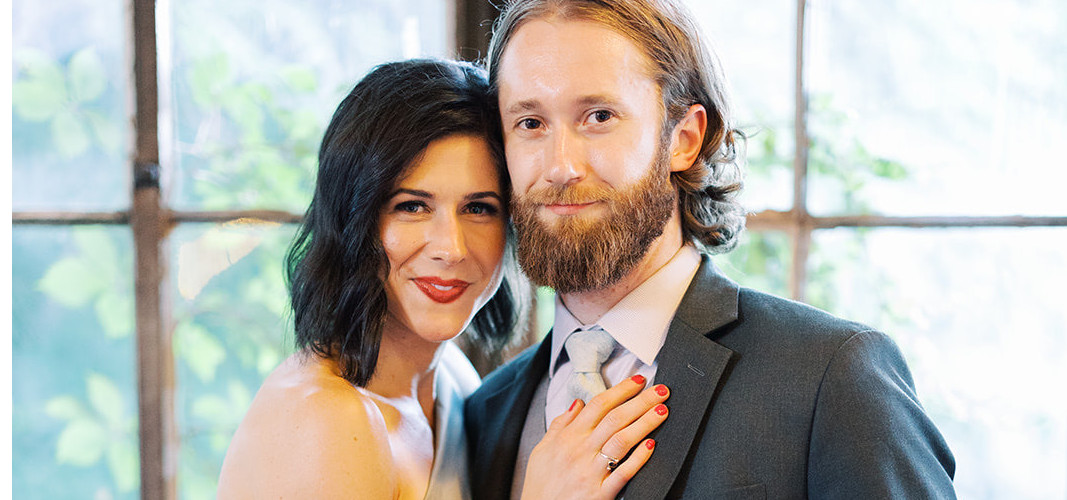
This week’s guest is Evan Clark. Evan is the Executive Director of Atheists United. Evan grew up in a partially religious home, but at six years old, the idea of a god didn’t make sense to him.

He attended a Christian liberal arts college and was able to start its first atheist group. Since then, he’s gone on to create many humanist communities.

In this episode, Evan explains why atheist spaces in the US differ from spaces in other more progressive countries, why community is not the only thing people need, and he shares some of Atheists United’s upcoming projects. 

Quotes

“‘Why do you need an atheist community?’ It’s not about atheism; it’s about atheists. Atheists are people, and people need community.”

“In the US, we don’t fix homelessness with our government. We don’t fix hunger with our government. We don’t provide healthcare to all of our citizens, and so what is the most powerful, most well-funded institution, outside of government, that then steps up?…religion.”

“There’s something unique about the humanist perspective that we can offer the world.”

“To be a ‘Philosophy Bro’ is abnormal. To sit and ponder literally everything while things burn around me? That is a privilege upon a privilege.”

“There’s so much more value from what I can do…getting atheists together and doing good work and providing transformational spaces for them; rather than being the one who fixes bad ideas of other people.”

“You stay in an organization, and you become active in an organization…when it transforms you, when it’s something that helps you grow as a human being.”

“Humanism starts from the idea that magic isn’t real. It’s a naturalist world…God and gods aren’t things that matter to our universe. We are these small little homo sapiens on a small planet, in a small galaxy, in an unbelievably massive universe.”

“The story of the universe and the idea that you can solve problems…and understand your place in [your community] and figure out moral and ethical problems. I think that’s more beautiful [than religion] because it’ll always improve based on new evidence and experience.”

Links

Atheists United
https://www.atheistsunited.org/

Atheists United Studios Podcast Network
https://www.atheistsunited.org/au-studios

Interact

Join the Deconversion Anonymous Facebook group!

Deconversion
https://gracefulatheist.com/2017/12/03/deconversion-how-to/

Secular Grace
https://gracefulatheist.com/2016/10/21/secular-grace/

Support the podcast
Patreon https://www.patreon.com/gracefulatheist
Paypal: paypal.me/gracefulatheist

Podchaser - Graceful Atheist Podcast

Attribution

“Waves” track written and produced by Makaih Beats

Transcript

NOTE: This transcript is AI produced (otter.ai) and likely has many mistakes. It is provided as rough guide to the audio conversation.

David Ames  0:11  
This is the graceful atheist podcast. It's part of the atheists United studios podcast. Welcome, welcome. Welcome to the graceful atheist podcast. My name is David, and I am trying to be the graceful atheist. Welcome back. As you heard in the new intro, the podcast is now a part of the atheist United studios Podcast Network. As we begin the new year, I want to remind you that we have the deconversion anonymous Facebook group at facebook.com/groups/deconversion. Please consider joining and become a part of the community. I want to thank all the patrons on patreon.com Thank you so much for supporting the podcast. Thank you to Sharon Joel, Lars Ray, Rob, Peter, Tracy, Jimmy and Jason. Your support is much appreciated. If you would like an ad free experience of the podcast, become a patron at any level at patreon.com/graceful atheist. You will also get the podcast early ish on most weeks. You'll get it a few hours early on occasion. You'll get it a couple of days early. Hang on until the end for the final thoughts section. I'll talk a bit more about some of the plans for 2023 including what the community will be doing. As always special thanks to Mike T for editing today's show. On today's show. My guest today is Evan Clark. Evans bio says he is a humanist entrepreneur, a political consultant and a public speaker with over 14 years experience tinkering with secular communities. In 2019, Evan was hired as atheists United's first executive director, atheists United's mission statement is our mission is to build thriving atheist communities empower people to express their secular values and promote separation of government and religion. But much more than that, Evan is a secular Grace kind of humanist and you're going to hear that in the interview. Evan reached out to me in the fall of 2022, and asked if the graceful atheist podcast was interested in becoming a part of the atheist United studios Podcast Network. And I am very excited to say that as of you hearing this, we are now a part of that podcast network and I am excited about my sibling podcasts, and the work that Evan myself and the sibling podcasts will do together over the next and following years. Here is Evan Clark to tell his story.

Evan Clark, welcome to the graceful atheist podcast.

Evan Clark  2:51  
Thanks for having me,

David Ames  2:52  
Evan, you're currently the Executive Director of atheists united and I'd love your bio on on the site. It says evidence a humanist entrepreneur, political consultant and public speaker with over 14 years experience tinkering with secular communities. So my first question to you is did you start at 12?

Evan Clark  3:10  
No, no, no. Oh, man, I'm glad I still look that young. No, I started in college. I attended California Lutheran University and I started their atheist club. Okay, I cold emailed the Secular Student Alliance and immediately got a group started by the end of my freshman year, and it was wild. It's a really unique experience starting a Secular Student Alliance. There's only maybe three or 400 of us in the world that have done that before. And then of those, I'm one of like, 10, that did it at a religious University. So we had kind of a unique experience. And I will say Cal Lutheran is not your Bible thumping. Liberty University or Azusa Pacific or something. It is. It is a open liberal arts college. And we had a really great experience. But yeah, I think it is a unique experience being in a religious space. I mean, most of us are in a religious culture, and we deal with religious politics, but then having your college environment have prayers in weird places, and pastors that are on the payroll in a church that, you know, they they closed down classes for an hour each day so people can go, Oh, wow. But luckily, it wasn't forced. So we there were plenty of secular students on campus. And we we built a really unique community. And that was my first that's what really kind of got me excited about this whole thing. I remember our last our last meeting in college I the last one for me, after three years, four years running this group, I challenged everyone like Do you think there's a need for spaces like this after college? And I had already made up my mind by then, but I was trying to see, you know, where everyone was at and what they thought of it. And yeah, I mean, to really think that 1011 years later that I could get paid to be an atheist organizer is just mind blowing dreams do come Um, true for privileged white guy.

David Ames  5:04  
I think we're gonna circle back to some of your like, you know, your growing up years. But I want to talk really quick about Cal Lutheran. So my understanding is that you also became student body president there. Yeah, that's right. How does that work and atheists that at a Christian university? Yeah.

Evan Clark  5:17  
So I mean, it's funny to think back. We were celebrating its 50th year as a university when I was student body president. And I imagine there were probably at least one or two other non theists. But yeah, but there's a difference between being a public non theist, right, like we know, we've had many elected officials in Congress that are non theists, but they won't allow themselves to be that publicly, on all surveys, they identify as Jewish or Christian or Muslim. And I think that's what's unique. So I was the first out public atheist in that position. And yeah, honestly, it really wasn't that big a deal. When I ran for student body president, it was more controversial that I was running against a former roommate than it was that I was running, you know, as a leader of the Secular Student Group. Yeah. So while I do know, some people it probably frustrated or gave them a bad taste in their mouth. And I do know, the like, local press decided to run with it here and there. Overall, the campus was very supportive and never really thought twice. And I remember by the time I was getting out of college, the university was bragging about our secular student group as another form of diversity on campus. Look, we have these atheists, then look at religious diversity. And I do think that helps kickstart kind of an interfaith era for Cal Lutheran, and they've been really active with interfaith work ever since. And I like to think that we helped nudge that along.

David Ames  6:48  
That's awesome. That's actually I think, a positive impact. We say sometimes that there are better and worse versions of religion, and one that's more ecumenical is definitely better. And so it sounds like you had that kind of impact on the university.

Evan Clark  7:02  
Yeah, yeah, I think, I don't know. It's, it's really interesting, building a secular space, and then thinking about how that relates to the rest of the community and culture that you exist in. So, you know, atheists United was founded in 1982, over separation of church and state case in LA. It was a contentious existence, and to be an open atheists in 1982 was kind of a, you know, extremely intense experience. You're talking about maybe losing your job or having to confront family if it's public suddenly. And yeah, Cal Lutheran in 2012. Not as intense is 1982. Atheist organizing. But what I will say is, yeah, it brought the conservative Christians out a little bit more, it brought the other clubs that did interfaith work, a little bit more vocal, and it gave them I think, space for that. What was unique about our group as we explored religion, most secular student groups look like philosophy clubs, actually, it's because they recruit mostly from the philosophy clubs. That's why they looked at why there's a self selection bias there. Were at Cal Lutheran, we decided, because we are identifying publicly as non theists in an explicitly at least a name theistic space, we need to know what we don't believe if we're going to claim that publicly and organize around that. And so what we did is we did anthropological exploration of religion, we went to churches and synagogues and mosques and pagan rituals and Mormon temples. And we, we engaged, we sat through their ceremonies, and we got a crash course in experiential religious studies. I learned so much more through my club than I did through even the religion classes that I took. Because we had first hand experience. And yeah, I'll never forget how much we learned and how much empathy I built and how many patterns I noticed about religion, because we weren't afraid of it, we, you know, openly engaged it,

David Ames  9:08  
man. You know, that's incredible. Because one of the things that I think concerns me is, my point of view is very specifically having had belief, and then going through a deconversion process and being on the other side, some of my criticisms of the atheist community of you know, maybe the last 1520 years is kind of that hostility towards religious people. And I think that comes from a lack of understanding. There's no point of recognition of the humanity of what it is like to have believed and I think just taking a comparative religion class alone, but even going as far as you did to actually sit in on other religious ceremonies is like super valuable. And I think it also not just from the empathy point of view, but it also inoculates you event, right? Right. I think people can be susceptible to you know, if they have a particularly difficult moment in their lives, the love bombing effect of some religions and having an exposure to that could actually be an inoculation.

Evan Clark  10:10  
Yes, and it's such a complex topic talking about how people came to their non theism. So I there as a community organizer who grew up secular, which we can talk about in a second, and I went, I grew up in Massachusetts, I went to Catholic school in first grade and immediately said, this isn't working for me. Okay, all these. They start with stories of Genesis, and I was picking those apart one by one. Yeah, yeah. Nuns hated me. I was a little brat. I was asking questions about how Adam and Eve had two boys and populated the world. And like, I didn't even know what sex was. But I was like, giving them questions that made them have to, like, think or engage that topic. And so they just wouldn't. And that frustrated me more. And so yeah, I decided this God thing isn't working for me in first grade. I didn't find a word like atheist until sixth grade, super flipping through a dictionary, you know, trying to not read in one of my classes or something. And yeah, I found this word atheist. And I go, there's a word for me. I thought it was such a powerful like an identity moment. And then I started using it and realize not everyone liked the word.

David Ames  11:18  
Yeah. Had some connotations. Little baggage. Yeah.

Can I ask real quick? Yeah. Was your family religious then? And did they? How did they respond to that?

Evan Clark  11:36  
Yeah, it was more, I'll call it a I'll call it split religious. My dad grew up, like secular San Diego household. My mom grew up in more of Roman Catholic Massachusetts household. So when we I was born in California, but at the age of two, we moved to Massachusetts. And so I think my mom just had this idea that if you can, if you have the money, you raise your kids in a nice Catholic private school. Yeah. Um, and that's why I went to the Catholic school that I did. But yeah, when it immediately wasn't working out, and we happen to be in the one town in America where the public school is better than the private school. I was able to transition to the public school. And though my mom tried to get us to go to church, and again, this is Catholic, Roman Catholic at that style of church. My dad didn't like he would do it for my mom, but it wasn't something he ever cared about. He clearly didn't believe in he chose to watch football on Sundays, rather than go to church half the time. And so very quickly, I wanted to go I want to watch football with Dad, I don't want to go to church I hate I hate this ritual. It's boring. It's, they make me sit and CCD, and it's all bullshit. Like I immediately just fought back so hard. Yeah. And my mom finally made a deal with me. She said, If you finish first communion, I'll let you decide if you ever want to go to church again. So I said, Sign me up. Let's do it. Awesome. I'm gonna win this. Yeah. And yeah, that's exactly what happened. I did it a year late, because I had complained so hard the year before about leaving the church. And yeah, I finished the first communion, I got my dumb little wafer, and I never went to church again, not till college, actually. And so I actually feel bad because I was so religiously uneducated, from when at that like fourth, fifth grade experience up until college, like I didn't know the difference between a Catholic and a Christian until I suddenly was in college and decided there should be a space for atheists. And then everybody wanted to talk about their religious traditions, and like, you know, Lutheran and Methodist and all these things I'd never heard before. I have to now really engage. Yeah, so it's, it's been a fascinating journey. But, you know, I identify more with the people who grew up without religion, I just have a little bit of more cultural baggage than those that grew up with atheist parents.

David Ames  13:55  
Right, right. Right. Okay. Yeah. And then Evan, I think something that you and I share is, and I think you're doing it better than I am, but is, is obsession with community. So from my perspective, it's that, you know, religion provides a really built in community and the platform for friendships and relationships and building a sense of belonging, and that on this side of deconversion, that that is much harder to facilitate in a secular environment. And yet, human beings need that. And so like I'm just obsessed with ways that we can bring each other together in a secular environment and you are out there on the front line doing that kind of thing. Why is community important to you? Like how did that be? Oh,

Evan Clark  14:39  
yeah. Yeah, well, you're gonna have to get me to stop talking to you. Once you get me wound up. It doesn't it doesn't stop but my my poor girlfriend's heard my rants on these 1000 times. But also to finish the last point. People come at their non theism from so many different perspectives where I come at it from more of I grew up most secular with a little bit of religious baggage you know if if you are traumatized by religion if you have sexual shame or if you spent 10s of 1000s of dollars, on superstitious things, if you have guilt still that is riddling, that is destroying your life then I understand why people have really intense negative responses to religion. And the institutional political side is we we see clear obvious dangers we see, you know, our our queer friends, we see our people with reproductive organs that are not like mine being legislated. We see immigration law, even being connected to religion, like we see oppression that people can draw direct lines to, and if they care about justice and social justice in those means, and they can suddenly see this as either a tool or an inspiration for those. Yeah, to me, it's an obvious, rational way that they got to that conclusion, even if I think some of their arguments might be broken, that lead to bad conclusions, like I don't think, like religion, for me is often more of a tool and a space than it is the actual oppression. You know, the reason people come to belief is that always inspired by the ideas they have, or did they already have those ideas, and then they used religious belief arguments to justify those and I think when you get more nuanced, and the deeper you study, philosophy, rational thought community organizing, I'm much more humbled about people. I just don't think we're the rational brained overmatched people think we are you know, like, I think we're very flawed and we're very biased and yeah, I just don't think the judgment of religious people or religious institutions, which can is one of the like hardest things to define in social science, sure. But yes, what is religion? Right, like, do we count? football stadiums, as you know, next to churches or phrases sorority or religion or is a Buddhist non theist organization or religion? Like these are really complicated questions that social scientists debate to this day.

Moving to the community question, and away from the first one, we desperately need community, but it's going to look different for everyone. So if we start from just the research perspective, if I wasn't to make more personal arguments, research shows that when you participate, I should back up, the way the research was done is more fascinating. They actually found a discrepancy between atheists and theists, when they looked at quality of life, reported levels of happiness, life expectancy, how much you volunteer and how much you donate to charity. But when you dive into the study, and I should say the discrepancy was bad for the non theistic. But yeah, they live longer, they gave more or they reported higher levels of happiness, right? Like, it's just like, Wow, geez, I guess I'm supposed to be religious, if I want to live a good life. Yeah. But when you dive into the research, it has nothing to do with intensity of belief. So it didn't matter that you believe 10 times harder and God than someone lower on the spectrum, with the correlation and causation seem to be more attached to your participation in religious community. So basically, the more you went to a congregational model, the more you participated in pro social behavior, the more pro social benefits you got, you know, which, which matches suddenly, with all of the other social science research that says, When you hang out with people, you have less depression when you you know, when you volunteer more you like, feel happier, and you give more to charity. And so it's really cool when you look at research in that sense, that what I do as an atheist organizer, even if I took the non theism part out if I completely removed atheism and any mention of humanism and all of these recovering from religion thing even if I removed all of that and all we did was get together at a bar and like party once a month, I would be doing a social good that could be improving how much you volunteer how much you donate, how long you live, how happy you are, like, community in and of itself is a proven social good, and that is because we are hardwired social animals and we just this is this is a fact we like can't ignore it. And it exists in different ways for different people, like people are finding online community in ways today that just wasn't possible 25 years ago, we have you know, hybrid communities we have, you know, a lot of structural designs to our society like third places that no longer exist that make it harder for us to actually do this work. But yeah, I will always be an advocate for community because you know, for getting All of the other bigger political and philosophical arguments I could make. And they could make you a good person or society better place. Like I really just think at the end of the day like we improve people's lives by getting them together in community. And in a religious dominated society, where when they leave religion, there are often zero options for you to hang out with other people that share your values on Sunday, people that might visit you in the hospital, if you're sick people that you trust to help you raise your children, people that might be your dating network or your job network, like, we leave that to religion in our society. And beyond that, it turns into political organizing, and it turns into, you know, financial access, and it turns into all of these other forms of power. So yeah, this is why, you know, I get asked sometimes by atheists, like, why do you need an atheist community and like, it's not about atheism, it's about atheists. Atheists are people and people need community and people have needs, and they have goals and aspirations and cares, and that you can build a community around atheism gets really boring really quick.

David Ames  21:09  
Absolutely. And I mean, you've basically described the impetus for for this podcast is, you know, like, pick whatever term right humanism, what have you, we talked about secular grace, but like, it's acknowledging the humanity of, of each of us and our need for connection with each other. And that that doesn't go away when you walk away from religion.

Evan Clark  21:31  
And this is an evolution that's happening, you know, when I think about the secular movement, or the atheist movement, these are phrases you'll hear thrown around by organizers like me a lot, you need to consider that there's different types of movements that are happening simultaneously. So one is a political movement, where we are hiring lawyers and lobbyists, and we're building these institutions in DC that can represent us. And we're fighting cultural stigma and political stigma. And we are have some goals that we as atheist have all come around together for like separation of church and state, or I don't know, taxing churches or whatever it might be. We have a few aligned things that we in large masses have built political power for. But we also seem to have some cultural things we've organized around as well, we are trying to figure out how to build institutions that frankly, look a lot like classic religions. Yeah, and you see a way CES and Sunday Assembly and ethical culture society that have come up over the past 100 years that are building these spaces where secular people can have congregational models of gathering where we can maybe still sing together or or maybe, you know, checking in on each other if we're sick or builds, you know, food networks, in case anybody gets behind or loses a job. Like when I look at Norway, and I see a very secular country, and I see a Humanist Movement that doesn't talk about politics the way we do in the US and isn't building atheist organizations the way we do in the US. I've thought a lot about where the differences were, they looked at us and they go, why on earth would you need an atheist organization, we're gonna go play with some humanist models, we'll come up with like a, a youth coming of age ceremony, but like, that's all we need. And the deeper thing I've noticed is most of this comes back to politics in the US, we don't fix homelessness with our government, we don't fix hunger with our government, we don't provide health care to all of our citizens. And so what is the most powerful, most well funded institution outside of government that then steps up in those spaces and right now, in the United States today, that's religion. We just don't have giant secular NGOs that are in most hospitals and who provide most homeless care and provide food distributions like this is almost all being organized in religious spaces, which furthers religious privilege and gives religious power. Right, if I was to think like a religious authoritarian, the first thing you would do is try to claim government power, which we're seeing we this is the classic modern Christian nationalist religious right. But if you can't get that the second best you can do is limit government power, and and completely control all social and institutional spaces beyond that. And that's why, you know, creating secular education, creating public schools was probably one of the biggest secular achievement in world history for most countries. Yeah. Like, I don't think we stop and appreciate enough sometimes the secular public school movement and what that meant for separating religion and government. Right, and why religious institutions that are authoritarian all want private schools to take back over and they want to end public funding of education right now apply that to churches now apply that to food now apply that to housing, right? They get to preserve power in that way. And so, you know, yeah, we provide community with atheists united, but we also get to challenge that religious power by also doing our own food distribution by also getting involved in local advocacy by showing up at a bunch of events that we've never shown up for, for the past, you know, however old this country is now. So anyways, it's it's really interesting, there's so many dynamics for how you can come at it. And like you have a political movement with some very clear political goals, you can have a social movement that, you know, maybe has your media figures that are constantly in a cultural debate over theistic ideas. But then we also have, like, local power questions that are both cultural and political, that I think local institutions can solve and support, you know, and it's not just are we providing food for people, which is amazing, but it's how are we educating the youth that are going to take over our society? How are we building rituals that are not shamed base, but aspirational and critical and thought provoking and pluralistic? That's what's to me exciting about the potential of humanist communities and atheists, we're not, we don't have to just be reactionary. There's something unique about a secular perspective that we can offer the world. I think

David Ames  26:11  
you just said the magic word there to that pluralism, I think some people can be afraid of the word secularism, and yet, we are not trying to enforce unbelief. You know, on everyone else, it's just to make room for freedom of religion and freedom from religion. And that that actually has, as you've just eloquently enumerated massively positive impacts on society, including things like public education, and some

Evan Clark  26:37  
bros on the internet do want that, right. Like, I've actually started to use the phrase atheist supremacy that I think they're actually arguing for, they really believe that other people are broken, and they need to fix them with atheism. They, they they literally look at them as less than during the pandemic, there was some disgusting comments by a lot of atheists online, that I noticed on Twitter and Facebook around like, Well, Lisa killing off lots of Christians. And I just discussed it by comments like that. Because yeah, sure, if there's a Christian pastor who is getting on the errors, and saying, the vaccines are crap, ignore the science, you shouldn't do all of that. I think they are in positions of power, and they have more responsibility, and I care a lot less about if if they as hypocrites get hurt by that. But most religious people are followers, they are part of a community, they don't have the time to go think about vaccine efficacy, they don't have time. You know, they're in a crap economy with kids and a full life and trying to maintain friendships and keep out of depression during a closed society. And then the person you trust, trust most in the world tells you this is an unsafe vaccine, and you shouldn't go get them and then you get sick because of that, like, Are you a victim? Or did you bring that upon yourself? And I think a lot of atheists because we come to atheism through such individual means and because so much of our language comes from often libertarian Western, like culture. We treat everyone with this, like you are the only one that can answer any question and you have to use rationality and by rationality. I mean, like the Jefferson debate in the street with everyone, you know, philosophy, which doesn't recognize that that's not how most humans think that is not how we actually come to conclusions. In most cases, I can see very emotional journey for most people to have religion or to lose religion, as much as it is a rational decision. And rationality is informed by emotions, but that's a longer rant.

David Ames  28:55  
Again, Evan, I can't agree with you strongly enough. This is literally a conversation that's been going around our community because of I think genetically modified skeptic recently did a post about apologetics and counter apologetics are, are useful, which I tend to agree with. And there was a bunch of pushback from lots of people. And the point is that it's you know, it's the very, it's the philosophy people that you were just talking about, right? I love philosophy. It's like you know, it definitely affects me, but I don't represent everyone Yeah, I

Evan Clark  29:25  
can hang with philosophers as much as anyone and I love it and I love deep questions and I'm one of the few people that will spend hours and hours and hours in those discussions compared to my girlfriend for instance, because zero patients for them she's just like, does it impact my life? If it does, how does it hurt or not? And I want the side that improves doesn't hurt right? Like she there's no debating abortion access with her right there. The philosophy around that as a waste of her time she has finished with the debate and it is emotionally painful to continue to have and I think that's a wreck. cognition of how humans function right? Like, right to be a philosophy bro is abnormal it to sit and say I can ponder literally everything while things burn around me like that is a privilege on a privilege. And so anyways, what I do think, though is we need to recognize that there is some supremacist thought that comes from other places, right? White supremacy exists regardless of religion, we have other forms of supremacy, gender supremacy we have, we also have religious supremacy and some people I think, learn the wrong lessons, they still hold on to some cultural ideas that religion, mostly conservative religion has propagated, which is that, you know, you have to be right, and that you need to fix other people with the truth. And no, that's, that's not actually true. What we need is a society that functions well and prompts people up and helps them get through their lives. Right. And what I find when I look around right now is I see a lot of churches and synagogues and mosques and temples that are doing way more work than we are, when it comes to justice work when it comes to fighting climate change when it comes to science education, like literally the thing we speak most about. Yeah, I've met progressive churches talk more about science than I wouldn't say talk more about we talk a lot. Maybe organized more about, like, science based policy in some cases. And if I look at that, and I also look over here, and I see Richard Spencer, who's an open atheist organizing the Charlottesville rally with frickin Nazis. And I go, Well, should I stand with an atheist? Because they're an atheist? Or should I stand with these people who agree with 99.9%? On like, values, questions, and it's, it's obvious, it's so I've never met an atheist who were like, Yeah, let's go hang out with the Nazis. Right? which defeats the argument that belief is the most important thing. It just destroys that idea. It is actions, it has values it is what we organize around it is our humanity, not our beliefs. And when we recognize that, yeah, belief impacts that belief isn't completely meaningless, right? Like, philosophy is good, so that we keep growing as a species. But that's, that's a feature of a secular ideology. When you let go of Magical Thinking, then appeals to tradition is a logical fallacy. Well, what's the opposite of that? That means progress, we have to challenge our ideas, right? They have to use methods like scientific method for them to be more true. And we will, over time come to better conclusions, and and philosophies, one of the tools in that toolkit. But yeah, when that's all it is, and suddenly it allows you to hold what I would consider a supremacist belief over someone else. Like, I actually think you're more harmful than helpful. And we don't do that in my community.

David Ames  32:56  
I actually love that that verbiage. You know, recognizing the shared values, you may know my story that my wife is still a believer. And I talk a lot about with her, you know, that the shared values that we have that that that's what our marriage can can stand on.

Evan Clark  33:11  
People don't know this, there's actually a staffer for American atheists who is a Christian. Wow, okay. It's completely possible. You know, I have a one of my best friends from college, he joined my Secular Student Group, he was an agnostic at the time, he went to Europe for study abroad, he came back and he's like, I need to, I need to take you out to lunch. I got something to tell you. And I'm like, Oh, cool. He's gonna come out as gay or something. Yeah, I got pregnant. I have no idea what's gonna happen here. Yeah. And he's like, so the only book I took with me was the Koran and I'm a Muslim now. Oh, that's a cool. Coming to my Secular Student Group. He became the vice president of my student group in college and like, I still hang out with him to this day, I couldn't imagine, like losing that friendship over. You happen to go to a mosque, not an atheist group with your time. You know, he does more good work than most atheists. I know. Like, that's what Bond's us. Yeah, we disagree on a few things. Oh, boy. Sure. You know, like, it gets awkward when I talk about like, how he's going to teach his kids about religion, but that's part of society. I don't know, I'm okay with that. I'd rather have that conversation, then find out he's a Nazi. What happens to be an atheist or is like thinking it's okay, that Trump wants to end the Constitution. Like that's way more problematic to me

David Ames  34:29  
to kind of wrap this up. I often say that, again, this concept of secular Grace if you want to be good to people, and you justify that in a theistic way, and I want to be good to people, and I justify that in a humanistic way. Let's just go good. Be good to people, right? Like, we should be allies in that work, even though we disagree with each other's justifications.

Evan Clark  34:50  
And this can be hard like the I came into the atheist movement during the new Atheism era, like I ate up a lot of the talking points. around like beliefs leads to action. It's taken me a lot to try to deconstruct that and look at people more as a bunch of monkeys and shoes trying to figure out how to live lives. But, yeah, I think I think there are some interesting questions here that could be explored more, I'm probably going to leave them to more philosophers and thought leaders than community organizers like me, but, you know, to some extent, belief obviously matters a little like, we know, it does impact actions a bit. We do know, it's attached to identity, it's attached to politics, it's attached to how you organize. So I don't want to be completely flippant about that, like, I do think, you know, the way I'm attacking Nazi ideas, like I think right need to be challenged beliefs have consequences. Yeah. But, you know, I just don't think they're as strong as people often talk about in atheists spaces, I really just don't think it's like I, you know, believe in insert, Evan Jellicle, like, interpretation of the Bible. And that means, like, I beat up gay people, like, we don't actually find those correlations. We do find the community organizations and institutions that organize around, like, oppressing gay people, like happen to be using religion as a tool, and there's some correlations there. But, um, but I don't know where the limits are on that. Because yeah, I think if you're talking to your toaster and your toasters telling you I need to go shoot up a school, like, we clearly care about that belief and want to intervene in our society. But yeah, like the local pastor that helps out with our atheist programs in LA here, like, he calls himself a Christian atheist, and I still don't know what that means. Yes, you know, do I need to try to challenge that and fix that, or, you know, when I was dating a lot, after college, and I would go on a date with somebody who believed in astrology, and I like 99 out of 100 times, that's like, it just means they believe in ghosts, like, it's very similar to like an impact or life zero, they like find movies a little bit more interesting if they believe in ghosts, but it always scares me a little bit. Because if you're willing to believe that some bullshit about the stars can impact like who your identity is, then couldn't it impact you thinking vaccines are bad, or something like, I worry about that. But I don't have good solutions around it. And I find, given our short time in the earth, given our limited resources giving, given the community I'm working on, and what we're prioritizing, there's so much more value I can do from a efficacy stance of getting atheists together and doing good work, and providing transformational spaces for them, rather than being the one that fixes bad ideas of other people. But, but I won't, I won't completely shut down the people that do that, like I do think education is important. It's just education rarely changes the world as much as mobilizing does.

David Ames  38:17  
So I want to key off of something that you just said there too. And this can sound religious, but providing the platform for good works, as it were, or however you define do define that, you know, giving people the opportunity to, you know, use what they are good at in their hobbies or what have you in some kind of way that impacts the community in a positive way. And I know that like you guys recently have done a project, atheist street pirates where you were cleaning out, like proselytizing signs and things of that nature. And you had a religious people along with you also doing that if you want to talk about that for a minute.

Evan Clark  38:53  
Yeah, so that programs called atheists, street pirates, we founded it. During the pandemic, we noticed a lot of illegal religious propaganda. Most cities probably have this and you just kind of forget that it's there. After a while, but maybe a highway overpass somebody put up a sign that said Ask Jesus for mercy or some random telephone pole by Library says, you know, Jesus is coming. Yeah, there's there's a bunch of random propaganda like that that essentially furthers Christian privilege. And normalizes this idea that everything is a Christian space, but they're often on public land, they're on, you know, highways, they're on bridges, they're on telephone poles. Well, that's illegal. That's, that's the shared land that has to be a secular space. They definitely didn't get permission from the city to put those up. But what we find is cities don't have the time and resources to always take those down. And so we started just by mapping them, we created this Google map and we started, you know, seeing how big the phenomenon was. And then one of them that was there for a while we decided, Okay, we're gonna go at like two in the morning and see if we can take this down. hopefully doesn't fall on the highway. Of course, it's la the highway doesn't slow down at two in the bazillion cars out there. And yeah, this kind of kicked off this really odd program that we get a ton of press for where we yeah, we directly map and take down these illegal religious propaganda and it's inspired, even religious people who believe in separation of church and state who believe that for this to be a pluralistic space, you have to also have freedom from religion. You know, freedom, freedom of religion is completely meaning I'm sure a million guests have said this. But it's completely meaningless without your ability to say no to any one religion that approaches you. So yeah, well, I have a I have a local pastor, I met at a local Pride event, and he came out with us. He loved it. He took one of the signs to his congregation and preached that that week about our program. Yeah, at the atheist street pirates were doing. So yeah, we've we've done some really cool things in that sense. And I think what you're getting at, though, as a question is, like, should we institutionalize? Should we build these things that should be there for 50 or 100 or 500 years? And this is the question I always think about, what are we building? And why and what is the like, long term goal of this? Because yeah, in some sense, most atheist organizations are reactionary, that God exists, they exist. They came into existence in the past 50 years. And it's because of the rise of the Religious Right. You know, if the country just turned into Norway, we'd be looking around, like, why on earth? Do you need an atheist community where you talk about atheism, and Christianity and blah, blah, blah, right? You will notice that if you go to Portugal, you go to Denmark, you go to Norway, like they just don't exist. Like, it's actually hard to find atheist communities, the way we have in the US, US we have one or two or three made, you know, atheist communities, for every major city, or hundreds and hundreds of groups you can join. And a lot of that politics, right, it's just obvious we have a religious political movement. And the first and most important group that they will oppress is the non religious, we are the canary in the coal mine for secular government, and for a pluralistic society. In some ways, this is my frustration with our religious allies, including the Satanic Temple and, you know, even Unitarian Universalist is because they think of religious pluralism in only a religious contexts. And they can't recognize that most atheists want to also be non religious, even if we join communities, the language is really important to us, the identity is really important to us. And the government interaction is really important to us. So yeah, it's really cool that the satanists can also give a prayer. But like, what about a group that doesn't pray? Right, that that is that is important. And like, we need to look at a future where most of us don't pray, it doesn't matter. Like now you're forcing us to come up with a prayer to be equal. That is not welcoming. That is not our idea of a secular government. And yeah, it's better than just one religion having access at least we have a seat at the table, the let us do something. But yeah, I like to call it one is the classic secular argument of like a pure secular state, where religion has zero power in religion. And then the other is like a secular light where all religions get equal power. Right. But what happens then is the religions with the most resources and the most organizing, they're the ones that get more time. You know, if I have to compete with the Evangelicals over who gets prayers at city council, like, I see the next 50 years, they're gonna add organizers. Yeah, yeah, not for lack of trying, but like, they just have so much more money. And so many more people that hang out in congregational models that Yeah, could take me 4050 years to like, match that. So that's my concern and why I really think like the secular government argument matters. This is why we don't put up our own signs with the atheists street pirates all the time. Why don't you just go put up atheist signs. I'm like, Well, I don't want to get into a religious arms race. Yeah.

David Ames  44:10  
You're gonna lose. But that's so telling of it. I mean, that's, that is so important. That exact statement that you are not putting up. You shouldn't believe science. You should become an atheist. You're just you're just saying, Hey, this is a secular space and so there should not be proselytizing here.

Evan Clark  44:27  
Yeah. And I think that's a really, you know, I posted recently on Instagram I did this video I observed some guys proselytizing they walked up to guys, old guys walked up to a young guy with his Kid in a Park. I have a minivan and I sometimes like work in the back of it random places around LA. So I observed this whole thing right up close. And they just immediately started talking to him about Jesus and you need to oh man, and you know, everyone's broken and Jesus is the only way to get saved. Can we pray for you? And like I just watched this like 25 minute interaction in the pork It was like trying to run around and like that was trapped. And I put up a video about how like atheist groups don't proselytize. Right. And I got a lot of pushback on that, both from atheists who some think we should, some from people who have experienced atheists who have pushed themselves into the lives to talk about belief. And yeah, I'm just I think it's really important that if we care about a pluralistic society, which is a place where all have equal access and all or treat each other equally, it doesn't mean I believe that they're right. I, you know, when I do interfaith work, the one thing we agree on is that we all disagree. I love interface work, because yeah, it's literally like, I can walk up to a Muslim and I go, like, I think you're nuts. And they look at me and they go, I think you're nuts. And I go, cool. Should we plant that tree now? And yeah. Like, that's okay. That's cool. That's a society. That's a functioning society. Yeah, we could debate that in our spare time. But proselytizing, to me my personal definition of it is going out of your way, and pushing yourself into other people's lives. You know, I've never ever ever met an atheist organizer who wants to go door to door to talk about atheism. Yeah, I will buy ads on Facebook to promote an event we're doing I will, you know, follow the laws and rules around like promoting ourselves, but I don't think we should have special privilege and access to your life, unconventionally, right, I respect your freedom to say no, and we will present our ideas in some places, but somebody responsibility to convince you. And, you know, again, if, if everyone was Nazis, you know, maybe that's what I would be doing, I'd be like, I want you to not be a Nazi. And we have that in different forms today. But I don't know, I think there's so much more work that needs to be done for the millions, literally millions of atheists, agnostics, humanists and other non religious identities in the US, who don't even have community right now. Right, don't even know that there's spaces they can gather, and you can meet other people like you. And you can raise kids in those spaces free of any dogma at any time, that cares about critical thinking the way you do, people that might be able to visit you in the hospital, if you get sick, or help you out. If you lose your job like, that is so much more valuable in most people's day to day life than your, you know, obvious argument, they could have Googled about the problem of evil. So I don't know. That's where my time and energy is these days. And I'm encouraged that there's a lot more people doing it, and there's a lot more resources for it. But we're so underfunded. I mean, like I ever drive by like a Methodist Church, and you're like, Oh, God, 200 year old building, I wonder what it would be like to do our work in something like that. And then you think about the budget, they probably have, you know, they probably spend more on upkeep of that building than like every atheist group in California put together, right. You know, let alone the pastor salary, the youth pastor, the Secretary, the contractors, the marketing budget, you know, they probably spend more on print materials than I have for 16 programs.

David Ames  48:26  
Atheists United is about and I'll just do your mission statement here. Our mission is to build thriving atheist communities, empower people to express their secular values, and promote separation of government and religion. The reason you and I are talking is that you have also started a podcast network and the aggressive atheist is going to become a part of that. So I want to talk about a little bit what that idea is what you're trying to accomplish there. And we've talked about the existing podcast there humanist experience, nomadic humanists, and the beyond atheism, guys that interviewed recently.

Evan Clark  48:58  
Awesome, ya know, I'm so excited that you're joining the network and that there's growth in this type of content. When I look around atheist media these days, I see a lot of I'll call it Christian talk radio for atheists. Yeah. You know, like, and it's not inherently bad. Like, again, I think there's a lot of people craving that content. If if I was just coming out of an evangelical tradition, and I need the language for some of these ideas I have if I need to, like, I'm thinking through a problem about God's existence, or whatever my pastor or priest told me about this topic, like, yeah, listening to some of these, these people who talk about those ideas is actually radically valuable. But there's a lot of questions that come after a secular identity as established that I really want to help promote the content creators that are working in that space. You know, I launched a podcast in 2015. And we traveled the country and we created the whole thing from scratch. Should we didn't have podcast backgrounds. And it was a beautiful experience. But what I quickly learned is, you know, creating contents one thing, getting anyone to listen to it is another. It's really hard to have a successful podcast. No matter how brilliant you are, or how beautiful your content is, you need access to an audience. And so the idea that I've been sitting on for years and finally was able to do this past year was let's take a bunch of awesome underfunded ragtag content creators, you know, atheist content creators who just need a little help. Let's throw them in a network together. And they can promote each other and share each other's audience because their shared values and identity here and the questions some of these shows, are asking overlap with other shows that are coming at them from different angles. And that's been the beauty so far. And we started with the beyond atheism, guys, which you had on your show a few weeks ago, who, who really asked my favorite question, which is Now what's cool, you're an atheist, like, Kay, you can go many different directions. Now, you know, how? What does that tell you about how to handle artificial intelligence taking our jobs? Or how does it handle raising a kid? Like, those are real questions like atheists? Yes. For me, who's been an atheist for 2030 years now? Like, I'm, frankly, bored by the atheism question, like, I haven't heard anything new in 25 years in that in that space. Exactly. Yeah. The interesting, juicy questions are like, how do you raise a kid ethically, like, oh, there's so much unknown in that space, and so much we need to learn and practice and figure out how do you? How do you ethically engage our economy? How do you build communities ethically, right, as a community organizer? Do I go fully egalitarian, like a lot of our socialist roots? Or do we use some of the hierarchies that exist in other organizations like churches? You know, do I, as the leader of the community get on stage and talk about our beliefs and values? Or do I avoid being the face in the center of it? And we kind of use a more equitable model like these are their ethical questions or organizing questions that are super juicy and fun? And I don't have you know, we're not going to find a perfect answer to anytime soon. Yeah. Yeah. So we have podcasts that explore that, or in some cases, we're finding, like in the Spanish speaking world, there aren't even shows that address the questions around theism and atheism, you know, like, the alternative. So we, you know, I wasn't expecting to do this, but we might be bringing on a show that goes at the arguments of God, but for our Spanish speaking audience, interesting. Okay. Yeah, underserved spaces. We have a Jewish humanist podcast launching next week called amusing Jews, like so a secular Jewish perspective, like so secular, they barely ever talk about religion. They're mostly just, you know, talking to Hollywood writers about the shows they work on and their hobbies and Festivus is nice. So anyway, it's like this has been the idea. But what's been really, really, really fascinating is trying to just figure out what programs we should do as a community organization. So most atheist groups, if you were to, you know, go pick a city, Houston, or New York or Miami or something and go to their local atheist group and local humanist group. Usually they have a speaker event, right, we do some type of educational program, they have a service program, usually some type of giving back to their local community. And if you're lucky, maybe like a recovering from religion subgroup that supports people with religious trauma. But one of the struggles you find when you talk to most organizers is people will check them out. Like atheism is still a controversial idea. There's lots of new people identifying as atheists, so people will explore it, but they don't always stay. Right. We don't have a 2000 year tradition of like space you want to hang out in or have rituals that you know, like, make you feel good, like, like, Thanksgiving turkey or something. So how do we build spaces like that? And what is actually the goal of spaces like that? And one of the things I've learned recently, weirdly by reading church planning books, which I never thought, you know, I took this job and there's there's nobody that's had a job like this before me, so I have no one to like, I have no mentors to go ask for advice. You know, atheist community organizers, like a new job title in this world. There's like four of me in the world.

David Ames  54:26  
I know. Yeah. Not that many people do.

Evan Clark  54:29  
And one of the things I found in this, this book recently was about you know, it's about how to turn around failing churches and he talked a lot about how people think they come for belonging, right like you want to find other people like you who share your identity and you just want to like be among them. And that's nice and that's true a lot of people do want belonging that's language we all all use. Every religious and non religious community I know uses this language. But I find that's not why they stay, you know, like I find belonging in a political Oregon. zation, but I won't go to every event. You, you stay in an organization and you become active in an organization, you start donating to that community when it transforms you, when it's something that helps you grow as a human being. And this has been the most transformational idea for me, as an organizer, which is like we need to not just represent people, we need to help people. You know, I'm suddenly looking at things like recovering from religion, not as just a space people can belong together. But as like, truly trauma care. I'm looking at, you know, we added a Smart Recovery Program, which is a secular addiction recovery program, for any type of addiction. It's usually people who like really hated the higher power language in AAA, they want something that's more based on science, smart recovery is the place you should go or at least start. And yeah, like, we are literally helping people's lives. You know, if I can help you with addiction, yeah, of course, this is the community, you're gonna give your time and your money and raise your kids and the rest of your life. And that helped us launch a new program called atheist adventures. And we last year, we went to Death Valley and looked at the stars with an astronomer. And we were asking the question of like, how do we recreate religious experience in a secular sense, right? Like we know, we experience all we know, we feel meaning in certain moments. Well, you know, a lot of us it's been in nature and feeling small or large, based on the context of the experience, right? That's what most religious experiences are, right? Like the reason you walk into a giant chapel in Europe, and you just feel amazing is because you feel so small, suddenly, it's designed for you to feel small, right? And you have a weird moment in your brain where everything kind of fires Well, yeah, you can feel that in Death Valley on a moonless night with an astronomer doing a star talk

David Ames  56:51  
real quick, I have to tell this story, because as an atheist, I happen to be in London. And I went to St. Paul's Cathedral. Yeah. And I had that exact experience of just, you know, recognizing that. Oh, you know, it was it was the architecture, and the, the, you know, the brilliance of the stories, and yeah, and the the beauty of it, and the light filtering through the stained glass. And like, you know, the there was an experience, there were some legitimate experience as a, you know, straight up atheist, and let you know, we can definitely have, especially in nature, I think is a great way to experience that the experience of awe, and it'd be an entirely secular experience.

Evan Clark  57:29  
Yeah, Alain de bitone wrote a whole book on this about how we should be using architecture from a secular perspective to create memory and awe and like, celebrate secularism. And I completely agree. But yeah, what does that mean in different contexts? And how do we communally do that is, I think a really interesting question. Like we haven't figured out there are very few secular rituals that you'll find in most groups around the world. We have, you know, there's been different attempts there are, Norway has a coming of age ceremony that they do for like all 16 year olds, and they spend a year working on like, community service projects and kind of blueprints, and then they talk about it, and then the community recognize them as adults. And that's common, most religions have some form of coming of age ritual. But if you ask most atheist communities in the US, like, we'll get there like I can, I totally imagine that if we are committed to community, the way we're building, we're going to have some types of rituals that represent those. But yeah, what they look like might be different. And because we have no holy books, and we don't need to stick to a tradition, just because it's been tradition, it will look different in different places. But yeah, most most, organizers and scholars in the space talk a lot about birth, death, marriage, coming of age as like four of the biggest rituals we just have in our society. And we have secular versions of them. In most places, you know, I know not in Iran always but like, you can go to Vegas and get married. That's pretty secular experience nine times out of 10. Um, but yeah, like actually thinking about if we want to create our own unique cultural ritual or, or culture, right, like, Can atheist communities do culture making? I'm of the opinion yes. Like we didn't I've been looking through the history of atheists United since I took this job and I found that we did an arts festival 25 years ago in LA right like what is secular and atheist arts and you know, it is whatever we gather around it is not because some old dudes in Europe decided this is the only book that is true it's it's because we through basically a democratic process like decided this is our ritual and we can find value in it or we can let go of it and to me, that's beautiful. Like that's what informs humanism for me like humanism which I No, We're departing a little bit from atheism. But I think there's so tied and 90% of atheists wind up humanists in the US at least. 

David Ames  1:00:06  
And that's this podcast it is about, humanism

Evan Clark  1:00:10  
Yeah. Humanism, starts from the idea that like magic isn't real, right? That it is a naturalist world that God and Gods aren't, aren't things that matter to our universe. And so we are these small little homosapiens on a small planet in a small galaxy in an unbelievably massive universe, right? Yeah. Okay, well, now we want to understand the world around us. How would we do that? Oh, well, we'd probably come up with some method to test our ideas and things like science suddenly become tools that we use for understanding the natural world, which is why science is so popular in human spaces. If we could find a better way to come to answers in science, we would use that, but it's the best method we've come up with yet. Well, you know, how do we think about morals and ethics? And answer these questions while using tools like science and recognizing that with no gods, and no magic, right? Like, we're the only ones that can solve the problems that matter to us. And we have to create or feel the meaning in those things, right? We can start thinking about moral responsibility, we can think about our interaction with everyone around us and somebody might go, Hey, but like, I'm a libertarian, I think I can go off into the woods and not impact anyone else. And it doesn't matter. Well, science, and the natural world tells us that we're all interconnected, right? Like the air I breathe is the air you breathe, right? The history of the universe all moved through time to where like, I'm made of the same Stardust that you're made of. And because there are interactions between those things, like why isn't there more responsibility between those right? Like, I live in an ecosystem, I don't live in a video game where I can exist separate from you. And with that knowledge that I live in an ecosystem, this is my one and only life. And we're using tools like compassion and reason to understand our place and how to be good in it. That's how we figure these things out. Right? Like, I think it's, it's so obvious and beautiful and exciting when we think about it that way. But, you know, we don't always get the narrative, you know, you you lose theism. And maybe you're biased by the idea that I must have come from something or that I must have a church that gives me the answers, but the story of the universe and the idea that you can solve problems, or you and your community can solve problems and understand your place in it and figure out how to solve moral and ethical problems. Like, I think that's as beautiful, if not more beautiful, and I would argue more beautiful. I personally would argue more beautiful, because it will always improve based on new evidence and new experience, we will we won't just accept an answer, because it's been the answer before, if we can find a new way to improve upon it, we have to

David Ames  1:03:00  
man, I think that's got to be where we wrap because that was very well said. Like, it's amazing to meet you in that there are are very few of us, right? There aren't that many people who care about these things in the way that you've just expressed, right? And that's what we're trying to communicate here on this podcast. I want to thank you for being on the podcast. I want to also give you an opportunity to tell people how they can participate with atheists united, how can they find you? How can they interact?

Evan Clark  1:03:28  
Yeah, so atheist, united, we're based in Los Angeles, but we consider ourselves a California nonprofit. We have chapters in San Luis Obispo and Santa Clarita. And I would encourage people to become members, especially if you're in California. That's an ongoing monthly supporter of our organization. donation is always helpful. I'm a nonprofit, I have to ask. But you can follow us on social media. We are on Instagram and Facebook and Twitter and probably going to move to Tik Tok soon you can find us on YouTube. Yeah, it's It's wild. We didn't even have time to get into this but like the growing spectrum of atheist experiences, right, like a third generation atheist family has a kid in LA and that kid goes to USC and only has atheist friends and then works at Netflix with other atheists like them trying to find community is so night and day different than third generation Evan Jellicle comes out as gay and atheist and Kentucky, rural Kentucky and like finding a community that's atheist is life or death for them, right? Yeah. And yet, Intel we have more atheist spaces they have to share community where one is desperate to talk about religion and its harm and how they interact with it where one is like, I don't understand why anyone talks about religion. Yeah, and right now they share spaces in LA. We have we're one of those unique cities where we have like people who came here from all over. We have religions like Scientology and Jehovah's witness that are a lot stronger here than other cities. And we also have like one of the most secular, you know, generations and multi generations here, and they're all trying to find community at the same time, and we're all trying to figure out, you know, yeah, we can politically organized together. But what is gathering look like? What does a party look like? What does care look like? So yeah, that's why supporting atheists United is so cool and critical is that we are incubating a lot of the programs that we hope other groups around the country will eventually take off with. We happen to be big, we happen to be really active. We're throwing a lot of spaghetti at the wall right now. And if something works, we're going to share it around the country around the world and hope more people do it.

David Ames  1:05:40  
Excellent. Fantastic. Well, we will have links in the show notes, of course, but I want to thank you, Evan, for being on the podcast.

Evan Clark  1:05:46  
Thank you for having me.

David Ames  1:05:53  
Final thoughts on the episode? Well, it's hard to overstate how good it is to find other people in the secular world who also have a secular Grace focus. Obviously, Evan wouldn't use that term per se, but the things that he does is secular Grace boots on the ground humanism, touching people's lives. I highly recommend that you listen to Evans original podcast that is the first podcast within the atheist United studios, podcast network called humanist experience. He did that with Serato, Blaine, Surat, like lived on the streets of LA with the homeless, trying to find practical ways of helping people. I couldn't think of a better description of what secular grace is, boots on the ground, blood, sweat and tears, humanism. That is the kind of humanism that Evan Clark and atheists United represents. As you can imagine, this is why I said yes. When Evan asked for this podcast to become a part of the Podcast Network. Evans work is really important. It is humane, it is loving. It is on the right side of history. And I'm just excited to be a tiny part of this. I'd like to mention the other sibling podcasts that are a part of the atheist United studios Podcast Network. You've already heard from Nathan Alexander and Troy tub heiress of the Beyond atheism podcast. I interviewed them back in November. I just mentioned the humanist experience that is with Evan Clark and Sarah Blaine. Very well worth your time to listen to it is kind of an NPR style, very highly produced beautiful podcast. And then the most recent podcast to join the network. Besides mine is the amusing Jews who Evan talked about in this interview. I know that Evan is working hard to bring other podcasts online. I anticipate having guest exchanges with those podcasts. And I'm looking forward to all the exciting things that we will do together in the next year. I want to thank Evan for being on the podcast for living secular Grace without knowing what that word is, for exemplifying it for us giving us a practical example to try to follow. Thank you, Evan, for being on the podcast and for inviting us to be a part of the podcast network. The secular Grace Thought of the Week is what obviously follows out of the conversation with Evan and that is about secular community, and how desperately we as human beings need that. It was incredibly insightful what Evan talked about that. The secular community has to hit this entire spectrum of people from people who have been abused and suffered at the hands of the church to people who are third generation atheists who have no experience with what faith feels like. And so the more communities that we have, the more opportunity there is to fill the niches or the specific needs of the people. I cannot say enough how important Arline's work as a community manager has been and will continue to be. I'm in continual gratitude for our LNS work. For those of you who have been a part of the deconversion anonymous Facebook group, you know how important Arline's work is. I want you to be asking yourself how you can participate in the community how you can lead in the community. Do you want to lead a group on a particular topic? Do you want to lead a book club? Anything that brings people together is vitally important. In 2023, as we watch COVID in the rearview mirror, I'm really interested in in person connectivity. If you'd be willing to host something in your local area and there are two or three or four other people in the area. That is the next step for us. And I'm very interested in seeing that happen. Another thing happening in 2023. We're going to have more blog posts from multiple people including Jimmy who's a part of the the deconversion anonymous Facebook group, Arline herself. If you are interested in writing on the topic of secular grace or deconversion, or related secular topics, I'd be willing to have you on the blog as well. If you are interested in doing social media outreach, or the YouTube channel or any other myriad of ways that you could participate, please get in touch with me graceful atheist@gmail.com or reach out to Arline on Facebook. Coming up we have next week I was a teenage fundamentalists. Troy and Brian interviewed me and I interviewed them back in November. My episode on their podcast aired in late November. And I will be releasing my interview of Brian and Troy next show look forward to that. That is a great conversation. I love those guys. They are also a sibling podcast, whether or not they're a part of this podcast network. After that, I have Rachel Hunt of the recovering from Religion Foundation. And man, that's an amazing conversation. Absolutely loved Rachel. I've got a bunch of community members coming up who I will be doing interviews for but the thing I'm super excited about. I will be interviewing Jennifer Michael Hecht, who I have quoted 1000 times from her book doubt. Her new book is called The Wonder paradox. And it is about how poetry can impact our lives. And if you're thinking to yourself, Man, I'm not into poetry. trust me this is it's bigger than that. It is about the all that we experience as human beings from a very secular perspective agenda for Michael Hecht is amazing. Can't wait for that interview and can't wait to share that with you. That'll be in early March. Until then, my name is David and I am trying to be the graceful atheist join me and be graceful human beings. The beat is called waves by MCI beats that you want to get in touch with me to be a guest on the show. Email me at graceful atheist@gmail.com for blog posts, quotes, recommendations and full episode transcripts head over to graceful atheists.com This graceful atheist podcast part of the atheists United studios Podcast Network

Transcribed by https://otter.ai

Ask Me Anything 2022

Atheism, Deconversion, Humanism, Naturalism, Podcast, Podcasters, Secular Grace

Listen on Apple Podcasts

Arline guest hosts to ask David anything. David tells his deconversion story. He talks about the beginning of the Deconversion Anonymous FB group. David goes deep on what Secular Grace is and what it means to him.

Recommendations

Blog Posts

Deconversion
https://gracefulatheist.com/2017/12/03/deconversion-how-to/

Secular Grace
https://gracefulatheist.com/2016/10/21/secular-grace/

Why I am a Humanist
https://gracefulatheist.com/2017/11/18/why-i-am-a-humanist/

Previous podcast episodes

Jennifer Michael Hecht
https://gracefulatheist.com/2019/05/16/jennifer-michael-hecht-doubt-a-history/

Sasha Sagan
https://gracefulatheist.com/2020/02/06/sasha-sagan-for-small-creatures-such-as-we/

Robert Peoples
https://gracefulatheist.com/2022/04/10/robert-peoples-affinis-humanity/

Bart Campolo
https://gracefulatheist.com/2020/07/09/bart-campolo-humanize-me/

Alice Greczyn
https://gracefulatheist.com/2021/01/31/alice-greczyn-wayward/

Marla Taviano
https://gracefulatheist.com/2022/03/06/marla-taviano-unbelieve/

Heather Wells
https://gracefulatheist.com/2022/11/06/heather-wells-trustworthy/

Thom Krystofiak
https://gracefulatheist.com/2022/09/18/thom-krystofiak-tempted-to-believe/

Ryan Mulkowsky
https://gracefulatheist.com/2022/03/13/ryan-mulkowsky-some-random-thoughts/

Podcasts

Ezra Klein
https://www.nytimes.com/column/ezra-klein-podcast

Five Thirty Eight Politics
https://fivethirtyeight.com/tag/politics-podcast/

Slate Political Gabfest
https://slate.com/podcasts/political-gabfest

Sean Carroll’s Mindscape
https://www.preposterousuniverse.com/podcast/

Decoding the Gurus
https://decoding-the-gurus.captivate.fm/

Very Bad Wizards
https://www.verybadwizards.com/

Books

Support the podcast by purchasing books with these paid Amazon links:

YouTube

Sabine Hossenfelder
https://www.youtube.com/@SabineHossenfelder

Matt Baker’s Useful Charts
https://www.youtube.com/@UsefulCharts

Link and Rhett’s Ear Biscuits
https://www.youtube.com/@earbiscuits

Interact

Join the Deconversion Anonymous Facebook group!

Support the podcast
Patreon https://www.patreon.com/gracefulatheist
Paypal: paypal.me/gracefulatheist

Podchaser - Graceful Atheist Podcast

Attribution

“Waves” track written and produced by Makaih Beats

Transcript

NOTE: This transcript is AI produced (deciphr.ai) and likely has many mistakes. It is provided as rough guide to the audio conversation.

0:00:11 David Ames: This is the Graceful Atheist podcast. Welcome. Welcome to the Graceful Atheist Podcast. My name is David and I am trying to be the Graceful Atheist. I want to thank all the patrons, many of whom have moved over from the Anchor and stripe support which is now shut down onto Patreon. Thank you to Joel, Lars, Ray, Rob, Peter, Tracy, Jimmy and Jason. Thank you so much for being patrons. You all will have access to Ad Free for the podcast forever.

0:00:47 David Ames: As we move into 2023 and become a part of the Atheist United Podcast Network. There will be ads if you too would like to have an ad free experience, you can become a patron for any amount. There aren't any tiers, any amount and you'll have access to that RSS feed. As a part of the move to Atheist United, we are moving the podcast from Anchor to Spreaker. The podcast will be on hiatus for the Christmas and New Year holidays anyway.

0:01:14 David Ames: From the 18 December to the 8 January we are off. You may notice that the podcast may show up in a different way in the podcast application that you use to listen to this. So definitely by January 8 be checking to make sure that you have up to date episodes as of January 8, 2023. I'll try to minimize all the technical hiccups, but there might be one or two. Please feel free to reach out to me if you have any problems.

0:01:44 David Ames: This hiatus will be right during the holidays, which I know can be a difficult time when you are in the middle of deconstruction and family can be challenging. First of all, my apologies, but I want to give all of our volunteers a break in this episode. I do a number of recommendations for this episode and really all episodes. If in the show notes you'll see a link that will say for quotes, recommendations and more, follow this.

0:02:12 David Ames: It goes to my blog. Truly, there are a number of book recommendations, podcasts, blog posts, all kinds of information that can hopefully get you through this holiday season. Please hang on to the Final Thoughts section as I want to thank a number of people. Special thanks to Mike T for editing today's show. On today's show, Arline guests, hosts and asks me anything. You all gave us some questions you wanted me asked in the Facebook group and Arline is here to ask the questions and I am here to give you some answers.

0:02:55 David Ames: As I say upfront. For those of you who have been listening to the podcast from the beginning, some of this will be a bit repetitive. For those of you who've just joined in the last year or year and a half, it might be new information, so I hope you enjoy this. Here is Arline asking me anything.

0:03:16 Arline: David. Welcome to the Graceful Atheist podcast.

0:03:19 David Ames: I'm so glad to be here. Thank you.

0:03:21 Arline: Yes, I'm excited to get to interview you we've had a lot of people in the Deconversion anonymous Facebook group ask them questions, and listeners ask them questions. And so today we get to hear all about the host. David, this is great.

0:03:37 David Ames: Very cool. Yeah. You and I were talking earlier that I'm sometimes concerned that I repeat the same stories, but we have such a brand new set of people that for the die hard people sorry, you're going to hear the same thing again.

0:03:51 Arline: That's okay. We love it. It's good for us. One thing that I do want you to start with is, can you tell us a shortened version of your Deconversion story? And then we have tons of questions after that.

0:04:03 David Ames: Yeah, so the quick version is that my family is very much a soap opera, so it's hard to tell my story without talking about my mom. So I'll just lay down on the couch here and tell you lots of drug and alcohol abuse on and off. Again, being, you know, an adult and then not. And when I was about 17 years old and again, this is after years already of back and forth, she came to me and said, Jesus spoke to me, and it was life or death, you choose.

0:04:45 David Ames: And I'm going to try to choose life. And I was like, yeah, sure, whatever.

0:04:50 Arline: I understand.

0:04:51 David Ames: Again, I'd heard I'll be sober tomorrow stories a thousand times. The next day she was sober, and the day after that and the day after that. And she was great, right? Like, she handed me a Bible and said, if you care, if you want, take a look at this. And, you know, I was an inquisitive kid, so I did something that was very weird. I really, you know, our family was really kind of nominally Christian, so I really hadn't I'd been to a friend's churches here and there. I really didn't have any church exposure, so I read through the entire Bible on my own before I really went to church, right, to have the experience of church.

0:05:30 David Ames: So I fell in love with Jesus, man, this guy. I came for the sick and not the well. And you cleaned the outside of the cup, but the inside is filthy. It's like that stuff spoke to me, and I was just all in. And it's hard to overstate as well the apparent miracle of my mom getting clean and sober. She went for yet another round of impatience for a few weeks and came out but clean and sober. She got a job.

0:06:04 David Ames: Things really did change. Really did, in fact, change, but I really took this on for myself. That was definitely the impetus. But my reading of particularly the New Testament, I thought this Jesus person was amazing. Like, I loved everything about it. It it spoke to the modern hypocrisy of of Christianity in a way that I was already critical of. And so I was convinced by this concept of grace before I even really had the theological underpinnings to explain it.

0:06:43 David Ames: I'll try to speed up the story here. We were also in poverty. I had grandparents that saved me from the most dire consequences of poverty. But I had very little hopes. I was dropping out of high school, no particular prospects of what I was going to do with my life.

0:07:00 Arline: Oh, wow.

0:07:01 David Ames: Then we did get to church. Had a youth pastor. At that time, I was probably late 18, almost 19. They really didn't know what to do with me. They threw me in the youth group as a leader. That kind of moving people up to leadership way too fast. I was good at it. Youth pastor basically said, you could do this, you should go to Bible college. And I will definitely credit him for that's. What I needed to hear, I needed to have someone other than my family say, you could go to college, you could do something with your life.

0:07:36 David Ames: And in that, with hindsight, I now see it was just somebody believing in me. That was like the huge power of all this. And of course, I saw it in spiritual terms that God was the father of the Fatherless because my dad had passed away when I was very young, and I saw this as divine intervention and so on and so forth. Still, to speed up the story, it went through Bible college. I absolutely adored it.

0:08:04 David Ames: It was the best of times, it was the worst of times. There was an element of infantilizing students who are 18, 1920 years old. But at the same time, I had incredibly good professors who were critical thinkers. They taught critical thinking, they taught real biblical research, and the technical term is exegesis and herbaneutics. And I ate it up, man. And then I learned the theology of grace, and I was off to the races.

0:08:35 David Ames: And it was like, what the church is missing is grace. They just don't understand this. And I literally felt like God called me to do this thing. Speeding up the story again. I did ministry for a while. I burnt out. I left on bad terms. I had a relationship with it was fully consenting. It had a relationship with a woman. That was frowned upon. As you can imagine, that did not end things. I went on to marry my college sweetheart, who I'm still married to and adore.

0:09:10 David Ames: She is also still a believer, which I'm sure we may get into, but 20 years really like 20 some odd years after that, I remained a Christian and taught Bible studies, but didn't jump into ministry ever again. I went off on my tech career, and that has done really well, and so on and so forth. Having children was a big deal. Trying to convey this to children was kind of putting the mirror in front of me of what like, what am I saying?

0:09:51 David Ames: And in particular, what's something that stands out is when they were old enough to be baptized and really they weren't old enough to be baptized, right? The expectation was they were old enough, but really it just hit me like they don't understand the decision this means, what this means. And I started to feel really uncomfortable with it. That's about the time that I really started to be deeply uncomfortable praying, especially out loud, and expectations in a Christian family to pray for your children and that kind of thing.

0:10:24 David Ames: And I just got more and more uncomfortable and did it less and less. And near the end I had like a year or so, a year and a half before the end. I did a read through the Bible for a year, which is probably my 4th, 5th time through something like that. I wasn't like an exceptionally good biblical reader, but I read through it several times and my wife pointed out to me that I was angry, I was expressing anger and I thought, why is that?

0:10:59 David Ames: And I think it was the first time that I was reading it without kind of a grace rose colored glasses filter. I was kind of reading it for what it says and the judgment and the capriciousness of God was leaping off the page for me at that point in time. And that was, I think, a major milestone for me as I started to I was always a kind of pop science nerd and again, grace focus. So I wouldn't necessarily have called myself a liberal Christian, but on the liberal side of evangelicalism of trying to be open minded for people.

0:11:44 David Ames: And in the very last stretch, I didn't know it at the time, but I was deconstructing without knowing what the term was. I was doing it alone without any outside input. I think what Christians often believe is that, oh, we read atheists and then we deconstruct. But I did all of this on my own. But it was a much more liberal interpretation of the Bible, really understanding. And the thing that I was hanging on to, the last pearl of great prides, to use the term, was the resurrection.

0:12:18 David Ames: For me, if the resurrection happened literally, as it states on the Ten, I was a Christian. And if that wasn't the case, it was super binary for me, then I am out in the bitter end. Like I was just hanging on to my sense of God's presence alone and nothing else. And I found myself being exposed to secular and atheist writers just by accident, right, just in the Twitter feed, you know, and just like not being afraid of it and oh, let me see what this says.

0:12:52 David Ames: And in particular a blog by Greta Christina about why are atheists so angry was probably a list of like 20 things. And I realized I agreed with all 20 of the things. There was like no notes, right? It was just like, she's right. And I think in that moment. And I love the way friend of the podcast been on the podcast. Matthew Taylor says this, I suddenly realized I no longer believed, but the suddenly refers to my awareness, not the process.

0:13:26 David Ames: So that process was those years in the making, but it was this sudden moment of, I don't believe this anymore. And immediately part of it was the idea of a soul. Like, I really viscerally got. I am my body and my body is me. My mind is a part of my body and there is no soul. And then immediately afterwards was, there is no resurrection, and I'm out. I tried to make it quick. That's the quick version.

0:13:57 David Ames: And we'll get into what happens next, I'm sure, in more questions.

0:14:02 Arline: I can empathize with the doing it alone. My husband had deconverted, but it just looked very different for both of us. And so when I was going through what at the time called deconstruction, I didn't know any of these terms either. It's so lonely.

0:14:18 David Ames: It is. Yeah, I know. This is going to air later. I do an episode with the guys from beyond Atheism, and we talk about the juxtaposition of deconstruction, deconversion versus conversion. When you convert, you do it as a part of a community. In my case, it was my mom, right? You do it with people. Deconstruction deconstruction tends to be really isolating and alone. And I thought that was a really insightful thing we kind of came together and described.

0:14:51 David Ames: And so I think that's super common.

0:14:53 Arline: Yeah, I look forward to listening to that episode. And yes, that's very true. Like I said, I had my husband, but in real life, I had nobody from real life.

0:15:02 David Ames: Yeah, he doesn't tell. Johnny's amazing, by the way, listeners.

0:15:08 Arline: He's fantastic. One day, we're going to get him on here.

0:15:11 David Ames: One day.

0:15:12 Arline: But I didn't know podcasts existed. I knew the Four Horsemen, I knew some authors, but that was about it. And so that's one reason. And multiple listeners have said this. Like, when they found your podcast, when they found the Graceful Atheist podcast, it became a staple. It was like, I get to hear other people's stories. I'm not alone, and yet getting to hear the similarities and the differences.

0:15:37 Arline: And now with the Deconversion Anonymous Facebook group, we're finding community. We're finding community.

0:15:43 David Ames: Yeah, definitely.

0:15:52 Arline: The first thing I do want to ask you is how would you define graceful atheist? You as a graceful atheist, how would you define that?

0:16:00 David Ames: So again, I'll circle back to mom. My my real first kind of spiritual introduction was the Twelve Steps, going to therapy and a couple of different aspects, going to the inpatient thing that I mentioned. And what attracted to me there and what attracted me to Jesus in the New Testament was brutal honesty, brutal self honesty and honesty with each other. And there was something incredibly intimate in the AANA context when somebody would get up and say, Hi, I'm so and so, and I'm alcoholic, or I'm a drug addict, and go on to describe horrific things and have a group of people love them, embrace them, and care for them.

0:17:01 David Ames: So that's really what I think my concept of grace comes from is like kind of the worst possible circumstances, real, quote unquote sin, right? These people really hurt people and finding that acceptance. And then as I became a Christian, I then had this theological foundation to describe this in this vertical way that God loves people, theoretically unconditionally, of course there's more to the story there, but I realized that that's kind of what I had been looking for.

0:17:38 David Ames: I was not a terrible sinner. Like, I had slept with my girlfriend and things like that, but it wasn't sex, drugs, and rock and roll for me. And in fact, in many ways, I was rebelling against my family by being a pretty good kid, right? But I had this visceral sense of the concept of sin, this visceral sense of, yeah, I could do better, you know, I'm not perfect the honesty. That honesty was a part of it. So over the time of being a Christian, that it changed for me between God accepting me or God accepting the people and then actually witnessing it in other people watching person to person.

0:18:21 David Ames: That that acceptance. That love. And one way I try to describe this is the first time you tell, like, your best friend about your first crush, right, and they don't run away screaming. Or to use a more purity culture example, the first time you tell somebody that you masturbate and they don't run away screaming, right. They're exhibiting grace, or what I would call secular grace, right? And what I've come to learn and what I think is just true about humans is that we need acceptance and love wherever we're at, right?

0:19:07 David Ames: We may have made mistakes, we may have actually hurt people, and yet we still need people to love us and accept us. And so there's some extreme examples like that, but then the regular average person hasn't gone around with a trail of tears behind them. They also need to experience love and acceptance. And for our LGBTQ friends who have been isolated from society in one way or another or felt different than they need love and acceptance, right? And so it just drove home for me over time how much we need this as human beings. And so what I'm trying to express is that there need not be a spiritual or.

0:19:52 David Ames: And here, I mean, like nonnatural I struggle for words, non transcendent aspect to grace. It can just be people loving people.

0:20:02 Arline: I love that. Yes, I am thankful for the atmosphere of this podcast because the Deconversion Anonymous group, like, the audience that we have attracted, want to be those kinds of people, people loving people, and compassion and empathy and grace. What are some things that you have learned through doing the podcast, or how have you changed over the years having done this?

0:20:34 David Ames: I want to tackle the first part of that question first. The number one thing that leaps out to me when I think about what did I learn, is that I had it super easy for a couple of reasons. One, I came to this, as I mentioned, in my late teens, and I was mostly an adult already. I had a sense of identity. I did. I grew up in a nominally Christian house. We talked about God, we talked about Jesus, but there was no pressure at all.

0:21:02 David Ames: There was no purity culture. None of that existed. Right. I had sex before I became a Christian. I knew what that was like. I liked it. I enjoyed it. I felt like that was a part of the grace that the church was missing, was, hey, human beings like sex. That's a thing. So the number one thing that I learned, and just one other aspect that I think was true for me, is there were lots of emotional elements, but it was ultimately a relatively intellectual process for me of like, this cannot be true, and this cannot be true, and this cannot be true, and what else might not be true?

0:21:44 David Ames: And it really was kind of an intellectual exercise over time. It took a long time, but, like, at the end of it all, it was it was breaking down my own cognitive dissonance, my own non critical acceptance of what the church had fed me. Right? So the thing that I've learned is that that is not the case for many, many people. I I think our our main target audience is millennials who grew up during the 90s with I've kissed, dating to goodbye.

0:22:19 David Ames: Purity culture has done an anomaly on these people, hurt them deeply. Whether they're LGBTQ, whether they're CIS, het, it doesn't matter. Like, they were deeply, deeply affected by purity culture. And then on top of that, I never had the hell drilled into me again. Coming to Christianity as an adult and being grace focused, I always thought that hell was not the focus of Jesus's teaching, and that was overemphasized. So I was trying to be a corrective.

0:22:56 David Ames: So again, I never had the sense of existential dreads that our target audience has. So thing I've learned, man, Christianity can be much more damaging, and I would want to expand this to traditional religious teaching. On the fundamental side, I want to be expansive here. Not just christianity can be deeply, deeply damaging to human beings. And that is the biggest thing that I've learned. How have I changed?

0:23:34 David Ames: I think you helped me arlene to be more open. I don't know if we have time to get into it, but, like, when I started the podcast, it was because I saw the atheist environment, particularly the kind of YouTube environment, was very reactionary. Literally half of the YouTube channels were response channels to something some apologists said, and I just felt like, that's fine, and I wanted that for like, a week, but then I was done with it, and I thought, what is next?

0:24:08 David Ames: What's the next thing? That's why I started it. But I still was relatively narrow and that I was still focused on very secular. I struggle for a better word than atheist, but non believer, non theist, non supernaturalist. Right. And I think some of the people you've brought in to have the interviewed, some of the people you have interviewed has helped me to kind of expand, hey, we want to be open, an open space for people questioning in the middle of the process.

0:24:42 David Ames: And the only way to do that is to actually do what I'm saying, really be graceful and love people where they're currently at, which is going to include things that I don't necessarily agree with. Right. And and so I think that has changed me of just loving people spiritually is where they are spiritually, where they are in the deconstruction process and not having to try to define hard barriers for that.

0:25:11 Arline: Some of that was taught to us as Christians.

0:25:14 David Ames: Yeah.

0:25:14 Arline: There are certain goals that people should reach, and so we should help them reach that goal rather than just letting them be wherever it is that they are.

0:25:21 David Ames: Yeah.

0:25:30 Arline: Speaking of a past guest who you interviewed, and she and I met through Instagram, who was in a similar place, in a place of still maybe kind of believing, not really sure, was Marla Taviano, and her question jumped out at me. So I'll jump here. How do you say, Stay so damn graceful?

0:25:52 David Ames: That's exactly how she wrote it.

0:25:55 Arline: And yes, how do you do it?

0:25:57 David Ames: How do you do it, David?

0:25:59 Arline: How did she say become the annoyed atheist or the bitter atheist?

0:26:02 David Ames: Yeah. So one of the things I want to just step back for a second and put context here. One of the things I didn't like about Christian thought leaders, let's call them, but authors, speakers, what have you, is that they would often be very judgmental without the honesty that would be required to make that actually powerful or useful. And so I want to make it clear here that I actually think I'm a fairly judgmental person.

0:26:35 David Ames: I have pretty strong opinions, right. And I'm holding those back 95% of the time. And the part of the podcast is you're hearing restraint from me. Right. I'm not doing the response video the way that I saw my peers do. I'm choosing Volitionally not to do that. And it's a close thing. And if you follow me on Twitter, which I know is dying every once in a while, man, I'll get sucked in and I have to respond to an apologist. It just drives me crazy.

0:27:16 David Ames: So the first thing is the honesty to say that I don't think I'm a graceful person, the graceful atheist moniker is Aspirational. That's why I literally start every episode by saying I am trying to be the graceful atheist. I do not think I am good at this at all. It is hard to have your arms wide open and accept lots of people from different diverse backgrounds. That's a difficult thing to do. And I never, ever want to suggest that I am doing that well.

0:27:49 David Ames: So there can always be we can do this better. It's kind of my constant mantra, I can do this better. And then further honesty is to say, I do get angry, right? Like, I get angry at the Christian thought leaders of today. I get angry at the Christian nationalism, at the politics. I am angry. I don't think that putting more anger out into the world will be helpful. So let me give you a dumb example.

0:28:22 David Ames: Like I see constantly, especially on Twitter, but elsewhere as well, a conservative Christian says some stupid thing and then a bunch of people in my timeline retweet that and have some comment about it. And it's like if we have learned nothing from 2016 to 2020, it's that you cannot feed the trolls or the trolls win. And so, again, it's restraint. It's not that I don't have passionate feelings about these things.

0:28:55 David Ames: It's that I think my end goal of a more pluralistic, more secular, and I mean secular here in the freedom of religion and freedom from religion, not more atheists necessarily, is to not put more hate into the cycle, right into the feedback loop. And I hope that answers Marla's question. But I just fall back on I'm trying and I'm trying to do that every day.

0:29:31 Arline: I'm going to tuck that away. Don't feed the trolls or the trolls win. Because yes, tuck that away inside my mind because I do get pulled into the retweeting and the memes because it is so angry. Why do you think the podcast is so successful? Like, what do people love about it?

0:29:58 David Ames: Yeah, it's hard to separate my own cognitive biases here. So, again, if I take you back to ID converts, I'm looking around online, trying to find a place for me and not finding it. On the one hand, there's kind of a hyper rationality. It's all about debate, it's all about aggressive. Even the good guys. I follow a number of philosopher people who do a bit of counter apologetics and they do it well, right? They do it with kindness.

0:30:36 David Ames: But even them, right, it's still pure rationality. It doesn't acknowledge the human being. Right? And I was feeling all this emotional response. And one other thing I'll say is it was all men, too. It was just men, right? And I thought, there has got to be other people out there who this is hitting the whole person and they want to express that in some way. And I also was cognizant of not like the flip side of this, the other side of the equation is there are 1001 three X pastors and a beer podcast.

0:31:21 David Ames: So the flip side of the hard atheist is the really open minded progressive Christian, right? And I knew that wasn't what I wanted to say either. I think, and I may lose people here, that Christianity is not redeemable. I think we should take things from it and learn from that. I think grace is one of those things, but I think history has taught us that every attempt to redo Christianity, to go back to the basics.

0:31:57 David Ames: Again, I hate to lose people here, but reconstruct Christianity in some way is doomed to failure. So those are kind of the polls and I was trying to hit the middle of people who are asking legitimate questions, but also are experiencing this range of emotions as a human being does. And again, one of the things I learned is that there's real trauma, literal trauma that people are experiencing. And I didn't know that at the time when I was starting and providing a place for that.

0:32:29 David Ames: So I went in with my own cognitive bias that there must be at least some people like me out there. And I did so with the podcast knowing that I could double quadruple the audience by being an asshole, being the hard atheist, doing the response stuff, and I chose not to. Again, restraint, as much restraint as I could have, right? And it has been slow but steady growth and I could not be more grateful for that.

0:33:01 David Ames: Right. I did not need the overnight success. I feel like now we're reaping the benefits of doing it the right way. And I hope that, again, maybe my cognitive bias, but I hope that that's what people are responding to, that the core message is if you find that you can no longer believe, there is still hope, there's still awe, there's still wonder, there is still community, there's still grace. And that's the core message of the podcast.

0:33:33 Arline: Yeah, I think you're right. Those are themes that I see when I talk to different people about listening to the podcast. Those are things that I've heard. Speaking of community, how do you find community? Who do you have in your real life or online life?

0:33:50 David Ames: Yeah, this is a tough one. My best friend lives in the area, so we see each other on a pretty regular basis, so I don't feel like I'm hurting. He's a believer, but we are real honest with each other. I would say that he's in a place where I was five years before my vegan. Whether he will or not, who knows? I've also built some friendships. I'm not going to name drop here, but a couple of people we meet almost once a month and they are kind of a, for lack of a better term, spiritual outlet for me where I don't filter myself.

0:34:36 David Ames: I can just say what I'm feeling and I don't have to edit it. And make it sound pretty or graceful and I really appreciate them. I don't want to call it an accountability group, but it's kind of an accountability group. It's not, but you know what I mean, I get that from those people. And then the other thing, and I think this will be an answer to another question I'm anticipating you asking is that I'm an introverts and that might surprise people, but I build very strong, few very strong relationships and I feel pretty satisfied.

0:35:18 David Ames: I know 2020 was brutal on people and the lockdowns and things, but I thrive. My wife's very similar, we are homebodies, we literally enjoy each other's company and at times to be on our own and we provide a tremendous amount of what we need in other human beings for each other. And so it's kind of a boring answer, but I am not hurting for friendships and I have work colleagues online as well and I meet with a handful of people on a relative regular basis as well.

0:36:00 David Ames: I do want at some point in time to have some in person real world in the same room, breathing the same air experiences. Whether or not I've had time for that in reality is a question, and again, that may be a question that comes up here in a second.

0:36:14 Arline: Yeah, that was one of the questions is you are largely absent from the Deconversion Anonymous group and people were curious why you're not able to be part of it more.

0:36:25 David Ames: Yeah, that is a super honest question and I'm really glad that that got asked. So again, Arline, I'm so grateful that you are here that you've taken on the community management. The reality is that when I started the podcast, first of all, we started every other week. I was doing the editing, the interviews, I was doing all of it and I knew that there just wasn't much more that I could do. Mike came on and made a huge impact. So we went to once a week, he's doing all the editing and we could not do once a week without Mike.

0:37:09 David Ames: I had seen online communities explode just like overnight sensations and then implode and self destruct probably three or four times in the time of being kind of online after deconversion for me. And I did not want to repeat that. I knew that I didn't have the time to start a community and shepherd that for lack of a better term, but like be a leader there. And so I didn't, we didn't for a long time. We started the podcast in 2019 and particularly over the pandemic and the lockdown, I could viscerally feel the need for it and I put out the call like, is anybody interested?

0:38:01 David Ames: And you responded. And again, I'm incredibly grateful. And the point I want to make is that for listeners who are part of the Deconversion Anonymous community, it would not exist if not for Arline. Because I have two things that are competing for my time that is a very robust work demand and family with a partner who is a believer and does not understand what I'm trying to do here. So I have a very limited window of time to do the things that I do, and I try to make what I do in that limited time as high impact as I can.

0:38:39 David Ames: And so that is doing the interviews and trying to provide some high level leadership. And that's about all I can do.

0:38:48 Arline: And I am thankful for that because I can do the group stuff.

0:38:54 David Ames: And I've heard fantastic feedback, by the way. You are a National Treasurer.

0:39:01 Arline: Yes. And I've said this I know I said this whenever I was interviewed and said, again, the atmosphere of the podcast has brought in such wonderful people into the group.

0:39:12 David Ames: Yeah. Let's take a quick second to thank the moderators. So there's a team of people that are moderators and they take that very seriously to try to protect the atmosphere and the environment for people. So thank you to everyone who participates in that way. The last thing I just want to say to wrap this up is that I'll refer back to I'm also an introvert. I'm a part of I don't know how many deconstruction deconstruction Facebook groups. And I think I can count on one hand the number of times I posted.

0:39:51 David Ames: It just isn't my personality. Right? Yeah, I can do this. I do one on one really well. I am terrible in a group. If we ever do a big get together party, I will be the guy in the corner by myself. That is just my personality. I know that about myself and I'm fine with it.

0:40:14 Arline: No, that's good. In the church, extroverted personalities and evangelism and get out and do all the things. Those are very much valued. I read the book, I was still a Christian. Read the book Quiet by Susan Cain.

0:40:27 David Ames: Very good.

0:40:28 Arline: And I was like, I am valuable because yes, similarly, Donnie and I would stay home and be happy. The pandemic, we were like, sweet. We just will work out at home now. Our whole family was perfectly content being at home. And I do love the small groups that we have during the week for the deconversion group. But that fills me up and then I'm good. I don't want to socialize in real life.

0:40:52 David Ames: Yes.

0:40:53 Arline: You told us earlier about some of the things that make you angry. You were very honest about that. What are some things that give you hope?

0:41:01 David Ames: So I'm tempted to grab the Joss Whedon quote, and I know he's kind of not super popular these days, but it expresses what I want to say. I'm actually going to look at my concussion. Joss Whedon said, the enemy of humanism is not faith. The enemy of humanism is hate. It is fear. It is ignorance. It is the darker part of ban that is in every humanness, every person in the world. That is what we have to fight.

0:41:25 David Ames: Faith is something we have to embrace. Faith in God means believing absolutely in something with no proof whatsoever. Faith in humanity this is the point I'm quoting. Faith in humanity means believing absolutely in something with a huge amount of proof to the contrary. We are true believers. I believe in people, and I know that sounds insane. We're recording this on the day of the election. We don't know what the outcome is going to be.

0:41:55 David Ames: It looks grim. I know it looks bad. But I believe in people coming together and connecting with each other and being honest with each other and yes, showing grace with each other. That that is something powerful. And again, I want to be super clear here. I don't mean in some supernatural sense. I mean in a literal physical sense. It is powerful. It changes people's lives. It makes an impact on society.

0:42:26 David Ames: I think that if we can get beyond the just christianity is bad and actually start to collectively come together and see ourselves as even a political voice, as a civic voice, as a good actor in society, as a group, that that will have a positive impact on the world. And I'm sorry if that sounds sappy sweet, but I honestly believe that that honestly gives me hope. And again, we witness it in the Deconversion Anonymous Facebook group.

0:43:04 David Ames: I'm amazed on a weekly basis. I may not post there, but I'd read a fair amount of it. Someone comes in and says, man, I'm having trouble. I got to talk to my mom, I got to talk to my partner, I got to talk to my son. And 20 people come along and go, wow, I had to do the same thing. This is what I learned and I it that gives me hope, right? Like that is super, super powerful.

0:43:40 Arline: One thing that has come up often in the group are unequally yoked marriages. People who have deconverted their spouse is still a Christian or religious in some way. We have some who in the group who are Christians and their spouses deconverted and they're trying to figure out what is happening. What advice do you have? You and your wife are making it work. What advice do you have, if any, for people living in that?

0:44:10 David Ames: Yeah, I definitely want to refer back to I think last year my conversation with Michelle that we recorded or two years ago. I can't remember now what it was, but I first have to say this would not have worked if we both were committed to the relationship. And I know there are times when maybe the relationship won't work and if only one partner is committed and the other isn't, it might be terribly sad, but it may also be necessary for that relationship to end. So I want to preface it with here that I don't want to burden anyone here with more guilt.

0:44:56 David Ames: Having said that, another reason for the podcast was I saw lots of deconverts go out in blaze of gory and burn the bridge on the way out and f you to everyone around them that was still a believer. And I thought, that can't be right either. And I love my wife and I want this to continue. The core advice is this find the mutual values. And that can be challenging when one partner is a believer and one partner is not.

0:45:32 David Ames: But in our case, we have a lot of values. What drew us together, our impetus toward ministry, was about caring about people, right? We shared that. And so when I could put it in secular and again here, I mean, just nonreligious terms, right? Not atheistic, but nonreligious terms. We share these values and how that doesn't change. I think that's step one and then step two is making it abundantly clear to the other partner that you love that person for who they are, including if they are believers for the rest of their lives.

0:46:15 David Ames: The truth is that we as the deconvert may need to be the bigger person. That sounds arrogant, but but there's some truth to that in my How To deconvert in Ten Easy Steps, which is a joke title, which I wish I wouldn't have done, but here we are. Is you have to realize that all that process that we talked about, that took years, and then the realization is sudden. Your partner has done none of that.

0:46:43 David Ames: They have none of that context. They've read none of the books, they've listened to none of the podcasts. And when you come to that person, it's going to hit them like a ton of bricks from out of left field with no context. And that is a brutal thing to do. So you have to be the graceful person in that scenario because you have all the information and they don't. Beyond that, again, I'll refer back to my wife.

0:47:13 David Ames: She has a psychology degree. She brilliantly brought up this idea of in a long term monogamous relationship. And I know there are people out there exploring other options, but if that's you, if you want to be in a long term monogamous relationship, people grow and they grow in different ways and they can grow apart. And you have to kind of reevaluate, do we want to remain a monogamous partnership?

0:47:40 David Ames: And if you do, then you have to accept that person where they're at. Michelle had this idea of a second marriage to the same person, right? Like recognizing, yes, you changed and maybe she changed too. But we were agreeing volitionally, we love each other, we want to remain partnered. I'm big on volition. Right. I think marriage in general or partnerships in general are about will and not warm fuzzies necessarily.

0:48:13 David Ames: And it was just a restatement to one another. We're committed to each other and really trying to listen, really trying to hear where the other person was coming from. It may surprise you that I never correct or try to counter apologetics Michelle, ever. I never do that. There are times when I will carefully bring up a subject and it's clear that it's not going to go, it's not going to fly. So I don't I stop because I respect the boundaries she's telling me she has.

0:48:52 David Ames: Right. And that is hard, man. That's hard. Not everybody is going to be able to do that. These are restraints I've put on myself. Again, by volition, by choice, you out there may not be willing to do that. And that's okay. That's fine. Bottom line is it takes two to tango. You need both partners to be committed and you can't fix that for someone else.

0:49:20 Arline: I saw a meme that said the only time you can change somebody is when they're in diapers.

0:49:25 David Ames: Yes. For real. With teenagers. I agree. Yes.

0:49:33 Arline: Someone did ask. Speaking of teenagers, someone did ask, how have you guys, you and Michelle navigated parenting being in different faith or beliefs?

0:49:43 David Ames: Yeah. Again, both about the marriage partnership and about parenting. I don't want to make this sound like this has been smooth sailing. Again, we have tensions flare up and when we have an argument, 25% of the time, I think it's related to we, we are we have different world views, we come from different perspectives and there's this underlying tension that just never goes away equally with our kids.

0:50:12 David Ames: Again, fortunately, unfortunately, depending on your perspective, they were into their early teens when I deconverted. They had that exposure, a graceful exposure, but they had that exposure to Christianity prior to that. Both of them are definitely not traditional Christians. I don't like to speak for them, but more, very much more on the agnostic side of things than anything, that's tension in the family, that hurts Michelle and I know it.

0:50:42 David Ames: And I've tried to spin the plates of making sure my kids feel free and unburdened by purity culture and are free to make their own choices about spirituality and at the same time to try to any of you who have teenagers, you know, it is them against the parents. And so I have to back up Michelle too. There are times there are times where I put a boundary not quite where I would have and vice versa. I push at times to move that boundary and it is a give and take and it's tension and it hurts.

0:51:16 David Ames: And I wish I had a silver bullet and I don't. And again, for me, it's all about making sure that my kids know I love them and accept them. And no matter if they wanted to be hardcore evangelical Christians, I would love them and accept them for that. If they are agnostic, I love them and accept them for that. And I try to communicate the same thing to Michelle.

0:51:45 Arline: Something I meant to ask earlier when you were talking about the podcast, where do you want the podcast to go? What do you see for the future of the podcast and the deconversion group?

0:51:54 David Ames: Do you have places or how you.

0:51:56 Arline: Want that to go?

0:51:57 David Ames: Yeah, let's do the group first. Again, I'm really interested in now that it seems as though the pandemic is winding down. There doesn't seem as much personal health threat out there. I'm sure there are some of you who have family members who might be ill and that's not true for you, and I acknowledge that and I think that's true. But eventually maybe we want to meet together. And again, I don't know that I'm going to be the best person for that, both from a time point of view and a personality point of view.

0:52:27 David Ames: So I'd be interested to hear people who are interested in making this happen. I know that some North Carolina people and you in the south, there like a few other places have met one another in real life, and I think that's super valuable. So I'd love to see us try to build the infrastructure such that people can do that organically and then maybe also do something a little more structured once in a great while.

0:52:55 David Ames: I'd like to see more people step up, and that's happening just today even. I think there's more push towards an unequally Yoked group thing happening, like for people who are willing to lead, you know, a get together to step up. I know how much this sounds like the small group thing in church, and that's because it is. We're human beings. That's just the way we work. And I'm sorry, but we need people who are willing to just be there, be present, say, I'm going to be here at Wednesday at 07:00 every week, right? Like that's, that's all it takes.

0:53:29 David Ames: And then people will follow, you know, so more more niche needs in the group. So secular parenting, we've already talked about unequally yoked. We've talked about you're doing the sex and sexuality. I think that's an amazing thing. Maybe we need an LGBTQ, maybe we need a black corner, a Hispanic corner, whatever the people need, let's do that and provide that space for people. So as for the podcast, I feel like we go through waves and I'll talk about I'm going to go back to the beginning again.

0:54:10 David Ames: The other thing I noticed about my peers is they would go after all the famous people, of which there is really a very small number of secular people out there, and they'd get four or five of them and they would peer out. And I knew from day one. First of all, again, my personality, I'm not going to go ask all those people, like day in and day out to let me interview them. And I also was interested in real life stories.

0:54:36 David Ames: What is this actually like? I don't want to hear, like, even I at this point, what you hear here is pretty packaged. Like, I've told this story a bunch of times. I know the points I need to hit, that kind of thing. I want to hear regular people, what are they going through? And I've been honest with you. I wanted that to be open to women in particular as well, and not just be a male dominated thing, not just be a white dominated thing.

0:55:02 David Ames: We've tried really hard to accomplish that. I'll let listeners and community members be the judge of it. So I knew I wanted to do just people telling their stories. And here's the beautiful thing. And you and I talked about this, how intimate it is to just be the receiver of someone's story. And I could feel the magic of it right while I was interviewing somebody. This is it. This is the thing that people will want to hear.

0:55:34 David Ames: And again, maybe my cognitive bias, but I believe that sincerely, that that was the thing that was not out there or rarely out there. Yeah. And then I have interviewed I've interviewed authors, some people that I adore. Jennifer Michael, hex jumps to mind. Alice gretchen recently. Tom Cristofiak I love that book. I really like author. We just had Heather Wells, just someone who takes the time to really lay out that story in detail and has much better eloquence than I do to put that down on paper. So I really enjoy that.

0:56:12 David Ames: So we have an opportunity to be and I'm not going to name drop yet because I don't know if it's going to happen. Part of a podcast network that is atheist focused but very humanist in its approach. Basically what we're doing here, and I'm fairly certain that's what we're going to do and we're going to cut this part if we don't. And that would open up the door to a few more famous people, right? So a few more authors, a few more speakers.

0:56:49 David Ames: So I want to lace that in. I do not want to lose the heart of what we're doing, which is the people. And so my promise to you is that will always be the core. That's going to be the core. But if you have a few more podcasters, a few more authors, a few more speakers, that's what's happening. And we're also getting noticed. So even apart from the network thing, I'm starting to get people reaching out to us back to the it's starting to pay dividends, doing it the right way from the beginning and not just taking the easy, quick way.

0:57:25 David Ames: I'm getting solicitations from slightly more, wellknown, people and things like that. So I think you're going to see a bit more of that on the podcast. And again, I want to keep our feet on the ground and it's still going to be about people. The core driving thing for me is about honesty and vulnerability. I think you get those two things, and you have an amazing conversation, and that's what people relate to, and so I'm not going to lose sight of that.

0:57:55 Arline: And that's exciting. That sounds exciting. The last couple of questions, some of your favorites. Do you have any favorite interviews that you've done, favorite blog posts that we can link in the show notes?

0:58:16 David Ames: Sure. Some of my original stuff was before the podcast. It was me just figuring this stuff out. If you read it, you hear me trying to work out what this has become. Right. I already mentioned how to deconvert into any steps. Again, I hate that title, but it has a bunch of Google SEO. I can't leave it. Yeah, trust me, this is not just an intellectual exercise. I was trying to get to what does it feel like to deconvert?

0:58:47 David Ames: What does it feel like? And I feel like I hope that I captured some of that. I've gotten some positive feedback from it. So I would say that my early doc on secular grace and humanism. So those two different blog posts are really kind of my pouring out my soul. I did my deconversion, but it was a bit intellectual. I've had feedback on that, that it was more counter apologetic than most people care about.

0:59:22 David Ames: But if you're into that thing, you'll enjoy that if you're into that counter apologetic things. I also have a set of what I call thought experiments for believers where it kind of addresses some underlying apologetic without just to let the reader come to their own conclusion. Right. I'm not trying to tell them what the answer is. Just like, what do you feel the answer is when you get to ask this question? So I love all of those blog posts for interviews. I've already mentioned Jennifer Michael hecht her book.

0:59:56 David Ames: And let's do recommendations, too, if you don't mind, here.

0:59:59 Arline: Yes, go for it.

1:00:00 David Ames: So her book, Doubt a History, one of the early books I read, actually not the earliest. So, again, I read all the people that atheists read. I read The Four Horsemen. I read a few humanists early on, and it was all very cold and philosophical, and I still was looking for if I was going to describe secular grace. It's humanism with boots on the ground, blood, sweat, and tears, loving people. Right.

1:00:28 David Ames: That's what was missing. And what I found in Jennifer's book was, yes, it was intellectual, but it connected me to history. Deconstruction is not new. Atheism is not new. These questions, I mean, the exact questions now, I'm not talking about just generalities here, but the exact questions you are likely to have gone through. There is a trail of historical references of people going through the same thing, feeling just as isolated, feeling just as societally, left out and apart from the mainstream.

1:01:09 David Ames: And her book connected me to that. It also was humbling. I say this every time I talk about the book, not only are my ideas not original for today, they are not original for 2500 years ago. This is not new. And there's something profoundly comforting about that for me. I love her spirit. She also comes from a secular Jewish perspective, which I adore. Christians who say that humanism is stealing from Christianity. I want to just laugh in their faces.

1:01:45 David Ames: It is all secular Judaism. Like, we owe everything to secular Judaism. That's best. So a follow along to that is Sasha Sagan, that interview with her in it. First of all, I think Carl Sagan is one. You know, I often say I'm a Sagan like atheist, not a Dawkins like atheist. And what I mean is there is still wonder and awe and joy and connection and people. I love people. And I feel like Carl captured that and Dawkins doesn't.

1:02:21 David Ames: Well, man his wife Annie and his daughter Sasa Sagan have extended that legacy, and I love everything they do. Her book, Small Creatures Such as we, captures the need for us as human beings to have ritual again. There need not be a spiritual, non physical, non natural element to the need to connect with each other and mark time, mark birthdays, mark weddings, mark mark deaths, and collectively grieve and celebrate.

1:03:01 David Ames: Right? So in that conversation with Sasha, we talked about, man, how can we capture this and put it in a bottle and give it away? If I could give away to you the feeling that I have the satisfaction and I'm not a nihilist at all, right? 95% of what they accuse atheists of, I feel like that just doesn't apply to me. Right. I have more than what I felt as a Christian because I feel freer. Right? And if I could give away this project is trying to give that away.

1:03:41 David Ames: And I feel like people like Sasha have that. Alice Gretchen, I think I already mentioned she wrote the book, wayward I'll mention it's, in the same tone. Heather Wells, who was just on both of them are memoirs. I think there's a deep place for that. You mentioned Marla taliano hers'book of poetry. The three of them speak in a way that I could never right. That's not my experience. They are expressing an experience that's deeply important in a way that I don't have access to.

1:04:17 David Ames: And so I love those three. Amy rath came on. She has a podcast about nuns. N-O-N-E-S. Love her work. I think she's on to something deep and meaningful and important there. Just in the recent past, ryan Mukowski, Robert Peoples gosh, there's so much. I feel like I leave people out by trying to acknowledge these people. But you can hear in my voice when I'm super excited, right. And it tends to be humanist, skepticism, loving people, right? That combination, some combination of that is going to fire me up and I'm going to be excited.

1:04:58 David Ames: Can I give you more recommendations? I don't know you have more questions. Okay. More recommendations really quick, because this question was asked of me. I think it was via you. And I was unprepared. I came prepared today. All right?

1:05:13 Arline: That's right.

1:05:13 David Ames: Yeah. Often people ask me, what podcasts do you listen to? And the truth is, I don't really listen to the conversion deconstruction podcasts. And the reason is, like, I know that people will age out, for lack of a better term, of the graceful atheist, right? People come to us at a time of need, either during the process or they need a booster shot, so to speak, after deconversion, and they need to feel like I'm not alone.

1:05:46 David Ames: And they probably get satisfied right. Within, let's say, a year or so, right? Like, okay, I have enough. I can move on. And they will age out. And that is a good thing, not a bad thing. I feel like that for me, too, just in the same way that I was just 15 minutes of rationalist atheist and I was done in the deconversion space. Like, you know, I've listened to the podcast. Of course. I still do. I do a ton of research, right? Like, just for the podcast, I do a ton of research.

1:06:15 David Ames: So I still am listening to it. But for myself, that's not what I listen to. So a couple of recommendations. One is. Sabina hasenfelder. Dr. Sabina hasenfelder. She is a science communicator, and she is a skeptics skeptic. I love this person. She has both a YouTube channel, she's written the book Lost in Math. Where she is critical of the Tlcr is the concept of the beauty of mathematics and physics.

1:06:51 David Ames: And she says that led us astray. We're too focused on this aesthetic value and not looking at the data. She is critical of the foundations of quantum field theory, which, as you know, can spill out into things like the multiverse concepts and things like that. She is a skeptics skeptic. I love her. Even if I disagree with her, I respect her beyond anything else. For that reason, she's willing to just stand.

1:07:25 David Ames: And I want to be really super clear here. There is a movement, the wrong word, an intellectual trajectory sometimes called the heterodox sphere. And that's actually my next recommendation I'll talk about in a second that I don't agree with. Okay? So this is the people who are heterodox just for the sake of being heterodox. These are the people who were pushing ivoryctum during the antivaccine, during the pandemic, which I think was it makes me angry.

1:08:07 David Ames: Misinformation, disinformation, makes me angry. That was to build a podcast audience, and it pisses me off. So I do not mean heterodox. I mean willing to stand for the truth based on the data we have, right? And stand in the unknown. We don't know. The other message of this podcast is that the Christian apologetics will say, you have to have this answer. You have to have an answer. And it's okay to just not know.

1:08:37 David Ames: And I would much rather not know something than to speculate and get entrenched into my speculative answer. And that is the description of all of apologetics, but also sometimes philosophy and sometimes even science in some science, anyway. Sabina the second one is a podcast similar in that it is of skepticism. It is decoding the gurus. Two guys, Chris Kavanaugh and Matt Brown, they are both academics, but they are looking at all the famous people that I have avoided talking about so far, people like Sam Harris and Brett and Eric Weinstein.

1:09:22 David Ames: And that heterodoxphere. They are looking at it from an academic point of view, and they are looking at how it feels. Whenever you use the term cult, it gets negative immediately. But how they are abusing their personality, their charismatic personalities for monetary gain. And so it is critical of the critics, right? And so I think it's a super valuable perspective. Another YouTube channel that I really like, that I just found literally within the last month is Matt Baker's Useful Charts.

1:10:01 David Ames: Matt is a theistic Jew. He came, from, what he calls his words a cult. The British Judaism. I don't probably not even calling it right. Anyway, long story short, he's a history buff. He is a religious studies. That's his actual degree, his education, and his business is building, drawing out these charts. So he does things like monarchic lines, successions and so forth. But he has applied that to his religious studies knowledge.

1:10:45 David Ames: And so he has a ton of really well documented, really well resourced researched biblical history from a critical point of view. So he'll be like, here's the Bible's timeline and here's the archeological timeline. It's super valuable, right? Like, was Moses a real person? He tackles that with real honesty, right? And he separates mythology, legends, and history. And there's a bright line there. And I've learned things from him, I think.

1:11:20 David Ames: Man where were you 20 years ago? So I love that one from that podcast is of the book by Neil Silberman, the Bible unearthed similar. This is actually I'm way late to the game here. This has been out for a while. I believe he's at least Israeli, if not Jewish. But again, looking at the actual archeological evidence, is there evidence of 700,000 to 202 million people going through this tiny little space in the Middle East? And spoiler alert, no, there is not.

1:11:56 David Ames: And it's just an honest look at what does the data actually say, right? And I'm just beginning that book, but I think it's great so far. Again, I'm late to the party. Christian Demez is Jesus and John Wayne. One thing I learned what did I learn? I learned that I have been super privileged and ignorant and I have had the privilege of nivete. Right. I was a white ish male in an evangelical patriarchal environment.

1:12:36 David Ames: And similar to Jennifer Michael Heck's book about deconstruction is Not New the Christian Nationalist Patriarchal Elements of the Christian Right and Is Not New And something I would talk about from the Watched it Happen from the 80s, but she's taking it all the way back before the 50s even and just tracing the line of we should not have been surprised by Trump. So the fact that I was surprised is a revelation of my own naivete and privilege. Right.

1:13:19 David Ames: I highly recommend that book. I know you have as well. In my interview of you we talked about Tyler Merit. The name of it is I take my coffee black. He references the school I went to. He is definitely a Christian. But the experience of being a Black Man in 2020. And not only that, a Christian Black Man and his Christian friends and family not understanding, not getting it. And the pain that he'll just what he's so good at is the visceral experience of being a Black Man in America during that time period. And prior to that, too. So I highly recommend his book.

1:14:10 David Ames: Just to rattle off more podcasts that I listen to. You don't have to. Ezra Klein on politics I think is amazing. Yes. Sean Carroll on all things science, particularly physics, particularly cosmology, but also the philosophical background. He kind of blends those two. His his is called Mindscape 538 on politics, political Gabfest on politics. You're seeing sensing a theme here, very bad wizards, philosophy and psychology kind of related to the gurus, but without that critical aspect.

1:14:48 David Ames: So those are the kinds of things that I listen to. And then last recommendation is I wouldn't have known these guys but my teenagers. But Lincoln Rhett are the famous guys from what is it? Mythical Morning. Mythical morning. Yeah. Now. Ear biscuits. They were youth for Christ. Minister they did all kinds of stuff. They didn't talk about that through Mythical Morning. They deconverted and they came out publicly.

1:15:19 David Ames: And the series of podcasts in ear biscuits, both on YouTube and on their podcasts are just amazing. Very, very good. They did like a year after retrospective. All of that is fantastic. Go listen to it. It is great.

1:15:37 Arline: Yes. And Good Mythical Morning is just hilarious and funny and it's just think of a family friend, their kid was like, can we watch Good Mythical, Mythical Morning? Like eating the hot cheetos stuff. I mean, just the most bizarre, random stuff and it was so much fun. And then somehow I found out that they had deconverted and listened their story and so similar to so many people's stories that we've heard.

1:15:59 David Ames: Totally. Yeah.

1:16:01 Arline: Any more recommendations?

1:16:03 David Ames: I'm done. I'm finally done. That was wonderful.

1:16:06 Arline: I wrote a lot down podcast, although I do not need to keep adding to my podcast.

1:16:11 David Ames: Yeah, I hear you. And I'll definitely send you these names. I had to write it down. I would not have remembered.

1:16:18 Arline: Is there anything I did not ask that you wanted to talk about?

1:16:22 David Ames: I talked briefly about kind of having this packaged, trying to have the elevator pitch. So I want to wrap with secular grace is I sometimes talk about this ABCs of a secular, quote unquote, spirituality that's all belonging in connection. So again, I appreciate that this is a little too three points in a sermon kind of thing, but to try to simplify it for people. Again, thing I learned is how much cultural context feeds into our interpretation of the experience of awe.

1:17:05 David Ames: We know that you can use high powered magnet over a person's brain and they will experience God. And if you're in the west, you're going to see Jesus, right? And if you're in Asia, you're going to see the Buddha maybe, or Shiva or Vishnu or what have you, right? And if you're in the Mideast, you might see Allah, right? Your cultural context gives you the interpretation of what awe means to you. And what I'm trying to say is awe is a human experience and we should embrace it.

1:17:39 David Ames: It is a wonderful thing. I experienced that for sure, in nature and in friendship and sometimes in these interviews, right. That literal physical feeling of man. This is amazing, right. I feel that and I no longer have to say that's a god, right? No, it's just two people connecting and that's a great thing.

1:18:00 Arline: Yes.

1:18:01 David Ames: The belonging is what we've been talking about with the deconversion anonymous group. It's to know that you are not alone. You are a part of a people. It's part of what I talked about with Jennifer Michael Heck, that we are in a historical line of doubters. We are not alone, not only for this time period, but for all of human history. As long as there has been belief, there have been doubters, and we are a part of that. And so having a sense of I'm a part of something, I'm a part of this group is a hardwired need.

1:18:36 David Ames: We are social creatures. It's okay to embrace that. It's also okay to be very critical about which groups you are willing to make yourself be a part of. We are not particularly joiners secular people and that's okay too, but it is kind of a human need. And then the connection is back to what I was talking about earlier, about that almost confessional level, one on one human talking to your best friend in the world, the human being who holds your secrets, whoever just came to your mind.

1:19:13 David Ames: That's what I mean by connection. It's about trusting that person with implicitly. You know they are going to hold your secrets. You know that you can tell them anything. You can be angry and you can be an asshole. You can be yourself unedited to that person, find that person, love them, hug them, be the same back for them. That connection is so valuable, so necessary, such a deep part of being a human being.

1:19:40 David Ames: And the whole thing I'm trying to say is if you find yourself no longer able to believe in spirituality of any kind, you get to keep all those things. Those things still come with being a human being. You do not lose them. You do not need to be a fatalist nihilist who succumbs to despair. That is not necessary. And that is the message of the podcast.

1:20:06 Arline: All right, mic drop.

1:20:07 David Ames: I don't have a microphone.

1:20:09 Arline: David, this was wonderful. This was so much fun. I learned a lot and I know our audience is going to really enjoy this episode. This is great.

1:20:16 David Ames: I appreciate it. Thank you so much for doing the interview. I think this is valuable.

1:20:20 Arline: Thanks for being on.

1:20:27 David Ames: Final thoughts on the episode.

1:20:31 Arline: My final thoughts on the interview I really enjoyed getting to interview David. I learned a little bit more about his story, where he's come from, and it reminded me again how much he has a heart for people, how much he has a heart for helping people who used to find community. In the church, but now know that's not something they can believe in or are journeying away from the church and can figure out ways to give them space to tell their stories, to find empathy and compassion from friends through whether it's the podcast or the Facebook group.

1:21:14 Arline: He is putting good things out into the world and it's wonderful and I love it. And it reminds me of how thankful I am that I get to be part of this. I get to be part of his vision, I get to be part of whatever comes in the future. And it makes me excited about the future of the podcast, to see where things are headed and to get to see what the future holds for David and the graceful atheist podcast.

1:21:46 Arline: I love it. It's wonderful and I'm so thankful to get to be a part of it.

1:21:51 David Ames: For the secular Grace Thought of the. Week, it's just my gratitude for everyone involved with the podcast. I'm terrified I'm going to leave some names out here. So please, if I forget you specifically, you are included in all of this gratitude. I obviously have to begin with Arline and all of the work that she's been doing as the community manager of the Deacon Version Anonymous Facebook Group, guest hosting, recruiting people to be on the show, copy editing, just a number of things.

1:22:22 David Ames: The podcast could not happen without her. Equally, Mike T doing the editing, we do about 48 50 shows a year. That is a lot of editing to do and I could not do it without Mike. He is an integral part of what you get to hear. Both Arline and Mike are in the deconversion anonymous Facebook group. So if you appreciate the podcast, please thank them. Let them know how much their work means to you. I also want to thank the moderators in the Deconversion Anonymous Facebook group.

1:22:53 David Ames: Thank you to Arline again, lars, Mike, T. Again, Stephanie, Ian and Vanessa, thank. You so much for the work that. You do to help make the group graceful and provide a safe place to land for people doubting, deconstructing and deconverting. Thank you guys. I want to thank everyone who has been a financial supporter of the podcast in the past through Anchor and Stripe. Thank you so much for really years worth of giving there.

1:23:22 David Ames: I really appreciate that. And I want to thank the new Patreon patrons, some of whom have moved over from the Anchor stripe scenario. Joel, Lars, Ray, Rob, Peter, Tracy, Jimmy and Jason. Thank you so very much. I want to thank Ray from the Deconversion Anonymous Facebook group for doing the memes. These beautiful memes that you see of quotes from the guests on the episodes are just absolutely beautiful and it's a great way to promote the podcast and for people to connect and recognize there's something there that they want to see.

1:23:54 David Ames: In this episode, I mentioned there's a couple of people who I hang out with about once a month. You all know who you are and I thank you guys so much for keeping me sane, letting me be myself, and giving me a place to just vent sometimes. That is incredibly appreciated. Again, I'm terrified that I have left someone out. I need you to know that if you have participated in any way with the podcast as a guest, as a member of the community, if you've promoted the podcast on your social media, if you've told a friend, thank you, thank you, thank you.

1:24:26 David Ames: All of that is just so important. For 2023, as I've been talking about, we will be moving to the Atheist United Podcast Network. What that will do will give us. Some more exposure to the wider secular community, hopefully more guests on the show and me as a guest on other podcasts. But also we will be supporting the. Work that Atheist United does and they do a lot of work in the Los Angeles area for the homeless and various other community efforts.

1:24:58 David Ames: And the ad revenue from the podcast will go to Atheist United and will be helping a good cause. A reminder of one more programming. Note that after the 18 December to the 8 January, we are off. We're going to be migrating the podcast from Anchor to Spreaker. Definitely before the 8th, double check to make sure that you still have the podcast in your podcast application. And after the 8th, you definitely have a new episode.

1:25:27 David Ames: And if you don't, I might have made a mistake and you might need to refresh your connection to the podcast. I'm excited about 2023 and everything that we're going to do together. Until then, my name is David and I am trying to be the graceful atheist. Join me and be graceful human beings. Time for the footnotes. The beat is called waves from Mackay. Beats links will be in the show. Notes if you'd like to support the podcast, you can promote it on your social media.

1:26:04 David Ames: You can subscribe to it in your favorite podcast application, and you can rate and review it on podcasters.com. You can also support the podcast by. Clicking on the affiliate links for books on gracefullaytheus.com. If you have podcast production experience and you would like to participate with the podcast, please get in touch with me. Have you gone through a faith transition and do you need to tell your story?

1:26:29 David Ames: Reach out if you are a creator. Or work in the deconstruction, deconversion or secular humanism spaces and would like to be on the podcast, just ask. If you'd like to financially support the podcast, there's links in the show notes to find me. You can Google Graceful Atheist, you can Google deconversion, you can Google secular grace. You can send me an email Graceful. Atheist@gmail.com or you can check out the website Graceful Atheist.com.

1:27:01 David Ames: My name is David and I am trying to be the Graceful Atheist. Join me and be graceful human beings. This has been the graceful atheist podcast.

Ask Arline Anything 2022

Atheism, Autonomy, Deconstruction, Deconversion, Humanism, LGBTQ+, Podcast, Podcasters, Purity Culture, Race, Secular Community, Secular Grace
Listen on Apple Podcasts

AMA? Try AAA. Ask Arline Anything. This week’s guest is your community manager, Arline. Arline tells us what she has learned from managing the community and interviewing guests. She explains how her views have changed on Christianity and fundamentalism after deconversion. She let’s us know what makes her mad and what gives her hope. She reveals her love language(s).

Join me in thanking Arline for all the work she does for the community and the podcast. Let her know she is appreciated.

Quotes

There is a lot of empathy, with the emotions, the anger frustration, the sadness, the grief and the happiness.
That “I am such a better person now, and wow, I never expected to feel like a better person having left Christianity.”

Watching my kids grow up and not having to micro-manage my kids. I can just let them grow into who they are going to. But I don’t have to have these strange bizarre expectations on my children.

Young people are not going to be able to be told the Bible is inherently true.
They can literally google everything

The younger people give me hope. Their ability to push back on adults. Their ability to think for themselves and learn how to think critically.

The farther away religious people get from fundamentalism. The better their religion will be and the world in general. Fundamentalism just harms.

Anyone with whom I share values, I can try to hear them.

Everyone in the group that I have met! I am so thankful for this group. So many kind people, so many lovely people from whom I can learn things. The deconversion [anonymous] group is great. I love it.

I did not know that I needed it until I had [the group]. It is fabulous.

Recommendations

Podcasts

Pass the Mic
https://thewitnessbcc.com/category/podcasts/pass-the-mic/

Sex and Psychology Podcast
https://www.sexandpsychology.com/podcasts/

Ten Percent Happier
https://www.tenpercent.com/podcast

The Happiness Lab with Dr. Laurie Santos
https://www.pushkin.fm/podcasts/the-happiness-lab-with-dr-laurie-santos

Books

#AmazonPaidLinks
Every book by Kate DiCamillo

Interact

Join the Deconversion Anonymous Facebook group!

Deconversion
https://gracefulatheist.com/2017/12/03/deconversion-how-to/

Secular Grace
https://gracefulatheist.com/2016/10/21/secular-grace/

Support the podcast
Patreon https://www.patreon.com/gracefulatheist
Paypal: paypal.me/gracefulatheist

Podchaser - Graceful Atheist Podcast

Attribution

“Waves” track written and produced by Makaih Beats

Transcript

NOTE: This transcript is AI produced (deciphr.ai) and likely has many mistakes. It is provided as rough guide to the audio conversation.

--------------------------------------------------

0:00:11 David Ames: This is the Graceful Atheist podcast. Welcome. Welcome to the Graceful Atheist Podcast. My name is David and I am trying to be the Graceful Atheist. I want to thank the brave people who have started the ball rolling on Patreon. Thank you. To Peter, Tracy, Jimmy and Jason. Much appreciated. We are about to become a part of the Atheist United Podcast Network. That will include having ads on the podcast and in order to give you an opportunity to have an ad free environment, I have started the Patreon account.

0:00:47 David Ames: For those of you who have already become patrons, I'll be sending out an email shortly with the RSS feed, which is the way you can tell your podcaster to point to the podcast without ads. But I do want to make it clear that everyone else will still get the podcast. There will just be ads on it. Please consider joining the deconversion anonymous Facebook group. The holidays can be a really tough time if you are new to Deconstruction.

0:01:12 David Ames: New to Deconversion and it's a great place to connect with other people who are feeling and experiencing exactly the same thing. You can find it@facebook.com groupsdonversion. Special thanks to Mike T for editing today's show. On to today's show. My guest today is your community manager, Arline. Arline has been an integral part of the podcast and especially the community. We would not have the thriving Deconversion Anonymous community if it were not for Arline and her tireless work.

0:01:52 David Ames: Arline also helps out with copy editing and she just handles a lot of things on the back end. So as always, I'm incredibly grateful to all the people who participate to help make the podcast and the community as special as it is. This is an AMA or ask me anything style episode and so I ask Arline about what makes her angry, what makes her hopeful, and what she's learned from being a community manager, interviewing guests and watching the Christian nationalism that is playing out in our politics today.

0:02:29 David Ames: Here is Arline to answer lots of questions. Arline. Welcome back to the Graceful Atheist podcast.

0:02:42 Arline: Hello David. I am really excited to be here.

0:02:44 David Ames: It's a little ridiculous to welcome you to something that you are a major part of. First thing, right off the bat, I wanted to celebrate with you a couple of victories. You started the Deconversion Anonymous Facebook group approximately a year ago. I think it was October of 2021. We're at somewhere in the neighborhood of 535 members as of today, which is astonishing. And as well as the podcast has been done really well. We just crossed our 200,000 mark for downloads.

0:03:15 David Ames: Downloads is a terrible metric to look at, but it does give you a sense of the growth. So it took probably three years to get to the first hundred thousand and so we did this in less than a year. Oh, wow, people are paying attention. You may recall when we were talking about doing the community group. That one of my goals was that we didn't just devolve into angry antichristian memes and just all venting. We wanted to allow space for venting, but we also wanted to allow for people to feel comfortable there if they were questioning that kind of thing.

0:03:51 David Ames: I think from my perspective, it has been, again, astonishing success, much more than I could have hoped for. And you are absolutely the reason why that is. So my first question to you is how do you do it? How is it that we have a successful community and it hasn't devolved into just angry antichristian memes?

0:04:16 Arline: Yes, well, I've thought a lot about this. Like you said, there's over 500 members. That still blows my mind. That still blows my mind totally. But how have we not devolved into chaos? I I think there most of the people in the group are acquainted with the graceful atheist podcast. So the vibe of the graceful atheist podcast, the way that you have interviewed people, the space you've given people to tell their stories, has drawn an audience of people who are also looking for that.

0:04:54 Arline: I've heard numerous people say, I was looking up atheist podcasts or I had deconverted and I wanted to find some podcasts to listen to that weren't just angry about everything and unkind who had podcasts that were just didn't make them feel some kind of way made them angry. You've drawn that audience, which then joins the Facebook group. And then I think the people who there are people in the group who are not don't even listen to the podcast go, oh, wait, this is associated with the podcast. Like, they have no idea, but they come into the space and they may post something or they read what other people have posted and they know the group is not going to be super inviting of the really angry, unkind stuff.

0:05:47 Arline: Now we totally have space. People post. Like they'll put, this is an angry post. And they just need to vent. They just need to tell how they're feeling. And people are like, yup, I get it. I empathize, I've been there. Here's a little bit of what I've gone through. And so there's the empathy and the space for all the emotions, the sadness, the grief, the fear, the uncertainty. People who are still Christians wanting a space to just like, how did you guys get here?

0:06:17 Arline: What happened? And so when people come into the group, curious or hopeful or just lonely, it's already the people in the group. I haven't done anything magical. The people in the group have created an atmosphere of just being, welcome to wherever you are. Here's a space that you can land. And it has been so I don't know what the word is, like, beautiful to watch and just see how people interact with each other.

0:06:49 Arline: And it's also been fun because there are the funny memes that people post and it's been a neat experience to watch and to be able to be a part of and get to know people.

0:07:03 David Ames: Yeah, and I do want to be clear that anger is a completely valid part of the process and we do need safe spaces to be able to communicate that. But again, I just think it needs to be commended that that's not the only thing that we're doing there, that there is a level of compassion and empathy, like you say. And what I think is just really beautiful is that someone will say, I'm having a hard time with X this thing and ten people come along and go, oh man, me too.

0:07:33 David Ames: That feeling of I'm not alone is so powerful. And as we've discussed before, the deconstruction deconstruction process is a lonely process and to just find your people is really amazing.

0:07:47 Arline: Yes, myself included. Lots of people don't have in real life friends who have gone through this. They're either still in church world, which is difficult with its own things, or they may have friends who are not believers, but they've never been believers. So all the weird stuff that we believed and did, all the grief of losing things that we used to believe, that we held so dear, all those different kinds of things, it's just harder. They can empathize with the emotion, but they don't understand necessarily those actual experiences.

0:08:24 Arline: And so, yeah, just finding a spot online where you can see that, yeah, I'm not alone, I'm not crazy, I'm not in this without anybody at all because yes, it feels like that in real life because you just may not have that. A lot of people don't have that.

0:08:51 David Ames: So you've done a number of things within the community. You lead a weekly discussion about the podcast episode, you've done sex and sexuality focused groups, you've done just social hangouts. What do you find the most useful, what do people respond to the most and what do we want to do new over the next year?

0:09:12 Arline: Yes, the Tuesday night podcast discussion. It's a lot of fun in that. Well, I'll say this, it's kind of like church world where you have like 20% who come to all the events and do all the things and then you have the rest who participate but don't necessarily come to all the little things. So you have the same people ish that come every week. It gives our guests who come who are on the podcast a chance to elaborate on things or just know other people empathize with.

0:09:49 Arline: Yes, I went through that same thing and it's we've had some very serious, like deep conversations and we've also had like just fabulous fun conversations on Tuesday night. And that, I think, has been it's added people to the group who've been people who've been on the podcast and then they join the group to be able to come to the Tuesday night thing and they get to connect with people on more than just now I'm in the group kind of level, like actually get to know some people.

0:10:20 Arline: So that's been a lot of fun. The sex and sexuality, like purity culture, people up. And so we have another podcast or a few different just random sex and sexuality type podcasts where they have nothing to do with graceful atheists that are just experts discussing different things, whether it's what's therapy like for the LGBTQ community what's it like to start having sex in your 30s, rather when you have no sexual experience, which that resonates a lot with people who've come out of purity culture.

0:11:02 Arline: What's it like to be in a sexless marriage? I mean, so many different just random topics that we listen to the episode, there's a few people in the group who are part of kind of figuring out what might be a good fit for us to listen to and then have more expertise in the area than I do. And then, yeah, we just talk. And again, we may learn stuff from the podcast, but just getting to hear each other's stories, getting to know that you're not alone, you're not the only 30 something who's like, oh, no, I've only had sex with my husband or my wife.

0:11:42 Arline: I've never realizing that I've always been attracted to people of the same gender, but I had no idea what to do with that. I mean, just so many different things and knowing you're not by yourself. And then as far as let's see the hangouts, those are literally that someone joked, this is our fellowship time.

0:12:02 David Ames: Pretty much it is.

0:12:04 Arline: Bring your own coffee. Yes, bring your own coffee, grab a drink. And we do. We've done. Just random icebreakers. People come with deep questions sometimes. I've been thinking about this, and it really is just to get to know people in the group. And that specific one has been during the day for those of us in the United States, so that we have not figured out how to get Australia, New Zealand, Europe, the UK and the United States all in one social event.

0:12:35 David Ames: Yes, exactly.

0:12:37 Arline: That's fine. But it at least opens it up for people over in Europe and the UK. All of these things have been successful attempts of just getting people to know each other getting people to know each other a little bit more deeply than just posting on the wall. Because I've talked to lots of people who posted on the wall, but the people that I've personally been able to chat with more like this, like face to face, you start to build a closer friendship.

0:13:15 Arline: And there's an event coming up soon for people in North Carolina, people who are all there, they formed their own hail it's all get together thing because there's like seven or eight people that are all in North Carolina. And it's like, this is such a neat these little events have been to help people connect a little more deeply with people and they've been a lot of fun. As far as in the future, we've talked about possibly having maybe some discussions specifically on for want of a better term, some people are like, oh, I don't love the term unequally yoked marriages or relationships.

0:13:58 Arline: Parenting, what's it like when one is a Christian, one's not, or when you've only been Christian so far and now all of a sudden neither of you are believers. And what does parenting look like? What does it look like being single? You've come out of purity culture and you're single and you're like you want to make wise choices, but what does it look like? You don't have someone telling you what wise choices look like for single people.

0:14:23 Arline: So just lots of different it sounds strange, but like the same stuff that the church tries to give you space to discuss, but we're not going to tell you what to do. It's just like here's a space where we can see what does some research say or what are my personal anecdotal experiences say, and then everybody is able to just figure out what will work for them without people having to tell them what they need to do or don't need to do.

0:14:55 Arline: Shooting on each other. There's a person in the group who uses that phrase, don't shoot on people, don't shoot on people, don't shoot on yourself. Yeah, I like it.

0:15:06 David Ames: So, quick plug. For those of you listening, if any of those topics sound interesting and you'd be willing to run a group, you get in touch with Arline and we can make that happen.

0:15:16 Arline: Yes, absolutely.

0:15:17 David Ames: I think that is one of the fun things that goal for me, again, is that the church provides a place for people to use their hobbies talents. We can call them gifts if we want to call back, but whatever, right? Like the things you're good at, the things you're interested in. And I think the secular world that's what's missing is that there just are very few places to exercise things that you're probably not going to be able to make a living doing those things, but you're good at them and you want an opportunity to do it. So this is one of those things and that's going to be really exciting.

0:15:49 Arline: Yes. And if there are topics that we haven't thought about that it seems like a few people have posted about this in the group, maybe this is something we get to like, please send me. I am always open to Facebook messages, DMs and Instagram. I can hear those and we can talk about it and see.

0:16:16 David Ames: I'm curious, Arline, for yourself being more personal, do you feel like this fulfilled the community need for yourself as a community manager? You're kind of on stage a bit. I know a little bit about that, yes. Do you still get something out of this and then how have you changed by doing this work?

0:16:39 Arline: What do I get out of it? Yes. How do I explain this? I was still friends with a few Christians at the beginning of this year, but they were relationships where it's like they were not bad people. But it was not good for me. It was just not the best relationships to continue to be in. Because of the group and the friendships that I've made in the group, I was able to see those in real life friendships for what they were and be able to let go of them without thinking, oh my gosh, I am going to be literally alone other than my husband.

0:17:26 Arline: Now, I do have some friends who are still Christians, but they live in different places and they have never been evangelical.

0:17:38 David Ames: Sure.

0:17:39 Arline: They're not the Christianity that we really need to like that needs more deconstructing and pulling apart. Our values are still the same. We have things in common that have not changed. But having the friends that I've made in this group, just people that I know I can send a message to, I can send a Facebook message and just be frustrated or irritated and they can just hear me and empathize and then we can talk a little bit or not.

0:18:16 Arline: Yes, it has filled that. I feel like I'm just rambling, but yes, it has filled that need for community, for friendships, the different little hangouts getting to have my love language is I guess that's a little Christianse, but love language is like having deep discussions with a few people. So, like, I've always loved small groups, book clubs, things like that. So having those times during the week where I can have that and then I can go back to my husband and my family, my kids, who my husband is like, I don't want to have deep discussions about books that you've read that I don't want to read.

0:18:56 Arline: He's like, I love you so much and I'm so glad that these other people exist in your life because I don't have to feel like, oh, no, he's not meeting some kind of need or my friends aren't because I have friends now who are into similar things now being part of the community. Yes, I've built some good friendships. I have fantastic discussions with people. I'm learning from people that used to in church world, I had to be in like, White Lady Mom Bible study world and the men were in whatever man Bible study world they were in.

0:19:34 David Ames: Yeah.

0:19:35 Arline: And there was such little overlap that now I know I can send a message to one, to someone who is an expert in whatever the thing is that I talked to and I can just ask them a question and it's just a different experience and it's wonderful. What was your other question?

0:19:55 David Ames: How have you changed?

0:19:58 Arline: I am much more confident than I used to be. Now I say that I can lead little children like on paper, I'm an early childhood teacher, so I can hurt all the small kids, all the kids, all the cats. Yeah, adults were terribly intimidating to me. I had never been in positions of hurting adults, mixed groups because I was a teacher. So it's mostly women then in Church, Florida, it was always women and so I've had to reach out to different people in the group who are really good at that.

0:20:34 Arline: I've had to watch YouTube and learn all the things, so I've grown more confident in doing those things. But it's been definitely a huge learning experience. I've never done anything like this before, but it's so, I guess a little humbling, but in a good way. Like, I've learned a lot and getting to interview people, that was not something I'd ever thought. I've never crossed my mind, ever. And now I'm like, I want to be like David when I grow up.

0:21:08 Arline: But the neatest experience is getting being able to just hear people's stories and let them talk. Love it so much.

0:21:15 David Ames: That is my next question. For listeners who don't know, our leans played a number of roles, but one of which was just finding people to be interviewed. And then I think there was one person who said, well, why don't you arlene interview me? And you asked me if that was okay. And I was like, yeah, that's great. And this has turned into such a great thing that I've got atheist in my title and that might be scary for some people and there are going to be people that are going to be willing to open up to you in a way that they might not to me.

0:21:48 David Ames: So if you want to just expand, you basically answered it, but a little bit more on what has it been like conducting the interviews, being the one behind the mic?

0:21:58 Arline: It's much more intimidating because I enjoy hearing their stories. Well, I guess for me, really the intimidating part is trying to figure out how to make it flow and I want them to just talk. But also sometimes people tell their whole story and it's been like ten minutes and I'm like, oh, okay, now I have to figure out how to pull some more. Let's go back to this. But I have learned a lot and gotten to know people online very closely.

0:22:36 Arline: People that I've gotten to be much closer friends with after hearing their stories and just the things that we have in common, the things that I've had a few people that they would say come back to me in a few more months. Like, I'm not ready, I want to tell my story, but I'm not ready. And so for me, telling my story was therapy. It was so good for me, I wanted to get it all out there whenever I did it.

0:22:59 Arline: But other people, it's very intimidating, it's very scary. It's like now it's like someone in my family may listen to it, someone may hear. There's so much nuance with when people want to tell their story and they do want to get it out, but all the consequences they could possibly face. It's definitely helped me have a lot more compassion for people whose family or friends or spouse are part of the reasons why they want to tell their story but can't tell their story yet because my family have mostly not all, but mostly just kind of nominal Christians. So they were just like, okay, whatever you believe is they didn't care.

0:23:48 Arline: And so I didn't have a lot of push back, and so I just didn't realize how many people yes, it's hard for them to get out there and tell their story when they want to.

0:23:57 David Ames: I'm curious if you feel this I'm trying not to lead the question, but there's a deep intimacy in doing one on one interviews in a way that definitely not in a group, but even somehow you're hearing the heart of their life story. What has that experience been like as far as really getting to be from my perspective, it's a gift to be told someone's life story.

0:24:26 Arline: Yeah, I didn't know how to explain that, but yes, I feel like I know the people so much more deeply now. Most of the people that I've interviewed, not all of them, but well, it's only been a few people, but only one or two of them did I not know beforehand were recommended to me, and I just sent them a message. But others, we had talked and talked, and so I knew a little bit of their story. But, yeah, they sit there and they're looking at you, and they're telling some of the hardest things that have happened to them.

0:24:56 Arline: And, yeah, it's a gift. Like, they're so vulnerable, vulnerable with their story, with their whole selves. And they have to trust me a lot. They have to trust us to be able to open up and tell their story in ways that people often want to tell as much of the story as they can. They also want to try to honor certain people in their family. They also think, like, in the mother, where it's like, people should have behaved better if they wanted you to write or speak nicely about them.

0:25:35 Arline: But yeah, it's a very deeply intimate experience. Yeah, that's a good word. I couldn't think of a word for it a gift.

0:25:51 David Ames: All right. Another really kind of broad question that I just want you to run with is grace was a major part of my Christianity. It stuck with me through the deconversion process and obviously the grace lathe. I know what I mean when I talk about it, but I also know that it turns lots of people off. But I'm curious, what does it mean to you? What does it mean to be a graceful person from your perspective?

0:26:17 David Ames: Forget what I've said. I'm curious what you think it means and how you do or do not try to live that out.

0:26:23 Arline: Yeah, I love you say that at the end of the episode. Join me and be a graceful human being. I love that.

0:26:28 David Ames: Yes.

0:26:31 Arline: I think it means for me, giving people our family calls it giving people the generous story, which does not come naturally to me. Assuming the best in a situation or giving people a generous story, assuming the best. Remembering that, I guess the common humanity how do I say this kindly to myself, I can be very judgmental, like inside my mind about other people's choices that they make and just reminding myself of like, if I had their DNA and their life experiences, I would think and do exactly the same way that they're doing.

0:27:18 Arline: And so I feel like that's what grace is to me. Extending the love and compassion and empathy to others that I would like them to extend to me. And also extending that grace to myself. Because thinking back to when I was a Christian, it was a lot of like, kill your sin, kill your sin, kill your sin. So treating myself in a way that I would treat other people is also part of being a graceful human. And even which Joe Simonetta, who was just on the podcast, the way he talked about just respecting the environment, the idea of we're all interconnected, literally all interconnected and the choices we make on this planet, affect the planet and affect our children and all that, I feel like that's what grace is. I don't even know if I remember the correct definition of grace. But yeah, just all those kinds of things empathy, kindness, generous stories for people, remembering the common humanity of all of us and things like that.

0:28:30 Arline: I think that's what grace means to me.

0:28:32 David Ames: I don't know if you have the same experience, but on this side of deconversion, deconstruction, whatever you want to say, the manipulation from and we'll focus on Christianity here, but traditional religious figures in general is so blatant now to me. I'm curious if that's your experience. And what I want to ask is what have you learned about Christianity on this side of deconversion?

0:29:00 Arline: Oh, heavens. Well, here's one thing I have learned. The values that I had as a Christian are a lot of the same values that I have now. So I can still hear black Christians speak. Like I followed Jamartispie and some other the Holy Smoke movement. I'm not sure if they're Christian or not, but they're fantastic on all the stuff that they do and these different black believers that our values are still so similar.

0:29:32 Arline: But white American Christianity again, hashtag, not all. We all know that I cannot hear. But even as a Christian, looking back at my little Facebook memories that come up, I have been trying to call out and call in the racism, the misogyny, though. Well, the misogyny I didn't learn till later. Let me take that back because I thought it was biblical to be patriarchal and all that stuff, but definitely the homophobia and the racism for years.

0:30:03 Arline: Like, what is wrong with you people? Why can you not how can you vote this certain way that harms entire groups of people and see the way Jesus interacted with the poor, the immigrant, the lonely, all these people? So what have I learned about Christianity? The music is manipulative. I did not realize that. I learned a little bit of the brain stuff of how yeah, it's basically trying to get you high so that then you can listen, your brain is ready to receive the message.

0:30:40 Arline: That just makes me feel gross thinking and then that the white supremacy was, like, baked in from the beginning of American Christianity. White Christianity, even before whiteness was invented, like, the idea of whiteness existing, it was the idea that European people were just inherently superior to all other peoples. Baked in from the beginning. The misogyny I didn't realize. I started kind of realizing it while I was still a Christian.

0:31:20 Arline: I had a friend at the time who she came out of a part of Christianity where women could be pastors. And I thought that was just not heresy. But you all just are interpreting the Bible wrong. Since then, reading books like Cassandra Speaks and the Making of Biblical Womanhood, which is written by a Christian. She's a Christian. Author. Historian, I think. And just seeing, yeah, it's baked into the pie.

0:31:48 Arline: Just so many things that at the time I saw or just didn't like, how things just don't feel quite right to you, something's not quite right. But I was taught parts of those things were biblical, and so I had to believe them even if I didn't like them. What other things have I learned? I had already years ago, when Derek Webb was still a Christian, but making his own music, he was calling out the Republicanism and white Christianity being mixed together so much.

0:32:23 Arline: And I I feel like he was like a prophet. Like he called it way before anyone else was paying attention to it. He had a couple of albums that were just explicit about what was happening. And now we're seeing it. It's been happening this whole time. There's all these books being written about how the politics and the Moral Majority and all this kind of stuff is all mixed together. So it was happening.

0:32:50 Arline: We just didn't know about it because we didn't have social media. Now it's a lot more difficult for people to keep secrets, right? Other people can just find out. I say that I have also learned that there are different realities existing in the United States. So I said the phrase January 6, and someone in my family was like, what? What does that mean? And I was like, I don't understand why you don't he had no idea because that.

0:33:23 Arline: In his news world is not a phrase right and it's framed differently. It's a longer story.

0:33:38 David Ames: We got a couple of related questions to this new view on Christianity. So you live in the south? Yes. What is the experience of being a you know, on this side of deconversion? I think it's safe to say that you're a bit more liberal in your politics and living in the south, both from a you're no longer a Christian and from the political aspect.

0:34:02 Arline: When I was still a Christian, I had a little bit of because my politics went more liberal way before. That was way back when I was in college, I think I took a sociology class and was like, wait.

0:34:22 David Ames: I.

0:34:22 Arline: Don'T really believe or agree with a lot of what I had been taught was I was supposed to vote. And so I was like, oh, I can throw it out. But I also did not grow up in a church. I have learned since learned that people grew up learning that Democrats were literally demonic. Like there was this whole movement I had no idea that existed. I did not grow up in that. So I could throw out become more liberal in my politics and didn't have any kind of spiritual problem with it.

0:34:49 David Ames: Because you live in the south where not being a Christian is kind of a big deal and politically maybe a little bit different. Like, what is that experience?

0:34:57 Arline: When I was still a Christian, my friends could hear me. They could hear my thoughts on things. Yeah, but obviously maybe they were right and Democrats and we are demonic because apparently left Christianity true.

0:35:12 David Ames: They have a point.

0:35:14 Arline: Maybe it really is a slippery slope then. I did have some influence in conversations with the moms that I was friends with, I now do not have any kind of influence. I say that also thinking though, multiple times I think back to when I tried to I didn't call people out. I was like, hey, can we have a conversation about this? I feel like there's some information maybe you're missing. Whether it's on racism, that's usually my thing is the antiracist world. That's where I've had the most conversations with other white people, white women, but no one was interested.

0:35:55 Arline: And so maybe I didn't have as much influence as I thought of it. I'm not sure. But as far as just people around me, everyone just assumes you go to church. So unless I explicitly say anything, they just assume I'm a Christian and then I try when someone says something. I have noticed since 2016 in multiple encounters with people that there's a feeling of entitlement amongst more conservative white people to be able to say whatever they want and not expect there to be consequences just in interpersonal situations.

0:36:38 Arline: And they assume I'm going to agree with them, like, oh, here's a whitelist they just assume that my beliefs are going to be similar to theirs, and I try to go, wow, that's interesting. From my understanding, blah, blah, blah, blah, blah, so that maybe they'll go, I haven't thought of that. I have no idea if they go, I've never thought about that. I don't like debate or anything like that. But I've had different conversations with people where I've just tried to ask some questions and see maybe to get them to think a little bit more about whatever the political thing is.

0:37:19 Arline: But for the most part, people just unless you have a conversation, people assume that we go to church, that we vote Republican, that we look like them, so of course we do the same things. And it is really nice when you meet someone that looks like me, and the conversation is completely different than I've expected. And there are plenty of people who maybe have different ways of thinking about politics, because a lot of it I don't necessarily understand, that I've been able to learn from, but I have to be honest, most of those have not been in real life. People those have been online friends that I who are in parts of the United States and so have just very different experiences.

0:38:10 Arline: But, yeah, people just assume things about you and don't usually engage in conversations a lot, not deeper conversations.

0:38:25 David Ames: You've brought up the topic a number of times, and I just want to explore it a little bit about becoming more aware of white privilege, your own personal experience, and kind of you've just described what systemic racism is, right? Like, that you get the assumed pass, so to speak, and don't have to justify anything. You've just really eloquently described that. I'm curious about timing. Was that something that you discovered prior to deconversion, or is that grown even greater after the fact for you? Where did that growth come from?

0:39:03 Arline: Oh, that's a that's a good question. For me, in my I guess beginning to pay attention was in 2014 when the Ferguson protests were happening, when Darren Wilson police officer killed Mike Brown. In my Facebook feed, where lots of the CVS is burning and people are riding, that just kept coming up. And then a friend of mine who is a black woman, she happened to post something from Twitter that was from what's called Black Twitter.

0:39:39 Arline: And I clicked on it to go see, and it was like kind of an on the ground conversation about what was going on. And it was like, here's where we're meeting for these protests, here's where we're meeting at this place. And it was just like 90% of what was happening were peaceful protests. And that was the first time I went, Wait, maybe something's not quite I don't know that I've ever would have paid attention.

0:40:06 Arline: I want to say, yes, of course I would have eventually paid attention, but that I know was because I've told her. Since then, you changed the trajectory of my understanding of the world. Yeah. So from that moment was the first, like, okay, something's a little different in the United States that I'm not understanding, that I haven't been taught. And at the time, I thought it was God telling me, but however it was, I realized I just needed to sit back and learn some stuff because I wanted to go save the world, which imagine a white person wanting to go save the world.

0:40:44 Arline: But I was like, okay, I just need to learn stuff I don't even know. I was listening to Jamartispie's podcast past the mic, and he Christian, so I was already learning from black Christians. And they were and so I was like, okay. I looked up every person I had never read, from IDA B. Wells to Angela Davis. I looked up different theologians. I was like, I just need to understand. I looked up just Googled things like police brutality. I started following all these different people online.

0:41:18 Arline: And I think for me, sitting back and being willing to listen to what had happened for 500 years in the United States, and what was just literally happening to people in real time forced me to have to pay attention. It was like, I can't unknow these things now. And so that was a long time ago now. And according to my Facebook memories, I can't remember the years, but there was like I remember when oh, I can't remember his name.

0:42:04 Arline: Trayvon Martin, when George Zimmerman murdered him. I just remember thinking, this is terrible. You don't do this. But that was it. My mom and I just argued about it. There was nothing more. But then it was like Tamir Rice, and it was just person after person, women, men, and just kept hearing all these names. And I was following all these people, and I was like, where? It broke my heart. I got a private message from a black woman that I've been friends with for years. She was like, Arline. Nobody else, none of the people we were in college ministry with are saying anything about this.

0:42:37 Arline: Everybody's silent. And we go to church on Sunday, and we're all together, and they don't say anything about what's happening to black human bodies, their brothers and sisters. They don't say anything at church. They don't care. They care about people's salvation and all that stuff, but not their real selves. And it made me sad to know where were all the other Christians, white Christians? So that's how mine got started.

0:43:07 Arline: And it's been just a lot of learning, a lot of really seeing that. Like I said earlier, it was just baked in from the beginning into white American Christianity. It was necessary in order to enslave entire populations of people. It was necessary to destroy human life and take land from indigenous peoples. I mean, it was just these things had to be mandated by God. If they were not mandated by God, we can't justify these horrible things. That we are doing.

0:43:45 Arline: And yes, I know I always assume there's going to be the like, but some Christians were abolitionists. Yes, thank you.

0:43:51 David Ames: I realize that the percentages were tiny. Whenever they make those arguments, the percentages relative to everyone else were very small.

0:43:59 Arline: When you can name John Newton, william Wilmore Force, that other Garrison guy, then okay, fair. When you can name, then there weren't that many people who were platforming because it was unsafe to them. They had to decide. We look at the civil rights movement, the strategic ending of lives, of human life, of leaders, so that they would stop asking that they have the inherent rights that are written down in all those fancy papers that dead white guys put together.

0:44:39 David Ames: Yeah, I don't want to take over here, but like my wife and I read a book by a black Harvard professor whose name is going to escape me, we'll have to do it in the show notes about the Declaration of Independence. Now, that's very problematic, right? But the prologue, the opening bits of that are so inspiring. They are so incredible about the equality that we state as Americans. We say this is what we believe in, and we have failed to live up to that even a little bit, including in the rest of that document.

0:45:15 David Ames: It's amazing that in the same document there's these beautiful, soaring ideals and also the embodiment of the opposite of that against the Native Americans at the time and things of that nature. I want to share one more thing to wrap up this conversation. You and I both were interviewed by Robert Peoples. He has been one of my favorite people that we've been able to interview. And I forget how he phrased the question to me, but it was similar.

0:45:51 David Ames: To what I just asked you in that. And my honest answer was, I felt I feel so naive. My former self, I feel so naive. And one breaking point for me was when Henry Lewis Gates, who was also a Harvard professor, was arrested in 2009 on his doorstep. He had forgotten his keys or something, was trying to get into his house. He was arrested, harassed. I don't know if he was fully arrested, but very much harassed and had ID on him, had his address, the place they were at.

0:46:24 David Ames: And that was the first time where I saw on Facebook, it's kind of the opposite of what you described earlier, people assuming that you agree with them. I assumed that everyone else understood that that's racist. And when I saw that some of my hometown people thought that because he raised his voice that he was out of line in some way, I was utterly shocked. I was just utterly shocked. For me, it has been and again, this is bad, right? This is a character flaw.

0:46:56 David Ames: But the breaking down of my naivete, of what I believed in all those ideals, I thought that's what america was about and just having the proof day in and day out, particularly during the 2010 of just having it proven to us that we are not over the racism that is inherent within the United States. It's just it's just painful and and.

0:47:19 Arline: Grieving, and it's like Ibrahim X Kendi, whose books I can highly recommend, he talks about racism like rain. He's like, It's just always raining. It's just always raining. And we don't even know it's raining because we have lived in the rain the whole time. And he says, when you realize or when someone else points out, hey, you just said or did something that was racist or this is a racist belief, if something like that happens, they're just handing you an umbrella so that you can go, oh, whoa, I didn't even notice.

0:47:53 Arline: Now I can notice this thing. And it isn't that people are all one thing or another. It's that we've just been swimming in it for our entire lives. And if it doesn't affect us, we don't even know we're supposed to pay attention to these other things that are happening. Because I can literally run into Walmart with my sunglasses on and a hoodie and a run back out, and no one's going to think, no one's going to say anything.

0:48:24 Arline: And it's also my responsibility, with the privilege that I have, to leverage as many other voices, as many other black men and women, especially women, especially women and other people of color women, women, their voices so that people can learn from people that we just haven't learned from because other groups have taken up a lot of the space.

0:48:51 David Ames: So semi related to this or the whole subject of what we've learned about Christianity. I'll ask the question and then I'll set it up. What makes you angry? The reason I asked the question is one of the things I've learned through this process is that my experience was pretty easy both inside Christianity and coming out of Christianity and that it was not easy for many, many people. You've already mentioned purity culture, but now that you've been a part of this community, you've listened to other people's stories, you've interviewed some people.

0:49:23 David Ames: Do you ever get angry for them? In proxy? For them, yes.

0:49:34 Arline: For me, anger is more accessible than grief and sadness. And I'm sure there's stuff I need to deal with in therapy. But yes, when I talk to black women who have not been heard, when I talked to were harmed, I experienced sexist remarks and things and a lack of access to leadership or whatever. If I had wanted things like that, I've never experienced the sexual harassment or the physical emotional harm done to a lot of women.

0:50:18 Arline: And another thing, I don't know if it makes me angry. It just makes me sad. The number of people that their sexuality was just more nuanced and they've spent their entire life not being able to do anything with that part of their body. They're part of themselves, if that makes sense. Yeah, I don't know if that makes me sad or angry or both. Probably the things that make me angry are when I think about all the when I hear people talk about the time they feel like they wasted all the years, that they could have just done things differently, done things in a more free way, in a more way that really honored their whole selves rather than having to squash that's how our family says, having to squash part of themselves instead of being able to live out of that.

0:51:26 Arline: The anger, it's still a lot of just the terrible okay, politics. There you go. That makes me furious. I was trying to think of the stories that I've heard from people, but most of when I hear the people hear people's stories, it makes me sad for them. The anger comes when I watch videos of the foolishness that comes out of white Christians mouths who also hold power in our country, in our states and stuff.

0:52:01 Arline: That just infuriates me. And it infuriates me knowing how many people can't hear my or other people's voices, to say, hey, this is Christian nationalism. This is bad. We need to stop this. They can't hear that because I'm not a Christian anymore. So I can't know what I'm talking about for sure, even though I really feel like a lot from the people I've talked to in the deacon version group. These were the Bible readers, these were the studyers.

0:52:31 Arline: These were the ones who were praying for all the things to make it happen. These are the ones who were trying to call people out, call people in, make things better. And not all of them finally gave up because I didn't leave Christianity because of that. Mine was completely different. But who wanted to glorify God, glorify Jesus, however they want to say it as Christians, and we're just like, screw this.

0:52:58 Arline: People didn't want to change. People didn't want anything, don't want things to be different if they're holding power, why would you want things to change? Why would you want other people to have more power if that means that you may not have all the power?

0:53:13 David Ames: You kind of answered one of my last questions. What are the commonalities and maybe the differences that you've seen in people's stories from your perspective? So from doing the community management and a few interviews as well. So one of them I think you've highlighted there is that it tends to be the most dedicated of Christians that are on the side of deconstruction. Deconversion. But anything else that pops to mind that.

0:53:41 Arline: 2016 always seems to pop up very often, and then 2020 for the people who have deconverted more recently, of course, Trump. And then the response to the pandemic, the way churches dealt with that, the conspiracy theories, you know, all that kind of stuff. Yes, lots of people have talked about that again, purity culture. Just realizing that I don't know, not even just purity culture, but just I don't know how to say this. People learning from people like Renee Brown and others about psychology and just learning that they're not sinful, they're not crazy, they're not filling the blank with whatever.

0:54:27 Arline: The thing is it's your limbic system taking over or it's just learning physiological things about their own bodies that explain what they used to think was whatever the sin. Fill in the blank with the sin. Because that's another thing that recently I've talked to someone about, is there used to be so many rules that you had to follow that you were always struggling. And now when there are just fewer rules, there are fewer rules to break without being micromanaged by a magical deity in the sky.

0:55:08 David Ames: Even that word struggle, I'll find myself trying to start to use that word, and I think that is a bad word. That's not a good word.

0:55:18 Arline: Because you couldn't just outwardly want to do the flagrant, terrible, sinful thing. You had to struggle with that's, right. I've given a lot of people, just even if they can't empathize with the experience of other people in the group, there's a lot of empathy with the emotions, the anger, the frustration, the sadness, the grief, the happiness. Like, oh, my gosh, I am such a better person now. And feeling like, wow, I never expected to feel like I was a better person.

0:55:56 Arline: Now on the other side of having left Christianity.

0:56:10 David Ames: So the flip side of what makes you angry, what gives you hope about this group, about secularization, about America, about your own life? What gives you hope?

0:56:21 Arline: What gives me hope? Oh, gosh. In my own just little personal life, we have a pond in the backyard, and we have Canada geese that come and the seasons. Just knowing that right now everything's starting to die, and it is beautiful, but it's going to be bare and miserable for a while. But spring will come. That natural, literal hope. There will be life again in the spring. That for me personally, that's a thing.

0:56:52 Arline: Watching my kids grow up and not having to micromanage my kids, I can just let them grow into whoever they're going to guide them, all that good stuff. But I don't have to have these strange, bizarre expectations on my children. And then the world secularization, oh, I read people like, oh, gosh, I'm going to say his name wrong. Noah Harare. You've all. Noah Harari. Who wrote sapiens? Yes. I've ordered the graphic we have the graphic novels for the kids.

0:57:28 Arline: He has a children's book, like his willingness to say a lot of the hard things about what we're doing right now to the planet and to ourselves and how we have to be able to cooperate. That's the most important thing in order for us to be able to continue into the world. He gives me a lot of hope that maybe we can do these things. Things that give me hope. Knowing how many young people are not just going to young people are not just going to be able to be told the Bible is inherently true and then be like, okay, right, they can literally Google everything.

0:58:12 Arline: They do not need information from us. They just need to know how to interpret all the information that they're getting. And so seeing the young people see that things like compassion and kindness and cooperation and love, all these things are so important to them and they're willing to push back on the adults in their lives and say, like, know what you're saying is bullshit. I'm going to treat my friend with respect.

0:58:36 Arline: They're not inherently bad because of their queerness or their color or whatever. The younger people give me hope. Their ability to push back on adults, their ability to think for themselves and hopefully learn how to think critically. I think we could go in a good direction in the future. I also think we might kill ourselves in 100 years. I have no idea. But I can try to be hopeful. I love the higher the increase of the nuns and the duns and the people who may still be some version of Christian or another religion, but just want it to be like loving and not trying to harm people.

0:59:20 Arline: All of that gives me hope that the farther away religious people get from fundamentalism, the better their religion, I think, will be. And just the world in general, fundamentalism just harms it harms so many people. So yeah, getting away from that, lots of stuff. Those things give me hope. That was a good question because I am not always like I literally have to have an app say, what are you grateful for today?

0:59:51 Arline: So that I can pay attention and think hopefully about the world. And gratefully.

1:00:06 David Ames: Arline, is there a topic that we didn't hit or that I didn't ask that you had prepared for and want to get out of this episode?

1:00:15 Arline: I don't think so. I do want to give tons of recommendations, not right now, but we can put them in the notes only because that's again, my love language. That's my second love language. Great discussions and then sharing resources. When someone says I thought of you and this was the book or the podcast I thought of, I'm like, I feel loved.

1:00:41 David Ames: Well, I tell you what, I've got a recommendation for you, sweet. Since you are open to listening to some black Christian voices. Tyler Merritt went to my Bible college. We probably had some overlap. I don't think we ever met one another. He had an Instagram go viral during 2020 and he has just a really interesting perspective and he is kind of providing that transition layer. He's definitely in evangelicalism, but he is saying to wide evangelicalism this is racism in a really good way.

1:01:16 David Ames: And he has written a book that is his memoir. And I might have to get the actual title in the show notes, but definitely recommend him.

1:01:24 Arline: Okay, yeah. Anyone with whom I share values, I can try to hear them. I can try to hear them.

1:01:33 David Ames: Yeah. Are there any of your recommendations you want to do on Mike?

1:01:39 Arline: Well, I'll do this. The Sex and Psychology podcast with Justin Lee Miller. That's the one that we get a lot of our stuff, our little Wednesday night or Wednesday night conversation that we get a lot from. And he has all the therapist like letters behind his name. I don't know what all he is, but he's fantastic. He has a book, Tell Me What You Want, and it's about sexual desire. And that podcast is just even if you didn't necessarily grow up in purity culture, but you've simply just wonder what life is like for people who have had a, quote, normal, whatever you would consider normal, even though he would say, no, don't use that word, sex life, it's just a fantastic resource. It's a really good podcast and I've learned a lot of stuff and I did not grow up in purity culture.

1:02:33 Arline: I was already thrown away, as my daddy would have said, when I got started going to church. So I wasn't part of all that. But it has a lot of excellent content.

1:02:48 David Ames: Fantastic.

1:02:48 Arline: And someone in the Deconversion group that I met told me about that, and he's someone that I want him to be on the podcast one day. He's fantastic. Everyone in the group that I've met, I'm so thankful for this group. So many kind people, so many lovely people from whom I can learn things. It's just deconversion group is great. I love it.

1:03:09 David Ames: We'll just say here again, if you are interested in being interviewed and you would prefer for Arline to interview you, that is definitely on the table and you should reach out to Arline. You can also email me and we'll make that happen. Arline, mainly I want to say to you thank you. The work that you have done is just invaluable. We'll get into some of it when we're going to reverse this. You're going to interview me in the next week's episode, but I just don't have the time for these things. We would not have the Deconversion Anonymous group if it weren't for you. So thank you so much for all the work that you do.

1:03:42 Arline: Yes, you're too kind. I love it. I did not know that I needed it until I had it.

1:03:54 David Ames: Final thoughts on the episode. That was a lot of fun. It was fun having the conversation. It was fun relistening to the conversation. And it has been a blast to work with Arline. I know that many of you who are part of the Deconversion Anonymous community group know what a vital and important part of our community Arline is. And as I said there at the end, we wouldn't have it without her. I do not have the time.

1:04:24 David Ames: So we are all incredibly lucky to have Arline in our corner, working to build our community. In fact, I was talking to Evan Clark about the future move to the Atheist United Podcast Network, and I was saying that I have these fabulous volunteers and he was definitely envious. So I want to begin by just saying, thank you, Arline, for all the work that you do. I know it's more than just community management, the copy editing, outreach to people online, and the thousand things that I don't even know about.

1:04:58 David Ames: We'd love you and thank you for all the work that you have done. There are lots of things that jump out from the conversation. My favorite part of the conversation was about anger and hope. The anger coming from the systemic racism and misogyny and anti LGBTQ elements of Christianity. But I want to point out here what character it shows in Arline that she was seeing that early, she was seeing that as a believer, and that that is what slowly led her out of Christianity.

1:05:33 David Ames: She still has empathy for people who are in the middle of things, and she is modeling secular grace in the community. I love that she talks about the hope about spring, that things do return, things do get better, watching her children grow up and not having to micromanage them, letting them be who they are, and the empathy that she sees expressed within the group. And again, I see that as a direct result of Arline's leadership and example.

1:06:07 David Ames: I want to thank Arline for all the work that she's done, the community management, the interviews, the outreach, for being on the podcast and continuing to show us what honesty and empathy looks like. Thank you, Arline, for being such an integral part of the podcast. The secular Grace thought of the week. Is a return to one of my. Favorite subjects, and that is participation in the community. Again, I could not do the podcast without people like Mike, who does the editing, without people like Arline, who we've just spent an hour or so talking about how much impact that she has, people like Ray, who's doing the memes for us with the quotes from each episode.

1:06:57 David Ames: One of the things that I want to provide, or at least facilitate, is a place for people to use their hobbies, their talents, dare I say gifts in some way that makes them feel good and benefits the community. In church, this could be abusive and exhausting and burnout prone. No one is asking for that level of commitment. But if there is something that you do well, and it would benefit the Deconversion Anonymous community or the Graceful Atheist podcast, we want for you to participate and we want for you to have the opportunity to do something.

1:07:39 David Ames: In the secular world, there are a number of roles. That we could fill. As Arline mentioned, we've got a number of different topics, including unequally yoked relationships, secular parenting, and a myriad of others that still need people to lead groups within the Deconversion Anonymous community. If you're interested in doing that, that'd be great. I could definitely use someone who is more social media focused to take some of that burden off. We already have a couple of the components. Like I say, Ray doing memes and things, but if you want to just manage the social media presence of the Graceful Atheist podcast, I'd be very interested in having you do that.

1:08:20 David Ames: If you are into audio production and want to do more of the music intros outros, more highly produced segments, things of that nature, I'd be really interested in that. I've been talking with Nathan about automating some work to make the podcast into simple video on the YouTube channel. But there's a lot of potential there. If somebody wanted to do more video, more robust video work there. The intro outro music that I currently have is Creative Commons licensed.

1:08:55 David Ames: I would love to have a license free bit of music. As I have said in the past, I'll be honest, I'm super picky about the music. I want it to be gospel, hip hop with a beach. So that one. I'd want to work with you directly, but if you're interested and you have those talents, that would be fantastic. The point I want to make is there are lots of different ways that you can participate with the podcast and the community and don't hold back.

1:09:23 David Ames: When I first spoke to Arline in. Her humility, she didn't know if there. Was anything that she could do to help, and she has turned out to be integral to what we do here. I know there are more of you in the community that maybe feel like you haven't been asked yet or you're not as confident or you're an introvert. This is that moment. I am asking you for help. We can all do something amazing and spectacular together.

1:09:54 David Ames: Reach out to me, email me at Graceful Atheist@gmail.com and we will make something happen. Next week is my ask me anything. Arline interviews me and asks the questions that the community came up with and then we're going to take a two week break. What you'll notice is that basically Christmas and New Year hit the weekend days that I would normally release podcasts. So we're just going to take the holidays off.

1:10:21 David Ames: We're going to kick off 2023 with Evan Clark of Atheist United. I just did that interview. That's an amazing interview. I think you're going to see why I'm interested in becoming a part of that organization. He's already provided a couple of different introductions and there will be more coming, so more opportunities for interviews, more opportunities for me to be interviewed. I'm very excited about that partnership.

1:10:43 David Ames: So 2023 is the year of Atheist United. Until then, my name is David and I am trying to be the Graceful Atheist. Join me and be graceful human beings. Time for the footnotes. The beat is called waves from makai beats. Links will be in the show notes. If you'd like to support the podcast, you can promote it on your social media. You can subscribe to it in your favorite podcast application and you can rate and review it on podcaster.com.

1:11:20 David Ames: You can also support the podcast by clicking on the affiliate links or books on Gracellatheus.com. If you have podcast production experience and you would like to participate with the podcast, please get in touch with me. Have you gone through a faith transition and do you need to tell your story? Reach out if you are a creator or work in the deconstruction, deconstruction or secular humanism spaces and would like to.

1:11:47 David Ames: Be on the podcast, just ask. If you'd like to financially support the podcast, there's links in the show notes to find me. You can Google Graceful atheist, you can Google deconversion, you can Google secular Grace, you can send me an email Graceful atheist@gmail.com or you can check out the website Graceful Atheist.com. My name is David and I am trying to be the graceful atheist. Join me and be graceful human beings.

1:12:28 David Ames: This has been the graceful atheist podcast.

Nicki Pappas: As Familiar as Family

Adverse Religious Experiences, Autonomy, Deconstruction, ExVangelical, Hell Anxiety, Missionary, Podcast, Podcasters, Purity Culture, Quiver Full, Race, Religious Abuse, Religious Trauma
Listen on Apple Podcasts

Content Warning: Spiritual, physical and sexual abuse. Depression, post-partum depression, infertility and suicidal idealization.

Arline guest hosts interviewing author and podcaster, Nicki Pappas. Nicki Pappas is a writer who critiques the evangelical establishment that shaped her. She’s the author of As Familiar as Family: Leaving the Toxic Religion I Was Groomed For. She’s also the host of the Broadening the Narrative podcast where she interviews guests who are broadening the narratives she was taught within white evangelicalism. She has three young children with Stephen Pappas, her steady partner in the chaos since 2010. Through her work, she desires to spark hope in the world around her and live out an embodied faith.

Links

Website
https://www.nickipappas.com/

Instagram
https://www.instagram.com/broadeningthenarrative/

Broadening the Narrative Podcast
http://broadeningthenarrative.blogspot.com/

#AmazonPaidLinks

Recommendations

Podcast

Existential
https://coreyleak.podbean.com/

Books

#AmazonPaidLinks

Quotes

I wasn’t ready for Rachel Held Evans but I read her.

Who am I if I am not going to church?

And over the next few months I really got to spend a lot of time with myself and was, ‘Oh, I really like myself apart from a church … and like the person who I’m getting to know.

Curiosity and compassion

I feared I was gonna fall apart. And that was when I was like,

‘Okay so we can actually leave church and I’m not gonna fall apart because I have something better than my trust placed in [pastor].

I trust me. I trust myself.’

Interact

Join the Deconversion Anonymous Facebook group!

Deconversion
https://gracefulatheist.com/2017/12/03/deconversion-how-to/

Secular Grace
https://gracefulatheist.com/2016/10/21/secular-grace/

Support the podcast
Patreon https://www.patreon.com/gracefulatheist
Paypal: paypal.me/gracefulatheist

Podchaser - Graceful Atheist Podcast

Attribution

“Waves” track written and produced by Makaih Beats

Jessica Moore: Becoming You

Autonomy, Bloggers, Deconstruction, ExVangelical, Hell Anxiety, Missionary, Podcast, Purity Culture
Listen on Apple Podcasts

Content Warning: sexual abuse, rape, spiritual abuse

This week’s guest is Jessica Moore, a life coach focusing on purity culture. Jessica grew up in a non-denominational Christian in Salt Lake City Utah surrounded by Mormons. She felt both the pressure to evangelize and be proselytized.

Jessica went to an unaccredited Christian college where she first began to have doubts. She wound up traveling to Israel and seeing life on both sides of the Palestinian/Israeli border. She experienced the reverse culture shock coming back to the United States.

Jessica put a lot of pressure on herself to be a “godly woman.” Purity culture had a damaging impact on her life.

The focus of her work now is helping people recover from purity culture and religious abuse.

Links

Website
https://jessicamoorecoaching.com/

Series of Expansion blog
https://jessicamoorecoaching.com/blog

Instagram
https://www.instagram.com/becomingyou.coaching/

Recommendations

Marketing the Messiah
https://amzn.to/3XACtYv

Quotes

I put a lot of pressure on myself to be a godly women

Purity culture is a list of don’ts. It does not give you integrity or knowing your worth as a person.

I was not taught my worth. Obviously, I was taught I wasn’t worth anything until Jesus died for me.

[A “word” from God about shame] It felt special to me at the time, because I did carry shame.

My very black and white world turned very mucky gray.

I was on a quest to be a powerfully godly woman. I was just starving for that. What everyone else had, I wanted that too.

I had this strong devotion what was it all for

When I think about it, it wasn’t so much my faith in Jesus, it was trying to hold on to this good girl persona that was being challenged.

Oh my gosh, Jesus isn’t real!

I can’t even say I lost my faith, it really just dissipated.
It was like trying to grab a cloud and you can’t. It was gone.

Interact

My appearance on the I Was A Teenage Fundamentalist podcast https://pod.link/1558606464/episode/f8067a71cf74f38205420663954fceaf

Join the Deconversion Anonymous Facebook group!

Deconversion
https://gracefulatheist.com/2017/12/03/deconversion-how-to/

Secular Grace
https://gracefulatheist.com/2016/10/21/secular-grace/

Support the podcast
Patreon https://www.patreon.com/gracefulatheist
Paypal: paypal.me/gracefulatheist

Podchaser - Graceful Atheist Podcast

Attribution

“Waves” track written and produced by Makaih Beats

Transcript

NOTE: This transcript is AI produced (otter.ai) and likely has many mistakes. It is provided as rough guide to the audio conversation.

David Ames  0:11  
This is the graceful atheist podcast. Welcome, welcome. Welcome to the rescue atheist podcast. My name is David. And I am trying to beat the gracefully. We have a whole lot of housekeeping. So I'm going to jump right in. Number one I was recently on the I was a teenage fundamentalist podcast with Brian and Troy. That was an amazing time. Please go check out their podcast, it is fantastic. They will be on this podcast in January of 2023. I'll have links in the show notes. The big news is that we are very likely to join a Podcast Network. The way that affects you is that this podcast will begin to have ads in the near future. In anticipation of that move, I wanted to give people the opportunity to have an ad free experience as well. And Patreon is the easiest way for me to do that. So at the end of 2022, I'm going to turn off the anchor.fm monetary support. If you have been giving to the podcast there that is just going to stop. If you're interested in supporting the podcast and or you just want to hear the podcast without ads in 2023 and onwards, please join at patreon.com/graceful atheist. Mighty had the week off, so any editing complaints, send them my way. onto today's show, I first have to provide a content warning here. There is the discussion of sexual abuse, rape and spiritual abuse. If you're in a vulnerable spot, this episode may not be for you. My guest today is Jessica Moore. Jessica is a life coach helping people bridge the gap between religious programming and the freedom and becoming you. You can find her work at Jessica more coaching.com sells has a blog there, you can find her on Instagram at becoming you dot coaching. And Jessica is really focused on the damage that purity culture does to a person and recovering from that. Here is Jessica Moore to tell her story.

Just come on. Welcome back to the graceful atheist podcast.

Jessica Moore  2:41  
Thanks, David. Great to be here.

David Ames  2:43  
Yeah, I say back because Jessica and I had recorded this conversation once. And unfortunately, the audio didn't work out there. So this is round two for for Jessica and I but all the better to spend time with you. So

Jessica Moore  2:57  
yeah, maybe I'll be a little more eloquent.

David Ames  3:00  
We will we will both try to be yes. We will start with the same question that we started with last time, which is what was your faith tradition? like growing up?

Jessica Moore  3:11  
Yeah. So I grew up in a non denominational church. And I also grew up in Salt Lake City, Utah. And I think I asked you this before, have you been to Utah?

David Ames  3:23  
I have? Yes. Okay. And yeah, as I mentioned before, the it's a world unto itself, like even that, you know, to go to a bar, you have to be a member. Right. So very interesting things there. Yes.

Jessica Moore  3:36  
Yes. Such an interesting. Yeah, it's such an interesting bubble. It's its own little states. And I didn't really realize that until I moved away. But yeah, and I bring up Utah because it is such a heavily Mormon state, the state or the churches run by this, no, the state is run by the church. That's how that goes. And that also was even though I didn't grew up in the Mormon church, it was still very heavily influential in my life. So with a non denominational church, I mean, we, I grew up in church was fun. Like I when I think back on my background on my own, it was such a good time as a kid, and we met in a community rec center. And we had to set up every week and tear down every week. It was a lot and both of my parents were involved. But it just kind of was I was there ever since I was two years old, probably Yeah, to from 18 years old. And so it was like it was my home, my second home, my community. And I think, you know, when I think back on what I was taught in terms of my faith, I don't think a whole lot of it actually really influenced much of like, how serious I took my faith later in life. Okay, what I was taught was very kind of basic, very simple in terms of just, you ask Jesus into your heart so that you can go to heaven for eternity. Then here's the rest of how you just, you know, be a good person. And that seems pretty easy to me and my Oh, no problem. Now that doesn't go without hell, anxiety, rapture anxiety, that was still very, very prevalent in my life. But I can definitely connect the dots of this feeling of the pressure to spread the word. You know, it was very important to me that I all my family and friends made it into heaven. But what what was kind of conflicting was like with Mormons, I saw that they were different that were really that I was kind of the odd man out, it was, you know, all of my friends were Mormon. And it wasn't until I think I was in eighth or ninth grade where I finally met a Christian, and she thought that I was Mormon. And it was pretty funny, but Oh, yay. And we're still great friends now. So

David Ames  6:02  
yeah, okay.

Jessica Moore  6:04  
But what was interesting is I kind of grew up. I did ask questions of like, well, why is it that we're the right ones, and Mormons are wrong, because to me, all I ever saw was, you were a Christian, or you were Mormon, or you are an angry atheist. That was it. Like, that's all I had no other knowledge of different religions at all. I didn't even know that there were different, you know, denominations. I just thought, you know, we were it. Right. But what was also kind of funny is I also felt like, I had the cool religion. Yes, I, we, we had parties, and we could do things on Sundays, uh, we drank coffee, and it was okay, if you had a beer. And, you know, and my youth group, you played laser tag, and then here's the Mormons over here, where they and I could go to church in my pajamas if I wanted. And here's the Mormons that like, had to dress up and look super nice. And their church was super boring, and two hours long. And I was like, Okay, well, I felt good about being a Christian. But I also was really confused. Like, why is everyone Mormon? And we're not like, why are more people joining our side, you know, so it was kind of this interesting. Like, I was happy to be a Christian. But I was also very confused. And I didn't like standing out. And I think I remember, I don't know, probably five times in my life as a kid, like my friends kind of figuring out that I wasn't Mormon, and they'd be like, you're not Mormon? No. But you're so good. I never knew what to do with that. I'm like, Well, I believe in Jesus. And I, oh, well, you're practically Mormon then and. Okay. So it was just kind of like I got by, you know, and again, that was just simple. It was like, okay, I can blend in enough and also just have my cool little religion. And that was the other thing, too, that I thought was cool is we never called ourselves a religion. It was a relief. So that felt more like, why are y'all doing what we're doing?

David Ames  8:05  
You talked about like, feeling the weight of the salvation of the people around you. Yeah. Family members, probably your friends as well. But growing up next to a dominant religious sect, the LDS church. Did you also feel like you were the, the target of proselytizing so that they wanted you to become a Mormon?

Jessica Moore  8:25  
Yes. Yeah. There was that too. I'd say around. When I was in junior high. I, that's when I really started to understand like, okay, yeah, like Mormonism is like, huge, because they're at each public school. They had their separate Mormon seminary building on the campus. And they, they had a class period to go there. And I got asked to go like, ditch my own class, like, probably math. Who needs math? Math or biology? What are those? And you know, they would be like, you should just sneak into our class. And so I would, because I'm like, Well, I'm kind of curious. What is it that you guys do in this little secret building here? And, and it was very obvious to the I don't know if they were like bishops or they weren't. They weren't school teachers. I don't know who they were. But the the Mormon leaders, I guess at the in the seminary building, they knew I wasn't Mormon, they didn't recognize my face, because you just know everyone. And they're like, oh, like, are you? What do you know? What are you doing here? Am I Oh, I was told to come check it out. And they had no problem that I was missing my own class. And it's just so funny to me. I'm like, Huh? Like they never they're like, well, welcome. Welcome to my class and like, you have no problem that I'm literally ditching school right now. Yeah. So there was a little bit of that. And I did go to there. I did go to Mormon church a couple times. And just to kind of see like, why am I missing out on something here? And I did have a couple friends that were interested in coming to my church and they were so uncomfortable. And I think that, you know, it was it was very foreign. And you know, and I think that was kind of cool. Like, we were both trying to just see what you know what each other was what our lives were like. But I did come out on the other end of though I was a target. I was like, no, sorry, I still have the cultured. Eye bulging. But yet, there were things like, you know, my my parents drink coffee, Mormons don't drink coffee. And so I would hide my parents coffee machine when I had friends over. And I just, I didn't Yeah, I just didn't want it to be a topic. I didn't want to be not necessarily the target of someone like, preaching at me. Right? Because again, they kind of were like, Oh, you're you're practically Mormon. Anyways, you love Jesus. So, but it was more of like, I just didn't want to stand out anymore. So I would hide the certain

David Ames  10:56  
understood. Yeah, yeah. Especially like middle school. I mean, the whole thing is you just want to blend in with it. I wanted to just say a couple of things. One, my background is obviously evangelicalism as well, but Mormonism played a role in my deconversion because I discovered that I have this whole family wing, who are LDS members, and I did I was unaware of Oh, wow. And doing kind of like a just some due diligence exploration of okay, well, what did the what are these family members believe? What was striking about it is the LDS and just as strongly the the depth of their faith, the commitment that they have, I recognize, like, ah, that that seems familiar. And yet the things they believed in were so radically different. It was this moment for me where I recognize ah, I think they're crazy, but they think I'm crazy. And that was just that was a lightbulb moment for me, right? Like,

Jessica Moore  11:49  
yes, yes, exactly. It's like, okay, well, we still have this devotion. And we still are very passionate about like, I mean, honestly, it was just to be good, be this good person, be kind be loving. And then when you got deep down into the theology of it's okay, like we Yeah, we're both seeing like, we're both you know, crazy or whatever. But that was enough for me to be like, no.

David Ames  12:14  
Yeah, just one last comment here. I've also had the opportunity to interview some Mormons. Me Logan, in particular has the podcast ex Mormon, ology that was really fascinating to hear her describe, you know, from the inside, because I think as evangelicals we were trained, we knew all the reasons why Mormonism was false. Well, you know, Amy knew all the reasons why evangelicalism was false. Right? And it's just interesting to, to hear someone from a different religious culture, and all the propaganda really, that we tell each other.

Jessica Moore  12:46  
So true. Yeah, it's definitely a training up like you get I remember, closer into like, youth group when it was like, okay, the kiddie stuff is done, you know, you're not playing games and singing songs anymore. This is more of like the apologetics and all have, you know, my youth group, we were like, how do we, you know, kind of give an answer to when we're being asked of like, why we think we're right, and to also share, like, why Mormonism was wrong. And that was it is pretty fascinating to kind of be trained up in that way, where, you know, faith then becomes not faith, it's more of a system. And yeah, it's, it's so fascinating, that whole part of just like, Oh, here's, here's an answer you can give and then be like, Okay, I'm gonna take that and remember that and dish it out when it's time.

David Ames  13:36  
And then in the time period of Age of Reason, round that middle school time, was this something that you took on for yourself a sense of faith for yourself? Or did you you feel like you were doing that? Because your parents wanted you to? What was that like for you?

Jessica Moore  13:49  
I think it was definitely more for myself. Yeah, I think I inherently just always wanted to be good and be this good person. And so when I hear that I needed saving, and here's how you can show that you are saved or that you're born again, or that you love Jesus. That felt good to me. I was like, oh, okay, like I would do anything to show that. And so that's kind of what I guess faith was less about what Jesus did for me, it was what I could do next for Jesus, right? And then, fast forwarding a little bit to my second year of college, I decided to go to this Bible school. And this Bible school wasn't really it's not accredited school, it was more of a gap year. They focus a lot on just a guest speakers came in and talked about certain parts of the Bible, your identity in Christ, and a lot of outreach, service, ministers trips, that kind of thing. And at the time, when I was thinking about going, really my motive wasn't because oh, I want to get closer to God. I kind of felt like I already had that. Like I knew the Bible stories you pray, you're good Like, that's kind of how simplistic my faith was. And I felt good about that. Really, my motive was it was at Winter Park, Colorado, and I could go snowboarding. I was like, Oh, I

David Ames  15:13  
doesn't ever really want to do that.

Jessica Moore  15:17  
Oh, and I just did not like school. I didn't like college. So I was like, Oh, this is a win win here. I can win brownie points with God and go snowboarding. This is great. Yeah. So I go there. And this is kind of the start of where faith became more complicated. But it also was the start and foundation of me kind of forming into this more radical sold out devoted Christian, where when I say the simple, basic, you know, say a prayer and your good, that wasn't it anymore. Things became a little I don't know, fundamental is the right word. But that's kind of what it seems like. And so I'm at this school, and when we're digging into the Bible, but a little bit more, and it was like, kind of, again, I thought I knew I thought I knew all the Bible stories, like I grew up in this. So like, what can I know? Or what what can I what new thing that I learned? And so this guy, this teacher at the time, I think we were reading about the resurrection story. And I'm like, again, what's new here? But it was just kind of the way of how he was dissecting every verse. I mean, Bible teachers do this, right? Like, it's like a page within a page, I can find something to like, really dig deep. And I remember just staring down at my Bible and just kind of being like, what is this? Like? It just felt so bizarre and kind of this moment of like, if anyone who did not grow up a Christian were to be told this, this would sound totally bizarre. And I kind of started freaking out a little bit of like, did I just spend 10 grand to get involved in a cult? It was kind of this moment of like, oh, gosh, I don't know if I believe in this. Like, it just felt so intense and heightened. And we were diving deeper into these topics that I never did in church, where it was whether like, Can Can you lose your salvation? And, you know, what does? How do you know if someone has the Holy Spirit? And no, you can't just say a prayer. That's not good enough, you have to do way more. And then it was kind of men and women's roles. And I was like, wow, okay, this got really more intense. This is not, this is new to me. And for a while, I started to kind of not believe it anymore. But I really don't know if I, if I can, like that's something started to become problematic. But leaving wasn't an option for me. I mean, I think it could have been an option, but I made it not an option. I'm like, No, I people financially supported me, I cannot dip out now, like, I'm only a month in. And so I made it work. And I would talk to the Bible teachers and being like, Okay, I've heard this all my life, that it's about a relationship, where the heck did we get that? Like, I don't see the word relationship in the Bible. And so it's things like that of just the certain the Christianese, you know, the language that we've used for so long that became so normal that I'm like, Well, where did we get that? And eventually, like, I just, you know, it's kind of that saying, you are, who you are, who you surround yourself by, and I was surrounded by 40, something Christians and these leaders that I really was looking up to, and in the middle of nowhere in the mountains, and so it was like, I had no other influence no other, like we lived and, and studied in the same spot, you didn't go anywhere else. And so it was kind of like, I made it work. And I folded basically, and

David Ames  18:46  
the school is very small, so 40 ish people you're talking about. So I mean, that, that does feel a little claustrophobic and maybe a little bit like, you know that. So that is kind of the experience of you knew that. If you really expressed the doubts that you were having that maybe that would be bad, right? Yeah, that there was a lot of reinforcement.

Jessica Moore  19:05  
Yes, lots of reinforcement. And I did share at one point of like, hey, like, I'm kind of struggling here. Like, I thought this was a lot more easier. And like, I thought I knew everything there was to know about the Bible, and I'm figuring out that there's not and so again, I think I was kind of that target of like, oh, well, this is great. She's the perfect project here. And I also was, you know, I have this personality of, you know, I don't want to I don't want to stand out I don't want to be the odd one out and so now that's different now, I don't mind but I'll say what I think. But at the time, I was like, Yeah, okay, yeah, fix me do what I need to do, because I just did not want to be the odd one out again. Yeah.

David Ames  19:45  
I do want to be clear here that I am not being critical of that. I know exactly what that feels like. Going along to have everything smoothed out. I think that's actually a good description of why religion is propagated so easily and so often is that you want to be a part of the community. And the community says, If you want to be a part of the community, you have to believe these things, and in this way, and you have to behave this way. Yes. And because we're social creatures, we need each other, we just are willing to do that, right? Like that is a normal human thing to do. So I don't want you to beat yourself up about it or anyone listening? Who has been through that same experience?

Jessica Moore  20:21  
Yeah, no, that's such a good point. It is kind of like, yeah, it's not our fault. It is very much and there's certain language that is used. It's just very compelling. Yeah, that's how that happens. And especially if there's no other voices that are maybe pushing against that, of course, that's going to happen. And when you are just starving for community friends, something to be or hope, you know, whatever it is, if you're, you know, for people that just hit rock bottom, or whatever, and they hear about this great God, of course, like why wouldn't they? Yeah, so yeah, it is pretty fascinating. Yeah, so I was there at that school for two years. One as a student, the other on I was a staff member. And that was a whole different deal. But again, just very much just trying to play the part be the part I wanted to, and I believed in the part. And I can kind of see now just how much I was trying to be like this very devoted, godly woman that seemed to be kind of like this badge of honor. Like, that's the achievement you want is to be the super powerful woman of God. And I was like, Okay, that seems like what people want. And I'm going to do that. And so after that school, I lived in Denver, and I was, you know, involved in all the things church youth group was a worship leader. Little missions trips, all of that. And that's when it like, kind of that that bubble disappeared a little bit where I'm like, oh, there are other influences here. So it was kind of like I was teetering between, again, kind of like trying to find, well, I wasn't even trying to find this, but it was kind of like I stumbled upon like, the cool Christians, I'm using air quotes here. And just like, it was like, Okay, I'm not being like super fundamental, here's these friends where, you know, we can have a couple beers at the bar and then go pray in the parking lot. This sounds great. Like this is, you know, it was like the best of both worlds of where you can not be of the world, you know, but in it and still be your Christian self. And this radical person. That was much of my kind of like my early 20s, mid 20s, of just, again, being so involved in the church and giving it my all and I never really like watch TV, if I wasn't watching TV, I was watching a sermon, or just really being devoted into Bible studies and just being on this huge quest of being this godly woman. And, and then it, it came to a point where I ran into a situation with someone who was my friend, and, and I'm not sure how much I need to do like, like a trigger warning, necessarily, but we'll

David Ames  23:15  
do that at the top of that show. Okay, in the intro, so yeah, you can just tell your story.

Jessica Moore  23:20  
Okay. So, yeah, I had a lot of pressure on myself to, again, be this perfect Christian, not mess up. And I don't know if that's necessarily something that I was taught, I still kind of go back and forth on that, like, who told me that it was that just me or, you know, what happened there, but I did put a lot of pressure on myself. And there was a moment where my my friend at the time, I was raped by him. I'm so sorry. Thank you. And it's hard to say that word because my situation feels a little difficult to use that word. But the reason why I bring this up is because within purity culture, I feel like we're given a list of don'ts, and especially what I was taught, especially within that school was like, you know, don't do this, the certain boundaries, like you know, kind of like this ladder of what was allowed and it's like, Okay, after this many months, you can hold hands after this, you know, just like this whole step. And you're given a list of don'ts, but you're not given any sort of integrity or knowing your worth. As a person. It's just kind of don't cross that line. Because God said so, and again, I just kind of was like, okay, like God said, So and is either you don't do it or you'll regret it. And, you know, regret sounded terrible. So I didn't want to do that. So I followed this list of don'ts as best as I could up until I was up at this situation that I didn't know how to get out of and again, I don't think purity culture really is sets you up for the preparing yourself for these kinds of situations. It's like, okay, I didn't, I still didn't do this. But yet I had no words to stand up for myself or get out of a situation. The only thing and I remember this so vividly out at one of the women's classes was because of course, in women's class back at that school, it was all about how to be you know, submissive wife, godly woman. Yeah, purity, culture, sexuality. And so I remember, you know, don't don't put yourself in those situations. If you, you know, you could be tempted, and if you are tempted, flee, literally run. And I think about that advice. And I'm like, that doesn't. That doesn't work.

David Ames  25:44  
Yeah. I want to be explicit here as well. And just say that, and I remember this from our first conversation, and I think you are being so careful with your words. And I think it's okay to just say it was right. If you did not give consent before or during doesn't matter. You didn't give consent. That's rape. Right. And I appreciate the care with which you are trying to describe this. But I think that's a bit of a vestige of that Evangelical, thinking that in some way, you might have been at fault. And you're not, right. You said, you said no, at some point, or even if you didn't even verbalize it, you just internally you were you were done. That was it like, yeah, it's okay. That is abuse. Right. And I just want to be clear on my end, that that's the way I see it.

Jessica Moore  26:32  
Thank you. I do appreciate that. It is. Yeah, it's it's fascinating to like, not be able to say the word in terms of because, you know, we do have this certain picture of what rape is whether it was violent or something. And that wasn't, that isn't my story. And so, my story is, is that I was in a situation where I did say, No, my body froze up. But it wasn't respected. And, you know, did I fight back? No. Because again, I froze. And I think that's a very common response, especially when you're not taught anything else was like, Okay, I was taught to, you know, to not do this, and I tried now what, so I was not set up for any kind of success, and my body froze, and, yeah, and so that is, there was no, it was not consensual. And so, you know, but at the same time, it was like, Oh, well, I shouldn't have put myself, I shamed myself. It was like, Oh, I shouldn't have put myself in this situation in the first place. Like, because that's kind of what we're taught is like, women are the temptation and men's minds are the monster. So it was like, well, it was my fault anyways, and so it kind of like I did blame myself. And I still fight that, even though it's been, I don't know, seven or eight years. And I, it's kind of, it's amazing, the the programming, whether it be through religion, purity culture, or just kind of like our society today of how they have defined rape, or whose fault it is, you know, that kind of thing. It's like, it does still go deep of like, where I do find myself like, Oh, that was probably my fault. And it wasn't, right. So I bring that up, not, you know, of course, I again, I'm trying to be careful, but I bring it up, not in terms of like, you know, it's funny, like, I didn't think this would be a huge part of my story. But after I started deconstructing purity culture, I'm like, oh, no, this is huge. Like, I and I, after I've heard many stories from other people, men and women, I'm like, Oh, this is a thing, like we were not taught, like, what we were taught about abstinence is not correct. I have no problem with someone choosing to be abstinent, it's the way of not giving any sort of value to the person. Right? I was not taught my worth. Obviously, I was taught that I wasn't worth anything until Jesus died for me. But anything else of like, no. Knowing your values, having any kind of sexual integrity is not offered to you. It's just don't do this. And then you're also promised if you keep your virginity, then you'll have a great marriage. And it's also not true. So there's, there's so many things that I can now see within the purity culture, teachings of just how false and the myths that they are. And when I think about my story, and how I really did want to wait for marriage and when that was taken away. Yeah, it was. I thought, Okay, well, now this is my burden that I need to make, right? And so me and that guy we did pursue a relationship and and you and I even have a little bit confession over him when I think like I, after some of conversations that I've had with different men, how purity culture affected them, and I'm like, man, yeah, that probably wouldn't have happened if he was also taught that like, he's not a monster and also what consent is. Yeah. And you know, I mean, I don't I, you know, I don't know, a whole lot of like his. He did say sorry, after. And so it was kind of like, that's how we could pursue a relationship together. And to me it it was like, Well, this is how we make this right. Like, because we were both hoping to save for marriage, and we didn't. So now we got to get married. Yeah. So yeah, I tried really hard to that felt like, this is how I make it right with God was to beat with my abuser, I guess.

David Ames  30:55  
I appreciate Jessica use telling the story so much, because I think you're totally right. I think a lot of people have had at least similar if not almost identical situations and, and have that same sense of obligation to continue a relationship with someone that with hindsight, you can now see was an abuser?

Jessica Moore  31:16  
Yes. Yeah. Yeah, there's lots of studies that I've read about now of just like the the connection between people who may be mostly women that will continue in abusive relationship, and a lot of their background is in religion, and so or some sort of theology. So I can totally see that. And, thankfully, that relationship did not work out and have moved on, but that shame of like, oh, I messed up, you know, I'm dirty. I am this deflowered rose, chewed gum, all the things that I was taught of, and, you know, was given these visual presentations of, definitely stuck with me of like, well, this is what it is. And I never really told anyone and, and then eventually, I started open up to some friends, because, you know, it was like, I wasn't a virgin anymore. And there were some that really were just, you know, were so kind and letting me know that this wasn't my fault. And even though at the time, I still never called it rape, I didn't call it rape till about two years ago. And so I was like, okay, and that felt really comforting. And then there was a couple of friends that just, you know, thought they could, God could heal me and make me a virgin again. Because that is, you know, that's the goal here is that's how you show that you're this devoted Christian is keeping your virginity.

David Ames  32:41  
What an absurdity that virginity has any any meaning at all to anyone at any time. Like, yeah, so so absurd.

Jessica Moore  32:50  
So absurd. And, and heard lots of, you know, stories, rather, like, oh, I, you know, God restored me and, okay, and I guess and so it was just kind of this weird conflict of like, I think I'm okay, because I also was, like, I, I know, it wasn't my fault. Or I guess I had more of a concept of grace. And that, like, I'm not this failure, but I also was, I will now I really need to be careful because, you know, that's a slippery slope I can see now and when they say you can be tempted, it's true is whatever.

David Ames  33:23  
Again, I want to just acknowledge human beings are sexual beings, and particularly in our late teenage and 20s like, there's just biology is moving you towards having intimate connections with another human being and might, it just seems so absurd on this side of things to to make that bad or evil, right? You know, when it's just like that. It's truly to be human is to connect with another person in that way, right?

Jessica Moore  33:51  
Yes, but only after marriage David. Yeah, it's like, oh, you can only you know, after the altar, you're all good. Yeah. Yeah. And, and no wonder like, it can cause such turmoil for people. You know, you're you're fighting yourself, you're fighting these natural things for so long. And it's like no wonder that causes problems especially with women. They struggle you know, after like, with vaginal dryness, like just this, you know, it's very painful intercourse and or pelvic floor issues, whether they're being intimate or not, and it's because it's just this locked up situation and then when the time comes, it's like, you know, you can't just flip a switch in your brain like Oh, it's okay now like your body is not you've been fighting against it for so long. Like it's not going to just respond to being everything's okay now. And I don't know too much about like, you know, the the physical effects for males, but I can speak to women.

David Ames  34:54  
We have had a couple of stories where male partner is almost asexual, and, and a lot of that is the purity culture leading up to that, and they just aren't as interested in in sex. And so, you know, in the header example, the woman is ready, you know, it's her wedding night, she's ready to go. And the man isn't so like, I don't know, you know, I wouldn't know what the statistics are, but it definitely can affect everyone. Yeah. Oh, absolutely. Just as you say, if you spend your entire life suppressing that, and then all of a sudden, oh, I'm just gonna turn this switch. And now I can I can turn this on human beings don't work that way. No,

Jessica Moore  35:30  
no. Yeah, the the physical or any other residual effects of purity culture are pretty damaging. Yes. And so after kind of, like, you know, this situation of being with this, this friend, and you know, we pursued a relationship, then we didn't, after we had broken up, I was like, Okay, I am on this quest is just gonna be me and God. Now, I don't care about this person. And I'm not going to try to make it right. Because I think that took a lot of my mental space of just really trying to make this work. And just feeling like, I got to do this. And once it just finally ended, it was like, okay, you know, what, me and God, my first love, whatever. And I think I kind of started to want to discover more of like, what was truth? Because I think through the mix of all of this, I'm also being introduced to different forms of spirituality in terms of, well, Christian spirituality. And it was kind of like, you know, there's the fundamentals. There's the ones that, you know, we're the progressive Christians, there's the prosperity gospel. And so it was kind of like, I was just on this quest for truth. And what felt good to me, and not really what felt good to me, but I just wanted to see what was right. Not just kind of be like, Oh, this feels good. To me, it should be more like, No, this feels right. It needs to be right for you to that's kind of where my motive was. And so I tried different churches, just kind of like the trendy churches, you know, the ones with the pastors have got the skinny jeans and leather jackets and fog machines. And then I went to Bethel, visited Bethel for a week or two and saw more of kind of like that charismatic. And that's where I also sought healing for restoring my virginity. And it was kind of wild, that was a huge, I don't know, a whole door of understanding of like, oh, is this how God can work of just people shaking on the floor, and someone would always come up and say, I have a word for you. And like, oh, my gosh, God wanted me to tell you this. And it was kinda like, Oh, God can speak this way. So it was a lot of just trying to discover new things and kind of get outside of my box a little bit. But not too much. Because it was like, well, some of what I saw within like the Bethel culture, it was, they didn't use scripture enough, in my opinion, where it was like, Oh, you're a little, you're a little out there. Maybe you should plug some theology. And there are some doctrine, it was just kind of interesting. I forget what their like mission statement is. But it's, you know, the supernatural school of ministry, and a whole lot of people having a prophetic word for you. Just something always like they're channeling something. huge emphasis on physical healing. And yeah, just kind of like, to me, it was like a bunch of fortune tellers, or at least pretend for tellers kind of thing. And so I had, like, quite a few people come up to me and who didn't know me and just like, God just told me something I need to tell you. And it kind of felt magical. And what was so funny is like the words that I was given, there wasn't really anything super profound or specific to me, it was just like, God really wants you to know that he that he loves you and like, your shame is gone. And the shame that you carry, and I'm like, that could really be anyone. Or you know, and so it didn't. Really Yeah, yeah. And and so if it, it felt special to me at the time, because I did carry shame. Yeah. And so it was like, Oh, wow, cool. But yet, it was kind of this mix of like, super charismatic, but to me, it was like, Oh, you still need a little like scripture in there. There wasn't a whole lot in from my perspective. And so I wanted to step out of my box a little bit, see how it is that God, you know, may work in other areas, and maybe I'm closed off too and but yet, I didn't want to step too much into that because scripture was really important to me. So it was kind of like this mix of just trying to figure out what else is out there. Saw this Bethel experience and had lots of people pray over me and they have a lot of emphasis again on like physical healing. So they prayed for my physical healing as to become a virgin again, and that just kind of felt really odd to me because it was like, not that I didn't want that, but it didn't seem important where I was like, now it's done like, you know Yeah, there were some things were like, that doesn't resonate. But so there was the Bethel kind of experience. And then I decided to go to Palestine, and Israel. Okay. So my next quest was to see how it was that God worked in other countries where I wanted to see like how it was that, yeah, just just to be a part of people's world and put myself in their shoes. And so I go to Palestine, and my very black and white world turned very mucky gray. Okay. And, you know, and I thought, oh, what better way to get closer to Jesus and, you know, go to the holy land exactly where he walked. But that part of like that magical, the biblical sites just really faded, because that that part of the world is so heavily in conflict. And I think we all know that, and I did not know that at the time, very little. So I walked into, you know, quite the storm there. And feeling kind of confused where it was like, I just thought this would get it, this was going to be my moment of God, really, I think I was searching for like this light bulb of this vessel or channel just to really open and like God was always going to speak to me. And I would know really well, again, my quest of just being this like really powerful, godly woman. Like I honestly, it sounds very vain. But I just was starving for that what seemed to like what everyone else had, I wanted that too. And so, but while I was in Palestine, I lived with a Muslim Muslim family in a refugee camp. Then I lived on the other side, in Jerusalem, with a Jewish American family. And then I went back to the Palestinian side and lived with a Palestinian Christian family. So I kind of got a mix of everything. And that was really important to me of just like, Yeah, well, like, again, what is truth? What's going on here, and I'm so grateful I had the opportunity being with like, the Muslim family, it was, I felt very comfortable, like they didn't like try to, you know, convert me. And that was never their focus. And they just really wanted me to be involved, you know, involved with their family. And that was great. And then when I got into the other side with, like, the living with the Jewish family who was from America, you know, it was that this particular woman, my host, it, she was this yoga teacher. And she was all that she was like very much about peace and harmony. And she had said, you know, but Palestinians are poison, and we need to have an ethnic cleansing. And I was just like, whoa, and I don't think she knew that I had lived with Palestinians.

David Ames  42:44  
Right. Assuming that you would be on her side.

Jessica Moore  42:48  
Yeah. Right. Especially, you know, being American, and, you know, we're all for Israel or whatever. So I think that was, that was really challenging. I'm like, what that sounds conflicting here, where you, you say you're about peace and harmony, but yet you're willing to kill off these people because you think the land belongs to you. And so, yeah, very, very challenging. And then going back to the Palestinian side, and being with these Christian Palestinians, and how much they you know, I mean, there was definitely a language barrier, but they were kind and loving. And you they're just trying to get by while they're, you know, on, they're held under occupation. And so it was just kind of it was so intense. And then coming back into that, I thought, Oh, maybe I need to be this Palestinian activist, I just really didn't know what was next. But I knew that I was not the same. And so I also was under the impression that no Christian knew about this. When I shared like, my story, my perspective, like oh, my gosh, like Palestinians, like their homes are being taken away, Jewish settlements are being built on them. And like, that's not okay. Like, you know, there's a wall there, you know, all these things. And one of my Christian mentors at the time, she was a who I thought she was gonna be, oh, my gosh, that's, that's awful, you know, right, whatever. She said, Oh, well, you know, according to, I don't know, according to Scripture, yes, the land does belong to them and belong to the Jews. And I was like, I mean, that just put a knife right through my heart where I was like, what, like, that was so confusing to me. I'm like, Have I been fooled this whole time where I was kind of, I wasn't trying to have a bias, but it happened. And I was kind of becoming more of this, you know, on the Palestinian side, where I saw things that were really rough, you know, being under occupation, and I saw them get tear gassed. You know, I saw their homes get bulldozed, and I then I come back to my American home and I hear Yeah, that's what's supposed to happen according to Scripture. And I'm like, what like if I could not imagine speaking in front of my Palestinian friends be like, you know, I'm so sorry this is happening to you. But according to Scripture, This was supposed to happen. Like, how can we do that in the comfort of our own home? Of course, like, yeah, it's no problem when we're not a part of it. But it was just, that was kind of my first opening to theology and doctrine over people, right. And I did not want to be a part of that. And so I left the country again, like three months after that and went to Ecuador. And because again, it was still this, like, I want to see God work in other places than my American, because it was starting to become very like, yeah, the Americans got their own form of little Christianity going on here.

David Ames  45:42  
And this is quite an education, you're getting right, like, yes, really seeing humanity and culture, and even God and a different picture in each of these different cultures.

Jessica Moore  45:52  
Yeah, right. It was definitely an overload there. I tend to do that. But I saw I go to Ecuador, and I lived actually with a missionary family. But they did things kind of different, where they didn't live on like their, their separate for a lot of missionary communities. They've got their own separate land. And I forget the word for that. But you know, it's kind of like their own gated community. But these missionaries, they were very much about like, no, we want to be in with the people. We want to live in the city when we want to, you know, we're not trying, they weren't really trying to start a church or convert anyone. They were just wanting to, of course, like, you know, spread the gospel in some way. But it was like, setting up the other Ecuadorians to it was kind of like building up Ecuadorian leaders. They didn't want to be the leaders. But I mean, at the time, I was like, oh, that sounds a lot better instead of trying to be this white savior. But I can look back now like now, there's still a little bit of yc.

David Ames  46:47  
It turns out, it's difficult to escape your own culture and wanting to distribute your culture to other cultures. Yes,

Jessica Moore  46:55  
yes. And that was the thing. And you know, it was kind of it was great. I mean, Ecuador is I was living in the Amazon. And that was pretty intense. The jungle is very intense. It is the anti sexy, I'll tell you that. very humid, all of that. But again, just kind of observing, I wasn't really trying to change anything. And I couldn't speak very fluent Spanish, or even kind of there. They have like Spanish mixed with their jungle tribes. And so I really couldn't contribute in that way. It was just, I just kind of wanted to live in a different culture, see what was going on observe and but I was like, kind of the helping hands for the mission. They had two daughters. And so it was kind of like, I was not the nanny, but just, you know, helping hands for the family. And that was great. But there was also things that I took away of like, I don't see how scripture things that I was taught how they can be applied to this culture. Like, for example, I'm just gonna give monist modesty, like, Here are these people in the middle of the jungle, and they're literally wearing strings, like, yeah, thin strings. And a body is just a body. It's not sexualized, nothing, and they can walk around, basically naked. And that's not a problem. But yet, if I were to say, oh, modesty, you know, they're not modest. They need to cover up because being naked as a sin, it was like, Well, wait a second, like that doesn't that doesn't match up here. So how is it that it's a sin in my culture? You know, where I grew up? I hear you are in the jungle. And it's not. So there was I mean, that sounds kind of like an elementary comparison there. But it was kind of like me noticing that certain scripture cannot be applied to every culture, right? So it was like, What are we doing here?

David Ames  48:42  
You're experiencing that firsthand, right? If you're in 90 degree weather with 98% humidity, and oh, that's a rational thing to do is yes, that was little floating around as possible.

Jessica Moore  48:54  
Where strings that makes so much sense. Yeah. Yeah. So it was kind of like, yeah, there was just some things where I'm like, Well, how is it like, if we think God is also this powerful God, and He wants everyone to know Him and to go to heaven? Why is it always Americans that are going into these places? And isn't God big enough to, you know, meet or show up in the jungle? Like how he apparently did with Paul, you know, it was kind of like, where are we getting this, that we need to do this for other people? And why is it all I mean, I know that there's also other missionaries in other countries, but it's no big deal, you know, American families. I was just kind of confused of just like, I feel like if God really wanted these Ecuadorians to go to know more about him, he would have provided another way maybe or it was like, but we're still trying to change their culture. We're still trying to Americanize them and that just didn't feel right. So I come back and definitely had to do a whole lot of I was there for six Hans and had to do a little bit of you know, that the reverse culture shock is very real. And yeah, it took some time to kind of like debrief and be like, Okay, I've had these two experiences here, one in the Middle East one in South America, what do I and here I am in America, church just doesn't feel right anymore. Like I could not stand there anymore with these fog machines and worship music and, and our problem seems so petty. And I was just like, I can't, I can't do this. And so this is kind of where my my views like I still held on to my faith, and I still believed in Jesus and God, but yet the other things of what felt like I needed to do whether that be go to church, or even like my prayer, life change, where I'm like, these, all these problems seem really petty now, like, I can't, and that's where it was, like, you know, I'm not even going to worry about evangelizing anymore sharing the gospel, it was just I wanted to stay in my lane of like, I don't know the answers anymore. Where at first, I felt like I was pretty certain on, you know, whether I could tell if someone was saved or not. I don't care. You know, I'm not God, I'm backing off. And I'm just, I'm just gonna stay in my lane. Yeah. And so that's kind of where I was for a while of just, you know, I feeling very comfortable. And, well, I shouldn't say very comfortable, but just kind of riding. riding the wave of being a Christian had my thoughts and opinions not feeling great about church necessarily, or even how to read Scripture anymore. But I was like, you know, you and me, God, I got this and, but also feeling like way more open to having relationships with people that weren't Christian and opening up my bubble a little bit, because for so long, it was just this Christian bubble. And I was a barber for a long time. And yeah, for eight years and, and at first, like what I was doing here, it was like, that was gonna be my mission that like, this is how I get to spread the Gospel. Just how embarrassing. Like, just No, just cut hair. Because yes, because that's your job. You don't have to make it into a ministry. Yeah. And so but through that, like, I've met such great people, and that's where I was starting to recognize like, just because you're a Christian doesn't mean squat. Like it just I'm meeting these people who are so kind, loving, who, who don't claim to know Jesus or go to church, and they were loving, open and accepting. And I'm like, Okay, what is this? Like? What have I been taught here of like, I think I've heard this from your guests as well, it was like you are you're taught you have like this secret to life. And like you, you can tell when someone else is a Jesus follower. It's like, oh, and you're kind of formed that club a little bit. It's Clicky. And I just didn't want I didn't like that. I didn't want to be part of that. And I'm finding all these other great people that still, you know, are very loving. But I think there was still kind of a prejudice where I'm like, you would be so much better if you knew Jesus. You're so close. Kind of like how I viewed Mormons, too. When I was younger, I've just been like, Oh, you've got it, but you're not quite there. That's still followed me. Now more at which I think all of this has kind of been the start of deconstruction a little bit, but kind of more of like, okay, this is where it really, my deconstruction journey started was, I was starting to date and I was becoming more open to that. And because my standards were pretty high have they had to be a Christian and I had to be this super. I don't know, I think I was maybe looking for a pastor, but just someone that was so devoted to Christ. Yeah. And I was also told just throughout the years of just like, oh, it would take such a strong leader to lead you, Jessica. I don't even mean I'm like, What am I doing? Like, I thought this was the goal here. Like I thought, like, I'm supposed to be this godly woman isn't that what's appealing, but apparently was pretty intimidating for some dudes, so

David Ames  54:07  
just want to comment on that, like, you took it very seriously. And you had a sense of responsibility to spread the gospel. You know, whether I don't know if you put that in terms of ministry for yourself, but even talking about cutting hair as as ministry. Yeah. You know, women are taught to do all this to be ministers, right? And then at the very end to say, Well, no, but you can't actually lead. And that is just ridiculous, right?

Jessica Moore  54:31  
Yes, it was just kind of like, well, what the heck am I doing then? What am I wasting my time on? Yeah, it was like, doo doo doo. And then once the time actually comes, like, just so I meet this guy who is now my boyfriend, and he is not a Christian. And hello, oh, boy, you know, but I was like, I'm just gonna, you know, I just kind of wanted to date without this pressure of like, is he the one because I think that's also a huge part of, you know, what we're taught in purity culture or whatever is like You got to know right away. And so I dated and he is this awesome person and he was, quote unquote, pursuing me the right way. And he was respecting my boundaries and all these things. But yeah, he just had one thing missing. He wasn't a Christian. The longer I was dating him, the longer you know, people really started to chime in and was a hey, you know, you're really playing with fire here. You, you know, are you sure you want you don't forget what you really want. And you know, meaning this, you know, not being unequally yoked basic, right. Yes. And, and I still felt like I was like, Yeah, that's true. Like, I know, well, I thought at the time, like marriage, or any kind of relationships can not work. Unless you have Jesus in them like that I had no other knowledge of how relationships work. It was just if you believe in Jesus, and you are you have relationship with Jesus, both of you, you're gonna be great, you're gonna be golden. And that is so not true. And but that was like the only glue that would work. And so I did break up with him for a few weeks. And he was like, no, no, no, what's going on here? And it was just kind of like, I had to share, like, oh, I can't be with you. Because yada yada, you're not a Christian. And he was like, Well, you've never asked me and so then comes this journey of me trying to convert him. And me converting him kinda was the start of D converting me basically. Right. And he really did try, like we met with pastors, and we, he read the Bible. He said the prayer, I told him what to say. And I'm and on the other end of me just like pleading, asking God, like, why aren't you reaching him? And why aren't you answering him? Like he's trying so hard? Whether it was his motives was to be with me, it was like, come on, like, Don't you want this person to know you? And so it was kind of like, it wasn't so much of like, I came to this point like, well, maybe God isn't real. It was more of maybe what I've been taught of how someone knows Christ is not true, then that kind of started the the domino effect of like, well, if this might have been like a manmade myth, what else is?

David Ames  57:19  
Yeah? What a dangerous question. Yes, yeah. And I

Jessica Moore  57:23  
went to therapy. And just because there, there was a lot going on, and I didn't think it would have anything to do with my religious programming. But she read right through that. She kind of was pointing out some things of like, well, where why can't you be with someone who doesn't believe the same things you do as well, because we can't be unequally yoked. And she was kind of challenging that again, of, well, how do we know that's talking about marriage? And I was like, Oh, you're right. And so it was kind of like this domino effect of? Yeah, well, we're all just kind of taking scripture and interpreting it however we want to. And I really appreciate that my therapist was able to do that. Because I mean, on her bio, of how I found her, it says, Christian, and so that's how I picked her. But really, I don't know if if in person, she would describe herself as that maybe, I mean, she was definitely more liberal and opened my eyes. But if I wouldn't have just picked up, just a normal therapist, like Christian had to be in front of it, because I wouldn't have thought I could trust them. And so I'm grateful. I know, I'm so lucky to have found a therapist who was who could challenge my thoughts. And I trusted that, and she was more liberal. And so that's kind of how some of the things of like, yeah, what I was taught, just seeing that, like, yeah, maybe they really aren't true. And then also just kind of like, seeing more of where I've maybe had more spiritual abuse, and gaslighting and just some of the language I was using within my sessions. She kind of was like, hey, you know, some of the things you're saying kind of sound like someone who might have been brainwashed. And honestly, that felt, I don't know what a normal response would have been. But it was kind of like, Oh, thank goodness, like, yeah, because all of this inner turmoil or what I was searching for it, just, you know, the the intensity and devotion that I had, and still never feeling like I was measuring up or something was off. And for her to say, Hey, this is, you know, I think, you know, there may have been some brainwashing or programming or conditioning going on. It was like, Oh, that makes so much more sense now. Right. And of course, that had to do a lot of undoing. And so that kind of came the process of recovery and going through that process of all deconstruction of what we do have just kind of like the grieving process the the trying to figure you feel like you're it's your first day on Earth again, and yeah, it took a couple years after that. I'm just really that grieving part of like, wow, I had such strong devotion. What was it all for? Right? And then you just start to learn how to be trying to figure out what is normal. And what is truth outside of this bubble that you were taught. It's kind of like I heard your guys's episode on The Truman Show. That's exactly what it feels like it just, you're like, Whoa, there's this whole other world and I don't know how to function in it. Yeah, that was kind of the chink in the armor there of just being with my, my boyfriend and trying to convert him. And he asked really legit questions. And when I couldn't answer them, I think there was a lot of things of like, oh, my gosh, I should know this. And, yeah, there was just a whole lot of a mix with of trying to convert him yet. Here I am deconstructing, and so still trying to hold on tight to my faith. But really what I was trying to hold on to, when I think about it, it wasn't so much my faith in Jesus, it was trying to hold on to this good girl persona. And that was being challenged. And then from then on, I can't even say that I lost my faith, it really just kind of dissipated. It was like trying to grab a cloud and you can't it was gone. And then it was digging a little deeper into okay, maybe these manmade rules aren't true. So now what do I do about the Holy Spirit? What is that? And what do I do about this whole Jesus character then like, because I really thought that I had this personal relationship. And I had watched this documentary on, I think it's on Amazon Prime, but it's called Marketing Jesus. Okay. And so good. It was really fascinating, just kind of like watching. I think that's kind of where I got my first history lesson of how the Christian church even started and how even Jesus came about and digging deeper into Bart Ehrman. And just Yeah, knowing more of like, how did we get how did we build this character base? Yes. How did we build this Jesus? And I remember so vividly, I've just kind of like that was kind of like the last thing of like, okay, what do I do about Jesus? I figured out about these No, not totally figured out. But I've kind of made peace a little bit about these certain rules that I was following that aren't true. The Holy Spirit, what do I do about this Jesus? And when I found this perspective of how maybe we are how over history and over time of how this Bible was created, how Jesus was, came about all this, I was just kind of like, oh, my gosh, Jesus isn't real. And I mean, now I like, you know, did you live? Do you know, I don't know. It doesn't really matter to me right now. But it was kind of that part of like, feels like I was I learned about Santa Claus again. That you're that Santa? Yeah, I think in that moment, it was that was kind of like, okay, I really don't believe this anymore. And I can't deny maybe there's a higher power, I don't really, I don't care. I mean, I think there are certain ways to connect in spirituality, such a broad term. And I think that's the beautiful thing about it. And because Christianity gave me spirituality in certain form, and that really just put it in a box. But when you take that box away, spirituality can be anything. And I think that can be really fun. And useful or not, you don't have to use that and or deal with that and or be a part of your practice spirituality.

David Ames  1:03:36  
Jessica, you've done a lot of work after this deconstruction process for you, you have a life coaching that is specifically around religious recovery and spiritual views, as well as purity culture, we have a blog, just like you to talk about the work that you've done, kind of on this side of deconstruction.

Jessica Moore  1:03:54  
Sure, yeah. Thanks for asking about that. So, you know, life coaching and deconstruction, I don't know if everyone needs a coach necessarily, because again, I think deconstruction is, you know, it's so personal, you don't even know that you're doing it. And until you kind of through it, you're like, oh, that's what that was. But my coaching is to kind of help with that whole process of what to do after you've questioned some of those things. And now, just that moment of where you feel stuck of, how do I go forward, and also just kind of picking apart of how religious programming can still show up in your life, whether you're still part of church or not, kind of like the codependency or the people pleasing, like that's still very prevalent that can start in religion, and it doesn't just go away. The other part of with coaching, it's not so much like a new mindset, but just digging a little deeper as to how trauma or the certain things can be stored in our body and how to kind of move through that. And so that's a huge part of what I do, and especially with impurity culture, I'm very obviously Within my story that's very important to me of just educating of like, okay, how do we have healthy sexuality? Again? How do we have autonomy over ourselves? And what does that look like and learning how to communicate those things with, you know, partners and or prospective people. And so it's kind of, yeah, that whole new world of what we're learning how to be human again. And so, yeah, that's a lot of what I do, and just hoping to be a person that sometimes I wish I would have had someone along with me in my deconstruction journey, who could have walked me through those things. So that's not always a fit for everyone. I think a lot of people are different, and they can move forward, and they're good. And but for anyone who just feels a little stuck, needs help with understanding how religious programming may affect you negatively, but also, like, there are things that can show up that are maybe good things, you know, to kind of not throwing it all out. But just noticing how some good things could have come from it if that's what the person wants. And making peace with your past, I think is a huge part. And knowing how to move forward in the futures is a huge part of what I do in coaching and going through those stages of recovery with the confusion and the Yeah, making peace and learning how to in the stages of grief and how to release some of these things, I think is a huge part of the healing journey. So yeah, it's been very fun. I'm really enjoying it and hope to help more people

David Ames  1:06:34  
along the way. Fantastic. Yeah, we say so often that it's such a lonely, isolating process to go through so somebody can reach out to you and have someone to just say, Yeah, I've been there. That makes such a huge difference. Just anymore. I want to give you an opportunity to tell people how they can get in touch with you. What's the website? How can they find you?

Jessica Moore  1:06:53  
Sure. Yeah. So my website is Jessica Moore coaching.com, my Instagram is becoming you dot coaching. Yeah, you can find me there on some of the religious recovery and coaching stuff on that. And my blog is called series of expansion, but it's also on my coaching website. So that's a great way to connect with me, you can email me or DM me, whatever.

David Ames  1:07:15  
Awesome. We'll definitely have links in the show notes for that. I want to thank you personally for doing this conversation twice. Thank you so much. I really, really appreciate you giving us your time.

Jessica Moore  1:07:25  
Yeah, thank you. Thanks for giving me a second chance.

David Ames  1:07:33  
Final thoughts on the episode. One of the ideals that drives this podcast is brutal self honesty and vulnerability. And Jessica really brings that to the table in this conversation. Jessica's story is fascinating from beginning to end, the growing up in Utah, Salt Lake City around Mormons and feeling like she was on the outside. The experience of feeling both the pressure to evangelize the Mormons around her, as well as being a target of proselytizing is just absolutely fascinating. Then going on to, in effect, be a missionary in various parts of the world, including Israel on the Palestinian side and on the the Israeli side, going to South America, and then the culture shock of coming back to the United States. That really would give you a feel for the diversity of humanity and would make the confines of Christianity very difficult to remain in. Jessica is also very honest about putting pressure on herself to be a godly woman that she felt from an early age, he needed to be this picture of a godly woman she had in her mind, and she was driving towards that at all times. The purity culture that taught her these things is also what was so damaging, the lack of sex education, the lack of understanding and then of course, the natural desire for young people to connect with each other intimately led to a scenario where she did not give her consent, and I have no problem calling that rape. I grieve for Jessica and that experience and I grieve even more because I know that she's not alone that she is not the only one who has gone through this that probably many people listening to her story are thinking me too. And I agree for that. The hope in Jessica story is that coming out of purity culture, she can recognize the absurdity of the purity culture the absurdity of caring about virginity at all the absurdity of trying to live up to an impossible standard and seeing yourself as somehow less than human. Another focus of this podcast Just the embracing of our humanity that includes our sexuality includes our emotions and includes what the church can sometimes call sin. It is all of us, all of us as a human being that makes us whole and embracing that and accepting that is secular Grace loving oneself is secular grace. Near the end there, Jessica mentions an Amazon Prime video called marketing the Messiah. links in the show notes, I did watch that it is really pretty good at especially talking about the anonymous nature of the Gospels. The fact that Paul and his writings are written first. And Paul has a vision of Jesus, and so that we rarely do not have eyewitness accounts of Jesus in the New Testament at all. If that's your kind of thing, check that out. I want to thank Jessica for being on the podcast and especially for the vulnerability and the honesty that she brings to the table. You can find Jessica's work at Jessica more coaching.com. She's on Instagram at becoming you dot coaching. Thank you, Jessica for being on the podcast. The secular gray slot of the week is about grief. Last week was Thanksgiving in the United States. I talked about gratitude, and how important that is an attitude of gratitude. And I like these segments to be kind of honest, like what I'm feeling in the moment and I'm right now I'm feeling grief. I'm feeling grief about the shootings in Colorado Springs, the shootings all over the United States, the fact that people are dying for no good reason, the LGBTQ community and the grief that they are going through. I'm grieving having listened to Jessica's story, and hearing the damage that purity culture has done to people hearing the experience of what is rape and the grief that many people have experienced in a scenario just the same as Jessica. I feel grief for the last time the wasted effort. I feel grief for feeling so gullible. As I said before, when we were believers, we had something we could do in these scenarios, we could pray and we no longer have that crutch to lean on. So we must lean on one another. My encouragement to you is to join the community on Facebook dot com slash groups slash deconversion. Become a part of that community. Consider yourself if you are able to start a meetup.com meetup in your area and just get two or three people together and talk about your experience and maybe even your grief. As I said in the intro, we're about 99% You're going to become a part of the atheist United Podcast Network. That does mean that we will have ads on the podcast beginning in 2023. So that you have the opportunity to have an ad free experience I have started a Patreon account patreon.com/graceful Atheists if that is something you are interested in, please join that if you are currently giving via the anchor.fm and stripe that will stop at the end of 2022 I don't think that you will have to do anything to change that I will be able to stop it on my end. Next week is Arlene interviewing Nikki papas. And then the following weeks will be me interviewing Arlene and then Arlene interviewing me and then we'll take a break and begin 2023 with the discussion about the atheist United Podcast Network and joining there. Until then, my name is David and I am trying to be the graceful atheist. Join me and be graceful human.

Time for the footnotes. The beat is called waves for MCI beats, links will be in the show notes. If you'd like to support the podcast, you can promote it on your social media. You can subscribe to it in your favorite podcast application. And you can rate and review it on pod chaser.com. You can also support the podcast by clicking on the affiliate links for books on breast atheists.com. If you have podcast production experience and you would like to participate podcast, please get in touch with me. Have you gone through a faith transition? And do you need to tell your story? Reach out? If you are a creator or work in the deconstruction deconversion or secular humanism spaces and would like to be on the podcast? Just ask if you'd like to financially support the podcast, there's links in the show notes. To find me you can google graceful atheist. You can google deconversion you can google secular race. You can send me an email, graceful atheist@gmail.com or you can check out the website graceful atheists.com My name is David and I am trying to be the graceful atheist. Join me and be graceful human beings

this has been the graceful atheist podcast

Transcribed by https://otter.ai

Arline Interviews Ben and Ang

Agnosticism, Autonomy, Deconstruction, ExVangelical, LGBTQ+, Podcast, Purity Culture
Listen on Apple Podcasts

Ben and Ang have been married for seventeen years. They met as tender home-schooled church-kids. They married young, and the church’s “formula” worked well for a while.

They were mostly happy and went on to have kids of their own. But little things from childhood would pop up now and then—purity culture shame, fear of emotions, fear of the end of the world…

In June of 2016, the shooting at Pulse nightclub “broke” Ang, and she knew she had to find a different way forward. By 2017, they both were out of church—Ben trying to save their marriage; Ang trying to save herself.

Now, Ben and Ang are navigating a new and more intimate life together. They’re both agnostic, defining agnosticism a little differently from one another, but they both agree—this life is most important, and it must be lived to the fullest!

Links

Instagram
https://www.instagram.com/buildanadventure/

Recommendations

Podcasts

Deconversion Therapy podcast
https://www.deconversiontherapypodcast.com/

Books

#AmazonPaidLinks

Quotes

“If I have any religion, my religion is Empathy.”

—ANG

“I went from thinking that religion was a kind and helpful tool that could get you through life to very terrified.”

—ANG

“If it wasn’t for [Ang] going through [her own journey], I would probably still be at the same church doing the exact same thing I’ve been doing my whole life because that’s all I know.”

—BEN

“That’s part of the design of a lot of modern-day religion. They don’t want you to ask questions because then you might not want to go anymore.”

—BEN

“…it wasn’t that I wanted to stop believing. It was that I wanted to save myself.”

—ANG

“I made a choice—even if it meant my salvation, and it did—I said, ‘I choose to live right now.’ I had to save my own life.”

—ANG

“We love our Sundays!”

—BEN

“We love Sundays. I feel more at peace now on a hike in the woods than I ever felt in a church.”

—ANG

“There’s this ‘church formula’ where if you do this, this, this and this, your life’s going to be great and everything’s going to be wonderful. We were doing all those things, but we were struggling…”

—BEN

“To step back and look at it from the outside, you can really see that things aren’t how [the Church portrays] it to be.”

—BEN

“They either sell you on the promise of a great life and a great eternity in heaven or they try to scare you with an eternity in hell.”

—BEN

“In my little mind, I thought, If they can’t see me; they can’t hurt me.”

—ANG

“…gray is my favorite color because life is in the gray. It’s not all black and it’s not all white.”

—ANG

Interact

Join the Deconversion Anonymous Facebook group!

Deconversion
https://gracefulatheist.com/2017/12/03/deconversion-how-to/

Secular Grace
https://gracefulatheist.com/2016/10/21/secular-grace/

Support the podcast
Patreon https://www.patreon.com/gracefulatheist
Paypal: paypal.me/gracefulatheist

Podchaser - Graceful Atheist Podcast

Attribution

“Waves” track written and produced by Makaih Beats

Nathan and Todd: Beyond Atheism

Atheism, Deconversion, Humanism, Podcast, Podcasters, Secular Community, skepticism
Beyond Atheism
Listen on Apple Podcasts

This week’s guests are podcasters, Nathan Alexander and Todd Tavares of Beyond Atheism

Nathan grew up Anglican and in his early twenties, he realized there were no good reasons to continue believing. Todd grew up Catholic—technically still confirmed—but even at ten years old, he was a skeptic, wanting to explore reality rather than make-believe. 

In this interview, Nathan and Todd discuss racism, humanism, community-building and what it means to live thoughtfully in a godless world. It’s a sharp conversion you don’t want to miss!

Links

Beyond Atheism
https://www.nathangalexander.com/podcast

Nathan Alexander
https://www.nathangalexander.com/
https://twitter.com/NathGAlexander

Race in a Godless World: Atheism, Race, and Civilization, 1850-1914
https://www.nathangalexander.com/book-race-in-a-godless-world
https://amzn.to/3hGdEtO

#AmazonPaidLinks

Quotes

“The thing the nuns will teach you in Sunday school: God answers every prayer, but the answer is usually, ‘no.’…If there’s always not an answer, then there’s no one answering.” —Todd

“I kinda wanted there to be a god. I wanted it to be true because it’s a comfort that there’s some ultimate plan for you. You don’t have to worry because things are going to work out for you.” —Nathan

“Once I took that leap into atheism? You realize it’s not really a leap at all.” —Nathan

“Instead of sitting around, talking about technology and trans-humanism and how silly religions are, let’s address what we need as the people that we are.” —Todd

“If you look at the base numbers alone, the largest religious group who vote Democrat are Nones—atheists, people with no religion. It’s huge, solidly so.” —Todd

“The road to becoming an atheist is so lonely. Everybody does it alone. It’s an individual experience.” —Todd

“In the long term, maybe, having these groups where people are forced to create them, build them and dissolve them is the way it should be. That sort of creative process might be the healthiest thing for atheists…compared to those institutions that just stick around forever and outlive their usefulness.” —Todd

“Right now atheists are disproportionately white, but…when you look at the younger generations, it’s the case that atheists as a group are becoming more diverse…” —Nathan

Interact

Join the Deconversion Anonymous Facebook group!

Deconversion
https://gracefulatheist.com/2017/12/03/deconversion-how-to/

Secular Grace
https://gracefulatheist.com/2016/10/21/secular-grace/

Support the podcast
Patreon https://www.patreon.com/gracefulatheist
Paypal: paypal.me/gracefulatheist

Podchaser - Graceful Atheist Podcast

Attribution

“Waves” track written and produced by Makaih Beats

Transcript

NOTE: This transcript is AI produced (otter.ai) and likely has many mistakes. It is provided as rough guide to the audio conversation.

David Ames  0:11  
This is the graceful atheist podcast. Welcome, welcome. Welcome to the graceful atheist podcast. My name is David, and I am trying to be the graceful atheist. It's been a dry spell for rating and reviewing. So I'm going to ask again, please consider rating and reviewing the podcast on the Apple podcast store, rate the podcast on Spotify, and subscribe to the podcast, wherever you are listening. Are Lane continues to do an amazing job as Community Manager for our deconversion anonymous Facebook group, please consider joining at facebook.com/groups/deconversion. A quick note about social media. I'm actually slightly more active on Twitter than anywhere else. And as you may have heard in the news, there is some craziness happening at Twitter these days, a number of people have moved to a new platform called mastodon. It is I'll be honest, slightly more difficult to get the hang of but if you're interested in that kind of thing. I am at graceful atheist at ma s dot T O. I'll have the link in the show notes. I don't know what's going to happen to Twitter over the next year. But if it does come crashing down, which is at least a small possibility. I will be on mastodon. I also wanted to acknowledge that on Instagram and Facebook Ray, former guest of the show has been doing beautiful means of quotes from guests on the show. So you can find them there as well. I tend to lurk on Facebook because of the deconversion anonymous Facebook group on there. And then finally, I do in fact have a YouTube channel that is way way out of date community member has talked about possibly participating in progressing that forward so hopefully that will soon be up to date. Special thanks to Mike T for editing today's show. onto today's show. My guests today are Nathan Alexander and Todd Tavares. And they are the CO hosts of beyond atheism. I love what they're doing over there at the podcast. It is a sister or cousin podcast to this one. They are asking the question. We're atheists. Now what what do we do beyond atheism? So this was a really fun conversation. We have so much in common. I really appreciate the work that Nathan and Todd are doing. Here are Nathan and Todd to tell their story.

I have with me, Nathan Alexander and Todd Tavares. Gentlemen, welcome to the graceful atheist podcast.

Todd Tavares  2:56  
Great to be here, David.

Nathan Alexander  2:57  
Thanks for having us.

David Ames  2:59  
So Evan Clark, who is of the atheist united group got us in touch with each other. I'm very, very excited about this. You guys have a podcast called Beyond atheism, that I would say is, if not a sister podcast, a cousin podcast to this one. I think you guys are covering a lot of very similar territory. So we'll we'll jump into that momentarily. But the question we asked everyone on the podcast is what their religious tradition was like growing up, so we'll, we'll have both of you answer that question. And let's begin with Todd.

Todd Tavares  3:28  
No, all right. I was raised Catholic. And I mean, technically, since I was confirmed, I still am. So if anyone presses, I can say I am kind of like, they haven't excommunicated me yet, so Okay. All right. Um, and I, you know, it's I don't know where to begin with this. Because it's not that it was like a super intense part of my upbringing, although, but I think I'm different from you guys. At least in the sense of like, it wasn't that strong for me. I never had I was never like fervently Catholic. I was never deeply religious. I remember being young and skeptical. Like, I remember that going along with that thing. And I remember like developing this skepticism quite early. And comparing it to things like Santa Claus, because as a kid, I don't know what kind of bratty in some ways I remember every year trying to catch the Easter Bunny, I set up a net one year it's left under the Christmas tree so I could catch Santa Claus. So there was always that part of like, you know, experimenting with the world and testing and trying things. And like that, you know, at a certain point with God, you just I just got to the point where like, you know, there are pictures of UFOs people see you. People have seen Bigfoot. This seems to be without that.

David Ames  4:56  
Well, Todd, it sounds like you were an empiricist from a very young age. Yeah.

Todd Tavares  5:00  
I do like I remember being told, like toys move around at night. And then like setting them up very strategically and measuring it in the morning after. But yeah, so like, I mean, it was a very weak faith. And it was there was it was imbued with lot of skepticism. And what really mattered for like the religious upbringing to me was that it was a source of conflict, right? In my family. It's like, this is not something I believe. It's not something I want in my life. And there were very early signs that it that I strongly disagreed with it. I was being coerced into it. And so I'll give you there are two things that I kind of like to highlight about it. One was, I remember being quite young, maybe like 12 or so. And being brought to an ash wednesday mass in the basement of the cathedral, where there was a shrine, and they had like, crutches everywhere, where people who had been cured, left their crutches right, because now they can walk. It's amazing. It's American. And I went with my mother and my mother was deeply Catholic. She's very strongly Catholic. She taught catechism, she would sometimes invite the priest over to have dinner, we would bring the sacraments up occasionally at Mass, things like that. And we saw she was sitting in the front made me sit right in the front. And I remember the priest comes out. And the opening thing was like, you're all sinners, everything. You know, it's like we're here to atone, because you're sinners. You've been offending God for the whole year. It's this litany list of how terrible we are. And this voices started coming out from the back of the room. People saying like, you can't call me that, um, no center. interest. And like, yeah, and I mean, that really, I remember that really stands out as an important memory, where I remember my mother was sitting there nodding along with the priests going along with this guilt trip, which I mean, it's Catholic guilt, it sticks around forever, and he never ever shake it off right about anything. And meanwhile, like hearing other voices that said, like, No, you're not we're not sinners. We're not bad people. We're not terrible. Right? That I think that was the kind of thing that shook me out of just going along, being like, I don't I don't need to other people feel this way. It's a normal thing. It's okay to say no, when you disagree, right. And that's, it's, it's such a rare thing. The only other times things I would see things like that is my father wouldn't take communion. And I mean, it's for people listening, if you, you know, you're on the verge, or you're still going, attending or whatever, like going up, and joining this line and taking the communion and turning around and seeing an empty church, with one person sitting there. It's a very powerful signal. It's pretty impressive. So and of course, it's like, well, now I know, I've kind of got an ally. Um, and then in, in the, I think, Gosh, I guess it would have been the late 90s. By then, yeah, it was sometime in the late 90s. There was a Catholic sex scandal, if you can imagine such a thing.

David Ames  8:25  
Say, Well,

Todd Tavares  8:28  
it's the really crazy thing about this is that the conspiracy of silence around it, like people just didn't address it was really ridiculous. I mean, by then I had already made up my mind, I had to go through confirmation as part of, you know, family negotiation stuff that you just have to do.

David Ames  8:47  
And it's, you're still very young at this age. Yeah.

Todd Tavares  8:50  
Yes, I would have been I mean, like, it definitely helped by the time I was confirmed. So I'm from a town, Fall River, Massachusetts. So this is right before the Boston one, maybe like, you know, about 10 years before five or 10 years. But what was really shocking about it is people who were really Catholic really supported the church. Just never mentioned it. There were never any apologies there were never like, and that's and that really, that really turned me off to the whole mindset. I think it's like, you can't At what point do you like its children? And you're going to defend this institution?

David Ames  9:34  
That would be a powerful motivator, I would think, yeah, it

Todd Tavares  9:37  
was, it was a thing that's like it's okay. There's, there's a time to run, not walk. And this is a signal. So yeah, I was raised with this sort of the title No. Well, I'll just say you can you guys can tell me if I'm way off base on this and sort of like the naive faith of a child, right. Well, everybody says there's a God everybody says there's a center there must be a And went along with it until I was like, I just don't I don't see it, right? Like how many times the thing that the nuns will teach you, they teach a Sunday School is God answers every prayer. But the answer is usually no. And well, then the answer is always buying. But yeah, if there's always not an answer, there's no one answering. And that's so I was pushed down that road very early. And in my, I want to say was about 10. By the time I started actively not believing and moving past that.

David Ames  10:39  
See, that's amazing to me at the ripe old age of 10. Like, yeah, that's a that's a that's really impressive, actually. Well,

Todd Tavares  10:48  
I It's, I think we all kind of end up in these to me, there seem to be about like three doors. And I guess you would, David, you would know this better than me. But it seems the people I interact with, we we either end up kind of either, like very religious, and then we have to make this dramatic move away from it. Or kind of like me, where it's a little bit softer, you're raised in it, it's a tradition and you just move away from it, it dies way, you've never really that committed to where people are raised without religion. Right? These seem to be the three avenues that people go down. I guess it's just an you know, it's a continuum. And we kind of slotted this way. Yeah, for

David Ames  11:25  
sure. I see just an entire spectrum of people's experiences both coming into and leaving religion and but one of the things that is a relatively common theme is very young people having like a moral stance against what they're being taught so that a child's sense of morality says this isn't right. And then they begin that process of, of leaving are very, very early.

Todd Tavares  11:52  
Totally, totally. And I mean, a big part of it is like, I didn't like being lied to. I don't think anybody likes that. And once you get to the point where it's like, okay, like, the thing that makes sense is people made this up. They're just telling these stories. And I don't want to be told that these stories need to dictate my life anymore. I want to go out and explore and find out what's real and see what that what that means. So yeah, it really I think, like in terms of personality, which is really rubbed me the wrong way. The downside is like, it leads to a lot of conflict. I lived right down the street from the church. I remember waking up to church bells, we could hear it from where we lived. And one morning, my mother heard it, and then started this started this like slow motion fight is pretty amazing. Where like she was trying to get me to go to church without saying you're going to church. It's like, oh, let's go for a walk. Oh, dress.

David Ames  12:50  
Eventually, right

Todd Tavares  12:51  
before the house, like at nine o'clock, and by 11 o'clock, it was getting a car. And it was I mean, it's only like, a quarter mile up the road. And I think I threatened to jump out of the car. That's really what

David Ames  13:06  
I'm willing to get out of a moving car, rather than go. Okay, yeah, it

Todd Tavares  13:13  
did not. It did not agree with me at all. But technically, I'm still confirmed conflict. So there they go. I think it's different for Nathan

Nathan Alexander  13:30  
Well, I think I think my experience is a bit different than than Todd just because I was raised Anglican. And I never really had a seriously negative view of religion growing up. I mean, I think I didn't like going to church. I mean, but more because you know, it's just boring when you're a kid, you know, you it's just, you just don't want to you don't want to get dressed up. You don't want to you don't want to go, you don't want to just sit there. It's like it's you know, and you know, there's a whole bunch of old people there and stuff and you really don't like it, but I never had, you know, I didn't, I didn't so I didn't just like it on like metaphysical grounds or anything like that. Yeah. Yeah. And so I you know, I, I went to church growing up and stuff, but I sort of stopped when I was a teenager but I still believe I still would have you know, called myself a Christian and still believed in God and stuff like that. And I think it was early in my early 20s that I kind of was becoming more and more sort of skeptical and eventually became an atheist. I mean, it's it's also different to because I really kind of wanted wanted there to be a god like I wanted it to be true. Yeah. Because it's such a it's like, it's a comfort that just you with the idea that you know, there's some ultimate plan for you and like, you don't have to worry because things are or, you know, things are gonna work out for you. And so on. There's a purpose to life and a meeting and all this sort of stuff. Yeah. And so I didn't have, like, a sort of a negative break where I was leaving a commute a church community or something, because I didn't go to church. And, you know, there wasn't very much conflict, except for sort of internally. Yeah. And even, you know, that wasn't too dramatic, really, in the end. I mean, I think, once I, maybe this is sort of common, it's like, once I sort of took that leap, or whatever, you know, to atheism, then you realize, like, it's not actually a leap at all. And, yeah, there's nothing, there's nothing to, you know, to be worried, like, life still has meaning after all, and so on, at least, I think so. Yeah, so I think it's sort of interesting, you know, because my own religious experience was not, you know, strongly negative or anything like that. And yet, I've sort of wound up doing this atheist podcast and being involved in atheist stuff and other other respects.

David Ames  16:09  
Did you have a moment, Nathan? So it sounds like Todd, you know, 10 years old was like, this is just Santa Claus. A level of of true. Did you have a moment where you were like, I don't think this is true anymore.

Nathan Alexander  16:19  
Yeah, I think yeah. Like in my early 20s. And I think, I mean, I think it's sort of, like a gradual process where, sure, I think early, at some point, maybe in my teens or something, I found it. You know, like, the idea that the Bible wasn't literally true. That was kind of, if it's not, if you know, if everything in the Bible isn't true, then how can that help? Maybe How is it possible that just some of it is true? Right. I think you sort of reconcile yourself to that. But yeah, I think yeah, my early 20s, I would say, there was a point when you when you sort of like, you kind of strip away more and more than it's just sort of becomes a sort of generic kind of like theism or whatever that and then even then that finally goes as well. Yeah. Yeah, I think I mean, the funny thing is, like, I remember watching a debate with, like, a Christian and Richard Dawkins. And as by this point, I was sort of, you know, still, like, hoping that the Christian was gonna sort of try and give a good argument for God. And I really found the argument like, you know, pretty poor, obviously. So. Yeah,

David Ames  17:31  
I think that's still my experience. every once awhile, I'll listen to an apologist, and now they have like some point to me. No, they don't. Yeah, that's quite disappointing. Yes.

Nathan Alexander  17:44  
Yeah. Yeah. Well, I think, yeah, it's also because you sort of assumed, like, you know, there's this idea like, Okay, I'm not I don't have, I don't have good reasons for believing but other people probably do. And like, and I can sort of, you know, like, they they sort of prop up my faith, because other people really strongly believe this. And therefore, if, you know, if, if they do, there must be something to it. And yeah, and that sort of helps you as well.

David Ames  18:13  
I think you just described a lot of my faith lasting longer than it needed to was, you know, I thought somebody smarter than me understands this somewhere else. And I can just pass that off to them. And yeah, and then when I started to actually look at it myself things that House of Cards starts to fall down. Exactly, yeah.

So Nathan, you provided us with a really good segue of you know, now you do this podcast. That's all about atheism. So, first, I want to I want to hear the story about how the two of you met because you met in South Korea, correct? Yeah. And so I'd love to hear how'd you both end up there? How'd you meet each other? And how did you wind up deciding to do a podcast with one another?

Todd Tavares  19:00  
I'm not even sure where to begin with that. How far back to go, David, how we ended. Um, I think we were both teaching there. And we ended up on the through mutual friends on the same trivia team. Day, and then a hell of a team. That was one of the problems was you could win free beer, and we won free beer quite often. It was a weekday, so we'd stay up late drinking way too much. Yeah. Yeah. Yes. We were also we think we, I Nathan, were you you were in an atheist group there, right. Yeah.

Nathan Alexander  19:42  
It was. It was basically when I when I went to Korea, it was after my master's. I did my masters and I wasn't sure what to do next, really. So I wound up in Korea. And so this was at the same time as I was kind of, you know, becoming an atheist and I was kind of seeking out community of atheists and there was Um, there was an atheist group I found in in Korea, South Korea. It was mostly expats as I remember. But anyway, like, eventually in a roundabout way, I met Todd through that. Yeah.

Todd Tavares  20:12  
We may have been members of the same group. And we just, we just missed each other, but we never met there. Oddly Mo. Okay. Okay. Interesting. Yeah. And it's, it was a strange group, because if it was the same one, I was a member of rational thinkers first. And that was a little strange, because it included religious people, it was open for religious people, anyone who's rational, like, like, there are people who identify as irrational. That was a little strange. Yeah. It was also one of the other things that was weird about it is like, you know, that that continuum of atheists, it was a lot of people who never had any religion. Okay, so and that, that's a very, very different dynamic. And one of the things that I saw, not a lot, but you'd run into it is people who ended up I mean, they ended up in a foreign country, because they were so cut off from their family. Like, they literally had nowhere to go. They they lost their family, they lost their friends, they, they can't get work. This is this is where they end up. I mean, people who were the often from the south, I knew someone who was a foreigner, who was training to become a pastor, and had to, you know, I think he's still I think he's in Japan now. Really tough stuff. And unforced. One of the unfortunate things is that with a group like this that's not attuned to that need. We would the you know, it wasn't a very welcoming environment. And that, I mean, it's heartbreaking. It's not it's, it wasn't at all what I wanted to be part of, like, why are we more welcoming to church people than we are to people who have serious needs. I know, a guy from Pakistan who got run out of the country with death threats, it's like this is we need to take this seriously. So we ended up I mean, some other people kind of Reformed, uh, you know, made a different group that was just atheists and was more centered on this idea of like, you know, kind of like the beyond atheism thing. Instead of sitting around and talking about technology and transhumanism, and how silly religions are, let's kind of address our what we need as the people that we are. And it's a weird and one of the things that the podcast is discovered, too, is like, yeah, this happens all the time. And like people always making these groups, and they have, sometimes they have a short shelf life, sometimes they last a long time. They're always reconstituting themselves. So that was that's part of the background of, of, of what led to or like, what led to the aim of beyond atheism? Right? Like we've done enough of this. Yes, religion is silly. We don't need to have these two arguments about the proof of God, what we need to do is, is think more about like, what it is that we need, what it is that that we want, what what is the world that we're trying to make? And how do we make it and fortunately, that's where we ended up with the with the podcast now. Nathan, very wisely. As when we started pointed out, like, Let's never talk about what religion is up to never think about. And that I think has been like the the best thing to happen for us for the podcast is never never needing to worry about that, because it's irrelevant to what we're doing.

David Ames  23:36  
Yeah, I'll just comment here. Like, when I started my podcast, I saw the same thing. I saw so many people doing response, podcasts and YouTube videos, and, you know, they're always responding to the religious arguments, and they're playing on their, their turf. And I think all of us had the same impetus of like, Yeah, but now of lies, right, like, now, what do I do with my life? Like, that's what I care about. And in trying to move beyond that. So I think that's really interesting.

Todd Tavares  24:06  
Yeah, it feels like it's kind of like, we're, like the next generation of things, right? Like, it's been about 20 years since we had the New Atheists. Right. And that that moment did what it did, right, it broke atheism, it made it mainstream, became okay to talk about and the numbers. Anytime there's a peer report, or any sort of religious you know, survey that comes out, you see the results. Atheism, nuns keep growing and growing and growing. You don't need to replay these battles. Again, it's okay to take the next step. And I think that David, that's definitely where you are. It's where we're trying to be. Yeah, yeah.

Nathan Alexander  24:49  
Yeah. I do feel like there is still a place I think for the sort of people who are kind of you know, still debating And Christians and so on. You know, because we, we need to keep keep our supply of new of atheists fresh.

David Ames  25:11  
I seem to have an infinite supply almost. But yeah.

Nathan Alexander  25:17  
You know, I guess, you know, I think everyone, you know, when I became an atheist, like I was, you know, watching, I really liked watching all these videos of, you know, like, Christian destroyed by atheists or whatever. But, you know, obviously you get past that, but I think everyone maybe like, you know, there's still a place for that, depending on where people are in there sort of their journey, so to speak. So I don't Yeah, so I think you know, I guess I'm glad people are still doing that, although I think, you know, it's not what me and Todd are really interested in doing.

David Ames  25:58  
I wanted to talk a little bit about the language or the nomenclature, I saw you guys kind of in the podcast and your writing, struggled through some of the same things that I have that in that atheist has such a negative connotation in society. It's seen as an aggressive stance, when I think most of us would say we're agnostic, atheists are weak atheists, or whatever terminology you want to use. I know for a while, like, just prior to my deconversion. In 2015, there was some discussion of things like Atheism Plus, I really landed on humanism kind of encompassed what I was interested in, right, like a secular outlook, a scientific outlook, and caring for people. And that last bit was was really critical that this is what I actually do believe in is people. So I'm curious how you've worked through some of those language issues for yourself, what do you call yourselves? And what is it like that the podcast represents for you?

Todd Tavares  27:01  
Well, David, I'm shocked that you're, you're still on the weak side of

David Ames  27:07  
I mean, in the sense of you can't prove a negative and yeah, and then what might not be knowable, but yeah, and I get

Todd Tavares  27:14  
it, I mean, like even now, vastly between, you know, some form of agnosticism, right? Like it's unknowable. There's just, we know that what what the claims that are religious claims that are made, we know that they're, they're false. But the there's stuff that we just can't know. But you're right, in this, there's, it's really, really difficult, it's loaded. One of the things that we like to use are sort of like big atheists, and small atheists. Were like, yeah, if you identify as an atheist, and that's your position, that is, it's a strong position, it's, it's pretty definitive and clear, but plenty of people go out and live their life as if there is no God. Right? If all religion is not true, as if there are no gods and gods and goddesses. And if you live that way, you are atheist? Right. So that's like the small atheist? I think that's a fair distinction. I think it's a great way to think about it. And when we think about, you know, moving beyond atheism, in that sense, that's what we're talking about. Right? Just figuring out that were, you know, that we're living in a material world without deities. The other thing we've been using a lot is, is the nuns, which David, I don't know how familiar you are with that. I don't, I don't know. Do you talk to many people who identify as a nun?

David Ames  28:40  
I would say that, because of the podcast is so specific to deconversion there are a few of them, but there's, I definitely see that as a category and I would say that many of the members in our community group are what I would call nuns, right? They're spiritual but not religious. They have their there somewhere in that category where they're done with organized religion for sure. Like that. That's over there. Not quite. naturalists, you know, empiricist, that kind of thing.

Todd Tavares  29:11  
And I'm trying to think Nathan, I don't know if we've have we talked to anyone who identifies as something other than a humanist. That

Nathan Alexander  29:20  
Well, well, I mean, I want one thing. We talked to Lucien Greaves who's a Satanist? That's, yeah.

Todd Tavares  29:29  
They Yeah, but I think they are. They're definitely secular

Nathan Alexander  29:34  
there. I think they would say they're atheist as well, probably. Yeah, definitely. Yeah, I think so many of these labels, like there's a lot of overlap, obviously. I mean, they're not. They're definitely not sort of mutually exclusive. And I think yeah, I think for me, I always, I always say I guess if I was pressed to say atheist is the main identifier just Because maybe people know what that means most, most of all versus other things. I guess I understand the point of like humanism, where it's, it is it is focusing on the more positive aspects or like, you know, positive in the sense of like, the actual content of your beliefs rather than what you you don't believe. But yeah, I I guess I mean, I always maybe maybe there's some some sort of thing among atheists about just recoiling at any kind of joining something too closely.

David Ames  30:38  
Yeah. That's for sure. Yeah. That's the thing. Yeah. Yeah. So

Nathan Alexander  30:42  
it's like, yeah, I mean, I think I would agree with with, you know, everything really, that the humanists would, would would stand for? There's always just that reluctance to identify yourself as it was something to do closely or whatever. Yeah,

Todd Tavares  30:57  
yeah. And I mean, part of the project for us, it's identifying what atheists are, which is not it doesn't come out. I mean, it's not fully formed, right? We don't really know what people who are nuns who are spiritual, who are, you know, or who may even still believe in God, but have just left a religion. We don't really know the whole thing. Originally, I think this the, before the podcast, we had been shopping an article saying that the it wasn't basically that atheist, people who were without a religion, were the block the block that sort of pushed the Democrats and Biden over the top. In late 2020, all of these think pieces came out about this very specific groups that were that were the difference. And our point was like, no, look, if you look at the numbers based numbers alone, the biggest part now is or I think it's the pluralist, the largest religious group in the Democrats are vote Democrat, are nuns are atheists, people with no religion? It's huge. And they vote solidly. So more so than evangelicals vote for Republicans. That's okay. There's something going on here. There's something very, very important. But anytime we tried to tell this story, this the every rejection was the same. It was always like, no, they're not a block. What you're seeing this is something different. You're talking about young people who are college educated and live in cities and have white collar jobs. That's it, but that that doesn't show up in the in the numbers, right? If it's just that then you would expect college educated people that would vote tremendously this way urban people would vote tremendously. This nuns vote stronger Democrat than urban people do. There's something special that's going on here. Yeah, and I mean, exactly what you said David, like it, it must be that you know, there's humanism, it's, there has to be something like that going on. It's just not accepted or not evidently clear enough right now, yeah.

David Ames  33:29  
That was one of your first episodes, you were looking at the tendency towards liberalism within the atheist community. And one of the things I was struck by that I'd like to explore here is the atheist community here. And I'll just say like, online atheists, right, tend to say about themselves, that there is no atheist community that there is no atheist culture. And I think your first number of episodes was kind of debunking that in one way or another. So you talked about liberalism. I think I've heard you mentioned vegetarianism, which is very over represented amongst atheists, meditation, hallucinogenics, what have you, right, all these things are very, very, like, you know, over over represented by atheists. So I'd like you to talk about what you've explored that are you would say, our kind of atheist culture.

Todd Tavares  34:18  
Well, that first thing I didn't, I didn't believe in that. And then I was on only sky, trying to figure just trying to talk to people and be like, What would convince you that we are a block and that we are? Right, and it was the same thing? It's like, oh, it's just correlations. There's no, cause we're just that's just how we are. Well, yeah, well, what causes us to be that way is yeah, it's it's very, it's a really, really weird thing. Yeah, so Nathan, what have we found? Have we answered this question yet?

Nathan Alexander  34:53  
I mean, I think it seems pretty clear that yeah, that politically, atheists To diagnostics and another non religious people are leaving kind of left politically. I mean, I don't think that's really been controversial to say. I mean, I think it's, you know, if you look at the nuns as a whole, sort of like everyone who's who checks the sort of no religion box, it's strong, but then if you look specifically just at atheists, it's even stronger. And I think like, the reason why that is, I think there's probably

Todd Tavares  35:29  
no pet theories. Yeah,

Nathan Alexander  35:31  
I mean, I think I think one of them is? Well, I'm not. I mean, I think I think that one, one sort of aspect of atheist politics is sort of like, there is kind of like a rejection kind of, of certain forms of authority. I suppose that, you know, and I think, particularly in issues where, you know, rights, say, like, abortion, or same sex marriage, things like this, where it's sort of a religious authority who's trying to curtail these rights or whatever. I mean, there's naturally going to be kind of a recoil at this. But I'm not sure. I mean, in terms of things like, Well, I don't know the numbers, but I imagine it's, there's a similar kind of political view about, you know, increasing social spending, you know, greater spending on health care, something like this. I mean, why atheists should support that, like, how does that fall from atheism? I don't know. Exactly. It could be. I mean, it could be something, you know, a kind of a view of, you know, this is the life we have, and so we should, you know, try to help other people, too. And then maybe there's, it's also, I mean, I'm just sort of thinking on the fly. Your circumstances are really just random. It's not, there's nothing. There's no kind of divine plan that says, you know, you're, you're rich, and therefore you must, you must be looked upon fondly by God, or, or vice versa, or something like that. I mean, maybe there's some, like, greater ability to realize that you could, you know, your lot in life is pretty much randomly determined, and you could just as easily if your advantage you could have just as easily been disadvantaged, and therefore, to try to make things more equitably, equitable. I don't know. I mean, I'm, yeah, I mean, it's also, you know, like, to just, there's a danger, I guess, I've just, like, sort of taking my own views, and then kind of extrapolating them to other atheists.

Todd Tavares  37:49  
And like, that's the weird thing about this, as I'm sure like you've seen is that, like, the road to becoming an atheist is so lonely, right? Everybody's, everybody does alone. It's always an individual experience. So it's, it seems like it seems natural that when you come out of it, you would just be won't have caught it. Look, it's it's something you do alone. It's something you do as an individual individuals come out there. And we don't understand the reasons why we are certain ways very well, we can't, and if we do, we can't articulate it. So that's why I'm on board with the authority authority. thing is that, like, there's just, if you look at a lot of religion, it's, you know, it's authoritarian. It's, there's a big, you know, Kim Jong moon in the sky. They're always watching you, God knows everything. He's, he's in your heart. He's in your mind. He knows when you do things that are wrong. And if he's, and he's going to punish the wicked. Now, if you're on board for that, that sounds great. If you're someone who wants to take orders, and do as you're told, that's, that's probably a good train to ride. If you don't like that, if that turns you off, then you're not going to be interested in it. And that's what I suspect. And I'm glad to like, I'm very happy to promote this theory, without any evidence that someone will gather evidence.

David Ames  39:11  
Yes, that's right. Exactly. Yeah. So that we don't continue to just speculate, I do want to come back to a point that I think is quite profound that you just said, Todd, we don't want to lose it. And I believe in one of your medium articles, you talk about this, that the deconversion process tends to be a lonely have you do that alone, it's a lot in your head. But in the writing, you mentioned that it's kind of the opposite of the of a religion or a cult experience, where it's much more about community or you know, who you were born with family you were born with. And I think that's really a deep insight there that the rejection of religion is much more of an individualistic part, and maybe that hints at why you know, liberalism is attractive then,

Todd Tavares  39:57  
yeah, it also helps explain why i The like, why atheist groups, broadly speaking kind of wax and wane like that sort of having to conform to a group, no matter how mildly like it's people know, people who have been down that road don't want to go down it anymore. And this is something we've read about and heard from other people. It's tough to keep those groups together. It's tough because a lot of atheists will say they don't believe in anything. So clearly you believe in things. You have a worldview, you have a perspective, you have things that you take as fundamental truths that other truths have to hang on. You accept gravity. Um, but yeah, I think that having to do everything alone, that becomes the place you're most comfortable. And when you have to be in part of the big group, and go along with certain perspectives, that's when you become uncomfortable. Yeah, David, I hadn't really thought about that that deeply until just now. That's yeah.

David Ames  41:00  
Yeah, I think we should explore it more so

Todd Tavares  41:03  
tempted to credit you with that insight? You gave me credit for thank you yeah.

David Ames  41:19  
I'm going to just keep quoting you back to yourselves here. Another thing that you guys were grappling with was I think, this idea of community. So now you have a secular group and atheistic group. And as we've just mentioned, we are not joiners. Yeah. I believe it was Nathan, who talked about the three B's the belief, belonging and behavior. Yeah, I say it slightly different. I do ABCs, the all belonging and connection. But interesting that, again, Todd, you mentioned that everybody's kind of rediscovering this and redoing this over and over and over again in isolation. So I'm wondering what your thoughts are on atheist community and how that is built? Yeah, this is an easy one. This is. Isn't that easy?

Todd Tavares  42:08  
Wow, gosh, this is one I'm struggling to find a good place to begin with, with this. Um, well, do you mean, David, you mean like, well, I Okay. Here's the thing. One of the things that's really loaded by this is that most organizations, actually almost every organization people are part of is an atheist organization. Right? Like, right, right. They're not religious. Yeah, it's just but it's, it's secular. It's not religious, it's atheistic, it ignores it's that, that soft atheism we were talking about, it's not this strident, let's go out and destroy all gods. It's this, like, it doesn't matter. It's not what we're talking about. It's not we're worried about. So those organizations already exists. And they I mean, you know, it would take all day to just to start to categorize them. With atheist organizing. There's always two tracks. And this is something like from my personal experience, it was exactly what I ran into talking to other people on our podcast, similar thing. And Evan, who, from APS, united, I think, like his experience was the same thing, right? Like, where it starts off is the very social thing. You need it, you want to be people meet people like you, you want to be with people like you, share those stories, share your experiences, and just support one another and be able to do things like make fun of religion every once in a while, and not have to like not have to smile and nod when people talk about praying for your soul and all that other nonsense. So it that that social part is usually pretty attractive. But it also it's limiting, right? People who are serious about atheism and want to promote it and want to push it further. And that's when people start getting alienated when it becomes more community oriented, or political or something like that. That's when you see this sort of, that's when they start to fracture based on what we know about how these organizations work. It doesn't mean they all do. I think the there were numbers on it. I can't remember. Oh, Nathan, I'm really unprepared for this.

Nathan Alexander  44:24  
Or are you thinking of the numbers from the Joe Joseph paradise book? Yeah, there was something Yeah.

Todd Tavares  44:32  
Is it two thirds?

Nathan Alexander  44:34  
It was yeah, it was something like it might have been. Yeah, this guy named Joe Joseph blank when we interviewed him a few episodes ago. He's social scientists. That's sufficiently broad. I know, he looks at, you know, atheist communities. And I think that I'm not sure in late 2000s. And then again, 10 years later say and there was a About the same, like 1500 atheist groups each time we counted, but I think, basically, you know, I'm not sure if it was a third or two thirds. Were just, you know, had completely some of them had disappeared another and then sort of new ones spring up in their place. Right. Yeah. Which, yeah, I'm not I don't remember the exact numbers, but there was a substantial, you know, sort of turnover, I suppose. I guess in these these groups.

Todd Tavares  45:29  
You're saying? Yeah, yeah. And that's for specifically, he's looking at sort of the grassroots atheists getting together. There are, of course, these more established nonprofits that have either like legal goals, like American Atheists is very legalistic, where they're much sturdier. But, yeah, David, did that answer the question?

David Ames  45:53  
I mean, yeah, we're asking an impossible question. It's a question that just constantly gnaws at me.

So right now, my podcasts, we have a little Facebook group called deconversion. Anonymous, that is, it's doing quite well, as far as like people supporting one another as they go through from the questioning phase to how do I parent as a secular person? Or how do I deal with my believing spouse, those kinds of things are the kinds of things that come up. But I'm also acutely aware of that people, you know, for lack of a better term age out of it, right? Like, they're there for a year, year and a half or so. Okay, I got what I needed out of this, and I'm gonna move on. The thing that I'm interested in, is that just being that hyper rationalist and coldly saying, Well, you know, religion is wrong, there is no God, now you're on your own good luck, is not a compelling argument is not a compelling thing for normal human beings. And if we actually want, you know, more secularization, more pluralism, we're going to have to do better than that, and provide some kind of soft landing for people. And so I'm just constantly asking my guests like trying to find, you know, kernels of knowledge of how we can accomplish that.

Nathan Alexander  47:10  
Yeah, I think I think it's like you said, it's, yeah, people may age out of it. And it's like, you know, people may want different things at different times. I mean, sometimes it's just wanting to have a social, you know, like, when I've moved to different cities, like, you know, you sort of seek out, because because I think, you know, for a Christian or someone, a natural place to meet new people is at a church or wherever, and I think it was the same for me in a couple places, where like, a natural kind of community, what might or 1.1 sort of starting point might be a atheist or secular community. But then, you know, once you're sort of established, maybe you don't, you don't need that sort of anymore, but then you might, you might want to be involved in something more political or something like that. You might want to, or is like volunteering in your community or something. I think it's, it is a question you're like, is not believing in God? Is that enough to bind a community group? I really don't think so. I mean, but I do think I watched I happen to see this video the other day, a few weeks ago, or something. And I think, Todd, I told you about it like this, this guy is talking about the need for third places, meeting places where people hang out. You know, it's not at home, but it's not at work. And there's sort of like someplace, you just, you just sort of go and hang out. And there's sort of in this this videos, he's just saying, you know, there's been sort of a decline of third places. Because, you know, community centers are like, just that things are its sense of kind of community centers are kind of hollowed out now. And there's the places are now there's some kind of profit motivation, you know, like, at a coffee shop or a bar or something, you can't Yeah, you know, you got to spend money you guys

David Ames  49:02  
spend money to be there. Yeah, that's actually quite insightful. And I think you I think you're onto something that it's that's beyond just secular people. That's just culture in general Yes, isolated from one another. We desperately want community and connection and it's lacking in our college

Todd Tavares  49:17  
culture. Whereas in this was a big thing. Like that third place was huge in Korea, where like, the homes are really small, nobody really hangs out at their home, they do have like you go from work to another place that is theirs. And then there's also like, you know, different terms for like the first place you go and then the second place you go and sometimes it gets crazy. The third place you go about these, like those outside places. And then coming back like if you I mean, cities are, are rough now in the US, certainly during the pandemic, but then you go out to the suburbs where there's just nothing, right like you are in your home and that's really all there is. That makes it tough. So And, you know, it's like you're saying with Facebook, that's a different experience. It's a different way to meet people. But you know, David, another way we can think about this is like maybe that these that these groups come and go is a good thing. Maybe it is the right thing. What we've seen talking to people, one of the big things that really jumps out at me is that to, to get plugged into the atheist community to get to become part of it to take over leadership role, you just have to go and do it. And that's the amazing thing, right? Like, they're always looking for volunteers, they're looking for leaders, they're looking for coordinators, whatever it is, you just, you can just go and do it. If there isn't a group, you make a group, and people show up. And it's amazing. And maybe, I mean, the way you put it, I think it's kind of sums it up pretty perfectly right? If people age out, it means like, they're moving on to something else. And that's really good.

David Ames  50:57  
And that's actually can be very healthy. Yeah,

Todd Tavares  51:01  
yeah, it might be it might be for the best it might be what we need to do. We were atheism is not at a place where we can answer that definitively now. But we recently talked to the head of recovery from religion, which walks people through the deconversion process offers a lot of peer support, meaning people who've been through it. And fortunately, like that one is pretty sturdy, it seems really, really set. It's not fly by night operation. It's professionalized, um, but like, that's, like, that's what they do right there. There's no one who should be be going to that forever, right? You should do it. you rebuild your social capital, you meet people, you, you readjust to the world, and you go on to something else. So in the long term, David, maybe maybe having these groups where people are forced to create them, build them and dissolve them, is the way it's it should be, right. That's that sort of creative process might be the healthiest thing for atheists, it might be what atheism really, really needs, compared to those institutions that just stick around forever. And outlived their usefulness. And just like, and I mean, we, there are a lot of instances of this sort of institutional legacy where an institution is built to meet a specific need, that need may or may not go away, but then it needs to sustain itself. And it says the institution needs to start taking in money, regardless of what it actually offers. So I'm that's the alternative view to it.

David Ames  52:50  
Yeah. Well, I think that's interesting inside as well.

Todd Tavares  52:53  
Yeah. And really where we are right now, we don't have an idea of what it's, it's, it's going, it's going to look like it's not predetermined. The future is unwritten. This is the good thing. We get to do it now. And that's and that's beyond atheism. Right. How are we doing it?

Nathan Alexander  53:11  
Yeah, I guess, just just to sort of add on, I think there's also the problem, though, is that there's a problem of like, people having to kind of reinvent the wheel constantly. If there's not, you know, if groups are constantly dissolving. And again, I mean, maybe that's not a bad thing, necessarily. I mean, it's in the same way that everyone kind of goes through the deconversion process in some it's gonna look different for everyone. But you know, it's Yeah, but But nonetheless, it's sort of a journey, everyone. Well, not everyone has to go. But you know, some people do. Yeah, but yeah. Yeah, I guess that's that's the point of how to kind of keep up that institutional legacy. So that people who are going through it, that that it's, it is there for for them or something.

Todd Tavares  54:06  
Yeah. And there are people who are great at it, and do it again and again. So

David Ames  54:11  
yeah, yeah, I think the the takeaway from this conversation is to say that there's nothing special about starting a group, you could just, you know, go on meetup.com Say, Hey, I'm going to be at this location. This time, we're gonna talk about deconversion we're gonna talk about atheism, what have you and people just show up? Just do?

Todd Tavares  54:27  
Yeah, I mean, a follow up to it, the thing that we were starting to find is that they are the same names keep coming up, right there are these the sort of network effects that are happening and because it's, you know, you you opt into this stuff. People who do it the most do it the best, or they're, they're moving their way to the top, and they're connecting with other people who've done it. So we're Starting to see sort of big national groups having connections with smaller local groups. And that seems much more stable. The sort of network effects they're growing. And again, we don't know where it's going to go. But like, we did it with, I think it was, was it Chris camera? We Who did we get the survey for? As you can tell, I'm David, I'm not very detail oriented, not have good memory. But basically, there was one group who they were like, oh, yeah, we started vetting all the local politicians. Yeah, just send out a survey. And, you know, when they, when they send it back, we give it a score. And we tell everybody in the group what the score was, right? And then we started getting requests for the survey. Right from other groups who want to do the same thing. That part is building. Right? That and that seems so we have these these two things, right? We have these transitory groups, people come and go, they're looking for connections rebuilding social capital, then you have these long term institutional organizations that are more stable and sticking around. And they're learning. And they're building on it. So like, that survey is gonna go round and round round, it's gonna become a set thing, everybody's gonna know about it, and you can just you just change the name of the state or whatever. Right? Yeah. Right. So we were seeing some of these effects, but on the most immediate personal level, it's still just Yeah, yeah, drop ah, you know, good to meet up.

David Ames  56:46  
One last topic. And I may rearrange this thematically. So I understand Nathan, that you've written about, and some of your expertise is about racism. And I'm interested to know, like, the intersection between racism and atheism, I know, I've had lots of our black friends on who said this is the they're a minority of a minority, and have not necessarily been accepted with wide open arms. But how we address that within the secular atheist community, how we can make sure that we are welcoming to everybody. Yeah, no pressure, no pressure.

Nathan Alexander  57:25  
Guess I researched the topic, sort of historically. And so I wrote a book. Everyone should check it out. Yes. Go ahead and plug race in a godless world. Atheism, race and civilization 1852 1914? Kind of a long title. Basically, why? Yeah, well, maybe I'll just I'll just say something about the book and then see if this has some relevance to the present. Basically, the the the argument was, Well, I think that this sort of starting point is in the 19th century, which is what I was looking at, you know, it was the vast majority of atheists were were white. And so I was really looking at, you know, what is the attitudes of the white people about race and racism? And what I found is that there were, as you might expect, in the 19th century, you know, they did, they did accept these ideas of racism and white supremacy, and so on. But I also found that in other ways, there were these way the atheists who were far ahead of their time, I would say, with regard to race and, you know, questioning things like slavery and, and imperialism and even sort of the, the underlying logic of racism, you know, that there was sort of a biological hierarchy of races or something like that, and which is not, you know, it's quite a radical position in the 18th century. So I think, I guess, I guess the theme of the book was sort of just getting at this complexity. I think as as it stands now, I mean, yeah, I really I don't know if I have too much to add other than what you said that I I think, you know, atheists of color and I should shouldn't have you know, for for listening, you know, since it's just audio I'm, I'm awake. i So. I mean, yeah. You know, it's a little a little bit weird. But

David Ames  59:30  
on the spot, I'm sorry.

Nathan Alexander  59:34  
No, I mean, I understand you know, that atheists of color have sort of unique needs, we'll say within within the community. And I think, you know, we've talked with Mandisa Thomas, for example, you know, who started black non believers. Yeah. And I think big because, you know, there's sort of a unique you know, atheists they You know, atheist share sort of this, you know, coming out, or you know, D converting and so on. But, but I think, you know, black atheists, for example, maybe have particular things in common that perhaps white white people or other other people just really can't maybe relate to as much. Right. So I think, yeah, I think having space spaces for that, I think is a good thing.

David Ames  1:00:27  
All right, I'll let you off the hot seat. It.

Todd Tavares  1:00:32  
The other thing is we're like we're old atheist. Now is another thing. We kind of why certainly. I'm on

David Ames  1:00:39  
the Great Barrier. So yeah.

Todd Tavares  1:00:42  
Like I, generationally, things are things are changing. It's tough to keep track of the youth. But they have very different perspectives. And they're, I think the numbers are changing, too, which is a good thing, right? Yes. Yeah. Right. We did also recently learned that among the sort of black atheists lineage of thought, right, when we take this intellectual family tree, it goes back to Thomas Paine, which is, it's was a wake up because it's like, wait a minute, that's like every time we start tracing it back among you, in the UK, even in the US, where this line of fire back to Robert Ingersoll goes back to Thomas Paine. So it's amazing that like, intellectually, there's this incredible overlap. There's, it's completely related. There's not there's not really a difference. The cultural overlap isn't there yet. But it's, you know, generally, generationally, and as like, eight more atheists get together. Like, it's something we're gonna have to do. And, of course, being since we seem to be so related to humanism, the interest is there. It's, it's, it's not just that, you know, in the past, we might be able to say, atheists are right about exactly one thing. There's no God. Now, it seems if we are expanding this to like, well, you know, we all we're all materialists, right? We're all humanists. We don't think we should have a secular government. It's time to, you know, put it into action.

David Ames  1:02:25  
Yeah,

Nathan Alexander  1:02:25  
yeah. Oh, can I can I add one more thing on the race thing, just sort of sort of what Todd was saying a little earlier, just about? You know, it's true that I think, white and right now, white atheists, like atheists are kind of disproportionately white. But I think when you look at sort of the younger generations, it's the case that more like, you know, it's atheists as a sort of group are becoming more more diverse, I suppose. When you look at kind of the Gen. Gen. Zed, as

David Ames  1:02:59  
Canadian would say, yes.

Nathan Alexander  1:03:02  
Yeah. So I think you know, as it's, you know, growing more, I mean, I guess, like, you know, atheists are gonna just look more like the population as a whole, I suppose. Yeah.

Todd Tavares  1:03:11  
The Canadian thing and the vegan thing is we keep surprised. Yeah. Especially since I stopped eating meat and dairy. That's, like, I don't think but you still do eat meat?

David Ames  1:03:25  
I unfortunately, do. Yes. Fortunately, yeah. I felt like I'm way I'm way out of out of the atheist culture by still eating meat. But yeah, but this it's

Todd Tavares  1:03:38  
a weird one. Like, I don't think there is like a, is there an atheist culture that says, You can't eat meat?

David Ames  1:03:45  
No, I think, Ron for sure. No, but I think that the, you know, the, we take a rationalist approach to morality, we think about consciousness and, and sentience. And you know, that we see how that expands to the animal kingdom. And, I mean, there are some moral obligations there. I will admit that, you know, the factory farming is horrendous. And I know that and I just basically go blah, blah, blah, blah, blah. So that is not a terribly ethical stance. So

Todd Tavares  1:04:17  
what you just explored, like is something that's not It's not coincidental, right, but it comes out. It's it's part of the Atheist Experience where you you're critically thinking about all these things, you're using these tools, and you've taken in these values as part of it. It's a really remarkable thing that we're all you know, we're kind of discovering ourselves that we're all we all have these commonalities. Yeah, for sure.

David Ames  1:04:48  
You know, I think just to wrap this up here, one of the things I find interesting about the commonalities amongst religious traditions, obviously, there's lots of diversity but there's also So lots of commonalities. And I think one argument is to say that you take the supernatural elements out and the very specific cultural elements out and you wind up with humanism. You know that that is the commonality, but also that it is the commonalities there, because human beings, we are the operating system as it were aware that, you know, we're the same no matter where we are. And we're going to come to some very similar conclusions. And so well, I think you've tapped into that, Todd, that, you know, as we explore a rational approach to morality, and we're trying to be consistent within our morality, we're going to come to some very common conclusions. And it's because we're human beings, and that's the common denominator.

Todd Tavares  1:05:41  
Yeah, that makes sense. And that mean, I think we are I think there's more variety than that, David. And I think rationality is. Rather, rationality is a lot more flexible and fluid than we think. But yeah, like, you know, when you take the time to think these things out, it's remarkable that we all come to similar conclusions, right, just by giving it a good thing. Yeah.

David Ames  1:06:11  
Yeah, yeah. And just to be clear, I don't mean that we will come to happy harmony and agreement. I think that's why I'm a pluralist. That's why I'm a secularist, is that I want the marketplace of ideas, to be in competition with one another, to find the truth closer to the joy. I

Todd Tavares  1:06:27  
mean, that's one of the things that like I appreciate about your being graceful, right? Like, it's not either of us to we're not out to abolish religion. And I think it's, it's important not to lose sight of that, particularly for what we're doing. The thing that kind of, especially where the battle lines have been drawn, these days, where we're seeing real political struggle, it's not that we need to go out and destroy religion and make sure it never impacts humanity this way again, right? We're saying just leave us alone. Right. Don't impose it upon us. Because we have no interest in imposing upon other people. We've never met, we've never talked to any atheist who said, you know, we need to force these people to renounce their beliefs. It never ever comes up.

David Ames  1:07:23  
Yeah, I would hope that most of us are not totalitarians. And that, yeah, you know, I truly do believe in freedom of religion and freedom from religion. And it's that last bit that we've been lacking, yeah. And that we do in some senses need to fight for on the political stage. Absolutely. Yeah. Gentlemen, it's been a pleasure. The podcast is beyond atheism. This has been Nathan Alexander and Todd Tavares. Can you tell people how to get in touch with you how to find the podcast? Any other work? You want to plug? Oh, well, we're on the

Todd Tavares  1:07:57  
atheist United Network now, so you can find it through their website? Um, any problem? Do you have any complaints? Go on Twitter? It's Nathe. G. Alexander. We'll look them over. Yeah. I think that's it. I don't. David, I've been I've been such a hermit lately. It's ridiculous. Really, I spent all this time talking about and reading about and talking to other people about atheist organizing. And man, I yeah, I'm not even online. I don't even know.

David Ames  1:08:34  
It's crazy. That's awesome. That's probably better for your mental health. Nathan, last word, anything?

Nathan Alexander  1:08:42  
Yeah. Just find me on Twitter, like Ted said. And yeah, check out my book of fight you.

David Ames  1:08:49  
If people are interested. Yeah. One more time the title of the book, Race to the godless world. Fantastic. We will have links to those things in the show notes. Gentlemen, I appreciate it. Thank you so much. Thank you. Thank you.

Final thoughts on the episode.

I think you can see that Nathan and Todd have a very similar approach to what we've got going on here at the graceful atheist podcast. Beyond atheism, is asking the question that I was asking shortly after my deconversion. Now what? As I mentioned in the conversation, I had read all the books, all the four horsemen and was immediately aware of the fact that I was just rereading things I already agreed with and I was much more interested in what do we do now? And that is the topic that Nathan and Todd are tackling in the beyond atheism podcast. I very highly recommend that you check them out. There were a number of things that came up in the conversation that I think are deep and insightful. Todd talked about recognizing early on in their set healer communities in South Korea, that there was a difference between the community of those who were raised with religion and those who were not. I think that is the difference that we are trying to describe here on this podcast. It is a radically different experience to be an atheist from the age of reason on and maybe have only a lightweight religious training versus being steeped in a fundamentalist experience as a child, and then coming out of that as an adult. The other thing that I thought was super deep that we got to was the fact that the conversion experience the experience of becoming a believer and a part of a community is a community event. It's driven by your family, if you grew up in it, it's driven by a church, or a general rule, it's person to person, literally all of Christianity is about evangelism, it's about to give it its best spin, it is about loving people out of hell to give it its worst spin, it is manipulating the people that you have connections with. And yet deconversion deconstruction is a completely isolated, solitary and alone experience. Almost every one of us who has gone through this has gone through this alone, very, very few of us have a partner in crime, so to speak, going through the deconstruction process. At the same time, the last people we are able to talk about it with our the believers in our lives, I find that to be a profound insight of what it takes to go through this process, the guts that it takes the courage, the willingness to face truth, even when it hurts deeply. That willingness to risk community and friendships, and even potentially family. It is an amazing, amazing journey that you all have taken. I also thought Nathan's insight, referring to this concept of third places, community locations, and how they are missing within Western culture was also deeply insightful. The first two places are home and work. But these third places where you're out in the community, being a part of the community are very, very difficult to find. And I think that is what we've been talking about a lot here on this podcast as well. We're trying to build online community. But there's a desperate need a desperate desire for people to connect with each other to be in the same room with one another to be able to spend time with each other. And I do hope that over the following years that we're able to make that leap from online to in person. And then finally, the insights that because secular people tend not to be joiners, and we continue to kind of recreate these communities over and over again, without any reference to previous attempts. There is an upside to this in that it remains fresh. As I said, people will age out of listening to this podcast, and people may age out of these communities. But having that refresh process taking place constantly means that they are not stuck in tradition and making the same mistakes that fundamentalist religion has made. It allows it to be contemporary, and in the moment, the zeitgeist of the thinking of that day. Still, I think we do need to connect with each other and that should be a goal for people who are in the middle of deconstruction, or on the other side of deconversion. I'll plug here Nathan Alexander's book race in a godless world atheism, race and civilization 1850 to 1914, that it's going to be a bit more of a scholarly piece of work, but I think it would be very interesting to go and check that out as well. The podcast is beyond atheism, you can find that on all the major platforms. I want to thank my guests Nathan Alexander and Todd Tavares, for joining me here and for the work that they do, bringing us beyond atheism. Thank you both. The secular Grace Thought of the Week is you are not alone. The deep inside of this conversation is that you convert in community and you d convert alone. I have been saying that over the years, but I've never been able to put it in quite that succinct and pithy away. I think this is helpful to understand the feeling of loneliness, the feeling of isolation, the feeling of the uniqueness of your experience, when I think back on my deconversion and the years leading up to it, which really was a deconstruction, but without me knowing that word. And I'll say here that most people who are questioning have no idea what the word deconstruction is, or at least haven't until recently until it's become widely known. It feels like you are the only one that there couldn't possibly be any other people who are doubting the way that you are. I know that I felt that way. And the message of this podcast is that not only is that not the case, there are hundreds of 1000s of people who are questioning, doubting, deconstructing, and de converting. But also, the reference to Jennifer Michael hex book, doubt a history that this has been so for as long as there have been believers. I find that deeply and profoundly comforting that we are not unique, that this is a process that human beings have been going through for time immemorial. The important part for you to know as you question and face your own cognitive biases as you wrestle with the cognitive dissonance, that can feel like a wrestling match with yourself that this isolated feeling isn't actually true that there are so many out there going through the same process. The community that we are trying to build at deconversion Anonymous is a safe place to question to doubt to deconstruct and de convert, please consider joining and you will know instantly that you are not alone. That's at facebook.com/groups/deconversion. All right, we've got a lot of exciting interviews coming up. We've got a couple of for Marlene, in fact, Arlene is going to feature throughout the rest of November and December. Arlene has two interviews one with a couple Ben and ENTJ, and one with Nikki papas. We have Jessica Moore who is focused on recovering from purity culture. Again, we had to redo her interview, but that's been done that'll be coming up. And then for December, late December, we have two conversations between Arlene and myself. I interview Arlene and talk about what she's learned from the community management of deconversion anonymous and doing these interviews, and then we turn the tables and she interviews me. For those of you who are longtime listeners, it might be a bit repetitive. For those of you who have just joined in the last year and a half or so, it might be brand new information. So I'm excited for you to hear my thoughts on secular grace and deconversion and the process of doubting. Until then, my name is David and I am trying to be the graceful atheist. Join me and be graceful human beings.

Time for the footnotes. The beat is called waves for MCI beats, links will be in the show notes. If you'd like to support the podcast, you can promote it on your social media. You can subscribe to it in your favorite podcast application, and you can rate and review it on pod chaser.com. You can also support the podcast by clicking on the affiliate links for books on Bristol atheists.com. If you have podcast production experience and you would like to participate podcast, please get in touch with me. Have you gone through a faith transition? Do you need to tell your story? Reach out? If you are a creator, or work in the deconstruction deconversion or secular humanism spaces, and you'd like to be on the podcast? Just ask. If you'd like to financially support the podcast there's links in the show notes. To find me you can google graceful atheist. You can google deconversion you can google secular grace, you can send me an email graceful atheist@gmail.com or you can check out the website graceful atheists.com My name is David and I am trying to be the graceful atheist join me and be graceful human beings

this has been the graceful atheist podcast

Transcribed by https://otter.ai

Heather Wells: Trustworthy

Authors, Autonomy, Captive Organization, Deconversion, ExVangelical, LGBTQ+, Podcast, Purity Culture, Religious Abuse
Trustworthy: A Journey from American Christianity to Freedom
Listen on Apple Podcasts

This week’s guest is Heather Wells, author of Trustworthy: A Journey from American Christianity to Freedom. Heather grew up in a happy Christian home, attending a variety of churches—from “Women cannot wear pants,” to “There are drums!”

She married at eighteen and expected to have a similarly happy marriage as her parents, but no matter how hard she worked—both literally and metaphorically—that was not going to happen. Heather felt like a spectator, watching the men around her plan her life.

It took years of a one-sided marriage, churches refusing to help and zero answered prayers for Heather to realize she had to be her own savior. Once she had a well-paying job and more education, she no longer needed others to rescue her or her family.

Heather now enjoys a life that is her own and no one else’s. She is the trustworthy one. She can look to herself—her own intuition, her own knowledge and education—for what is best for her. That is a sweet gift that no one can take from her.

Contact

trustworthy.wells@gmail.com

#AmazonPaidLinks

Quotes

I have the freedom and confidence to call myself, Trustworthy.

“…the men were deciding my fate. I was just a bystander.”

…I tried to trust God, and I prayed a lot.

It’s a little easier for women to be financially trapped, especially coming from the Christian background where training in other skills is not always encouraged for women. So what else are they going to do?

…I started to think, Is this a cult that I’m in? because if we can’t consult with anybody else or counsel with anybody else and they don’t want me to visit certain people…”

…the scales fell off of my eyes and I began to see things for what they were…I had been praying for so long and there had never been an answer.

If God has this plan for my life, and I’m just ‘with the wrong people,’ why should that get in the way of an all-powerful god. That doesn’t really make sense.

Once I had financial security, that’s when I could drop all of the weight: I’ll be okay…Now, I can support myself and my children.

The further I stepped away from region, my world got bigger and bigger and bigger.

…Christianity often teaches you not to trust yourself.

Even if it feels as though everything has been stripped away from me, and it looks like there’s nothing left, I can be something…I’m going to be something amazing and beautiful and imaginative. I just need to give myself the chance…

Interact

Join the Deconversion Anonymous Facebook group!

Deconversion
https://gracefulatheist.com/2017/12/03/deconversion-how-to/

Secular Grace
https://gracefulatheist.com/2016/10/21/secular-grace/

Support the podcast
Patreon https://www.patreon.com/gracefulatheist
Paypal: paypal.me/gracefulatheist

Podchaser - Graceful Atheist Podcast

Attribution

“Waves” track written and produced by Makaih Beats

Joe Simonetta: Seven Words

Atheism, Authors, Deconversion, Dones, Humanism, Podcast
Joe Simonetta
Listen on Apple Podcasts

Humanist author and speaker, Joe Simonetta, grew up in a Catholic home with good values. He and his brothers “did well,” and he is thankful for the foundation his parents gave him. As a young man, affected by all the suffering in the world, he vowed to be part of the solution. He has lived a fascinating life, holding degrees from multiple universities, traveling extensively and enjoying all kinds of professions. His full bio is available here

Joe is hopeful about the future and has three basic rules that he believes can change the future for humanity: Be healthy. Be kind. Respect the environment. 

Links

Website and books
https://joesimonetta.com/

Quotes

“What triggered me was ‘suffering.’ When I observed the suffering in the world, it really disturbed me.”

“All the while I had this in the back of my mind; this concern about the state of humanity…”

“I said to myself, Do I really have to read all these books? [Metaphysics and religion] could not be this complicated.

“As I studied all the world religions, it just hit me: There’s nothing here…This is old stuff…the products of our infancy of our intelligence.”

“Everything is connected to everything else. We exist, not separately, but in communion with all other living things…Everything’s in relationship. That’s the nature of the universe.”

“What level of thinking are we at? What level of thinking do we need to get to? And how do we get there?”

“These primitive instincts and emotions which are a biological reality and these antiquated and divisive and dysfunctional supernatural religious beliefs…are a lethal combination of behaviors…and they must be overcome.”

“Religion is clearly an obstacle to human progress.”

“The current great extinction is caused by…us! It’s caused by humanity.”

“Be healthy. Be kind. Respect the environment.”

Books

#AmazonPaidLinks

Interact

Join the Deconversion Anonymous Facebook group!

Deconversion
https://gracefulatheist.com/2017/12/03/deconversion-how-to/

Secular Grace
https://gracefulatheist.com/2016/10/21/secular-grace/

Support the podcast
Patreon https://www.patreon.com/gracefulatheist
Paypal: paypal.me/gracefulatheist

Podchaser - Graceful Atheist Podcast

Attribution

“Waves” track written and produced by Makaih Beats

Arline Interviews Boundless and Free

Adverse Religious Experiences, Autonomy, Deconstruction, ExVangelical, Hell Anxiety, Podcast, Religious Trauma
Boundless and Free
Click to play episode on Apple Podcasts
Listen on Apple Podcasts

This week’s guest is the content creator, @boundless_and_free. Boundless grew up in a good Christian home, attended a PCA church and believed all was well in her life. She would later learn the term CPTSD and understand that her “good Christian upbringing” was not quite what she’d thought. 

In college, Ms. Free first experienced anxiety and depression but had no vocabulary for it. (The Church rarely discusses these things.) It wasn’t until the “perfect life” she’d been promised began to unravel that she realized she needed a different way to understand both “god” and herself . 

Now, as a “parts work” therapist, she helps others on their own journeys. Her personal experience of the divine centers around the ways that humans are connected to one another and the universe. 

Once again—whether someone leaves religion and becomes an atheist or continues on a spiritual journey—the real purpose in life comes from connecting with other people. We are all in this together, and we each get one life to leave this world better than we found it. 

Links

Counseling Website
http://theempoweredselfcounseling.com/

Boundless and Free on Instagram
https://www.instagram.com/boundless_and_free/

Religious Trauma Institute
https://www.religioustraumainstitute.com/

Secular Therapy Project
https://www.seculartherapy.org/

You are not broken, you are human
https://gracefulatheist.com/2016/12/06/you-are-not-broken-you-are-human/

Recommendations
Books

No Bad Parts by Richard Schwartz

CPTSD: From Surviving to Thriving by Pete Walker

Waking the Tiger by Peter Levine

A Course in Miracles by Foundation for Inner Peace

Instagram profiles
  • @thejeffreymarsh
  • @jystsaysk
  • @aftergodsend 
  • @francescafemme 
  • @christenacleveland 
  • @thepracticeco 
  • @drlauraanderson 
  • @reclamationcollective 
  • @hillarymcbride
  • @methodsofcontemplation
  • @blackliturgies
  • @stewartdantec
  • @kevinjamesthornton
  • @abraham.piper

Quotes

“I should have been being a teenager, and here I [was] thinking about predestination.”

“…because, of course, if you’re a Christian, you can’t get depressed!”

“I spent every morning praying. I had done all the devotionals…What did I have to be depressed about? I just couldn’t understand it.”

“I look back now at my sweet, young self and think, Honey, what do you mean you have nothing to be depressed about? Look at all the things!

“So many people in the church don’t talk about mental health.”

“[Depression] has a strong connection to what’s happening inside your body. It’s not just something you can snap out of; it’s not just a mood.”

“[Anxiety and depression] are very connected. They’re often two sides of the same coin.”

“When my body was starting to break down…its way of telling me something was wrong. It was trying to get my attention.”

“My body is this big source of wisdom…this guide that can teach me.”

“We tried really hard to follow the rules [of purity culture], and it had a cost. It had a cost for a lot of people.”

“We were alienated from our bodies. We were told this home that we live in—this beautiful trustworthy home…was bad and wrong and would lead us astray.”

“…a lot of what was keeping me in church was the fear of leaving.”

“I hope I’ll always be in a place of curiosity and wonder for the rest of my life.”

Interact

Join the Deconversion Anonymous Facebook group!

Deconversion
https://gracefulatheist.com/2017/12/03/deconversion-how-to/

Secular Grace
https://gracefulatheist.com/2016/10/21/secular-grace/

Support the podcast
Patreon https://www.patreon.com/gracefulatheist
Paypal: paypal.me/gracefulatheist

Podchaser - Graceful Atheist Podcast

Attribution

“Waves” track written and produced by Makaih Beats