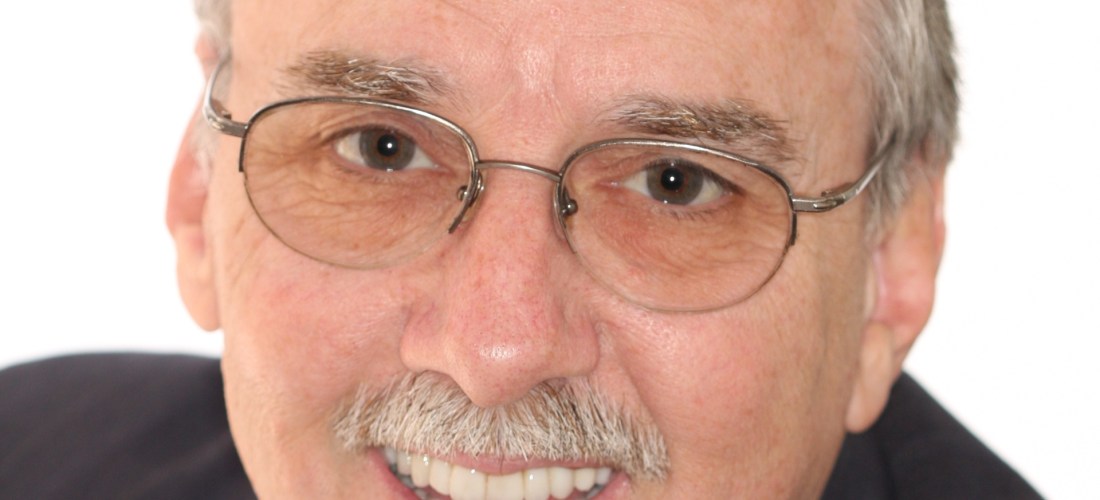
Dr. Darrel Ray is the founder and President of the Board of Directors of Recovering from Religion and the founder and project leader of the Secular Therapy Project. See his full bio here.
Dr. Ray grew up in a Christian home but was already skeptical of certain claims at the age of twelve. He stayed in church—singing and teaching—but was relieved to finally leave the church as an adult.
He has decades of experience in psychology and has helped countless people who’ve been harmed by religion.
“I’m guessing there are more people throughout history that have been traumatized by religion than any other single thing. Religion has built-in abuse.”
Links
Recovering From Religion
https://www.recoveringfromreligion.org/
Secular Therapy Project
https://www.seculartherapy.org/
Books
#AmazonPaidLinks


Quotes
“Religion is a sexually transmitted desease.”
“Twelve years old, you couldn’t slow me down! I get to the top and I find sharks’ teeth on top of the damn mesa. I think, ‘Wow! That’s really crazy…how’d they get up there?’ And my aunt says, ‘Well, God put them there in the flood,’ and I thought…I know better than that.”
“I was very curious. You couldn’t give me enough to read!”
“I wasn’t even a member of the damn church, and they’d let me teach Sunday school! That’s kinda dangerous, you know?”
“It wasn’t that I was an atheist; it was that I came out as an atheist…The society will accept you as an atheist. Just keep your mouth shut; don’t tell anybody.”
“It was an explosion of emotion in that room, and it hit me hard: This is no gimmick; this is important…That was the first meeting of Recovering from Religion.”
“Families: That’s the way you infect people with religion. You do it through children…”
“I’m guessing there are more people throughout history that have been traumatized by religion than any other single thing. Religion has built-in abuse.”
“When you separate from religion, you’re losing, losing, losing, losing. You’re losing a lot of things…Every one of those losses produces grief.”
“All ideologies have within them the elements of a religion.”
“The leader [of a cult] is never restricted by the rules like everybody else is.”
Interact
Join the Deconversion Anonymous Facebook group!
Graceful Atheist Podcast Merch!
https://www.teepublic.com/user/gracefulatheistpodcast
Deconversion
https://gracefulatheist.com/2017/12/03/deconversion-how-to/
Secular Grace
https://gracefulatheist.com/2016/10/21/secular-grace/
Support the podcast
Patreon https://www.patreon.com/gracefulatheist
Paypal: paypal.me/gracefulatheist

Attribution
“Waves” track written and produced by Makaih Beats
Transcript
NOTE: This transcript is AI produced and likely has many mistakes. It is provided as rough guide to the audio conversation.
David Ames  0:11
This is the graceful atheist podcast United studios podcast. Welcome, welcome. Welcome to the graceful atheist podcast. My name is David and I am trying to be the graceful atheist. Thank you to all the supporters of the podcast if you too would like an ad free experience of the podcast you can become a supporter at patreon.com/graceful atheist. If you're in the middle of doubt, deconstruction and the dark night of the soul, you do not have to do it alone. Join our private Facebook community deconversion anonymous and become a part of the community you can find us at facebook.com/groups/deconversion There is a merch shop at T public that Arline has set up you can get your graceful atheist and secular Grace themed products links will be in the show notes. We are off next week. We will be back on August 20. Special thanks to Mike T for editing today's show. My guest today is Dr. Darrel Ray. Dr. Ray is the founder of both the recovering from religion and the secular therapy project. He has been a psychologist, the brunt of his career was in Organizational Psychology. He started recovering from religion by using meetup.com By asking the simple question, how has religion hurt you? People poured out their souls and made a connection. Since then he's written two best sellers, the god virus and sex and God. As you're about to hear Dr. Ray is a fascinating person and has done an amazing amount to impact the deconstruction deconversion community. Here is Dr. Darrel Ray to tell his story. Dr. Darrel Ray, welcome to the graceful atheists podcast.

Darrel Ray  2:06
Thanks. Good. Good to be here. David. excited to talk to you.

David Ames  2:11
Yeah, glad that we could finally make this work. I have been a fan of recovering from religion. And we recommend the secular therapy project about every other week. So glad to have that from the horse's mouth. So let's start just briefly with a bit of your bone a few days, maybe a bit about your resume you've written obviously a number of books and you've been a psychologist for many years could just tell us a bit about that.

Darrel Ray  2:36
Yeah, I've been a psychologist, I guess and for 40 years, kind of dates dates me there, doesn't it? Or Or I don't know, you know, depends on how you start counting. But somewhere around that amount I started out in counseling and then clinical psychology and then moved into organizational psychology so I've kind of had two two and a half careers in areas psychology and then and then I got into what I'm doing now and that is Yeah, and retire I'm supposedly retired but I look at all the work I do and think damn and nobody's paying me now.

David Ames  3:12
Yeah, but yeah,

Darrel Ray  3:13
I read a written a couple books, the god virus, which was continues to sell really well and sex sex and God on on how religion distorts sexuality. And those all come out of my clinical work that I've practiced off and on six therapy and coaching and and you know, basic clinical psychology testing and all that and I just saw patterns of behavior that seemed to be related to religion throughout my career and right and, you know, retirement or coming close to retirement gave me the opportunity to start thinking about new things because I wasn't running my own business, my own practice. Anyway, I got started in, in a secular community in the mid mid 2006 2007, I guess you could say it when I was ramping down my my practice and that during that time, I saw Dawkins, Hitchens, Harris Dennett, all those folks writing books, and I had I had read quite a bit before that. And it just dawned on me nobody's written anything on the psychology religion. I mean, Dawkins is a biologist Harris is kind of a neuro scientist, but he's not a psychologist. So that gave me the notion that I loved all those books. I mean, The God Delusion was groundbreaking as far as I'm concerned. Yeah. But I thought there needed to be something more accessible to the layperson on how the brain works, how religion

influences us, and and gets us to do things we wouldn't normally do. I mean,

for example, being a celibate priest or celibate nun in the Catholic Church, that's pretty. That's pretty strange behavior. If you think about it, yeah. So that all those things kind of came together. And, and I just feel it's time to do a brain dump. And, and I did starting in 2009. I just started writing and working. And then that led to what else we'll talk about a little bit later. And that's recovering from religion. Now.

David Ames  5:29
Before we get into your personal story, I just want to acknowledge that we had Rachel hunts on the podcast.

Darrel Ray  5:36
She has she is an amazing, she's on the board of directors. She's our director of support groups. She's amazing. Yeah, just

David Ames  5:43
really appreciated her. And then I think that's how you and I got in touch with each other. So thank you to Rachel for doing what she does as well. Yeah.

Darryl, I know you probably tell the story often but I'd very much like to hear we'd like to ask our guests what religious tradition or or or not Did you grew up with? And then kind of what is the story of the trajectory of your loss of faith?

Darrel Ray  6:12
Well, I was I was born into a Christian family, pretty conservative, not fundamentalist. At least at the time. It got worse later. But going back before it was born, my my relatives, my my grandfather, my uncle, lots of lots of religious people, lots of elders in the family, my great grandfather on my dad's side, my answer, my grandfather on my dad's side was country church preacher for 45 years. Other grandfather was an elder in the church, Sunday school teacher, my parents actually founded, they were church planters at one point time and founded two different churches. When I was young, I was in my early teens when they were founding those churches. So as you can tell, I was surrounded by by religion, but I was raised in an independent Christian tradition, which is kind of a it's camera light. If anybody knows the history of religion in America, it was is a mutation of Christianity that happened in the 1830s or so. You know, it was one of those, you know, we got to go back to the basics, go back to the Bible that all that bullshit. So yeah, I was raised in the camera light. They weren't real strong. Kimberlite theology wasn't very, very good. I didn't think and it went, okay. Yeah. And so I, I went through adolescence, early on, like when I was like, 12 years old, I was visiting my aunt and uncle in New Mexico with my family. And they were they were teachers and the principal of Bureau of Indian Affairs school in Gallup, close to Gallup, New Mexico. So I love going down there because it was wide open. You're right in the middle of the Navajo Indian Reservation, and I'm 12 years old, you know, that's just that's just a kid's dream. And behind him is this Mesa that's 500 feet above the valley floor. And I love mountain climbing to this day. I mean, I've climbed 50 the highest mountains in the continental US. So I still I'm gonna go out and climb another one here. Probably this summer. But I you know, if it's there, I want to climb

David Ames  8:26
it. Yeah.

Darrel Ray  8:28
12 years old, you know, you couldn't slow me down. I got the top and I'm looking around and and I find shark's teeth on the top of the dam mesa. And think wow, that's really crazy. Yeah, I come down. I show it to my aunt Margie, and my my mother. And I say, hey, look, shark's teeth on the top of the mesa. How'd they get up there? And he says, Well, God put them there in the flood. And I thought to myself, you know, unkind words in my head. I know. I'm pretty sure so from time I was 12 years old, I thought evolution was cool. I never bought the creation story. My, my grandfather's weren't too happy that they had a grandkid that didn't believe that God created the earth in six days and in 6000 years ago, so but but they didn't, didn't disown me or anything. And I grew up to be who I wanted to be. But I always wanted to help. I was very socially active. As I went through adolescence, very active in high school and various groups and I sang I sang in the choir. I was in the United Nations Model United Nations. I just did lots of very curious and I couldn't give me enough to read I can read read constantly, which is kind of unusual for adolescent boy, although I was chasing girls too. I'm not saying I was distracted. Sometimes

went to college at Friends University fu for short. Some people say it's Friends University of central Kansas, you'll I'll let you figure that. Anyway, it was a good school then it's since become an evangelical nightmare as far as I'm concerned. There's a good school I got some good education. I majored in sociology and anthropology, I would have actually kind of minored in anthropology. I had enough to be a major, but they didn't offer major. So I basically got a double major, but I couldn't claim it because they didn't offer it. But anthropology was a real big love of mine. I thought just it just captured my attention. I liked sociology. But that wasn't my first love, even though that's what my maths major was. But the end of my college degree, the I had a college deferment for the draft. So I was, I was, it was right in the middle of Vietnam War. And if you didn't get a deferment, you were going to be cannon fodder in Vietnam. And I had been from from my freshman year, I did something. I look back and say, Man, I, my 18 year old self was braver than I am now. I'll tell you, I basically stood up and said, I ain't gonna fight that war mom, I was not gonna go they're dead. They can put me in jail if they want to, they can sit and go to Canada. But I am not fighting. I am not fighting the Vietnam War. And I'm gonna file as a conscientious objector. So I did. I was discouraged. Of course, everybody thought I was horrible, you're not patriotic and a true American for one to go kill people in another country that didn't do anything to us. And I I, they said I won't get it that I'll probably end up in jail. I mean, they did everything you know, to stop me but I was successful. I got I got a I got a for what they call a conscious objector status or whatever. And I was out there protesting the Vietnam War of protest and Richard Nixon of protest, and Linda Johnson and I was protesting, Bureau Agnew. All the people I was out there protesting. And, and even working a little bit at that time in civil rights, but main thing I got was a little part time job. I don't know where the money came from. But it was pitiful money, I got a part time job to get in my car and drive around to all the Kansas, all the little Kansas colleges and handout anti war information and material and organize, you know, try to get people to come to our I wouldn't organizing come to our organized meetings and protests. So it was pretty politically active. And then when I, when I got out of college, the war was starting to wind down but there's draft was still there. And I had this incredible desire, I've always had a desire to help people. It's just, it's just part of my nature i I've since learned to just accept it, you know, I'm going to help you with it. I'm not going to help you against their will. But I the only avenue I could see that to help somebody or help be a helping professional was to go in the ministry, I really didn't understand. I took one psychology class in college, they didn't even have a psychology department and Friends University. That's how that's how small university was. So it wasn't like I thought, oh, psychology would be a good way. I didn't even think of that. I went to seminary, and I looked around for a seminary, that would was so had a social justice component to it. Because I wanted to I wanted to, I didn't want to preach in the traditional sense. I wanted to get out and get my hands dirty and work with people and, you know, engage in civil rights work or political work within the church. And so I got it to I went to skaret college for Christian workers. It's not a it's not existence anymore. At the campuses, it's right across the street from Vanderbilt University and in Nashville. But I went to scared I got a two years degree in religion, with the goal of getting out and going and working and some kind of social justice or civil rights thing within the confines of the church. Which, after two years, I realized the whole religion things kind of bullshit. I didn't think much of it. I was still a liberal Christian, very liberal, Christian. Yeah. But I started realizing this isn't what I want to do. So what am I going to do? So I went to I went across the street to Vanderbilt University where they had the Counseling Center and I, I took some, some tests, you know, occupational tests and career tests. And they said I should be the test showed I should be the lawyer or a psychologist. So I said, I'm too honest to be a lawyer. You must be a psychologist, at least in my mind up to honest. Yeah. So I went to psychology route I accidentally. I didn't even intend to but I got a job through a mutual friend of mine at an institution for juvenile juvenile rehabilitation for juvenile delinquents. And I, I went there and I realized who I really really liked this and I'm pretty good at it to at least what at that level I was pretty good at it, I guess

so after about six months of that, I just said, Well, I'm gonna apply back at Vanderbilt Peabody College, people in the College of Vanderbilt University and for for doctoral doctoral program. And, and I did, and I got in, and, well, I had a lot of fun. I was working full time, my wife and I were about ready to have a baby and I was going to school full time in a doctoral program. I look back now and say, I couldn't do one of those three levels. But it was it was it it just, it just felt right. You know, I, the classes I was taking the professor's I was encountering the research that I was able to get involved with, it was just really cool. And that that gave me a nice boost into a career of lifelong career of psychology. But what I learned, one of the things I learned in my doctoral level studies is I get bored with one thing I've always got to be, you know, I like lots of variety. And Counseling Psychology wasn't really that interesting to me. So I didn't stay on that route long. I moved on into clinical psych, where I was doing a lot of testing and other things, getting some good training, and also getting the opportunity to train other people and and I learned at that time that I'm, I'm a good trainer, I can teach people. Yeah, and I really enjoyed teaching people. But I was a terrible psychologist. On Monday, I was the best psychologist on the planet. On Tuesday, I was a damn good one. But by Wednesday, I was average and you didn't want to get me on Thursday and Friday. So after a while I realized this is not for me, you know, it takes a special person to see patients five days a week I I just I never had the energy, not that kind of energy. And my mind was always going somewhere else. Well, if you're in an office with me, you don't want my mind somewhere else to be listened to. Yeah, so that led me into organizational psych because I'm good at organising, organizing, I'm good at helping structure organization. So they function well I understand the human human factor. And that's ultimately I ended up in or design org site. After about 10 years and clinical and I I loved org psych It was so fun. And I was interacting with VPs of fortune 500 companies I was flying all over the world I had a really good career. Very rewarding. But in the back of my mind the whole time I'm I'm looking at you know, I'm reading stuff I'm looking at religion. I'm watched what the Freedom From Religion Foundation is doing. And I'm looking at the abortion issue. I'm looking at the read the religious right, what they're doing with Jerry Falwell in their early 80s. And it's not sitting well with me. And I think you know, I'd really like it someday I need to do I want to do something like that, or about that. So that's kind of, I guess you could say the big picture into into where I ended up and why I ended up here.

David Ames  19:00
You mentioned that you were a liberal Christian for some time. Was there a moment when you decided that it was you weren't that either that you were done anytime you well?

Darrel Ray  19:07
Yeah, I'm starting. I graduated in 1974 from seminary and my I was married. My wife and I were living in Nashville and we kind of had an agreement she was raised in a fundamentalist her parents were even more fundamentalist, and they were in the same denomination but even more fundamentalist, and she and I had an agreement that we would just find the most liberal church we she wanted to always be in church always want to be going to church somewhere. So okay, I can deal with that. Although I'd rather sleep in on Sunday. But she I did that I was compromising. But I also liked teaching, you know this so this comes back to right make sense. I would go to church and no matter what church we went to, I would end up teaching Sunday school. Yeah, I wouldn't even remember the damn church.

But you know what they're desperate to find somebody to teach. And I taught. Well, when I was in, in college, I was teaching the senior high kids Sunday school. Can you imagine me teaching kids about evolution? I was, I was teaching evolution. When I was a sophomore, junior suborn junior in college. I was teaching evolution in Sunday School at my home church. Wow, okay, yeah. And I got away with it. I will tell you that, Oh, God could have created the world in 6 million years or 6000 years, you know, you take a mad angle, you know, and get away with it. So I experimented with that. And I really enjoyed it. And then when I've gotten married, and we moved to Nashville, I had the opportunity to teach Sunday school again there. And then when I moved back to Kansas, where I live now, my wife and I moved back here. We found the most liberal church we could find in Leavenworth, Kansas, which is hard to do, because it's pretty, it's a military, kinda. Okay. You know, the commander, General Staff College is here with the US Army. So it's pretty conservative area. We went to the Presbyterian church and they were desperate for somebody to teach the adult Sunday school class. So I volunteered to teach it i I'm, I'm not even not a Presbyterian. Right, exactly. I call myself a Quaker atheist. That's what I call myself today. Yeah, yeah. So I was, I started teaching the the adult class, they might get four or five people to show up for Sunday school. On any given Sunday, it was it was a dead class, basically. So I take over and within a month, I'm getting 30 and 40 people come to my class. Well, the room was too small to move me into a room that would hold 100 people. I never I never drew 100. But I was drawn 50 to 60. Because I was I was bringing interesting things in like mostly things like comparative religion. So let's compare Christianity Hinduism. Let's find out about Sikhism. Let's find out what the Baja behind religion is. And they were just eating this shit up. These are these are inquisitive adults, there had never learned a thing when they went to church. That's why they weren't coming. But when I started teaching, I was and I was having a blast because then I'd leave the Sunday school class and I'd go sing as a tenor soloist and the choir just let you know. And I was a, I was a good singer. I was even gonna major and in voice in college, but I was terrible at music theory. So I had to give up a career. I saying for years, so that the answer the question was, I was married, my wife wanted to go to church, I'm surrounded by religious family. We're going to a liberal church that I really only reason I was enjoying us because I'm teaching and then marital problems happen. And after almost 18 years of marriage, we get divorced. Well, to me, that was like a Declaration of Independence. I no longer have to compromise. I don't have to get up and Sunday morning. I can I can go and do things that my ex in laws would be terrified at. Go look campaign for, for Jimmy Carter, you know, or something like that.

David Ames  23:29
Yeah.

Darrel Ray  23:30
Which, which wouldn't have been Jimmy Carter at that time, it was Michael Dukakis. Anyway, yeah. I got to remember my president's here. That was the issue. It was it was that break from, from family break from her family specifically. Because my family always knew I was the weirdo. I'm the black sheep in the family. I'm the oldest child. And, you know, I know a lot of privilege comes with being the oldest kid, you know, there's other things, you know, like she had to do babysitting that I didn't like doing but beyond that, you know, the first kid got to get some privileged position. And I was able to leverage that to my advantage. And I really, I really enjoyed my childhood and I and what's back to back to why I got up. I really started reading more deeply once I got away from the marriage. And don't get me wrong. It was it was a miracle marriage. We we actually use the mediator we didn't we didn't go through divorce lawyers or anything. And we're still friends today. We've got two great kids and you know, there's no animosity or anything. They're just, you know, separating from her family. Was, was a really good step step for me. And it gave me the opportunity to read and interact and not go to church and, boy, I'll tell you It was like decompression it was fresh air i, I can interact with people I wouldn't have normally interacted with I could travel. My wife didn't like traveling. And I love traveling. And I've been I have literally been all over most of the world since then. Yeah, I'd never I'd never hardly been I'd never been on the I'd stage before I got divorced. So now I'm traveling, took my first trip to Europe in 1989. And then now the country almost every, every year at least once, except during COVID. Of course.

David Ames  25:34
Yeah, yeah.

Darrel Ray  25:44
Don't know that there was a single break. But I was. I was agnostic, I would call myself for a long time, until I started dating, my travel companion. And 2001 And we're on a plane to Ireland. We're going to go visit Ireland. And she says, I'm sorry, we're on a plane to to England. And she's reading my manuscript. The God bears. Yeah. And I have everything but I'm an atheist. Yeah, everything but name. But remember, I'm still a psychologist. I still have a practice, right? 2001 or 2000? And no, no, I'm sorry. She's reading an article. No, not this book is but Caitlin. And she recently, she's on the plane, she looks up at him and said, Darryl, you're an atheist. You need to sit or get off the pot. She had been an atheist her whole life, you know, so I said, you're absolutely right, Judy. So I'm gonna stop pretending I'm definitely an atheist. This is 2000 2001, somewhere in around that timeframe. And the fact was that I still couldn't say out loud, I'm an atheist, because I'm in a work environment. I'm a I'm a consultant. I'm interacting with religious people. And I just didn't couldn't take the risk. You know, I'm a, I'm an independent businessman. My whole business depends on and nobody asked me my religion. It wasn't a part of, of what I did. Until Until the god virus came out. In 2009, when when I was writing that I gave, I told my staff, I'm writing this book, I had five staff members. And my office manager turned white and said, Darryl, we're going to lose clients over this. Yeah. And I said, Well, you know, I need to do it. It's just, it's just in my blood, I can't, can't avoid it. And she was right. I lost all but two clients within six months. Wow, clients that I've worked with for 20 years, clients that have known me, trusted me, took my advice worked on me closely paid me lots of money. I mean, but just, it wasn't that I was an atheist, it was that I came out as an atheist.

David Ames  27:59
Exactly. Yeah, yeah.

Darrel Ray  28:02
So it was it was crazy. I learned a big lesson then, that this society will tolerate you as an atheist, just keep your mouth shut, you know, don't don't tell anybody. And that's kind of the way I've heard from many people and talking about it's being it is one thing talking about another thing.

David Ames  28:21
I think there's a bunch of things there that people will relate to. And that's one of them is like, you know, the the fear of social ostracization in one form or another and particularly if your business is dependent upon it

so I want to hear about the the beginnings of recovering from religion, I understand that you basically did a meetup.com K come hang out. And that that kind of exploded into what we what we now have as recovering from religion.

Darrel Ray  28:55
Yeah, I announced this, I was just after the god virus came out, I was getting constantly inundated with people saying I love your book, but I need help. I couldn't possibly help all these people. And, and I wanted to obviously, that's why wouldn't written the book if I didn't. So I just decided, let me try something. My I will confess, though, that it was a bit selfish, the beginning of this. I had a publicist, he was pretty much worthless to cost a lot of money didn't do anything, except one thing. In the process of trying to publicize the god virus he, he says, why don't you start an organization called recovering from religion and use that to sell your book? I thought, well, that's an interesting idea. So I decided to do that I announced it on meetup.com was fairly new at that time, announced calm, had a had the meeting at Lowell back back room of an IHOP restaurant here in town and and 11 people showed up and I only knew one of those 11 people and after Two or three hours, the restaurant owner is kicking us out. He's closing the room. Yeah. During that time I had people weeping and crying and telling their stories and hugging each other. It was it was. I'm a good group facilitator, I know how to do group therapy. I mean, I got that training and way back in graduate school. And this was like group therapy. But I wasn't being a psychologist. I was just facilitating a meeting. And I only asked two questions. I said, How did religion hurt you? And how did how have you benefited from leaving? It's all I said. And the rest of it was just making sure everybody gets to tell their story. And I'll tell you, David, it was an explosion of emotion in that room. And it hit me hard. As I was walking out, this is no gimmick. This is this is important. It's something people need. And I had no idea that need was so great. And that was the first meeting of recovering from religion. We then had another meeting a couple of weeks later, same thing happened. And we're getting ex Moonies ex Scientologists, ex Mormons, ex Baptists, will get all sorts of people showing up. Ex Catholics was a second meeting. We had these two older gentlemen show up there. They're both in there. They're both in their 70s. Late one of them I know was almost 80 years old. And both of them are musicians. They're they're played the organ. And church. One plays in the Catholic for the Catholic Church, the other plays for some Protestant church. And they're both gay. Yeah, and they're sitting in the meeting. And I'm just assuming, because they sat, they sat next to each other to, I'm just assuming they know each other. Yeah. They didn't know each other. They had no clue. And they show up and they just accidentally sat next to each other probably because they're, you know, both older white guys. And it turns out, they're both gay. They're both musicians in church, and their church would throw them out in a heartbeat if they found out that Yeah, okay. And they're now atheists.

David Ames  32:13
It's all it's all your fault, Darrell.

Darrel Ray  32:16
That was, that was a crazy meeting. Really crazy. But so that was the beginning. And it took off took three or four years for us to get our nonprofit status and really get the organizational structure the way it needed to be not like I said, I'm, I know how to organize I know how to create businesses. So I just took my skills in that area and applied them to this, this organization. And I got bylaws and incorporation and all that sort of stuff. And it started growing and ideas were starting to come in. And before you know it, the idea comes in, we should have a phone line. Not just have not just have meetings or meet up but have a phone line. So we gathered some money together and got got some GoFundMe to do that. And we got a phone line started. And then not long after that. Somebody said, why don't we start taking chances? Good. Not everybody can call in plus, we were getting inquiries from overseas from outside the continental United States. Yeah. So we, we started doing the chat thing. And these things just organically started growing. I cannot possibly do all this stuff. And I don't have the technical expertise, but I know how to facilitate it. And as we got volunteers with various skills, they would say, Yeah, I can do that. Or, you know, I know somebody can do that. And then the next thing was to really develop our training program and and start start trying to understand what, what what's possible for us to do and what, you know what, out of our reach that point in time. And in 2012 the issue of sex, I mean, the first printing of sex and God came out and that caused another tidal wave of need. People are calling me and you know, I need help. I appreciate your book. I'm gay. You know, I'm, quote, sex addict, which there's no such thing by the way, I just don't want to rant about that. And I'm trying to help all these people and I, they say I need a therapist, you know, every therapist to go to called me a sex addict. Every therapist I go to says that I need to go back to church or I need to pray about it or, you know, I violated God's law or some bullshit. I'm thinking therapists shouldn't be doing that. That's unethical as hell until I started trying to find a therapist for people. And I couldn't. I mean, I'm a damn psychologist. I should be able to know the signs but you can get on a therapist website, look at everything they've got, and still not know if they're going to send you back to Jesus or they'll have a cross around their neck or they have a Bible They're on their table. So that led me to start the secular therapy project and not any 2012. We started with 24. Therapists I personally vetted, I knew they were secular, I knew their evidence base, I knew they were licensed. And in 12 years since we started 11 years, since we started, I'm sorry, we've now got 734 registered therapists, and every therapist has been vetted, to make sure they meet those three criteria. And we turned down about 30 to 40% of all applicants, because they don't qualify. I mean, we take this shit seriously. The worst thing that could happen is one of their art therapists would practice woowoo on you or say, you know, you need more spiritual guidance, or, you know, some bullshit that comes out of their own religious worldview. So we pretty much that all of our therapists to make sure there's none of that going to happen. And we're very strict about it. So anyway, so that's the story of both recovering for religion and secular therapy project.

David Ames  36:11
Yeah, very cool. And again, we, you know, at the podcasts were recommended all the time, we're very pro therapy to begin with. And then we referenced people to psychotherapy project, as many, many people tell their stories, and they'll say just what you've described, they went to a therapist, maybe even their website was unclear, but then they get, you know, you have to read your Bible more. And that just isn't an answer to the real world problems they're experiencing.

Darrel Ray  36:35
Well, and that After that happened, I started getting more information about how these are various institutions. Universities, if you will, or training therapists. And I realized that there's been an explosion of universities that are training marriage and family counselors. And most of those institutions are religious institutions. And they're given people master's degrees in marriage and family counseling from Regents University, or George Fox University, or Liberty University, those are all fucking fundamentalist as hell. So what do you what do you really learning in those institutions? What you're really learning is a few techniques that might be psychologically sound, but mostly, how do you bring people back to Jesus? Or how do you Eddie, because families, that's the way you infect people with religion, you do it through children. So that's why the emphasis in so many institutions, religious institutions of higher learning, has been on marriage and family counseling. It's a lot easier set that up. And you know, a lot of people are wanting to come they want to help children and help families and they also believe in Jesus. So, I have been so shocked sometimes at for example, pH, you can get a PhD at you get a PhD at Regents University, which is Pat Robertson's University. Okay. And you will go, one of the requirements is you have to go through a year of pat robertson theology that says God sends hurricanes to Orlando because Okay, so you got a PhD from the University that teaches that shit. And what I mean, that's just, that's just so unethical. And yet, they got a PhD. They are licensed in the state of their residence maybe. So we're challenging that we're starting to try and challenge that and our, our current director, Dr. Travis force. McKee, bourse is actually making speeches around the show. He's done it once. He had to cancel yesterday, this weekend, but he's making talks about religious privilege in therapy. And that's crazy. Why would religion be privileged in therapy? And I did a you can go look this up. I did a talk at the last year at the conference on religious trauma on whiteness, professional psychology ignore religion, religious trauma, religious abuse, and there's a there's a lot of implied training within many adversities that you don't touch people's religion, even though that religion may have caused the abuse or the trauma that you're trying to treat. How the hell do you do that? How do you treat religious trauma without talking about religion? Anyway? So that's, that's where I'm at right now in my career. I'm really push on religious trauma

David Ames  39:58
that's a great segue. That's what I got. I want to talk about next just the a bit about the psychology of religion and, and, or the deconstruction process, the conversion process. But as a jumping off point, you're describing the god viruses, it's almost like a transmission vector. Religion is going through families, as you just mentioned, generally indoctrination and childhood. My experience, you know, I became a Christian, my late teens already had very much a sense of identity already. And what I've been shocked at as I've interviewed people is, how devastating it is for those of those people who grew up with it. Right? Like, yeah, right, five years old, you're, you know, you're right and center, you're going to hell if you don't do X, Y, and Z. And that stays with a person. Right? Maybe if you could talk about a little bit about your understanding from that perspective.

Darrel Ray  40:50
Yes, and I think this is, it's a lot of new information has just come out in, let's say, the last five or 10 years, about things like trauma. And I'm not talking to religious Trump, just Trump trauma in general, and how to treat it, how trauma affects the brain, that sort of stuff. And there's other information. I just, I think, what we're doing what I'm doing, and what my colleagues within regard for religion and the psychotherapy project are doing is we're, we're taking this research that's being applied to, you know, people who were abused by their childhood, or somebody who's, you know, think of a refugee coming from Syria right now, a 10 year old kid from Syria is probably experiencing trauma, or a soldier, or a family member in Ukraine, they're experiencing trauma. So those are all traumas that we can, we can put our finger on we understand much more lately, what that means and how to treat it and why it why it's so hard to treat in some cases. But nobody said, Okay, let's look at this. How many people have been traumatized by war? How many people have been traumatized by non religious child abuse? I mean, there's been a lot for sure. But I'm guessing there's more people throughout history been abused by religion than any other single thing. I mean, religion has built in abuse, look at the Catholic Church, pedophile problem, are the Jehovah's Witness, sexual abuse problem, there, there's just so much of it out there that's been covered up never been examined. until relatively recently. And that is, that's where we're at. We're saying, let's look at all this. And then there's, we see in recovering religion, we see this just just difficult emotional journey that people have. And their, their tendency to be drawn back into religion, or they leave religion and they still can't get over the fear of hell. Or they leave religion and they lose their whole family. So they lose the connection there. So there's a lot going on there. It's not a simple psychological formula. It's, it's a massive amount of emotional complexity. And it's, if you think about it, when you separate from religion, you're losing, losing, losing, losing, you're losing a lot of things you're losing, you might lose parents, you might lose your own kids, you might lose your marriage, you might lose your job. I mean, there's a lot of possibilities there. Every one of those losses evokes grief. So you've got a complex pattern of grief to have to deal with. It's hard enough to get over one thing that you're grieving over, let alone something as massive and big as this incredibly big worldview change you're going through. And then there's another piece that I think is interesting that we've been talking about lately. And that's attachment theory. You know, as we know, people, people, we have attachment systems in our brain. And they're, they're very important for our survival as a species. Because our infants are so immature. It takes years for human infant to become self sufficient. And I'm not talking now I'm talking about 10,000 years ago, we were still hunter gatherers. You still You can't let a five year old just go you'll get eaten by lions. Yeah. Yeah. So you have to be careful how you raise children. And those children better be bonded to you better better have a close attachment. Because the best guarantee of survival is attachment to the parent that can protect you and teach you how to survive in this dangerous world. Whether the dangerous world is Van is of Africa, or the jungles of New York City. I mean, it doesn't matter. There's danger out there. And that attachment is important. So we have very strong attachments as humans, to other humans. And we know this from a very, very old and unethical experiments, for example, the Harry Harlow experiments on monkeys back in the back in the 60s, which today are totally unethical, but, but they were done. And we know that that attachment is so important to the baby monkey, the baby monkeys will fail to thrive, they will literally die from lack of attention. And then there's other experiments like the Romanian orphanage crisis that happened after or late in the Ceausescu's dictatorship back in the 70s. And we have the same thing happening to human infants, they're getting plenty of food, they're getting nutrition, nutrients, they're not getting attention, they're not getting human contact, and they're dying, or growing up with incredibly bad, difficult mental health issues. Well, what we're seeing in religious deconversion, is they're having to deal with that detachment. Yeah, there's, that attachment is strong. And most of us stay attached to our family are appearance the rest of our lives. Most of us, not all of us by longshot but but then what if I have to tear that attachment off? My brain is going to go through some cycles, a lot of cycles, about how do I reconnect with appearance? How do I tell my parents, I'm an atheist? How do I do this or that, and all these things have consequences for the attachment. And what we understand better now is that this incredibly difficult time people have leaving religion is tied up with the grief and loss of all these things, but also tied up in attachment. And how to I mean, it's a big step to, to step totally away from your parents, because that's where the original attachment was, yeah, or to be rejected by your parents. And so it takes a huge amount of effort, psychological energy, emotional energy, to make that step. And it requires help, most people have a hard time doing it by themselves. Yeah. Especially they're raised in an environment where they were gaslighted say, are really abused as children. Because as we know, an abused child still has a very strong attachment. It may be an unhealthy attachment. But there's still attachments still there. So a lot of what we do at recovering from religion and secular therapy project is simply helping people deal with their, I call it detachment.

David Ames  48:05
Yeah, exactly. So I love that framing actually, and I again, I know that listeners are going to respond to that or see themselves in that.

Darrel Ray  48:15
Yep, yep. So let's just call it detachment syndrome. Yeah. And it's a part of religious trauma syndrome, of course, but it's deed. Yeah. Yeah.

David Ames  48:34
So it's interesting you say that, because I've heard you say in the past, that you agree that religious trauma exists, but you at one point in time, said you didn't think that religious trauma syndrome. Oh,

Darrel Ray  48:46
yeah. My my mistake. I don't usually word you add the word syndrome. Yeah. Yeah, I still don't it. Could

David Ames  48:54
you explain this? Yeah, for

Darrel Ray  48:58
a technicality. I don't think the layperson really cares. Okay. But it's, if you have a disease, there's there's a, there's a pattern of symptoms. I'm talking about physical disease, right? There's a pattern of symptoms that tell you what that disease is, you know, if you got measles, there's probably four or five things that are observable and testable. That will tell you it's measles. The same thing is true of psychological conditions as well mental mental conditions. So you need to you need to be able to determine what those symptoms are with some degree of accuracy and independent, objective observation in order to say okay, we have a cluster of symptoms here, and the cluster adds up to religious trauma syndrome. A syndrome is a cluster of symptoms, it's all okay, so, I don't think we're scientifically at the place where we can say we have a cluster a syndrome with We don't have a cluster of symptoms. Now, I do think and Dr. Merlin Waddell, and I kind of disagree a little bit on this, although I'm a great admirer of of her work back and she coined the term religious trauma. I think someday we may be there. But you know, it doesn't really matter. Doesn't really matter if we ever call it syndrome or not. Okay, because we have a, we have a set of criteria within the DSM that helps us understand and identify trauma, just trauma, without respect to religion. Right? Right. And if you have those symptoms, you have trauma, you have a trauma syndrome, you have a cluster of symptoms that fit the diagnosis of trauma. Now, where that trauma comes from, it could come from childhood abuse, gum from a bomb going off in a war, it could be being a refugee that, you know, has, has had periods of starvation. And all those things could cause trauma, or it could come from, from the terror that happens, you know, having people shooting guns around you in a war, or it could be the terror of being told you're going to hell every day. And that Satan is Satan is speaking to you when you touch your genitals and masturbate or whatever, you know. Yeah, yeah. So I don't care which one of those you choose, they all lead to trauma. So we don't need religious trauma syndrome, we just need to understand what trauma is. And then we might, if we really want to get help the person, we're going to have to understand where that trauma came from. And if it came from religion, then we need to label that as religious trauma. Whether it's, you know, you don't need to go any farther than that.

David Ames  51:57
Yeah. Okay. I appreciate that clarity there. So.

I've been kind of waiting to get here. So you know, your second book is sex and God. And you also did the sex and sexuality podcast, a massive theme. The people that get interviewed is the effect of purity culture, on their sexuality as adults, even as D converts, maybe talk a little bit about what effect that has on a person and the repression of normal human sexuality.

Darrel Ray  52:36
Yeah. Well, we can almost go right back to the attachment piece. Because if you think about it, the first human being you're attached to is probably your mother, the second one, maybe your father or another close caregiver. When you become an adult, those that attachment approach, you take into adulthood, because I mean, what is what is marriage, but some kind of attachment. But if you if you're going into if you're going into adulthood, with a messed up attachment system in your mind in your brain, then you don't know how to attach to other people? Well, what religion does is religion comes along in your early teens, and tells you your body is your enemy. normal sexual behavior, is the devil talking to you that you shouldn't have thoughts that, you know, you shouldn't have sexual thoughts. So we've got the religious thought police involved. Yeah. And all these things are, are oppressing you and confusing your mind about how to view your own body, and how to view other people's bodies. How to have a relationship with another human being with a body that and then what if you're gay? You know, what if you are LGBTQ? What if you're trans, you're getting incredibly mixed messages here. They're just incredibly confusing. So is it any wonder that that people have a hard time creating healthy attachments, sexual attachments, because they had such a terrible model in their teens? And if they're raised religious, their own parents also were infected with this purity idea. I mean, I my own family is a perfect example of this. My grandmother got married to Amanda main Thompson, and somewhere around 9029 She got pregnant. She had my father 1928 My father was then born in 1929. She was a flapper. She was a wild girl. She was out there dancing every every night. Yeah. Now, of course she never she would admit to it only only marginally. You couldn't get her to say too much there. Are she has My dad. And by by the time my dad was 10 months old, and the timeframe is as unclear because there was no documentation. Yeah, by the time that my dad is 10 months old, the census, the US Census 9030 shows my grandmother living with a guy named Ray.

David Ames  55:20
Okay, so she was

Darrel Ray  55:23
married to Thompson, there's no divorce records. And now and and oh, by the way, the US census in 1930 says, my grandmother Pearl Ray is living with a guy named Thompson. So the record shows she's living with Thompson and she's living with Ray It's okay if she wants to be polyamorous, I don't get the way she looked at it. And she was so ashamed of that little fact that we didn't find out. We didn't find out about this till much, much later after she was dead. She basically lied to us her whole life about about the fact that she may have had a baby quote out of wedlock. We're not sure. We're not sure about the timeline here. And then and then she is there's a divorce paper. The divorce papers show up in 1941. Now this is 11 years after she had moved out. Yeah, so she's been living with my grandfather and sin for 11. Okay, that's, that's purity culture. At at its best or worst. I don't know what you call it. Yeah. And then she she gets religion around 1941 or two Big time, big time. Religion. I don't know what caused it. But she be she goes, dives, takes a deep dive into Jesus. My grandfather becomes Ray, my grandfather raised the old grandfather knew him but he's not my genetic grandfather, he, he becomes a preacher and a Sunday school teacher and all this may really get into religion and my grandmother decides that my dad needs to get circumcised because it's okay. Because that's the Christian thing to do. Circumcision was never practiced in the United States until about 1890. It started. It had never been practice. I did not have that. Okay. Yeah, it's a it's a fundamentalist Kellogg, Kellogg cereal. Ah, Dr. Kellogg started the notion that boys shouldn't masturbate that masturbation leads to mental illness. And one way to reduce or eliminate masturbation is to circumcise boys. So in the 1890s 19, early 1900s, he started this campaign, forcing boys to get circumcised and shaming parents into it and saying, Look, Jesus, Jesus intended us all to be circumcised. And was it was a religious notion. He was a he was he may have never had sex his whole life. We're not sure he was married, but he never had kids. And he was too busy shaming everybody else. And he belonged to a sect of Christianity. That was pretty weird. I think Seventh Day Adventists are some derivative of that I forget. But anyway, remember Dr. Kellogg of Kellogg's cereals? The one that fucked a lot of men up? Yeah. A lot of us.

David Ames  58:23
Yeah. I have some words for him as well. Yeah. And so

Darrel Ray  58:29
my grandmother forces my dad at 12 year olds 12 year old to get circumcised without anesthesia. Oh my Wow, that that is purity culture. Yeah, as extreme if you think about it. Muslims do that now to boys and girls. Many many all Muslim culture, do it to boys that many several do it to girls with no anesthesia at 12 years old. You just read all these. Her book about Ayaan Hirsi Ali's book. You'll you'll hear the worst of it. But so my dad experienced this. And then I watch. You know, as his son, my parents son, I get access to information about them or know things and my mom always wanted to confide shipped to me, she probably shouldn't have. Like, I was like a psychologist in the family when I'm a good listener. And I find out I find this all out and my mom says this really messed up your dad. He has a hard time with sex. He loves sex. I know that but they did not have a good sex life for years. But, but partly because of this. And in fact, it took my grandmother dying. They their sex life did not really get good until after my grandmother died. I think something like that had a cathartic effect on him and he was able to move on. So I just look at my own family and look at what did purity culture do to my family and it And I've only got I've only gotten up to my father's generation. Yeah, the rest. I mean, I got so many more examples in my generation and then sub two more generations, I mean, old enough to have two generations now. And I'm watching the religious trauma still work its way out. I'll give you an example. A relative of mine had had a baby, quote, baby out of wedlock. I hate I hate that term. But that's the term they use back then. Sure. So she was shamed for having this baby before she got married. She did get married. But when the baby was born, it had a birth defect, a serious birth defect, okay. And it's she believed this purity culture at work, that God was punishing her and her baby for her having sex outside of marriage, man. Now, that was that would have been the next generation beyond me. Yeah. And that person has now grown up. Oh, and throughout this poor, poor person's early life, they were abused, because God was punishing him. Oh, man, you know, there's a lot of child abuse going on here. So much so that other relatives had to take the child because the mother was not capable or was abusive. Now that child has grown up, that child has had other children, and the same thing is being perpetuated by them. So this is you got Greta 1929 through to today. And you can see a pattern of religious sexual abuse and purity culture. Through what what how much is that? 8090? Yeah, well, that's that's a long time. It's 90 years of, of trauma in one in one family. And I'm sure my family is not unusual at all.

David Ames  1:01:55
Wow, I really appreciate giving us the personal perspective on that. That was that was really, really valuable.

Last topic, you hinted at it and talking about Catholic priests who are nuns who are celibate. But I've heard you talk about the connection too hard, right? Like the proud boys, for some reason, there's this purity element within what are not obviously religious ideologies. And maybe we could talk about how that happened and why maybe,

Darrel Ray  1:02:33
wow, okay, that's okay, wow, that's a whole nother two we got three more hours. I will just say that, to begin with all ideologies, have within them the elements of a religion. It doesn't matter. If you read my book, The God virus, I talked about communism as a religion. I mean, you look at Russia, Lenin is in a tomb, as if he's immortal. You know, the pharaohs were immortalized as gods. Well, same thing. They immortalized Lenin as a god you look at North Korea. Kim Jong Hoon, or Kim Jong Il Kim was one of those camps, yes. Now is now he's president for eternity. I mean, that's their word. Right? He'd been dead for, what 3040 years, and he's still president, there will never be another president as far as they're concerned. So those are religious ideas from what appears to be a secular ideology. And how many ideologies I mean, Nazism was an ideology, but it had incredible amounts of religious overtones to it. And wasn't Hitler really godlike in in the minds of the of those people. And if you look at things like the ideology that Putin is trying to espouse in Russia to justify the imperialistic Tsar czarist kind of expansion, it looks like the religion of nationalism, just like the religious right is looking at etiology of Christian nationalism. It these, these ideologies are remarkably similar because because the brain works the same whether you're a Russian, you're an Egyptian pharaoh, or you're, you know, you're a, Jerry Falwell, the human brain has these has these tendencies and there's openings in the brain for what it needs to absorb to survive, right? And in religions just come along, says, Oh, we could take advantage of that. Religion. To use the metaphor is a virus just like I said in the book. So etiologies are simply a virus, just like Any other any other biological virus the virus of Christianity wants to get from, from my brain to your brain. Now the most effective way to do that is to go through children is to brainwash indoctrinate children, that's the most effective. But you know, you got to Jehovah's Witnesses that knock on your door, when they're knocking on your door, they're trying to sneeze on you. Right? And the same thing for Mormons, they're trying to sneeze on you. They're trying to give you their god virus. Yeah, well, you so no matter whether you call it the proud boys, you know, or you call it, the Nazi you Hitler's youth, it doesn't matter. It's an etiology that's infected the brain. That gives a sense of longing, comfort and attachment. And I don't think I don't want to overemphasize it. But I also want to emphasize enough that we should, we should start acknowledging that attachment is a component of what what etiologies bring. They give me a sense of security. That's what that's what you're seeking as a child is what you're attaching to your caregiver is you want that security, so you can survive? Well, at all just come along, says we have the answer to surviving in this environment. And once you get infected with it, your rational brain is much weaker than this. I mean, it's so weak. Yeah, it takes a lot of effort to rationally work yourself out of these. So there's a lot of purity culture in, in things like the in cells or the proud boys. There's a lot of purity culture going on there because they've discovered the same thing that religions discovered. I don't quote Richard Nixon often, but this is one of the times I think he's, he's correct here. If you've got them by the balls, their hearts and minds will follow. It's if you've got them by their genitals, if they've got if you've got them by their sexuality, they will follow and that's what all these ideologies are doing. If you look at Russian communism, it was incredibly sexually repressive. If you look at Chinese communism, from the very beginning, it has been incredibly sexually repressive, even though Nazi dung had many, many girlfriends concubines, wives, whatever he had. Of course, it never belongs to the leader of the cult. The cult is not restricted by these rules, but everybody else is Communist China. Etiology is sexually sexually negative Russian, communist ideologists, actually negative proud boys a sexually negative it's, it's because sexuality is so important to us. If you can control a person's sexuality, you got him, they cannot get away. And then if you if you create fear around that sexuality, and terror of my own body, or terror that I might, for example, if if whatever the ideology is says, gays are the enemy, and I'm gay, I'm gonna have to look extra macho, I'm probably gonna have to do things to show that I'm worthy of the cult leader. And so you get gay Republicans in Congress, you know, they're outright or gay fundamentalist ministers doing crazy shit, but it's just a psychological pattern. I've seen it time after time or time whether you call it religion or ideology, they use the same techniques.

David Ames  1:08:46
I think that's actually a profound insight that if you have their sexuality that you basically have their minds and hearts as well. So yeah,

Darrel Ray  1:08:54
yeah. And Richard Nixon of all people. If you look at there's a documentary things called Wild Wild West it's about a guru from India that comes to Portland, Oregon or Oregon, I think it was and I've watched the documentary yet. It's like a classic study and all this shit. Yeah, it was it was incredibly sexually there. His cult was sexually restrictive. Yeah, he's grown. A whole bunch of women. And it's a look or look at the Waco Texas, you know, the brand's videos. He he had 20 or 30 Look at the Mormons Joseph Smith. 38 wise Brigham Young 54 wives or 52 wives who knows they lost count. So the cult leader is not restricted by the rules. But they know that formula for for getting people infected is through through religion. Religion is a sexually transmitted disease. Interesting. Yeah. If you think about it, without sex religion could would not be transmitted, it would be very hard. And you've got to have purity culture or some mean that's Hinduism, Hinduism, an incredibly purity, culture oriented religion. And so it's Islam. I mean, they're incredibly sexually restrictive. So I rest my case there find, find me an example that that contradicts. And I'll be very interested in that example. But I haven't seen one yet.

David Ames  1:10:30
I think that is the Mic drop. I also appreciate that you bring out that this is not limited to Christianity in any way, it's not even limited to religion, that that right ideologies in general. I think that that's profound insight. Dr. Darrel Ray, thank you so much, I want to give you a moment just to talk about anything you want to promote the secular therapy project, well, if

Darrel Ray  1:10:53
people need help, if they're dealing with some of the issues you and I've talked about, go to recovering from religion.org, hit the chat button, or call our number 8184. I doubt it. And you can call us from anywhere. And we've got five phone numbers directly from English speaking countries, like South Africa, like Australia, you know, and so forth. But you can literally call us from anywhere on the planet, if you've just got an internet connection, because we have web call as well. And we can help you and we can help you in many ways we can get you resources that you probably can't find yourself, you just tell us your story. Tell us what you're struggling with. We will find resources, we have a very huge, vetted, very curated library, that that we can find stuff and help get get help for you. We can also connect you with local groups, if you want to face to face meet with people. We don't have groups in every city. But even if you don't have one in your city, we have virtual groups that meet by zoom just like you and I are doing right now. They're meeting all the time, and you can you can meet with other people are going through the same thing you are. Or if you want to get in and talk to other people, maybe you're an ex Mormon, you're an ex Joe's witness, maybe you're LGBTQ plus, and you want to talk to other people in your same say having same issues, you can talk to us and we can let you into our private Slack channel, you have to come through us you cannot find on the internet, come to us say I'd like to join the ex Mormon group or whatever we can connect you with with that as well. And then of course, if you need professional, we're just peer support. If you need psychological professional support, you go to the secular therapy project and register at the STP. And then you can just search close to your zip code. It's kind of like online dating, you can search for anybody close to you, and you email them through our system. So you maintain confidentiality, and privacy. And then once you've found a therapist that fits your needs, you make an appointment, then it's you step outside of our system. And you know, go go get the therapy you need. Excellent. Other than that, I'd say read my book, sex and God or read the god virus. I think almost any human on the planet would probably benefit from either of both of those books. If I do say so myself.

David Ames  1:13:22
I concur. I and we will have links in the show notes to all of those things. So Dr. Darrel Ray, you've been incredibly generous with your time. Thank you so much for being on the podcast.

Darrel Ray  1:13:31
Thank you, David.

David Ames  1:13:37
Final thoughts on the episode. I hope you enjoyed that conversation as much as I did. What's important to me is that the deconstruction process and the move away from religious thought has scientific underpinnings and we get to hear that from someone like Dr. Darrel Ray. The quote of the episode has to be religion is a sexually transmitted disease. I think what Dr. Ray meant there is that religion propagates from parents to children. And it's in that indoctrination that allows religion to continue, I also thought was very insightful to make the connection to attachment theory. And that part of the grief process of deconstruction and deconversion is the loss of that attachment both to community and to a sense of God's presence. I think that's absolutely true and why it can be so traumatic and painful when we come out of religion. At the podcast here, we are trying to be as open as possible to as many people as possible, but it's also good to reflect at times that religion can be criticized the analogy that Dr. Ray uses a virus is valid and As Dr. Ray said, to quote, I'm guessing there are more people throughout history that have been traumatized by religion than any other single thing. Religion has built in abuse. It's okay to say that that is an abusive system, it is okay to want to leave and to get out. If you need to talk to somebody, the recovering from religion is a great place to start. They have, as Dr. Ray pointed out both telephone numbers and online, you can reach out to somebody and have a conversation. They also have a bunch of resources, including more liberal churches. So if you aren't ready to leave, they have those kinds of resources as well. No one there is trying to D convert anyone they are there to listen to you will also mention the secular therapy project. If you're looking for a therapist who is not going to ask you to read your Bible more and pray more. It's free to you to find the therapists you do need to pay the therapist once you engage with them. But the secular therapy project is a great database to find people who have gone through that rigorous vetting that Dr. Ray spoke of in the interview, we will obviously have links in the show notes. I want to thank Dr. Darrel Ray for being on the podcast for sharing with us his wisdom, His education, his expertise. And his personal story, I think it was really valuable to hear the personal side of the scientific aspect that Dr. Darrell brings to the table. Thank you so much, Dr. Ray for being on the podcast. The circular Grace Thought of the Week is about independence, I originally had the experience that many of you have had as well of being the atheist at church. While there I tried to think of it from an anthropological point of view. I was watching my former faith tradition with fresh eyes and how I might experience it had I been at a religious ceremony that was unfamiliar to me. And it was striking, like what would lead people to raise their hands and sing and be demonstrative about their faith. And it struck me that it was absolutely about culture, it's about being a part of the in group and conforming to be accepted by that group. And I want to encourage you that if you were one of the people who couldn't conform, you couldn't make it work. And you needed to be independent, that that's actually a good thing. beyond religion, we are products of our culture. If you're listening to this in the United States, you're an American, you have a set of cultural ideas that are built in. And some of those are great, and some of them may not be. So independence and the ability to be an independent thinker is critical. Maybe especially in the moment in time in which we are in politically and technologically that we have to be able to question what we are given question the expectations to conform. I don't mean here rejection of norms just for rejection sake, but rather critically taking a look at what we accept to be true and good and moral, really working through that individually to the best of our abilities. We are going to take another week break. So we were are back on August 20. Arline interviews our guests and Jay, that's going to be a great conversation. Until then, my name is David and I am trying to be the graceful atheist. Join me and be graceful. The beat is called waves by MCI beads. If you want to get in touch with me to be a guest on the show. Email me at graceful atheist@gmail.com for blog posts, quotes, recommendations and full episode transcripts head over to graceful atheists.com This graceful atheist podcast, a part of the atheist United studios Podcast Network

Transcribed by https://otter.ai


He’s very low-key, but he’s got some important things to say. 😀
LikeLike