Meghan Crozier: Prog/Post Christian Deconstruction

Agnosticism, Autonomy, Bloggers, Deconstruction, ExVangelical, LGBTQ+, Podcast, Podcasters, Purity Culture, Secular Community
Click to play episode on anchor.fm
Listen on Apple Podcasts

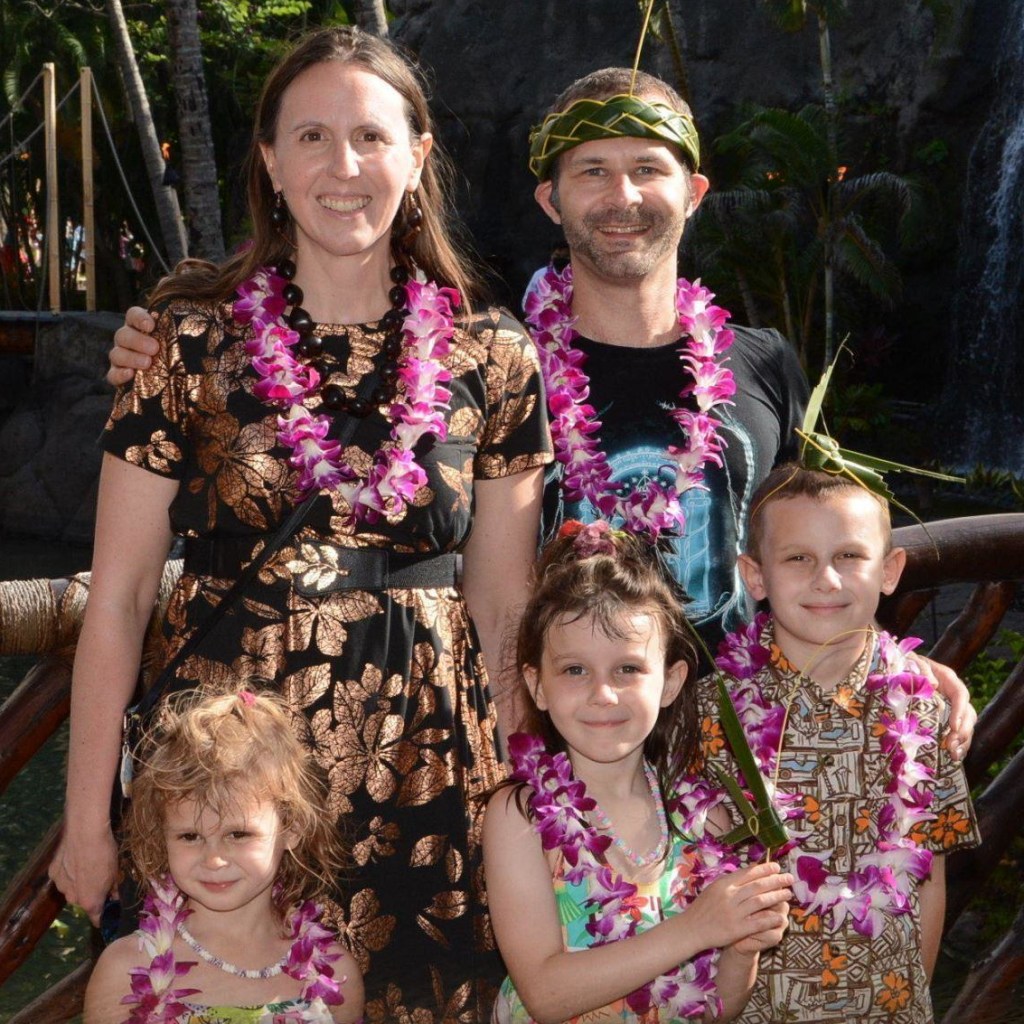
This week’s guest is Meghan Crozier, the writer behind The Pursuing Life blog and co-host of Thereafter Podcast. Meghan grew up in an Evangelical Free church and she was “all in”.

“I had my bible on my desk in middle school…so people knew that I was a Christian.”

After high school, Meghan attended a Christian university, signing a pledge to become a missionary. Her life turned out differently, and it took years to be content with that. Now, however, she is extremely thankful she never became a missionary. 

At the beginning 2020, when so much was changing in everyone’s lives, she clung to her faith. She journaled. She prayed for an hour daily and read her bible every morning.

“I don’t know what to do, so I’m going to pray through this. I’m going to try to figure this out.”

As the year progressed, she began to see other aspects of her church that she could not unsee—homophobia, gaslighting, ableism. Then the January 6th insurrection happened, and her church’s response to this disturbing event, Meghan knew she had to reconsider almost everything her life. 

“I’m a Person of Faith…ish.”

Meghan now holds her Christianity very loosely. She’s found community and connection through running half-marathons, social media, and her blog and podcast. Meghan is an important voice in the deconstruction world, influencing people with both the spoken and written word. 

“You have such a window into so many different pieces of faith change and deconstruction and discovering yourself.”

Twitter
https://twitter.com/thepursuinglife
https://twitter.com/thereafterpod

The Pursuing Life
https://www.thepursuinglife.com/

Thereafter Podcast
https://linktr.ee/thereafterpod

Prog/Post Xian Deconstruction Coffee Hour
6 AM PST / 9 AM EST on Twitter Spaces

Book recommendations
https://www.thepursuinglife.com/selfcare/books

Interact

Join the Deconversion Anonymous Facebook group!

Secular Grace
https://gracefulatheist.com/2016/10/21/secular-grace/

Deconversion
https://gracefulatheist.com/2017/12/03/deconversion-how-to/

Deconstruction
https://gracefulatheist.com/2017/12/03/deconversion-how-to/#deconstruction

Support the podcast
Patreon https://www.patreon.com/gracefulatheist
Paypal: paypal.me/gracefulatheist

Podchaser - Graceful Atheist Podcast

Attribution

“Waves” track written and produced by Makaih Beats

Transcript

NOTE: This transcript is AI produced (otter.ai) and likely has many mistakes. It is provided as rough guide to the audio conversation.

David Ames  0:11  
This is the graceful atheist podcast. Welcome welcome. Welcome to the Bristol atheist podcast. My name is David and I am trying to be the graceful atheist. Please consider rating and reviewing the podcast on the Apple podcast store and rate the podcast on Spotify. subscribe to the podcast wherever you are listening. The Facebook community continues to be a thriving place for people to connect every Tuesday night at 530 Pacific 830. Eastern there is a get together to discuss this week's episode. So if you are listening to the show and you have a very very strong reaction, and you want to talk about it with somebody, come join Facebook group facebook.com/group/deconversion links will be in the show notes. Special thanks to Mike T for editing today's podcast. On today's show, my guest today is Meghan Crozier. Meghan is a professor at a community college in the Pacific Northwest. She has a blog called The pursuing life that began as a Christian blog and has developed into a deconstruction blog. She is the co host of the thereafter podcast with Courtland where they discuss deconstruction and their experiences within evangelicalism. Meghan is a really important voice in the deconstruction community. She has a huge Twitter following and she hosts a weekly Twitter spaces on Monday mornings at 6am Pacific 9am. Eastern that is really filling a need and creating community within the deconstruction space. Here is Meghan Crozier to tell her story.

Meghan Crozier Welcome to the graceful atheist podcast.

Meghan Crozier  2:07  
Yeah, thanks for having me.

David Ames  2:09  
This has been a fun connection. Arlene who does our community management for our our Facebook group reached out to you she'd heard you on a number of podcasts and I think on a discord connection and asked you to if you'd be interested in being on the podcasts. And when she mentioned you. I was very interested. And now that I've listened to a bit of your work and read a bit, I'm fascinated by your position and all this. As I was thinking about this conversation, I was thinking we're kind of very close on the other side of the fence from each other so close. We can reach over and shake hands, right? Yeah, absolutely. So you are definitely still a person of faith. But you have been in the deconstruction world now for a bit. A bit of your bone a few days. You have a blog called pursuing life. And you're the co host of the thereafter podcast. Yes, yep. Fantastic. And then you're a bit of a Twitter phenom. It seems that you seem to have a pretty big following there as well.

Meghan Crozier  3:14  
Yeah, I mean, it's it's too bad. You can't get paid to tweet you know. It, it's fun. And it somehow it works for me. I don't know. I love community on Twitter. So for sure.

David Ames  3:27  
That's awesome. That's awesome. So let's jump in and I want to hear about your story. We often begin the conversation with what our faith tradition was growing up. So I'd like to hear what that was like for you. Was it meaningful? What was it like?

Meghan Crozier  3:42  
Yeah, so my story starts where a lot of stories start, right. I grew up evangelical. I was in a non denominational church. Actually, it was an E Free Church, but we were we were modeled largely after Willow Creek Community Church. I grew up in the Midwest, we were very close proximity wise to Willow. And I was I was all in man. I was the student leader in my youth group and I was at the pole See you at the pole. You know, I was there I had my Bible on my desk in middle school, you know, so people knew that I was a Christian and and I went to a Christian college so I went to North Park University in Chicago, they're affiliated with the evangelical Covenant Church. And I didn't grow up covenant but I just fit right in and yeah, so I was very closely almost became a missionary. I studied Spanish in college and for a lot of reasons that led me to becoming a bilingual teacher instead, which I'm so thankful for I'm so I'm so grateful that I missed that missionary mark, because yeah, it's a whole thing. And

David Ames  4:56  
we've we've heard one or two horror stories. Yes. Yeah,

Meghan Crozier  4:59  
yeah. I really and it's funny because one thing that I write about sometimes is I signed a pledge at Urbana in Urbana Conference, which is a huge missions conference through university to become a missionary after college for one to three years. And it took a long time to feel like becoming a teacher was okay, and that I hadn't missed this, you know, path that God was supposed to have me on and, and all of these things, and it's kind of a mindfuck how I thought that becoming a teacher was such a, you know, not the path or the right path for me. And looking back, I'm like, oh, man, I'm just so glad that I never was a missionary.

David Ames  5:41  
It amazes me how we treat teachers just in general, like, but specifically, you know, you comparing that to being a missionary, you know, it's quite a noble profession. It's really, really important. So, yeah,

Meghan Crozier  5:55  
yeah, yeah. And, and so one thing that happened during the pandemic is I wrote through my story, I had time, and I was, I was, I was trying to process you know, I was teaching at the time, and I was trying to process the shift that I was going through, because, you know, for my husband, we were all working at home, but he just, you know, he was at a computer already. And he just did it at home. And for me, I had to totally change everything. And I had to learn, you know, how to teach online, I was teaching first grade in Spanish. And so it was a lot. And so I initially started with writing, and I was trying to process and I really at first clung to my faith that was, you know, I was like, Okay, I don't know what to do. So I'm going to pray through this. I'm going to try to figure this out. And I wrote a memoir, and it was a memoir of prayer. And it was very evangelical. And it was, you know, I kind of called it from college to COVID. And I had prayed for, to like, for two years, I had prayed for an hour a day. And I was trying to trace these arcs of these prayers through, you know, 20 years later, and how I ended up as a teacher instead of a missionary and in the Pacific Northwest, and, oh, I might have written about the Prayer of Jabez. Like it was, there was some cringe stuff in there.

David Ames  7:16  
Sure. And it all makes sense time. Yeah.

Meghan Crozier  7:19  
Yeah. And people loved it. I, you know, people I went to church with it, my parents in my, you know, family and friends were like, wow, this is so good. And I just didn't sit right with me. And it something was off about it. And, and the more I was reading the Bible, I'm like, there's some really, really messed up stuff in here. And I am, this is not okay. And, and I was, you know, I have a whole healing story with my daughter that people tried to really push, you know, pray for healing. And she has a whole genetic condition, which is a whole thing. But and she's fine. But people tried to say, she was healed for what she wasn't. And so there was just a lot of stuff happening in messages that I was in a lot of political stuff happening that I wasn't comfortable with. And so I just that I mean, slowly, bit by bit, started to really question things. And, you know, you say, you're still a person of faith, and I'm like, I'm a person of faith ish.

David Ames  8:18  
Okay, all right. Yeah, you get to label yourself, that's fine. I really want to I want to explore, and if it's too personal, please say no, but this, the social pressure about healing, is, if you're not involved as an objective point of view, you know, you can see that there's a bit of manipulation there. But the as the person who is being prayed for, or the person who's the parent of the person who is being prayed for, there's a lot of social pressure to say, oh, yeah, it's a little bit better. It's incrementally better. And like, you can see how, you know, if we're being kind, well intentioned, care and hope, can lead to ultimately becoming wise, you know, basically something that that just isn't true. I wonder if you just explore that a little bit like, what was it that difficult for you as a parent?

Meghan Crozier  9:09  
Yeah, for sure. And so I mean, yeah, this is not a private personal thing. This I'm absolutely willing to share about this. But when, when my daughter was a baby, we found cysts on our kidneys. And we had no idea what it was. And so we went to a small group that it was almost like there was excitement about, oh, there's this mystery medical condition that we don't know what it is. And like, let's pray for this. And, you know, I was in therapy because it was scary. Because, you know, a doctor had said, like, she could be fine her whole life or she could be on dialysis by the time she's two. And that was scary, right? And so we were navigating that and going to doctors and going to clinics and trying to figure that out. And in the midst of that. We have people playing praying healing for her and we are in the Pacific Northwest. We're not far from Bethel. Well, we had people say you should get take her to Bethel. And we're like, oh, we're gonna take her to doctors. And, I mean, they didn't, we didn't have pressure to not go to doctors. But then every doctor's appointment became this framing of okay, well, this is have grown, but her kidneys are still well, God is working on those kids, you know, and it was just the framing of what is happening. And when she was five, we finally we had an MRI, we did a diagnosis, she has a condition called tuberous sclerosis, and she has a very mild form of that condition. And many kids, adults live with this condition. And there's a range of severity. And there's a lot of kids that have that are on the autism spectrum. And, and so there was a lot of messaging of, Wow, thank God, she's not this, or thank God, it's not this. And I was not comfortable with that messaging, because I'm like, there are very whole people that are living with different versions of this, this condition. And, and I cannot chalk my child up to and say, like, Thank God, she's not this person, because I felt like that was just so I guess ablest I have that terminology. Now, for it at the time, I was like, something's wrong about this, you know,

David Ames  11:24  
you know, again, on this side of deconstruction, I find it fascinating that it's never considered the opposite side of that coin. So your daughter was incredibly lucky to have a, a low severity version of this. Sorry, if lucky, is probably the wrong word. You know, what I'm trying to say that it wasn't, it wasn't more severe. And yet, you're now aware of people who have significantly more severe versions of this. And, and so that, you know, or given the example of COVID, right, you know, people who haven't had COVID aren't aren't able to recognize, you know, that there are people who will have very severe versions of COVID, or the, you know, they just had a cold, right. Thank God. Yeah. You know, and not, you know, recognizing the statistics, and particularly on the the subject of poverty. For those people who are well ensconced in the middle class, it's, it's very easy to think, Oh, well, you know, God loves me, without recognizing, you know, how many people who are praying every day to have food on the table on they don't have it?

Meghan Crozier  12:27  
Right? Absolutely.

David Ames  12:38  
I feel like I pulled you off off your storyline a little bit. But so the writing of the book looking at prayer over time, your daughter's illness, you started to have some pretty serious questions. And and let's take it from there.

Meghan Crozier  12:52  
Yeah, I would say you know, a lot of people ask what pulls what was what pulled the first thread for you. And for me, I was watching an evangelical megachurch, locally, I'm in the Pacific Northwest, I said that. But locally, we did a huge series on race. And that was it was great. Our pastor, you know, he it was almost like a docu series. He had traveled to Charleston, South Carolina, he had traveled to, you know, Montgomery, Alabama, and there was a lot of really good stuff in that. And then, you know, there was a lot of chatter about well, he's not afraid to lean into difficult topics. And I was like, what does that mean? And I discovered that his prior church, he had preached a very well known series called God in homosexuality, and dove into that, and I was, you know, it was the first time that me as you know, assists at White woman really saw what was being asked of the queer community. And so I saw, I watched him go through, you know, you know, you have three options. If you're queer, you can be celibate for life, you can force yourself into heterosexual marriage, and that might be fine. Or you can, if you, you know, do live into your full identity, you're just really not living God's plan for you. And so I started to just started to listen to myself for the first time and say, hold on. And as I started to share with other people, the reaction was so wild. And I was like, Wow, there's so much homophobia and what and, and I, it's hard to say that now. And now because I have so many queer friends now. And I and I just think I was blind to it for so long. And there were so many ways that I just fit right into what was being asked of people in the evangelical church. And so I just really didn't wake up to the exclusion and the hate and now I see the depth of the harm and how far it goes. And I've, of course, you know, looking at colonization and all these other things. It just opened the door for me.

David Ames  14:54  
Yeah, I think that a lot of the missional you know, seeker friendly churches don't realize that by by not being positively affirming, they are non affirming. And they feel like they can get away with ignoring the issue. Don't Ask Don't Tell kind of thing. And yet they are causing harm. Active harm.

Meghan Crozier  15:16  
Yeah. And I think, you know, well, I mean, I could talk about that forever. But I will just say that what is happening to is, there are parents that are being pressured to disown their children, when they come out as queer now, and I just, I see things like that happening. And it's like, okay, you can either choose God, or you can choose your child, what are you going to do? Because your family is just here for now. So, you know, God is eternity. And the messaging is so awful about that. And, and, you know, you see what the damage that it does to people trying to sort through their identity and, and, you know, growing up with messaging that says, you know, I'm, I'm inherently wrong for being this way. And so yeah, it's, it's infuriating.

David Ames  16:01  
Yeah. I am amazed by how many says hit people, one of the major factors of their deconstruction is the treatment of the LGBTQ community. And in that, you know, it's not their personal experience, necessarily, but that they begin to recognize the humanity of this person is being is being minimized, it's being reduced in the same way that racism does. And, and that that is such a catalyst for people to begin to reevaluate. And why I find that fascinating is it's really a moral argument, one that from the evangelical point of view we shouldn't be able to make. And yet it is very strong. I feel like I didn't really understand the term righteous anger until about 2016. And then it was like, Oh, this is what, that's what that feels like. Yeah, kind of having a sense of this is wrong. Justice is not being served here. And something is missing.

Meghan Crozier  17:04  
Yeah, absolutely. And I think that in the context of what was happening politically, I mean, I this is going to be tallied on how new I am to deconstruction. But I will just say, I was still going to this mega church, when somebody reached out and said, hey, you know, there's a progressive church in Portland that that has some of your same deal breakers, and I've seen you write about this. And after January 6, I watched both online, and I was in I was, I've never been one of those people. That's like, if your pastor doesn't preach about this on Sunday, walk out, just do it, you know, but it just, I think, the watching what had happened on Wednesday, January 6, and then going to church and having this like, lovely talk on making good habits. And, you know, making sure that you sometimes it might be helpful if you read your Bible before you drink your coffee, so that you know you get that time in and then going to this progressive Church Online and just having space held to say, how were you feeling on Wednesday? How are you feeling right now? Let's talk about that. And I was like, whoa. And that was that was the last time that I had opened that, you know, the Facebook page for that mega church because I was like, I you know, I think I'm just gonna just admit that I'm deconstructing and so yeah, I'm new in this.

David Ames  18:29  
Ya know, I can hear that a little bit. Yeah, that it's also the that exciting time where you, you know, at some point, I call this the permission to doubt phase right? Or the information seeking phase where, like, up until this point, you have a lot of things happen to you, that cause you to question, but at some point, you take the kind of proactive step like, Alright, I'm gonna take, I'm gonna take responsibility for this, and I'm gonna go learn some things and decide what I believe or don't believe it's terrifying. But it can also be really, really exciting.

Meghan Crozier  19:01  
And I mean, exciting is a word. I mean, it can be like, it's, I wouldn't recommend somebody to just like, hey, this is an exciting journey. But yeah, it's magical, airy, maybe. And, yeah, it's it's work.

David Ames  19:26  
On that note, you know, we throw the word deconstruction around. I have a definition in my head. I'm curious how you define it. And is that something that you are recommending is a strong word, but is that something that you're you're active for people online to begin questioning that kind of thing?

Meghan Crozier  19:45  
Cool. Yeah, that's the L. That's a two parter. So yeah, deconstruction. I probably have a different definition by the day. But I really believe it's a process of leaning into those doubts that you have have an understanding and, and really, you know, for me starting to understand that the inherited faith that you've had your whole life might have been, you know, you might have been taught an interpretation of something. And that, you know, there are other interpretations out there, you might realize, oh, there's other faith traditions out there that, you know, better match what I'm looking for, and what my value system is, and what my deal breakers are. And, you know, for some people, there's people that say, you know, this is not for me, and, and so I really feel like it's an ongoing, never ending journey. I really push back when people say I've deconstructed but I, you know, I think I'll, I'll say this is kind of when I started deconstruction, and it's, it will probably be going on forever. I still use the term progressive Christian, I hold it very loosely, there are times when I wonder if it's just to stay comfortable, because it's scary to let go of that. And so, but I'm willing to admit that and sometimes I say agnostic, Christian. But yeah. And then I on the second question, I was recently in a conversation on Twitter spaces about this where the question was, should we be evangelistic about deconstruction? And even though that phrasing kind of sucks, and people said that, which is fair,

David Ames  21:27  
I hate that sentence. But anyway, yeah.

Meghan Crozier  21:29  
But, you know, it's a shortcut to asking the question, right. And so it's a language to speak, some of us speak. And so there was a lot of really good conversation about, you know, not trying to push people out of their faith or what you know, their value system, but yet wanting to really point out the harm, and really help people understand, hey, this is super homophobic, and this is super queer phobic. And this is super colonizing, and, you know, and all of the things and help people understand and the harm towards women. And you know, my dad and I have had conversations where I'm like, your experience in the church has been a lot different than mine, as a woman who grew up in purity culture. So I mean, and that's, you know, we can go there, if you want.

David Ames  22:27  
I think that unless you want to head down that road, I think what I'm more interested in is, it sounds like you were active. I don't know if you'd say leadership. But you know, you were a voice in the Christian world, right, writing a book, you had people that were listening to you, I believe your blog was originally more Christian oriented. I'm curious what the response was, as you began to change, and publicly so

Meghan Crozier  22:52  
yeah, so once I wrote my book, I started to kind of explore what what will I do with this, and the blog came after the book, and there are posts on my blog that are not public anymore, about prophecy, and it's great. And, but I knew that if I wanted to be an author, I would have to build a platform on social media, I did not have that. And so I started this the pursuing life, which I still hold to that name. And I think there's something to be said about an ongoing pursuit of truth and what matters. And so it you know, it was interesting, because I did have initially connections with, you know, people I went to college with, or people that used to be my mentors, or people I was in small group with, and slowly as I started talking about pro choice things, and, you know, being queer affirming, and things like that, I would get messages. It was like, interesting thing that you said, Are you and, you know, pro and with a lot of language that I don't even want to say, because it's super nasty, and I and just so dehumanizing. And but then on the flip side, I would have like a neighbor that would reach out quietly and be like, Hey, I've been reading these blog posts that you're putting on Facebook, and I went through this, and I feel so seen. And, you know, I or, you know, I really feel like I could talk to you about this, can I let you know, and it was like, that was the beauty of it. Because even though it was hard to have people, you know, be so assuming about things and not want to have a conversation, but just kind of direct me away from what I was talking about. It was beautiful to really connect more deeply with some people in my life and then new people and you know, you can see now there's, I've been part of building community. And so it started as platform building and now I really see it as community building. Wow.

David Ames  24:56  
Yeah. Fantastic. I definitely want to talk about community Need, I'm gonna pause there for just a second and say, I think an answer to the question earlier about being evangelistically. Towards deconstruction, I always think that my goal is not to make more atheist or more deconstruction, my goal is to be the place to land for those people who have already began that process, right? Or those people who can no longer live with it at all. And to be that safe place. And yes, just by being public, you know, you're putting it out there. There's there's some element but I feel like like your neighbor, there are many, many people sitting in pews questioning themselves and, and feeling alone and isolated, and not realizing that there's this huge wave of people who have been going through the same thing been asking very similar questions. And and I think the answer to that is community so yeah.

I know that you've been doing like clubs, clubhouse and Twitter spaces and things of that nature. How did that come about? And how's that been working for you?

Meghan Crozier  26:14  
So interesting. Really early on some when I was, you know, still kind of trying to figure out well, what was going on, somebody reached out and said, I feel like clubhouse would be a good medium for you just the way that you are and the way you want to connect with people. And immediately after I joined somebody from my profile, my friend teal, short, he lives in Chicago, and he lives in an intentional community. And he's a progressive Christian. And that's how I had identified on my profile. And he was like, I really feel strongly about community. But it's so hard right now with the pandemic. And I just What would you think about having a weekly room to pull people together to talk about stuff, and it was beautiful, and the conversations were amazing. And we had our first our first night was about LGBTQ ally ship or something like that, which now I look back, and I'm like, wow, I really said that, huh? Like I called myself an ally, I would okay. But it turned into this beautiful community, there's something to be said about live audio conversations that aren't being recorded. There's nobody trying to one up or get likes or retweets, and just kind of come there. And through that, I connected with some other people that and I was on some deconstruction panels. And it was so early. I mean, this was January of 2020. This was, you know, I told you, I mean, this was just a couple of weeks after the insurrection where I was still kind of processing. So I always say, you know, I will be moderating the clubhouse room on music. And, you know, I would say something like, God, I can't listen to worship music anymore, because it's so triggering for me, because the organizations that put out what I used to listen to were complicit in this insurrection. And I would mute they would go on, and I would be like, on the floor, sobbing, like, what am I gonna do with me, like, what music is gonna carry me like, I had so much grief over the loss of things that comforted me that I, it was hard, but I was processing it in community. And that kind of led to Twitter spaces. And what I do now, and I have, you know, deconstruction, bookclub discord and things like that. And then, you know, that's how I connect with Courtland. And they started co hosting their after pod and, and I just became this thing where, and I think people saw that authenticity, and they were like, I, I don't know if people resonated or connected or what, but I think just knowing they weren't alone. And that's a powerful thing, I think.

David Ames  28:46  
Absolutely. I think my experience so far has been, you know, once people find some community at all, they read, and they begin to say, Hey, I feel this way about this thing. And 10 people come along and go, Oh, that's me, too. That that experience, that recognition of one story being told by someone else, is incredibly cathartic and has some healing elements to it.

Meghan Crozier  29:12  
Yeah. And I will say one other thing is, and I share this a lot, and it's just a small piece of it. I was also I taught for 15 years, and I was leaving my teaching career at the time, too. And so I was just unraveling everywhere I was, you know, going through faith change, career change. And so I think, too, I was very vocal about not being a person that had all the answers. And I think that's, that's the thing that draws people in sometimes is like, Okay, who I have totally put all my hope in these pastors that I thought had all the answers for so long, or this church that I thought had all the answers to this faith tradition, and it's I think there's something comforting about being in community with people that don't try to make it seem like they have all the answers and you They're totally together whole people. You know, I'm super vocal about therapy too. So

David Ames  30:05  
we're very pro therapy here on the podcast.

Meghan Crozier  30:08  
Yeah. I love it

David Ames  30:19  
I want to talk briefly about the thereafter podcast I listened to when you were interviewed on the show. And then, you know, a bit later their second season, you became the co host. I'm curious what that process was like, because as a, you know, again, I haven't listed a lot of them. But from my perspective, it was like, here have this podcast, they just handed you the reins, which is great. But I'm curious, like, were Was that something you were looking for? And how has that been for you as as an outlet?

Meghan Crozier  30:49  
You know, I had thought it would be fun to have a podcast, I didn't really know why or would or, you know, I'm glad I didn't do it when I was writing my book, you know. And I have become good friends with Courtland. And that's a whole thing too. I think I've made some I write about this, sometimes I've made some really close friends that are men, and that has, its new and I really fiercely advocate for it is possible to be friends with people and close with people that aren't your partner and have good healthy communication about boundaries and, and know, you know, where things are at. And, and I love it. And I think you know, there's this messaging for so long that you should just not be close with anyone that's not your partner. And so anyway, Carolyn and I had become good friends. And his first season was awesome. But his co host wasn't going to continue on for the second season. And so I, you know, just kind of happened, I was kind of like, Hey, I'm thinking about doing this. And we had a conversation that was like, what if, what if this is what it looks like, and started to kind of have talks and there was a, I run, I have this big goal to run a half marathon in every state. And so I was flying through Denver, and he came to the airport and we sat down and had dinner together and talked a little bit about it. And, and I love it, I it's just been so fun to sit down like you're doing I'm sure the you know, and have people share their journeys and have people you know, process and you see so many you have such a window into so many different different pieces of faith change and deconstruction and discovering yourself and all of those things. And so it's been really fun to connect with people. And also like, it's just yeah, it's it's a, it's a fun thing.

David Ames  32:44  
You guys, I sound like you've been doing it forever. It's very well produced. Courtland has that radio voice thing going for him? sounds it sounds, it's a great podcast. So I recommend it. So we'll definitely links in the show notes for people to find that

one of the episodes that I listened to you in Portland, we're talking about the evangelical response to deconstruction. And this has been one of those things where I find it so infuriating that I hold back a lot like, you know, I've gone on some friends podcast, to vent and to be less than graceful. To say how bad it is, I've interviewed a couple of people who are in the evangelical world who consider themselves experts on deconstruction. And what I find most often is that you can tell they've never actually spoken to someone who is in the middle of deconstruction or or, or, you know, deep on the other side. So I'm curious from your perspective, what you think of the evangelical response to this moment in time that we are having?

Meghan Crozier  34:04  
Well, I'll say this, I think a lot of the people actually might have spoken to people at deconstruction, but they've never listened to people. Yeah, yeah. And I so I think that there's a lot of pastors that look around and they see this hashtag or they see you know, videos, or they see people unpacking and, you know, like me, people are living their journeys out loud. And they it's like, they want to jump in there like I want to, I want to have a pulse on what's happening here and so they bring their hot takes, you know, there's the matt Chandler that says, people just think it's a fad and that it's sexy and they never had to pay to begin with and Joshua Ryan Butler had his for reasons people deconstruct and, and it was, you know, it's, it's to be cool to for street cred, you know, and it's, it is is infuriating, it feels because this journey is so personal. And because the first time I sat down with the the pastor at the faith community I've been part of and said, I'm going through deconstruction, and he was like, take care of yourself. Like, this is like really, you know, be kind to yourself. And it's like, he knew, you know, and these people that are making their hot takes, it's like, you have no idea how how much grief there is on this journey, you have no idea how hard this is. I mean, I, I said, I'd be like sobbing on the floor. Like, you just have no idea because it was because I was reading the Bible and, and seeing, you know, David fight, like winning over wives for you know, as part of a war prize and things like that. And I was like, no, like, I just, I could not, I could not do it anymore. And, and I and a lot of them are, you know, white men that have a lot of benefits from their position, and you know, and keeping their position. And so it is it's infuriating. And what's even more frustrating is those people that I mentioned earlier, that have you know, pushback on the things that I say they'll send me articles, and they'll be like, Hey, I saw this article in Christianity Today, about deconstruction. And it really made me kind of understand a little bit more, and I just want to be like, no, like, please, it does not make you understand a little bit more. And so that's the frustrating part. Because I think Christians that are trying to understand what's happening to their friends that are leaving the church are reading this stuff, and they're like, oh, okay, I feel comfort and like they never had true faith to begin with. And it's like, no, no, that's not it. And so I think there's, it's it's really false messaging, and it is very infuriating.

David Ames  36:51  
In my Kinder moments, I try very hard to understand the position that particularly pastors are in. And having both sides of understanding both sides of that equation, I realize you realize that the very thing they are recommending, get closer to God read the Bible more, pray more, are the things that most people in deconstruction are doing, they have doubled, they have tripled, they have quadrupled down. They are working, you know, to maintain their faith, and they are being dragged away, kicking and screaming. And that's the part that they don't seem to understand. And I think you've said it really well that it is really a grief process. It is the process of losing many, many things, the intimacy of a relationship with God, the community, friendships, family, in some cases. And so while you're going through this grieving process, and someone is saying from a pulpit that you were never a real Christian, it's pretty, pretty devastating, pretty hurtful.

Meghan Crozier  37:52  
Yeah. And I think, you know, to tell somebody that's healing from religious trauma. And I would say, my journey is like fear, like, you know, when I say that, I just, I have so many folks and community that I'm in community with that have had more severe trauma than I have in all of this space. But to tell somebody that's going through very severe trauma, you need to find healing from trauma in the institution that traumatized you. That I mean, it's just it's so bypassing of what's really going on and and or they say, it's really not trauma or it's really not, you know, what you're saying it is or it isn't that bad. And I think that you know, which is gaslighting? And then or they're just, this is my favorite. Why What about the good that happens from it that like people try to say like, but but this pastor even though he was an abuser, like there were he wrote some really good books, and it's like, no, like, no. So yeah, I they just don't get it. They really don't. And they're not listening to people that are hurting.

David Ames  39:06  
You mentioned earlier that you person of faith ish. So I'm curious, what are the things and you also talked about, you know, what music will carry you through things? So what what are the things that you now find as spiritual however, you'd want to define that spiritually fulfilling for you?

Meghan Crozier  39:27  
Yeah, so it took me a long time to close my Bible. I you know, and I, there was I had been during the pandemic, I had been had this habit of journaling and reading my Bible, and I, you know, and Enneagram one, it was just like, he liked to follow rules and have that kind of thing. And I was in therapy, and I was constantly saying, This is so triggering for me, this is so hard for me and my therapist was like, what if you didn't read your Bible? And I was like, what would I do in the morning? She was like, What if you read other things, and I started reading Brene Brown and I started, you know, reading other things. And then I started, you know, reading authors of color and queer authors and just really having more routine and structure around that instead of you know, that instead of trying to force myself through something that was not healthy for me. And I also started a vinyl collection. And I just really was like, I'm gonna reclaim what the role that music has in my life, because I am a runner, I run to music, I ran to playlists, and I needed to have a I have things that I resonated with. And so that has been amazing. And it's funny, because I, I read a lot, and I have not dug into all the theological, all of it, you know, like, all of the things and so Christians will try the Theo bros, you call him on Twitter, try to come at me with, you know, do you really think like, what do you think about hell? And what do you think about, you know, all of these things, the resurrection, and I'm like, you know, I don't really know right now. And I'm actually okay, not knowing that's not something that I'm sitting with, you know, trying to understand I'm okay, just kind of setting it aside, and really just saying, I don't know. And that's very infuriating. You know, I talked about having a, like sex positivity, and people get real mad that I, you know, push back on people trying to preach abstinence. And they're like, that is the biblical sexual ethic. And I'm like, Really, it's not. And they get so furious, because they want to tell me that I'm not a Christian. And I'm, like, you know, believe whatever you want to believe, like, you have no way of having, you know, deciding what I am or what I'm not. Right. And so I think, you know, like I said, I have that label ish. And I don't know it, well, I have it forever. I don't know, do I, you know, am I uncomfortable with it? Not really, but it's not something that I will ever hold grip onto, like I have in the past.

David Ames  42:02  
And one of the things we've talked about on the podcast is that, you know, you own the privacy of your own mind, and no one has access to that you choose to reveal what you want to to people who are safe and trustworthy, and you don't owe anybody else, anything else. So they have no access to that.

Meghan Crozier  42:22  
Well, and I do think that the way that I approached my faith is what I mean, you know, my co host, Courtland for the podcast is an atheist. And I mean, it's what has given me the opportunity to have these beautiful friendships with people of all different faith traditions, or non faith post faith traditions, or non faith traditions, you know, and so I think, you know, the fact that I hold it loosely, I don't feel this urgency to try to convert other people to what I believe in. And I, I love listening to what's meaningful to other people, right. And so if somebody's finding meaning in other traditions, I love it, I'm here for it, I want to read about it, I want to learn about it.

David Ames  43:08  
So selfishly, you've mentioned running a few times. I'm a runner, and I, I talk about all the time that you know, I don't meditate I run. And it is so important to me as a as mental health. And I know that that is also a privilege that not everyone will be able to run, but I recommend that people do something, some kind of exercise something, get out of the house, move around, get out in the sunlight, that kind of thing. That's really, really good for you. So I'd be curious if that is that's meaningful for you. And tell tell us about the half marathons in every state.

Meghan Crozier  43:44  
Yeah, so it's, you know, it's just kind of a fun hobby, but half marathon, I just feel like it's a good distance. For me, it pushes me to have those, you know, 789 10 mile runs on the weekends, but and you know, kind of stick to a schedule on the weekdays. That are it's a little shorter, and do it more doable. I've done a couple marathons, it kind of tears up my body a little bit too much. But I'm gonna say this because it has been part of my deconstruction is trying to navigate this. And so I think it's an important piece. For a long time running was very tied to my spirituality. I felt like it was, you know, God gave me the strength to get through that run. I was listening to worship music on the run, I was crossing the finish line to I'm no longer a slave to fear, you know, and it's just a coup. So I will say this, sometimes what I do, just to try to I live in the Northwest, and so to try to knock out some of those East Coast states. I will run a back to back half marathon. So I'll do one on Saturday and one on Sunday. I just did that last October. I did West Virginia and Maryland. And it's so what I do is kind of a typical training cycle, but I'll do double long runs on the weekends. And so I'll run on Saturday and Sunday. And I had this experience when I was training for that Um, West Virginia, Maryland, where I spent, you know, a weekend running. I'm not fast, I don't go for time I wouldn't be able to run, you know, for half marathons a year or six or whatever if I did. But I had this weekend where I went out on a Saturday morning, I was running for like, a couple hours. I went out on a Sunday, I was running for a couple hours, and I got in my car, and I was just like, sobbing. And I was like, What is going on here? And it was like, I felt like I got my body back. Like, I felt like I did that. Like, I felt like I worked hard. I got up, I hit the trail. I did it. I was listening to podcasts, and audiobooks. I listen to all kinds of things. And it was all for me. And it wasn't this. Like, I was like, Finally, I've reclaimed the role that this has in my life too, because I felt like I worked hard. And I knocked it out. And I did a great job. And I slayed you know, and I was like, wow, that was amazing. And so I think that's what running has done for me. And you know, whether I'm consistent every day, not really I've you know, and it's also helped me learn to not be perfectionistic about something because I'm like, you know, if I walked or in a race, that's fine. If I you know, if I don't go running on Monday, and I hit it on Tuesday, that's great, too, you know, so it has been it has been life giving for me.

David Ames  46:18  
Definitely for me, too. And in my case, age knocks out the need for speed there. I just want to be able to keep doing it, you know, yeah. Great mechanism for listening to podcasts as well. So for sure. Meghan, thank you so much for for being on the podcast, I want to give you a moment here to share all the myriad of things that you're doing. How can people get in touch with you or interact with some of your work?

Meghan Crozier  46:44  
Yeah, well, the best place to find me is on Twitter. And I am super responsive. DMS, comments, things like that. And so I'm at the pursuing life on Twitter. Check out the podcast. We love hearing from people that have listened to episodes and connected there after pod on Twitter. They're after podcasts on Instagram, and it's on all the platforms you can listen to. And I do have a blog, the pursuing life.com website. I'm kind of working on revamping it. Like I said, there's some older stuff that I'd love to update, edit, respond to. And keep an eye out because I have some writing things in the works. But yeah, like live conversations. We do Twitter spaces every Tuesday morning at 6am. Pacific Northwest time and so are Pacific time. I just must love to say the Pacific Northwest. Times. Sorry, I just I really do like it here. But don't tell anyone because we're good. But yeah, and I mentioned a deconstruction. Discord that's open, people can jump in. So if people want to see what that's about, they can send me a message and I can get them the link. And I think yeah, I think

David Ames  47:57  
that covers it. That's awesome. Thank you so much for being on the podcast.

Meghan Crozier  48:01  
Yeah, thanks for having me.

David Ames  48:10  
Final thoughts on the episode. Meghan is truly fascinating in that she is in some ways in the early stages of deconstruction, when I said it's exciting, she pointed out that it's also very difficult that it's work. And at the same time she has become a central voice within the extra angelical deconstruction community. It's always fascinating when someone deconstructs in public the way that Meghan has, she began as a Christian blogger and was writing a memoir about prayer. And then to go through the questioning phases and identifying what you no longer hold to be true. Obviously, in Meghan's case, a lot of embracing the LGBTQ community recognizing the racism within evangelicalism, and the harm that comes from that, as I mentioned in our conversation, that that's truly a moral argument. And it is weird in many ways for us on this side of deconstruction to be making a moral argument. When evangelicals act as though we have no moral standing. I was deeply touched about Meghan's daughter, and I appreciate her being willing to share what could be a very painful part of her life with us. I am struck over and over and over again from people's stories about the dark side, the dangerous side of the concept of prayer for healing and the social pressures that a person is under to say, Yes, something is better. And especially if it was your child. I can't imagine the kind of suffering that that would cause I'm very glad to hear that her daughter is doing well these days. I appreciate Meghan's honesty and saying that she's a person of faith ish that she sometimes calls herself a progressive Christian, she sometimes calls herself an agnostic Christian. That is kind of what I've been trying to capture this early part of the year is those people who are really in the middle of it, although my core audience does tend to be the D converted, deconstruction is a part of that process. And not everyone will land in deconversion. But it is good to hear voices who are processing. Right now, in the middle of those kinds of questions. I have now quoted Meghan several times, in reference to my saying that many of the hot takes on deconstruction show that those thought leaders, quote, unquote, have not ever spoken to someone going through deconversion. And she corrected me and I thought this was really insightful. It's not that they haven't spoken to people who are going through deconstruction, it's that they haven't listened to them. And I imagine that you listener can relate to that, that it's very hard to be heard when what you are trying to tell them is threatening to their identity to, in some cases, their livelihood, and something that is so deep as faith. One of the most important things that Meghan is doing is that deconstruction voice against evangelicalism against the backlash from evangelicalism towards those of us who have deconstructed or deconstructing, I think that is an important role that Meghan is fulfilling. I want to thank Meghan for being on the podcast, I appreciate the vulnerability, talking about grief, talking about her experience with her daughter, talking about the work that deconstruction is, we need to hear that we need to understand that it is a process of grief, it is at times and existentially difficult time in one's life. I appreciate Meghan's honesty, and I think she is a significant and important voice within the deconstruction community. Thank you Meghan, for being on the podcast. I'm all over the board on a secular Grace thought of the week I have several things that are just popping to mind having read listened to Meghan's interview. First is the true downside to prayers for healing. And those of us who were a part of a charismatic or Pentecostal faith tradition, or had a more full gospel perspective within a Baptist or Reformed theology, will have that experience of the expectation as someone has prayed for you that you are prompted to say, Yes, I feel better the headache is gone. So much of the apologetic argument about healing is questionable not because I think people are lying, but because the kinds of studies that have been done on healing are very rarely double blind, scientific studies. And therefore the people who were the subjects have a motivated reason to say that they got better. And therefore those kinds of studies are just not valuable. But really, what I wanted to talk about is the pain of being the person who is ill put the pain of being the person who is disabled, the pain of being the parents of the person who is ill. What begin is well meaning and well intentioned, and trying to show care can turn very quickly into something painful, and something that induces suffering. So much better to be like Meghan, and just to be present with someone as they are going through difficult times. As you've heard me talk about losing my father in law, I've recently learned from a nephew of mine a really powerful way to try to be present for someone who is going through grief or some suffering, and that is to ask them, Do you want to talk about it? Do you want to have space? Or do you want to be distracted? And that's really powerful. Because sometimes if we just say, What can I do for you, the person who is in the middle of grief of some suffering, doesn't have the emotional capacity to tell you what it is that they want, but they can answer those simple questions. It's a practical way of being present. Letting them know that you care without putting social pressure on the person who is in need to have to say the right thing or do the right thing or live up to some expectation. The other thought I had was about the evangelical response to deconstruction and how we respond to that response. As I mentioned in the episode, I get very, very frustrated that that, especially for very public evangelical leaders, and again, they show as Meghan pointed out, that they have not listened. I've said before that if they truly did understand us, they would be condemned. instructing themselves. And in some ways that relieves the burden, that we know that we won't be able to convince them, because we wouldn't have been convinced double. And if they did understand they would be on their own deconstruction path. Having said that, I do think it's very important that we represent deconstruction and deconversion, atheism, secular humanism, agnostic, whatever label you choose for yourself, that we are moral, that we do have a sense of purpose and meaning that all of the shortcut dismissals from the evangelical response are incorrect. And one of the ways that we do that is by doing so in public, I don't expect everyone to have a podcast, I don't expect everyone to have a blog. But for those of you who do, or are interested in doing so, every little bit, makes an impact. The last thought is about the community that Meghan is creating with the Twitter spaces on Monday mornings. You've heard me go on and on about community about the deconversion anonymous Facebook group, but also we are nearing the end of the pandemic. And we need to begin to look toward a in person connection. And I just encourage you to think of ways that you can create community, wherever you are. As I keep saying, we've got a long slate of really amazing interviews coming up we have Marla Tobiano coming up, we have April, a joy from Instagram fame, Ryan will kowski who is a secular humanist hospice chaplain, we have community member Bethany coming up and also Luke Jansen of the recovering evangelicals podcast. So I'm excited to share all of those, we do have a bit of a backlog. If one of those people you're really excited about don't panic, if it doesn't come out in the next week or two, it will be there. And until then, my name is David, and I am trying to be the graceful atheist. Join me and be graceful human beings, it's

time for the footnotes. The beat is called waves for MCI beats, links will be in the show notes. If you'd like to support the podcast, you can promote it on your social media. You can subscribe to it in your favorite podcast application, and you can rate and review it on pod chaser.com. You can also support the podcast by clicking on the affiliate links for books on Bristol atheists.com. If you have podcast production experience and you would like to participate podcast, please get in touch with me. Have you gone through a faith transition? Do you need to tell your story? Reach out? If you are a creator, or work in the deconstruction deconversion or secular humanism spaces and would like to be on the podcast? Just ask. If you'd like to financially support the podcast there's links in the show notes. To find me you can google graceful atheist. You can google deconversion you can google secular grace, you can send me an email graceful atheist@gmail.com or you can check out the website graceful atheists.com My name is David and I am trying to be the graceful atheist join me and be graceful human beings

this has been the graceful atheist podcast

Transcribed by https://otter.ai

Jeffrey Caldwell: Humanist Hospice Chaplain

Atheism, Humanism, Podcast, Secular Community, Secular Grace, secular grief
Click to play episode on anchor.fm
Listen on Apple Podcasts

This week’s guest is Jeffrey Caldwell. Jeffrey grew up in Lancaster county, PA in a liberal denomination set in a conservative area. As a child, church was “okay,” filled with the usual things—bible crafts in Sunday school and singing in the choir. His family was “quasi-religious,” so no one was ever pressured to believe anything.

Jeffrey doubted whether Christianity was real throughout middle school. Neither his parents nor his siblings took it very seriously, so he left church in high school but was still searching for meaning. 

Music, books and movies filled the space that religion often does. Eventually, his interest expanded to include philosophy, politics, social justice, all influenced by the “oldies” his dad played in the car. 

“I was fascinated by this idea of just ordinary, everyday people banding together to solve whatever problems they were facing…”

In his twenties, Jeffrey struggled with mental health issues and after a surprise encounter with a church youth group, he knew he was missing community.

“I recognized instantly that that’s what I was looking for in my life, some place where I felt like I belonged, some place where I felt like people valued me for who I was. But at the same time, I realized that I wasn’t a christian.”

He didn’t fit in with the traditional religions, so he tried the UU church. Then he got involved in progressive politics and social justice, and eventually went to seminary and became a chaplain.

“Learning to be a chaplain was learning how to sit with people who are in pain and distress and not be overwhelmed by their pain and distress.”

Now, Jeffrey has a thriving online and in-person community, Connections Humanist Community. Each week, people share stories and conversations. The members belong to a  community where they are valued and heard. Jeffrey is living out what it means to be a “graceful atheist.”

Connections Humanist Community
https://www.meetup.com/connections-humanist-community/

Interact

Join the Deconversion Anonymous Facebook group!

Deconversion
https://gracefulatheist.com/2017/12/03/deconversion-how-to/

Secular Grace
https://gracefulatheist.com/2016/10/21/secular-grace/

Support the podcast
Patreon https://www.patreon.com/gracefulatheist
Paypal: paypal.me/gracefulatheist

Podchaser - Graceful Atheist Podcast

Attribution

“Waves” track written and produced by Makaih Beats

Ask Me Anything 2021

Atheism, Critique of Apologetics, Deconstruction, Deconversion, ExVangelical, Humanism, Podcast, Religious but not Spiritual, Secular Community, Secular Grace
Listen on Apple Podcasts

Ask Me Anything 2021.

Questions from Sheila, Emily, Rick and Mark, Jimmy, Arline, Judah, and Matt.

Deconversion How To
https://gracefulatheist.com/2017/12/03/deconversion-how-to/

Still Unbelievable
https://anchor.fm/still-unbelievable/episodes/Episode-39—Deconstructing-a-Deconstruction-Deconstruction-els542
https://anchor.fm/still-unbelievable/episodes/Episode-64—Discussing-Sean-McDowell-and-John-Marriot-on-deconversion-part-1-e195h0h

Paulogia on Babylon Bee’s ExVangelicals
https://www.youtube.com/watch?v=IMFQJPKYK28

Exvangelical on Evangelical response to Deconstruction
https://www.irreverent.fm/show/exvangelical-1/on-the-deconstruction-discourse/

Secular Grace
https://gracefulatheist.com/2016/10/21/secular-grace/

Anthony Pinn
https://gracefulatheist.com/2020/08/23/dr-anthony-pinn-humanism-and-race/

Amy Rath
https://gracefulatheist.com/2021/06/06/amy-rath-nonelife/

Bart campolo
https://gracefulatheist.com/2020/07/09/bart-campolo-humanize-me/

Why I am not an Anti-Theist
https://gracefulatheist.com/2017/10/17/why-i-am-not-an-anti-theist/

My Deconversion Sotry
https://gracefulatheist.com/2016/09/10/common-message/

Interact

Support the podcast
Patreon https://www.patreon.com/gracefulatheist
Paypal: paypal.me/gracefulatheist

Podchaser - Graceful Atheist Podcast

Attribution

“Waves” track written and produced by Makaih Beats

Transcript

NOTE: This transcript is AI produced (otter.ai) and likely has many mistakes. It is provided as rough guide to the audio conversation.

David Ames  0:11  
This is the graceful atheist podcast. Welcome welcome. Welcome to the graceful atheist podcast. My name is David and I am trying to be the graceful atheist. I want to thank my latest reviewer on the Apple podcast store. Thank you to Jay eight G I ll E. I appreciate the review on the Apple podcast store. You too can rate and review the podcast on the Apple podcast store or pod chaser.com. Thank you. For those of you who don't know yet, we do have the deconversion anonymous Facebook group that is a private Facebook group, there is a thriving community there, I really encourage you to participate. This will be the last episode for the 2021 calendar year, we'll have an episode that will drop on January 2. By doing every other week during the month of December, Mike and I have been able to have a bit of rest. So I hope you don't mind too much. Thanks to Mike t for all the editing in 2021. But he is off on this episode. On today's show. Today's episode is an Ask Me Anything episode. We did this kind of in a rush. I had asked for questions a couple of weeks ago, and people waited to about Wednesday of the week before I'm releasing this episode. So what you'll notice is I have some very long answers and some relatively short ones. And that it was to try to get everybody who asked the question in this is my first asked me anything. I am hoping to do more because I think this is an interesting format. So if you didn't get your question in this time around, please consider sending in a voicemail either recorded on your phone or you can use the anchored on FM app to send me your question. And I will just gather those together for the next round maybe several months from now. So today I'm going to respond to some direct questions, respond to some questions that I've had in interviews, and then a couple of other things that are just on my mind. I am going to have a bunch of links in the show notes. So when I make reference to something, I'll try to have a link for that in the show notes. So here we go.

Shiela  2:44  
Hi, David, this is Sheila from Oklahoma. My question for you today concerns apologetics. When we were believers, we were taught to always be prepared to give a defense for the hope we have in Christ. Now that we are not believers, do you feel it is equally important to defend our unbelief in the same manner?

David Ames  3:04  
That is an incredibly important question. And it's going to give me the springboard to talk about another topic that I think we need to discuss. But to answer you directly Sheila, the short answer is no. And I of course want you to learn as you go through this deconstruction process, or come out the other side of it. There are just many things you don't yet know and going and educating yourself is a vital part of that process. I'll probably be referring to this multiple times today. But I have an article called How to D convert in 10 steps. It's a joke title, unfortunately. But it does go through what I call the quest for answers stage where you are at a point where you're now free to go find out what things are true. And there are no topics which are off limits. So from that perspective, you should have an answer for yourself. But I really want to bring home that you don't owe anyone an answer or an explanation. And I want to be clear here, I'm not saying you should never take on criticism or have people question you, but that's important, like learning how to have those discussions is good. The point that I want to make, Sheila is that we're having this moment, particularly since 2016 and the advent of the ex banje articles as as just a whole exponential wave of people are leaving the church. We're now beginning to see a serious backlash, particularly from evangelicals and prominent pastors and apologists are constantly attacking deconstruction and they are using straw man tactics to minimize and rationalize why people are deconstructing, rather than looking at themselves looking at the theology Je the systems themselves, it is much easier to say you Sheila must never have believed, you must not have really known Jesus, you didn't have a relationship with God, you didn't have a born again, experience. You will have either believers in your life, pastors, leaders, and apologists who will come at you almost immediately and expect you to have an entire worldview on day one, that they will pick it that to try to undermine your deconstruction deconversion, because you don't yet have a complete meta ethical structure or an idea of where you get purpose and meaning. The Evangelical response to particularly X Vangel articles in the current wave, which I need to point out is only the current wave we've had, I think, multiple waves of people leaving the church, obviously, throughout all of history, but just in the last 20 years, you have the new atheists who, as much as I criticize him all the time, we're kind of a vanguard of saying, critique of religion is no longer taboo. You had late aughts, bloggers and early podcasts. The wave that we're in now is bigger than just intellectual issues. It's moral issues against the church. It is the embracing of the LGBTQ community, it is the denial of sexual abuse within the church, it is 1000 things that now lead a person to begin questioning. And as I say all the time, it is not one thing, it is 1000 things. And part of the difficulty is that from an apologetic point of view, they want to limit it to just a handful of things, a list of five or six items. Almost all of those will be blaming you for your own deconstruction. And it is a way for them to ignore the implication of these waves of people leaving. And to get a visceral feel for why. Imagine if the apologists and the leaders handled the death of a loved one in the same way they are handling deconstruction. When a person is in the middle of deconstruction, they have lost their best friend, they've lost the companion who knows them the best, the one who loves them unconditionally, they have lost in very real practical terms, a community, they may have lost family members and friends. It can be the loneliest and most grief inducing period of time in a person's life. And imagine if the apologists did that to someone who had lost a loved one. Well, you can't grieve because you don't have an accurate theology of the afterlife. You don't have an accurate theology of Heaven and Hell, or you don't have an accurate theology for salvation, whether or not your loved one was saved. Can you imagine? And that is the equivalent of what is actually happening. deconstruction is a grief process. So if by chance, there are any evangelical leaders who are hearing this, your response should be one of love, and not of trying to undermine the person's experience for why they are deconstructing. The analogy continues in the sense that when you are grieving the loss of a loved one, it is incredibly difficult to articulate that pain. When you're in the middle of deconstruction, you're probably the least capable of articulating what is happening and why. And my biggest problem with the apologists is that the few of them who have actually spoken to someone who has deconstructed at all often are talking to someone in the middle of it, and they are hearing grief. Not a complete meta ethical, philosophical grounding of why Christianity isn't true. I can't say it simpler than this early on in my deconstruction and deconversion. I wanted desperately for my Christian loved ones and friends to understand why. In fact, the first blog post that I ever did about my deconversion The first paragraph say, for my loved ones for so that you can understand why and how this happened over the last five to six years, having talked to apologists, I've talked to apologists who focus on deconstruction, I have talked to multiple friends of mine. And including my wife, I've come to the conclusion that it's virtually impossible for the believer to understand the real reasons why we do convert, because if they did, they would be in that process themselves. The real reason is that it's not true. If it were true, it wouldn't be D constructible. True things stand the test of scrutiny. Like I say, it's not one thing. It's 1000 things. They want to focus on. What we're able to articulate, you know, I had a moral problem with the church, not loving LGBTQ people. I was hurt by the church, and the leadership did me wrong and I left, or I could no longer accept the inerrancy of Scripture. They want to blame that right. It's not just one of those things, you question one thing and you begin to ask yourself, What else might not be true, and it is the domino effect of one thing after another, being shown to be untrue. At the end of the day, we deconstruct the Bible. We deconstruct theology, we deconstruct Christian morality, we deconstruct the church. And the last thing to fall for most people is deconstructing God. I no longer believe such an entity exists. And there's no way our believing loved ones, or the apologists can ever understand that, or they would be deconstructing themselves.

To tie this up in a bow, I want to refer to a number of podcasts and blogs of late that have addressed from the D converts point of view, the evangelical backlash. I was on Andrew and Matthew Taylor's podcast, still unbelievable A while back, and we did an episode called deconstructing deconstruction, where we looked at an apologists point of view on this and tore it apart. If you ever want to hear me be less than graceful, it's when I go on someone else's podcast and I can unload a bit. Still unbelievable. Just did a recent episode, actually two of them with Andrew, Matthew and guest David Johnson from the skeptics and seekers podcast, and that was really good as well going through that. Paula GIA from YouTube fame has just recently addressed this and he takes a look at a Babylon B video that was making fun of X angelical. And then finally, Blake Justine's podcast X angelical. He just recently addressed this as well as his is a bit more meaty it has got a lot of links and references to various evangelical leaders and apologists. And it's worth listening to as well. So clearly, we're having this moment where this topic is coming up. Sheila, I know I went way long on that question, but thank you for sending it in. And I hope that answered it for you.

Next up is Judah. Judah has just recently recorded an episode with me so his episode will be coming out in January. And Judah very helpfully was pushing me on the topic of grace and the dark side of grace. I've hinted about this often and generally just lightly touched the topic. But I liked the framing that Judah had. Judas question was particularly aimed at the way that grace is used within the Christian context. It is basically a Get Out of Jail Free card such that somebody can do atrocious, heinous acts against humanity, and just ask for forgiveness, and they are supposed to be entirely forgiven. Another context might be in the case of abuse where in the Christian context, one feels guilt or pressure to forgive the abuser. I'm thankful to Judah for asking those questions and for pushing me on this because I want to make that very clear. especially in the case of an abusive relationship or situation, you are under no obligation to forgive that person. And that is definitely not what I mean by secular grace. To say it succinctly secular grace is much more about being willing to accept the vulnerability of others. And likewise be vulnerable with one another. With people that we trust. I don't mean, the entire world on Facebook, or anyone who asked I mean, your best friend, I mean, your soulmate partner who's been with you forever, someone you trust with your life. Those are the kinds of people that it's important to be vulnerable with and to express your love for them. In the public sphere, it's about giving the benefit of doubt to people and not assuming that they are terrible human beings. I've already done a bit of that today, going after the apologists, but I actually work really hard at trying to see the humanity of people with whom I disagree vehemently. It's super easy to fall into the pattern of those people are bad, they are evil. Does that mean that I don't hold them accountable? Absolutely not. That's the point of Judas question. And the point that I want to make here. It is about love with justice, as I often tried to explain to some of my more conservative family members, if justice were truly blind, if the police officers who have shot and killed black men and women over the centuries, literally, but particularly of late, if they were held accountable, we wouldn't be having protests and the kind of civil unrest that we currently have. In my lifetime, since Rodney King, I've witnessed uncountable numbers of times where a person of color has been abused by the police and the police have gone either uncharged under charged, or acquitted, in cases where it seems fairly obvious that that should not have been the case. Of course, I believe in, you're innocent until proven guilty. That's a bedrock foundation. What I'm saying is, if there wasn't an obvious statistical disparity in justice, we wouldn't be having these kinds of conversations. So secular grace is not about letting people off the hook. In many ways, it is holding people to account. So particularly in the public sphere, secular grace is about Yes, give the benefit of the doubt, recognize the humanity of even those who you find atrocious, but hold them to account. Justice is important. In the private sphere, secular grace is amongst the consenting, you're not vulnerable with people who are a threat to you, you are only vulnerable to people you trust, literally with your life. The proactive part of secular grace is to be open to people who need some secular grace, who you don't already know or have a relationship with. I mean, this is just a restating of Be kind to one another. My guess is, there's nothing complicated there at all. I can tell you from watching the deconversion anonymous Facebook group that you all have figured this out, you are doing secular grace with one another in a way that I am just astounded by and I often have guests on who exemplify secular Grace better than I do, and I am blown away by this and love it. That's fantastic. So at the bottom of it all, it really is about loving people. And that does not mean letting them off the hook. Judah emailed me a second question that I'd like to address. He asks, Do you think there remains a place for the anti theists of the world? Do they serve a constructive purpose in any significant way? Or is it simply a stage of development? This is a really interesting question, because you could basically describe my work with the graceful atheists both the blog and the podcast and As trying to be the antithesis of anti theism. However, I have really good friends within the secular community who who believe very strongly that their work countering or doing counter apologetics is really important. And I think there is some small place for that. So let me explain. On the one hand, I'm diametrically opposed to the debate culture and the hostility. And in particular, I'm against treating believers as if they are stupid, because they believe my straightforward explanation for why I think that is that I am the same person I was when I was a believer as I am now. So to whatever extent I was intelligent, then I'm intelligent now or vice versa. And I was totally in 100%. And now I'm 100% out, I'm much more convinced that the community belonging happens first. And the beliefs come along afterwards. And that any one of any intelligence can fall into an organization or an ideology that from an objective point of view is untrue. And in fact, my understanding is that there's lots of research that would suggest that more intelligent people are better able to do so because they can rationalize and justify with more sophisticated reasoning than someone with slightly less intelligence. So it's actually the most dangerous thing you can do is say, I'm impervious to bad ideas, or cults or bad ideology. So my work is definitely not anti theism. And I have a blog post that says why I'm not an anti theist. And the primary reasons for that are I don't think people come to faith, nor do they leave faith purely for rational, intellectual reasons. That is a major factor that was a major factor in my deconversion. I generally speak about it primarily in intellectual terms. But it was a multifaceted process that included my intellect included, my intuition included, my emotions included my relationships and experiences. And it was a whole person who went through that process, not just a Vulcan rationalist. And so I think the pure focus on what I'll call hyper rationalism, or hyper rationalist, counter apologetics is noise in the vacuum. I ultimately think that apologetics itself is bad for believers. And so therefore, I also think counter apologetics is bad for all everyone involved. So the debate culture is the thing I was trying to be different from, because everybody in our uncle is doing that on YouTube and podcasts. At the end of the day, whether you think there's a role for anti theists or not, that area is definitely covered. And I don't think any more of us need to do that.

So if I were hard pressed, I would have to say that if it is done carefully, kindly and graciously, that some counter apologetics, which could be construed as anti theistic, are a good and okay, and probably necessary, but that for the vast majority of us just actually caring about people actually having a relationship with believers and showing them that we have morality and joy and gratitude and an ethical framework outside of Christianity, that's going to do more to break down their stereotypes and to make them think, then coming at them for why Pascal's wager is no good. In other words, I think love conquers over arguments. And secular grace is about loving people, including the believers in our lives. Judah, thank you for questioning me, and I want to make clear, explicitly stated on Mike, that I want constructive criticism, I want people to push on the ideas that I'm putting out there. There is nothing that cannot be criticized that I have to say, I imagine there will be large swathes of you who disagree with me on a number of points. And that's fantastic. I'm sliding into a slightly different topic here. But I want to point out that I am a pluralist. That's actually what secularism is it is about pluralism that no one ideology or person or group or organization has a law Knock on the truth, including me, and especially me. So that we are all working together to figure out a closer approximation to the truth. So please keep the constructive criticism coming. And to put my money where my mouth is, when I first started the podcast I explicitly had in mind that Christians could come on the program and criticize my humanism, or my atheism, not very many have truly taken that opportunity. But I'm saying it here. If you are a believer, and you have some constructive criticism, or want to actually dialogue, and again, I point out the difference between debate and what I call an honesty contest. But that door is open, you can reach me at graceful atheist@gmail.com.

Emily  26:06  
Hi, David, this is Emily. Lately, I've been finding it a little hard to stay positive given that this pandemic is stretching into almost two years now. And the news from around the world can just be a bit depressing. And I was wondering, what gives you hope, when you're feeling down about the general state of the world? Thanks,

David Ames  26:25  
Emily, thank you so much for the question. I wish I had a much better answer for this an answer that would make everyone have more hope in the world that we live in. But I want to be somewhat realistic as well. Also, I'm going to talk about gratitude in a another listeners question a little bit later. So gratitude is definitely a part of what keeps me grounded. So we'll talk about that in a different listener question. I think the main point I'd want to bring about is to think locally, we as human beings, we are super easily overwhelmed by things that we can't control. We have very little control over international politics, or even US politics, we have very little control over this pandemic. And when we feel out of control, we can start to lose hope. The truth is, we've never been in control of those things to begin with. And so we really haven't lost anything. But particularly as D converts, we can feel that loss of control, because we no longer have prayer to turn to. And that loss of a sense of something to do, can be really difficult to manage. This idea of thinking locally is about the things that you can change things you do have control over. I think one of the most insidious parts of the pandemic has been that the very thing that we need as human beings in the time of crisis, and the time of the pandemic, is to be with each other. And that's the very thing that causes the spread of the COVID 19 disease. And so we have to be very careful about selecting our pod of people that we are with. But I do encourage you to do that. Make sure that you have other human beings to be around that you know that they are vaccinated, and you're vaccinated, and it's a reasonable risk level for everyone involved to get together. I'd also say be proactive in connecting with people over zoom or any other digital communication mechanism. They are definitely a distant second to being physically in the room with somebody but it is better than nothing. So if you have a friend or loved one who lives far away, or where it would be an unreasonable risk to go visit that person, make sure that you're the one reaching out to say hi, hey, I need to talk I need to vent I need to connect with you because I love you and I miss you. Basically being proactive about our human connections, I think will help us to be hopeful as well. The pandemic in particular has been one of waves every time we think that things are getting better. In this case, we have a new variant. So we had delta and now we have Omicron. And that can be really challenging, but remembering that this too will pass. sounds trite. But you know, we know from the 1918 flu pandemic, we will get through this. It may take longer than all of us hoped for but it will eventually end and we will go back to some form of normalcy where we're able to connect with each other on a normal basis. In regards to the politics of the day, certainly within my lifetime, this feels like the most polarized and angry that we are at one another I for sure for myself feel more anger on political issues today and Since 2016, than I ever have in my life, I think the really important thing to try to remember and this is hard, and I'm speaking to myself more than, than the listeners here is to remember that these are human beings to that people that we are opposed to, even diametrically opposed to, it's super easy to fall into the trap of thinking that they are evil, that they're wrong. And they're terrible human beings. Rather than recognizing that they are human, they have had a set of experiences and a set of cultural influences that have led them to come to conclusions that I disagree with or that you disagree with. But recognizing their humanity, we might be able to build a bridge and have some communication. And you might be the person who changes their mind on something, rather than coming in hot and telling them you're wrong. You're stupid, you're evil, trying to understand why did you come to that conclusion? All of this to say that when we recognize these intractable problems, or really human problems, there's some hope there, right? People can change their minds, it is in fact possible. And you might have an influence on the people around you. I hate to be a broken record. But you know, why do I have hope? Because I believe in secular grace, I believe in people. If there's one thing that theistic religion and Christianity specifically do well, it is giving people a sense of hope. I think that hope is built on an untruth, that there is a divine entity who is in sovereign control of the universe. But there are some fictions that are helpful to human being. So having hope, in believing in people is what I do now. People can do atrocious things, I know that in reality, but to quote Joss Whedon against all evidence, I believe in people, and that gives me hope. We've seen how people can do the wrong thing. But people can also do beautiful loving and kind things. And let's be those people in the world. Let's seek out those people to be connected to. And let's try to influence others to do the same. I hope that was at least moderately hopeful, Emily, but thank you for the question.

Rick, and Mark asked a couple of questions in email. I thank Rick and mark for listening to the podcast and for emailing me this question. I did say ask me anything. So this is one I have had did not anticipate. They ask, Do I have a health care directive? And if I understand their email correctly, that's specifically about if I was unable to decide or speak for myself, would I object to prayers, religious ceremonies, or the reading of sacred texts and religious discussions? And I hate to disappoint you, Rick and mark, but no, I don't. And to be totally honest with you, I don't think I would. And I'll explain why. Constantly in my life, I don't know about yours. I have family and occasionally a friend who will say, I'm praying for you. And I could be mad at that I could bristle and be uncomfortable with that. But generally, what I say to that is Thank you. Because what I hear them saying is I care about you. And I'm thinking about you. Do I think prayer does anything? Absolutely not. But maybe it makes that person more concerned about me, maybe that person will take some action that would be helpful for me in the future. And so I just find that as an expression of their care for me. Likewise, both my previous pastoral experience and my being old and having lived through the loss of a number of loved ones, I found that funerals are for the living, they are not for the debt. So I have specifically said to my girls, that whatever makes them feel better. Whatever helps them to grieve is what they should do. I don't have any particular requests for my let's say, funeral. Just in case you also meant Do Not Resuscitate directive that I would consider that is something that I don't currently have. But it's something that I would consider in that if I truly were in a position where say my vital organs could be donated in a way and there was no hope of brain recovery. I would be willing to do that. But specifically in regards to denying the religious aspect of how Oh, my either hospital stay or funeral would be handled is really again, in my mind for the living or for the bereaved. And I don't care. Because it doesn't make any difference. It doesn't change anything. And it's just not a thing that I am terribly concerned with. So if you are concerned about that absolutely have that directive. And it sounds like maybe having those conversations with your family would be important as well. Rick and Mark, thank you so much for the question.

Jimmy  35:41  
Hey, David, Jimmy here. I have a question about gratitude. Why is it okay to be grateful without being grateful to someone? I know you've mentioned, we don't need to be grateful to someone or something. And I know that that's essentially how I practice anyway. But the question occasionally bugs me.

David Ames  36:01  
Jimmy, thank you so much for this question. Knowing you, I don't know that my answer will be satisfying, because I'm certain that you have already spent hours thinking about this from every possible direction. I'm just going to say that I think gratitude and specifically a practice of gratitude is incredibly important. That was maybe given to us for free in a theistic religion and Christianity. But recognizing that we have people and things to be grateful for, just that alone can give us some hope to refer back to Emily's question. I'm sure I'm repeating myself here. But something from the 12 steps from when I was 16 years old, has always stuck with me. And that is being grateful for the small things. And what that means is, it can be difficult to be grateful for big conceptual ideas like world peace, or the economy or climate or something that it just is bigger than ourselves. And it is a focus on the small and local. And my favorite example of this is I love to have a bunch of pillows, I have multiple pillows on my bed. And every time I go to bed at night, I squeezed into those pillows, and I think I am so grateful for these pillows, and it is such an absurdly small thing. And yet, I derive a tremendous amount of gratitude from that small thing. So find the small things that generate huge amounts of gratitude in you and be conscious of them. To the heart of your question, and even the way you phrased it, is it okay? Not to be grateful to to someone, I will refer back to my conversation with bryce Bryce was my friend who was an atheist when I was deep in my Christianity, and I was having a conversation with him about how grateful I was for my children. But I was trying to explain to him at the time, I was grateful to God for that. And now here I am on the other side of the fence. And I've learned that gratitude is both an experience that happens to us. And, as I mentioned, a practice that we can work out in our lives and discipline that we can have in our lives. And I generally say it this way, that the objects of my gratitude are both, too, and for the people in my life. So my wife, my two daughters, my family, my friends, including you, Jimmy, that I'm both thankful for. And to those people. I think what's so difficult for us as the converts is we were ingrained with this idea that if anything good happens to us, it's to the glory of God, and we should be grateful. And if anything bad happens, it was probably our fault. And that is the vicious cycle that we need to get out of, and having a practice of gratitude for very practical, real things. And being grateful to and for the people in our lives is a way of overcoming that limitation. Again, Jimmy, knowing you I am sure you've already thought of these things. And it's probably wasn't a terribly satisfying answer. But I hope it gives you a sense of gratitude in your life as well. Thanks for the question.

How did you inform your kids if you're changing views out of there, take it. Lars, thank you for the question. I'm not sure this will be very satisfying answer because one of the first conversations I had with my wife after I told her she said she wanted to be the one to tell my girls and I let her do that. But almost immediately afterwards, I was just very matter of fact with them. I'm an atheist. The thing I really made explicitly clear to them was that I loved them no matter what they believed that I would encourage them to explore their spirituality that I would back them up to go to church, I would drive them to church, I would buy Bibles for them, I would do whatever I could to support their spiritual growth. And I made that super, super clear. And then I've said this on the podcast before, but as they got older, I was explicit with them as well that I didn't want to teach them what to think or believe, but how to think. And one of the practices of that was critical thinking in non religious areas. So we would be watching TV and an advertisement would come on. And we kind of jokingly deconstruct the advertisement for what was the real message, what was being sold, what lies were being told that kind of thing, and it kind of became a family game. And so we practice critical thinking in all of these other areas that are less emotionally fraught. And as my girls have gotten older, we've had much more direct conversations. And I think they have had their own faith transitions, not necessarily to atheism, but they're definitely not where they were when they were younger. I'm not going to speak for them. I'm not going to say more than that. So again, that's not a terribly interesting story. But that is how I tell my girls.

Another interview that I did was with Matt Oxley, that episode also will be coming out in January. And Matt has a really interesting place in the spectrum of the work of deconversion. And deconstruction, Matt is really on the side of being there for the Christian, the believer, in the middle of the process, or very, very early on in the process, he does a really good job of speaking that language so that he can be listened to at all in a way that I think even the title graceful atheists would push people away. I'm aware of that. And I find it fascinating the work that Matt is doing. If you just took a surface view of Matt's work, you could be confused into thinking that he's still a believer, and he is not. But again, he speaks that language so well, that that could be unclear. And in some ways, he's almost referring to himself as a Christian, or at least walking out the teachings of Jesus. So the question that we discussed and I'd like to expand upon here is, is Christianity redeemable? And I think this is important topic, because each of us has to ask the question, should we be a progressive Christian? I think most of my audience is done with fundamentalist Christianity. But why aren't we progressive Christians? Why aren't we able to just live in the metaphor and continue to enjoy the community and the ritual aspects of Christianity? In some ways, I'm probably the wrong person to ask this question, because I feel like I really skipped past any concept of spirituality here. I mean, the supernatural kind, almost instantaneously, I had deconstructed Christianity. And the moment I admitted to myself that I no longer believe that a God existed. It's like I came crashing down to earth. And my epistemology is science. What we can test and what we can validate with data and criticism and what stands up to scrutiny is true, and what doesn't, isn't. And of course, there's a ton of philosophical questions that don't fall into that category. And I love philosophy, and I love debating those things. But I understand the difference between a philosophical discussion and a scientific one. And I like to use the terms true for things that actually have stood this test of criticism over a long periods of time. I digress. The question is, is Christianity redeemable? I said to Matt, and I've said other times that the most dangerous word in the English language is God. And the reason for that is that let's say you are a progressive Christian, and you don't believe in a transcendent, a supernatural being. But you use God as a metaphor. You say that as a communicator, and everyone who hears the word God will enter Corporate that the way that they understand God. Ironically, I think the 12 steps has this nailed down that God as you understand him, or everyone has their own conception, and there is no way to refer to the metaphor without bringing in 1000s upon 1000s upon 1000s of interpretations of God, so that the progressive Christian can say, God is the ground of all being and God is love. But the evangelical fundamentalist, here's the theistic God who judges people and sends them to hell. And there's no way as a communicator to disambiguate that if using that term, my opinion is that Christianity is similar, that the word Christianity, I've had Christians on who asked me, Are you sure you're not a Christian? Because I'm trying to walk out secular grace? And obviously, that has roots in Christianity? My answer is definitively No. I am not trying to be a Christian, I'm not trying to redeem or change Christianity. And here's the thing, Christianity has been tried, in more ways than can be counted with just the major parts of the Christian tree, Catholicism, orthodoxy, and Protestantism, and then a myriad of particular sects of Christianity within, particularly Protestantism. Half of those have always wanted to go back and really implement what Jesus had to say, to really be the followers of Jesus in the modern world. The problem is that Jesus had some great things to say he had some wise things to say. But the Bible and the New Testament are just full of cultural specifics. Once you take all the time to separate the cultural specifics from the Supra cultural elements, you wind up with a very, very small, ethical framework, be good to one another. That's about it. My point is that trying to do Christianity is unlikely to succeed without becoming just one more of the 1000s of denominations of Christianity. I'm trying actually to say that grace is a human concept. All religions are human concepts. But But my point is that grace itself is a human concept. And loving people is a human concept. And the great wisdom literature throughout history includes that, because we're all human. And we all need to be loved, we have a need to be loved and accepted. And families, relationships, communities work better, when we explicitly try to love one another. So that is a universal concept that is embedded in virtually every world religion. And I'm not adding anything new here, calling it secular Grace, I'm just delineating that there is no need for a supernatural element to act out grace. So I call it secular grace. And that is to distinguish it from the Christian conception of grace, which, as we talked about earlier, has a very dark side, in that it can forgive atrocities, which is not the point of secular grace. I want to make clear that I love what Matt is doing. And for those of you who are still believers, those of you who maybe have de converted, but you're still able to speak that language and you're close to believers, please continue to do so. I'm a pluralist. I think it takes all of us to do the things that we can do. In some ways, the work that I'm doing is pulling the secular community towards the humanity. I'm trying to put the humanity into humanism. And so in some ways, I'm pulling from that direction. And if other people like Matt Oxley people like Derrick Webb, who are pulling from the other direction, pulling Christians towards a secular grace, that's fantastic. We're all doing the best that we can. And that is really, really important. Thank you to Matt Oxley for bringing up the subject at all for doing the work that he does and for challenging me on this particular area

our community manager Arlene wrote in a few questions. She asks, what do you do for fun? And what are you passionate about? You've already heard me talk about running. Running is an identity. For me, I have run about 1200 miles every year for the last five or six years and lots more before that. It is the most important thing to my mental and physical health I can think of I feel incredibly grateful that the thing I enjoy doing is also physically healthy for me and mentally healthy for me. I used to race marathons, half marathons, things like that, I tend not to these days, I just enjoy running. In fact, I often say that running supports my podcast addiction. So my next thing that I'm passionate about is podcasts. I've listened to a ton of podcasts, I tend to listen to science and philosophy and politics, when I'm not listening to deconversion specific things. I am passionate about doing the graceful atheist podcast obviously, or I wouldn't do it. So I really enjoy that as well. I enjoy indoor rock climbing with my daughters, both daughters at different times in their lives have been interested in that. I'm not great at it. I love doing it. I think it's fantastic. And then what will be abundantly obvious to everyone is I'm a super nerd. So I really love science fiction, particularly movies and books. I consume a lot of science fiction and various media. I think really good science fiction really tells us more about what it's like to be a human being than it does about lasers and spaceships. And so I really like thinkI nerdy sci fi, so I'm super passionate about that. And I enjoy that. And lastly, Arlene asks, is there anything that you used to do that you'd like to do again, and I'm not sure if you meant this for the Christian point of view, but I'm gonna use an example of that. So I used to do a lot of public speaking, and I generally don't do so anymore. Occasionally at work, I do demonstrations, things like that. I've done a few like workshops, training people on a particular technology. But I'd like to do some speaking again, when we had Amy Rath, on from nonlife. She really inspired me to do like the lightning talk kind of concept. And as soon as we're done with COVID, I'd really like to do that again, I think. Whereas on a podcast, I can ramble like I am right now, in a presentation in front of people, you have to be a little bit crisper in your writing. And that would give me the inspiration to do that. Thank you, Arlene, those were great questions. Thank you so much for asking.

The last two questions are questions that I asked myself as I am doing the podcast. The first question is, is this religious? Or another way of asking it is, is humanism a religion. And for many of you, you may be screaming no at the top of your lungs, as you listen to this. And for many of us, leaving our religious traditions meant that we'd never wanted to have anything to do with the term religion ever, ever again. And there certainly within the secular community, a very, very strong, anti religious attitude. My perspective on this is a bit nuanced. So please do listen to the whole context of what I have to say here. I certainly think I would have fallen into that category of running away from religion in the early days of my deconversion. What I think I have learned since then, is the human needs to connect with one another. And to have a shared sense of meaning and purpose. I had Anthony pin on which was a great episode, I encourage you to go check that out. And he makes a very strong distinction between theism, which is a belief in a supernatural deity and religion, which he defines as the collective search for truth. I love that definition of religion. And here's another important point. James Croft recently said this on Twitter, but it's, I think, a common concept. Everything is secular. All religions are secular. All of it comes from humans. yanks, it is mundane it is religion may be the most human cultural artifact of anything. It is our drive to connect with each other and try to figure out how do we live in a chaotic universe? How do we live with each other, without killing each other? And how do we avoid falling into a nihilistic dark, deep pit of despair. All of those are human needs. And the scary word religion is a good way of accomplishing those. We've talked about secular Grace quite a bit in this episode, and I will refer you to my original blog post on the topic. I said there that the ABCs of secular quote, unquote, spirituality are all something that is a deeply human experience that has nothing to do with a supernatural realm. We can experience all in nature, we can experience all at one another, we can experience all at a talented athlete we experience or day in and day out. It is the context of our Christian indoctrination, or training or discipleship or what have you, that we interpret or to be a supernatural, theistic God. And as soon as you let go of that, you can not only enjoy awesome experiences, you can seek them out. I happen to like indoor rock climbing, and part of it is that I'm scared of heights. And I enjoy the experience of overcoming my fear of heights. It is an awesome experience. So the first ABC is is all. The second is belonging. And here, I mean, the collective belonging. This seems so obvious, in that the cultural context of the day, we have identities in our belonging, the most obvious one in the secular world is political identity. We are more polarized now than it feels like in my lifetime, although people like Ezra Klein point out that maybe earlier in my lifetime was the exception to the rule, and the polarization we're experiencing now as probably the norm or the reversion to the mean. But even within the secular community, there are divisions that you may not be aware of. But what I see as the basic humanism, of caring for people and fighting for human rights, and the freedoms and rights of people who have been historically disparaged in one way or another, and held down systemically, that seems like basic humanism, one on one to me, but there's a division within the secular community that is anti social justice warrior or anti woke, or any number of ways of describing that, that I'm on one side of that polarization, and I can't help it that is important to me. We belong to and have identity within groups. We are the D converted, we are the deconstructed, or the deconstructing, and that is an identity. Some of us identify as acts of angelical. If you're in the LGBT community, that is probably a major part of your identity. People even obsessively identify with a sports team, I have a few teams that I follow, and it cracks me up at how intensely I can identify with that group. The point is, we need to belong to one another. The thing that is important is finding healthy groups to belong to, I think what we're doing with deconversion anonymous, as a community is a healthy way of belonging to a group. And we should seek those out. The big thing that we lost as we left, our original faith tradition, is community having a sense of these are my people. And we need to go find who are your people? Who are my people? The obvious answer is that you are my people. The people listening to this now are my people. But it can be more than that. You can go be a part of a book club or a cycling group or a running club or the knitting circle or what have you something anything that you can be among other people who have a shared common goal with you And the final ABCs, of secular spirituality is connection. And this is the one on one human connection, this is your best friend, this is your significant other with whom you have spent significant amounts of time building trust. Again, as, as we talked about earlier, this is not just some random stranger off the street. This is someone that mutual trust and respect has built up over time. That connection of being vulnerable with another human being is profound. When you were going through puberty, probably talking about what was happening to you to your best friend was really cathartic. Admitting to your first crush, to a best friend was probably really, really cathartic. When you first told someone that you were having doubts, and if they handled it, well, that was probably really, really cathartic. The first time you say, I no longer believe to someone is incredibly cathartic. This is connection, that human connection. And we are hard wired to need this, to want it to seek it out. And we should, we should do so with eyes wide, open and critically and carefully. And we should proactively attempt to connect with one another. All of this is what I'm attempting to describe as secular grace, these ABCs of secular spirituality. Back to the question, is this religious? And I'm going to say yes, given the context of defining religion as the collective search for meaning, and what I've learned from people like Sasha Sagan, who wrote for small creatures, such as we, and much of what is in Carl Sagan is writings as well. And Catherine cosmonauts, Grace without God, not only do we need the community, the belonging, the connection, we also need ritual, like we talked about in the holiday episode about establishing new traditions, we are hardwired to need to call out major moments in our lives and physically enact a ritual to commemorate those moments in our lives. Sasha seconds book talks about birth, the Age of Reason, marriage, death, graduations, all of these things are moments in our life, where they are significant events, and we want and need to share those with each other. So given that as a definition of religion, yes, I think humanism is a religion. And yes, I think what we're doing with the community is religious. And that's okay.

If you find yourself screaming and running away as fast as you can right now, I hope to keep you I hope you understand the full context of what I'm saying. I am not saying something transcendent, supernatural, beyond nature, is occurring in any way. I am saying that all religions are human. And this is just another expression of that. I'm also not saying that everyone should be a humanist. Again, I'm a pluralist, I think we as a society, need to allow differing points of views, including points of views that we are diametrically opposed to. They should all be open to criticism, public criticism, and we should work out what is the most effective for us, as a society. I think that secular Grace has a role in the market of ideas and market of ethical frameworks. And I want to express that in the public forum. But I am open to criticism. And I understand that not everyone will find this meaningful or useful. And in fact, when I had Bart Campolo on the podcast, he basically was saying, not everyone cares about what I call the ABCs of spirituality that they don't care about spirituality at all. And some of you might find even me saying that this is religious to be offensive. And again, just ignore me on that topic, and I hope you'll continue to listen the The second question that I asked myself that I think is really important, is related to the first. And this is more personal. I'm going to ask the question, and please don't stop listening. I'll set the context. I asked myself, am I creating a cult? The obvious answer is no. But I think it's important for me to worry about that question. If you have ever been in pastoral work, or leadership in a church, if you've been a worship leader, or if you have your own podcast, or a YouTube channel, the experience of this modicum of fame and I am very realistic about how small how small this fame is, but is intoxicating. There's just no getting around it as a pastor, and when I was younger, in my 20s, and now as a podcaster, and someone who is attempting to express humanism, express secular grace, I am acutely aware of the intoxicating nature of having fans. Here's the thing. I rarely hear criticism, I mostly hear the very good things about the podcast, I get so many emails of people who say, I found your podcasts, I'm in the middle of deconstruction. It's a lifesaver. And of course, that's hyperbolic they, they'd be okay with that without the podcast. But that's why I do what I do is, I want people to know that they are not alone, that all of us have gone through this before them. And we can hold their hand through the process. But again, that has a pretty profound impact on a person and they can start to hear my voice as being authoritative. And that terrifies me. I want to have people challenge me constructive criticism, asking for clarity for me. In other words, I don't want it to be like it was as a pastor in the Christian church where a pastor often can get away with being unaccountable. I don't mean this in the Christian accountability sense, either. But what I mean is that I expect to be wrong, I expect to get it wrong. Often, I expect to say the wrong thing to do the wrong thing to maybe even hurt people, which would, would be the thing that would hurt me the most. And I need to know when I'm doing that, because I wouldn't do it if I were aware, aware of it. So this is just an open invitation for you to reach out to me, you can do so via email, graceful atheist@gmail.com You can DM me if you need to. But anything where you think I could learn from something, and I could grow as someone who is attempting to lead in this area of secular grace, feel free to do so. And I will take it with as much humility and self criticism as I can muster. So am I starting a cult? definitively not. I am acutely aware of the ability to fall into a cult of personality. In my discussions with our lane, about the community deconversion anonymous, I was very explicit about this is not about me, this is about people coming together and connecting with one another and practicing secular grace, caring for one another. I would just be a bottleneck. So not only do I not want it to be a cult of personality, I don't want to be the block for people to connect with each other. So all of this to say not only do I not want this to be a cult or a cult of personality, I want you to actively participate in making sure that it is not. Well this wraps it up for the first ask me anything and wraps this up for 2021. I definitely want to do more asked me any things in the future. So in the meantime, If you think of a question you want to have me pontificate upon. Or if you have a criticism that you'd like to hear me respond to, please send a recorded version of your question. You can do so on an app on your phone, or you could use anchor.fm to create a voice message for me. As 2021 wraps up, I definitely want to thank everybody who has participated in the deconversion anonymous community, I'm amazed at how that has exploded. I feel bad that I took so long to try to start it. I should have started it in 2020. But I want to also thank our lien so much for managing the community, as well as doing copy editing and just generally being incredibly helpful. I want to thank Mike T for editing we did 40 some odd episodes and 2021. That was a lot of work that Mike did. All of that was volunteer. Thank you so much, Mike, for all the work that you did. Thank you to Logan Thomas for redoing our graphic design, the logo and various images that we're using. And I'll do this as a plug again, I'm so much more interested in people participating in the podcast and the community in one way or another rather than, say giving money. So if there's a way in which you can participate, you have experience with PR, social media editing, Production Music, if you want to help Arlene with community management, all those things, we are looking for people to jump in. And in reality, as I've already admitted the religiosity, the Church provided a place for people to use their talents. I want a secular version of that to find where people can exercise the things they enjoy doing, the hobbies, their talents, and things of that nature. So we'd love to be the place where you can use your talents and gifts. So please reach out with that, and until January. My name is David and I am trying to be the graceful atheist join me and be graceful.

Time for the footnotes. The beat is called waves for MCI beats, links will be in the show notes. If you'd like to support the podcast, you can promote it on your social media. You can subscribe to it in your favorite podcast application. And you can rate and review it on pod chaser.com. You can also support the podcast by clicking on the affiliate links for books on Bristol atheists.com. If you have podcast production experience and you would like to participate, podcast, please get in touch with me. Have you gone through a faith transition? And do you need to tell your story? Reach out? If you are a creator, or work in the deconstruction deconversion or secular humanism spaces, and you'd like to be on the podcast? Just ask. If you'd like to financially support the podcast there's links in the show notes. To find me you can google graceful atheist. You can google deconversion you can google secular race. You can send me an email graceful atheist@gmail.com or you can check out the website graceful atheists.com My name is David and I am trying to be the graceful atheist join me and be graceful human beings

this has been the graceful atheist podcast

Transcribed by https://otter.ai

2021 Holiday Special

Deconstruction, Deconversion, ExVangelical, Podcast, Secular Community, Secular Grace, secular grief, Secular Humanist Graces
Photo by Thomas Bormans on Unsplash
Click to play episode on anchor.fm
Listen on Apple Podcasts

The Holidays: The Big White Elephant in the Room

When one has deconverted, the holidays may look completely different, reexamining everything from family traditions to singing carols to dealing with those extended family members. On today’s episode, two returning guests, Arline and Lars and a new guest, Carlene, share how the holidays have and haven’t changed since deconversion. 

Lars and Arline go into what it’s like to be an unbelieving parent during the holidays, navigating the mythologies of Santa and Jesus. Children ask genuine questions, and they expect genuine answers.

The group discusses what they have not given up, among other things, singing Christmas carols. Carols are different than singing religious songs at church, more cultural than sacred. For some, however, it takes a little self-discipline to sing along without critiquing the lyrics. 

The guests also examine what they have thrown in the trash bin completely, including, but not limited to, the phrase “Merry Christmas” and all those nativity scenes. 

Being thankful of the time spent with extended family can be challenging, regardless of religious beliefs. Each person shares how they’re finding their own unique ways of appreciating time with family. Religion does not own the rights to giving thanks. 

Lastly, Carlene, David, Lars and Arline consider some new traditions they’ve started or would like to start. Nature is the easiest place to experience awe and wonder, and everyone discussed ways to be in nature more this winter. Also, creating new traditions can be awkward and may not always turn out quite like we hope.

It is a lovely conversation, full of hope and lots of humor. 

“…It’s scary and new, and that might actually be the best part because your life is in many ways new again…you get to experience so many things for the first time with a new mindset, and this will hopefully enrich your life going forward…”

Lars

Book Recommendations

#PaidLinks

Interact

Send in a recorded AMA question
https://anchor.fm/gracefulatheist/message

Deconversion
https://gracefulatheist.com/2017/12/03/deconversion-how-to/

Secular Grace
https://gracefulatheist.com/2016/10/21/secular-grace/

Support the podcast
Patreon https://www.patreon.com/gracefulatheist
Paypal: paypal.me/gracefulatheist

Podchaser - Graceful Atheist Podcast

Attribution

“Waves” track written and produced by Makaih Beats

Photo by Thomas Bormans on Unsplash

Ginna: Deconversion Anonymous

Critique of Apologetics, Deconstruction, Deconversion, Deconversion Anonymous, ExVangelical, Podcast, Secular Community
Click to play episode on anchor.fm
Listen on Apple Podcasts

This week’s show is a Deconversion Anonymous episode.

“It was both a mental and emotional decision, it was a whole being decision.”

My guest this week is Ginna. Ginna is a software developer in her 30’s. She went through deconversion in her 20’s after suffering depression during her college years. Even though there were Christians around her who were on medication for their depression, no one was public about it. The implied stigma kept her from reaching out for help and kept her from finding the right treatment when she did reach out.

“God can’t be bothered to help children survive, I seriously doubt if god is getting you a parking place at the game.”

After college Ginna went to a “shelter for honest questions,” called L`Abri to find answers. Her questions were pointed and personal. The questions of theodicy, divine hiddenness and theological evil. She “had a really good time, but [she] didn’t get answers to the questions that [she] had.”

“[I realized] they are not ready to answer these questions either.
The answers they have satisfy them, and they don’t satisfy me, and I don’t know what to do with that.”

After a brief stint in a liturgical church, which she loved, she stopped going to church and gained a new perspective. She realized she could no longer believe in a god where there was no practical difference between non-existence and said god being evil.

“It seems unlikely to be true. And if it is true I am worshiping a mad man.”

Ginna eventually received the help she needed for her mental health. She tried multiple different doctors and therapies until she found the right combination. Today, she is excited about exploring secular community and growing as a human being.

Interact

We are very excited to announce the new private Deconversion Anonymous Facebook Group. The group will be administered by Arline from episode 71. Please join us in building a community of graceful human beings.

Deconversion Anonymous Facebook Group
https://www.facebook.com/groups/deconversion

Magic Feathers and Sugar Pills
https://gracefulatheist.com/2018/03/21/magic-feathers-and-suger-pills/

Deconversion
https://gracefulatheist.com/2017/12/03/deconversion-how-to/

Secular Grace
https://gracefulatheist.com/2016/10/21/secular-grace/

Support the podcast
Patreon https://www.patreon.com/gracefulatheist
Paypal: paypal.me/gracefulatheist

Podchaser - Graceful Atheist Podcast

Attribution

“Waves” track written and produced by Makaih Beats

Lars and Christie: Deconverted Family

Atheism, Critique of Apologetics, Deconversion, Deconversion Anonymous, LGBTQ+, Podcast, Purity Culture, Secular Community, secular grief
Click to play episode on anchor.fm
Listen on Apple Podcasts

My guests this week are Lars, Christie, Teddy, Amy and Eleanor, a whole family who deconverted around the same time. Lars felt a sense of duty to be a Christian all his life because he believed it was true. Christie felt there was “good evidence” for parts of the Bible and accepted on faith that the rest was true. This worked fine until they both came to the conclusion that there was not enough evidence to continue believing.

During the pandemic with Church on screen rather than in person, both Lars and Christie began to feel freedom from Church. They eventually admitted to each other that they no longer believed. A few months later they asked the kids, “Do you notice anything we are not doing any longer?” To which they responded, “church.” None of them seemed to miss much, other than friends and the snacks!

Lars and Christie also share about Lars’ demi-sexuality and the difficult early conversations around sex when they were first getting married. This highlights the destructive aspects of purity culture on everyone.

Today the whole family is feeling free, intellectually honest and relieved after admitting to themselves they no longer believe and stopped going to church.

Links

Answers To Answers In Genesis FB group
https://www.facebook.com/groups/answers2aig/

William Lane Craig admitting it is the witness of the holy spirit not evidence

Interact

Deconversion
https://gracefulatheist.com/2017/12/03/deconversion-how-to/

Secular Grace
https://gracefulatheist.com/2016/10/21/secular-grace/

Support the podcast
Patreon https://www.patreon.com/gracefulatheist
Paypal: paypal.me/gracefulatheist

Podchaser - Graceful Atheist Podcast

Attribution

“Waves” track written and produced by Makaih Beats

Amy Rath: NoneLife

Agnosticism, Deconstruction, Deconversion, ExVangelical, Humanism, Nones, Podcast, Podcasters, Secular Community, Secular Grace
Click to play episode on anchor.fm
Listen on Apple Podcasts

My guest this week is Amy Rath, the host of the NoneLife podcast. NoneLife is dedicated to all those who check “None of the above” for a religious category and who do not feel comfortable being categorized any other way. The podcast is inspiring us all to do good in the world and to live an ethical life.

I’m Amy, and I’m a “none.” A what?  Well, it took a lot of searching for me to find this term, but it fits perfectly.  A “none” is someone who doesn’t belong to any particular religion.  There are likely as many reasons for being a “none” as there are individuals, so we’re a hard group to label.  Nones might be atheists, agnostics, former-members-of religions, humanists, etc. etc. etc.

Amy grew up a dedicated Catholic and was “all in.” In her late teens and early twenties she felt better “just not believing in anything.” In 2019 she discovered the term “None” as in “None of the above” and had a sense of “coming home.” “Finally there is a name for what I am.” She had found her people.

Amy is a shameless heathen who tries to remember that it’s rewarding to be nice to others. She’d prefer not to create a cult, but don’t test her.

Amy started the NoneLife podcast so that others could discover this sense of finding themselves sooner. She has become an important and inspiring voice for Nones the world over.

The concept of celebrating an ethical life absent organized religion has been on my mind for years.

Links

Website
https://nonelife.org/

PechaKucha presentation
https://www.pechakucha.com/presentations/practicing-decency

Interact

Deconversion
https://gracefulatheist.com/2017/12/03/deconversion-how-to/

Secular Grace
https://gracefulatheist.com/2016/10/21/secular-grace/

Support the podcast
Patreon https://www.patreon.com/gracefulatheist
Paypal: paypal.me/gracefulatheist

Podchaser - Graceful Atheist Podcast

Attribution

“Waves” track written and produced by Makaih Beats

David Ames: Graceful Atheist interviewed by Sam and Daniel

Atheism, Critique of Apologetics, Deconversion, Humanism, Naturalism, Podcast, Podcasters, Secular Community, Secular Grace, secular grief
It me.
Click to play episode on anchor.fm
Listen on Apple Podcasts

This week I am being interviewed by Sam and Daniel from the When Belief Dies podcast. The focus is on what I have changed my mind about since beginning work in the secular community. We discuss the following topics:

This episode is a sister episode to Daniel and me interviewing Sam on When Belief Dies. Both episodes are dropping at the same time. You can see me in the YouTube version interviewing Sam.

Music

If you are interested in producing music for the Graceful Atheist Podcast, the sound I am looking for has a strong baseline and beat with gospel church organ, potentially with R&B or Gospel vocal samples. Here is a playlist to inspire you to Gospel R&B Beats. Get in touch.

Corrections

There were several places in the episode where I forgot names. I’ll mention them here.

It is Tim Sledge who talks about “exceptions to the rule of faith” in his book, Goodbye Jesus.

It is Carolyn Golden, Psy.D. who discusses attribution and schema on the Life After God podcast
Episode: How and Why We Believe
https://lifeaftergod.org/059-how-and-why-we-believe-part-1/

Brian Peck is quoted multiple times. Here is my interview with Brian:
https://gracefulatheist.com/2019/11/14/brian-peck-room-to-thrive/

Links

When Belief Dies
https://whenbeliefdies.com/
https://linktr.ee/whenbeliefdies

Interact

My Deconversion Story

Telling my deconversion story on Voices of Deconversion
http://voicesofdeconversion.com/home/2017/11/22/027-david-ames-part-1-jesus-tells-his-mother-to-stop-drinking-her-dramatic-conversion-impacts-david-grace-was-foundational-as-a-christian-became-a-youth-minister-hes-now-the-graceful–wmm4s

Deconversion
https://gracefulatheist.com/2017/12/03/deconversion-how-to/

Secular Grace
https://gracefulatheist.com/2016/10/21/secular-grace/

Support the podcast
Patreon https://www.patreon.com/gracefulatheist
Paypal: paypal.me/gracefulatheist

Podchaser - Graceful Atheist Podcast

Attribution

Photo graphic design by Logan Thomas, Beyond Belief

“Waves” track written and produced by Makaih Beats

Transcript

NOTE: This transcript is AI produced (otter.ai) and likely has many mistakes. It is provided as rough guide to the audio conversation.

Summary
0:11 Welcome to the show.
5:19 What’s changed in David’s understanding of grace?
10:36 The importance of finding people who are in a similar situation to you.
16:37 Discovering that you’re not alone is the first step.
22:22 The experience of awe is a deeply human experience.
26:31 The best things about religion are the people.
33:50 What has changed about the deconversion process?
39:10 How to deal with cognitive dissonance and cognitive biases.
44:04 What is the process of deconstruction?
50:32 What are some of the crucial things that can help people move from that step of starting to live in a place of unbelief?
58:03 David’s thoughts on the idea that humanism pre-dates Christianity and Christianity borrows from humanism.
1:06:36 Recognizing humans are mammals.
1:11:06 David’s problem with most conversations.
1:18:16 The slow increase of your standard for evidence and why that’s necessary.
1:23:25 Life after death is not just a religious thing. Humans are obsessed with the idea secular or otherwise.
1:30:00 Finite human lifetimes make them precious.

David Ames  0:11  
This is the graceful atheist podcast. Welcome, welcome. Welcome to the graceful atheists podcast. My name is David, and I am trying to be the graceful atheist. As usual, please consider rating and reviewing the podcast on pod chaser.com or the Apple podcast store, and subscribe to the podcast wherever you are listening. Every so often, I beg for some community involvement in the podcast and the work of secular grace. And I'm gonna do that again here. As you know, Mike T has been editing the podcast in 2021. He's been doing an amazing job. It gets a break this week, but he'll be back in the editor seat next week. And Logan from beyond belief is helping me out with some graphic design work. And one more area that I'm really interested in expanding on for the podcast is the music. I have loved the waves track from Mackay beats, that's been amazing. But there is some licensing restrictions with that music. So I am putting out the call to see if anyone is out there who's interested in producing a piece of music for me. For the podcast, of course, you would get credit, maybe a tiny little amount of money to help defray that. However, I am going to be very, very, very picky. I have a particular style, I have a particular sense of what I want, which can be encapsulated in saying gospel r&b with a beat. I am going to add a Spotify playlist that has a bunch of songs that would inspire this kind of idea. And if you are interested in doing some music production for the intro for segways please get in touch with me. Graceful atheist@gmail.com This is a long episode, but I will ask that you hang on to the final thoughts a section where I will talk about my first attempt at a Twitter spaces conversation about deconversion. On today's show, today's show is a little different. And I'm actually the subject I have as guest posts today, Sam and Daniel from the when belief dies podcast. And they are interviewing me. So you're going to get probably more than you want me answering questions. I first want to thank Sam and Daniel for participating in this venture. This turned out better than I expected. As the host, I don't always get to spend 15 minutes explaining my thoughts on a particular subject and I get to hear. So this turned out to be more successful even than I expected. Dropping at the same time on when belief dies is Daniel and I are interviewing Sam. So these two podcasts, this one you're hearing right now and the one that is dropping on when belief dies are kind of sister episodes. And why that is interesting is you can see the diversity of thought. Sam and I are good friends. We think a lot of like on a lot of subjects. But there's also little bits of daylight between us. And we explore that in both of these episodes. If you actually want to see my face, the version of Daniel and I interviewing Sam is also on YouTube, you will immediately understand why I do audio. But you can check that out. If you are interested. Please hang on to the final thoughts section and I will talk more about the episode that you can hear on when belief dies. Obviously links will be in the show notes for Sam's podcast and YouTube. Lastly, I do want to acknowledge that I talk a lot in this episode. In fact, I think I overwhelmed Sam and Daniel I apologize to them. They asked a question that I almost ignore that question and go on for 20 minutes. I am definitely a bit self indulgent in this episode, I get to speak my mind. And that was a lot of fun. I was so excited. I think you're going to hear that in this conversation. So without further ado, here is Sam and Daniel interviewing me.

Sam and Daniel, welcome to the graceful atheist podcast.

Sam Devis  4:31  
Thanks, man. It's great to be here.

Daniel  4:33  
Yeah, it's great to be on the show.

David Ames  4:36  
So just to be clear, this is Sam from when belief die. So this is your second time on the podcast. You're coming back and Daniel is the new co host of when belief dies. And we're going to do something a little bit different today. Today, Sam and Daniel are going to interview me and later subsequently we will do an interview where I interview them which will release on when belief dies. This interview here is on my podcast. And so I'm literally going to hand the keys over to Sam and Daniel and I will be the one answering the questions. So Sam and Daniel, take it away.

Sam Devis  5:10  
Thanks, man, I feel like I've stolen your car. I'm gonna drive it into a wall now. First of all, it's an absolute pleasure to do this. It's been something that's been on my mind for quite a while to kind of year to have this conversation and to push into a basically what's changed since since these podcasts began? Like, what's, what shifted our mindset? And how have we began processing stuff. So I think just to kind of kick it off, I mean, I would be really interested to hear I know kind of you talk about secular grace, lots on your new podcast. And it's a fantastic thing that I've obviously been heavily influenced by. But I want to kind of get your take on that. David, what's changed in your understanding of secular grace? How's that grown? or diminish? What's what's different these days?

David Ames  5:50  
Yeah, let me let me describe what it is very quickly. And then I can tell you how my mind has changed on that a bit. It's hard to tell my story without talking about my mom's story. For listeners, they may know, my mother was drug and alcohol addict, grew up with that, you know, most of my life, and in my teen years, is when she got clean and sober. And it was it was Jesus, she had a dramatic epiphany been a life changing kind of event. So my early spirituality was really heavily influenced by the 12 steps. It really was the humanistic elements of the 12 steps that spoke to me the most, it was this idea of confessing to one another really, you know, opening yourself up being vulnerable about some deep, dark secrets, and the catharsis that one feels in that experience. And I would occasionally ride along and go to an AAA meeting or something, and you would have this person speaking. And they're describing terrible things, terrible, terrible things that they had done, and the remorse that they they feel for having done those things. And then the group shows love back to them. And so I was literally watching this in real time, what it is like for human beings to give grace to one another. So that's really the bottom level of what I mean by secular grace. I think people experience this when they go to therapy, they get kind of radical acceptance isn't another way to describe it. But this feeling of catharsis of I can get off my chest, these things that have caused me shame, these things that are that I doubt about myself that make me feel lesser than. And so what I'm proposing the secular grace is, is just being proactive about this, that we engage with the people, we care about our friends and our loved ones, that we are intentionally vulnerable with one another, and that we are radically accepting of one another. And, of course, I don't mean, you know, airing your dirty laundry, do not do this on Twitter and Facebook, that is not what I mean. I mean, your best friend, right. And when we talk about also the deconversion process, we feel like I am the only one who's gone through this, I'm the only one who is not pulling Christianity off. I'm the only one who is failing to do what is right. And then you discover when you tell someone else, I'm not the only one. And it's that, that experience. So that was a long way to describe a secular grace. What has changed in my mind is the recognition of the dark side of grace. I have often said that when I mentioned the term secular grace, people either get it, or no amount of description will help. But what I've learned is the traumatic experiences that some people have inside Christianity, that grace entails this idea of you're a sinner, you're worthless, your your righteousness is dirty rags. And for particularly for people who grew up with that, as children, and who are now in their 30s, and 40s are feeling the fallout from that internalization of I'm a dirty, bad person. And because I came to Christianity a little bit later, I had just enough buffer to feel a little protected from that. I had that sense of, I'm a sinner. Don't get me wrong, I definitely that was definitely a major part. But I was overwhelmed by the sense of grace, overwhelmed by the sense of acceptance of by God. And so now what I'm trying to convey is, it turned out to be the people in my life all along who were giving me that grace, and now we can give that to each other. But I'm acknowledging that the part of the change is that people can have kind of traumatic association with the very word grace. And I want to make clear not to burden people further with it. Oh, you should also be so kind, not angry and this kind of thing, particularly, Brian Peck has said, how valuable anger is to escape that trauma or escape an abusive relationship or an abusive situation. And again, all of these things, you know, is where I've grown to recognize. Maybe secular grace is the long term goal. But the immediate needs are safety, protection, being whole being accepted yourself, right? Before you get to the point where maybe you're able to give that secular Grace out.

Sam Devis  10:36  
That's really interesting, kind of like, I've got a got a good friend. He's from Poland, actually. And he kind of talks about Christianity within they're sort of like a communist mindset, he does my Christianity very much kind of like being being the thing that breaks your leg, and then gives you the crutch to kind of help you get on, it's almost like here's, here's the grace, you can you can just keep going now you've not broken your leg.

It's this idea that I guess kind of finding people who are in a similar situation to you and able to kind of empathize and have a a meaningful conversation where you realize that you aren't alone, like you aren't some sort of isolated being out on the peripherals, you're actually very much included in the whole, but you just weren't aware of that for a while. So would you kind of say that, that that's, that's quite a big part of that was actually that sometimes people can feel like they're at the fringe or having to, like try and reconcile things in their minds. But actually, as they kind of focusing on begin to open up more about their anger, or about their pain about their abuse, or trauma or whatever language you want to use, they're actually begin to realize that there is a, there is a massive group of people that are actually very much already around them and willing to accept them in would you kind of say, that's much more what you're looking at now, David?

David Ames  11:47  
Yes. And of course, this ties into the deconversion and deconstruction aspect of the podcast in that within the church, you're allowed to doubt just so far. And then you're given some answers that you are expected to accept wholeheartedly. And when you don't, when those answers begin to sound Pat to you, and you are asking deeper questions. And you go through this merry go round of doubling down, you know, reading the Bible, more praying more, being in accountability groups, you know, talking to the pastor or talking to people who you respect their spirituality, and you're getting the same pat answers over and over again, and you aren't satisfied with those anymore. You can internalize that and begin to feel like, it must be me, I'm the bad person in this scenario. And so this is a great example. And so the minute you start to give yourself permission to doubt a bit, and go look like maybe a query on the internet, follow somebody on Twitter, or watch a YouTube video or listen to a podcast like when belief dies, or the grateful atheist podcast, that can be just a dramatic revelation that you are not the only one out there. And so this is a very specific context of the application of secular grace. But you've hit the nail on the head, Sam, that it can be applied anywhere, I imagine that people that return from military service or a warzone or have PTSD from a car crash, you know, it's finding your people, the people that have had some similar experience, who you don't have to defend yourself. I know, the word has been abused and ridiculed. But this idea of safe spaces, right, if you're a member of the LGBTQ community, just being in a place where you can communicate about that without having to defend it. If you're a person of color, or a historically disparaged group, and just being around other people who understand that they get it intuitively, you don't need to explain why that is necessary. All of that are profound examples of secular grace.

Sam Devis  14:02  
Yeah, that's beautifully said, I've, I've often kind of wonder whether this is quite a new phenomenon. I mean, like only really, in the last 100 years or so we've we've began to kind of understand what sort of like post traumatic stress disorder as we began to understand sort of the the sort of ongoing negative consequences of abuse, or, as you mentioned, someone coming back from war and having to deal with this or trauma, they've experienced these sorts of long, underlying psychological and emotional difficulties that we can come across. And actually, I think, as my opinion and feel free to push back on this, but I kind of feel like as we begin to reconcile within our own minds, that we are almost kind of not broken, but but very, very able to be caught up within a certain sort of mindset, we begin to be able to actually think through who we are and what that means for us. And we actually begin to learn more about our own kind of hearts and our own minds and how we can begin to journey out of those situations. So would you say, David conscious pushing into secular Grace probably for the final time now? Like how How do you think people have been able to understand that space within the sort of atheist community and the deconstruction community? And how are they able to move through it to actually be able to accept it, bring it in and then become sort of who they could be due to their ability to process effectively? Does that make any sense?

David Ames  15:20  
Yeah. Can I respond to one thing, not in your question? And then come back to the question? Yes. I don't mean to point fingers at you, but you were struggling for a word, and you use the word broken. I specifically talk about that you are human, not broken. And I think this is the Chinese finger trap of Christianity is highly reflective people who are aware of their own limitations, find Christianity, Christianity tells them Yes, you are, in fact broken. They're honest with themselves about their limitations, or their foibles, or what have you. And they internalize that idea of I'm broken. I just like to have really hammer that the human experience is imperfect the human experience is to error. Right? I mean, the the things that we are frustrated about ourselves, were anxious or fearful, or, or ashamed. That is the human experience. And it goes back to that secular grace of finding other people who have experienced the same thing. Coming back to your question, and let me make sure that if I've got it correctly, you're asking how people move from kind of the trauma to being more proactive? Is that the heart of your question?

Sam Devis  16:35  
Yes. I don't want to use the term less broken. But yeah.

David Ames  16:40  
Time, I really, I wish that I had a magic wand to say, what does this but I think that first step, the discovery is the hardest one. Because again, before you have found that there is a world out there of people who have had the same experience, you feel isolated alone. As soon as that happens, you begin to hear other people's stories. One of the things I love about doing the podcast is just getting this huge range of diverse stories from different perspectives. And someone's going to react to a hardcore Calvinist who is, you know, a woman who's dealing with complementarianism in a way that they are not going to react to my Pentecostal upbringing, and what have you, right? Like, there's just, those are two different experiences. So telling those different stories you can you have that someone I imagine, here's someone's story and goes, Ah, that was me, I thought that way. So that first, that first hurdle is the big one, right? Just recognizing that, that you're not alone. And then I think, is a process of, of learning. So many things have been off the table, you have been discouraged, for finding information outside of the bubble. Anything that was disconfirming, or even therapy is looked down upon in many Christian traditions, a science depending on again, your faith tradition may have been disparaged, or the full conclusions of science are diminished in some way or another. So learning that there is this broad body of human wisdom collected over the centuries of people attempting to answer the very same questions that you have. I think that, again, it's that feeling of I'm not alone. I often recommend this book. This is doubt the history by Jennifer Michael Hecht. My listeners probably heard that 1000 times I'm gonna say it again. And what that did for me personally was, you have that feeling of I'm alone, I'm the only one then you. Maybe if you d convert on your own, some people like in my case, it's pretty isolated. For myself as well. Then you think, Oh, I'm the only one who's ever D converted. I'm the only one who's experienced this. And a book like that goes through the history of doubters and they're you come from a long line of doubters. These questions have been asked for millennia, and ironically, many of the same pat answers the attempts to defeat those questions also are millennia old. And so once you recognize this answer I'm getting that doesn't sound satisfying, wasn't satisfying to Lucretius wasn't satisfying to Epicurus wasn't satisfying to job. We just we forget that we've been asking these questions forever. So again, recognizing you're not alone, finding out that other people have asked these questions, the learning more questions to ask maybe the questions you haven't even thought of yet. I say you know, explore science explore ethics. What are you interested in? You don't have to do this from a rationality bro perspective. But if you're into meditation, go do that. If you are into sports or exercise, go do that. You know? Find a book club, find something where you're just expanding beyond the bubble that you used to be in. And then last, I think, is when you feel, and this is just time, but when you wake up one day and you go, Huh, I don't feel terrible about this anymore. That is the moment when you can start asking yourself, what happens next? What can I do? What can I give back to the world? I sometimes refer to the first interview that I ever did, I did with Steve hilliker on voices of deconversion. If you go back and listen to that, I was thrashing about, what am I going to do with all of this profound insight, you know, or, or, you know, derivative insight that I had, I had to do something with it. And obviously, this podcast is the end result. The other thing I like to tell people is that one of the first things we did was this thing called secular Hangouts. And I used to explicitly say, we will have six seated when we have people who are a part of this, who are not content creators. And my point there was, you do not have to be a podcaster, or a YouTuber, a blogger, or what have you, to give back to the world, there are 1000s of things that you can do. And it is discovering what your particular talents are. I sound like a youth pastor here, but like, you know, find out what you are good at what you can give back with. And I guarantee you that that experience will give you a sense of purpose and meaning and will be as beneficial to you as it is the people that that you are giving to.

Sam Devis  21:39  
It's beautifully said, I think I just want to kind of push into one more area of this, which I think could be quite interesting to explore. And if it's too much, let's just park it and move on. But right at the beginning, you obviously talk about your mum and your mom's experience within the sort of 12 STEP program and kind of you know, that sort of grace elements to it. Obviously, she believed that that's was Jesus, that was God and stuff. And also you've kind of how you're talking about grace doesn't involve that anymore. And I'm not really got an issue with that. But what I'm more interested in is, is what do you think your mum experienced? In those moments that? Yeah, what do you think she experienced? And is it actually just the word grace rather than secular or Christian? Or is it just Grace rather than secular? And, you know, what is it that you that you think now that your mum experienced?

David Ames  22:22  
Yeah, so there's a couple of layers to that. I'm gonna set the grace bit aside, because I think we might get back to that. But I want to talk about the experience, one of the most important things that I've learned over the last years was a podcast on life after God that Brian Peck again, hosted. And he had a couple of his colleagues in psychology and forgive me, but I don't have her name right off the top of my head, I will put this in the show notes. But she talked about this idea of attribution. And this idea of we have these schemas. So we have this experience of awe. And we've been in the schema, the context of Christianity, and we've been told that I have this experience of awe, and that's God. And the mistake there is the attribution. So the experience of awe is a deeply human experience. And I mean, that in the naturalistic sense, a natural experience for human beings, you can elicit this, by going out into the mountains, being on the ocean, whatever it is, that induces all and you may be looking at the Milky Way in a dark sky is just absolutely awe inspiring. That is the human experience. And it is the attribution of a deity and external deity. That is the the mistake. So when I talk about what happened to my mom, and really to me, too, because I, as I mentioned, was in a Pentecostal tradition, when I eventually got to church, had many experiences that I at the time, interpreted as the Holy Spirit. So from my mom's experience, she had a, again, epiphany is the right word of experiencing God and in hearing God, hearing, sensing, I don't know to how literal she would have described herself but there's a verse in Deuteronomy, choose this day, whether you will live or die, and she understood that she was dying. This was a moment and an opportunity for her to change. I also with 2020 hindsight, recognize that the idea of an ever present God who is literally watching you is very, very helpful for a person in those early stages of recovery from an addiction. Because the very hardest part of coming out of addiction is that first short period of time the first days the first hours the first weeks, the first months are ridiculously challenging, they are incredibly challenging your body is literally fighting you at every stage. If you've ever been on a diet, if you've ever tried to fast, you know exactly what I'm talking about here, your body is literally fighting you telling you do this thing, do it right now drop everything. There's been psychological studies where people will they cheat last they lie last, you know, when they know they're being observed than when they know they are not being observed. So, so having a sense of literally a god observing you. So I think that had a huge part of this as well. But to tie this, tie this up kind of the heart of your question, one of my very, very early doubts long before deconversion. But one of the things that really made me stop and go, Huh, was several years later, my mom went to a dentist appointment. And they gave her a very strong concoction of I believed Valium, but something enough to knock her out. And when she came home, even after the medication had worn off, she was describing having an epiphany, as she was describing having another experience with Jesus. And it was, again, a very early doubt, I didn't hadn't given myself very much permission to really think about this deeply. But I, I was skeptical, I was like, Come on, Mom, you're under heavy amount of value. You have to know that that was affecting your experience at that moment in time. And what I'm trying to get across now, with all of this 2020 hindsight, is that's what it always is. If you're in the middle of a Pentecostal service, and the music's going, and people are raising their hands, and everybody's yelling and screaming, you're high on your own supply, you are having a dopamine experience. And I've come to understand that I can explain all of my spiritual experiences, I can explain my mom's experiences in very natural, perfectly human explanations. And if there is a natural explanation that tightly fits the data. That's the best explanation. Does that answer your question? I've been talking for a long time.

Sam Devis  27:17  
Yeah, no, that's good. I think the the only kind of thing I wanted you to pick up on then was the sort of kind of grace, whether it's Christian secular humanism, or just grace on his own life, how would you how would you fit that?

David Ames  27:29  
Thank you for reminding me, I keep quoting and I'm going to just keep doing this. James Croft, who is the Ethical Society of Missouri leader. And he recently went to the open DivX conference that was about basically a ecumenical look at spirituality. But after that conference, he in a tweet, just literally 280 characters was able to capture something that I've been attempting to describe for years. And he said, The secular entails the religious, and what I believe he means and what I definitely mean is, if I'm correct, if the natural is what we experience, religion is a human experience. Religion is absolutely a human cultural phenomena. It is something that we want, we want to collectively as Anthony Penn says, collectively search for meaning and truth together. That's religion. And we add on spiritual elements, we add on a metaphysic. That may or may not be true. But what I'm trying to argue is that religion is a very natural thing for humans to do. So having set that up? Absolutely. It is just grace. What I'm trying to differentiate when I say secular, is that I do not mean in a spiritual direction in a metaphysical direction towards a deity, an external mind of some kind. It is between human beings. My argument is that the best things about Christianity the best things about religion in general, are the people in 2020. If you're a believer, what do you miss by watching streaming church service? Is it God missing? Or is it the people? Do you miss being at the potluck? Do you miss being shoulder to shoulder with one another and coffee afterwards chatting about your week? It is the human element. That is what gives us that grace. Even when we talk about the elements of confession, confessing one sin and accountability. It's still really you experienced that more with other human beings than you do alone in your prayer closet. And so what I'm saying is, it's been the human beings they are the magic. They are the spirituality. They are the the thing we've been seeking. We are the thing we've been seeking all along.

Daniel  29:59  
Awesome. So it's a people shaped tool rather than God shaped tool.

David Ames  30:04  
I've said those exact words we do not have, we have a people shaped hole that absolutely is spot on

Daniel  30:22  
for you, as you've know, left behind faith as you've adopted this natural worldview, how do you engage with something like spirituality? Because it seems to be that people either go one of two ways. It's either though that's, that's behind me that's all fictitious, and I can't even touch this stuff. And others sort of find a, a different kind of spirituality, a more personal a more psychological one, where have you sort of found yourself in that?

David Ames  30:57  
That's a great question. I've multiple times on the podcast, have struggled with just the verbiage. The word spirituality is going to scare half the odd or not half. But you know, a portion of the audience is going to be like, I don't want anything to do with that. Whether that is because they are hardcore atheists, or whether they have been burned so badly, by either the church or a new age experience, or what have you, they're just don't want anything to do with the word spirituality at all. On the other side of the equation, I've got listeners who are actively, you know, still seeking in some way or another, they are not, they are not closed off to a metaphysical spirituality, something beyond the natural, something transcendent from the natural. For me, I like to just be very clear that when I use the term spiritual soul, I am talking about very human things, very naturalistic things. So when I talk about spirituality, I talk about all which we've briefly touched on already this, that all is absolutely 100%, a human experience, and also a physical one, in that there's been neuroscience where you know, they can wave a magnet over your head, and you experience God, right? If that's possible, then that indicates very, very strongly a physical experience of what we often term as spiritual. So all as something that I think we should seek after, and that will be different for each person, that might be meditation. For me, it is, again, being out in nature, looking at the cosmos, having the literal experience of being small, and witnessing something larger than myself. And I think these are really important, I think humility, falls out of the experience of awe, that humility is the correct response to recognizing the true relative state of you as one individual, and humanity as a whole, or the cosmos as a whole, right? It's a natural response. The B and the ABCs is belonging. I think we're witnessing this in real time in the UK and the United States of our tribal nature as human beings, that we need to belong to a group. This is the real challenge for secular people on the other side of deconversion is, you know, we found each other online, there's there's lots of online connectivity, but finding one another in real life, breathing the same air after COVID is really important. And I'm hopeful that we can facilitate that a bit more as we move on. We've had this discussion about recognizing you're not the only one, going through a deconversion process, even that gives you a sense of belonging. I think, in the mid 2000s, with the four horsemen, there was a huge movement of atheists. Now, I have some criticisms about that, I think that they made some mistakes, they made some errors, but there was suddenly a, Hey, I'm an atheist, and like that meant something you belonged to something and, and prior that, that you may have been very unwilling to say that or it was a much smaller group of people who were open and out about that. whatever label you care to use for yourself, whether you're an agnostic, whether your spiritual and not religious or religious but not spiritual, wherever you're at, you can find a group of people who you can have a sense of belonging with. And then that last one is the secular Grace concept is that connection. And this is that human to human connectivity of being vulnerable with another person and then accepting the vulnerability of someone else with grace, kindness, active listening. One of The things that is kind of the heart of this podcast is, I'm just listening. And sometimes I'm the first person that someone is telling their deconstruction deconversion story too. And you guys don't the listener, you don't get to see the video, but I can see in their eyes, like one of the reasons I have video on is that there's this human connection taking place. And even if, you know, they don't break down in tears, that's not my goal. But I can see that like, the catharsis as they're telling that story, I hope that you can hear it. But it is just that another human being recognizing their story recognizing the experience that they have had. So these ABCs, this idea of secular spirituality, I think does provide a sense of wholeness, a sense of, I'm okay, I'm gonna make it a sense of, I'm not broken. My humanity is normal. I'm well within the bounds of normality. I'm not alone in this, to answer a question you haven't asked. But back to Sam's question about what has changed. I had Bart Campolo, on who really challenged me on this to basically say, you know, I was trying to say, you know, this, I think this is universal, these ABCs of spirituality. And he was like, no, not everybody. Growth element for me is to recognize that some people, the idea of spirituality, whether secular or not, is just a no go, it's a, they're not going to be interested ever. And I think that's okay. If you're satisfied with your life, and you have a sense of purpose, and meaning on your own, whatever you call that, that's absolutely fine. One of my criticisms of some spiritualities that can be secular or not, is the almost proselytizing nature of them. So ironically, what I'm saying is, I think this is a valid secular spirituality, but take it or leave it is absolutely does not affect me, if you don't think it works. You don't find it interesting or compelling. Wonderful, that's fine.

Daniel  37:33  
Well, I mean, just to move on from there, because, you know, you're absolutely right, in terms of that connection. And I think what has been so fantastic in your podcast is sort of having all these different stories, which, you know, for me, as I was listening to them, I could recognize elements in people's stories. Like, yes, that's exactly it. That was, that was my experience. And we we sort of see these, these patterns, these the similarities across some of these deconversion stories. I mean, what for you Have you really learned about the deconversion process? As you've had all these different conversations with people?

David Ames  38:15  
Yeah, I'll start with what I've learned over the whole time, and that is that the experiences are radically diverse, because the people are radically diverse. People come from completely different faith traditions, that had a different focus or a different barrier to entry or barrier to exit. Some people experience trauma in this process, in the church itself, that some people don't, that some people it's a very rational process of truth seeking. And for some people, it's emotional. For some people it's it's a moral disagreement or argument. Early on, I wrote a blog post called How to de convert in tennis, easy steps, and the title was supposed to be tongue in cheek. Unfortunately, it's one of those things where it's kind of an important posts, so I've kept it. I haven't renamed it yet. But that was my early attempt to describe some of the process that happens. And to describe how your sense of cognitive dissonance or your cognitive biases are playing in each step of this game, again, I'll just reiterate that I've learned over the years that any attempt to classify to delineate steps is kind of a fool's errand and in that sense, it is admittedly wildly incomplete and inaccurate. And at the same time, I think that it does convey something that like you just said, down You know, that tries to get at common experiences that people have. And it talks about these moments of what I call precipitating events, right like this, this can be, for me that one of the precipitating events was what I just described with my mom going to the dentist, wait a minute, that can't be right. I've heard a number of analogies for these AMI, Logan says putting that on the shelf, right? I'm just going to, I can't deal with this right now I'm just going to put that on the shelf. Another analogy that that I've heard is the exceptions to the rule of faith. However you describe these, it's just these moments throughout your believing life where something does not quite add up, it is a blip in the matrix. And you probably aren't prepared to deal or cope with that yet. But you acknowledge that that's not quite right, and you move on with your life. And eventually, you have a lot of these. Eventually, there are so many of them that you can't keep track of them. And I call that the critical mass stage, at this point, you are really feeling the exhaustion of cognitive dissonance. It is wearing you down, you may not be conscious of that fact. But you are experiencing it. And this is what often Christians will call the dark night of the soul. Right? This is the real doubt. And you're going to come out the other side and have a deeper faith once you've learned these apologetics strategies. But what if, what if those answers aren't sufficient to you? And this next step I call permission to doubt and I love X christian.net has a post about this and they called it curiosity kills the cat. I love that that absolutely captures it. The moment you say to yourself, you're not saying I'm an atheist, yet, you're not saying I'm not a Christian yet, you're just saying, Alright, these doubts are real, I'm gonna go look, I'm gonna go check out a YouTube video, I'm gonna go read a blog post, I'm going to read a book that is maybe slightly critical of Christianity, or Islam or Hinduism, or whatever your faith tradition is. It's just that first step. And I can see in my life, long before deconversion started to follow an atheist or to just to hear what they had to say. I read Sam Harris's book, a letter to a Christian nation very early, thought he was an angry atheist and had no I didn't want anything to do with them, right. But I was willing to do those things. And prior to that, I wasn't. That is a slippery slope, I got bad news for you. Once you start that process, it is very hard to stop. And eventually, you have to come to grips with this. This is what I call that deconstruction phase. And I do use the words deconstruction and deconversion. as separate technical terms, a lot of people, I think, overlap those. In other words, I don't think they're synonyms. I think deconstruction is on the way to deconversion. And it is also possible to live in a deconstructed faith and still be a believer, indefinitely for as long as you care to do so. deconstruction is the process of becoming less fundamentalist, it is the process of determining within your own faith tradition, what is true, what is metaphorically true, and what is flat out just not true at all. But I think that deconstruction is a step towards deconversion that for those of us who do finally come to a point to say, I no longer believe, at all, deconstruction was just a point in time. along that process. I used to say that I hadn't deconstructed and that was just full blown lies. My theology liberalized my interpretation of the Bible. I don't think I was ever a hardcore an artist, because I just didn't think that was sustainable. But I gave was authoritative. It had a strong authority and that weekend for me over time, as as I learned more and more things that were in the Bible that just weren't historically accurate in any way. And one of the last steps for me was acknowledging this idea of a soul of having something metaphysically different than my body. Went as I was recognizing that, you know, if I take medication, if I have a lack of oxygen, if I get hit in the head too hard, that I affects my personality, it affects who I am as a person, and ultimately could lead to death. And that seems not to be separate from my physical body. For me, that was the moment and boom, I was done. Back to the 10 steps. So deconstruction was one of those steps, I talked about a liminal phase that you can be, you literally can be in between one day, I'm a believer the next day, I don't, that can go on for an indeterminate amount of time. But eventually, for those of us who do D convert, you may have a moment of what I call self honesty, of recognizing, I have to admit to myself, that I no longer believe. And just a quick note, that's my preferred way to describe this, I hate saying I lost my faith, I know where it was. I admitted to myself that I no longer believed, I admitted to myself, that the intensity of the claims of Christianity that I believed, weren't upheld by the evidence, weren't supported by even a modicum of Skeptical Inquiry into what the Bible has to say into comparative religion. For me, it was about recognizing that I thought of Mormons, I thought of Scientologists, I thought of the Heaven's Gate people as crazy. Right, that's insane what they believe. And it was a moment of recognition that they think that what I believe is insane. And it is, it is just that breakage of one's myopia of only looking at your faith tradition of only looking at what you believe, and taking even a tiny step back to look at the slightly bigger picture. That has a devastating effect. My recommendation for everyone, if you are in the middle of a deconstruction process, is listened to apologists of other faiths of other traditions. Listen to a Mormon apologist, listen to a Scientologist apologist, listen to a Hari Krishna apologist, listen to an Islamic apologist, what you will be shocked by is both the similarities and differences, there will be very, very similar arguments coming to radically different conclusions. And if they are using the same argument, coming to a different conclusion, there may be a problem with the argument. And so again, I just recommend, take a step back, do a comparative religion class audit one, right? It will do wonders for your ability to look at it outside of the bubble right outside of that reinforcing bubble. There are some more more steps, but you can go check out the blog post, ultimately concluding with what we talked about earlier of coming to a point of what can I do now? Not just purpose and meaning for me, but what can I give back to the world? What can I do to positively impact the people around me? That was a very long answer to your question, Daniel.

Daniel  48:18  
No, it was, it's fantastic to to hear just an articulation of that process. Because, yeah, I think as I've listened to the various episodes, you sort of see that there's a buildup, there's a discomfort. And I think there's often a misconception amongst many people of faith that always something bad happens, and that cause people to question. And usually what I see is, there is a change. But usually it's because that change means that some of the answers which worked in the past, just don't work anymore.

David Ames  48:55  
Thank you for bringing that up. I had neglected to mention that, particularly when you tell your story to a believer in your life, or a pastor, even worse, they are going to focus on whatever the last straw was the thing you mentioned of, and then I decided I no longer want to, and they are going to blast whatever that last thing was right. But what is really important to recognize is that anytime we change our mind, in particular about something so profound as one's religious beliefs are one's identity. That is a very long process. It was not one thing. It was 1000 things. And my favorite analogy of this is the idea of a phase transition. If you raise the temperature in a pot of water, it looks the same for a very, very long time until it starts to bubble and eventually turns in to a steam. What we tend to focus on is that bubbling and steam part of the story, when in fact that temperature has been raising for a very, very long time, small, incremental imperceivable changes in your opinion have been occurring. And so even I, in telling the story earlier was talking about pinpoint moments are pinpoint ideas that changed for me, but it was truly 1000s of changes of mind that led to that moment of, I no longer believe.

Daniel  50:32  
And I guess, you know, obviously, there's a lot more in your blog about the different steps. But I think obviously, for most people, the actual step of, I no longer believe, and I'm going to start living a life that reflects that lack of belief, because, you know, for myself, and I've heard that for many others, there's sort of that, that phase where you're going to church, and you feel that like a little bit of an outsider. And then that next step of actually telling people, I no longer believe, and it's often sort of the most difficult part of the journey, although, as you say, it will be so varied in terms of the different experiences for different people, some might feel instant relief and release from that. others it may be a more difficult process, you know, in terms of from what you've seen from other people, what are some of the crucial things that you, you think can help people move from that step of starting to live in that place of unbelief and coping with some of the social changes that brings through to the point where we talked about earlier where it's sort of okay, now, how can I help others?

David Ames  51:47  
Daniel, I'm glad that you brought that up, we are back to the blogpost a bit, I talked about being in and out of the closet, you might have that moment of recognition, the moment of clarity moment of honesty, I no longer believe, and it can take a very long time before you tell another human being. And I actually recommend that you do take as much time as you need, I really like to point out, safety is number one. So if you are a young person, and you live in a very religious household, where potentially you could be kicked out or you know, have negative consequences, you are under no obligation to tell someone, if you live in a country where admitting that you don't believe is physically insecure for you. You only have to be honest with yourself, you owe no one, anyone else anything. I recommend that you are internally honest with yourself that you don't lie to yourself anymore, that you recognize how you had been fooling yourself. Having said all of that, telling another human being is deeply catharsis, back to our discussion of secular grace and that connection, it might be easier to tell a perfect stranger, I don't recommend that you on day to do the Facebook posts to the world, that's a bad idea. And you should take a long time to consider the impact. And it may be that eventually you want to tell friends and family who are believers, that is a fraught process, they have done none of the process that you have they've done none of the deconstruction they've done. None of the doubting none of the research, none of the work yet, and you're going to hit them out of the blue, with what to them is the most devastating news they can imagine. So you should be ready. Again, back to what Brian Peck talked about. If this is an abusive relationship, you don't owe them anything. And you don't need to tell them anything. If it's a relationship that you want to keep, that you feel is valuable, eventually, you probably should be honest with that person. And you will probably have to be the bigger person. I hate to tell you that. But that is the truth. Because it's going to come at them from out of nowhere, and they are not prepared, how to handle that. It's a very rare person who can hear that news and immediately be just accepting, right? I recommend telling a good friend if you happen to have a secular friend that's personalized start with if you are really lucky, and you know someone who's gone through a deconversion process, man run to that person, you know, buy them a beer or coffee or the beverage of their choice, and spend three hours with them. It will do wonders for you. And then this idea of being public about this. I kind of I call back to what I said earlier about content creators. You don't have to be public. You don't have to be a non believer or an atheist or an agnostic on the internet. That isn't your job, right. Many many, many people the vast, vast mature already who have either D converted? Or were non believers from the get go. Don't talk about it almost ever. So you don't need to wear I am an atheist t shirt every day right? is good if you are able to be honest, in a scenario if somebody asks you, you know, if you're at a cocktail party and someone says, you know, do you believe, it'd be great if you eventually come to the point where you feel comfortable enough to say, No, I don't. And maybe that will prompt a conversation. But again, you don't owe anyone. So I do think that that telling another human being is a significant step in the process to wholeness for you as a human being. And then, one more step towards what you were talking about getting to a point where you're giving back is doing some research, doing all the things that have been off the table, reading some ethics, reading some philosophy, reading, some science, and even reading the ancient texts of other faiths. Again, this idea of, we were so myopic, that we could not recognize the human wisdom in other faiths. And now I'm not saying that other faith traditions, texts are authoritative in any way or divine in any way. I'm just saying, the collective wisdom of humanity over the millennia is worth taking a look. At we have all been winging it, we've all been trying to answer these questions forever. And learning about how other people or other cultures have attempted to answer these questions in the past can be very useful. Lastly, I think is that looking for a group to belong with, if all you can do is online, great. And my recommendation is to try to find more than just a text base, like, you know, there's 1001 Facebook groups, and they're wonderful. But if you can say, Hey, can you you know, join a zoom call with me for a half hour or an hour, just I just need to vent that will go a long way to feeling her to feeling connection, to feeling like a whole human being. And my hope is post COVID-19 Post lockdowns and things that more secular communities thrive. There are a number of examples of these like Sunday Assembly, various ethical societies. meetup.com is a great way you can just query deconversion, you can query atheists you can query deconstruction. And you might find groups that are virtual right now that eventually will become in person groups. And I highly recommend that as well. And again, back to this idea of you grow as a human being. What I'm suggesting is not new, it's not special. We grow as a human being. And at some point, we recognize I have something valuable to give to other people. When that recognition occurs, you find ways to give back you find out what it is that you can do, and go do it.

Sam Devis  58:03  
So powerful, I find the whole idea of you giving something back is potentially you being involved in these groups when you're ready to. And as you say, it's been really hard being remote and stuff. I know I've recently joined a recent joined a foraging group, and it's impossible to do forging virtually so at some point, it'd be nice to actually be able to do that in person.

I kind of wanted to move the conversation on to humanism, which is something that you've spoken about before. David, I know you've got views on the selfish, obviously, this is why I want to push into it. Something that I've been wrestling with recently, I kind of want to push into that, and then we can kind of you can take over and let me know. Your thoughts essentially, is the idea that humanism could be I'm not saying it is I'm saying it could be so we can have the conversation but it could be rooted in some regards within a sort of Christian framework. So obviously, I don't mean kind of just a classic. You know, everything is right within Christianity, therefore humanism is right, correct. What I mean is the idea of loving other people to the extent of self sacrifice, the idea of kind of, of grace, as we view it as today in the 21st century. And lots of different things than humanism could be viewed to be kind of like linked to the sort of early church and the way they expressed love and unity and caring for the poor and all these sorts of things which were looked on with kind of like a bit of confusion and bewilderment like why are these people so obsessed with orphans or whatever like this doesn't make sense these people have no meaning within our culture. So why are we given the meaning and the humanism obviously I can I can look back before Christianity a humanist has its roots in these things as well but I kind of felt humanism really blew up and especially today, sort of 21st century humanism we see. Feels very Christian. It feels very sort of Christian without any kind of Christ in it at all. And I want to get your take on on what you think humanism is, where its bedrock is placed, and How, how it's linked to this idea of Christianity.

David Ames  1:00:03  
I thank you for asking that question. I think that's really interesting. And I'm going to answer from two different perspectives. So one is John Gray's criticism of humanism, that says just what you said that we are borrowing too much from Christianity, that humanism can tend toward a teleological progressivism meaning that things are just constantly getting better that they improve over time. And then secondly, I'm going to answer the apologetic criticism that humanism borrows from Christianity and Christianity invented these things. So first John Grace idea, I always feel like I'm late to the party to things, I feel like I was late to the party for humanism, and that I am kind of trying to define humanism on my own terms, which is really just what I was doing in Christianity. So I'm just doing the same bad habits over and over again. First of all, let me just say one of the goals of my work is to bring humanity into humanism. You've heard me in a derogatory sense, talk about rationality bros. And there is an element of humanism that, and I jokingly, I love professors, but jokingly say, conjures the professor with a tweed jacket at Oxford, right? You know, pontificating from his high tower. And that's wonderful. I love philosophy, I love I love Oxford. I love all those things. But I also want to express the fullness of the human experience. This involves our intuition, our emotions, our daily experiences, I want a humanism that lives breathes, sweats and bleeds, right. And so that's what I'm trying to get at when I talk about secular grace. Back to the criticism about the teleology, in that I don't recognize that humanism. I am progressive in my my politics, but I am, in particular, in the last few years, the first to tell you that every movement forward, quote, unquote, that we see as a forward movement is not guaranteed to stay that way, that we could lose what we have any minute for any reason that there is nothing guiding this. And with all due respect, and apologies to Martin Luther King, Jr. If the arc of the moral universe is bending towards justice, it does so only to the extent that we bend it, and it is susceptible to springing back at any second. So when John Gray criticizes the teleology that is, in some versions of humanism, I don't recognize that at all. What I think is important is that after that deconversion process, and recognizing that human beings are of the greatest worth. And I'll mention here just briefly, I just assert that I'm not trying to justify that in a philosophical sense. I'm just taking that as given. That's my axiom. And then I live my life based on that axiom. But given I take that as an axiom, then what do I do with that? How do I love people? How do I respond to people, but nothing about that suggests that I will be successful, nothing about that suggests that that justice will prevail. Nothing about that suggests that racism and hatred and tribalism and war will stop tomorrow, nothing about that. But what has changed is I now have a deep, profound personal sense of responsibility for my tiny part in that process. Whereas before, there was a sovereign God, it was God's responsibility for justice, not mine, I was incapable of bringing about justice. I'm still incapable of bringing about justice, but I still feel the weight of my responsibility in doing so. So that's the atheistic critique. What I hear often from the apologist is humanism is derivative. It gets everything from Christianity. And the short answer to that is, so what shouldn't Christians be happy about that? I find that I find this a really bizarre argument to start with, right. I freely admit that when I use the term grace, I am borrowing people's understanding from Christianity. As I said earlier, when I say the term secular grace, people either get it immediately, and that is something they want or don't want, or I couldn't explain if I had five hours to explain it to you. And I am borrowing on their intuitions from having learned what grace means within the Christian context. I'm tacking on that secular part. I could call it humanistic grace, human grace in some other way, right. But I unashamedly borrow that I could make the argument I do make the argument that This isn't derivative. I think it's a huge claim that Christian apologists make when they say that. No other cultures valued human life until Christianity, that is a claim that can be tested. I am not a historian. So I'm not going to weigh in too deeply. I am deeply skeptical of that claim. I think we could find pockets of cultures that deeply valued human life. Maybe they didn't write it down. We don't we, you know, we don't know that. So in that sense, I think that is an unfair reaction. But my first response is really the one that's the most important. So what what I've been saying is, back to James Croft, that the secular entails the religious that religion is a human phenomena. If religion is a human phenomenon, and Christianity is a human phenomenon, whatever wisdom is entailed there, I'm going to take without guilt whatsoever and use it without feeling like I have to take all of it, I can acknowledge all the bad parts of Christianity, and take the good parts. Because I'm not obligated to live within that framework. Number one, I find that argument really weird from the Christian perspective, and then two, I don't care much. And three, I fully acknowledge that I steal from people's understanding of what grace means. And I don't feel bad about it.

Sam Devis  1:06:36  
was watching a video recently on Twitter as you do? And it was this video of these three gorillas, right? There was this, this is mom gorilla that was holding this like this little baby down and there's dad grills coming up the baby. And it was just basically blowing raspberries onto the baby gorillas tummy. And they're all giggling, all of them will often heads off. And I was like, Oh, sugar, I'm a gorilla, because that's precisely what I do. And there was something in this this sweetly, she said, like there's something human about this. And Daniel, a little while ago was sharing this story about basically this, this group of whales that were swimming along, and they're all going this sort of like swimming in this way that isn't normally expected. And basically, after kind of looking at them, they realized that one of the mothers had a dead baby under under her arm, I don't know what they're called fin. And they're all going along, basically together. And there's a really unusual pattern of behaviors, almost like they were mourning or grieving the loss of this young one. And I just find this like this, like so for me. I'm like, of course, my children have value and worth and humans have value and worth and I want to go, where does that come from? And obviously, that used to be going obviously, God gave it to us. That's the obvious answer. But the more I explore the world, the more I kind of go, Okay, this there seems to be this innate desire in all of us to, and I still think it's subjective, but there's this innate subjective desire within all of us to find that joy, and that comfort and that almost humaneness within that which we call family or friend, it's, it's incredible, really, when you when you look at this world,

David Ames  1:08:05  
two really important things one, my family loves to watch nature shows. And I'm constantly amazed at the mammalian human nature, right? At the beginning of PBS has nature, they show a clip of a mama monkey, with a baby monkey, and the baby monkey starts to dive off off a tree limb and she reaches out and snatches its leg back. And like the exasperation in the expression of the mama, and it's just such a parental aspect, it just brings So and then, you know, every time they show with a lioness and her cubs, and the cubs are irritating the snot out her and it's just, it's such you, every parent can recognize these things. It's so we, we can deeply recognize our human experience within the mammalian kingdom. It's just it's amazing. So, so that, and then I wanted to just jump off a little bit about wanting to have value for our own humanity for our children's humanity. I kind of threw this line away earlier about that. I just assert that. Again, an argument that I find really bizarre, that we often have with believers, particularly apologists, is they are effectively saying, you can't justify being good to other people, you can't justify human value. And to which I think, What a bizarre thing to say, shouldn't you rejoice that I see value in other human beings? Shouldn't that be the goal? What Why aren't you like excited to come alongside with me? And regardless of our metaphysics and justification, love people, let's go do good in the world. I just I find it utterly bizarre. I have no problem working with a believer, a pastor an Imam, anyone who Who wants to do good, and love people and actually affect suffering in the world? I am 100% behind those people, I do not care what your metaphysic is, right? So it is bizarre to me that the argument is that we can't justify this, but this is constant. So having said all that, one of the things that I've really come to learn is when people do convert as particularly the rationally minded, very, maybe slightly more educated tend to lean towards the philosophical bent. And what I see when you go deeply down that road, is everyone is trying to find the metaphysic that is self justifying. Christians make the argument that God is a brute fact, naturalist make the argument that the physical universe is a brute fact, I leaned towards that naturalistic argument, but I am almost as unconvinced by the philosophical arguments for naturalism, as I am for the philosophical arguments for theism. And my point is, everything has axioms, everything has a presupposition. And my problem that I have with most conversations is that those presuppositions and axioms are on both sides of the conversation. But they are unstated, they are not explicit, they are implicit. And so we are talking past one another. So what I like to do is just say, here are my presuppositions. I think the physical universe exists, I think humans have value. Now, what do we do, right, and jump from there. And you could spend a lifetime trying to argue to justify those positions, and only convince people who already agree with you. And I want to be very clear, this is nuanced, what I'm trying to say, if you're a philosopher, that's wonderful, that's important work. Don't get me wrong. But for the vast majority of us who are not philosophers, that isn't our job, you don't need to spend the time wasting trying to justify why you think people are valuable. Just accept that and move on. So again, I just want to be super clear here for the very, very smart philosophers who are listening to the podcast, you're doing great work. I'm not saying don't do that. I'm saying that isn't my job. My job is trying to express the humanity of humanism and how we can apply it in the real world. That's what I do.

Sam Devis  1:12:34  
Cool. It's really interesting. I think this is this sort of about isn't it's about hearing, hearing your views and how things have either been really reinforced or shifted and changed. I think that's really powerful.

You've mentioned a few times actually, that sort of the way that we view the sort of landscape of faith or the landscape of even deconversion to some levels, which is almost like a cathedral where, where we're looking at this pillar, we're looking at this sort of stained glass window or trying to lay the rug down a different way. But actually, more often than not, is the thing that this cathedral was built upon. That is the sort of area you want to dig into and, and explore. And I wonder, could you kind of just pop that open for us and explain that a little bit more, David?

David Ames  1:13:22  
Yeah, I've tried to express this analogy a few times. And thank you for the opportunity. What I'm trying to convey in this is that Christianity is a deeply compelling idea. It's a deeply compelling story. And I've talked about before, the idea of laying your life down for someone you love, whether that comes from Christianity or predates, it really doesn't matter. But we inherit that in in Western culture that is so deep in our psyche. And I often refer to, you know, if you watch any movie about a dog, I mean, it's just absolutely conveying sacrifice. And, you know, any movie about war, you know, pulling your body out, you know, just recently lovely Netflix show, built on a very controversial short, short story called stowaway, that's called stowaway. And in the Netflix version, the female astronaut sacrifices herself. And it's just what I'm trying to get out of this is so deep in our psyche, that when you then tell the story of Jesus dying on the cross, it speaks to us at this deep level that we're just unconscious of where it intuitively reaches out to us in a way that is deeply compelling. And so I use this analogy of the cathedral to say that Christianity is like this beautiful cathedral. It has flying buttresses and turrets and stained glass windows. And it's just, it's just beautiful. It's deeply compelling. And some of the conversations that we have on this side of the conversion with believers This is arguments over, where, you know, should this turret be here on the west side or should be on the east side, we're arguing about this miracle or that miracle, we're arguing about speaking in tongues, or Calvinism or in this maybe goes back to John Grace criticism, we are ceding the grounds to the Christian by having the argument in their space, we are debating the cathedral. And the point that I want to make is that the cathedral is beautiful, we can acknowledge the cathedral is beautiful, and also acknowledged that the foundation has problems, the foundation is built on things that are not true. And the claims that Christianity makes, and the evidence that they provide to back up those claims don't match. But what I'm trying to say here is nuanced. I'm not saying that there is no evidence, I'm saying the evidence, such as it is, is completely incapable of matching the intensity, the uniqueness of the claim. Often, apologists will want to have it both ways. While Jesus was an itinerant preacher, in the rural parts of Israel, of course, we don't have much documentation about him. Oh, but the documentation that we have clearly clearly indicates that the resurrection took place. And the dearth of contemporary historical evidence is negative evidence, right? It's not proof, but it is negative evidence. And so we have to take that into account. The fact that, since the enlightenment, we have been trying to prove miracles, we've been trying to prove anything supernatural, ESP, there are huge incentives to do. So. The Templeton Foundation is set up purely to give grants to people who can try to prove spiritual things in any way or another. I can tell you that from a scientific perspective, they have not been successful. And again, huge sums of money are at stake here. That is not that the incentives are not there. And imagine if they had imagine if a double blind study about intercessory prayer showed a significant a statistically significant change. Imagine what you would hear from believers, that would be the first thing they told you every time you talk to them. The fact that they cannot do that is because there is no statistical significance. If they know about it, it's the placebo effect or no better than the placebo effect. And if it's double blind, there's no effect whatsoever. And so that is negative evidence. It is disconfirming evidence, and we need to take that. So my point is that we can acknowledge the beauty of the internal story of Christianity, and also acknowledged that the claims that it makes are not backed up by evidence. And if you come to the point where evidence is important to you, you might be justified in rejecting the claims of Christianity. I came to that point. And I think one of the descriptions of deconversion is the slow increase of your standard for evidence. I can't help but quote it. I've been reading I'm almost done with Carl Sagan ins demon haunted world. And before I had read this, I you know, I talked to Randall browser. And you could just hear the vitriol from Randall Randall. I don't want to put words in his mouth, but he does not like curl. So I didn't get it. I was like, I don't get why, right. And now that I've read this book, I get it. He just dismantles the apologetic arguments. And he's not even addressing Christianity directly. He's addressing specifically the analogy of the potential existence of aliens, which is possible, but we have no evidence for he addresses things like New Age claims, homeopathic claims. And he talks about the excruciating ly high standards that science has, for what things are true, and why that's so necessary. And so one of the things I want to say to the apologetic classes, the question is not why is my standard of evidence so high? I'm not being unfair to you. I'm trying to be consistent. The things that I accept as true have high degrees of evidence for them. And the question is, why isn't your standard that high? Imagine if theism was true. And a god was intervening in our lives on a daily basis, what that world would look like if we had evidence of an interventionist theistic God You wouldn't be a question you wouldn't have to doubt. That is not the world that we live in. That's one of the things that I that I say is my God, the God that I've used to believe in. And the reason I don't believe in that God anymore is that he was bigger than the apologist. God, the apologists have neutered God, they have God in a box they have God is they understand him, and they can explain away every disparity, every question that you have has an explanation, that God that I thought of as real, was infinite, all powerful, all loving, intervened in our lives, conducted miracles. But as I became willing to acknowledge the reality of the world that I lived in, I had to acknowledge that that is not the world that I actually see.

Daniel  1:21:05  
One, and this might be quite a difficult question. But obviously, for a lot of people have one really key thing that comes from their faith is how they deal with the topic of death, had to deal with grief, how they how they deal with collective trauma, I mean, even even now, we're sort of recording this near the end of COVID lockdown, or at least what we hope is the end of COVID lockdown. But I saw that, as it started, the Google search term for prayer spiked. And, you know, it seems a lot of anthropologists have looked at sort of how times of trauma, both on an individual and the collective scale seems to drive this drive people towards faith. So now coming out on the other end, and looking from that sort of secular that human, our human natural position, how do you engage with questions like death and grief,

David Ames  1:22:10  
I want to just respond very quickly to the 2020 COVID-19. I will be very fascinated over the next 10 years to find out, the D conversions go up. But I don't doubt at all that also, many more people will become religious, that it is kind of an either or you either do one or the other. We are looking for comfort. And again, to talk about the cathedral. It is comforting. I'm not I'm not trying to pretend like it isn't. It is comforting to believe that God has your back that he's going to protect you. Someone I love very dearly, often will say, Oh, this good thing happened because I prayed about it. And I don't challenge them. But in my mind, the first question I asked myself is what would you have said, if that hadn't happened? What would you have said if something deeply negative happened instead. So we tend to count the hits and not count the misses when it comes to that. I believe that many, many more people will become religious as well. It'll be very curious to see the studies over the next 10 years. The topic of death, I think is so deeply important. I wrote a blog post called the beginning of religion is death. And this was a few months after I lost my mom. So I D converted in 2015 and 2016 I lost my mom. So it was very real. This is not a philosophical debate. It was the utter lack of being able to fool myself into any comforting thoughts whatsoever. She was gone, I no longer will ever get to speak to her again. I no longer will ever hear her voice, hear her laughter be frustrated and mad at her I will never again have any of those experiences because she is gone. And the full weight of that hit me with a few years hindsight, I recognize that that also meant I was able to grieve I was able to let go of her. I love in Sasha seconds book. The book is for small creatures such as we she talks about, we kind of experience two deaths, the physical death that we experience. And then the last person who knew us who dies. You know, this idea of, of life after death is kind of true like we live on my mom lives on in my memory. I tell stories about my mom to my children. They have some sense of her. They knew her as young children as well. They have some sense of her. But someday, they will grow up and they will die. And their children will only have stories about my mom and someday those stories will Just stop, and no one will remember her, I someday will go down in obscurity and no one will have any idea who I was or what, what I had to say. And this is psychologically very, very, very difficult to accept. Number one, that that I will cease to be that I will no longer be living, that my personhood will stop, that there is no life after death. And to that, the massive odds are that no one will know my name in 100 years, that I will die in obscurity. A second death as it were. The thing I want to acknowledge, again, going back to the cathedral is, this idea of life after death is so profoundly human. When believers sometimes say that, that religion is in every culture, and every time and in every people group, and that kind of rationalist atheists have argued against that I often just agree with them. I think you're right, because it's a deeply comforting thing. And I think the beginning of the ideas of religion is coping with those two things, I will cease to be, and my loved ones have ceased to be and I will no longer ever get to see them again. These are hard, hard truths. And we are looking for anything to make that more comfortable. What I want to bring up here is that this is not just a religious thing, I've been really struck and actually took notes about this. Lately, I'm a huge, huge sci fi fan. So I'm constantly like, looking for the latest, dreaming sci fi movie. And over the last few years, I've been struck by how many sci fi very secular non religious, sci fi movies are about getting to see your loved ones after death. Just to name a few. Jason seagulls, the discovery was this idea of a machine that could attach to a dead person and you could, it was trying to revive them. And that turned out to be just the, in the in the movie physics, it just turned out to be just their memories. But it was this deep needs to be able to talk again with your loved ones. Movie just recently on Amazon Prime called archive where the idea that conceit is that you have archived the consciousness of someone after they die, and you get to say your goodbyes for some extended period of time, before they are turned off. Time travel movies recently, there's one called diverged, where it was all about the guy in this post apocalyptic environment going back to the world where he was able to see his wife and children. Kind of teeny bopper movie that I loved with called the map of tiny, perfect things, which I'm gonna spoil, which ultimately turns out to be the driving impetus is a young woman who is reliving the same day that she loses her mother, her mother dies that day, and she's reliving the same day her mother dies every day, I'm all breaking down in tears thinking about this. And my point is that we have this deep need and the such profound love for the people in our lives, that we cannot accept that they are gone. And I get it, I'm empathetic. But what I'm trying to say is that the truth will set you free, that dealing with that grief, accepting the reality of the true loss, accepting the reality of of your own mortality, accepting the reality of the likelihood that you are going to die in obscurity someday, is deeply freeing. I'm not obligated to feel one way or the other about it. I can be sad, I can be angry, I can rail I can. I can feel anything I want. And I don't need to protect God in this process and say that my mom's in a better place. I don't need to protect things that I know are not true. I can just grieve. I can experience sorrow. And I can grow through that. We talked about earlier, growing as a human being. I am different. Now. I have grown as a human being after losing my mother, and it has prepared me for future losses. I don't want those I desperately want not to lose anyone. But the reality is that I will and I will be gone someday and being able to just be prepared for that is a human experience. It's a deeply important one.

Sam Devis  1:30:00  
Yeah, this is such a powerful and potent thing to be processing. I've been quite flipping with it recently and been talking about on the podcast with Daniel actually. So it won't be out for quite a while. But um, this idea that it all ends in a box. It sounds brutal when you say it, right, it sounds absolutely brutal. But actually, I think it helps you get get things into perspective a little bit more and to begin to actually work out what's important. And you know, where you want to spend your time because your time is really the only resource that you can't get more of in this world. Like, it's actually it is what is one of the things that you won't be able to, yes, store away and spend at some future date, right, you got to go to use your time today. And as soon as you get your head around that concept, you can begin to actually start living more in the now which is actually a really powerful thing, I'm sure convinced that when you guys talk to me, David, I'm going to hand back the keys to the car. I hope it's not too battered and smashes. We've wrapped it around the park a bit. But um, yeah, there you go. It's been so good talking. And I've, I've really enjoyed. Yeah, hearing your reflections and stuff. So yeah, there are the keys. Thank you.

David Ames  1:31:05  
I am gonna respond to just two things really quickly, two things that you said that really interesting that the acceptance of your mortality does bring things into stark relief. I think, again, believers make the argument that, well, if it doesn't continue on forever, then it's not worth anything. And the opposite is true. I have a much more immediate, imminent sense of my love for my family and my friends, because I know it won't last forever. And then too, there's this sense that by scientific or naturalistic view of the world will destroy your sense of wonder, and I find the opposite to be true. I am constantly amazed at the wonder of nature. We talked about recognizing the parental aspects of mammals, like just that's just amazing, you know, would you when you try to ponder the distance to the nearest star to us other than the sun, Alpha Centauri is four light years away, that there is no concept of now, both on Alpha Centauri and here at the same time, is mind boggling. I mean, I live in a constant state of wonder, the experience of hearing people's stories, having the gift of sometimes people telling me their story for the first time is Wonder inducing in me. And I just think my listeners think thank you, guys. But thank you for the opportunity to share all these stories with you today.

Daniel  1:32:34  
Thanks very much, David. Thank you.

David Ames  1:32:43  
Final thoughts on the episode, I'm actually not going to talk about this episode, I'm going to talk about the SR episode that is dropping on when belief dies. As I mentioned, there is a diversity of thought out in the world. I think it's important to highlight that. So Sam from wind to lift eyes, and I have a lot in common, we talk a lot about secular grace, both of us find it really important to be kind to the people that we are interviewing, even if they are believers or theists, then we have similar approaches. But there is daylight there. So longtime listeners, you will know about my skepticism towards meditation, you might also hear some of my skepticism about psychedelics and that kind of thing. These are things that are really important to Sam. And so the interview that Daniel and I do interviewing Sam, we delve into these, and Sam gets to explain in detail why those things are important to him. Obviously, I highly recommend when the leaf dies podcast in general, and this episode, in particular, you need to go check that out, it really does complement the episode you just listened to. I want to thank Sam and Daniel for participating in both conversations. This has been amazing. As I said at the outset, this turned out even better than I anticipated. I really appreciated the opportunity to really express myself and feel like I got it all out there. This last week, I tried out Twitter spaces for the first time and I titled it deconversion talk. I sat there by myself for about 10 or 15 minutes and I was just about to give up when a couple of people popped in and out. And there was definitely a bit of awkwardness as I was trying to figure out how to get people to participate because they didn't know they were signing on for that they thought they were just signing on to listen. One brave soul. I just want to thank her very much for responding and being willing to talk to me. And we got rolling in a conversation. She told me a bit about her deconversion experience. And it was one of those amazing connections that just out of the blue. And by having two of us talking then other people joined. Other people started participate. We had a few people who just listened but it was great And that was spontaneous. I gave a couple of hours notice, but I doubt that anyone showed up because they had seen that message, I think people just show up because they see it in the app. So the things that I learned are, I need to have at least one other person to begin the conversation with so that we jumpstart the conversation and people can join and just listen if they want. And then they can be invited to speak if, if that's interesting. And then the other is maybe to find a specific time. That is always the challenge as a lot of my free time is spent producing the podcasts. But I'm going to look for more opportunities to do this kind of thing. But the last thing I want to say here is that I just encourage you to do the same. There's nothing special about me. You can host these kinds of things as well. And whether it's on Twitter or YouTube or whatever platform you prefer. What I really recognize is the hunger and the need for people to connect. If that can happen between strangers who don't know each other and in an hour's conversation, then it is amazing if that were an ongoing, planned process. So I would encourage you to do the same. Maybe I'll join your Twitter spaces hang up. Until next time, my name is David and I am trying to be the graceful atheist join me and be graceful human beings.

Time for the footnotes. The beat is called waves for MCI beats, links will be in the show notes. If you'd like to support the podcast, you can promote it on your social media. You can subscribe to it in your favorite podcast application. And you can rate and review it on pod chaser.com. You can also support the podcast by clicking on the affiliate links for books on restful atheists.com. If you have podcast production experience and you would like to participate, podcast, please get in touch. Have you gone through a faith transition? And do you need to tell your story? Reach out? If you are a creator, or work in the deconstruction deconversion or secular humanism spaces and would like to be on the podcast? Just ask. If you'd like to financially support the podcast there's links in the show notes. To find me you can google graceful atheist. You can google deconversion you can google secular race. You can send me an email graceful atheist@gmail.com or you can check out the website graceful atheists.com My name is David and I am trying to be the graceful atheist join me and be graceful human beings

this has been the graceful atheist podcast

Transcribed by https://otter.ai

Mike T: Deconversion Anonymous

Atheism, Deconstruction, Deconversion, Deconversion Anonymous, Humanism, Naturalism, Podcast, Secular Community, Secular Grace
Mike T.
Click to play episode on anchor.fm
Listen on Apple Podcasts

This week’s show is a Deconversion Anonymous episode.

My guest this week is G.A.P. editor, Mike T. Mike grew up in the South and went to a Catholic church. Everyone in the South went to one church or another and this was just in the background for Mike. After a charismatic Evangelical friend encouraged him he began to explore charismatic churches. The big draw was the opportunity to play music, his life-long passion.

Later in life, married with kids, he had normal financial stresses in his life. When he compared the reality of both his life and the life of those around him to the promises of his more material success oriented faith tradition he could not help but question. When a financial advisor suggested he hold off on his charitable giving, the mandated tithe, he expected consequences. Those consequences never occurred. Things were not adding up.

[after stopping tithing]
And that was another thing, everything I had been told didn’t happen.
So I just started wondering, well, what else am I missing out on?

His first mistake was doing research on evangelists that would come to town. These fantastical claims must have generated news stories somewhere, right? His second mistake was re-reading the bible (and Bart Ehrman). Eventually, he discovered science and new way of determining what is true. His faith fell apart.

I prayed and I prayed and I never heard anything.
I wasn’t trying to get out of it all together.
I was trying to hold this thing together.
I didn’t want it to go this way.
I didn’t wake up one day and say I am not going to do this Christian stuff no more.

Mike is the editor of the Graceful Atheist Podcast. Beyond editing, Mike wants to start a local community for those who are going through doubt, deconstruction and deconversion. Music continues to be the great passion of his life.

Links

Clergy Project
https://clergyproject.org/

Interact

Deconversion
https://gracefulatheist.com/2017/12/03/deconversion-how-to/

Secular Grace
https://gracefulatheist.com/2016/10/21/secular-grace/

Deconversion Anonymous episodes
https://gracefulatheist.com/category/podcast/deconversion-anonymous/

Podchaser - Graceful Atheist Podcast

Support the podcast
Patreon https://www.patreon.com/gracefulatheist
Paypal: paypal.me/gracefulatheist

Attribution

“Dawg Biscuits on the Moon” and “Restless Regions”
John Monson and the Galaxy Brothers

“Waves” track written and produced by Makaih Beats

Ian Redfearn: Meaning Making

Atheism, Critique of Apologetics, Deconversion, Humanism, LGBTQ+, Podcast, Secular Community, Secular Grace, secular grief
Ian Refearn
Click to play episode on anchor.fm
Listen on Apple Podcasts

My guest this week is Ian Redfearn. Ian deconverted over 12 years ago. Since then he has continued to obsess over his deconversion. He is still asking the why? and how? questions. Ian is concerned with the deep questions of life and continuing to find ways to make meaning.

When people ask the question, “why did you leave it?”
I say it came down to credibility and integrity.
Credibility, I no longer found it credible to talk about a loving interventionist god against the reality of what was going on in my life and in the life of those around me and in the world.
And integrity, in that, I just couldn’t keep on pretending.

Ian has experienced the full force of the chaotic world we live in. His 24-year-old son has Cystic Fibrosis which is particularly frightening during an airborne pandemic. His father is experiencing Alzheimer’s Disease. All of this is happening during the time of Covid 19.

In spite of the difficulties of life, Ian has a joy and a sense of purpose. He is a committed father, husband, son and community member. He takes time to wonder at the beauty in the world. He recognizes that relationships are what give us our most valued meaning in life.

So there is much to wonder … are we allowed to use the word transcendent? Just that which completely expands your mind.
So there is meaning in that.

But above all else I think there is meaning in relationship and for anyone going through this that will not change you will find the relationships that matter.

Also don’t stop giving … you will find meaning in reaching out and helping those less fortunate than yourself.
That will serve to give your life meaning

He is now attending the Manchester Sunday Assembly and becoming an active member of the Secular community.

All you can take with you is that which you’ve given away.

Links

Facebook
https://www.facebook.com/ian.redfearn1/

Sunday Assembly Manchester
https://www.facebook.com/sunassemblymcr
Zoom 11am (GMT) Sunday mornings  https://zoom.us/j/2472709402

What is your favorite #DeconversionSong?

Music is important to Ian and it influenced his deconversion and how he talks and feels about it now.

Use the hashtag #DeconversionSong to tell us your favorite deconversion song

Here are some of Ian’s favorites:

My favorite is A Great Big World’s Say Something

Interact

Secular Grace
https://gracefulatheist.com/2016/10/21/secular-grace/

Deconversion
https://gracefulatheist.com/2017/12/03/deconversion-how-to/

Podchaser - Graceful Atheist Podcast

Support the podcast
Patreon https://www.patreon.com/gracefulatheist
Paypal: paypal.me/gracefulatheist

Attribution

“Waves” track written and produced by Makaih Beats