This week’s guest is Andrew Pledger. Andrew has spent nearly his entire life in the Independent Fundamentalist Baptist Church—where the KJV rules and women do not.
Andrew was homeschooled K-12 with a mildly white Christian nationalist curriculum, no sex education and no diverse friendships.
“If you’re not subjected to different worldviews and ideas, how can you even think critically about your own?”
For years, Andrew’s mental health suffered, but there were no resources for him. He was told that he wasn’t “reading the Bible enough” and “needed to get closer to God.”
“I was very emotionally dependent on those religious rituals…bible reading, praying, confessing…it has that emotional release because you believe that it’s really doing something.”
In college, Andrew knew he needed professional help but at a fundamentalist Christian college, there was only “biblical counseling”. The first two years were excruciating. Eventually, however, with a little community and a lot of research, Andrew took his mental health into his own hands.
“It was really the first time I started listening to…and trusting myself.”
He started asking difficult questions about the Bible, and it was not long before the foundations began to crumble.
“Is the Bible actually inerrant? Is it perfect? Are the stories original? Is this really inspired by God?”
Since leaving Christianity, Andrew has lived out secular grace. He is spreading awareness about toxic religion and working toward becoming a religious trauma therapist. His personal experience of freedom compels him to help others find the same freedom.
“Trauma is a horrible cycle that needs to be stopped. We really need to do what we can…”
This week’s guest is Luke J. Janssen, M.Sc., Ph.D., M.T.S., Professor Emeritus, Dept. Medicine, McMaster University, and co-host of the Recovering Evangelicals podcast. He is a scientist in medical research. During a faith crisis he began taking courses on theology which turned into an M.T.S degree.
I’ve been face-to-face with faith and science my whole life.
Luke tells his story in four 15 year phases: his early years as a nominal Reformed Christian, his young adulthood as a Pentecostal/Charismatic fundamentalist, a desconstruction phase, and where he is now, with a “small part of him that won’t let go” and a belief in a creative force.
It is just that I couldn’t pretend anymore. I just couldn’t pretend that I was a believer. I just simply didn’t believe.
Luke and his co-host, Boyd Blundell, cover many aspects of desconstruction on the Recovering Evangelicals podcast. They discuss various apologetic and scientific arguments and honestly reveal what they do an do not believe now and why.
Recovering Evangelicals … for those who were once very comfortable in their Christian faith until the 21st century intruded and made it very hard to keep on believing; … for those who are intrigued by science, philosophy, world history, and world religions, and want to rationalize that with their Christian theology; … for those who found that’s just not possible, and yet there’s still a small part of them that won’t let it go.
“Waves” track written and produced by Makaih Beats
Transcript
NOTE: This transcript is AI produced (otter.ai) and likely has many mistakes. It is provided as rough guide to the audio conversation.
David Ames  0:11
This is the graceful atheist podcast. Welcome, welcome. Welcome to the graceful atheist podcast. My name is David, and I am trying to be the graceful atheist. As usual, please rate and review the podcast on the Apple podcast store, rate the podcast on Spotify, and subscribe to the podcast wherever you are listening. Special thanks to Mike T for editing today's episode. onto today's show. My guest today is Luke Jensen. He is the co host of the recovering evangelicals podcast. The tagline for the podcast is for those who were once very comfortable in their Christian faith until the 21st century, intruded and made it very hard to keep on believing. Luke is a scientist who's done medical research at the university level. And he also has a master's degree in theology. And as his website describes, he has been face to face with faith and science and that debate for all of his life. As you're going to hear as he tells his story, he has gone through multiple phases, faith and deconstruction. At the latter half of the conversation, we try to dig into what he does believe currently, and that is a journey in and of itself. You can find Luke on the recovering evangelicals podcast on all the major platforms. Luke's website is lukejjanssen.wordpress.com. That is lukejjanssen.wordpress.com. And I will have links in the show notes. A special thanks to Joe a mutual listener to both the graceful atheist podcast and recovering evangelicals for getting us all together. I got introduced to Luke and Boyd, his co host, and I really appreciate that. Thank you, Joe, for reaching out. Here is Luke Johnson to tell his story.

Luke Jensen, welcome to the graceful atheist podcast.

Luke J. Janssen  2:20
Thank you for having me.

David Ames  2:21
Hey, Luke. So we had a mutual listener of ours, Joe who introduced us, he was a big fan of you and Boyd's podcast recovering evangelicals, and this one, and so that would be great for all of us to get together. And so far, our email exchanges, I really am fascinated by the work that you and board are doing. I've gotten a chance to listen to a handful of those episodes. And again, just really impressed with the level of openness and rigor that you guys handle those questions. And so I think it's gonna be a lot of fun to have you on. I want to give you just a couple of seconds to hear to say, who you are like your like your your resume, so to speak of where your education was, and things of that nature.

Luke J. Janssen  3:06
Okay. And I'll just comment as well on that, that Joel bringing us together. He's basically sent an email to the three of us, you, myself and Boyd, and he just said, well, to us, at least he said you should go and Dave show. Yeah. And we went we looked at each other when Dave show who's and the now your email was CCD in there, but your email is graceful atheist@gmail.com. And so we just thought that was a moniker that was a name. For a month, we didn't know who Dave was. And then some of the things happened with oh, that's who DAVE Yes. Yes. So it was great. So to answer your question, then, so I'm 6061 years old, went to university worked as a, as a scientist in a lab for just about 30 decades, just over 30 decades. And I'm now retired from that. I just wanted to move on to other things. And the work that we did was in the in the era of asthma, looking at cell function, that sort of thing.

David Ames  4:02
Interesting. All right. And you have a master in science, Master's in theological studies and a PhD in pharmacology and physiology. Is that correct?

Luke J. Janssen  4:13
Yes. And actually, you know what, now that I think about it, I'll have to talk about the MCS later on, because I forgot to even mention that. But yes, so in, I did my Master's and PhD in medical sciences. And that's what that formed the basis of my career for 30 years. And it was near the end of that, that I was going through this faith crisis. And amongst other things, I thought, you know, what, I'm gonna take some courses on campus here. And one course became three became 30. And then I thought, you know, get a masters and MCs so there you go.

David Ames  4:39
That's, that's awesome. Yeah, I think blade refers to that. You know, he says, the type of person Luke is he just went and got a master's in theology.

Luke J. Janssen  4:47
Well, it was easy because it's on campus. I didn't have to go far and then as an alumnus, as a member of the of the university I could take the course of for free Okay, so it was easy, but it was hard work. I will say

David Ames  5:06
Well, we're here to hear your personal story. And you have really interesting story of faith transition going kind of in multiple directions. But let's begin where we always do with the faith tradition you grew up or what was, what was your faith, like when you were young?

Luke J. Janssen  5:20
Right? I'll break my life up into four different parts. It just seems to be that what happened to my life, fell out over 15 year blocks. The first of which then was obviously when I was a kid, we grew up in a Christian reformed setting, which for the listeners who may not know what Christian reformed is, we were very Dutch and very Calvinist, I think a lot of people will know Calvinism is all about Yeah, I found that to be, it was more of a social identity, that group that I was in there. And again, remember, I'm just a kid, I'm less than 15 years old. But it was more of a social identity, it was just an in group, it was the place where your friends were your co workers, where a lot of your family members were there. And so it was just the place you were, it was the society, the social group that you were part of. And I wouldn't really say at least for me, as such a young kid, it wasn't a personal commitment to a worldview or a religion. But it was a very formative part of my life. It it shaped my initial views on who God is, or what God was, God was a very angry god, a very judgmental God. Obviously, he was absolutely in charge. And it also shaped how he saw humans how I thought I was led to believe that he saw humans, humans are utterly evil to the core. Not much good for anything else, but burning in hell. So And how was very prominent in the thinking when I was a kid again, and I think to some extent, I can see generally speaking in the Reformed faith, it also meant that I was utterly young earth creationist, I just took the Bible, literally, but then again, not that I spent a lot of time in the Bible, it was just when things were said, or you hear from the sermon from the the pastor at the front, you just took it at face value. And again, it just wasn't a particularly personal thing with me, it was just the water that I swam, and that was the first 15 years of my life.

David Ames  7:11
Okay, I guess my question then to you is, did you internally have faith at that point in time? Or was it truly just cultural at that point?

Luke J. Janssen  7:21
It would, it was very much cultural and not a personal thing. I certainly had beliefs and values that were shaped by that community, and I live my life by it. Well, that's not totally true. There are many times they didn't, but you, you strove to abide by the social norms, that sort of thing. But it was not a personal thing. Certainly not a personal relationship. Okay. But even to say that it was a personal belief. I don't know that I would say that,

David Ames  7:47
okay. That's actually relatively similar to me. I grew up in a nominally Christian family, you know, they were believers. But that wasn't talked about much we didn't go to we didn't go to church. And so, my grandmother, I remember this this moment. So clearly, I was about 13, or 14. And my grandmother realized that I didn't know what the apostles creed was, like, she just about died of shame, like she had failed. And so I kept asking, like, you know, who is this God character anyway, kind of thing. And it wasn't until my late teens, that I became very serious. But anyway, proceed. So what happens after this?

Luke J. Janssen  8:24
Okay, so then the next 15 year block of my life from 15, to 30. And it really begins with my parents, again, my parents were Calvinists. They were Dutch, and they both grew up in that whole system. But they had a major conversion experience. And I'd say this is they both had a major conversion experience. But it seemed to be more dramatic with my father. He had the from what he tells us, as I understand his background, he wrestled really deeply was religious issues, especially the idea of being one of the elect. This is one of those ideas that Calvinists are big on that, basically, some people have chosen to go to heaven, and some are chosen to go to hell. And that's just the way it is. It's nothing more to it. And he, my father really wrestled with that whole idea of being one of the elect, as opposed to the ones going to this very fiery hell. And he was deeply fearful that he was one of those assigned to hell. Now, I'm not clear on all the details, but what I do know is that he did have a very profound personal experience. It was a deeply religious experience. And it literally changed him overnight. He was a different person because of that. became very passionate about his new faith, which I'll now call the charismatic or Pentecostal faith. I mean, it took a few years for to really evolve fully into that Pentecostal charismatic. I'll use the word phenotype. Yeah. But certainly, it was a very sudden, emotional, profound commitment to this new kind of faith and it became the only thing that he could talk about even to this day. So that's what happened to him. And again, that was roughly when I was 15 years old. For a few years, I resisted that he of course would be one to take while he did take, take the kids to these various fellowships, various church groups, home study home groups. Every Friday night, we went to this one place called visa UK a very charismatic kind of a place. And I was very resistant to that for a couple of years. Until it basically was coerced into an all say, joining the team and air quotes there. It's it's an experience, I'm not sure how much really to get into, except to say, at one moment, I was completely against being, you know, joining this faith that he held. And just because of the circumstances that I won't get into the detail, it was basically I was pushed against my will into this new faith. Now, I don't want to just, I'm not going to put the blame all on him. I did accept that new worldview. I did. I did pray the prayer, say the words and became a Christian. And from that moment on, I was committed. But I do have to say that though the way to happen was rather coercive. And that's really all that I'm going to say. So bottom line is I've resisted for a number of years and now all of a sudden I dove in headfirst and I became one of them as well. I think I was sincere. I do think looking back on myself as a 18 year old I was committed. I sincerely held that belief. And I became Uber involved. I taught and was involved in the Sunday school groups, college and career group. I was part of that I was in a Christian rock band. This is hilarious, because I was a keyboardist even though I have absolutely to this day do not have any experience whatsoever with Keith Morgan's. I just simply had enough money to buy a synthesizer and I now became the keyboard is for this Christian rock band, which you know, toured for about a year didn't last long, but it came from the summer camp, and we played every year at the summer camp. But there you go, yeah. Went on all kinds of evangelists, evangelistic campaigns, if our church would, you know, have something going reaching out into the neighborhood or, you know, bringing your friends to Sunday, Sunday school, where their college and career group. There was one year that Billy Graham came to our city Hamilton in 1988. And so I was part of that.

David Ames  12:16
Okay, that's probably a big deal.

Luke J. Janssen  12:19
Yeah, so so very much I was, I was all in and I was serving, I played my guitar. I did play guitar. I didn't play the keyboard, but I played the guitar for youth group for worship services, that sort of thing.

So that's me being involved there. But then let's talk about what you know, what did that what did this mean? I went to church twice on Sundays, and at least once midweek, that midweek would be say the Wednesday night Bible study or the Friday night youth group and college and career, that sort of thing. So three days a week, if not others. And they were very emotional services, especially, you know, as you know, if the service is two or three hours long, which today is unbelievably long, but during the last half hour, things got really emotional, a lot of a lot of emotions, and especially the Sunday night service, that's really what it was all about is just driving towards that final hour, where a lot of emotions were being poured out. Went to revival meetings to various healing meetings. You know, I'm sure people have heard of Benny Hinn, there's a few others but Jesus festivals, there was the the, the folk gospel businessman conferences, they also had their events. And I was all always part of that. I was pretty committed, needless to say, and I bought into that for the first five to 10 years for sure. And what did I buy into? So I read the Bible, literally, I saw it is absolutely inerrant and infallible. Which obviously meant then that the creation accounts, they were literal. That's the way it happened six days, I was a young earth creationist. And I even started to write a book at that time. So now we're, you know, in the in, I'm past my undergrad, university experience, and getting into my postgraduate experience, where I was starting to write a book that would finally prove to the world that young earth creationism was true. And you're listening, you'll remember those days, I said, lots of coffee, lots of lunchtimes, with bread talking about young earth creationism, and I was working on this book, which needless to say, never happened. Yeah. Interesting. And it's not just the creation accounts that it took literally, of course, there's the destroyed Israel coming out of Egypt. That whole story I took literally, yeah, if you've seen the 10 commandments with Charlton Heston, Charlton, has you seen that movie? That's what was in my head? Yeah. And many of the stories, the Old Testament, the teachings of Paul, all these things I just took at face value, what it said on the page, I just took it that way, right? I was absolutely certain that we were in the end times. You know, that whole beast and the Antichrist thing. Speaking in tongues was part of it as well. The another thing that I refer often to the cosmic Vending Machine God, basically whenever you need something, you just pray for it, whether that be a healing, whether it be passing a test, or, you know, people often refer to getting a parking space, that kind of thing. Well, I believe in this cosmic vending machine, God, you just asked and expected to get it.

David Ames  15:21
I love that analogy that that really captures kind of the the attitudinal position towards oh, I need a parking spot.

Luke J. Janssen  15:30
Yeah. And it never occurred to us. It certainly does now, but never occurred to us that we expected God to answer that kind of a request, but not you know, this kid who's got brain cancer or, you know, kids. It's more heartbreaking when it's breaking when it's kids, but kids starving in Ethiopia, God wasn't paying attention to them, but he would find me a parking spot that just never occurred to us at the time. Now, having said that, I, part of my background there, part of my, what I grew up with, was this belief in miracles. And I I'm not sure really, I can't really remember whether I believe them or not, I certainly went to those kinds of meetings. I went along with it, not just went to it, but went along with the whole idea. But I'm not sure I can say I really believe that. Because the fact is, I didn't pray myself for healings. i If I really believed in it, then I would have done that. And I don't remember ever praying for myself or for other people for their healings. I mean, certainly not. You know, the whole. Well, there you go. Yeah, Demons, demons were everywhere. That was also part of my background, in the Pentecostal circles, we are always and that's going to play into the third part of my life where I reject the whole thing. We'll come back to that. And then the last thing that I believed in at that time, and it was a last thing that I can get rid of, that I had to wrestle through was this idea of the personal relationship. The whole idea that, you know, God is my, my, my personal buddy. And Jesus is my personal buddy. And, you know, I believe that wholeheartedly. But from time to time, if you asked me at that time, I would express some frustration that it was kind of hard to really see how it worked. Just didn't live. I didn't, didn't experience that personal relationship. In our podcast, we did a number of episodes that deal specifically with that. And maybe if your listeners are curious, you can see what I mean by that. But so there you go. Yeah. So those are the things that I believed that's the church I went to we saw the church down the road, we had this euphemistic expression the church down the road, which was basically, you know, any Baptist Church, and things like that. They were second class Christians. We were the true Christians. Oh, gosh. And of course, and of course, you know, Catholics, they weren't even Christian. Going to Hell, yes. That was what we absolutely believed. Yeah. So here's the thing is we're getting close to my 30s. The second the end of the second part, 15 year block of my life. All these uncertainties began to accumulate questions that were being raised, there was cracks forming in the wall, contradictions and mistakes that I read in the Bible, they just were becoming a bit of a problem a bit too much of a problem. I mean, I say, when I saw these contradictions or mistakes, even when I was in my 20s, I noticed them and you just quickly filed them away. But now they're beginning to sit in my brain a little bit longer. And I was beginning to puzzle with them, until I've quickly filed them away. Yeah. And here's the other funny thing that I do remember, at the time feeling odd about the idea that even though I was very Evangelical, evangelistic, I was also always, you know, not always, there were many times I was telling my friends or again, when I worked with the when I volunteered with the Billy Graham crusade, I would tell people about my face and about what I thought they needed. But, and I know I'm not sure I've articulated this, but I do remember thinking to myself, certainly become a Christian, go to church, but don't go to my church. My church is whacked. I want to be kind of a Christian. I honestly did think that even though I went there for years, and clearly, you'd think that means that I believed a good bit of it. I do remember thinking to myself, when I'm talking to people witnessing is the word that we use when I was witnessing to friends are telling other people. I was always thinking do go to church but Dakota mind because it'll weird you out. That's fascinating. Interesting. Yeah. It's funny that it never bothered me at the time. Yeah, yeah. But it did still attend for many, many years, even as these doubts and questions and concerns were building. And I do remember now, for stepping to the present here. I do remember reading your how to D convert article, David. And these are all steps that I read in there that these are all classic deconversion stories, people who are fully committed. And then one question after another begins to build and and then, as your article then talks about the whole deconversion idea. We also boy I also talked to Brian McLaren in one of our episodes about the same sort of thing. It's the exact same sequence of events. So that's the end of the second half of my life.

David Ames  20:18
So again, you know, it's it's I know, we're going to we're going to diverge at some point. But it is interesting, the number of parallels, I think you and I are contemporaries, and two things that really struck me. My first real church experience, first of all, was my my mother, who had a dramatic epiphany and a transformation from drug to drug addicts to functioning human being that that was my impetus to become a believer. I was all in, I felt like I had a personal relationship with Jesus. So that's slightly different. But Pentecostalism was the first exposure that I that I had in the 80s timeframe of Frank Peretti. And there's demons under every boy. Yeah, that whole. So that could definitely relate to that. So and then, you know, a long period of time of attending church, but having questions and not knowing at the time that the word was deconstruction, right like that, that, you know, I slowly began to see, well, this can't be an Eric, because there are problems. And like, and grappling with that, but but still absolutely remaining unbeliever for a few decades in my case. So right.

Luke J. Janssen  21:24
Now, I'm curious. And if you want take this out of the final cut, I'm curious, you said that you said you did have a personal relationship. I'll say that I claimed to have had one, but it didn't feel it. And here's the funny thing. There were times where I would begin to feel something and then it really is, yeah, I'm just creating these feelings. I'm just, you know, crip, tensing these muscles. And it's through the breathing and through various things. I'm beginning to feel something and I was smart enough to know at that time, you know, what, I'm just creating this feeling. And I didn't want anything to do with that. Did you have more than that?

David Ames  21:57
Yeah. So you know, it's, I think you've probably had the same experience. When we're talking to say, an evangelical today, you have this weird experience of kind of defending your former faith. And so I'm going to do, I'm going to do a bit of that, obviously, my perspective has changed today. But I had this sense of conscious contact is what I used to call it right. I was not terribly disciplined to have prayer time, half an hour out of the day, that kind of thing. But I felt like I had continuous contact as it were. So I know that you talked about feeling I definitely had a feeling of connection to God and a feeling of of relationship. How I interpret that today is radically different. But, but at the time, that's what I experienced.

Luke J. Janssen  22:42
Right? And no voice is obviously now. The other thing, I mean, I would hear people say, but I feel,

David Ames  22:49
you know, feel, you know, like the the language is so hard to pin down. But like you feel guidance, you feel a sense of God wishes this or that, that kind of thing. Yeah. As opposed to, you know, literal voice, right.

Luke J. Janssen  23:10
Okay, so I'll jump into the third quarter of my life. And I'm going to call this a slippery slope phase, which everyone can relate to that expression. You've heard it all the time. In your article to deconstruction, how to deconstruct article, I think you call this the critical mass stage. Yeah. And so here's an interesting story. I said that I was gonna come back to demons, which demons was one of the things that we believed in. And I said that played into the ending of this part of my life. I can distinctly remember that one Sunday that we were in that Pentecostal church I was going to at that time, and I think many of your listeners are going to know the name. Benny Hinn, faith healer, he had a brother or has a brother, Henry Hinn, and I'm pretty sure it was Henry, they both did the same kind of thing. But Benny certainly rose to very big fame. But I think this one was a service being led by Henry hand. And I just, I just remember in this service, again, in the background, over the over the weeks, months years, leading up to this, I was beginning to have less and less conviction about what we were doing. But in this particular service, as he was winding up, you know, turning the crank to get the emotions primed up. He had a stand up, put our hands to the front of the church, put on our palms to the front of church and said, Okay, now we're going to Castle, the demons from the North. Now, I want you to turn around, we're going to Castle, the demons from the south. And then we had to cancel the game from the east and from the west. And I distinctly remember leaning over to my wife, and even though I would still say I was a well certainly wasn't full fledged believer, and even to some extent, Pentecostal, I remember leaning over and said, We're not coming back here again. This is this is too much. This is whacked. Yeah. And we didn't. I think I was only there once again, years later when I was there for a funeral for a friend of mine who was there and otherwise we never went to that church, let alone we never attend Did Pentecostal churches and that sort of thing after that? It just was there was too much emotion and too much weirdness, I understand. Yeah. So we started going to another church and actually several churches, we had to find a place. And I'll just characterize them I was basically Baptist, because I think a lot of your listeners will get a sense of what a Baptist church is like. And that's the kind of place that we went to. At that time, I still saw united and Anglican churches, they were basically dead churches. That's what I would have said at that time that he was dead churches. But we'll go to these other churches that are certainly not on the other end of the of the spectrum, the Pentecostal type. And it was during this time, once we left that, we did find a church that we attended for quite a while for a decade at least. And I was quite happy there. But these questions were beginning to accumulate during that time and really accumulate with a vengeance with force. And I'm going to break those up into three different I'll call them forces or influences on my life. The first which would obviously be science. I was a scientist, I went to university, worked in the university and use science in my life. And it was at that time, and again, I was a young earth creationist again, at that time, every new dinosaur fossil, every new discovery of another evolutionary adaptation, when I learned about them finding basic building blocks of life in meteorites, and I read about what, so Stonehenge and Sumerian tablets, that sort of thing. Every time I read about these things, the all confronted the beliefs that I grew up with, they all challenged my faith. It was certainly the young earth creationism that I grew up with. Yeah. And it was just a constant onslaught. And I found myself developing this split brain mentality, I had the Monday to Friday brain that I took to work. And I might even use words like evolution and adaptation, that sort of thing. I will use them but I certainly didn't really think that way. And then this Sunday brain that I had, that was a whole different worldview, young earth creationism, creationism still, and I really maintained that kind of dichotomy for a long, long time, the Monday to Friday brain and the Sunday brain are two different parts of my thinking. And I kept them very compartmentalized. And I know that that's not, it's a short term strategy, it's not going to last very long, you can only hold that kind of dissonance for so long. And, and so we'll come back to that. And that's the one of those three influences in my life. The second one then would be the morals and ethics that I read about in the Bible. The classic list of things that seem to bother so many people, the Canaanite slaughters, the ones that are included, often included, apparently innocent women, children, animals, the completely male oriented thinking of so many stories and values, you see, you sell a slave, and if the slave is male, you can get this much money. But if it's a female, you get half as much or if a child dies, you get more for a son and a daughter, and so many other ways, there was very much this male oriented thinking, and a blatant discrimination against women and slaves and foreigners and children. And It puzzles me now, I don't know why I didn't see those kinds of discriminations before, or at least they didn't bother me. Somehow they made sense. I don't know what else to say about that. One of

David Ames  28:23
my observations was, obviously Grace was a major part of my Christianity is, and I'm continuing in a secular fashion. But I talked about how I had Grace colored glasses on when I went over that Scripture. And it wasn't until I like took those Grace colored colored glasses off to just read it, the text as it is, and just see what it actually says that the horror of what is Is there really struck me.

Luke J. Janssen  28:51
Yeah. I guess what I was doing, I guess I'm saying the same thing you just did. In my own words, I just think it was again, my biblical literalism working against me, I believe those stories as real events, the stories of the Canaanites slaughters as an actual events. In other words, it was a God ordained event. I just use it because that's what the Bible told me. And I realized now that these are very much stories that people told. But that was another influence that began to chip away at my my faith system, the morals and ethics, the biblical morals and ethics actually ruined my faith

and then the third one was world religions, which for decades, I believe that any other world religion was was well, you can't call them demonic but we would have there there this satanic Islam, long list of world religions that you just dismissed us completely. Well, certainly non Christian, but more than that satanic because we will use those kinds of phrases that back when I was still young and naive and very foolish. But here's the thing. My job as a scientific research researcher took me into contact with so many people of these other faiths and religions, even going to their houses for dinner, going to conferences and rooming with them sometimes. And it's, it's embarrassing to admit that what I found was I was very confronted with the idea that these people were not the evil monsters I thought that I was expecting, right? I expected these to be very different people that were just night and day different from me. And they were wicked to the core. And what I found, though, was that these people were fundamentally good, they were sincere, they were kind and compassionate. And when we did talk about religion, they were not offensive. And the funny thing was that they were also just trying to be right in the eyes of a God that they believed they were just trying to be good. Yeah. And what really brought this part this influence, this destructive influence in my life, what really brought it to a boil was reading a book, I read lots of books, but this one in particular, I know it hit me like a hammer in the center of my face, Kite Runner by Colette Hossaini. And very briefly, basically, the story is of a kid who grows up in Muslim Afghanistan in a modern setting, I think was like the 1990s or something. This kid makes a decision. He's only he's a young teenager, I think he's 12, I think, when this happens, betrays a friend, which leads to some horrible consequences. And, and then this haunts the kid, right from the moment it happens for his whole life, and then the rest of the book. I mean, that's the first chapter, I think. And then the rest of the book is him as an adult trying to reconcile, not only to find this friend and to apologize, and to get forgiveness and reconciliation, but he's also going through this journey to reconcile with a God that he knew the only one he knew, which happened to be a law. And again, he grew up in a setting this, Afghanistan, Muslim iscan Stan, where there was no other story paints that as if there was no other Christian influences, it was just Muslim. And so this kid, now a man is just trying to get reconciled with God, whom he calls a law, because that's the only god he ever knew. And it struck me as I was reading the story. And still in this, this Christian phase of my life, I was thinking, as much as this kid just wanted to get right with God, too bad, he's going to hell because he's Muslim. And, and then it dawned on me that this is I couldn't tolerate this anymore did not seem right. The kid just wanted to be right with Allah and wanted to apologize to a friend. But he was going to hell because he wasn't a Christian. And I just couldn't justify that anymore. That really was the nail in the coffin on that part of my life.

David Ames  32:43
Well, we talk a lot about that. It's not one thing. It's 1000 things. And we often focus on the first thing and the last thing. Right, right. And yet there are many points in between that, but so it sounds like this was one of the last things for you the straw that broke the camel's back, so to speak.

Luke J. Janssen  33:00
Well, certainly one of the last things that basically had me beginning to say, You know what, I'm not sure I'm a Christian anymore, that's for sure. But but it was a long list of questions that finally got me to well, we'll come to that in moments. So it did start a whole cascade of changes in my thinking questions that I now actually started asking with vigor, I didn't just kind of quickly ask me that and realize, oh, I don't want to go there and file them away. So I actually began to deal with some of these. And it was a long, hard journey of deconstruction, you know, with air quotes, that what people usually think of deconstruction, meaning just taking a sledgehammer and breaking everything, which I now have learned, deconstruction can mean, a very, excuse me, can mean a very different thing. Sure. Maybe we'll talk about that later on. But I started going out for coffee with friends with people I respected and was asking these questions and trying to reconcile them trying to have them make sense. And I just found myself giving up ground on so many things that I once believed with full conviction. And so what kinds of things naturally obviously one of the first things to go I think the first thing to go would be this, the inerrancy and infallibility infallibility of the Bible. How could that not happen? All these stories that I took at face value, and now I'm saying they could not have happened, it doesn't make sense. It's not right, you know, again, getting back to the canine Canaanite slaughters. So that was one of the first things that that definitely went, I stopped reading the Bible literally. We can talk more about that later. Things like atonement theology, I was very much I grew up Calvinist and for a long time I had I held this idea for decades held this idea of original sin, and that whole idea of Heaven and Hell and reward and punishment. Christian exclusivism though the whole idea that Christianity is the only way to get to heaven, and then that one of the other things I already mentioned this, but it was one of the last things that I had that I found myself wrestling with was that personal relationship even into my 40s and 50s, I still thought I'm supposed to have this and I just was not able to experience it not able to realize it. Without generating it myself. That's the thing. I think I could have been someone who would say, Yep, I feel that personal relationship. But I would know deep inside, I'm just generating as a friend of mine, as a friend of mine calls that the warm the warm fuzzies just generating the warm fuzzies. And then I call that God. And that was one of the last things that I've finally had to let go of. And it took me so long to get rid of that. That idea.

David Ames  35:34
I think people will relate to that. Yeah. Yeah. And I know there's a more to the story. I'm anticipating that but yes,

Luke J. Janssen  35:40
well, so now we're getting nearer to the end of that third 15 year span of my life, I found it necessary that I had to accept that I was no longer a believer. Definitely agnostic, that's for sure. But I've not wasn't quite comfortable calling myself an atheist. I wouldn't call myself an atheist. And that's because I'm a scientist, scientist says, Well, if you if you say this, you have to mean it in the meaning of the word. And to me an atheist is somebody who knows that there is no God. And I can't, I couldn't say that, then we can come back later to the fact that I still can't say that.

The interesting thing was leading up to that admission that okay, I'm not a believer, I'm certainly an agnostic, leading up to that there's all this fear of walking to the edge, and you know, the panic and the uneven uncertainty of coming to that. But once you do make that step, it was just a feeling of liberation. I just found that. Now I can now I can breathe easy. I can, I can be honest with myself, for starters, and I can, there was a joy and a peace. Let's put it that way. I actually enjoy MP. So I've given up this faith that I'd had for 40 or more years,

David Ames  36:55
we talked about just the release the you know, best self honesty, you lose the need to defend your Faith anymore. And yeah, there's some very interesting things that happen. And the irony is how evangelistic it sounds when you try to describe it, you know, like, literally, you know, scales falling from one's eyes kind of thing,

Luke J. Janssen  37:18
right? No, Dave, in your show? Do you? Have you had people talk? Or have you talked about this allegory of Plato's cave?

David Ames  37:25
I'm very familiar with that. I don't know that. We've talked about it a lot on on the podcast. So if you want to give the listeners just a brief overview,

Luke J. Janssen  37:33
okay, so and the reason I'm doing this is because this is now I'm feeling that in my life, in that part of my life, I was feeling this whole Plato's cave experience. Yeah. So very briefly, I haven't really thought to do this. But let me just try. So in Plato's cave, you've got this guy stuck in a cave, he's chained, and he's just seeing shadows on a wall, cast by some fire or something like that. And he just sees shadows, doesn't make sense. He's looking at it. And things don't make sense. But he eventually managed to get free, which allows him now to walk around the cave. And then he sees that these shadows are actually just, they're just shadows of A, he had been building an image of what the shadows meant. And now he knew what those shadows were all about. He knew what was creating the shadows, he saw it from from a whole different angle, He then proceeds to walk out of the cave. In the process, as he gets to the top of the cave and breaks out in the sunlight. Now he's absolutely blinded, and he's scared to death, because he can't see anything, doesn't know where he's going. But eventually, he, his eyes accommodate, he can now see clearly, things as they really are not no longer just shadows on a wall, in the cave. But now he sees the sky and the trees and everything around them. And he sees what things are really all about. And there's this feeling of of elation of joy. And then he realizes I should go back into the cave and get my buddies out of that cave. Yeah, and so so that's where I found myself at this point in my life that I had walked up to that edge with such fear and uncertainty, and the blindness of, you know, if I let go of this, and I let go of that, there's nothing there to catch me. And I didn't know what to do. But once I finally did, there was that feeling of, of release, you use word release, and joy and peace. And then I did feel that I wanted to go back and tell the people that I've been going to church with about, you know, what, all these things were talking about. Maybe there's a different way to look at these things. And I really began to as so I started a blog called reaching back into Plato's cave. I wanted to reach back to them and help them pass that those questions that we're all dealing with. Yeah. So that was very much a decision that I made to finally say, you know, what, I don't believe all those things. So in that sense, I'm not a believer, and I'm definitely agnostic. And I just want to clarify, I often want to clarify, I want to say this to people I'm talking to. I'm speaking now to two different groups of people, the ones who are Christians and the ones who are atheist. To the ones that are Christians. I want them to know that this is not a rejection of a faith. I have had, because it's not that I just chose to stop believing, and certainly not motivated by wanting to have a different lifestyle, you know, the whole sex drugs and rock and roll thing. It's just that I couldn't pretend anymore, I just couldn't pretend that I was a believer, I just simply didn't believe, at least not all the things that I used to believe. And so a lot of Christians will become judgmental. At this point, some Christians will become judgmental at this point. As if I had a choice, I didn't have a choice, I didn't just know that the faith was real. And I chose to believe differently, I just couldn't believe it anymore. And then the other thing I want to say is to the to the atheist, and it's, it's one thing to say that you can give up a lot of these faiths, but it doesn't mean that you have to reject the whole thing. And I just simply dropped the things that I couldn't hold anymore, which was a lot of things, I'll admit. But there still were some things that made sense to me, they still do, and I hope we can talk about some of those. We're in the fourth quarter of my life that I'll be getting to

David Ames  40:58
Yeah, I you know, I said this loop to you off Off mic. And I'm just gonna say it here that that really the podcast, as I started, it was for those people who, when they looked around at what they had left, it was so little, that what remained was so little that they maybe they don't call themselves atheists, but they they don't say that they're more than agnostic in some way or another right like that. They can't they there's nothing left for them. That was my personal experience. But I want to acknowledge that people go through the deconstruction process and land in different places, there's a wide spectrum available to people. And one of the things that I find exciting about that is that that people get to go and explore, to learn to find out what they believe and why. And that's ultimately their autonomous decision that they get to make, right. And so I just want to make sure that that's clear from my end that although the podcast does generally focus on the D convert, where I'm acknowledging there's a pretty wide spectrum for people to experience.

Luke J. Janssen  42:05
Good. So now I'm sure there's listeners that are wondering, well, then what do you still hold on to? The one thing that I just could not shake is the idea that there's this, there is a creative force, a life force. And that's simply because again, I'm a scientist. And so when I look under the microscope, and and see what cells can do, when I look at it through a telescope, and to see what's out there, it just leaves a feeling in me that there's something bigger out there. And I just, I can't believe that this whole thing is just some crazy cosmic accident. I just can't go there. Now, I know that some people call that a God of the gaps. And I have often wrestled with the fact I've been against people, not against people, I've been against the arguments that are based on a God of the Gaps argument. I'm just against those. And that's the thing I said, all I'm doing is holding on to a God of the gaps. But I'd been corrected on that partly through some thinking. But I'll be honest, it was also in a lot of these podcast episodes that I've done with Boyd and there was a an episode we did with Steven Freeland to chemo that they're more recently as well, where the point is made. It's not that it's a God of the gaps. I'm not using it as an explanation of things. It's more it's a sense of awe, there's this awe in looking at the stuff under a microscope or at the end of a telescope, and just being in awe and just feeling that there's something bigger out there. I have no evidence that there is no God, I don't have evidence that there is a God, this is not my evidence for God, when I look through the microscope, I don't say, well, that's proof that there's a God, I'm not saying that. I'm just saying, there's an awe that there's something bigger called the life force, a creative force. And it just makes more sense to believe that, that there's this creative life force, rather than this is just a cosmic accident. That's where I stand on that whole idea.

It just makes believing certain things make more sense. For me, it's more intellectually satisfying. Again, it's not proof. For God. It's not proof that we exist for a purpose. But I also don't have definitive proof that there's no God or that we don't have a purpose. If you're going to be adamant on this, you have to acknowledge that. In this case, you're you're making a choice. I don't know that anybody has proof that there is no God or that we're not here for a reason. They don't have that proof. They just, I would say that they should acknowledge that they're making a choice to believe that and I just choose to believe that there is something bigger out there, and that we do exist here for a purpose for purpose that there is meaning to our existence. And I know that some believers will, will have problems with me referring to God as a creative life force. But here's the thing. I've moved past the idea of God is a personal God. A personal Buddy, He's not someone more closer to me than my neighbor or even than my wife, he's not a personal Buddy, he is he so I'm using, I'm using pronouns he, as if God is a person, and that's again, something that boy and I've talked a lot about in our podcast, God is not a person, he's not a he or a she or an IT, he's, he's it God is way beyond personification. And, and certainly I would call God a life force or credibly force in a lot of other things.

David Ames  45:29
You know, it's interesting, I just want to jump in here. If you're if you ever get a chance, go back and listen to marriage Simka a, I did a an interview with an Orthodox Jewish person. And, man, the language you're using right now sounds almost exactly for what he was talking, you know, the the kind of a, the core of being, that being itself kind of force of being as it were, I'm struggling to use the language, but it just what you just said really struck me as very similar to potentially Jewish thinking,

Luke J. Janssen  46:01
right? So I hang on to this idea that there is something bigger out there. And if I find out, I'm wrong, I don't feel I've lost anything. And even as I say those words, I don't want thinking, I don't want people thinking that I'm just, you know, the Pascal's Wager idea, I'm not just choosing to believe because it's in the hopes of being right about getting into heaven, I'm quite comfortable with finding out that we only have our life here on earth, and that there's nothing more after that I don't need to have a reward of heaven. For making this choice. I just choose based on what I see and what it feels that there is something bigger out there. And well, I certainly don't believe in the whole health thing, that's for sure. I grew up with and believed in this idea for 50 years, the idea that God hates humans, because we're so sinful, and that there's nothing he can do but just burn us up or even worse, torturous for an eternity, I find that I can't believe that. I do believe that people can create their own hell here on Earth. And I'm working my way through parsing the words of Jesus, when he's talking about hell, that he's talking about people creating hell on earth. And it goes both ways, I think you can create Hell on Earth, you can also create heaven on earth, if we can just get it together, okay. And that's where this whole meaning making thing comes together, I just choose to play in a team that's all about making meaning, making a difference, learning how to get along, learning how to love learning how to make things better, that's just a choice I made to be on a team. And if there's an afterlife, and there's a heaven, that's great, but I don't need that to make this choice.

David Ames  47:31
So it's really interesting, Luke, because I use a lot of the same language without the underlying metaphysics. And I'm not trying to argue here, I just want you to understand where I come from, from my perspective that human beings are meaning makers, we make meaning that is part of what it means to be human. And this concept that we talked about on the podcast of secular grace is that human beings need to be accepted, we need to be known, we have a deep seated needs to be known by one another. We are social creatures. And this idea of secular grace is a proactive love, call it agape if you want. But just that that is the attitudinal direction that we should be facing is loving one another. I know that's not original, I appreciate that I'm stealing that. But that, from my perspective, there's no underlying transcendence necessary for all of that to remain true. That all is a human experience, that that all of these things can be natural. So it's fascinating how close you and I are, is what I think you're a great guest. This is this has been this is a great conversation. So I really appreciate it.

I think my question that leaps out is, what is the Bible for you now? So there's a lot of deconstruction that's happened. You have this sense of the creative force. So what does that? What does that say about the Bible? What does it mean to you now?

Luke J. Janssen  49:02
For me the Bible. So I use an analogy. And in fact, I'm trying remember we use it recently in an episode, but for the longest time, that's right, it was it was an episode we did with Peter ends. And I asked him, What do you think of this analogy? For although the longest time I had this idea of the Bible as the user's manual, you know, you've got the user's manual for your car or for your stereo system. It's a manual. It's written by the maker of the product that we're talking about. And it's written to the people who are going to buy this product and how this is how you use it. Here's what you do and that sort of thing. That's what I thought the Bible for decades. I thought that's what the Bible was written by God is, you know, I might have been had to admit, okay, yes, sure. There was a human holding the pen, but basically, God's moving his fingers God's whispering in his ear, or is putting the thoughts in his head. And it's a it's a book written by God giving given to us humans to tell us how to live. And I've since realized, that's not realized. I've since come to accept the fact that it's not a user. As manual, it's rather a diary or a notebook. The whole idea that humans for millennia for 1000s of years have been have been looking up at the sky, feeling that there is this bigger thing out there trying to make sense of it, writing down their notes, writing down the stories that they told. Some of those stories are intended to tell us, okay, here's what happens when you do things this way. And here's how you could look better. Some things are written to basically say, here's how we did it, because we thought we were right. And boy, were we wrong. Now, now they're not that boy, were we wrong is not even admitted implicitly in the story. There's a lot of stores in the Bible that people look at and go, How can that be in that Bible? And I think it's there because the people at the time, this is what they did. And you look, we can now stand back and look at what they didn't realize how it just goes, it just goes downhill from there. So a lot of words to say, I now see the Bible as much more if not, well, largely, you diary or a notebook written by humans. And we get to look at those diaries and notebooks and take some lessons from them. And, and to some extent, we're writing back into those books when we interpret those biblical books. I mean, let's face it, a lot of the things that are written in the Bible have been interpreted so, so hugely differently. And that's why we have so many Christian denominations, they take the same passages and personal differently. And that's what we're now doing. We're taking those scriptures, looking at what those people wrote down and how they saw things and we're now applying our meaning to what they wrote down as if that's what those people meant all along. That's a lot of words to say where I see the Bible now.

David Ames  51:36
And it's okay if you I'd like to dig just one step further. In that do you see the Christian bible as special or different from say, the Koran or the Bhagavad Geeta, Geeta, or any of the other collections of human wisdom that are out there?

Luke J. Janssen  51:52
Only special in that that's what I grew up with. Okay. It's full of strange stories. It's full of, of, of disturbing stories, and it's full of things that I'll call untruth. I have looked at pieces of the Bhagavad Gita pieces of the Quran. So I'm not an expert on those and my point. My point is this. They contain a lot of truths. They may contain a lot of untruth, I don't know what those are. So I'm not going to say that they do. But I'm led to believe that they contain some untruths, and some disturbing stories. And but then so does the Bible. I mean, I will never deny that the Bible has a lot of very disturbing stories and a lot of wrong ideas, to be honest. So here's an example of what I'm talking about. The Israelites, if you if you take this Bible at face value, it talks about the Israelites having just come out of Egypt, they've been wandering around for a while, they're now setting up a religious system in the desert, and they're looking forward to getting into Canaan. And we're given these laws, presumably from God. And one of the first things they ask about is, well, what do I do when I need to sell my kid into slavery? And there's some words there that talk about what they need to do when they sell to kids into slavery. What do you do with a raped woman? And the solution there, presumably from God was, well, you have to make that woman marry her rapist, and there's no opportunity for divorce. There were opportunities, opportunities for divorce and other situations. But here in this case of rape, no, there wasn't. How can I? I can't say that that was God speaking. I think that was a human speaking a male speaking, were a bunch of males speaking. And that would be an example of what I'm talking about. When I say that there are things that are wrong in the Bible. Okay. And I think the Bible is intended to force us to ask some really hard questions and begin to look past the words. And really, yeah, actually, that's not the best way to do things.

David Ames  53:40
Where I think we agree is that I think the the collections of human wisdom are a particular group of people in a particular time writing about how they made sense of the world, how they interacted with one another. And what 21st century eyes, that can be horrifying. So yeah, I think from the anthropological point of view of just kind of having kind of a step back and saying, trying not to just judge it, but to recognize that's, that's what they thought at that time. And we can take what we we think is useful, and rejects critically, what we find to not fit in the 21st century anymore.

Luke, another topic that I was interested in, I heard you allude to it in relatively recent episodes of the podcast, but I was never able to go back to the the archives to hear the detail is that you wrote a book about the soul. And so I'd be really interested to hear what your perspective is on the concept of a soul.

Luke J. Janssen  54:43
So that actually came out of my studies when I did this master's of theological studies. Again, I want to say that I didn't just decide to get an MTS, I first took a course in Genesis what to do with Genesis because I wasn't a scientist and I did not know what to do with that whole creation account. So I took that course and then another and another until it finally became a degree. Now during that time taking all those courses, one of the things I began to learn, it really became so blatantly obvious to me and certainly is now was how thinking developed over time, I used to have this mentality that, you know, the Old Testament people believed this way, if you can't see me in the, in the audio, but I'm holding my hands as if I'm holding a basketball. This is what the Old Testament believed about things. The Old Testament, the ancient Hebrews believed about things. And then there was a change in thinking when Christ came on the scene. And now the New Testament again, have their new basketball. And they see things differently. But I really saw how thinking changed over 1000s of years. And in particular, on this topic of the soul and the afterlife, I realized that the very ancient Hebrews had a very different view completely different than what you might read about later on in the Old Testament, or certainly the New Testament, and certainly compared to now. And what also became apparent was that the changes in the thinking coincide when you when you take into account when these different books of the Bible are written. Some are written well. So we can argue about exactly when they're written, but certainly some are written from the point of view of many, many 1000s of years ago, say 6000, or 4000 years ago. Some of them were written from a context that's more like say three or 4000 years ago. And when you look at the at the timing of the changes in the thinking, when different books, the Bible convey a whole new understanding of the soul and the afterlife. They coincided with when these ancient people, the ancient Hebrews were in one context or another, they spent 400 years in Egypt, for example, they had a certain view, let me back up even further. So before they were in Egypt, they were Babylonians. Abraham was a Babylonian and we know about what the Babylonians believed. And there's hints of what a Babylonian, a Hebrew wise Babylonian faith look like some things that Abraham did, and people around him talked about, you can see now this base Babylonian influence. And they very much had a Babylonian look on what the soul was like and what the afterlife was like, then they end up in Egypt, and they're there for four or 500 years 430 You can hear different numbers. But the bottom line is they're in there for for almost five centuries. And if you look at anybody today, who comes from an immigrant family, and they are second or third generation in a new country, like Canada, or the US, those second or third generation kids are so North American eyes compared to their parents and grandparents who are so old school from the old country. Yeah. And there's a complete difference in just the course of a couple generations. Now you'll look at these ancient Hebrews they've been in Egypt for for almost 500 years, they're completely Egyptian eyes. And you can see that now in what they talk about. When we're referring to the soul in the afterlife. Then there's this encounter with the Zorro, Zoroastrians, the Persian Empire, Daniel, Daniel sees a whole has a whole new perspective on the soul and the afterlife. And it's largely because of his his contact with the Persians and the Zoroastrian faith. And then you come certainly Greek Greek thinking absolutely changed the way the ancient biblical writers saw the soul and the afterlife, it became a very platonic view on the soul in the afterlife. And then then you come to Paul and Paul was a completely Hellenistic Jew, and sees things very differently. And now we're today 2000 years later see the soul in the afterlife completely different yet again? Yeah. So that was the that was the generation of that book. It was a lot of learning. It was not a particular course, it was certainly was not my thesis while I was doing that master's degree, but it was an accumulation of all kinds of examples that I came across where the thinking of the ancient biblical writers how that thinking on all kinds of issues just changed over hundreds or 1000s of years.

David Ames  59:02
And for you, personally, what was what would your position be on the soul?

Luke J. Janssen  59:07
So that's what the book is about. And we did a number of episodes on that. And I'm just actually editing right now, as we speak. I'm editing an episode that will come out in a number of weeks where we talked about that. For me, the soul is an emergent property of the brain. Now, what is an emergent property? Basically, it's it's, it's a property that emerges out of basic constituents that you would not have seen those things there if you just looked at those basic constituents. So for example, I'm going to just try to quickly come up with analogies. You look at artificial intelligence or virtual reality. You can play virtual reality and you feel you're in a whole new virtual, you're in a whole new reality. But that's only because of a lot of circuits, a lot of software, a lot of electrons, and all the things are coming together to produce a whole new experience. And out of that emerges of unexperienced you can't it's a lot potential, if you don't have words for people will talk with civilizations that a civilization is based on people, people are built on organs. Organs involve chemicals, chemicals involve protons and electrons. And at each of those stages, you can't predict a civilization when you just look at the electrons and protons, neutrons. You can even predict the molecules. And then once you have molecules, you can predict the civilization all these things are emergent properties of, of the basic constituents. So the brain, the soul is an emergent property of a whole lot of nerves, a whole lot of reflex pathways, a whole lot of neural processing. And from that is an experience of what it what's going on around you who am I, I see myself immersed in a world where I am situated in a, in a social setting, I'm a member of a family and a social group, and a country all have these things feed into my personal experience of what is real to me. And that's to me, what the soul is all about the soul is what defines you, it defines your hopes, your fears, it defines your memories, all of these things, and we can route those in. The neural processing is an emergent property of that neural processing.

David Ames  1:01:24
One more question on this. I didn't I didn't see us going this direction. But I'm really you're just you just make me very curious. To me, you've just described consciousness. So are those synonyms for you? And I guess the ultimate question is at death, does the soul continue on for you?

Luke J. Janssen  1:01:42
Okay. First of all, no, I would not call consciousness and soul or mind or personality, the same thing, consciousness is just an awareness. And so even bacteria will have an awareness of a chemical gradient, for example, or light source, they have that conscious awareness. And so that would be consciousness. Now, soul and mind and personality certainly would include consciousness. It's one of those fundamental ingredients, they lead to a personality and a mind and a soul.

David Ames  1:02:11
Can I Can I jump in and just correct? How about sentience? Is that a better word?

Luke J. Janssen  1:02:16
Okay, so I haven't thought about that. So sentience, and and sentience is, you know what? I have to think about that that day, because sentence would be I think, it is a property, but I'm thinking more it's like a, it's an action of some kind of like, it's more of an action word to me, whereas soul to me is an experience. It's a it's a property. Okay. So there's overlap, I'd have to think about that one day.

David Ames  1:02:42
Okay, great. Yeah. Hey, I succeeded. I got you to think.

Luke J. Janssen  1:02:47
Now, you said, What does that mean for the afterlife? So Christians will talk about the resurrection, but he'll talk about the resurrection. And I firmly believe if you're going to believe in the resurrection, I don't know that there is I don't know that there's an afterlife, I really don't know. I honestly don't know that there's an afterlife, I believe it's possible, I have no idea what it looks like. But if there is they talked about this resurrection body, that body can look like anything. It doesn't have to be this physical body that I currently own today, which is a completely different body than they had 20 years ago. And let alone 40 years ago, I've had many bodies, and they've all looked very different. I know, we all grew up and by the you had five is not what you had 15 or 30. You get the idea. Yeah. So. So this emergent property that I call the soul works in the body that I now have, the nerves that I have, and the pathways that are ingrained in my brain. But in theory, those could be embodied in something else. People today talk about being embodied in a computer when you talk about transhumanism and, and being loaded up into the where they call it the metaverse, they talked about that. And it's something that actually they actually could believe would be possible. And in theory, if they could upload all your memories, all of your experiences, your preferences, the laws, you grew up with the values, you held all these different things. I would I would struggle to say that's not me that was embodied up there. If they had all those qualities and all those things of me, it'd be hard to say, well, that's not me. And then of course, that raises all kinds of other weird philosophical questions. So I think I've answered your question, David. Yeah, the afterlife could be a reimbursement in something doesn't have to be this biological body and probably wouldn't be a computer but who knows what it could look like.

David Ames  1:04:39
I lied to you just a second ago. I've got one more question along this line. Because and I'll set the context for so for me personally. The last two things to go were the concept of a soul, my soul, specifically mine. Right, not just not just theoretically, but the idea that I have something that that will transcend to death. went for me. And the second are the really the truly the last thing for me was the resurrection of Jesus himself as a literal event. So I'm curious if you believe that Jesus was physically, literally resurrected from death, true death.

Luke J. Janssen  1:05:16
Right. Okay, so I will take both of those. Let me start with the first one, though. So I think people will struggle with the idea that I talked with the soldiers being just an emergent property, especially the Christian believers amongst your listeners, and who here this will struggle with that whole idea. And yet, all you need is a brain injury, and you become a different person. There's stories, and people always pull out the story of Phineas Gage, people have a grandmother who's got Alzheimer's, and all that really is is a brain injury. And they recognize that that person is becoming less of who they once were. And sometimes they become a different person, they suddenly start acting and doing things that are completely different. Lots of stories of people having other forms of brain injury and becoming a whole different person. It's just bizarre. And the point is, if there really was a separate thing called Soul, write a thing called the soul that was writing in your body, you could have a brain injury, and that soul should still be there. But it's not. It's totally dependent on the brain, the machinery. So that's, we could go on at length about why I hold this view. But okay, so enough on that, yeah. Now back to the Jesus resurrection thing. Again, I don't know, I'm still wrestling through where I stand on who God is, whether he's an interventionist God. Certainly, to me, God represents a whole lot of moral values, good and love and that sort of thing. But whether he's an interventionist I don't know, if he were, if I could somehow be convinced that he were, I could see him looking down on these humans and saying, You know what, they could do things better here, I know this, the I have a better will for them. I'm going to send someone down there. Now, before I go any further, this is not I'm not going down the path where I'm going to send somebody down there. So I can rip him apart and spill his blood and pay for since that's not what I'm getting at. I think rather, if he were an interventionist God, he could send somebody in and say, Hey, guys, there's a better way. And here's how you do it. Get along, forgive, you know, that kind of thing, all the values that Jesus stood for, and which is why he was killed. And if that were the case, if this Jesus was either, you know, well, if this Jesus was there for that reason, and was killed for that reason, I could also imagine an interventionist God saying, You know what, now they've killed them, they've really done it, I'm going to bring them back, partly to put a spotlight on this guy, this guy is not just another guy who died from some good values. Here's a guy who stood for the values that I want these humans to finally get into their heads. And I'll put a spotlight on that. I would believe that such an interventionist God could conceivably be raising from the dead. So I haven't answered your question. I can't say yep, I believe that that's what happened is consistent with. I'm obviously not done wrestling through those questions. But I want to be honest with myself, and on the one hand, say, okay, look, I can't say that. I know that that's what happened that there was this interventionist God who did raise Jesus after Jesus made the point. Hey, guys, here's how to live. I'm not going to say I absolutely believe that. But on the other hand, I can't say well, I'm not going to say, it's not it's not possible because even as a scientist, I'm going to know that there are things that are now possible that were not possible. 100 years ago, we do things now today that are routine. We bring people back to life. We resuscitate, we don't we don't resurrect we resuscitate people, we do all kinds of things that are that were impossible. And now we realize, well, we just didn't know all the rules. We didn't know all the physical laws. And so I'm not going to deny that it's entirely possible. I can't say no, it's impossible. I just don't know how to say yes, it happened beyond saying, Well, I want to believe that it did.

David Ames  1:09:03
I think that's very honest. So thank you for, for letting me dig deep there. I definitely want to spend some time though, on your podcast recovering evangelicals. So I want to begin that with how did that come about? What what was the impetus and and how did you avoid Connect?

Luke J. Janssen  1:09:22
Okay, so again, I begin all those questions when I was in my 30s 40s, began a lot of questions. And eventually it became a blog site. And I started the blog, a lot of these questions, reaching into Plato's cave. And, and then that transformed into a podcast because one of the people that I had coffee with was this boy who happened to be at the time he was a no, not at the time. I knew him as a kid in the youth group. I was one of the helpers I used sponsor. I worked with our youth pastor and helped run the youth program with him. He did all the work. We were helpers, but boy was one of the kids in there and And, and then years later, I mean, I haven't even stopped to think how many years later, I then encountered Boyd again, that same youth leader brought the two of us together. Boyd and I, we had coffee he was there as well, we actually was a beer and french fries and that kind of thing, that scandal there. But that's where I had a good long chat with this boy. And he began to clarify a few things for me. And at the same time, at that particular time, I was wondering about doing a podcast. And it just turned out that, you know, the everything conversion, I began doing this podcast with this boy who I knew from long before, one of the reasons I wanted to work with Boyd said, he has a whole different background. Mine is very scientific with some little bit of religious an MTS degree. Whereas boys is very much philosophical and theological, he had that training. And he's a very sharp guy very quick in his mind. And I really thought, you know, this is the kind of guy that I can work with. So that's how the podcast started. So now I'm just going to very quickly do the blurb from my my podcast, so it's recovering evangelicals, I just want to point out to anyone who's trying to find it. We did start this podcast in January 2020, with that name recovering evangelicals. And just over half a year later, another group started with the same name on Facebook, recovering evangelicals. And then it was about a year later. So now, one year after I started, then another person started with a podcast called The New Evangelical, the new evangelicals, podcast, and the new evangelicals community. So a little bit of overlap there. And then another person came up with recovering evangelical podcast, she had the singular, we had the plural, but otherwise, it's the same name. So just want to call attention to the fact that there's at least four groups with very similar names. And we were there first.

David Ames  1:11:51
Yeah, I'm giving you credit, then. Okay. So maybe just give my listeners overview of some of the topics you cover. And, and then we'll get into maybe who your audience is.

Luke J. Janssen  1:12:02
Okay. So what we what the goal of the podcast is to just deal with questions that make it hard to believe it. And it's called recovering evangelicals, we've had a number of times a number, a number of episodes, where we explain why we call it that people who are trying to recover from evangelicalism, or even people who are trying to recover evangelicalism because we think evangelicalism is very, very broken today. So we're targeting those people who come from an evangelical background, or at least want to hear about that. And people who either have left behind, they've just given up on belief entirely, or people who are struggling with it. Maybe some people, some listeners are ones who are who are fully committed to the faith themselves, but they're working, they may be youth workers and working with kids who are asking these questions. So. So a lot of words to say, our goal in this podcast is to deal with those really tough questions. And we deal with ones like, you know, Original Sin and atonement theory, that personal relationship that I referred to earlier, we'd have a number of episodes to deal with that directly. Things like heaven and hell, or controversial things. young earth creationism for sure we deal with a lot, but things like intelligent design, religious trauma we have dealt with in the past, those are the kinds of topics that we have covered.

David Ames  1:13:17
Yeah, great. And I'll just say that you guys tackle these issues with a high degree of rigor. So you come prepared, there's clearly research that has been done. I appreciate that you, you know, you bring the scientific perspective. And Boyd has the, the philosophical background as well. And you both have a theological background. And so it's, it's exceptionally well done, and I'll give you give you props for that. So.

Who do you see as your audience who are the people who are listening?

Luke J. Janssen  1:13:55
Well, I kind of alluded to that. So there are people who have moved from one version of Christian belief into another, or they moved out of Christianity into an entirely different religion. We've I've heard from them as well. Some people who see themselves as agnostics, and some who are outright atheists, one of the most recent while this goes back, I'm going to take a guess. Five or 10 episodes. So to go we had somebody in particular who has just moved on from the Christian faith. A great guy I loved doing that episode with him. He and Redfern is his name.

David Ames  1:14:26
He has been on the podcast I love him. Yeah.

Luke J. Janssen  1:14:31
And and so we want to reach out to those people as well. Some of those people just we use this phrase scratching the itch. These people who even though they've left behind, they haven't left behind. They still come back whether they're aware of it or not. Well, the fact that they're listening to our podcast means that they aren't coming back to it. But they're just often finding themselves thinking these questions, they come back to scratch the itch. And so those are the people that we're talking to.

David Ames  1:14:58
Luke, this has been An amazing conversation, I think you and I could talk for hours upon end. If ever we are in the same town at the same time, I would love to have coffee or beer or whatever, so that we could chat and spend a few hours. I hope this isn't the last time that we work together. But thank you so much. I do want to give you just one last chance to you how can people reach out to you? Where can they find the podcasts, that kind of thing?

Luke J. Janssen  1:15:21
Well, they can email me at lukejjanssen@gmail.com. Or go to the podcast, which is at Luke J. jensen.wordpress.com. Excellent. Didn't do that too fast. They can find me on Facebook, of course. And we have a private discussion group which people can join. We do ask a couple questions, three questions, and a lot of people asked to join and they don't ask questions, well, then they don't get in. So we just want to know a few things about these people, we

David Ames  1:15:47
do something very similar. I appreciate. Luke, thank you so much for telling your story. Good to be here.

Final thoughts on the episode. As you can hear, Luke is a really interesting person who has lived on that edge of science versus faith for all of his life. I've said this before, I really find it fascinating the number of people who have a young earth creationism as a part of their primary faith tradition. So here I mean, you know, Luke talks about not being fully committed as a younger person, and then eventually making a personal commitment, but having that be a foundational part of one's theology, and a very strong emphasis on the inerrancy of the Bible. Between those two things really are the main cracks that happen, that as a person tries to hold on to the inerrancy of Scripture and a young earth creationism, against the overwhelming evidence to the contrary, begins that process of deconstruction for many, many people. I appreciated Luke's honesty and talking about his younger years and not being entirely in and his description of his deconstruction of letting go of that inerrancy letting go of young earth creationism, as well as his honesty in still believing in something that he cannot look at the complexity and the beauty of life and not have adhere. I don't want to put words in his mouth, but not have an author or a designer of some kind or another. As I mentioned, throughout my conversation with Luke, it was fascinating to me, how close he and I are. And yet, I am comfortably on the other side of deconversion. And he maintains faith. On some level, I don't know that he would call himself a Christian any longer, but he has some sense of the Divine, something transcendent. I appreciate the tone of the recovering evangelicals podcast that they are very much trying to do what I'm trying to do in being an open, safe place for people to land. I think I'm on one side of the fence, and they're on the other side of the fence. But we're really trying to do the same work. So I appreciate it very much. I want to recommend for those of you who are interested in some of the apologetic arguments and what that sounds like from people who still maintain some level of faith, but who have deconstructed and let go of an evangelical fundamentalist perspective on the Bible. It is very interesting. As I mentioned, it's very rigorously done with a lot of research and intelligence, with Luke bringing the scientific perspective and Boyd bringing a philosophical and theological perspective. And like some of my guests who are in deconstruction, but would not say that they are D converted. They are working it out. And they are working it out on Mike in public. And I think that's really fascinating and interesting to listen to. So I can't recommend enough the podcast recovering evangelicals. You can find them wherever you find your best podcasts. You can also find Luke at lukejjanssen.wordpress.com. That's lukejjanssen.wordpress.com. And of course, we'll have links in the show notes. I want to thank Luke for being on the podcast and for sharing his story with honesty and being willing to dig deep. There is a potential at some point in time for me and a few other people being on the recovering evangelicals podcast. We'll see if that pans out. But thank you Luke for being on the podcast. I really appreciate it you and your story. Secular Grace Thought of the Week is it is also okay to be d converted to be done. I think for those in my audience who have crossed that Rubicon and They call themselves non believer or non theist or, or even an atheist or what have you, it's less about knowing that there is no God, the way that Luke framed it, and more about being done trying to find evidence for something that no evidence has been found for yet. I've intentionally had a number of guests who are deconstructing who are not de converts, to hear that voice to hear that side of the conversation. But one of the primary reasons for this podcast is to provide cover for those of us who say there is no more, there is no baby in this bathwater, and I am done. That is okay. I completely respect the agnostic position and not being willing yet to make that call. I think a much larger proportion of people who begin deconstruction are in that space where it's much more of an agnostic point of view. But I just want to make clear that if you are a listener, and again, you don't have to use the word atheist, but you no longer believe that a god or transcendence or supernaturalism exists. You are not alone, and you are okay. Next week, we have Robert peoples of the affinis project, Robert has done a tremendous amount of work in moving secularism forward in Arizona. He is a humanist and has a secular Grace perspective on life. And I'm excited for you to hear his story. Until then, my name is David and I am trying to be the graceful atheist. Join me and be graceful human.

Time for the footnotes. The beat is called waves for MCI beats, links will be in the show notes. If you'd like to support the podcast, you can promote it on your social media. You can subscribe to it in your favorite podcast application, and you can rate and review it on pod chaser.com. You can also support the podcast by clicking on the affiliate links for books on Bristol atheists.com. If you have podcast production experience and you would like to participate podcast, please get in touch with me. Have you gone through a faith transition? And do you need to tell your story? Reach out? If you are a creator, or work in the deconstruction deconversion or secular humanism spaces, and you'd like to be on the podcast? Just ask. If you'd like to financially support the podcast there's links in the show notes. To find me you can google graceful atheist. You can google deconversion you can google secular grace, you can send me an email graceful atheist@gmail.com or you can check out the website graceful atheist.com My name is David and I am trying to be the graceful atheist join me and be graceful human beings

this has been the graceful atheist podcast

Transcribed by https://otter.ai
This week’s guest is April Ajoy, viral Tiktok’r, youTuber and podcaster. She is a “recovering conservative humorously detoxing religion.”
April had a unique childhood. She was homeschooled and spent half of each year in Pentacostal spaces and the other half traveling with her family, singing and evangelizing.
Her parents were evangelists and her grandfather was a pastor of a megachurch, so even as a young person April saw cracks in the traditions and beliefs. She didn’t see them as systemic, though, only random, separate incidents.
“[I was taught] don’t ask too many questions because if you ask too many questions, one day you’re going to wake up and become an atheist and go to hell.”
Over the next decade, tragedy hits April’s family and God does not step in to thwart it, a family member comes out to her and she realizes she cannot continue believing much of what white Christianity has painted as “good news”.
“I found myself not wanting to be around Christians…not being able to know what parts of my Self I could present until I could figure out what kind of Christian I was dealing with.”
Today, much of April’s childhood beliefs have been dissected and thrown out, but she is loving others in a much deeper way. She still considers herself a Christian and is fighting injustices in her own creative way.
“Humor is how I cope with trauma.”
On social media, April tackles all the difficult subjects—white supremacy, misogyny, purity culture, the absurd things evangelicals post online and more! She brings levity and fun to serious topics in a way that will make you laugh out and that is good medicine.
“Waves” track written and produced by Makaih Beats
Transcript
NOTE: This transcript is AI produced (otter.ai) and likely has many mistakes. It is provided as rough guide to the audio conversation.
Summary
0:11 Welcome to the show.
2:12 What was the faith tradition that you grew up with?
6:04 Being a pastor’s kid.
10:51 The biggest thing that opened my eyes was my dad’s death.
14:13 What it was like to be an outsider in the Christian world.
20:17 On the day the Supreme Court ruled in favor of gay marriage.
25:04 The seeds of deconstruction are within Christianity itself.
27:41 Did you go to assemblies of God schools?
34:01 If you’re a Christian and you don’t like Trump, you get kicked out of the club.
41:10 Is satire intentional? How does it change people’s minds?
44:22 The role of women in the church and gender roles.
50:07 The sexy deconstruction commercial.
55:52 How EvangelicalIsh came to be.
1:00:59 Where can you find April?
1:04:46 How do we know what we know is true?
David Ames  0:11
This is the graceful atheist podcast. Welcome, welcome. Welcome to the graceful atheist podcast. My name is David, and I am trying to be the graceful atheist. Please consider rating and reviewing the podcast on the Apple podcast store, rate the podcast on Spotify, and subscribe to the podcast wherever you are listening. Please remember that we have the deconversion anonymous Facebook group where people are connecting with one another who are going through deconstruction and deconversion. And we typically have a Tuesday evening discussion of the previous week's podcast so come and join that facebook.com/groups/deconversion Special thanks to Mike T for editing today's episode. onto today's show. My guest today is April joy. April has a very large following on Tik Tok and Instagram. She began doing satire videos of evangelical culture and her experiences growing up in evangelical culture and went viral almost immediately. April was the real deal. She was the daughter of an evangelist she traveled around. She sang in many churches with her father. She worked for CBN she went to very conservative colleges. She's a very interesting story of someone who was deep in the evangelical world, and even just a few years ago, would have considered herself an evangelical. Since then she has deconstructed. She is currently the co host of the evangelical ish podcast, and continues to do satirical videos on Tiktok and Instagram. Here is April Ajoy to tell her story.

April Ajoy, welcome to the graceful atheist podcast.

April Ajoy  2:19
Hi, thanks for having me.

David Ames  2:21
Hey, we want to give credit to our Arline who is the deconversion anonymous Community Manager for reaching out to you thank you to Arlene for bringing this connection. April, what I've learned about you so far is that you have a pretty large Tiktok and Instagram following you do comedy and satire about growing up evangelical or evangelical culture of today. You're also the co host of evangelical ish. And you guys are how would you guys describe yourself as progressive Christians? Is that what you would say?

April Ajoy  2:47
Yeah, probably. We're all in kind of different places. And Christian is kind of like a cringe word sometimes. But yeah, I guess if we were putting us in a camp, progressive Christian would probably fit.

David Ames  3:02
You all are working it out, though. Yeah.

April Ajoy  3:04
We're working it out. We're on a journey. Yeah.

David Ames  3:07
So we will talk more about your work the latter half. But I want to begin with your story. And we often begin with what was the faith tradition that you grew up with?

April Ajoy  3:15
Sure. So I grew up my my parents were evangelists, more Pentecostal, nondenominational. I think my grandfather, who was also a pastor was Assemblies of God. Okay. So we kind of but we left Assemblies of God and had dinner, non denominational churches, but pretty close to Assembly of God.

David Ames  3:41
That happens to be the tradition that I in my late teens that I converted into, so Ooh,

April Ajoy  3:47
we probably have some, we probably have some things we could talk about. Um, yeah, so but yeah, Pentecostal, but I had a unique when I say it out loud, it feels weird. But my so my dad was an evangelist, and my mom would seeing like before he would preach in churches all over America and all over the world. So growing up, I was homeschooled for most of it until like random years, like I randomly went to seventh grade public school and high school, on and off, but we would travel in a motorhome. And so we would be visiting a different church, probably for half the year growing up. So I was in like, hundreds of different churches of all types of denominations, which my dad was pretty Pentecostal, but we'd still go to like some Methodist and Baptist churches. So kind of good taste, if at all.

David Ames  4:38
Can I interject there? And just Yeah, please. So I think that is definitely unique and that many people grew up in a single church. They really have this, not just the monoculture of evangelicalism, but the monoculture of their specific church. Growing up, did you gain some insights that you have some did you notice the differences between the churches as you went from Sunday to Monday.

April Ajoy  5:01
Yeah, I mean, we would obviously if we're like, oh, we're speaking at a Baptist church this week, because I would sing before my dad would preach to you. We'd like, you know, kind of tone it down a little bit. Like, we knew our audience, right? Um, but yeah, like, I mean, there were like inside jokes of, you know, the you gotta beat the Presbyterians to the restaurant because they get out before the Pentecostals. You know, just like dumb things like that. So yeah, I did notice some differences. And I think having the exposure to so many different denominations, I never, I never fully bought into. Like, we're the only ones that have it. Right. Right. Okay. Like, I believe that we had it right, and that these people had it wrong, but I wasn't as dogmatic about it, like with the different denominations, because I met so many people from different denominations who were nice. Yeah. Um, so yeah. And I don't know, I don't know how far you want me to go. But

David Ames  5:59
let's, yeah, so you you were traveling with your dad, you would sing before he spoke? Yeah. And you were able to see a lot of different churches.

April Ajoy  6:07
Yes, it but also so my grandfather was a pastor of a pretty large church in the Dallas, Texas area, in the night in the 80s. And 90s. had about 4000 members, which is pretty big for back then. And so my dad was also the CO pastor. So when we were home, because I'm originally from Dallas, when we were home, my dad would speak at that church. So I also, I was kind of a half pastor's kids. I have like the PK, like, you know, people all up in your business, like experience plus the being in different churches every week. So yeah, fun, fun time.

David Ames  6:42
I bet. I've had a lot of pastors kids talk about that. Having to hold the family secrets and how pain?

April Ajoy  6:50
Yes, yes. And I think I think I still deal with that. Sometimes trying trying to unlearn it's just like caring way too much of what other people think. Because so much of being a pat, like a pastor's family is not necessarily doing the right thing, but at least appearing like you're doing the right thing.

David Ames  7:09
That's wild though.

And then how about like, when you were in your teen years, were you still like, was it first of all, let me ask the question. Was this something that, that you believed yourself? Or was it something that was just passed on to you by your family?

April Ajoy  7:30
Yeah, I mean, it was passed on, but I definitely believed it. I was full on I was in it. I wanted to pretty much take over my dad's ministry when I grew up and being, you know, felt called to be in full time ministry myself at different times. So yes, I definitely believed it. And then in high school, we had moved to Florida, but we did. This is this is one of my receipts, because now when I speak out against stuff, I get a lot of comments that are like, You were never really a Christian. And so one of my receipts is I'll play me singing an original song that I wrote called America, St. Jesus on the Jim Baker show.

David Ames  8:09
Okay, yeah, that's

April Ajoy  8:12
okay. Yeah, here I am. I mean, this is a weird brand of Christian but still Christian. Um, so we did that in high school, my dad wrote a book called America sage Jesus, and was on the Jim Baker show for it. And we did a three month caravan, where we drove a 40 foot bus that had America sage, Jesus written all over it from South Florida to California, and then back and then up to DC. And back. And that was wild, right? Especially when we drove up and down the Las Vegas Strip, like several times, because my dad thought it was funny. In a bus that said, America stage Jesus everywhere. Yeah. So and I remember like, I should have been way more embarrassed than I was, but I was like, 16 min. Like, this is so cool. And normal.

David Ames  8:56
Yeah. Interesting. Yeah. Yeah, it was not. It was not so cool, ya know? And so, like, at what point do you start to see some cracks?

April Ajoy  9:10
Yeah, so I think I had seen cracks pretty much my entire life, seeing behind the scenes, seeing, you know, hypocrisy and just people being crappy. And, like, I, I had seen plenty of bad things, but somehow was able to have enough cognitive dissonance to like, somehow separate it from the whole, like, these are just one offs, you know, like, oh, that person just is deceived or being led of Satan. Like, that's not it's not a systemic thing. It's just bad people. You know, like, nobody's perfect. So anytime you have people involved in a church, it's not going to be perfect. So you kind of find ways to justify, like, just seeing bad things happen. So I had like, you know, little questions here or there. But you're kind of you see what happens to other people that really question and then they wait make up an atheist, like I remember, like, this is not this has been said to me many times. I don't know if my family actually but like in Sunday school and stuff, they're like, Don't ask too many questions. Because if you ask too many questions one day, you're gonna wake up and you're gonna be an atheist, you're gonna go to hell, like that quick. So I'm like, oh, okay, I guess I just won't ask these questions. So you just kind of learn to when questions pop up, you just kind of don't think about it. You just move on. Because they demonize people that

David Ames  10:30
Yes. Like me, you know, that go to? Yes, yes.

April Ajoy  10:34
Yes, yes. Because no, because obviously, you couldn't come to those conclusions on your own, you have to be led by Satan. And Satan's involved somehow.

So the probably the biggest thing that opened my eyes was my dad when I in 2011. So a little over 10 years ago, got cancer. And when he when we caught it, it was stage four. And I had never really dealt with cancer, like I knew of people that had had cancer, but they were not close to me. So being Pentecostal, we like, just knew that God was going to heal my dad, and it was just not going to be a thing. And he still went through radiation and chemo, but it was so far advanced that he passed within four months of being diagnosed. And there so there were like two things that really woke me up in this scenario, because I think this was by far the biggest change, and then the rest, the rest of things kind of fell into place, like over the next 10 years. But one just wrestling with the question of like, okay, I've been taught, you know, name and and claim it, you know, as long as you have enough faith, God's gonna answer your prayer. And I knew that I had enough faith, like, I was probably living in denial, but I was just like, No, my dad's gonna be healed. So I was wrestling with the fact that, okay, so that's not true. And then to Christians were just really the way that they responded both when my dad had cancer. And then after there were all these Pentecostal ministers that we hadn't heard from in years, suddenly would just like, show up to my dad's hospital room like and like they wanted to have. They wanted to be the ones to get credit for, like saying the quote, unquote, healing prayer. And it just kind of became a little bit of a circus to where we just stopped letting people in. And then we were being blamed for like, being out of God's will, because we wouldn't let these people come in and pray for my dad. And then when my dad died, these people saying like, Oh, well, that's because you didn't let us in. Or because we didn't have enough faith or because my dad was out of God's will, or because there was some unresolved sin in the family that so there were just like, all of these excuses coming from Christians that were really painful, because we were also going through a huge loss. And I don't know, it was just kind of, I saw a dark side of Christianity that was happening, like directly to me and my family, and then people trying to blame me. For my dad's death, oh, my goodness, which I bought in like, different ways of like, oh, maybe it was, like, maybe God was using this to wake me up. And, you know, like, just like, really dark things that are very hard to wrestle with. And so that kind of led to, I immediately started questioning and deconstructing, like, my more Pentecostal beliefs, but I was still very much like, you know, diehard Republican, because in my mind, if you were a Christian, you are a Republican, they went hand in hand. So, so yeah, that was probably the first thing that that started the path. So it was like a theological issue around healing, that kind of jump started the whole thing. And then 10 years later, and now here I am,

David Ames  14:08
I don't want to make this about me at all. But I just just to say, I just lost my father in law to cancer. It was very similar. We, we found out in November, and we lost them in at late in late January. And of course, of course, I'm not a believer, and I was trying to support my very, very believing family. And the, the observation kind of as an outsider is the hollowness. The platitudes, you know, there is an element of denial, you know, being in denial. And now I'm watching the that real grief as they process the loss and anyway, I'm very sorry for your loss.

April Ajoy  14:47
Thank you, and I'm sorry for your loss. I know. It would be interesting now. Like with like, what I believe now going through like great, not that I would no one wants to go through loss, but just seeing how I process it. Because another thing I noticed As to I don't know if you've seen this, but there's a lot of almost lying to yourself, like people would be like, very dismissive of our pain and be like, Oh, well, you know, he was healed. Like, God gave them the ultimate healing, because he's in heaven now. And you know, and I kind of bought on to that too, for a while, because it was kind of what kept me going. But it was just like, you know, just kind of gaslighting a little bit. Yeah. Yeah, like, like, oh, like, Oh, God didn't heal my dad. No, he did. Like, that was not the prayer that I asked for.

David Ames  15:32
And you know, and just to acknowledge, again, like, when you are the one who has experienced the loss, this is your data. It may not be you know, other than your mom, any other figure in your life who's more important. And they, I don't know, the minimization of your grief when they say something like that, right? That just the lack of empathy, the total lack of empathy is painful. Yeah.

So obviously, grief and the way that the Christians handled, your grief was leading to a lot of questions and you kind of said, there's this 10 year process, but give us a little insight into what what that looked like. Like what yeah, what in particular?

April Ajoy  16:22
Sure. So there are obviously other things that had happened. I found myself I probably used to be more of an extrovert and I found I found myself moving to be more introverted. I was going to Regent University at the time, which is Pat Robertson school. You were the real Yeah, I

I later worked for Pat Robertson, was a producer for 700 Club

Interactive. Wow. So yes, I have. It's been a journey. So but yeah, so I find myself like not really wanting to be around Christians like not feeling. I found myself like not being able to know what parts of myself I could present. Yeah, until I figured out what kind of Christians I was dealing with. Interesting.

David Ames  17:11
Yeah, yeah. Code switching in the Christian world.

April Ajoy  17:14
Yeah, like, I like at Regent like I had, I had already deconstructed alcohol. So I was drinking, like, not like getting drunk or like, anything crazy, because I'll still go look Christian. But, you know, like, and drink wine and stuff like that. And I remember like, trying to figure out what other Christians that region drink, you know, and be like, hey, yeah, my favorite story of Jesus is when he turned water into wine. Right? This is like gauge. Exactly. Yeah. And it was alcohol, not grape juice, right? Because there are those that are like, No, it was grape juice back then it wasn't really alcohol. Okay. Okay. We take everything literal, except that

David Ames  17:53
right? Yeah, I remember that in the assemblies. Yeah, for sure.

April Ajoy  17:58
Yeah. So the next, the next big thing that happened was one of my brothers have two brothers who I'm really close to, because we're only a year and a half apart, they're twins. And we grew up in the same childhood. So I'm very close to them. And one of those brothers came out to me about six years ago, as gay. And he had new since he was in middle school, but just had begged God to take it away. And one of the things that I had been taught growing up was that people choose their sexuality and choose to be gay, and it's just the worst thing that you could do, you know, like, turned over to a reprobate mind, it's an abomination. Like we, my church did not like gay people. And so and when he told me he was, like, just sobbing, because I was the first and he had told him he was 26 at the time, and had kept that secret for that long. And so I like immediately, immediately changed. Like, I had kind of already been questioning that but I never had a personal reason to really dive into why I believed what I believed. Right. And so you know, my brother coming out to me because I knew him and it wasn't some fictitious you know, nameless group of people that you hear about from the sermon it was my brother

David Ames  19:27
love that person. Yeah, you know, right.

April Ajoy  19:28
I love that person. So I was like, Okay, it's definitely not a choice I believe you and he had originally cuz he's still a Christian to had this originally came out saying he wanted to be celibate because he still believed it was a sin and but that like couldn't change and I was still there and I was like, okay, yeah, and probably at the time, it was easier to swallow because he said he wanted to be celibate because I still just having that ingrained in you and indoctrinated into you that that is sinful and then it will send you to hell like it was though it took it took some time to unlearn all of that your theology. But yeah, so that that was six years ago. And then I do remember though that and this was before my brother came out. I was working at CBN, like I mentioned earlier, and I was in a cubicle. And it was the day that Supreme Court ruled in favor of gay marriage. So I'm sitting in my cubicle at CBN and doing little breaking news goes off like It's like Supreme Court rules, whatever. And you see on video all celebrations happening all over the country, right? Yeah. But in that room, you would have thought someone like blew up our studio, like, the lady next to me was like, I kid you not goes Dean Supreme Court rules favor of gay marriage. She goes, Oh, Jesus, come quick, evil gays are taken. And people just thought, like, even then, and I had not even deconstructed but I was like, You people are crazy. Like, this is not. Y'all need to calm down. This. This seems like a huge overreaction.

David Ames  21:12
I've always been fascinated by this concept of the gay agenda, where it's like, here's a disenfranchised group of people who have no power in society has, you know, repressed them and, you know, somehow they are taking over the world in some way or another. It's ridiculous.

April Ajoy  21:30
Oh, yeah. It's, there's so many Boogie man's Yeah, it's it. Like, that's, that's what I realized, too. Looking back to there's just, it's just they say they're against canceled culture. But they are the ones that cancel all of the things. Yeah. Like, it's, yeah, I was always we were always in a fight some kind of fight against some kind of culture war that we pretty much we're making up in our heads, right.

David Ames  22:03
And so like, how does this resolve itself? So obviously, you know, some major milestones? So major questions? Where did you land? Where do you feel like you are these days?

April Ajoy  22:15
Sure. So, um, I, I've deconstructed quite a bit, it's kind of a buzzword these days. I would still consider myself a Christian. But I don't know I just because I feel like that closely, would resemble where I am. But I don't really hold to a lot of the evangelical beliefs. Yeah, if any of the, if any of those. So like, I believe in the teachings of Jesus. And I would say that I follow the teachings of Jesus, because I think that the the story, it's a beautiful story. And there's really good to be had of just like being selfless, and taking care of the marginalized and loving your neighbor and doing all the things that I don't see the evangelical church doing much of. So but like, I don't believe in hell, like an eternal conscious torment. Right. And honestly, once that one left, it was kind of, I've kind of landed on, you know, there's a lot that I don't know, and I'm still figuring it out. But I, the biggest difference now, between where I was, is I don't feel this pressure and this need to know, because when I was in evangelical spaces, I had certainty. And I had a very black and white way of thinking of this as absolute truth. And this is right, and this is absolutely wrong. And it's exhausting living in that binary. But in some ways, it's, it's easier because you can put things in boxes, and you don't have to think about it. Like it doesn't, you don't have to use a lot of logical thinking or critical thinking, because people just tell you what to think. And you just put things in black or white. That's right. We're now I'm kind of just living in the messy gray. And I don't know, like, I'm just finding myself being okay to not know and being okay. In this kind of, you know, I don't have to have an answer for everything. Because at the end of the day, especially when we're talking about spiritual, our spirituality, and God and like these really high level questions that we've all had at certain points in our life, none of us know. Yeah, like, you know, like, none of us had have died, and then like, come back to life, you know, to tell us like, Oh, I was in heaven for years, or I was reincarnated or, you know, all these different belief systems and like, good, none of us know. But I think that's okay. And just trying to be respectful of everyone's beliefs were before it was like, I didn't respect other people's beliefs because I knew that I am the like, What I know is correct. You know, people call me now I reminded and I would take it as a compliment, like, well, I can afford to be narrow minded because I'm right. Yeah, yes. So

David Ames  25:06
one of the things, a common theme that comes up is the seeds of deconstruction or deconversion, or whatever are, are within Christianity itself, that the push for humility, the push for honesty, the seeking after truth, all of those things tend to lead slightly outside of Christianity. And I think you're a really good example of that of just kind of struggling to figure out which bit which bits do I keep? Which bits needs to go than that? Yeah, I'm really challenging.

April Ajoy  25:36
Oh, yeah. When I think and I have said this before. And I remember like on a podcast, I think that other co hosts. But I think another big difference, too, is growing up in the church, especially in evangelical spaces, because so much of it is about presentation. And in like playing a good Christian role, that I was trying really hard to be a good Christian. And that made me a bad human. Sometimes, where now I've shifted it. And like, I just want to try to be a good human like to all people and by default, I, I feel like I've I'm actually a better Christ follower, like better Christian in that regard. But yeah, like, there's just, there's a lot of cognitive dissonance that you have to have to be in really extreme evangelical spaces. Like, for example, I was always taught growing up that, like, doesn't matter what you do, God loves you, and God will forgive you. And like, it seriously, doesn't matter. Like it's our relationship. It's a relationship, not religion, even though we were like, so religious. Like it's a relationship, it's not religion, it's based on grace only, like God forgives you of all your son's like, just because he loves you like, it's great that it you don't have to do anything to earn it. But then on the flip side, I grew up being like, don't steal cookie out of the cookie jar, you kids, because Jesus might come back, and then you're not going to make the rapture. And it's like, this, you all these scare tactics, like, Well, don't do this. And don't do that. Don't do that and follow all these rules, you know, just in case. And it's like, well, which is it? Is God, Does God love me? And is it completely by grace? Or is it works, and you live in this balance of it somehow being both and somehow, it like you? I don't even know how I justified it in my head. But I did and was just like, yes, it's by grace. But also you have to follow all of these rules that we're adding to the Bible, which is not like as if the Bible didn't already have too many rules. There's extra ones, especially at Assemblies of God. We have this saying for all had sinned and fallen short of the Assemblies of God. Yes.

David Ames  27:41
Exactly. Yeah, totally.

April Ajoy  27:42
Yeah. Did you go to Assemblies of God schools,

David Ames  27:45
I did college. So I went to a very small assemblies, college that no longer exists. California, very, very theologically conservative, very politically conservative, as well. And I talked about I joke that the irony was that I had fantastic professors. And I joke that the professors did too good a job, they really taught me critical thinking. They taught me really good biblical interpretation, and exegesis, and hermeneutics and all those things. And a lot of that is what led to, you know, many years down the road, which led me to going, this isn't true anymore. And yeah, yeah. So that was quite an experience.

April Ajoy  28:25
Yeah, I've some of the pushback that I get, which I get a lot from current evangelicals. say like, oh, well, I just went to school and got a liberal education and Satan use that. Yeah. I'm like, Yeah, I went to two Assemblies of God schools for undergrad and then I went to pat robertson school for grants. Yeah. I don't know what kind of liberal indoctrination you thought I was getting.

David Ames  28:49
That's right. Yeah. Like I worked in the tech field and have for many years now, but my my Bachelor's is in church leadership. Not a terribly marketable

April Ajoy  29:01
now. You probably really good at stacking chair.

David Ames  29:04
Exactly.

April Ajoy  29:07
Good stack a chair. That's right. All right. Yeah. Go ahead.

David Ames  29:11
Please. This is your story.

April Ajoy  29:13
Oh, no, I was just going to tell you a fun. It's not really fun. But one of the Assemblies of God schools that I went to, in Texas, stupid, like ridiculous rules. I could I could rail on the school forever. I only lasted a year. And I was still like evangelical at the time. But they had a purity week. So this school had chapel every single day, on a normal week. But on purity week, they had chapel morning and night. And it was mandatory that you had to go to all of them. And at the very end, they gave an altar call for everyone to come forward to pledge their purity in front of God and in front of all of your student body and they gave out these cards that you would vow to save yourself for marriage and you would check whether you were a virgin or a secondary.

David Ames  29:59
Oh my goodness. But

April Ajoy  30:02
it was so cringy. But all of us went forward because they also would like, they would take note of who wouldn't go forward because that's who then you'd have to keep an eye on to potentially kick out, you know, they were being devious. So

David Ames  30:15
yeah, they last thing on their college front is that it was simultaneously you know, the the time period where you're becoming an adult. And and it was infantilizing, because it was, you know, we're gonna wrap you in this bubble. And and if you break any of these rules, you're out of here, like Yeah, so I have very bittersweet memories of college time. Yeah.

I do want to segue more to your work. And so I'd like to hear the beginning of your decision to start to be a public figure or to start to make public commentary about evangelicalism. How did that come about? And and talk about some of the work that you do?

April Ajoy  31:03
Sure. So back in 2016, when Donald Trump began to run, and at that point, I would have still called myself an evangelical and a Republican in 2016. But although my person was Kasich, so a lot of people would have called me a rhino at the time, so I was definitely more like moderate, like moderate, right.

David Ames  31:27
Quick comment, like I was, I was telling all of my Christian friends, why aren't you voting for kissick? Like he is? Absolutely the Christian guy. Why aren't you? Oh, for sure. It made no sense to me whatsoever. What why Trump? I don't get it.

April Ajoy  31:40
No, I, you know, what? Neither do I still I still to this day, do not get it. Like I understand the background of it. Like I like I get it. But I also don't get it. I'm like, how do you not see? So anyway, so Trump, like I don't even need to go into detail. We all lived, we all lived through that no need to re traumatize us all. So I started just kind of seeing friends and family mainly mainly from church because I was friends with a lot of people from like, my dad's church, and just different churches, ministry, whatever. Really jumping on the Trump bandwagon. And so in 2016, would not vote I was a never Trumper. So did not vote for Trump, but also at that point, had a lot of unlearning to do still when it came to Democrats. So I also did not vote for Hillary because it was just like, Oh, my conscious. So I voted third party. And I would like make little posts like, hey, we could you don't have to vote for the Republican like, hey, Christians, like, you don't have to do that. You know, if your conscience won't let you vote for Trump, like, right, you don't have to. And I started getting just so much pushback, so much hate from, from church people. And I wasn't even saying anything necessarily really negative about Trump, I was just giving people permission to like, vote the other. And I even would say like, you can be a Christian and vote for a Democrat. And this idea that you can't is stupid, that people got very mad, very, very hard about that. They're like, like, yeah, so anyway, so I would kind of I wrote a couple blog posts, and I would post on Facebook every once in a while. But it just got really exhausting having to deal with the pushback that I would get from people that I know, especially like, a couple of people had said to one of my brothers, and my mom, too, and to me, so there's like different people that said this, that my dad would be disappointed in me because I didn't vote for Trump, like my late father. So I was just like, Man, y'all are worshipping this man, and I do not get it. So we survived few years. 2020 happens the pandemic, we're all stuck at home. I hear about this tick tock app, kids are talking about it. Like what is that a teen dancing app? I don't know. But it's a pandemic. And I'm stuck at home with my two little kids and my partner. So I download Tiktok. And just because I was bored, and I started making some mom videos, and then one day, and it was made 2020 I made one video that basically the the message was if you're a Christian, and you don't like Trump, you get kicked out of the club. Yeah. And it went really viral and got like almost a million views at the end. So, but I was surprised because most of the people that I was getting comments from like, yeah, I got some hate. But the majority of the comments were like, Oh, my gosh, me too. I thought I was the only one. And so I found like 1000s of Christians who didn't like Trump, but had never vocalized it because they were scared of, you know, all the pushback I was getting of being ousted and just the hate that you get from going against the grain. And so it just kind of became a thing. I was like, oh, there's there's like a need here. So I started making more political slash Christian content. went and kind of really accelerated my deconstruction, just kind of I was like, Okay, I'm going to take this year because I was home just had extra time on my hands like, and I'm really going to look at a lot of other like topics that I've never thought about like hell, and the rapture and racism, which was a huge one. Especially because like George Floyd and locally, we had some Black Lives Matter protests that I went to a lot of them and that seeing some of the like worship leaders and pastors that showed up to counter protest us in our in our protest was just to move a Confederate statue to our local museum. So not even not even destroy it. Like we wanted to move it to a museum. And the people thought we were Marxists trying to take over this town. It was, it was ridiculous. They, but yeah, but But one time, one of the local Baptist pastor showed up with his big ol Bible, and was preaching at us at the Black Lives Matter side. And one of the one of the things that he said in his sermon was that we needed to repent because the color of sin is black. Oh, dear. Oh, like, what, and then like, so in video of that went somewhat viral. And so people were accusing him of being racist, which he was. So then he went Facebook Live for like an hour, and just double down and was like, I'm not racist. It's impossible for me to be racist, because I'm a Christian. And and then he was like, I have a black friend. Like, he's all that typical stuff, like, oh my gosh, and so just realizing like, oh, the racism, so I also started digging into the just the history of the church and history of just Christianity in general, and how historically, we've been quite problematic. You know, but we don't ever hear it. We're all like growing up, especially being homeschooled. And with a Becca or Bob Jones curriculum, you know, Christianity was always portrayed as good, never bad. You know, so there's just, I just had to start speaking out more so that I just started making more and more content, and started gaining more people. I honestly, like, I kind of got a big audience on accident. It was just, you know, just finding an outlet. Really, it was an outlet to release some frustration that I was feeling from. Oh, just the world, like even even thinking back to the time when Trump was president. Like, I get anxious. Like, every day, I was watching the news. Is this the day we go into World War Three?

David Ames  37:35
No, seriously, the existential angst that I felt for that, you know, five years or so was so long? Unbelievable.

April Ajoy  37:45
Yeah, yeah. Yeah. So it was just like, yeah, it was awful. I would hate to, I get anxious thinking about 2024. And when I see all these people talking about Trump again, I'm like, I can't No.

David Ames  37:58
Just one more comment, like, Trump is so easy to make fun of, but I am, I'm still astonished. I'm old enough to have grown up in the 80s. When, you know, Russia was the big, bad, evil, and the movement towards the Republican Party moving towards pro Russia. Following Trump was astonishing to me. So I mean, you know, obviously, all these other things were ridiculous, the level of racism, I my naivete was shattered. You know, I had an early post where I was like, Listen, you all know that racism comes along with it. Maybe you're not a racist, but Trump is. So if you're supporting him, you are supporting racism. And I got just this huge blowback. And I thought, I was like, you know, then there was my ignorance of not recognizing that this had always been true. All right, but yeah, but just there's so many things that is just astonishing that the conservative group of people sold out every principle they said they held in. Sorry, you got Yeah, you got me.

April Ajoy  39:02
Why do you think that was my biggest, you know, dirt? Like I honestly probably would have considered myself an evangelical until about a year ago, okay. Because I was just like, holding on, because I, I think too, when your whole life, my whole life was that and up until, like we had moved to, we'd moved recently during Trump and I had always worked as either a worship leader at a church, like any church that I was a part of, I was a leader and at some point, and I had resigned my most recent worship leader, position, like right before the pandemic. And so we were still going to church weekly, until the pandemic forced us not to even and we still streamed it, you know, so I do think there was something of one yeah, these these people that I had respected and thought were voices for God and you know that that meant it when they said love your neighbor and you know, things that I believed and listened to and even though I was problematic and very Republic And, you know, had some racism that I had to deal with. Like, I at least wanted to, like, do good, right, you know, like that, you know, like do the right thing. And then seeing all these people somehow justify doing terrible things. You know, you mentioned how supporting Trump is like supporting racism. I had made the comment, I think it was after. I think it was after that one debate where he was debating Biden, and he told the proud boys to stand by or what, whatever he said. And I was like, God, can we stop supporting this man now? Like, he couldn't clear like, that's an easy, that's a softball answer. There's an easy answer, and he didn't do it. And then I got so much pushback. And people mean, like, Donald Trump's the least racist person, like name, name, one thing racist he's ever done. And I was, like, easy, and then I like literally name 10. Thanks. Sure. Because I was like, I'm gonna own this answer. I named 10 things with with sources of this and and to see them somehow justify those things not being racist. Or then they're like, well, Biden is worse. I'm like, Oh, my gosh, I cannot I cannot handle these people. anymore. I'm an ex Evangelical, I want no part of this group.

David Ames  41:19
Like that's, that's fun. Yeah. Awful.

So another topic I want to talk about. And then I think what we'll do is we'll just we'll cover some of the specific items that you you tackle in your videos. Sure, is comedy in general, is satire. And, you know, was that in the use of satire? Intentional? Do you see that? How does it actually change people's minds? That kind of thing? Let's talk sure comedy as the media.

April Ajoy  41:53
Yeah. So I've always considered myself just, I don't know, a funny, funny ish person. I like comedy. Humor is just how I cope with trauma in general, like I can, I can laugh about dark things. And most people feel like oh, my goodness, I'm just dealing with trauma. So that was part of it. But it wasn't necessarily intentional, but I just kind of realized there's enough people who are vocal about the evangelical church, like in a in a serious, really, you know, intellectual way. And I just have so many ridiculous experiences that I was like, I feel like I could just, like, portray this in a comedic way, and maybe exaggerated slightly, although a lot of the stuff I do like, isn't even exaggerated. It's like, it's hard to make satire these days. Because reality is at, like, just out of this world. Yeah, but one thing that I've kind of realized is that with comedy, sometimes it can get a message across, that's a little more palatable. Where if, you know, if I go at someone and like, Trump supporters are idiots, you know, like, immediately turned out like, you know, no one's gonna listen to me anymore. But if I show in a sketch them saying completely contradictory statements in a conversation, you know, then it's like, oh, oh, is that? Is that how we sound? Which to be fair, most of them still won't get it? Or if they do, they're like, well, Democrats are worse. You know, baby killer, whatever, whatever the Yeah, the next thing is, yeah, I found that it also comedies a little subjective to so I actually get myself in trouble sometimes, because I'll do something, you know, comedic, making fun of a certain mountain, no ideology and evangelicalism. And there are people who are still evangelicals that that will find it funny. And then start following me thinking that I'm just an Evangelical, or they took it like a slightly different way. And then like, and then they see my other stuff, and then they get really mad, and then I like sailed a little too close to the sun there.

David Ames  44:06
I always think of Steven cold air when he did his original show. There was an aspect of people not really understanding that he was doing satire. There were lots of conservatives that followed his work. And so it sounds like that similar, but the same kind of thing happens to you.

April Ajoy  44:22
Yeah, yeah. Yes, it does. And you like specific groups, like I'll call I've called out Bethel. I don't know if you're familiar with Bethel Bill Johnson. Yeah. Which in California. Big. I've had issues with Bethel even before I fully deconstructed but anyway, I made a video where I specifically called out like, all the weird things that Bethel has done, and it landed on like reformed side of Tiktok. Like the Calvinists of the world, and they were loving me. They were like, yes, yes, I completely agree. And then I was like, ah, you know, there's misunderstanding here like I am not you. You are probably medic two. So it's like finding these weird things because like, I call out a bunch of different things. So that'll land on certain sides of Christianity that like, yes, love it follow. And then they're in for a rude awakening. They're like, Oh, I expected more out of you. Okay, I'm sorry to disappoint.

David Ames  45:17
If you don't mind, what I'd like to do is go over just some of the topics that you've tackled. And then you can talk about maybe specific videos you did, or just where your head was at on. Yeah, one of the themes that I think just jumps out at me looking at at your work is the role of women in church. So you're both making fun of the limitations the church puts on them, and then the the roles that women choose for themselves.

April Ajoy  45:43
Yeah, so like, growing up in the church, there's a lot of misogyny, whether intentional or not, I mean, I didn't even grow up in a complementarian Church, which is, you know, the belief that there are very specific gender roles that men have must always be the heads and women are beneath them, and must serve them and submit to their husbands blah, blah, although that existed around where I was. But the not in in besides just gender roles, putting the pressure on the woman for how she dresses, like I found a picture of me recently, from when I was like, 19, I was at church, and it was 100 degrees in Texas, and I was outside in a sweater. Yeah, I had a sweater over my like, and I was just like, like, it was a sleeveless dress, because it was 100 degrees. But I had a friggin sweater over it. Because exposed shoulders. You know, I couldn't I didn't want a man just stumble from looking at my shoulders. Because somehow that's my problem. You know, so So and which that's a very prevalent problem still today is, you know, I mean, I don't know if you saw the Brian suave tweet that was going viral last week, where he was just where he was putting the pressure on the woman, he was saying that women should never post anything about their body. That's right. And, and his examples that he gave, were having a newborn, and show a weight loss journey. I'm like, like the idea. And I remember to getting weird books at church when I would nurse my child. Like when I had a baby, even though I was covered. Yeah, it's like, oh, a man is gonna think of your breast because you're nursing a child and like, Okay, I have breasts. I'm a woman like, like, how is that my fault? I'm feeding my child. So yeah, and it's just super toxic. And it's something and purity culture, specifically, is probably something that I've that has been the hardest to unlearn for me. Because even today, and I'm in my 30s, like, if I were as something that just reveals too much like a crop top or an reveal too much, let's like old way of saying, you know, that's just like, show some skin. Yeah, like at all. Yeah, like, I get like self conscious. Like, initially, I'm like, oh, shoot, I probably like I get anxious about it. So I'm getting better. Because I want to wear what I want to wear. But it's still so ingrained that my initial reaction is like, oh, shoot, I can't I can't show that. Like, that's, that's too much.

David Ames  48:23
Purity culture was second on my list. And, uh, two videos that I want to comment on, or have you comment on was, the one was if we talk to boys, the way we talk to girls about how they dress, where you flipped the roles at genius? And then the other is the recent response to the John Cooper ridiculousness. Or it wasn't maybe not John Cooper, but the deconstruction being sexy. Oh, yeah. Where you just made it funny, but like, you know, you you're being provocative, and it's showing how ridiculous that is. So if you'd like to comment on either of those,

April Ajoy  48:57
yeah, sure. So the the male one, it was a duet of another woman who had she did the cont she was doing the audio but I was acting as the boy because I do think if if the church treated men, like purity culture, the way that they treated women, you know, because we I was very tall. So I was constantly having asked to wear pants and like 100 degree weather at church camp because my legs were too long. An employee could see my legs like well I have them I do have legs all the way up to you know, right so like the reverse of that and and like also I was at youth camp in high school one of these camps I went to and all the girls whether we were in a one piece bathing suit or not had to wear T shirts over it, and the boys could go topless. Yeah. Like so it's just I do think if they had flipped it you know and made boys like always have to cover up and because women are so visual women are visual creatures. Because lust after, after your bad, like, I feel like it would be nipped in the bud so fast, you know, like, like, oh, that's stupid. We're not doing that. So there's a huge double standard there. And then the sexy deconstruction so that was kind of a first I made that one wanted to be funny and actually my partner he came up with the idea to like, shoot like a sexy commercial for sexy deconstruction, which was based off Matt Chandler chasseur. In Texas. Yeah. Who said that? That deconstruction is just like a sexy thing to do, nowadays, which is it's just it's laughable the different things they I've seen different evangelical pastors like the way they try to diminish deconstruction and like, discount it. The the I've heard that we just want street cred, that we're doing it because we just want to live in sin, that we are ushering in the times that deconstructionist were actually the ones in charge that started slavery. And then that it's sexy, like, yeah, like, okay, so they're coming up, you could just listen to us, you could just like, listen, we're telling you why. It's none of those things.

David Ames  51:14
An episode that's coming up on my podcast is Megan Crozier. I made the comment that all of the hot takes from pastors about deconstruction show that they have never talked to someone who's actually deconstructed, and she corrected me and she said, No, they've talked to them, they just haven't listened. And I thought that was really a brilliant insight that, you know, they show that they are just looking for a response, they haven't actually listened to anyone who has gone through this kind of doubt process.

April Ajoy  51:43
Right? Right. Yeah. And they and I kind of get where they're coming from, because that's their livelihood. You know, if everyone deconstruction leaves the church, like they're out of a job fair, which is, you know, I'm at this point, I feel like an Evangelical Church is so toxic that it just needs to burn and like, go away. You know, the, they don't like that. But yeah, like they were Did you see that? There was a Christianity Today article, I think just yesterday, very recently, that was like, the title of it was, wait, are you deconstructing? And it's a pretty long article about deconstructing and what it is, and the extra angelical I don't know movement, whatever you wanna call it, and they did not interview one single person that is deconstructing? Or is an excellent Jellicle. Like, how do you write an entire piece on it and not talk to one person on that side like this? They just keep patting each other on the back like, oh, yeah, they're just being led by Satan. No. Yep. They're just want to live in that sin. Like, I never go anywhere. Like what sin? What sin Am I living? I'm married. I have two kids. I'm pretty much at home most of the time. Like, please inform me of myself.

David Ames  52:55
Like I'm the most boring person.

April Ajoy  52:58
Yeah, what is my sinful lifestyle?

David Ames  53:03
Like, we could go on forever. The more you tackle racism, the evangelical response to critical race theory. It's the new Boogeyman. And it's the new. Yeah. Anti mask. The COVID response.

April Ajoy  53:19
Oh, that that one pisses me off. So you had one job? Yeah. Like, love your neighbor? Like, that's not hard. Yeah. Oh, I saw someone tweet this the other day that I don't remember who it was. But they were saying, you know, because all these people that are anti mascot, they do it because they're patriots, you know, the like, yeah, I would. Like you claim you would take a bullet for your country, but you won't wear a mask for your neighbor. Like come on. Come on.

David Ames  53:45
It is phenomenal how a direct reading of Jesus's teaching within the New Testament is contravened by many of the responses of evangelicals. It's it is just oh

April Ajoy  53:57
yeah, no, it doesn't make any sense. I talked to a pastor's wife one time about I don't even know it was like a comment. And she was talking about something violence that you know, we're gonna have to take up our arms and defend our rights and and someone had commented like Well, what about Jesus saying turn the other cheek, you know, lay down your sword and, and she said and I quote, turn the other cheek is not meant to be literal. Like okay. All right. You take everything else literal. Yes. Except for that and the wine. skip those.

David Ames  54:39
You also tackle which I love the like the Tick Tock pastor or youth pastors like response. You've got some really good videos on that. You've tackled Christian influencers, and like the essential oil sales salesperson.

April Ajoy  54:55
There's so many it's like endless content. Yeah.

David Ames  54:58
And then you've got another I'd like one thing that you do is called the things I saw Christians post where you just take direct posts from from Christians and respond to them and I just read

April Ajoy  55:08
on that one feels like revenge for for all the things that people have said to me on Facebook I'm like, oh, okay, I'm just gonna blast you on tick tock but I do block out the names because I don't want to be people used to mass report my account so actually got permanently banned one route back in November. Yeah, cuz people mass my they'll mass report it and hopefully tic TOCs change it but the way the algorithm works like if you get so many reports, it'll automatically just take your site down. So I'll have videos that get taken down from bullying and just because they get mad, but usually usually tick tock restores it. But yeah, so but I'm back. I didn't hold me down long.

David Ames  55:52
That's amazing. Yeah.

Let's take a few minutes to talk about evangelical ish. I'll be honest, I haven't been able to see a lot of them. But I watch your like review year and the review episode. And you guys talked a lot about how cathartic it was for you as CO hosts. So maybe tell us how it came about, and what that's been for you?

April Ajoy  56:21
Yeah, so about a year ago, we started evangelical ish and I met there two pastors on Tik Tok for one of them is still a current worship pastor is but left their Evangelical Church and is now in an affirming progressive church. And then the other one still does like a weekly, online, Zoom community type church. But as a former somebody's of God pastor, and we actually met them on tick tock just because the nice thing about tick tock is based on what you like, and what kind of content you make, it serves you more of that. So you can be on like a deconstruction X van Jellicle kind of space on tick tock, and you find people that are very similar to you. And so I met them a little over a year ago, maybe a year and a half ago now. And we were just talking because, you know, they were building their audience kind of on similar themes. And we're like, how do we, like there's such a need for community and one thing that I hear a lot is things that people miss once leaving evangelicalism is that community feeling of seeing the same people every week, you know, seeing people, just people that you may not be very close to, but they see your kids grow up. And there's just kind of a this community that's built in on the theme on the podcast. Yes. Yeah. Yeah, yes. And so how lonely it can be, you know, once you leave those spaces, you know, because like, like, for me, I, my conviction is like, I can't support an evangelical church anymore, because I don't, I don't see enough good there for that to be worth my time. And I feel like I would be complicit in a lot of harm. So like, that's my conviction. Like, I just can't do it, even though I do miss those communities. And so we were just talking like, well, what could we do to at least try to make that space. So we started evangelical ish, which is, it's a podcast, but we record them all live. And so we do it live on YouTube. So we have a live chat. So people are chatting, and then we started a Facebook, like private group for whoever wants to join, just so people can kind of meet other people and find people close to them. So we've kind of been able to build somewhat of a community, like I wouldn't say it matches in person, but you know, it's still a pandemic. So not that we'd be doing that anyway.

David Ames  58:37
I've been living in that pension to have like, you know, trying to facilitate community, but like, okay, but still, we need to do it online right now. Because, right, it's not not as good for sure. But it's, it's better than nothing.

April Ajoy  58:49
Yeah, but I think there's there's just been something really healing and like sharing stories with each other and hearing other people's stories, you know, people in our group, they'll share kind of their deconstruction story and where they are. And it's just, it's built this community, not based on judgment, because I feel like, like, I had been in similar spaces, like in the church when I had questions. But when you bring genuine questions to like, small groups and church, it's so easily like, given a Christianese answer, you know, like, oh, well, God just works in mysterious ways. Or no, well, you know, you just need it. You just need to believe a little bit harder, you know, just it's blind faith, you got to have that blind faith. And we're in this group of people, people just like, you know, I don't I don't know. I don't have an answer to that. But you're not alone. And I think just the you're not alone piece has been just really nice and healing in some ways, and just seeing other people who have been deeply hurt and that's why people like Matt Chandler saying the deconstruction of sexy is so laughable because we're talking about really existential crisis for a lot of people like questioning everything I've ever believed in my entire life losing that community. Like, really, it's really hard. And you know, and I think that's another reason why I do. Like, why I make my page about it humorous, is because if you I don't know if you saw the Stephen Colbert clip that was going around where he was talking about why he does comedy that he like, takes power away from the sadness if you can laugh about it. And then I was like, that's really profound, because I do feel like that's kind of where I come from, like, yeah, this stuff is really harmful, and it's done a lot of damage. But it was also really weird as crap and we shouldn't be able to laugh about it a little bit, because it's so ridiculous. And so I think it also just brings like, laughter is good medicine in general. So just being able to laugh about just some of the ridiculous stuff, which is getting harder to laugh about because reality is blurring with satire these days, but yeah,

David Ames  1:00:57
well, I love your work. You've made a fan of me. I want to give you an opportunity to tell people how they can find your work where do they need to look?

April Ajoy  1:01:06
Sure so you can find me on Tik Tok or on Instagram at at April Ajoy that's April spelled the normal way and then Ajoy AJOY, and then I'm on Twitter at April Ajoy are because April joy has taken and I'm not salty about it.

David Ames  1:01:23
That's awesome. I will also make sure that the links in the show notes for that. But

April Ajoy  1:01:27
yeah, yeah. Or and yeah. And if you want to listen to my podcast, I co host it's called evangelical ish.

David Ames  1:01:32
Excellent. All right. Thank you for being on the podcast. Yeah.

April Ajoy  1:01:36
Thank you so much for having me.

David Ames  1:01:43
Final thoughts on the episode? Well, I absolutely love April's approach and her comedic take. I think satire is an incredible tool for communicating truth. It gets past people's defenses and allows them to see the ridiculousness without their defenses being up. My apologies for being a little giggly throughout this entire episode. I love comedians, comedians are my favorite guests to have an April is just absolutely amazing. I think that April's story is important because she was so deeply involved in the evangelical world. Having gone to high profile evangelical colleges, both an undergraduate and graduate school, having traveled around with her evangelist father and saying, having been on the Jim Baker show, having worked for CBN she was all in she was 100% in even calling herself an evangelical up to around 2016 or so. And for someone like that, to deconstruct it is a giant sign pointing to the problems within evangelicalism. And from my perspective, Christianity itself. Many of the topics that APR addresses on Tiktok and Instagram are about patriarchy, and misogyny and nationalism and the problems that are self evident within evangelicalism. You can hear the effect that purity culture had on April and that she's still working through that to this day, as it has had an effect on many of us. You've heard me say multiple times why I started the podcast was that right? As I was D converting there were so few voices out there that were not debate oriented and hostile. And the opposite of a Theo bro was a rationality bro and that environment. And so I am so convinced that things like comedy are the right tools to communicate what the ex van Jellicle is have to say about their experience growing up in evangelicalism. And I think April is at the top of that game. She's an incredibly important voice, communicating the problems within evangelicalism. Please do check out April's Tik Tok and Instagram, April Ajoy, April Ajoy. And you can also find her on Twitter. Also check out her podcast evangelical ish, which is, as we said in the conversation, the three co hosts are really working it out Where where are they at this point in time. Of course, there will be links in the show notes. I want to thank APR for being on the podcast for sharing her sense of humor and honesty. And her incredible story. Thank you April. The secular Grace Thought of the Week is a hard segue and really isn't related to my conversation with April. But it has been on my mind for the last week so I needed to share it with you. And this is the idea of epistemic vigilance, which sounds like a big word but it just means being very Careful and intentional about how we know what we know. And there are three areas where that's incredibly important. The obvious one is the topic of the podcast, which is we have been told that a transcendent supernatural world exists with a theistic, personal God who is in control of everything. And is that true? And how do we know if that is or is not true? What's the process we go through to determine whether that is the case or not? That's actually not what I want to talk about here. I really want to talk about the world that we currently live in, and the amount of disinformation that is out there. A simple example being a recent deep fake video of Solinsky telling his troops to stand down. The technical world is moving rapidly towards the ability to create video and audio That sounds almost indistinguishable from the person that they are faking, in this case, Solinsky. If you think that fake news is bad today, it is about to get much, much, much worse. And we will all need to learn to have epistemic vigilance to wait to let video and audio be analyzed to make sure that it's not fake to make sure that it is valid. But as you can imagine, a deep fake video comes out, it goes out on Twitter, it becomes incredibly viral to one side or the other. And then three hours later, the analysis comes out saying no, this was fake, and that doesn't go viral. And so trying to manage this information is a nearly impossible task. So what we need to do as individuals is have epistemic vigilance. And the third area that's been on my mind, I don't even know how to describe this third area other than to say the heterodox leaning, quote unquote, centrists. If you listen to podcasts like I do, there are very many left leaning or right leaning podcasts. But then there's a group of people who have set themselves up as centrists, but they are specifically heterodox in their approach. So the best example of that is there's a huge spate recently of disinformation about COVID-19 from various podcasts that are not quite against vaccines, but saying that there's too much of them. They're the people saying, two months ago, when we were in the middle of an Omicron wave that it was time to stop masking. It's that kind of thing, where they specifically take the counter position from the scientific community from the public health community. This is deeply concerning to me, because I can see how seductive This is to many people, including many friends of mine, including possibly some of you listening. I want you to have epistemic vigilance. If it sounds like somebody has a bone to pick. They do if they're going against the scientific consensus that public policy consensus. Be deeply skeptical. We don't take our skeptical hats off. Just because it is a secular person or, or someone who sounds very smart, or someone who sounds like they're an expert in in a particular field. We still need to have epistemic vigilance. All right, I will step down from my soapbox now. Next up, we have Bethany from our community, Bethany is incredibly bright. She's incredibly interesting, and I can't wait to share her story with you. And the week after that, we have Luke Jensen, from recovering evangelicals. And I will be interviewing Robert peoples of the affinis project, which I can't wait to share with you as well. A project focused on humanism and justice. Until then, my name is David and I am trying to be the graceful atheist. Join me and be graceful human beings. Time for the footnotes. The beat is called waves for MCI beats, links will be in the show notes. If you'd like to support the podcast, you can promote it on your social media. You can subscribe to it in your favorite podcast application, and you can rate and review it on pod chaser.com. You can also support the podcast by clicking on the affiliate links for books on restful atheists.com. If you have podcast production experience and you would like to participate podcast, please get in touch with me. Have you gone through a faith transition? And do you need to tell your story? Reach out? If you are a creator or work in the deconstruction deconversion or secular humanism spaces and would like to be on the podcast? Just ask you If you'd like to financially support the podcast, there's links in the show notes. To find me you can google graceful atheist. You can google deconversion you can google secular race. You can send me an email, graceful atheist@gmail.com or you can check out the website graceful atheists.com My name is David and I am trying to be the graceful atheist. Join me and be graceful human beings

this has been the graceful atheist podcast

Transcribed by https://otter.ai
This is the three year anniversary of the Graceful Atheist Podcast. Thank you to everyone who has listened and participated. Special thanks to Mike T and Arline for their work on the podcast over the past year.
This week’s guest is Ryan Mulkowsky. Ryan grew up Independent Fundamentalist Baptist. He made a “profession of faith” when he was nine years old and was reading Christian apologetics before he was twelve. By fourteen, Ryan was “licensed” by the church and started teaching the kids.
However, Ryan’s mental health suffered during adolescence. Whether at home, school or church, no place was safe for him to grow and change—strict dress codes, young-earth creationism, white-centered history books and virtually no sexual education.
“I constantly felt like anything that was happening to me was because I was a sinner or because I was depraved or something was wrong with me.”
Ryan went to one university that was even more conservative and strict than his high school, left and graduated from another with a degree in apologetics. But Ryan knew he wanted to be with people.
“I realized that the majority of the apologists have this disposition. They have zero interest in talking to people. They just like to debate, and they just like to lecture.”
Soon Ryan was introduced to healthcare chaplaincy, and for the first time, saw people up-close in great physical and emotional need. He was also introduced to other religious faiths—Buddhism Orthodox Judaism and progressive Christianity.
“That’s when a lot of my beliefs started disintegrating and dissolving and coming apart was when I was a chaplain and a resident.”
Ryan is a now a secular humanist, married with a family and working as a grief coordinator for Hospice. His life has both meaning and purpose without religion. He is living out secular grace by providing comfort and peace in some of humanity’s most vulnerable moments.
“That’s where the beautiful stuff is. That’s where the human, raw, real, unfiltered but so damn beautiful and sacred stuff is.”
She grew up in a loving home and didn’t realize she was in a “white Christian bubble.” Her church was almost all-white, her hometown almost completely white, and then after high school, Marla attended an even smaller completely white, conservative Christian college.
“I was all-in. [Faith] was all there was to life. That was the focus, the center. My faith was everything to me.”
Marla’s first inkling that something was missing came when she read the book, The Hole in Our Gospel. She had read the Bible many, many times over the years, and here was a new revelation—2,000+ verses about helping the poor?
four-letter words if you’ve never lived inside / the bubble of evangelical Christianity it / might surprise you to find that l-o-v-e / and p-o-o-r were new and controversial subjects for me / at age 35
Less than a decade later, while she and her family were part of a multiethnic church plant, Marla began to see more “holes” in Christianity, namely racism and white supremacy. Her eyes were slowly beginning to open.
“Once you start to uncover things, it really is a slippery slope or ‘the unraveling’…It’s all connected. You can’t stop.”
Since 2015, Marla has been back and forth to Cambodia, written a book of poetry, started an incredibly popular bookstagram, been through a painful divorce, connected tons of people to one another and is still sharing her knowledge and wisdom with her followers.
“I feel that there are so many Christians who just go along in their happy little lives and nothing really rattles them, and nothing really happens. So they’re not forced to question things or consider things…”
In her search for truth, Marla asks, “Is this loving to my neighbor?” She may not be certain what her beliefs are right now, but she does believe that love is what will change the world.
This week’s guest is Meghan Crozier, the writer behind The Pursuing Life blog and co-host of Thereafter Podcast. Meghan grew up in an Evangelical Free church and she was “all in”.
“I had my bible on my desk in middle school…so people knew that I was a Christian.”
After high school, Meghan attended a Christian university, signing a pledge to become a missionary. Her life turned out differently, and it took years to be content with that. Now, however, she is extremely thankful she never became a missionary.
At the beginning 2020, when so much was changing in everyone’s lives, she clung to her faith. She journaled. She prayed for an hour daily and read her bible every morning.
“I don’t know what to do, so I’m going to pray through this. I’m going to try to figure this out.”
As the year progressed, she began to see other aspects of her church that she could not unsee—homophobia, gaslighting, ableism. Then the January 6th insurrection happened, and her church’s response to this disturbing event, Meghan knew she had to reconsider almost everything her life.
“I’m a Person of Faith…ish.”
Meghan now holds her Christianity very loosely. She’s found community and connection through running half-marathons, social media, and her blog and podcast. Meghan is an important voice in the deconstruction world, influencing people with both the spoken and written word.
“You have such a window into so many different pieces of faith change and deconstruction and discovering yourself.”
“Waves” track written and produced by Makaih Beats
Transcript
NOTE: This transcript is AI produced (otter.ai) and likely has many mistakes. It is provided as rough guide to the audio conversation.
David Ames  0:11
This is the graceful atheist podcast. Welcome welcome. Welcome to the Bristol atheist podcast. My name is David and I am trying to be the graceful atheist. Please consider rating and reviewing the podcast on the Apple podcast store and rate the podcast on Spotify. subscribe to the podcast wherever you are listening. The Facebook community continues to be a thriving place for people to connect every Tuesday night at 530 Pacific 830. Eastern there is a get together to discuss this week's episode. So if you are listening to the show and you have a very very strong reaction, and you want to talk about it with somebody, come join Facebook group facebook.com/group/deconversion links will be in the show notes. Special thanks to Mike T for editing today's podcast. On today's show, my guest today is Meghan Crozier. Meghan is a professor at a community college in the Pacific Northwest. She has a blog called The pursuing life that began as a Christian blog and has developed into a deconstruction blog. She is the co host of the thereafter podcast with Courtland where they discuss deconstruction and their experiences within evangelicalism. Meghan is a really important voice in the deconstruction community. She has a huge Twitter following and she hosts a weekly Twitter spaces on Monday mornings at 6am Pacific 9am. Eastern that is really filling a need and creating community within the deconstruction space. Here is Meghan Crozier to tell her story.

Meghan Crozier Welcome to the graceful atheist podcast.

Meghan Crozier  2:07
Yeah, thanks for having me.

David Ames  2:09
This has been a fun connection. Arlene who does our community management for our our Facebook group reached out to you she'd heard you on a number of podcasts and I think on a discord connection and asked you to if you'd be interested in being on the podcasts. And when she mentioned you. I was very interested. And now that I've listened to a bit of your work and read a bit, I'm fascinated by your position and all this. As I was thinking about this conversation, I was thinking we're kind of very close on the other side of the fence from each other so close. We can reach over and shake hands, right? Yeah, absolutely. So you are definitely still a person of faith. But you have been in the deconstruction world now for a bit. A bit of your bone a few days. You have a blog called pursuing life. And you're the co host of the thereafter podcast. Yes, yep. Fantastic. And then you're a bit of a Twitter phenom. It seems that you seem to have a pretty big following there as well.

Meghan Crozier  3:14
Yeah, I mean, it's it's too bad. You can't get paid to tweet you know. It, it's fun. And it somehow it works for me. I don't know. I love community on Twitter. So for sure.

David Ames  3:27
That's awesome. That's awesome. So let's jump in and I want to hear about your story. We often begin the conversation with what our faith tradition was growing up. So I'd like to hear what that was like for you. Was it meaningful? What was it like?

Meghan Crozier  3:42
Yeah, so my story starts where a lot of stories start, right. I grew up evangelical. I was in a non denominational church. Actually, it was an E Free Church, but we were we were modeled largely after Willow Creek Community Church. I grew up in the Midwest, we were very close proximity wise to Willow. And I was I was all in man. I was the student leader in my youth group and I was at the pole See you at the pole. You know, I was there I had my Bible on my desk in middle school, you know, so people knew that I was a Christian and and I went to a Christian college so I went to North Park University in Chicago, they're affiliated with the evangelical Covenant Church. And I didn't grow up covenant but I just fit right in and yeah, so I was very closely almost became a missionary. I studied Spanish in college and for a lot of reasons that led me to becoming a bilingual teacher instead, which I'm so thankful for I'm so I'm so grateful that I missed that missionary mark, because yeah, it's a whole thing. And

David Ames  4:56
we've we've heard one or two horror stories. Yes. Yeah,

Meghan Crozier  4:59
yeah. I really and it's funny because one thing that I write about sometimes is I signed a pledge at Urbana in Urbana Conference, which is a huge missions conference through university to become a missionary after college for one to three years. And it took a long time to feel like becoming a teacher was okay, and that I hadn't missed this, you know, path that God was supposed to have me on and, and all of these things, and it's kind of a mindfuck how I thought that becoming a teacher was such a, you know, not the path or the right path for me. And looking back, I'm like, oh, man, I'm just so glad that I never was a missionary.

David Ames  5:41
It amazes me how we treat teachers just in general, like, but specifically, you know, you comparing that to being a missionary, you know, it's quite a noble profession. It's really, really important. So, yeah,

Meghan Crozier  5:55
yeah, yeah. And, and so one thing that happened during the pandemic is I wrote through my story, I had time, and I was, I was, I was trying to process you know, I was teaching at the time, and I was trying to process the shift that I was going through, because, you know, for my husband, we were all working at home, but he just, you know, he was at a computer already. And he just did it at home. And for me, I had to totally change everything. And I had to learn, you know, how to teach online, I was teaching first grade in Spanish. And so it was a lot. And so I initially started with writing, and I was trying to process and I really at first clung to my faith that was, you know, I was like, Okay, I don't know what to do. So I'm going to pray through this. I'm going to try to figure this out. And I wrote a memoir, and it was a memoir of prayer. And it was very evangelical. And it was, you know, I kind of called it from college to COVID. And I had prayed for, to like, for two years, I had prayed for an hour a day. And I was trying to trace these arcs of these prayers through, you know, 20 years later, and how I ended up as a teacher instead of a missionary and in the Pacific Northwest, and, oh, I might have written about the Prayer of Jabez. Like it was, there was some cringe stuff in there.

David Ames  7:16
Sure. And it all makes sense time. Yeah.

Meghan Crozier  7:19
Yeah. And people loved it. I, you know, people I went to church with it, my parents in my, you know, family and friends were like, wow, this is so good. And I just didn't sit right with me. And it something was off about it. And, and the more I was reading the Bible, I'm like, there's some really, really messed up stuff in here. And I am, this is not okay. And, and I was, you know, I have a whole healing story with my daughter that people tried to really push, you know, pray for healing. And she has a whole genetic condition, which is a whole thing. But and she's fine. But people tried to say, she was healed for what she wasn't. And so there was just a lot of stuff happening in messages that I was in a lot of political stuff happening that I wasn't comfortable with. And so I just that I mean, slowly, bit by bit, started to really question things. And, you know, you say, you're still a person of faith, and I'm like, I'm a person of faith ish.

David Ames  8:18
Okay, all right. Yeah, you get to label yourself, that's fine. I really want to I want to explore, and if it's too personal, please say no, but this, the social pressure about healing, is, if you're not involved as an objective point of view, you know, you can see that there's a bit of manipulation there. But the as the person who is being prayed for, or the person who's the parent of the person who is being prayed for, there's a lot of social pressure to say, oh, yeah, it's a little bit better. It's incrementally better. And like, you can see how, you know, if we're being kind, well intentioned, care and hope, can lead to ultimately becoming wise, you know, basically something that that just isn't true. I wonder if you just explore that a little bit like, what was it that difficult for you as a parent?

Meghan Crozier  9:09
Yeah, for sure. And so I mean, yeah, this is not a private personal thing. This I'm absolutely willing to share about this. But when, when my daughter was a baby, we found cysts on our kidneys. And we had no idea what it was. And so we went to a small group that it was almost like there was excitement about, oh, there's this mystery medical condition that we don't know what it is. And like, let's pray for this. And, you know, I was in therapy because it was scary. Because, you know, a doctor had said, like, she could be fine her whole life or she could be on dialysis by the time she's two. And that was scary, right? And so we were navigating that and going to doctors and going to clinics and trying to figure that out. And in the midst of that. We have people playing praying healing for her and we are in the Pacific Northwest. We're not far from Bethel. Well, we had people say you should get take her to Bethel. And we're like, oh, we're gonna take her to doctors. And, I mean, they didn't, we didn't have pressure to not go to doctors. But then every doctor's appointment became this framing of okay, well, this is have grown, but her kidneys are still well, God is working on those kids, you know, and it was just the framing of what is happening. And when she was five, we finally we had an MRI, we did a diagnosis, she has a condition called tuberous sclerosis, and she has a very mild form of that condition. And many kids, adults live with this condition. And there's a range of severity. And there's a lot of kids that have that are on the autism spectrum. And, and so there was a lot of messaging of, Wow, thank God, she's not this, or thank God, it's not this. And I was not comfortable with that messaging, because I'm like, there are very whole people that are living with different versions of this, this condition. And, and I cannot chalk my child up to and say, like, Thank God, she's not this person, because I felt like that was just so I guess ablest I have that terminology. Now, for it at the time, I was like, something's wrong about this, you know,

David Ames  11:24
you know, again, on this side of deconstruction, I find it fascinating that it's never considered the opposite side of that coin. So your daughter was incredibly lucky to have a, a low severity version of this. Sorry, if lucky, is probably the wrong word. You know, what I'm trying to say that it wasn't, it wasn't more severe. And yet, you're now aware of people who have significantly more severe versions of this. And, and so that, you know, or given the example of COVID, right, you know, people who haven't had COVID aren't aren't able to recognize, you know, that there are people who will have very severe versions of COVID, or the, you know, they just had a cold, right. Thank God. Yeah. You know, and not, you know, recognizing the statistics, and particularly on the the subject of poverty. For those people who are well ensconced in the middle class, it's, it's very easy to think, Oh, well, you know, God loves me, without recognizing, you know, how many people who are praying every day to have food on the table on they don't have it?

Meghan Crozier  12:27
Right? Absolutely.

David Ames  12:38
I feel like I pulled you off off your storyline a little bit. But so the writing of the book looking at prayer over time, your daughter's illness, you started to have some pretty serious questions. And and let's take it from there.

Meghan Crozier  12:52
Yeah, I would say you know, a lot of people ask what pulls what was what pulled the first thread for you. And for me, I was watching an evangelical megachurch, locally, I'm in the Pacific Northwest, I said that. But locally, we did a huge series on race. And that was it was great. Our pastor, you know, he it was almost like a docu series. He had traveled to Charleston, South Carolina, he had traveled to, you know, Montgomery, Alabama, and there was a lot of really good stuff in that. And then, you know, there was a lot of chatter about well, he's not afraid to lean into difficult topics. And I was like, what does that mean? And I discovered that his prior church, he had preached a very well known series called God in homosexuality, and dove into that, and I was, you know, it was the first time that me as you know, assists at White woman really saw what was being asked of the queer community. And so I saw, I watched him go through, you know, you know, you have three options. If you're queer, you can be celibate for life, you can force yourself into heterosexual marriage, and that might be fine. Or you can, if you, you know, do live into your full identity, you're just really not living God's plan for you. And so I started to just started to listen to myself for the first time and say, hold on. And as I started to share with other people, the reaction was so wild. And I was like, Wow, there's so much homophobia and what and, and I, it's hard to say that now. And now because I have so many queer friends now. And I and I just think I was blind to it for so long. And there were so many ways that I just fit right into what was being asked of people in the evangelical church. And so I just really didn't wake up to the exclusion and the hate and now I see the depth of the harm and how far it goes. And I've, of course, you know, looking at colonization and all these other things. It just opened the door for me.

David Ames  14:54
Yeah, I think that a lot of the missional you know, seeker friendly churches don't realize that by by not being positively affirming, they are non affirming. And they feel like they can get away with ignoring the issue. Don't Ask Don't Tell kind of thing. And yet they are causing harm. Active harm.

Meghan Crozier  15:16
Yeah. And I think, you know, well, I mean, I could talk about that forever. But I will just say that what is happening to is, there are parents that are being pressured to disown their children, when they come out as queer now, and I just, I see things like that happening. And it's like, okay, you can either choose God, or you can choose your child, what are you going to do? Because your family is just here for now. So, you know, God is eternity. And the messaging is so awful about that. And, and, you know, you see what the damage that it does to people trying to sort through their identity and, and, you know, growing up with messaging that says, you know, I'm, I'm inherently wrong for being this way. And so yeah, it's, it's infuriating.

David Ames  16:01
Yeah. I am amazed by how many says hit people, one of the major factors of their deconstruction is the treatment of the LGBTQ community. And in that, you know, it's not their personal experience, necessarily, but that they begin to recognize the humanity of this person is being is being minimized, it's being reduced in the same way that racism does. And, and that that is such a catalyst for people to begin to reevaluate. And why I find that fascinating is it's really a moral argument, one that from the evangelical point of view we shouldn't be able to make. And yet it is very strong. I feel like I didn't really understand the term righteous anger until about 2016. And then it was like, Oh, this is what, that's what that feels like. Yeah, kind of having a sense of this is wrong. Justice is not being served here. And something is missing.

Meghan Crozier  17:04
Yeah, absolutely. And I think that in the context of what was happening politically, I mean, I this is going to be tallied on how new I am to deconstruction. But I will just say, I was still going to this mega church, when somebody reached out and said, hey, you know, there's a progressive church in Portland that that has some of your same deal breakers, and I've seen you write about this. And after January 6, I watched both online, and I was in I was, I've never been one of those people. That's like, if your pastor doesn't preach about this on Sunday, walk out, just do it, you know, but it just, I think, the watching what had happened on Wednesday, January 6, and then going to church and having this like, lovely talk on making good habits. And, you know, making sure that you sometimes it might be helpful if you read your Bible before you drink your coffee, so that you know you get that time in and then going to this progressive Church Online and just having space held to say, how were you feeling on Wednesday? How are you feeling right now? Let's talk about that. And I was like, whoa. And that was that was the last time that I had opened that, you know, the Facebook page for that mega church because I was like, I you know, I think I'm just gonna just admit that I'm deconstructing and so yeah, I'm new in this.

David Ames  18:29
Ya know, I can hear that a little bit. Yeah, that it's also the that exciting time where you, you know, at some point, I call this the permission to doubt phase right? Or the information seeking phase where, like, up until this point, you have a lot of things happen to you, that cause you to question, but at some point, you take the kind of proactive step like, Alright, I'm gonna take, I'm gonna take responsibility for this, and I'm gonna go learn some things and decide what I believe or don't believe it's terrifying. But it can also be really, really exciting.

Meghan Crozier  19:01
And I mean, exciting is a word. I mean, it can be like, it's, I wouldn't recommend somebody to just like, hey, this is an exciting journey. But yeah, it's magical, airy, maybe. And, yeah, it's it's work.

David Ames  19:26
On that note, you know, we throw the word deconstruction around. I have a definition in my head. I'm curious how you define it. And is that something that you are recommending is a strong word, but is that something that you're you're active for people online to begin questioning that kind of thing?

Meghan Crozier  19:45
Cool. Yeah, that's the L. That's a two parter. So yeah, deconstruction. I probably have a different definition by the day. But I really believe it's a process of leaning into those doubts that you have have an understanding and, and really, you know, for me starting to understand that the inherited faith that you've had your whole life might have been, you know, you might have been taught an interpretation of something. And that, you know, there are other interpretations out there, you might realize, oh, there's other faith traditions out there that, you know, better match what I'm looking for, and what my value system is, and what my deal breakers are. And, you know, for some people, there's people that say, you know, this is not for me, and, and so I really feel like it's an ongoing, never ending journey. I really push back when people say I've deconstructed but I, you know, I think I'll, I'll say this is kind of when I started deconstruction, and it's, it will probably be going on forever. I still use the term progressive Christian, I hold it very loosely, there are times when I wonder if it's just to stay comfortable, because it's scary to let go of that. And so, but I'm willing to admit that and sometimes I say agnostic, Christian. But yeah. And then I on the second question, I was recently in a conversation on Twitter spaces about this where the question was, should we be evangelistic about deconstruction? And even though that phrasing kind of sucks, and people said that, which is fair,

David Ames  21:27
I hate that sentence. But anyway, yeah.

Meghan Crozier  21:29
But, you know, it's a shortcut to asking the question, right. And so it's a language to speak, some of us speak. And so there was a lot of really good conversation about, you know, not trying to push people out of their faith or what you know, their value system, but yet wanting to really point out the harm, and really help people understand, hey, this is super homophobic, and this is super queer phobic. And this is super colonizing, and, you know, and all of the things and help people understand and the harm towards women. And you know, my dad and I have had conversations where I'm like, your experience in the church has been a lot different than mine, as a woman who grew up in purity culture. So I mean, and that's, you know, we can go there, if you want.

David Ames  22:27
I think that unless you want to head down that road, I think what I'm more interested in is, it sounds like you were active. I don't know if you'd say leadership. But you know, you were a voice in the Christian world, right, writing a book, you had people that were listening to you, I believe your blog was originally more Christian oriented. I'm curious what the response was, as you began to change, and publicly so

Meghan Crozier  22:52
yeah, so once I wrote my book, I started to kind of explore what what will I do with this, and the blog came after the book, and there are posts on my blog that are not public anymore, about prophecy, and it's great. And, but I knew that if I wanted to be an author, I would have to build a platform on social media, I did not have that. And so I started this the pursuing life, which I still hold to that name. And I think there's something to be said about an ongoing pursuit of truth and what matters. And so it you know, it was interesting, because I did have initially connections with, you know, people I went to college with, or people that used to be my mentors, or people I was in small group with, and slowly as I started talking about pro choice things, and, you know, being queer affirming, and things like that, I would get messages. It was like, interesting thing that you said, Are you and, you know, pro and with a lot of language that I don't even want to say, because it's super nasty, and I and just so dehumanizing. And but then on the flip side, I would have like a neighbor that would reach out quietly and be like, Hey, I've been reading these blog posts that you're putting on Facebook, and I went through this, and I feel so seen. And, you know, I or, you know, I really feel like I could talk to you about this, can I let you know, and it was like, that was the beauty of it. Because even though it was hard to have people, you know, be so assuming about things and not want to have a conversation, but just kind of direct me away from what I was talking about. It was beautiful to really connect more deeply with some people in my life and then new people and you know, you can see now there's, I've been part of building community. And so it started as platform building and now I really see it as community building. Wow.

David Ames  24:56
Yeah. Fantastic. I definitely want to talk about community Need, I'm gonna pause there for just a second and say, I think an answer to the question earlier about being evangelistically. Towards deconstruction, I always think that my goal is not to make more atheist or more deconstruction, my goal is to be the place to land for those people who have already began that process, right? Or those people who can no longer live with it at all. And to be that safe place. And yes, just by being public, you know, you're putting it out there. There's there's some element but I feel like like your neighbor, there are many, many people sitting in pews questioning themselves and, and feeling alone and isolated, and not realizing that there's this huge wave of people who have been going through the same thing been asking very similar questions. And and I think the answer to that is community so yeah.

I know that you've been doing like clubs, clubhouse and Twitter spaces and things of that nature. How did that come about? And how's that been working for you?

Meghan Crozier  26:14
So interesting. Really early on some when I was, you know, still kind of trying to figure out well, what was going on, somebody reached out and said, I feel like clubhouse would be a good medium for you just the way that you are and the way you want to connect with people. And immediately after I joined somebody from my profile, my friend teal, short, he lives in Chicago, and he lives in an intentional community. And he's a progressive Christian. And that's how I had identified on my profile. And he was like, I really feel strongly about community. But it's so hard right now with the pandemic. And I just What would you think about having a weekly room to pull people together to talk about stuff, and it was beautiful, and the conversations were amazing. And we had our first our first night was about LGBTQ ally ship or something like that, which now I look back, and I'm like, wow, I really said that, huh? Like I called myself an ally, I would okay. But it turned into this beautiful community, there's something to be said about live audio conversations that aren't being recorded. There's nobody trying to one up or get likes or retweets, and just kind of come there. And through that, I connected with some other people that and I was on some deconstruction panels. And it was so early. I mean, this was January of 2020. This was, you know, I told you, I mean, this was just a couple of weeks after the insurrection where I was still kind of processing. So I always say, you know, I will be moderating the clubhouse room on music. And, you know, I would say something like, God, I can't listen to worship music anymore, because it's so triggering for me, because the organizations that put out what I used to listen to were complicit in this insurrection. And I would mute they would go on, and I would be like, on the floor, sobbing, like, what am I gonna do with me, like, what music is gonna carry me like, I had so much grief over the loss of things that comforted me that I, it was hard, but I was processing it in community. And that kind of led to Twitter spaces. And what I do now, and I have, you know, deconstruction, bookclub discord and things like that. And then, you know, that's how I connect with Courtland. And they started co hosting their after pod and, and I just became this thing where, and I think people saw that authenticity, and they were like, I, I don't know if people resonated or connected or what, but I think just knowing they weren't alone. And that's a powerful thing, I think.

David Ames  28:46
Absolutely. I think my experience so far has been, you know, once people find some community at all, they read, and they begin to say, Hey, I feel this way about this thing. And 10 people come along and go, Oh, that's me, too. That that experience, that recognition of one story being told by someone else, is incredibly cathartic and has some healing elements to it.

Meghan Crozier  29:12
Yeah. And I will say one other thing is, and I share this a lot, and it's just a small piece of it. I was also I taught for 15 years, and I was leaving my teaching career at the time, too. And so I was just unraveling everywhere I was, you know, going through faith change, career change. And so I think, too, I was very vocal about not being a person that had all the answers. And I think that's, that's the thing that draws people in sometimes is like, Okay, who I have totally put all my hope in these pastors that I thought had all the answers for so long, or this church that I thought had all the answers to this faith tradition, and it's I think there's something comforting about being in community with people that don't try to make it seem like they have all the answers and you They're totally together whole people. You know, I'm super vocal about therapy too. So

David Ames  30:05
we're very pro therapy here on the podcast.

Meghan Crozier  30:08
Yeah. I love it

David Ames  30:19
I want to talk briefly about the thereafter podcast I listened to when you were interviewed on the show. And then, you know, a bit later their second season, you became the co host. I'm curious what that process was like, because as a, you know, again, I haven't listed a lot of them. But from my perspective, it was like, here have this podcast, they just handed you the reins, which is great. But I'm curious, like, were Was that something you were looking for? And how has that been for you as as an outlet?

Meghan Crozier  30:49
You know, I had thought it would be fun to have a podcast, I didn't really know why or would or, you know, I'm glad I didn't do it when I was writing my book, you know. And I have become good friends with Courtland. And that's a whole thing too. I think I've made some I write about this, sometimes I've made some really close friends that are men, and that has, its new and I really fiercely advocate for it is possible to be friends with people and close with people that aren't your partner and have good healthy communication about boundaries and, and know, you know, where things are at. And, and I love it. And I think you know, there's this messaging for so long that you should just not be close with anyone that's not your partner. And so anyway, Carolyn and I had become good friends. And his first season was awesome. But his co host wasn't going to continue on for the second season. And so I, you know, just kind of happened, I was kind of like, Hey, I'm thinking about doing this. And we had a conversation that was like, what if, what if this is what it looks like, and started to kind of have talks and there was a, I run, I have this big goal to run a half marathon in every state. And so I was flying through Denver, and he came to the airport and we sat down and had dinner together and talked a little bit about it. And, and I love it, I it's just been so fun to sit down like you're doing I'm sure the you know, and have people share their journeys and have people you know, process and you see so many you have such a window into so many different different pieces of faith change and deconstruction and discovering yourself and all of those things. And so it's been really fun to connect with people. And also like, it's just yeah, it's it's a, it's a fun thing.

David Ames  32:44
You guys, I sound like you've been doing it forever. It's very well produced. Courtland has that radio voice thing going for him? sounds it sounds, it's a great podcast. So I recommend it. So we'll definitely links in the show notes for people to find that

one of the episodes that I listened to you in Portland, we're talking about the evangelical response to deconstruction. And this has been one of those things where I find it so infuriating that I hold back a lot like, you know, I've gone on some friends podcast, to vent and to be less than graceful. To say how bad it is, I've interviewed a couple of people who are in the evangelical world who consider themselves experts on deconstruction. And what I find most often is that you can tell they've never actually spoken to someone who is in the middle of deconstruction or or, or, you know, deep on the other side. So I'm curious from your perspective, what you think of the evangelical response to this moment in time that we are having?

Meghan Crozier  34:04
Well, I'll say this, I think a lot of the people actually might have spoken to people at deconstruction, but they've never listened to people. Yeah, yeah. And I so I think that there's a lot of pastors that look around and they see this hashtag or they see you know, videos, or they see people unpacking and, you know, like me, people are living their journeys out loud. And they it's like, they want to jump in there like I want to, I want to have a pulse on what's happening here and so they bring their hot takes, you know, there's the matt Chandler that says, people just think it's a fad and that it's sexy and they never had to pay to begin with and Joshua Ryan Butler had his for reasons people deconstruct and, and it was, you know, it's, it's to be cool to for street cred, you know, and it's, it is is infuriating, it feels because this journey is so personal. And because the first time I sat down with the the pastor at the faith community I've been part of and said, I'm going through deconstruction, and he was like, take care of yourself. Like, this is like really, you know, be kind to yourself. And it's like, he knew, you know, and these people that are making their hot takes, it's like, you have no idea how how much grief there is on this journey, you have no idea how hard this is. I mean, I, I said, I'd be like sobbing on the floor. Like, you just have no idea because it was because I was reading the Bible and, and seeing, you know, David fight, like winning over wives for you know, as part of a war prize and things like that. And I was like, no, like, I just, I could not, I could not do it anymore. And, and I and a lot of them are, you know, white men that have a lot of benefits from their position, and you know, and keeping their position. And so it is it's infuriating. And what's even more frustrating is those people that I mentioned earlier, that have you know, pushback on the things that I say they'll send me articles, and they'll be like, Hey, I saw this article in Christianity Today, about deconstruction. And it really made me kind of understand a little bit more, and I just want to be like, no, like, please, it does not make you understand a little bit more. And so that's the frustrating part. Because I think Christians that are trying to understand what's happening to their friends that are leaving the church are reading this stuff, and they're like, oh, okay, I feel comfort and like they never had true faith to begin with. And it's like, no, no, that's not it. And so I think there's, it's it's really false messaging, and it is very infuriating.

David Ames  36:51
In my Kinder moments, I try very hard to understand the position that particularly pastors are in. And having both sides of understanding both sides of that equation, I realize you realize that the very thing they are recommending, get closer to God read the Bible more, pray more, are the things that most people in deconstruction are doing, they have doubled, they have tripled, they have quadrupled down. They are working, you know, to maintain their faith, and they are being dragged away, kicking and screaming. And that's the part that they don't seem to understand. And I think you've said it really well that it is really a grief process. It is the process of losing many, many things, the intimacy of a relationship with God, the community, friendships, family, in some cases. And so while you're going through this grieving process, and someone is saying from a pulpit that you were never a real Christian, it's pretty, pretty devastating, pretty hurtful.

Meghan Crozier  37:52
Yeah. And I think, you know, to tell somebody that's healing from religious trauma. And I would say, my journey is like fear, like, you know, when I say that, I just, I have so many folks and community that I'm in community with that have had more severe trauma than I have in all of this space. But to tell somebody that's going through very severe trauma, you need to find healing from trauma in the institution that traumatized you. That I mean, it's just it's so bypassing of what's really going on and and or they say, it's really not trauma or it's really not, you know, what you're saying it is or it isn't that bad. And I think that you know, which is gaslighting? And then or they're just, this is my favorite. Why What about the good that happens from it that like people try to say like, but but this pastor even though he was an abuser, like there were he wrote some really good books, and it's like, no, like, no. So yeah, I they just don't get it. They really don't. And they're not listening to people that are hurting.

David Ames  39:06
You mentioned earlier that you person of faith ish. So I'm curious, what are the things and you also talked about, you know, what music will carry you through things? So what what are the things that you now find as spiritual however, you'd want to define that spiritually fulfilling for you?

Meghan Crozier  39:27
Yeah, so it took me a long time to close my Bible. I you know, and I, there was I had been during the pandemic, I had been had this habit of journaling and reading my Bible, and I, you know, and Enneagram one, it was just like, he liked to follow rules and have that kind of thing. And I was in therapy, and I was constantly saying, This is so triggering for me, this is so hard for me and my therapist was like, what if you didn't read your Bible? And I was like, what would I do in the morning? She was like, What if you read other things, and I started reading Brene Brown and I started, you know, reading other things. And then I started, you know, reading authors of color and queer authors and just really having more routine and structure around that instead of you know, that instead of trying to force myself through something that was not healthy for me. And I also started a vinyl collection. And I just really was like, I'm gonna reclaim what the role that music has in my life, because I am a runner, I run to music, I ran to playlists, and I needed to have a I have things that I resonated with. And so that has been amazing. And it's funny, because I, I read a lot, and I have not dug into all the theological, all of it, you know, like, all of the things and so Christians will try the Theo bros, you call him on Twitter, try to come at me with, you know, do you really think like, what do you think about hell? And what do you think about, you know, all of these things, the resurrection, and I'm like, you know, I don't really know right now. And I'm actually okay, not knowing that's not something that I'm sitting with, you know, trying to understand I'm okay, just kind of setting it aside, and really just saying, I don't know. And that's very infuriating. You know, I talked about having a, like sex positivity, and people get real mad that I, you know, push back on people trying to preach abstinence. And they're like, that is the biblical sexual ethic. And I'm like, Really, it's not. And they get so furious, because they want to tell me that I'm not a Christian. And I'm, like, you know, believe whatever you want to believe, like, you have no way of having, you know, deciding what I am or what I'm not. Right. And so I think, you know, like I said, I have that label ish. And I don't know it, well, I have it forever. I don't know, do I, you know, am I uncomfortable with it? Not really, but it's not something that I will ever hold grip onto, like I have in the past.

David Ames  42:02
And one of the things we've talked about on the podcast is that, you know, you own the privacy of your own mind, and no one has access to that you choose to reveal what you want to to people who are safe and trustworthy, and you don't owe anybody else, anything else. So they have no access to that.

Meghan Crozier  42:22
Well, and I do think that the way that I approached my faith is what I mean, you know, my co host, Courtland for the podcast is an atheist. And I mean, it's what has given me the opportunity to have these beautiful friendships with people of all different faith traditions, or non faith post faith traditions, or non faith traditions, you know, and so I think, you know, the fact that I hold it loosely, I don't feel this urgency to try to convert other people to what I believe in. And I, I love listening to what's meaningful to other people, right. And so if somebody's finding meaning in other traditions, I love it, I'm here for it, I want to read about it, I want to learn about it.

David Ames  43:08
So selfishly, you've mentioned running a few times. I'm a runner, and I, I talk about all the time that you know, I don't meditate I run. And it is so important to me as a as mental health. And I know that that is also a privilege that not everyone will be able to run, but I recommend that people do something, some kind of exercise something, get out of the house, move around, get out in the sunlight, that kind of thing. That's really, really good for you. So I'd be curious if that is that's meaningful for you. And tell tell us about the half marathons in every state.

Meghan Crozier  43:44
Yeah, so it's, you know, it's just kind of a fun hobby, but half marathon, I just feel like it's a good distance. For me, it pushes me to have those, you know, 789 10 mile runs on the weekends, but and you know, kind of stick to a schedule on the weekdays. That are it's a little shorter, and do it more doable. I've done a couple marathons, it kind of tears up my body a little bit too much. But I'm gonna say this because it has been part of my deconstruction is trying to navigate this. And so I think it's an important piece. For a long time running was very tied to my spirituality. I felt like it was, you know, God gave me the strength to get through that run. I was listening to worship music on the run, I was crossing the finish line to I'm no longer a slave to fear, you know, and it's just a coup. So I will say this, sometimes what I do, just to try to I live in the Northwest, and so to try to knock out some of those East Coast states. I will run a back to back half marathon. So I'll do one on Saturday and one on Sunday. I just did that last October. I did West Virginia and Maryland. And it's so what I do is kind of a typical training cycle, but I'll do double long runs on the weekends. And so I'll run on Saturday and Sunday. And I had this experience when I was training for that Um, West Virginia, Maryland, where I spent, you know, a weekend running. I'm not fast, I don't go for time I wouldn't be able to run, you know, for half marathons a year or six or whatever if I did. But I had this weekend where I went out on a Saturday morning, I was running for like, a couple hours. I went out on a Sunday, I was running for a couple hours, and I got in my car, and I was just like, sobbing. And I was like, What is going on here? And it was like, I felt like I got my body back. Like, I felt like I did that. Like, I felt like I worked hard. I got up, I hit the trail. I did it. I was listening to podcasts, and audiobooks. I listen to all kinds of things. And it was all for me. And it wasn't this. Like, I was like, Finally, I've reclaimed the role that this has in my life too, because I felt like I worked hard. And I knocked it out. And I did a great job. And I slayed you know, and I was like, wow, that was amazing. And so I think that's what running has done for me. And you know, whether I'm consistent every day, not really I've you know, and it's also helped me learn to not be perfectionistic about something because I'm like, you know, if I walked or in a race, that's fine. If I you know, if I don't go running on Monday, and I hit it on Tuesday, that's great, too, you know, so it has been it has been life giving for me.

David Ames  46:18
Definitely for me, too. And in my case, age knocks out the need for speed there. I just want to be able to keep doing it, you know, yeah. Great mechanism for listening to podcasts as well. So for sure. Meghan, thank you so much for for being on the podcast, I want to give you a moment here to share all the myriad of things that you're doing. How can people get in touch with you or interact with some of your work?

Meghan Crozier  46:44
Yeah, well, the best place to find me is on Twitter. And I am super responsive. DMS, comments, things like that. And so I'm at the pursuing life on Twitter. Check out the podcast. We love hearing from people that have listened to episodes and connected there after pod on Twitter. They're after podcasts on Instagram, and it's on all the platforms you can listen to. And I do have a blog, the pursuing life.com website. I'm kind of working on revamping it. Like I said, there's some older stuff that I'd love to update, edit, respond to. And keep an eye out because I have some writing things in the works. But yeah, like live conversations. We do Twitter spaces every Tuesday morning at 6am. Pacific Northwest time and so are Pacific time. I just must love to say the Pacific Northwest. Times. Sorry, I just I really do like it here. But don't tell anyone because we're good. But yeah, and I mentioned a deconstruction. Discord that's open, people can jump in. So if people want to see what that's about, they can send me a message and I can get them the link. And I think yeah, I think

David Ames  47:57
that covers it. That's awesome. Thank you so much for being on the podcast.

Meghan Crozier  48:01
Yeah, thanks for having me.

David Ames  48:10
Final thoughts on the episode. Meghan is truly fascinating in that she is in some ways in the early stages of deconstruction, when I said it's exciting, she pointed out that it's also very difficult that it's work. And at the same time she has become a central voice within the extra angelical deconstruction community. It's always fascinating when someone deconstructs in public the way that Meghan has, she began as a Christian blogger and was writing a memoir about prayer. And then to go through the questioning phases and identifying what you no longer hold to be true. Obviously, in Meghan's case, a lot of embracing the LGBTQ community recognizing the racism within evangelicalism, and the harm that comes from that, as I mentioned in our conversation, that that's truly a moral argument. And it is weird in many ways for us on this side of deconstruction to be making a moral argument. When evangelicals act as though we have no moral standing. I was deeply touched about Meghan's daughter, and I appreciate her being willing to share what could be a very painful part of her life with us. I am struck over and over and over again from people's stories about the dark side, the dangerous side of the concept of prayer for healing and the social pressures that a person is under to say, Yes, something is better. And especially if it was your child. I can't imagine the kind of suffering that that would cause I'm very glad to hear that her daughter is doing well these days. I appreciate Meghan's honesty and saying that she's a person of faith ish that she sometimes calls herself a progressive Christian, she sometimes calls herself an agnostic Christian. That is kind of what I've been trying to capture this early part of the year is those people who are really in the middle of it, although my core audience does tend to be the D converted, deconstruction is a part of that process. And not everyone will land in deconversion. But it is good to hear voices who are processing. Right now, in the middle of those kinds of questions. I have now quoted Meghan several times, in reference to my saying that many of the hot takes on deconstruction show that those thought leaders, quote, unquote, have not ever spoken to someone going through deconversion. And she corrected me and I thought this was really insightful. It's not that they haven't spoken to people who are going through deconstruction, it's that they haven't listened to them. And I imagine that you listener can relate to that, that it's very hard to be heard when what you are trying to tell them is threatening to their identity to, in some cases, their livelihood, and something that is so deep as faith. One of the most important things that Meghan is doing is that deconstruction voice against evangelicalism against the backlash from evangelicalism towards those of us who have deconstructed or deconstructing, I think that is an important role that Meghan is fulfilling. I want to thank Meghan for being on the podcast, I appreciate the vulnerability, talking about grief, talking about her experience with her daughter, talking about the work that deconstruction is, we need to hear that we need to understand that it is a process of grief, it is at times and existentially difficult time in one's life. I appreciate Meghan's honesty, and I think she is a significant and important voice within the deconstruction community. Thank you Meghan, for being on the podcast. I'm all over the board on a secular Grace thought of the week I have several things that are just popping to mind having read listened to Meghan's interview. First is the true downside to prayers for healing. And those of us who were a part of a charismatic or Pentecostal faith tradition, or had a more full gospel perspective within a Baptist or Reformed theology, will have that experience of the expectation as someone has prayed for you that you are prompted to say, Yes, I feel better the headache is gone. So much of the apologetic argument about healing is questionable not because I think people are lying, but because the kinds of studies that have been done on healing are very rarely double blind, scientific studies. And therefore the people who were the subjects have a motivated reason to say that they got better. And therefore those kinds of studies are just not valuable. But really, what I wanted to talk about is the pain of being the person who is ill put the pain of being the person who is disabled, the pain of being the parents of the person who is ill. What begin is well meaning and well intentioned, and trying to show care can turn very quickly into something painful, and something that induces suffering. So much better to be like Meghan, and just to be present with someone as they are going through difficult times. As you've heard me talk about losing my father in law, I've recently learned from a nephew of mine a really powerful way to try to be present for someone who is going through grief or some suffering, and that is to ask them, Do you want to talk about it? Do you want to have space? Or do you want to be distracted? And that's really powerful. Because sometimes if we just say, What can I do for you, the person who is in the middle of grief of some suffering, doesn't have the emotional capacity to tell you what it is that they want, but they can answer those simple questions. It's a practical way of being present. Letting them know that you care without putting social pressure on the person who is in need to have to say the right thing or do the right thing or live up to some expectation. The other thought I had was about the evangelical response to deconstruction and how we respond to that response. As I mentioned in the episode, I get very, very frustrated that that, especially for very public evangelical leaders, and again, they show as Meghan pointed out, that they have not listened. I've said before that if they truly did understand us, they would be condemned. instructing themselves. And in some ways that relieves the burden, that we know that we won't be able to convince them, because we wouldn't have been convinced double. And if they did understand they would be on their own deconstruction path. Having said that, I do think it's very important that we represent deconstruction and deconversion, atheism, secular humanism, agnostic, whatever label you choose for yourself, that we are moral, that we do have a sense of purpose and meaning that all of the shortcut dismissals from the evangelical response are incorrect. And one of the ways that we do that is by doing so in public, I don't expect everyone to have a podcast, I don't expect everyone to have a blog. But for those of you who do, or are interested in doing so, every little bit, makes an impact. The last thought is about the community that Meghan is creating with the Twitter spaces on Monday mornings. You've heard me go on and on about community about the deconversion anonymous Facebook group, but also we are nearing the end of the pandemic. And we need to begin to look toward a in person connection. And I just encourage you to think of ways that you can create community, wherever you are. As I keep saying, we've got a long slate of really amazing interviews coming up we have Marla Tobiano coming up, we have April, a joy from Instagram fame, Ryan will kowski who is a secular humanist hospice chaplain, we have community member Bethany coming up and also Luke Jansen of the recovering evangelicals podcast. So I'm excited to share all of those, we do have a bit of a backlog. If one of those people you're really excited about don't panic, if it doesn't come out in the next week or two, it will be there. And until then, my name is David, and I am trying to be the graceful atheist. Join me and be graceful human beings, it's

time for the footnotes. The beat is called waves for MCI beats, links will be in the show notes. If you'd like to support the podcast, you can promote it on your social media. You can subscribe to it in your favorite podcast application, and you can rate and review it on pod chaser.com. You can also support the podcast by clicking on the affiliate links for books on Bristol atheists.com. If you have podcast production experience and you would like to participate podcast, please get in touch with me. Have you gone through a faith transition? Do you need to tell your story? Reach out? If you are a creator, or work in the deconstruction deconversion or secular humanism spaces and would like to be on the podcast? Just ask. If you'd like to financially support the podcast there's links in the show notes. To find me you can google graceful atheist. You can google deconversion you can google secular grace, you can send me an email graceful atheist@gmail.com or you can check out the website graceful atheists.com My name is David and I am trying to be the graceful atheist join me and be graceful human beings

this has been the graceful atheist podcast

Transcribed by https://otter.ai
This week’s guest is the Nigerian podcaster, The Ranting Atheist. He grew up in a strict Pentacostal church where his parents were ministers. At home, his parents were tough on him and his brothers, and made sure they attended Christian schools, even into university.
“They did not want me to be derailed, which is quite ironic, saying this now.”
While TRA was in university, following all the rules, his parents parents were rising in the ranks of their church. All was well until “church politics” got them. After that, his parents’ health began to decline, but TRA was still a believer.
But as years passed and Nigeria suffered an economic recession, TRA’s faith in the Christian God started to wane.
“Okay. We are majority Christian in the south. They are majority Muslim in the north…Everything is messed up, both in the north and the south…[The] gods we are worshipping? Nothing is working [for either side.]”
Between conversations about the Bible with a friend, Youtuber DarkMatter2525 and a false prophet in his church, many seeds of doubt were planted.
“I lost all my faith, all my belief, my hope of the future, because looking at this whole religious mindset, people are not living in reality.”
As an atheist, TRA wanted to find a way to assist other Nigerian atheists. His podcast The Ranting Atheist has been the perfect tool.
“It enables me to understand that people arrive at atheism from different routes.”
Every weekend a new episode is released “to let Nigerian atheists know that they are not crazy and they are not alone.” TRA is living out graceful atheism one podcast episode at a time.
This week’s episode is Matt Oxley. Matt has what he calls a “Bapti-costal” background—mainstream Southern Baptist with “some extra flair and drama.” At six, he was saved, by thirteen he was “hardcore about faith” and by high school, his beliefs were his whole world. However, at nineteen he left church over doctrinal issues, called it a “sabbatical” and took a few years to genuinely examine his convictions.
“The prayer was, ‘I’m willing to give you up to find the truth,’ and ‘you’ was God.”
He knew he had to believe the “cardinal doctrines,” if he was to accept all the other beliefs, but how much could he see was wrong and still ignore it? He was no longer one hundred percent sure he believed in God, much less Christianity, and it didn’t feel like God was doing anything to help him believe.
“I just felt like I was out. I was empty. The faith was gone. I could not refill the tank.”
Eventually he admitted to himself that he was an atheist. At first, he became an “anti-apologist,” spreading a different gospel, but over time he found a balance.
“I find myself as a person with a lot more grace to give today.”
Now that eternal retribution is no longer a possibility, Matt holds his beliefs lightly. He is able to parlay with both Christians and humanists, asking hard questions and stirring up all kinds of discussions—Biblical history, Jesus versus Paul, fundamentalism, capitalism, sexuality, and more.
“I feel that’s like ninety percent of my social interactions: trying to fool people into representing their faith well.”
Today, Matt’s gospel is love. He no longer believes in a god or in strict dogma, but he is optimistic about the church’s future. He’s influencing it for the better, one kind and hard conversation at a time.
This week’s guest is Judah. Judah grew up “Church of God, Pentecostal adjacent,” where Judah’s father was convinced, “God is alive in these people.” By eight years old, Judah was speaking in tongues and absorbed into eschatology—the study of the end times.
Around ten, at a more “separatist” church, the family started homeschooling. His church and family were convinced they were right and everyone else was wrong. Answers in Genesis was the science curriculum, but Judah was also exposed to science on public television.
“I knew if [the creationism] pillar is knocked out; it’s going to be really hard to recover from.”
As a teen, another pillar began to crack. Judah believed his attraction to guys and girls was sinful. It felt like God was two opposing forces—one god you lean into for love and grace, the other shames and condemns you.
“If god really is all powerful, and I’m praying to him and wanting these things to go away, then why aren’t they going away and how can I be a better christian?”
Judah doubled down on young earth creationism and repressing his sexual attractions and dove deeper into eschatology. The family’s eschatology changed over time, but 2012 was the year the end of the world would come.
“Cling to family. Cling to beliefs. Cling to this idea that we will be saved from this awful place they call earth.”
Eventually 2012 comes and 2012 goes. This undid Judah. He spends the next three years learning what else was not true, debunking creationism, conspiracies and various theological matters.
“If I deconstruct this all, and I fully leave the faith, I’m willing to accept the fact that I’m risking hellfire but I care about the truth too much to live a lie for the rest of my life…”
Judah was a more liberal Christian for a while but eventually science and logic led him to become an agnostic atheist. He came out with his beliefs to his family in dramatic fashion and hasn’t looked back. His future is in his own hands and whether his family takes responsibility for their beliefs and actions during his childhood is in theirs. He now lives a life true to himself and his own values and ethics.
Will grew up in a Methodist church until high school, when he began attending youth group in what he now calls the, “cult church.” Years later, will he and his wife were still at that church, he would have a seemingly supernatural experience at his brother’s church in Florida. The decide to move, and not only was there a megachurch waiting for them, there was also Disney World!
Will and his wife dove right in! They served at the megachurch for about five years when his wife began to doubt her beliefs. Eventually, Will resigned himself to being alone in his faith.
“Just figured I’d be that church leader who has an unbelieving spouse.”
Slowly, however, Will’s fundamentalist beliefs shifted. He wanted to understand the Bible better, so he could understand his wife better. He decided to take off his “Jesus colored glasses,” and read the Bible differently. It wasn’t long before he had a number of issues with what he was reading.
Then enters the Republican nomination of Donald Trump. Will felt like he was in the “twilight zone,” not understanding how Christians were getting behind Trump.
“Plot twist: I was a follower of Christ; not a follower of Trump.”
He and his wife stopped going to the main services but were still in small group. The pastor met with Will to discuss “ministry,” but instead Will needed to pour out all his questions and concerns. The pastor dismissed them. It may not have been intentional, but it still hurt. A few months later, he knew he no longer believed.
“I was like, ‘God and I are done.’”
Today, Will uses Instagram to share what’s learned from the Bible.
“I know some shit about the Bible, and I would like to put that to some good use.”
He’s taking the “decades of useless Bible knowledge” he has to teach and challenge people, in hopes that his followers will outgrow him and move on to do amazing things.
Recommendations:
Sam Harris (books & podcast)
Bart Ehrman (books & classes on Wondrium)
Paulogia (YouTube)
Yuval Noah Harari (Books: Homo Deus, 21 lessons for the 21st century & Sapiens)


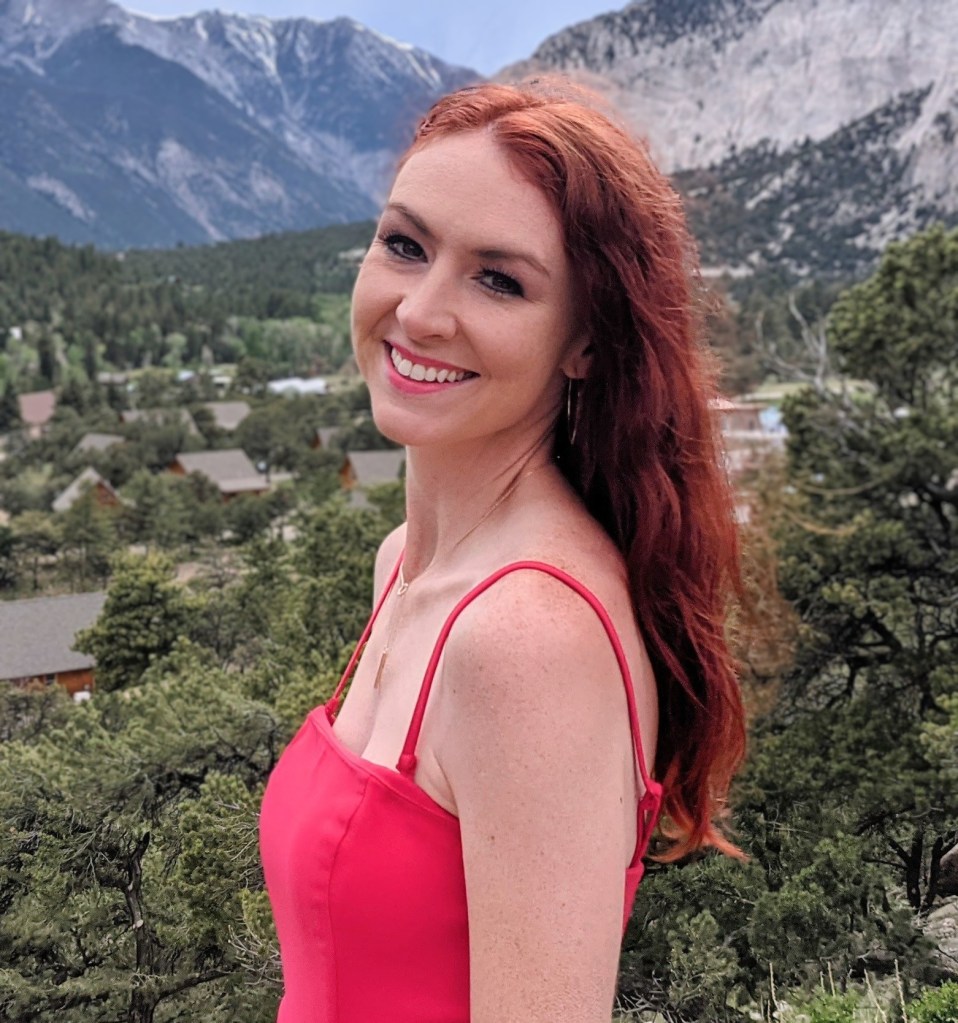
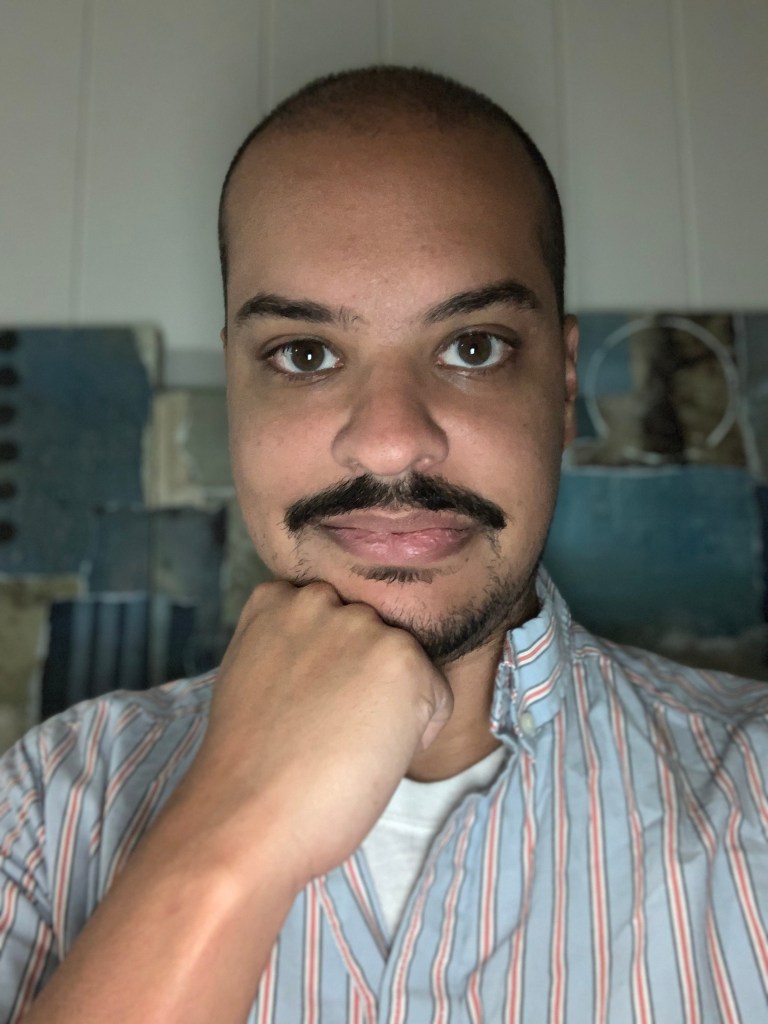




 gracefulatheist.com