
Holly Laurent: The Rise and Fall of Twin Hills on the Mega Podcast

Artists, Comedy, Deconstruction, ExVangelical, High Demand Religious Group, Podcast, Podcasters, Religious Trauma, Secular Grace
Listen on Apple Podcasts

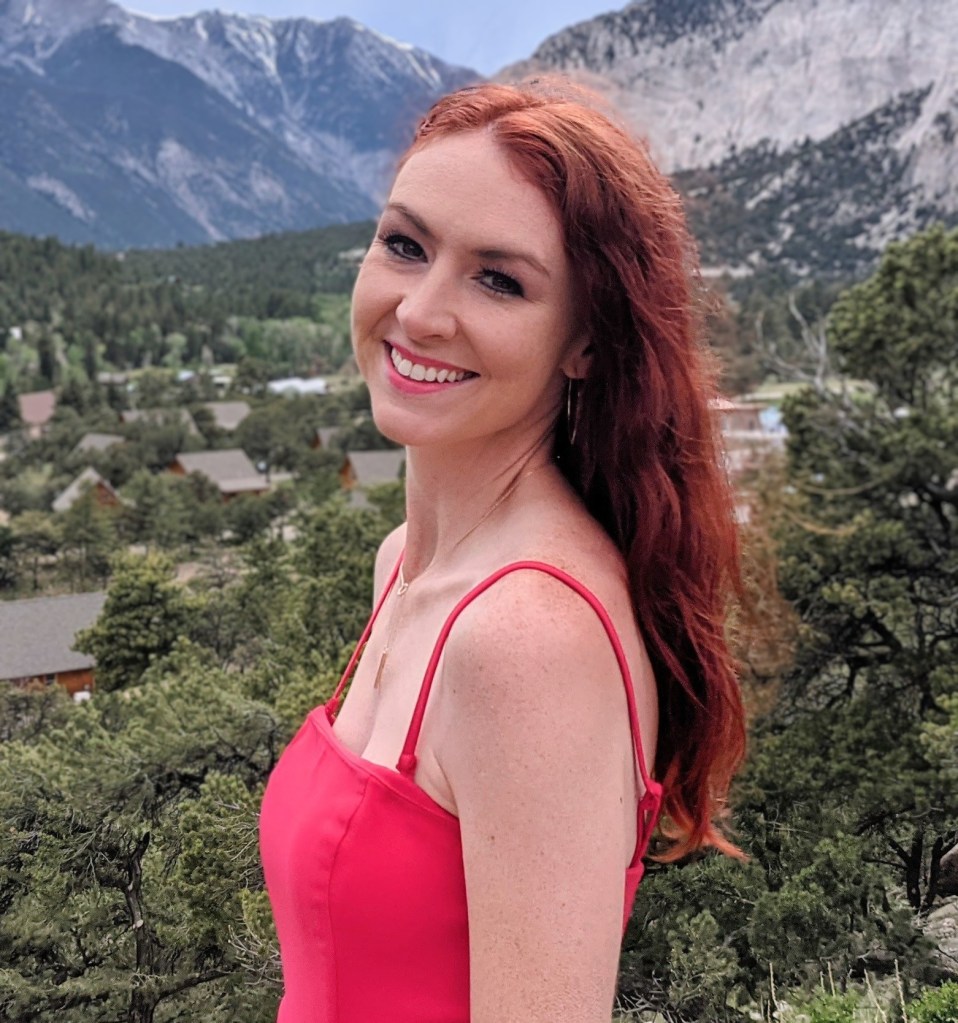
This week’s guest is comedian and writer, Holly Laurent. See her full bio and work here

Holly tells a bit of her story, growing up in a fundamentalist evangelical household. From the fear of demons to eternal conscious torment, Holly is still dismantling the indoctrination. In comedy, she’s found a way to express her “voice that always got [her] in trouble” as well as an accepting community, something she struggled to find in the church.

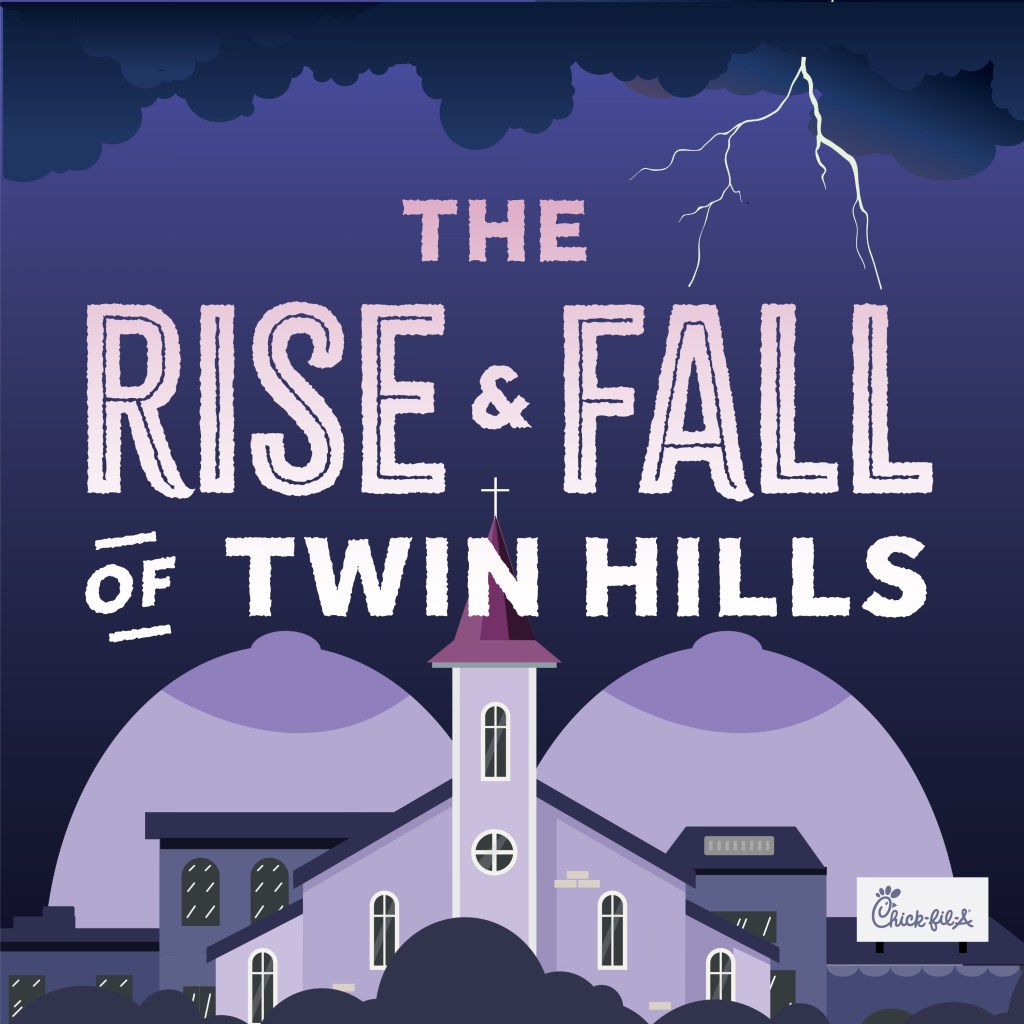
Her podcast Mega has a new five-part mini-series parodying the downfall of an infamous Mars Hill pastor. Episode 1 of “The Rise and Fall of Twin Hills” drops May 21. It’s going to be a crazy ride!

Links

Holly’s site
https://www.hollylaurent.com/

Mega the Podcast
https://www.megathepodcast.com/

Instagram
https://www.instagram.com/hollylaurent/
https://www.instagram.com/megathepodcast/

Quotes

“Sometimes laughter helps during certain types of hurt, and sometimes it doesn’t.” 

“I speak English and I speak Evangelical…”

“Nobody listens when you’re on a soapbox, but if you can make someone laugh, it can be really disarming…it opens up the possibility that there could be some reciprocity.” 

“I may be in the messy part forever.”

“My healing, my path is not linear. I feel like it’s more shaped like the milky way…”

“I see a lot of similarities between ‘preaching and teaching’ and performing.”

“The word that, I think, really defined the first three decades of my life is…fear.” 

“I think real love is a lot like truth, it liberates, so I’m trying to get better at recognizing cages.”

“If I can make you laugh, you’re in the palm of my hand a l little bit because at the very least, you’re listening…”

“Comics are supposed to be the truth-tellers.” 

“I want comedy to be my higher power.” 

“If having to be more intentional with our language and our content is what’s required at the moment, great! That’s a new challenge.”

“…the cognitive dissonance of trying to maintain and push a narrative of a god that’s both an authoritative, genocidal dictator and also have it be ‘the most loving, the most incredible love that you’ve ever had in your entire life!’”

“Everyone played their part perfectly so that I could play the game. The Church and my parents, everyone…they believed it so deeply that I did…”

“One of my biggest indictments of Middle American Christians is that they are theologically illiterate; they do not know what’s in their book and I do.”

“I think that’s what all these ‘Jesus and John Wayne’ dudes are…big man-children.”

“I don’t need and want love. I am love. I have love. I am this love.”

“What improv and comedy taught me is that deep, active, conscious listening is a posture and willingness to be changed.”

“Love yourself and be love, rather than need love…and we’re going to make things better!”
Interact

Join the Deconversion Anonymous Facebook group!

Deconversion
https://gracefulatheist.com/2017/12/03/deconversion-how-to/

Secular Grace
https://gracefulatheist.com/2016/10/21/secular-grace/

Support the podcast
Patreon https://www.patreon.com/gracefulatheist
Paypal: paypal.me/gracefulatheist

Podchaser - Graceful Atheist Podcast

Attribution

“Waves” track written and produced by Makaih Beats

Transcript

NOTE: This transcript is AI produced (otter.ai) and likely has many mistakes. It is provided as rough guide to the audio conversation.

David Ames  0:11  
This is the graceful atheist podcast United studios Podcast Network. Welcome. Welcome. Welcome to the graceful atheist podcast. My name is David, and I am trying to be the graceful atheist. Thank you to all my Patrons for supporting the podcast. If you too would like an ad free experience of the podcast become a patron at patreon.com/graceful atheist. If you're in the middle of doubt, deconstruction, the dark night of the soul, you do not have to do it alone. Join our private Facebook group deconversion anonymous and become a part of the community. You can find us at facebook.com/groups/deconversion

This week's guest is Holly Laurent the mind behind mega the podcast mega is revealing a brand new series that is absolutely out of this world. Mega is an improvised satire in the world of a fictional mega church, and they are releasing a comedy investigative miniseries inside the world of their own show called The Rise and Fall of twin hills. The Rise and Fall of twin Hills is a hilarious riff on the self important truth seeking that happens around church scandals and the twisted psychology of those who are inside them. This mini series is chock full of ridiculous scandal put it this way. If you think that the real megachurch pastor improprieties we've seen over the last few years are bad. Get ready for the outlandish high jinks of Pastor Steve Judson. If you're a fan of parody and satire or a comedic take on what it's like to be in the middle of deconstruction, then go check out mega and their new mini series that comes out May 21. The first episode of the mini series The Rise and Fall of twin Hills is out now go check it out. You can find them on Apple Spotify or wherever you get your podcasts.

Special thanks to Mike T for editing today's show. On today's show. My guest today is Holly Laurent. She is the comedic mind behind mega the podcast. Mega parodies the experience of the evangelical world with heart compassion, and satire at the same time, Holly's brand of comedy and her words is doing comedy at the height of her intelligence and connecting with the audience on a deep level. Holly is one of those amazing people who can use comedy to communicate to break down barriers to get past people's defenses because she's being honest and raw in that comedy. You're gonna hear that now in this interview, that Holly brings the self honesty to the table. That is what makes her such a great communicator. Here is Holly Laurent telling her story. Holly the rot Welcome to the graceful atheist podcast.

Holly Laurent  3:16  
Very happy to be here. This is my favorite stuff to talk about. And I don't even know what your questions are. Yeah.

David Ames  3:25  
Well, for like the two people listening to my podcast who don't know about mega, can you give them the introduction to your podcast?

Holly Laurent  3:33  
My podcast is a comedy and it's called mega and it is an improvised satire from the staff of a fictional megachurch, where we parody the power powerful systems and structures in place in terms of the what I consider kind of corny and cheesy mega world backdrop. Yeah, and and every single episode, we have a different comic who comes on and plays a different person who exists in that world. And we it's and we just improvise together and find a lot of really fun stuff. We laugh a lot. And one of the most interesting things that has come about from this podcast is it has brought me into a really delicious world of really wonderful people of you know, X van Jellicle 's and people who are deconstructing and like a really lovely supportive community that I was not even aware of before my podcast and which is really really lovely and it's sort of surprising to us at Mega that we have the audience we do because I think half of our audience is is kind of Christians who I don't know are probably like We're the cool Christians we can laugh at ourselves. We I'm not sure I'm not sure what they're thinking. But and and a lot of people who find themselves on the other side, people who have moved to being evidence based people and Have faith based people or however they describe themselves. So, um, I think, yeah, we have, the feedback I hear a lot is that so many people find it to be incredibly therapeutic to be able to laugh about some of this stuff. And you know what, sometimes I hear from people who are like, I go through periods where I can't listen to my gut because I don't find it funny. And if I'm hurting, sometimes it sometimes laughter helps during certain types of hurt, and sometimes it doesn't. And so we actually have our Patreon episode that comes out every week is called a mini. So we have the mega and we have the Mini and in the Mini, we just play ourselves, we are ourselves, we're not playing characters, and we kind of deconstruct all the ideas that our characters are we're wrestling with in terms of content that comes on the weekend episodes of purity culture, or scandal in the church and how people of faith navigate that, but the way we approach it is that we it's very Christopher Guest in its tone, I guess. It's very much like a mighty wind or Bastien show or a show like that. We're, we're playing to the top of our intelligence and sincerely playing characters, who are deep believers, and I believe we're playing them very lovingly, and we're really humanizing them. And we're exploring that point of view that me and my co host Greg grew up with, I really got it hammered. Hammered. It got hammered home, to say the least. And so I use my bilingual. I speak English and I speak evangelical. Yeah, I use my my by link quality. I think I made up a word to, to just create a specific backdrop that is really fun. comedically, you know, a lot of like, more specificity kind of creates, like a universality in terms of comedic language. So yeah, we have, we have a really good time with it. And I've enjoyed playing both sides of being the believer exploring that point of view, in a comedic way that, at the very least, makes people laugh, or hopefully even might help people. And it's really for us, I come from a tradition of improv and comedy where the, the way I believe the best way to make a statement about something or the best way to create a conversation is to be the thing that you have commentary about. And because nobody really listens when you're on a soapbox, but if if you can make someone laugh, a lot of times it can be really disarming. And then you're actually listening or opens up an opportunity for there to be some reciprocity or kind of a, an open, open dialogue. And I really don't have any interest in punching down at believers and taking swipes at individuals. I really, I really am kind of a I agree with. Oh, man, what's his name? I'm having a pothead moment. George Carlin. Yes, I really agree with George Carlin that like I love people, I don't like groups. And so I'm not I'm not punching down at any individuals in any way, shape, or form. I'm really intently, intentionally punching up at the power structures that really do kind of seek to control people and to oppress people. And that I really believe these systems cause deep harm, some harm that is becoming known to some and some harm that is not even detected at this point, which is really insidious. And so that might be placing a lot of responsibility on to a half hour comedy, but yeah, but seriously, that's where I am.

David Ames  8:52  
Yeah, my drop, we're done thanks.

I want to circle back to a lot of things that you just said. But I really do first want to hear just a bit about your personal story. What was like for you, as a believer when you really were a believer and growing up and so and then maybe lead us through? When the doubts came and what that was like for you?

Holly Laurent  9:25  
I really always struggled. It's hard to say because of revisionist history and memory being very, not trustworthy.

David Ames  9:38  
But honest about that fact. Yeah. Yeah.

Holly Laurent  9:41  
But you know, like, every time you revisit a memory, it's like you open up that folder, make some notes, cross out some old stuff, make some changes and put it back on the shelf and that memory keeps evolving through time. And I keep changing I mean, I'm, I'm always changing like if we had this conversation on a different weak, I'm positive, the conversation would be very, very different. Yeah. And I'm really in that messy. And I may be in the messy part forever. I never have felt like, ah, Hive, like, like a long jump you where you land in the sand and you're like, ah, that's where my feet are. Mark those two footprints that is me now it's all over. Yeah, I really, I really feel like my healing. And my path is not linear. I feel like it's more shaped like the shape of the Milky Way galaxy where it's just kind of a swirling thing with like, arms that shoot out, and then it comes back into the center and then shoot out again, and just a swirling kind of mass. That's what I feel like emotionally and intellectually. But the way I can describe to the best of my ability, my memory of having grown up with a very, I was in a high demand, religious environment in terms of sort of a fundamental evangelical culture. Both of my grandfather's were pastors, my so both my parents are preachers, kids, I'm a preacher's kid. My dad is currently the pastor of a mega church, but used to be an itinerant evangelist that was traveling around the country bringing the Good News of the Gospel to high school assemblies and mega churches and county fairs and you name it. And before that my parents had one of the first ever Christian rock bands. And so they in their day were considered very edgy and controversial. And, you know, should you be singing about Jesus? And it sounds like the Grateful Dead? Is that a problem? It was a problem for a lot of Christians. So my parents were kind of considered I think, yeah, some like for runners in the evangelical movement that has brought us well, Trump frankly, that that's all I do blame them emotionally. But yeah, they were kind of at the beginning of that like hold Jesus movement and you know this countercultural Geez long haired Jesus dude who loves you, like you've never been loved before. And a lot of their generation I think, really needed to feel some kind of that love. They came from parents who didn't talk didn't touch didn't affirmed in anything. And man were they just starved for love, at least my dad was. And he that that message really gripped him and transformed his life. And now it really feels almost like a love addiction or something. Really trying to know how to best navigate navigate this relationship now based on where I've come. And until a few years ago, maybe five years ago, I wasn't even like publicly speaking about what I believed because I was so afraid they would hear it.

David Ames  12:57  
Right? Do I have this right that you actually traveled with your dad at one point when he was doing the itinerant preaching?

Holly Laurent  13:03  
Yeah, like, as a kid, I would go on the road with him a lot. Because if I didn't, we would never see each other because he just that was his, like, kind of full time thing. So like, in summertime, like if he was going to be the chaplain at like a youth group, you know, summer camp, he would take me along for the week, and I would be wandering around the, you know, camp, looking at all these like Christian Church kids, you know, go to chapel every night and learning canoeing during the day. And I got a perspective of both sides of the curtain. You know, my father being a human being behind the curtain, and then being this really charismatic, storyteller, counselor, communicator. People really, really responded to him. And so I watched the power of that performance. I think it's probably it sounds crude for me to call it a performance but like, at its deepest essence, I just don't think it's, you know, an accident or it's a coincidence that I also became a performer because I see a lot of similarities in it in terms of preaching and teaching and, and performing.

If I had to really sum up, I am a, an extremely highly sensitive person, just very, very, very sensitive. So a lot of the messaging I was hearing there was all the love of like, it's a love like you've never known. It's a perfect love. It's an unconditional love. All of that I was getting that but it didn't matter as much as all the messaging of simultaneously demons and eternal torment of Hell, and what I grew up believing was reality, which was my entire reality was based on God and Satan, Heaven and Hell, angels and demons, and the stakes were fucking high. Because it is all eternity. I mean, I remember as a kid just wishing, like why couldn't? Why couldn't he just like, annihilate us? Like just pure annihilation would be compassionate, you know? Like, why do I have to be an eternal torment and gnashing my teeth for all in all eternity infinity, a sideways eight, that's forever of gnashing teeth for how will I have teeth left, you know, like a little kid mind was just so terrified. And the word that really defines, I'd say the first three decades of my life was fear, just just so. So afraid. So, so, so, so afraid. And all of that, you know, to this day has been stuck in my gut and my hips. And I'm having to do a lot of work now, like physically and in terms of embodiment, and realizing that I have completely dissociated from my body because it was so sinful, and dangerous and tempting and going to drag me straight to hell. And so I didn't enjoy. I didn't enjoy it. Yeah. Oh, my God. Pleasant. Yeah. No, I because I was so I'm creative, and imaginative and sensitive and emotional. So like, every time I had night of sleep paralysis, which was a lot like I had so many nightmares and stuff, but I would get sleep paralysis, and I really thought they were demonic attacks, right? I could feel like a huge, like, you know, demonic Talon coming out of the sky, the size of my body and putting its point into my mouth, like during a during a sleep paralysis episode, and I watched my dad cast out demons, as a kid with eyes rolled back and foaming at the mouth and guttural noises. And it took me well into my 20s. Before I was like, oh, people have seizures at music shows. And that is the sound of a grand mal seizure, not a demon that is responding to the powerful name of Jesus being spoken in its presence. So there was a lot of there was a lot of there is still a lot of dismantling of a lot of reactivity that I think I have to all of that. It's really hard sometimes to have a compassionate and understanding view of someone who is still in the church and experiencing it as a good thing. Because to me, it feels like, oh, that abusive relationship I used to be in where, you know, they seem to be beating the shit out of me all the time. What like, well, I guess they're being good to their new girlfriend. You know, like, yeah. Yeah, so there's a lot of cognitive dissonance, like all all of us who've kind of been through that stuff.

David Ames  18:01  
You know, several things, you know, pop out of just that discussion. One is that I think, adults Christians, I say that it's not that they take Christianity too seriously, it's that they don't take it seriously enough. And what you're describing is, as a child, you are taking it literally and seriously. And experiencing the trauma from that. And I think adults are able to compartmentalize and, yeah, you know, like, we believe this, but, and a child is not right, the child's getting the main line of that and experiences the full brunt of it. And children suffer from that. And it sounds like, you know, unfortunately, that this was pretty painful for you.

Holly Laurent  18:42  
It was and the hard thing about that, too, is that that's, that's just going to be an individual journey, because there's really no telling them or helping them understand that. I'm just a, I'm just a stark, raving liberal feminist who's pissed right at a, at a really lovely program, you know, in their mind, and that's okay. It's also like, same thing, you can't control the narrative after a breakup. Yeah, their friends are gonna think you're an asshole and your friends are gonna think they're an asset. You know, it's like,

David Ames  19:19  
yeah, that's a good analogy. I like that, actually. Because that's, yeah, that's very close to the reality. Yeah.

Holly Laurent  19:25  
Yeah. So I think yeah, there's so much work to be done and I'm always doing it

I had a friend recently tell me that she was talking about in her relationship, her partner is sort of ruminating and talking about her parents all the time, and the the abuse and the destruction and all of that, and as I was listening to my and describe that I was like, Oh, is that me? And then I, and then I was watching a rerun of succession recently. Do you watch succession?

David Ames  20:10  
You know, I haven't yet yeah, no, I'm familiar with it. But oh, it's so good.

Holly Laurent  20:16  
I really like it. It's but but there was a, it's basically like a parody of the Murdoch family, you know, controlling like conservative news and being like horrible, horrible people. And actually, that is like damaging the earth and like creating real, real problems. It's not just damaging humans is damaging the entire planet. But but there was a scene that stuck out to me when I was watching it recently to where the eldest son of Rupert Murdoch, of the Rupert Murdoch character was in a new relationship with a woman and she said to him, you talk about your data a lot. And I was like, Huh. And I've noticed that because my friend who, who I was discussing this with was like, I think that thing that you're ruminating about all day long, that is sort of like running your thoughts, and running the programming in your mind. That's your higher power. And I'm, like, interesting. Yeah, I really, I'm really working on changing my thoughts now being more intentional, trying to be more mindful, and looking for ways to continue to liberate myself. Because I do think the the message of the Gospel according to most Christians is love. But since I didn't experience that, then I want to do a breakdown of what love is. So what is love? Because if, if, if, if the story they gave me of what love is, really created some harm. Let me return to what love is, then because what is it and it might be a different definition for every single person who describes it. But there are certain things I believe to be true about love. And one is that I think real love is a lot like truth in that it, it liberates it, it liberates. And so I'm just trying to get better at recognizing cages. And, and, as a kid, I remember having real infinite thoughts, at least to me felt like bigger thoughts than the limitations of our own per sections in our in the language that we speak. Like, I remember, as a kid, when I learned the alphabet, I was like, Okay, that's interesting. Now I know, 26 of them, I can't wait to learn the rest, because I figured it went on into infinity, right? Like, like the way they say color does, like, but we, but our ability to see it stops at violet. So we essentially can see three colors and their variations. And we think that's it. But it goes on, and on and on and on and the spectrum. And I remember my brain being like that. I remember, I remember, our neighbors had kittens, and we were playing with the kittens. And they were like, this one's a girl. This one's a boy, this one's a girl. And I remember having the thought, that's weird that they're all only boys and girls. Yeah, because I figured that gender went on forever. Right? Right. And why would there only be two of all the you know, and, and, and then I remember those outside forces of socialization and education, coming in, and immediately limiting my ability to think and speak and everything became about limits. And I think the limiting nature of Bible based teaching. And I mean, if you really start, I think if you really start to break it down, it's it's everywhere, like I at one point, in terms of a high demand religion, discovered that the Cage had never been locked, and that I could push the door open. And I could come out. And I think for a long time, I pushed the door open. And I would come out in short, little stents and little experiments and then go back in Yeah, at least sleep in there at night. Until the day when I realized, like I, I can run, I can just run and be free and never go back to that cage. But I look around and I'm like, oh, man, if you start breaking it down, and this is kind of why I want to go get my PhD in linguistics, because I really think there's that that at its essence that so much of our human angst is because of the limitations of the language we speak and our ability to think and the the ways in which we believe lies and we stay trapped and caged. Because if you look everywhere, the cages are everywhere. It's like oh, late stage capitalism. Cage. Yeah, our education system can cage like, policing that is a cage. Like there's so many of us. I remember having that thought as a kid. I remember thinking about money and being like, I think money is the problem, like money because everything revolves around money, like money is the actual problem. And then I grow up into this day. I'm like, yeah, that is still the absolute problem. That's the problem. Anytime a good movie gets made, it's despite the money people not because of the money people. It's just, I know, I'm like, really? I don't hear a

David Ames  25:35  
couple things. One, like, please go get your PhD in linguistics, I think I think you're on to several things there. You know, there's there are those theories about even just speaking multiple languages, that you have a different perspective on things, I think there's definitely something there about being a human being and being trapped in language.

I do want to hear though, about, you know, in your 20s, you're recognizing that it was about fear, or maybe in your 30s. And you're able to go out out of the cage for a little while, like, what was that experience? Like, you know, what were the things that let you be free that led you escape as it were?

Holly Laurent  26:18  
Honestly, I owe a debt of gratitude to comedy, I would say comedy. Well, I found myself in a little improv theater in Chicago, where I started to feel community connection and acceptance, belonging, you know, I'm just going to every improv class I can take and getting jumping in every show I can. And I remember distinctly, in the beginning of my life in comedy, I remember thinking, I can't really be cast out from this. And that was a big fear that lived inside of me with imposter syndrome and all of this stuff within Christendom. Of, of I always was like, Oh, I'm a pervert. I'm disgusting, because I'm thinking things. I'm not supposed to think I'm longing for things I'm not supposed to long for oh, no, I'm a disgusting, wretched pervert. And, and I'm going to be found out I'm going to be cast out. I mean, think about it, the very first story, I mean, besides Eve, acting on her own will and then not just destroying everything for her but for all humankind forever. Not just that story of a beginning. But even predating that story is Lucifer who reading Paradise Lost recently, I was wondering if Lucifer is actually a sympathetic character, because yeah, to to question absolute authority is a good thing. And, and to demand absolute authority with annihilation as the only other option. Well, again, annihilation would be kind, compassionate. And again, why why a huge question I have is why why not destroy Lucifer, and all of the fallen angels. And what I also discovered for reading Paradise Lost recently is that most of our ideas of Satan and the devil are actually from Milton and not from the Bible, there's actually very little in the Bible. And, and I kind of, I kind of, I'm related to Lucifer in Paradise Lost when better to better to reign in Hell than to be a slave in heaven. Like, that idea is really interesting. And I think there's a cool conversation to have there. And honestly, it's always been my natural bent. I'm very anti authoritarian. People tell me it's because I'm Aquarius. I don't know enough about all that shit to speak to it. But, but I have I've always been very my mid and that's just, I don't know, I don't even know what personality is per se, but it's always been. My natural instinct is to if you're my boss, if you're a cop, if you're in charge, or whatever, my natural instinct was always to be like, fuck you. Yeah. Like, and, and so.

David Ames  29:09  
I have not been terribly good with authority figures either. So yeah, right.

Holly Laurent  29:12  
Yeah. I'm like, and not that I want to be one. I just don't want to live in your fucking cage. So I, yeah,

David Ames  29:24  
couple things. I'm gonna jump in here and just say we recently had a guest, Audrey, I think it was who talked about for her the deconstruction was deconstructing the devil? It reminds me of your story, and not like, you know, demons were very real in our growing up faith tradition. And it wasn't until she said, Oh, the devil is not real, that it wasn't God that wasn't real. But it was the devil being not real that her deconstruction process began and in earnest at that point, and so I think that's interesting that that that parallel with people who grew up in a more charismatic environment that it's just recognizing that oh, wait, this is kind of a story. You know, this isn't actually All and then being able to yeah, go and move forward.

Holly Laurent  30:03  
I relate to that. I think that was a big part that was a big Jenga piece that when removed helped the topple go down quicker. Same for me was Audrey I think it was I remember two things in college when I when I discovered that people in charismatic sects of all world religions speak in tongues. I was like, hold up. Hold the fuck up. Yeah. Wait, what? And even like in satanic, I even learned that in satanic rituals. They speak in tongues, and I was like, Okay, wait, wait, wait, wait, wait, wait, wait, wait, wait, like that was a huge moment for me where I was like, Oh, wait, is this from the inside out? And not from the outside in? Because otherwise, the Holy Spirit is working with Satanists? And, and also, yeah, I had a philosophy professor handed me a book called The Myth of Satan and asked me to write a paper on it. And I was like, offended by the very title. Yeah. And but yeah, that was a big one. That was a really, really, really big one.

David Ames  31:00  
Yeah, interesting. Since I'm here thinking about I think it might have been Stacey and not Audrey, but credit to both of them. Interesting idea.

I do want to segue to comedy. And then first just introduce myself to you like I was the kid of my grandparents had HBO when I was way too young watching Richard Pryor and George Carlin you've already mentioned, and we're Robin Williams, and, you know, some of these early guys and you know, comedy was just built into my life all of my best friends from growing up is because we would just cap on each other the you know, like that we like we showed love by tearing each other apart incessantly. And so comedy has always been beloved to me. And I think that satire is such a deep way to communicate the subtleties of being a human being and, and so I find what the work that you're doing both as improv and satire, super fascinating and that you said it already earlier that it is a way to get beyond people's defenses. So I want you to just talk about what was comedy like for you? How did you get introduced to it? And like, when did you start to do improv?

Holly Laurent  32:18  
I was forced into improv in college because of an acting class I was in where the, my, my teacher had just done a Paul Sills workshop over the summer and brought back improv to our college campus and was like, we're gonna be doing improv this semester. And I was like, oh, no, I hate that. And then I was so scared of it just because I had such crushing low self esteem. And everything in improv is you and so I did was so afraid of being judged for anything that came out of my mouth. And so of course, having to face that drag. So I moved to Chicago because I kind of thought of it as the sort of Mecca of improv at that time, definitely, like long form, was really having its kind of punk rock heyday, when I was in Chicago, so I signed up for every class I could and just was like, Okay, let's face this fucking dragon. And then, of course, in so doing, I discovered my little inner weirdo, my little comedic voice, that I had been telling to shut up for a really long time, because I thought it was the unacceptable side of me. It took me about 10 years, I remember, I was working at the second city, I improvised every single day and did every single show and class and tour and everything I could for a decade in Chicago, and finally got to the national touring company of the Second City. And then within three months of that got put on the mainstage cast, and then was able to write and run three different reviews for three years on the main stage where I was doing eight shows a week, six days a week, my absolute dream, like Please Don't pinch me, I never want to wake up. And it was inside of that, where I was improvising every single night and being paid for it and having equity insurance at the time was so and it was somewhere in an in an improv set. Where I was in a an, I was in a scene with one of my best friends in the whole world, Edgar Blackman, and we were improvising. And I felt this thing come from my deepest, deepest waters. And it came it was a sensation that came up inside my body. That happened simultaneously to a big laugh that I had just got from the room. And as I felt that really big laugh. I felt it affirm that deepest voice of like I realized that that laugh had come from me being in flow and unconscious. and allowing my little inner weirdo to speak. And that's when I stopped trying to improvise. And I just started allowing myself to drop into that flow better and not do it like him or her them. But me, and and that voice the voice inside of me that was always going to get me in trouble. And so I had to keep it under such lock and key speaking of cages, when I kind of started to let her out, I think that began the transformation inside of me that I guess I could call healing. I struggled to call it healing, but just changing, transforming, becoming, allowing myself to become the creature that I am. I guess that sounds sort of highfalutin, in a way, that's

David Ames  35:57  
your word progress. Yeah. Why for more

Holly Laurent  36:00  
progress, rather than the thing? I thought I was supposed to be all the shoulds which are should just equals suffering. Yeah. And so and so you know, there's lots of like, with comedy, I think. There's so many interesting things like the live comedy is my favorite, because it's a little bit like being on a surfboard waiting for the sets of waves to come in you. You're improvising, like in stillness, stillness, stillness, but you're watching, like, the waves. The waves that come to a surfer, are very similar, I think, to the waves of laughter that come to comic. And so you start to read those waves and figure out how to manage the plastic water at when do you want like little ripples? And then when do you want the big ones? And do you have the patience and guts to stay flat for a while to get a way bigger, more satisfying wave? Or do you want to? So all that stuff is really fun for me of like, tinkering around with like, what is funny? What is improv funny? What is sketch funny? What is film funny, what is live funny? What is funny, that works the next night. What is funny that only works in that one moment that I think that comedy The way it's interesting because I've I've done a lot of research into why a lot of men think women aren't funny, and so much of it is like a deep unconscious. A lot of people think that laughter is there's a primal thing that happens. When we are laughing together, we're showing each other our teeth, which is a very like primal animal thing, when you show your teeth to each other. And that there might be something that is happening intrinsically in. Because we've all been raised in such a misogynistic and patriarchal society, like there's something where men really don't like that, if I can make you laugh, essentially, in that moment, I have controlled your body in a way you're a little bit out of control that like, like, that was a like surprise and a physical response that was out of your control. So maybe you don't want a woman controlling you in that way. Or maybe you only want a female to be, I don't know, fucking sexy and alluring or whatever. And comedy feels like it's too much of a leadership role in the moment or whatever. But um, but I, I think what's happening is, if I can make you laugh, you, you're in my head in the palm of my hand a little bit, because at the very least, you're listening, which is the main thing that no one is doing now in our like, highly divided times. And I have learned through incredible failure, I have learned that as you're reading those waves of laughter and you're timing those out and figuring like what ones to ride and how to keep moving the room that a conversation starts to take place, this reciprocity of ideas, and it's a time where you can slip in, you know, comics are supposed to be the truth tellers, like just pointing things out shining a light in that dark place, shining a light in that dark place. How do we feel about this? Doesn't this seem kind of bizarre? And I think the the really interesting thing to me, is when the audience gives you the nose, the laughter a lot of times is yes. And the like, ooh, the grunts and groans and the hisses are our nose. And I'm, I've learned to now always look for those nose because I'm like, oh, okay, now we're getting to something like that. Okay, why don't you like that? And what I've learned is once you get those No, no, no, no, not they're not there. No, no, no, you back up, motherfucker. I I've learned I've learned that when they tell me to back off of something, that I've found an important thing. And so I don't often push past that point. But then I start to dance on that line and be like, well, then here's where let's then let's talk about this. What else is here? Yeah. Because yeah, I think the goal is that you leave a comedy show, feeling a little less alone and maybe a little less caged.

David Ames  40:38  
Don't want to get into too deep of water skier, but I am interested in your opinion on you know, I think comics today talk about they kind of complain that they can't make certain jokes. And I think you're right, that there's an element of comedy, that is to say the thing that is uncomfortable for everyone to hear, and a bit of truth telling. And so how do you balance that for yourself? Like, like you say, maybe not crossing the line, but going up to it?

Holly Laurent  41:04  
Yeah, it's a tricky time. It's a really tricky time. Because, you know, in the same way, the stock market has to reset itself. So does comedy, you know, like, and speaking of prior, like, some of that content is so harmful.

David Ames  41:19  
Oh, yeah. Oh, yeah. No, yeah, I've served basically everyone I mentioned are super problematic and 2023 eyes. Absolutely.

Holly Laurent  41:26  
Definitely. And I talk about this all the time with a lot of my friends in comedy have like, huh, like, you remember how I used to start this? That one set? Yeah, I wouldn't use that word anymore. You know, like, like, yikes. And I kind of follow Sarah Silverman's ideas in that regard of like, in certain ways, you know, holding someone's jokes from the 90s are, the odds are anytime holding that against them is like trying to show you know, Shaq a picture of him as an eighth grader and be like, You were only 510 You were only 510 You were only 510? Why are you trying to be 510? And he's like, I've grown. Yeah, yes, that was me then. But I've grown and I've, I, I really look for that in the artists that I listened to and promote and, and take in. Because as we know, looking at comedy right now, there's a lot of really, I'm looking at a lot of mostly white guys, but not all, but above a certain age that are there. So I'm so disgruntled. And I'm like, You know what? And I'm like, Come on, man. Grow, grow. Keep growing. And but you see it everywhere. Like it's the same problem with you know, Fox News, parents and liberal kids like what at whatever point you circle the wagons then I guess it's just that's all you're gonna get from them is is where they draw the line. But i really i i really like I just heard a friend of mine Mike yard do a set at the cellar in New York, where he told a joke about like, you know, all the school shootings is a real problem in this country, we have a real problem and it doesn't seem to be going away. And I feel like we need to get creative and look at what might be perpetuating this real problem. And he was like, and I just want everyone to think about I'm butchering this Forgive me, like, look, let's look at the candle industry. Because everyone goes and buys candles for these like vigils afterwards, and the candle companies are making out like crazy. And he and the audience kind of gave him a like, No, we're not allowed to laugh about school shootings. And he stopped in the moment I was watching him do this clip. He was he's talking about me. He's like, No, that's a good joke. Like that joke is okay, the target of that joke. Like, we're not laughing about dead kids. Right? You have to understand target. And I really don't have any good feelings right now about people who target marginalized groups that are suffering. It really hurts me because I guess, you know, I want comedy to be my higher power and um, you know, there's I guess there's cognitive dissonance to like, you know, when you ask a Christian like, how they feel about you know, the mass genocide of like Noah's Ark and like what why the two by two cute animal story and not like all the dead floating bodies of the entire world, even though I'm like I think that was probably a region that got flooded. Yeah, that to the writer was the whole world. But anyway,

David Ames  44:51  
I do think it comes back to you talking about punching down and or, excuse me, punching down and you know, punching up towards power structures as opposed To the marginalized and the disaffected. And that seems like a pretty bright line, that's obvious to anyone who's listening for most of the time. But I agree with you that we are having a bit of a reset right now, particularly in comedy.

Holly Laurent  45:13  
And it probably it needs to, you know, I mean, look at all the comics that we grew up on, using language and saying things and targeting groups that we really do need that reset. So even if that does make everyone in comedy, even the well meaning people, like get in trouble and get canceled and get all that like it, it's worth sticking with the conversation, wrestling and grappling with it, and trying to keep going and elevating comedy to the height of your intelligence with a sensitivity to that, because I mean, I even remember back in my training, like a lot of teachers being like, you know, going blue is, you know, sometimes if you get a dirty joke that hits really hard, it's great. It's worth it. But for the most part, just defaulting into going blue is it's just hack, it's lazy. And so if if having to be more intentional with our language, and our content, is what's required of the moment, like, great, that's a new challenge, give me the sandbox of like, sensitivity and transformation and evolution, over continuing to let something I believe in do harm, like, which is exactly my indictment of the church and people who, you know, remain part and parcel of a murderous, harmful commerce in the name of love, who really, I mean, if you look at all those individuals who are in church every week, and each individual deeply believes like, this is a good thing. Yeah. And, and every comic who is, you know, pushing their, their, their content, they deeply believe that thing, or it's deeply hitting a nerve in them that is, you know, making them obsess about it or whatever. But, like, it's funny, like, you mentioned, Robin Williams, like, when Robin Williams appeared in LA on the scene, like all the standups were like, fuck him that's not stand up. They were like, What is he doing? It's not it's not, you know, he's, he's not. And then he, but he's Robin Williams, you know, like we have to, we have to let each thing like, grow and transform and evolve and stay alive. And I think that's probably a lot of the suffering in and the angst inside Christendom right now is the the cognitive dissonance of trying to maintain trying to continue to push a narrative of a God that is both, like an authoritative, genocidal dictator, essentially, don't hold that. Also hold that and also have it be like the Most Loving, the most incredible love that you've ever had in your entire life. Yeah,

David Ames  47:56  
I love the way you say, to do comedy at the height of your intelligence. That's the kind of comedy that I that I enjoy. And I imagine that improv must be that every second that you are on stage

as a segue here, I want to hear the the formation of mega the podcast. So how did this idea come about? How did you collect the various comedians that have participated and just tell us the story about mega?

Holly Laurent  48:29  
Mega, um, kind of got forced on me? Okay, um, well, not really, I want to do a podcast and I pitched a whole bunch to this network, and they weren't going for anything. And then I had this in my back pocket. And I was like, I was kind of at a point where I was like, I don't want to, I don't want to think or look at or talk about that world anymore. Like, it was such a massive part of most of my life, and I'm really trying to move in a new direction. And but they were like, No, that's the one that's it, make that and so I kind of created a show Bible and like, named the church and the world and the ministries and sort of like, designed the format of it, and I recorded a pilot and and then it just kind of grew into itself on his own. And then during the pandemic, it kind of saved my ass because it allowed me to when the pandemic hit, I was used to performing multiple times a week and that had been for for 20 years, I'd been doing that and so then to not be performing anymore, was a real blow and so mega kind of continued to itch that scratch and then it also kind of introduced me to this new really kick ass community and the way we get guesses we just because of having come up in the improv scene, we just know so many incredibly funny people. And so we just started begging and borrowing from our friends. In the geniuses of their minds and having a guest on every single episode and, and yet it kind of became this thing that I'm glad I'm really glad and grateful to it, because I think it forced me to stay reckoning with that part of my history and continuing to try to have compassion for it and myself. And who knows, you know, sometimes if I get really metaphysical and get in, like, get stoned, I think like, you know what, maybe in the journey of my soul, I don't even know if I believe in any of the Buddha's stuff. But like it, let's say, for the sake of thought argument like that there is a journey of the soul. And let's say that you kind of do pick your thing. And let's, you know, I wish I hadn't picked the United States of America, I wish, I think there would have been cooler eras and places. But but let's say to put some agency in my soul, like, let's say, I picked this. And let's say I picked high demand mind control called to see if I could learn how to think and find and find it on my own No, no, and, and explore the gray and not stay cozy in the black and white. And so I guess, if I, it, let's say that to give myself some agency and not be a victim of it, let's say something like that happened metaphysically, then then then what? What does it mean? Because I guess I did. Do it. At least I got out of this cage. And so what's what does that mean? It doesn't mean keep uncovering cages? Does it mean? I don't know, I don't know. But I did have a high thought recently of like, well, I guess, if in that scenario, there's anything maybe productive from exploring it as a as a thought experiment is, maybe it can give me gratitude for where I came from, rather than angst and resentment. Because everyone played their part perfectly. So that I could play the game. You know, like, the church and my parents and everyone like the fundamentalism and all the like, because, like, they believed it so deeply that that I did, and, and so now, it's really tricky to be in loving relationships with people who fundamentally see reality differently than me. That's really tricky. And it's also a part of why I'm so interested in linguistics. And I should be spending the rest of my life learning as many languages as I can, because our ability to think is based on the language that we speak. So I think somebody who speaks 10 languages can think 10 times more than me. And that's really interesting to me, because a huge part of it is I'm like, is this semantics with me and my dad, I made a, I made a comedy short, I made a film that I wrote, directed, called brought to you by Satan, where I explore the idea of like, is it just semantics? You can can me and my dad look at the exact same thing and what I what he sees, he would describe as a powerful stronghold of Satan. And what I see as I stare at the exact same thing is addiction and abuse. Yeah, and who knows, when you're caught in the talents of addiction and abuse? Maybe it does feel like a powerful stronghold have an invisible monster. I just, I just don't know.

David Ames  53:41  
I really, I really think that, you know, that internet meme a few years ago, the dress, you know, that just shocked people that their their perception was different, that one group of people were seeing a blue and one was seeing gold and just could not believe each other that there's no way you can't possibly be experiencing it that way. One of the things that I talk about a lot is that a deep human need is to be known to be understood. Yeah. So you were talking about love, I think a definition of love is my ability to be authentically me and your ability to be authentically you and to connect somewhere in the middle of that, that's kind of love for me. But it's that feeling of you're both having, like you just said the same experience. But your dad sees it as a powerful, lovely experience of love and then transcendence and connection with other believers and you see it as a trap, and pain and trauma and and nothing good there. And, you know, and it's like, how do you reconcile those two perspectives? And I don't know, I, I guess me waxing philosophically. I think it is more than that semantics. But one of the things that we gain being on this side of the bubble is what by previous guests, Alice Greczyn said it really well, I'm no longer good at fooling myself. I've gotten less good at fooling myself. It's not that I'm impervious to fooling myself, but I'm less good at it now, having been in the bubble, and now out of it, and like, there's something to be said for being aware or self aware enough to recognize I can feel myself I know what that felt like, felt very real for a long period of time. And now I don't want that anymore. And so I'm on the lookout to make sure that I don't do that again.

Holly Laurent  55:33  
Yeah. And I recently heard someone say that attempting to change someone's mind is non consensual. And I was like, oh, yeah, yeah, yeah. And and, and maybe that brings us back to the power of comedy and storytelling, which is that it that is a place where it is a consensual connection. Yeah.

David Ames  56:04  
So back to Vega for a second. You hinted at this, that, you know, first of all, it's spot on, right. Like, I mean, you know, again, I know everybody's listening has heard mega but if just in case you hadn't, right, you guys are playing full tilt. Christianese if evangelical that's at it kind of peak. What is almost difficult to satire, you know, you're doing it at this peak level. But there's a sincerity to it, there's a heart to it, that it doesn't feel cruel. It feels very honest. And more to my questions to you is like, how does this not hurt you? How are you able to do this on a weekly basis and not have that be? Re traumatizing for you yourself? Let alone maybe one or two listeners out there?

Holly Laurent  56:51  
Oh, what a compassionate question. I really appreciate that. And the honest answer is that it does hurt me sometimes I hear things tumble out of the voice of my character that bother me and hurt me physically. And I'm really I'm doing really intentional work right now trying to get into into my body as a human being a lot of embodiment work. I'm in a class right now called embodiment and embodied sexuality. I'm taking a dance class, which is absolutely terrifying for me dances and most the most like never, not in a million years. It's it's I don't even like to go to weddings, because I'm like, Oh, is there going to be dancing? Because I'm so awkward and self conscious. And I don't know what to do. I don't know how to dance. I don't feel like I have rhythm. I'm so insecure, I'm all these things. And so I'm like doing all this work to try to safely come back down into my body. And sometimes when I hear my character, Halle say stuff, I feel pangs in my body. I'm like, Oh, I don't know, I and I've introduced other characters where I play Halley's Sunday, which is an adolescent male version of, it's basically me playing me as a teenage boy. And I really like those episodes. And I'm like, can I just change characters? Because, because his name is de and he comes in as the skeptic and he's really wrestling with it on an emotional level and stuff and Hallie, my main character is, is toxically positive and completely trapped in a cage. And I'm trying to, I have tried to play a really long game with her of like, of her slowly, kind of getting a little bit fucked up by her deep knowledge of the Bible, because one of my biggest indictments of most middle American Christians is that they are theologically illiterate, and that they do not know what is in their book. And I do. And I, you know, took Greek in college and used to be able to translate the New Testament and I have really dedicated myself to grappling with this. And I feel like a lot of believers have not and so so with my character, I'm trying to use her deep dedication to biblical truths as a, as a seed that is starting to grow inside of her, trying to play it as a really long game of slowly breaking her down, because this podcast won't go on forever. And we are going to end it at some point. And I'm like, How do I want to end it? And, and I'm feeling it in my body to comedically of like, oh, I, I used to, I used to chuckle at a lot of things, she said. And now if I'm feeling physical responses to those ideas, even though I'm perpetuating these ideas in a comedic way, again, it's it's that is your higher power, the thing you're focusing on, you know, and so how much do I want to give it and all of that and saying, like, when people tell me like, sometimes they go through periods where it's hard to listen to mega like, that hurts me to even though I completely understand. Yeah, I completely understand. And I'm like, it hurts me to say it sometimes, too. Yeah, so I don't know. I don't know. It's a dance. Real dance. We recorded it but and I'm trying to find new ways of playing that long game with her exploring other characters. And then yeah, we have a mini series that is a spin off that's coming out that we're gonna be able to play other characters too. And that's going to be really fun. It's it's a parody of the story of Mark Driscoll this toxic, authoritarian style white guy who started a church and then spectacularly exploded it with his own toxicity. There was a Christianity Today, podcast that came out last year, I guess it was massive. Yeah. Where they detail the it's called The Rise and Fall of Mars Hill about this spectacular explosion of a megachurch. And so we're gonna parody that because we got a so and, and so far, I think it's gonna be four or five episodes in total. And I've been working on editing the first episode, and it's really funny. And man, it is really, I think it's like, because it's a different format, we're able to take like, much stronger swings, and we're, we're being way more risky with it. And that, that excites the hell out of me. And I'm, and I'm really, really, really excited about it. So it's, it's all good, because it's helping me. You know, gestate whatever, whatever thing is next, you know, I feel like what you're doing with this podcast is going to lead you to the next thing you do. Sure. No, yeah. So yeah.

David Ames  1:01:48  
So Holly, this is how dedicated I am. I went and listened to the rise and fall of Mars Hill in preparation for this conversation. Wow, what did you think of everything super painful? Yes,

Holly Laurent  1:02:01  
it's painful, right?

David Ames  1:02:02  
There's just a couple of things I wanted to bounce off of you. So one is to give a little bit of credit, you know, the Christianity today, you know, does try they make the attempt to be self aware and to self criticize their movement. So and that's about as much praise as I'm going to give them because they also show throughout this, including the host, Mike Cosper. I just complete blindness to the larger factors right? It's not just that Mark Driscoll is an asshole it's that the structures are dangerous and and hurting people. And then the other thing that I just found deeply painful was the the advertising in between. So in this podcast that is about criticizing celebrity pastors, it'll this pop on this celebrity pastor podcast come join me doing it. It's just Oh my God, it was painful. It was.

Holly Laurent  1:02:55  
That's bananas.

David Ames  1:02:57  
Yeah, just the whole talk about read the room. Oh, totally. Yeah. So you know fascinating project all the way around and I really look forward to listening to how you guys parody it so

Holly Laurent  1:03:08  
Oh, well, you sweetheart. I mean, I really hope that when our our version The Rise and Fall of twin Hills comes out yeah, that you will I pray that it will graft over it will skin graft over all the burns for the Mars Hill one. I it's it's so interesting. I full disclosure, David, I think I only got through two or three episodes because I can imagine because my brain started leaking out of my ears when I got to hear his voice from the pulpit. I I was so filled with rage again that I was like, this isn't good for my body. I'm getting filled with cortisol.

David Ames  1:03:49  
Yeah. Yeah, I think a few times, you know, I'd be listening to it with earphones. And I, you know, be walking around the house doing chores or something. I'd be like, Oh, come on. Family members would be like, what I'm like nothing. I'm just just listening to a podcast.

Holly Laurent  1:04:06  
I know. So I think you'll really like I don't want to give it away. But it's my favorite thing is that we give in our in our party, we give the Mark Driscoll character who is the lead pastor, the fictional lead pastor of twin hills, our church, Steve Johnson. We we really give him a home man. It's so funny. We come up with a pretty great way to expose to expose him as both an absolute degenerate and also a big fucking baby. Yeah, yeah, I think that's what all of these Jesus and John Wayne dudes are. I think they're big man children and I have over the course of mega I have dedicated myself so deeply to continuing to stay in scholarship like this Listening to Bart Ehrman all the time trying to educate myself about New Testament knowledge, context, understanding of the Scripture understanding like original manuscripts understanding how text has changed understanding, you know, the act, what does it actually say? What does the Bible actually say about homosexuality, about Satan about all these things, like I've dedicated myself so deeply to it. And lately, I've found myself at a point where I'm like, this could change, but I'm like, I don't care anymore. I don't care what's in the Bible. I don't care what it says about homosexuality, I could give a fuck, like, I am looking for love. I'm looking for, again, liberation. And excavating that isn't really doing it for me. And I'm afraid it can keep me kind of angry and in resentment rather than gratitude. And I'm really looking for ways to change my thinking and my higher power or whatever you want to call it. And it's interesting even the word atheist day. God damn it, it's centers Christianity, it still has them centered. It's on our it's on our dollar bills is on in our Constitution. It's in all it's just so centered all the time anyway, that I'm like, how do I move away from that as center and continue to feed myself with things that remind me that that system made me want love, and need love and look for love and feel like I needed it so desperately. And that made me a vibration on this planet of need and scarcity. And that's also what I was experiencing. And outside of it, I'm like, Oh, I don't need and want love. I am love. I have love. I am this love. Like, I have it. Okay, I feel it. I'm trying to send out vibrations of like, there's love here. If someone was flying over and they were wearing like, like, love, like goggles, like green light goggles or whatever, they would see a little beacon like, down where I where my body is right now on this earth. It's like being warm. Like, there's love here like, I'm love. And so what I want to draw is, is I want to draw love to me by being love. Not by being a desperate sad, fearful, angsty, lonely, frightened kid who who is grasping for God, or a community that is promising that if you if you play your cards, right, I want to be like, You know what, fuck these cards. Yeah, I'm not playing this game. I'm gonna go. I'm gonna go. I'm gonna go play another game. And again, I'm in the messy part of that. I haven't like, I haven't arrived anywhere. And maybe you and I should talk in a year and see if we're both completely different people. Yeah.

Do you have any better words that you use? Like, uh, not better words than atheism? But like, more words?

David Ames  1:08:31  
Yeah, this whole podcast is what I call about secular grace. Right? And then yeah, this is this is the idea that the, you know, the horizontal, I recognize that. What we love about grace, the agave, when the love in the Bible is, is actually people connecting with each other. And when you start to look at even miracle stories, right, even miracle stories, often it's like, oh, well, this first responder showed up out of nowhere and saved me or you know, or this nurse took the time to help me out or this person gave me $10 When I was hungry, there's always another person involved. Right? And it's this is just the recognition that it is human beings being good to one another. That is the is the thing that we crave is the love that we've that we've been trying to describe and, and go after. Yeah, I agree with you. The language is hard. I call myself a humanist, but that can be misconstrued as well. You know it I don't think there are good words for it. So I use a whole bunch and I you know, I say yes, I am an atheist, but that is kind of boring. It's that what I believe in is people right? Like I believe in people and that's the thing that you need to know and so I'm constantly on the lookout for better words as well. So if you find any let me know.

Holly Laurent  1:09:51  
Because we are really limited we're not only limited to like the our perceptions and our senses, like we're, you know, we're living in three dimensions and And we have five senses. So that's all pretty. That's a pretty tight sandbox. Yeah, yeah. So like, there's a, I don't know, there's part of me that's like, there might be something. I don't know. I don't know what the, you know, the Hadron Collider in CERN, you know talks about the God particle. And you know, I wish they wouldn't call it the God particle. But there is something that is binding everything and I agree with you that it's connection. And I think that's actually at the heart of your, the thing you're scratching out with comedy is like, comedy is just connection. It's, it's, it's human connection. Yeah, and, and surprise, it's basically like you're connecting with me for a few moments. And then I'm gonna make you breathe differently by little elements of surprise, as we're connected. And yeah, and I think that's what improv is. And I used to always tell my improv students back when we still had improv theaters and training centers, before the pandemic like that improv is just about connection. It's about you. I tell everyone on my first and the first class all the time, and they never believed me. But I'm like, I'm going to tell you the secret to improv, and you won't believe me. But if you do this every day for 10 years, it something will kick in and you'll be like, oh, yeah, that's that's true, is that the secret of improv is listening. That's it. It's just listening. And people's biggest difficulty is getting over that hurdle. Because your inner monologue is so loud, because you're so self conscious when you're being observed. And when then when you're putting pressure on yourself to be funny, and low, literally on stage. And on stage, which is, you know, obviously, it's the Seinfeld joke of people would rather be in a casket than giving the eulogy. But like, so it's you're overcoming all these like great fears, or you're not overcoming your you're working inside, have great fears, and doing it anyway. And, but it is about listening. It's just about listening, if you just breathe and listen to what your partner's saying and respond to it. And then it just becomes a multi layered, like listening exercise where you start to have to listen to yourself, listen to that inner weirdo. Listen to that, like that, that whatever that little deepest, authentic spark of you is like listening to that, listening to the audience and listening to your scene partner. And if you can combine those levels of active conscious listening, because most of us, I think, we we confuse we think listening is the way we the way we listen is actually waiting, we're waiting for our turn to talk. Yeah. And waiting for your turn to speak is not listening, like deep. What improv and comedy taught me is that like deep active conscious listening is a posture and a willingness to be changed. Interesting, and, and that is listening. And when two people are are doing that, they are connected. And then that connection is the spark that makes magic and makes us laugh.

David Ames  1:12:59  
Well, I think I think we have to wrap there because I think you've just described describing comedy in the same way that I talked about. What we're trying to do here on the podcast is like, you know, in these interviews, as people are telling their story, there are moments that you've talked about the wave, right, I can feel the moment of oh, that was that was good, that's going to connect with the audience. Right? And it's, it's generally about being honest and vulnerable. And, again, authentically yourself. So I'm going to take that from you and, and run with it. So thank you. Thank you for that. We're not certain about the release date for the for the parody. So I will hear from your publicist when that is and we'll publish you know, we'll make that abundantly clear. Intro and outros. But how can people reach you? How can people find mega how can they connect with you?

Holly Laurent  1:13:50  
My website is Holly lauren.com. And same on Instagram, but Mega podcast.com and mega podcast on the socials. And yeah, I have all my I have that brought to you by Satan shortfilm on my website and all that. So yeah, listen, rate and review mega it helps us so much. And move love yourself and start to be love rather than need love, and we're gonna transform this place. We're gonna we're gonna make things better. Yeah, at least we'll have a little bit better of a human experience for we're not exactly sure why we're here. But here we are. And if we can help each other and help ourselves suffer a little less, then I say hell yeah to that and thank you David for such a thoughtful, lovely conversation. I really really dig you and I really have enjoyed this and the pleasure has been mine and anything that you take from this I feel like that's a gift And I'm so happy to give give it to you. So all the best.

David Ames  1:15:04  
That's awesome. And I might take you up on a year from now let's check in with this dude again.

Holly Laurent  1:15:08  
Okay, I would love it. This is my favorite shit to talk about. I can, I could go on and on and on and on and on. And maybe I'll be like starting my, my linguistic program by then yeah, I'll be writing a dissertation on the nature of reality as defined by language.

David Ames  1:15:30  
Final thoughts on the episode. My all time favorite interviews are with comedians. I've had. Karen Alia, from the deconversion therapy podcast. I've had Leon Lord who's a stand up comedian. And now Holly Laurent from Mega the podcast. These are always my favorite interviews because I think comedians have insight into human nature that is at least significantly better than the average pastor. What I think makes Holly in particular very good at satire and comedy, is the honesty that she brings to the table. Her story is gut wrenching, growing up traveling with her dad in evangelical circles, recognizing it as performance. Her seeing herself because she was a woman as threatening and bad. She talked about as a child, demons were real. And the trauma of that is evident, even today, but it's that realness. It's that honesty that makes her improv so powerful and so good. I think that's why mega the podcast is so ultimately successful. Although it's absolutely critique and satire. There's also heart and compassion and recognition in the characters. The first episode of the new mini series, The Rise and Fall of twin Hills has just dropped. I'm going to be checking that out shortly. But the the subject matter, the rise and fall of Mars Hill about Mark Driscoll is very target rich. So I expect that it's going to be absolutely amazing. And you should check it out. I want to thank Holly for being on the podcast for being rigorously self honest, for sharing with us her story and her comedy and her incredible mind. I love the way she said she does comedy at the height of her intelligence. We're going to talk about the human connection part in the secular Grace section of this podcast. But thank you so much, Holly, for being on and sharing your story. The secular Grace Thought of the Week is human connection. How could it not be? As I've said, Now, repeatedly, I'm a huge comedy fan. And it is so powerful to hear Holly talk about comedy and improv in particular is about that connection that improv is about listening, active listening, instead of just waiting for your turn to speak with a in her words, a posture of being willing to change. That's brilliant. Holly said, connection is The Spark. And she talks about anticipating and riding the waves of laughter and being willing to sit in the quiet time before that happens to get the better laugh. I just love everything about that conversation and her perspective there. What this podcast the graceful atheist podcast is about is human connection. So many things that we call spiritual, are just about human connection. When you think back on your church experience, what were the good things? Was it the sermons? Was it going to the building? Or was it the potluck? afterwards? The coffee breaks, going to IHOP with friends? Was it somebody who cared about you when you were sick, and they came to your house and brought you food? The entire point of secular grace of my brand of humanism is that it is human beings being good to one another. That is this spark, that is this thing that we are searching for. It's what we are referring to when we say connection in the transcendent sense. I don't mean to imply that it is mundane. But I do mean to be explicit that it is not transcendent. It is just people. And that's fantastic. You don't have to believe anything. You don't have to force yourself to accept unwarranted truths. You can just love people and be loved by them and experience that sense of transcendence, that sense of spark, and connection. Next week, Arline interviews Shifra that's going to be an amazing conversation. Until then, my name is David, and I am trying to be the graceful atheist. Join me and be graceful. The beat is called waves by MCI beats. If you want to get in touch with me to be a guest on the show, email me at graceful atheist@gmail.com. For blog posts, quotes, recommendations and full episode transcripts head over to graceful atheists.com. This graceful atheist podcast, a part of the atheists United studios Podcast Network

Transcribed by https://otter.ai

Shannon: Deconversion Anonymous

Agnosticism, Atheism, Comedy, Deconversion, Deconversion Anonymous, ExVangelical, Podcast, secular grief, Thought Experiments
Click to play episode on Apple Podcasts
Listen on Apple Podcasts

This week’s show is a Deconversion Anonymous episode.

This week’s guest is Shannon. Shannon’ story delves into the emotional experience of deconversion. Shannon grew up in an Independent Fundamental Baptist church, where the teachings were pernicious.

“It’s like ‘Love Jesus. Love God. And be afraid of demons, ‘cause they’re everywhere and they’re going to get you!’”

As a teen and into adulthood, Shannon knew her own beliefs and convictions did not always align with her church or family. She tried to be who they wanted her to be, but her decisions were never quite enough for them. 

“…showed me that no matter what I give, there will always be one step further. It’s just not good enough.”

Over the years, she slowly, like “mental velcro,” ripped out the only beliefs she had known. Where her family couldn’t hold space for her questions, her husband could. It was a hard journey, but she wasn’t on it alone.

“From, mentally saying, ‘This isn’t real. I think I’m done’ to being done? It was torture.”

Today, Shannon misses the certainty she used to have, the path laid out in front of her with easy answers. But she is able to see the world with new eyes—the glory and majesty of nature, the wonders of scientific inquiry. It has changed her for the better, and she isn’t looking back. 

“To me? [Evolutionary change] is magic.”

Recommendations

Thought Experiments For Believers
https://gracefulatheist.com/2018/12/03/thought-experiments-for-believers/

Deconversion How To
https://gracefulatheist.com/2017/12/03/deconversion-how-to/

Review of Hell is the Absence of God
https://gracefulatheist.com/2017/06/04/review-hell-is-the-absence-of-god/

Interact

Join the Deconversion Anonymous Facebook group!

Deconversion
https://gracefulatheist.com/2017/12/03/deconversion-how-to/

Secular Grace
https://gracefulatheist.com/2016/10/21/secular-grace/

Support the podcast
Patreon https://www.patreon.com/gracefulatheist
Paypal: paypal.me/gracefulatheist

Podchaser - Graceful Atheist Podcast

Attribution

“Waves” track written and produced by Makaih Beats

April Ajoy: Evangelicalish

Comedy, Deconstruction, ExVangelical, Podcast, secular grief, YouTubers
Click to play episode on anchor.fm
Listen on Apple Podcasts

This week’s guest is April Ajoy, viral Tiktok’r, youTuber and podcaster. She is a “recovering conservative humorously detoxing religion.”

April had a unique childhood. She was homeschooled and spent half of each year in Pentacostal spaces and the other half traveling with her family, singing and evangelizing.

Her parents were evangelists and her grandfather was a pastor of a megachurch, so even as a young person April saw cracks in the traditions and beliefs. She didn’t see them as systemic, though, only random, separate incidents.

“[I was taught] don’t ask too many questions because if you ask too many questions, one day you’re going to wake up and become an atheist and go to hell.”

Over the next decade, tragedy hits April’s family and God does not step in to thwart it, a family member comes out to her and she realizes she cannot continue believing much of what white Christianity has painted as “good news”. 

“I found myself not wanting to be around Christians…not being able to know what parts of my Self I could present until I could figure out what kind of Christian I was dealing with.” 

Today, much of April’s childhood beliefs have been dissected and thrown out, but she is loving others in a much deeper way. She still considers herself a Christian and is fighting injustices in her own creative way.

“Humor is how I cope with trauma.”

On social media, April tackles all the difficult subjects—white supremacy, misogyny, purity culture, the absurd things evangelicals post online and more! She brings levity and fun to serious topics in a way that will make you laugh out and that is good medicine. 

Links

TikTok
https://www.tiktok.com/@aprilajoy

Instagram
https://www.instagram.com/aprilajoy/

Twitter
https://twitter.com/aprilajoyr

Evangelicalish on Youtube
https://www.youtube.com/c/Evangelicalish

Interact

Join the Deconversion Anonymous Facebook group!

Deconversion
https://gracefulatheist.com/2017/12/03/deconversion-how-to/

Secular Grace
https://gracefulatheist.com/2016/10/21/secular-grace/

Support the podcast
Patreon https://www.patreon.com/gracefulatheist
Paypal: paypal.me/gracefulatheist

Podchaser - Graceful Atheist Podcast

Attribution

“Waves” track written and produced by Makaih Beats

Transcript

NOTE: This transcript is AI produced (otter.ai) and likely has many mistakes. It is provided as rough guide to the audio conversation.

Summary
0:11 Welcome to the show.
2:12 What was the faith tradition that you grew up with?
6:04 Being a pastor’s kid.
10:51 The biggest thing that opened my eyes was my dad’s death.
14:13 What it was like to be an outsider in the Christian world.
20:17 On the day the Supreme Court ruled in favor of gay marriage.
25:04 The seeds of deconstruction are within Christianity itself.
27:41 Did you go to assemblies of God schools?
34:01 If you’re a Christian and you don’t like Trump, you get kicked out of the club.
41:10 Is satire intentional? How does it change people’s minds?
44:22 The role of women in the church and gender roles.
50:07 The sexy deconstruction commercial.
55:52 How EvangelicalIsh came to be.
1:00:59 Where can you find April?
1:04:46 How do we know what we know is true?
David Ames  0:11  
This is the graceful atheist podcast. Welcome, welcome. Welcome to the graceful atheist podcast. My name is David, and I am trying to be the graceful atheist. Please consider rating and reviewing the podcast on the Apple podcast store, rate the podcast on Spotify, and subscribe to the podcast wherever you are listening. Please remember that we have the deconversion anonymous Facebook group where people are connecting with one another who are going through deconstruction and deconversion. And we typically have a Tuesday evening discussion of the previous week's podcast so come and join that facebook.com/groups/deconversion Special thanks to Mike T for editing today's episode. onto today's show. My guest today is April joy. April has a very large following on Tik Tok and Instagram. She began doing satire videos of evangelical culture and her experiences growing up in evangelical culture and went viral almost immediately. April was the real deal. She was the daughter of an evangelist she traveled around. She sang in many churches with her father. She worked for CBN she went to very conservative colleges. She's a very interesting story of someone who was deep in the evangelical world, and even just a few years ago, would have considered herself an evangelical. Since then she has deconstructed. She is currently the co host of the evangelical ish podcast, and continues to do satirical videos on Tiktok and Instagram. Here is April Ajoy to tell her story.

April Ajoy, welcome to the graceful atheist podcast.

April Ajoy  2:19  
Hi, thanks for having me.

David Ames  2:21  
Hey, we want to give credit to our Arline who is the deconversion anonymous Community Manager for reaching out to you thank you to Arlene for bringing this connection. April, what I've learned about you so far is that you have a pretty large Tiktok and Instagram following you do comedy and satire about growing up evangelical or evangelical culture of today. You're also the co host of evangelical ish. And you guys are how would you guys describe yourself as progressive Christians? Is that what you would say?

April Ajoy  2:47  
Yeah, probably. We're all in kind of different places. And Christian is kind of like a cringe word sometimes. But yeah, I guess if we were putting us in a camp, progressive Christian would probably fit.

David Ames  3:02  
You all are working it out, though. Yeah.

April Ajoy  3:04  
We're working it out. We're on a journey. Yeah.

David Ames  3:07  
So we will talk more about your work the latter half. But I want to begin with your story. And we often begin with what was the faith tradition that you grew up with?

April Ajoy  3:15  
Sure. So I grew up my my parents were evangelists, more Pentecostal, nondenominational. I think my grandfather, who was also a pastor was Assemblies of God. Okay. So we kind of but we left Assemblies of God and had dinner, non denominational churches, but pretty close to Assembly of God.

David Ames  3:41  
That happens to be the tradition that I in my late teens that I converted into, so Ooh,

April Ajoy  3:47  
we probably have some, we probably have some things we could talk about. Um, yeah, so but yeah, Pentecostal, but I had a unique when I say it out loud, it feels weird. But my so my dad was an evangelist, and my mom would seeing like before he would preach in churches all over America and all over the world. So growing up, I was homeschooled for most of it until like random years, like I randomly went to seventh grade public school and high school, on and off, but we would travel in a motorhome. And so we would be visiting a different church, probably for half the year growing up. So I was in like, hundreds of different churches of all types of denominations, which my dad was pretty Pentecostal, but we'd still go to like some Methodist and Baptist churches. So kind of good taste, if at all.

David Ames  4:38  
Can I interject there? And just Yeah, please. So I think that is definitely unique and that many people grew up in a single church. They really have this, not just the monoculture of evangelicalism, but the monoculture of their specific church. Growing up, did you gain some insights that you have some did you notice the differences between the churches as you went from Sunday to Monday.

April Ajoy  5:01  
Yeah, I mean, we would obviously if we're like, oh, we're speaking at a Baptist church this week, because I would sing before my dad would preach to you. We'd like, you know, kind of tone it down a little bit. Like, we knew our audience, right? Um, but yeah, like, I mean, there were like inside jokes of, you know, the you gotta beat the Presbyterians to the restaurant because they get out before the Pentecostals. You know, just like dumb things like that. So yeah, I did notice some differences. And I think having the exposure to so many different denominations, I never, I never fully bought into. Like, we're the only ones that have it. Right. Right. Okay. Like, I believe that we had it right, and that these people had it wrong, but I wasn't as dogmatic about it, like with the different denominations, because I met so many people from different denominations who were nice. Yeah. Um, so yeah. And I don't know, I don't know how far you want me to go. But

David Ames  5:59  
let's, yeah, so you you were traveling with your dad, you would sing before he spoke? Yeah. And you were able to see a lot of different churches.

April Ajoy  6:07  
Yes, it but also so my grandfather was a pastor of a pretty large church in the Dallas, Texas area, in the night in the 80s. And 90s. had about 4000 members, which is pretty big for back then. And so my dad was also the CO pastor. So when we were home, because I'm originally from Dallas, when we were home, my dad would speak at that church. So I also, I was kind of a half pastor's kids. I have like the PK, like, you know, people all up in your business, like experience plus the being in different churches every week. So yeah, fun, fun time.

David Ames  6:42  
I bet. I've had a lot of pastors kids talk about that. Having to hold the family secrets and how pain?

April Ajoy  6:50  
Yes, yes. And I think I think I still deal with that. Sometimes trying trying to unlearn it's just like caring way too much of what other people think. Because so much of being a pat, like a pastor's family is not necessarily doing the right thing, but at least appearing like you're doing the right thing.

David Ames  7:09  
That's wild though.

And then how about like, when you were in your teen years, were you still like, was it first of all, let me ask the question. Was this something that, that you believed yourself? Or was it something that was just passed on to you by your family?

April Ajoy  7:30  
Yeah, I mean, it was passed on, but I definitely believed it. I was full on I was in it. I wanted to pretty much take over my dad's ministry when I grew up and being, you know, felt called to be in full time ministry myself at different times. So yes, I definitely believed it. And then in high school, we had moved to Florida, but we did. This is this is one of my receipts, because now when I speak out against stuff, I get a lot of comments that are like, You were never really a Christian. And so one of my receipts is I'll play me singing an original song that I wrote called America, St. Jesus on the Jim Baker show.

David Ames  8:09  
Okay, yeah, that's

April Ajoy  8:12  
okay. Yeah, here I am. I mean, this is a weird brand of Christian but still Christian. Um, so we did that in high school, my dad wrote a book called America sage Jesus, and was on the Jim Baker show for it. And we did a three month caravan, where we drove a 40 foot bus that had America sage, Jesus written all over it from South Florida to California, and then back and then up to DC. And back. And that was wild, right? Especially when we drove up and down the Las Vegas Strip, like several times, because my dad thought it was funny. In a bus that said, America stage Jesus everywhere. Yeah. So and I remember like, I should have been way more embarrassed than I was, but I was like, 16 min. Like, this is so cool. And normal.

David Ames  8:56  
Yeah. Interesting. Yeah. Yeah, it was not. It was not so cool, ya know? And so, like, at what point do you start to see some cracks?

April Ajoy  9:10  
Yeah, so I think I had seen cracks pretty much my entire life, seeing behind the scenes, seeing, you know, hypocrisy and just people being crappy. And, like, I, I had seen plenty of bad things, but somehow was able to have enough cognitive dissonance to like, somehow separate it from the whole, like, these are just one offs, you know, like, oh, that person just is deceived or being led of Satan. Like, that's not it's not a systemic thing. It's just bad people. You know, like, nobody's perfect. So anytime you have people involved in a church, it's not going to be perfect. So you kind of find ways to justify, like, just seeing bad things happen. So I had like, you know, little questions here or there. But you're kind of you see what happens to other people that really question and then they wait make up an atheist, like I remember, like, this is not this has been said to me many times. I don't know if my family actually but like in Sunday school and stuff, they're like, Don't ask too many questions. Because if you ask too many questions one day, you're gonna wake up and you're gonna be an atheist, you're gonna go to hell, like that quick. So I'm like, oh, okay, I guess I just won't ask these questions. So you just kind of learn to when questions pop up, you just kind of don't think about it. You just move on. Because they demonize people that

David Ames  10:30  
Yes. Like me, you know, that go to? Yes, yes.

April Ajoy  10:34  
Yes, yes. Because no, because obviously, you couldn't come to those conclusions on your own, you have to be led by Satan. And Satan's involved somehow.

So the probably the biggest thing that opened my eyes was my dad when I in 2011. So a little over 10 years ago, got cancer. And when he when we caught it, it was stage four. And I had never really dealt with cancer, like I knew of people that had had cancer, but they were not close to me. So being Pentecostal, we like, just knew that God was going to heal my dad, and it was just not going to be a thing. And he still went through radiation and chemo, but it was so far advanced that he passed within four months of being diagnosed. And there so there were like two things that really woke me up in this scenario, because I think this was by far the biggest change, and then the rest, the rest of things kind of fell into place, like over the next 10 years. But one just wrestling with the question of like, okay, I've been taught, you know, name and and claim it, you know, as long as you have enough faith, God's gonna answer your prayer. And I knew that I had enough faith, like, I was probably living in denial, but I was just like, No, my dad's gonna be healed. So I was wrestling with the fact that, okay, so that's not true. And then to Christians were just really the way that they responded both when my dad had cancer. And then after there were all these Pentecostal ministers that we hadn't heard from in years, suddenly would just like, show up to my dad's hospital room like and like they wanted to have. They wanted to be the ones to get credit for, like saying the quote, unquote, healing prayer. And it just kind of became a little bit of a circus to where we just stopped letting people in. And then we were being blamed for like, being out of God's will, because we wouldn't let these people come in and pray for my dad. And then when my dad died, these people saying like, Oh, well, that's because you didn't let us in. Or because we didn't have enough faith or because my dad was out of God's will, or because there was some unresolved sin in the family that so there were just like, all of these excuses coming from Christians that were really painful, because we were also going through a huge loss. And I don't know, it was just kind of, I saw a dark side of Christianity that was happening, like directly to me and my family, and then people trying to blame me. For my dad's death, oh, my goodness, which I bought in like, different ways of like, oh, maybe it was, like, maybe God was using this to wake me up. And, you know, like, just like, really dark things that are very hard to wrestle with. And so that kind of led to, I immediately started questioning and deconstructing, like, my more Pentecostal beliefs, but I was still very much like, you know, diehard Republican, because in my mind, if you were a Christian, you are a Republican, they went hand in hand. So, so yeah, that was probably the first thing that that started the path. So it was like a theological issue around healing, that kind of jump started the whole thing. And then 10 years later, and now here I am,

David Ames  14:08  
I don't want to make this about me at all. But I just just to say, I just lost my father in law to cancer. It was very similar. We, we found out in November, and we lost them in at late in late January. And of course, of course, I'm not a believer, and I was trying to support my very, very believing family. And the, the observation kind of as an outsider is the hollowness. The platitudes, you know, there is an element of denial, you know, being in denial. And now I'm watching the that real grief as they process the loss and anyway, I'm very sorry for your loss.

April Ajoy  14:47  
Thank you, and I'm sorry for your loss. I know. It would be interesting now. Like with like, what I believe now going through like great, not that I would no one wants to go through loss, but just seeing how I process it. Because another thing I noticed As to I don't know if you've seen this, but there's a lot of almost lying to yourself, like people would be like, very dismissive of our pain and be like, Oh, well, you know, he was healed. Like, God gave them the ultimate healing, because he's in heaven now. And you know, and I kind of bought on to that too, for a while, because it was kind of what kept me going. But it was just like, you know, just kind of gaslighting a little bit. Yeah. Yeah, like, like, oh, like, Oh, God didn't heal my dad. No, he did. Like, that was not the prayer that I asked for.

David Ames  15:32  
And you know, and just to acknowledge, again, like, when you are the one who has experienced the loss, this is your data. It may not be you know, other than your mom, any other figure in your life who's more important. And they, I don't know, the minimization of your grief when they say something like that, right? That just the lack of empathy, the total lack of empathy is painful. Yeah.

So obviously, grief and the way that the Christians handled, your grief was leading to a lot of questions and you kind of said, there's this 10 year process, but give us a little insight into what what that looked like. Like what yeah, what in particular?

April Ajoy  16:22  
Sure. So there are obviously other things that had happened. I found myself I probably used to be more of an extrovert and I found I found myself moving to be more introverted. I was going to Regent University at the time, which is Pat Robertson school. You were the real Yeah, I

I later worked for Pat Robertson, was a producer for 700 Club

Interactive. Wow. So yes, I have. It's been a journey. So but yeah, so I find myself like not really wanting to be around Christians like not feeling. I found myself like not being able to know what parts of myself I could present. Yeah, until I figured out what kind of Christians I was dealing with. Interesting.

David Ames  17:11  
Yeah, yeah. Code switching in the Christian world.

April Ajoy  17:14  
Yeah, like, I like at Regent like I had, I had already deconstructed alcohol. So I was drinking, like, not like getting drunk or like, anything crazy, because I'll still go look Christian. But, you know, like, and drink wine and stuff like that. And I remember like, trying to figure out what other Christians that region drink, you know, and be like, hey, yeah, my favorite story of Jesus is when he turned water into wine. Right? This is like gauge. Exactly. Yeah. And it was alcohol, not grape juice, right? Because there are those that are like, No, it was grape juice back then it wasn't really alcohol. Okay. Okay. We take everything literal, except that

David Ames  17:53  
right? Yeah, I remember that in the assemblies. Yeah, for sure.

April Ajoy  17:58  
Yeah. So the next, the next big thing that happened was one of my brothers have two brothers who I'm really close to, because we're only a year and a half apart, they're twins. And we grew up in the same childhood. So I'm very close to them. And one of those brothers came out to me about six years ago, as gay. And he had new since he was in middle school, but just had begged God to take it away. And one of the things that I had been taught growing up was that people choose their sexuality and choose to be gay, and it's just the worst thing that you could do, you know, like, turned over to a reprobate mind, it's an abomination. Like we, my church did not like gay people. And so and when he told me he was, like, just sobbing, because I was the first and he had told him he was 26 at the time, and had kept that secret for that long. And so I like immediately, immediately changed. Like, I had kind of already been questioning that but I never had a personal reason to really dive into why I believed what I believed. Right. And so you know, my brother coming out to me because I knew him and it wasn't some fictitious you know, nameless group of people that you hear about from the sermon it was my brother

David Ames  19:27  
love that person. Yeah, you know, right.

April Ajoy  19:28  
I love that person. So I was like, Okay, it's definitely not a choice I believe you and he had originally cuz he's still a Christian to had this originally came out saying he wanted to be celibate because he still believed it was a sin and but that like couldn't change and I was still there and I was like, okay, yeah, and probably at the time, it was easier to swallow because he said he wanted to be celibate because I still just having that ingrained in you and indoctrinated into you that that is sinful and then it will send you to hell like it was though it took it took some time to unlearn all of that your theology. But yeah, so that that was six years ago. And then I do remember though that and this was before my brother came out. I was working at CBN, like I mentioned earlier, and I was in a cubicle. And it was the day that Supreme Court ruled in favor of gay marriage. So I'm sitting in my cubicle at CBN and doing little breaking news goes off like It's like Supreme Court rules, whatever. And you see on video all celebrations happening all over the country, right? Yeah. But in that room, you would have thought someone like blew up our studio, like, the lady next to me was like, I kid you not goes Dean Supreme Court rules favor of gay marriage. She goes, Oh, Jesus, come quick, evil gays are taken. And people just thought, like, even then, and I had not even deconstructed but I was like, You people are crazy. Like, this is not. Y'all need to calm down. This. This seems like a huge overreaction.

David Ames  21:12  
I've always been fascinated by this concept of the gay agenda, where it's like, here's a disenfranchised group of people who have no power in society has, you know, repressed them and, you know, somehow they are taking over the world in some way or another. It's ridiculous.

April Ajoy  21:30  
Oh, yeah. It's, there's so many Boogie man's Yeah, it's it. Like, that's, that's what I realized, too. Looking back to there's just, it's just they say they're against canceled culture. But they are the ones that cancel all of the things. Yeah. Like, it's, yeah, I was always we were always in a fight some kind of fight against some kind of culture war that we pretty much we're making up in our heads, right.

David Ames  22:03  
And so like, how does this resolve itself? So obviously, you know, some major milestones? So major questions? Where did you land? Where do you feel like you are these days?

April Ajoy  22:15  
Sure. So, um, I, I've deconstructed quite a bit, it's kind of a buzzword these days. I would still consider myself a Christian. But I don't know I just because I feel like that closely, would resemble where I am. But I don't really hold to a lot of the evangelical beliefs. Yeah, if any of the, if any of those. So like, I believe in the teachings of Jesus. And I would say that I follow the teachings of Jesus, because I think that the the story, it's a beautiful story. And there's really good to be had of just like being selfless, and taking care of the marginalized and loving your neighbor and doing all the things that I don't see the evangelical church doing much of. So but like, I don't believe in hell, like an eternal conscious torment. Right. And honestly, once that one left, it was kind of, I've kind of landed on, you know, there's a lot that I don't know, and I'm still figuring it out. But I, the biggest difference now, between where I was, is I don't feel this pressure and this need to know, because when I was in evangelical spaces, I had certainty. And I had a very black and white way of thinking of this as absolute truth. And this is right, and this is absolutely wrong. And it's exhausting living in that binary. But in some ways, it's, it's easier because you can put things in boxes, and you don't have to think about it. Like it doesn't, you don't have to use a lot of logical thinking or critical thinking, because people just tell you what to think. And you just put things in black or white. That's right. We're now I'm kind of just living in the messy gray. And I don't know, like, I'm just finding myself being okay to not know and being okay. In this kind of, you know, I don't have to have an answer for everything. Because at the end of the day, especially when we're talking about spiritual, our spirituality, and God and like these really high level questions that we've all had at certain points in our life, none of us know. Yeah, like, you know, like, none of us had have died, and then like, come back to life, you know, to tell us like, Oh, I was in heaven for years, or I was reincarnated or, you know, all these different belief systems and like, good, none of us know. But I think that's okay. And just trying to be respectful of everyone's beliefs were before it was like, I didn't respect other people's beliefs because I knew that I am the like, What I know is correct. You know, people call me now I reminded and I would take it as a compliment, like, well, I can afford to be narrow minded because I'm right. Yeah, yes. So

David Ames  25:06  
one of the things, a common theme that comes up is the seeds of deconstruction or deconversion, or whatever are, are within Christianity itself, that the push for humility, the push for honesty, the seeking after truth, all of those things tend to lead slightly outside of Christianity. And I think you're a really good example of that of just kind of struggling to figure out which bit which bits do I keep? Which bits needs to go than that? Yeah, I'm really challenging.

April Ajoy  25:36  
Oh, yeah. When I think and I have said this before. And I remember like on a podcast, I think that other co hosts. But I think another big difference, too, is growing up in the church, especially in evangelical spaces, because so much of it is about presentation. And in like playing a good Christian role, that I was trying really hard to be a good Christian. And that made me a bad human. Sometimes, where now I've shifted it. And like, I just want to try to be a good human like to all people and by default, I, I feel like I've I'm actually a better Christ follower, like better Christian in that regard. But yeah, like, there's just, there's a lot of cognitive dissonance that you have to have to be in really extreme evangelical spaces. Like, for example, I was always taught growing up that, like, doesn't matter what you do, God loves you, and God will forgive you. And like, it seriously, doesn't matter. Like it's our relationship. It's a relationship, not religion, even though we were like, so religious. Like it's a relationship, it's not religion, it's based on grace only, like God forgives you of all your son's like, just because he loves you like, it's great that it you don't have to do anything to earn it. But then on the flip side, I grew up being like, don't steal cookie out of the cookie jar, you kids, because Jesus might come back, and then you're not going to make the rapture. And it's like, this, you all these scare tactics, like, Well, don't do this. And don't do that. Don't do that and follow all these rules, you know, just in case. And it's like, well, which is it? Is God, Does God love me? And is it completely by grace? Or is it works, and you live in this balance of it somehow being both and somehow, it like you? I don't even know how I justified it in my head. But I did and was just like, yes, it's by grace. But also you have to follow all of these rules that we're adding to the Bible, which is not like as if the Bible didn't already have too many rules. There's extra ones, especially at Assemblies of God. We have this saying for all had sinned and fallen short of the Assemblies of God. Yes.

David Ames  27:41  
Exactly. Yeah, totally.

April Ajoy  27:42  
Yeah. Did you go to Assemblies of God schools,

David Ames  27:45  
I did college. So I went to a very small assemblies, college that no longer exists. California, very, very theologically conservative, very politically conservative, as well. And I talked about I joke that the irony was that I had fantastic professors. And I joke that the professors did too good a job, they really taught me critical thinking. They taught me really good biblical interpretation, and exegesis, and hermeneutics and all those things. And a lot of that is what led to, you know, many years down the road, which led me to going, this isn't true anymore. And yeah, yeah. So that was quite an experience.

April Ajoy  28:25  
Yeah, I've some of the pushback that I get, which I get a lot from current evangelicals. say like, oh, well, I just went to school and got a liberal education and Satan use that. Yeah. I'm like, Yeah, I went to two Assemblies of God schools for undergrad and then I went to pat robertson school for grants. Yeah. I don't know what kind of liberal indoctrination you thought I was getting.

David Ames  28:49  
That's right. Yeah. Like I worked in the tech field and have for many years now, but my my Bachelor's is in church leadership. Not a terribly marketable

April Ajoy  29:01  
now. You probably really good at stacking chair.

David Ames  29:04  
Exactly.

April Ajoy  29:07  
Good stack a chair. That's right. All right. Yeah. Go ahead.

David Ames  29:11  
Please. This is your story.

April Ajoy  29:13  
Oh, no, I was just going to tell you a fun. It's not really fun. But one of the Assemblies of God schools that I went to, in Texas, stupid, like ridiculous rules. I could I could rail on the school forever. I only lasted a year. And I was still like evangelical at the time. But they had a purity week. So this school had chapel every single day, on a normal week. But on purity week, they had chapel morning and night. And it was mandatory that you had to go to all of them. And at the very end, they gave an altar call for everyone to come forward to pledge their purity in front of God and in front of all of your student body and they gave out these cards that you would vow to save yourself for marriage and you would check whether you were a virgin or a secondary.

David Ames  29:59  
Oh my goodness. But

April Ajoy  30:02  
it was so cringy. But all of us went forward because they also would like, they would take note of who wouldn't go forward because that's who then you'd have to keep an eye on to potentially kick out, you know, they were being devious. So

David Ames  30:15  
yeah, they last thing on their college front is that it was simultaneously you know, the the time period where you're becoming an adult. And and it was infantilizing, because it was, you know, we're gonna wrap you in this bubble. And and if you break any of these rules, you're out of here, like Yeah, so I have very bittersweet memories of college time. Yeah.

I do want to segue more to your work. And so I'd like to hear the beginning of your decision to start to be a public figure or to start to make public commentary about evangelicalism. How did that come about? And and talk about some of the work that you do?

April Ajoy  31:03  
Sure. So back in 2016, when Donald Trump began to run, and at that point, I would have still called myself an evangelical and a Republican in 2016. But although my person was Kasich, so a lot of people would have called me a rhino at the time, so I was definitely more like moderate, like moderate, right.

David Ames  31:27  
Quick comment, like I was, I was telling all of my Christian friends, why aren't you voting for kissick? Like he is? Absolutely the Christian guy. Why aren't you? Oh, for sure. It made no sense to me whatsoever. What why Trump? I don't get it.

April Ajoy  31:40  
No, I, you know, what? Neither do I still I still to this day, do not get it. Like I understand the background of it. Like I like I get it. But I also don't get it. I'm like, how do you not see? So anyway, so Trump, like I don't even need to go into detail. We all lived, we all lived through that no need to re traumatize us all. So I started just kind of seeing friends and family mainly mainly from church because I was friends with a lot of people from like, my dad's church, and just different churches, ministry, whatever. Really jumping on the Trump bandwagon. And so in 2016, would not vote I was a never Trumper. So did not vote for Trump, but also at that point, had a lot of unlearning to do still when it came to Democrats. So I also did not vote for Hillary because it was just like, Oh, my conscious. So I voted third party. And I would like make little posts like, hey, we could you don't have to vote for the Republican like, hey, Christians, like, you don't have to do that. You know, if your conscience won't let you vote for Trump, like, right, you don't have to. And I started getting just so much pushback, so much hate from, from church people. And I wasn't even saying anything necessarily really negative about Trump, I was just giving people permission to like, vote the other. And I even would say like, you can be a Christian and vote for a Democrat. And this idea that you can't is stupid, that people got very mad, very, very hard about that. They're like, like, yeah, so anyway, so I would kind of I wrote a couple blog posts, and I would post on Facebook every once in a while. But it just got really exhausting having to deal with the pushback that I would get from people that I know, especially like, a couple of people had said to one of my brothers, and my mom, too, and to me, so there's like different people that said this, that my dad would be disappointed in me because I didn't vote for Trump, like my late father. So I was just like, Man, y'all are worshipping this man, and I do not get it. So we survived few years. 2020 happens the pandemic, we're all stuck at home. I hear about this tick tock app, kids are talking about it. Like what is that a teen dancing app? I don't know. But it's a pandemic. And I'm stuck at home with my two little kids and my partner. So I download Tiktok. And just because I was bored, and I started making some mom videos, and then one day, and it was made 2020 I made one video that basically the the message was if you're a Christian, and you don't like Trump, you get kicked out of the club. Yeah. And it went really viral and got like almost a million views at the end. So, but I was surprised because most of the people that I was getting comments from like, yeah, I got some hate. But the majority of the comments were like, Oh, my gosh, me too. I thought I was the only one. And so I found like 1000s of Christians who didn't like Trump, but had never vocalized it because they were scared of, you know, all the pushback I was getting of being ousted and just the hate that you get from going against the grain. And so it just kind of became a thing. I was like, oh, there's there's like a need here. So I started making more political slash Christian content. went and kind of really accelerated my deconstruction, just kind of I was like, Okay, I'm going to take this year because I was home just had extra time on my hands like, and I'm really going to look at a lot of other like topics that I've never thought about like hell, and the rapture and racism, which was a huge one. Especially because like George Floyd and locally, we had some Black Lives Matter protests that I went to a lot of them and that seeing some of the like worship leaders and pastors that showed up to counter protest us in our in our protest was just to move a Confederate statue to our local museum. So not even not even destroy it. Like we wanted to move it to a museum. And the people thought we were Marxists trying to take over this town. It was, it was ridiculous. They, but yeah, but But one time, one of the local Baptist pastor showed up with his big ol Bible, and was preaching at us at the Black Lives Matter side. And one of the one of the things that he said in his sermon was that we needed to repent because the color of sin is black. Oh, dear. Oh, like, what, and then like, so in video of that went somewhat viral. And so people were accusing him of being racist, which he was. So then he went Facebook Live for like an hour, and just double down and was like, I'm not racist. It's impossible for me to be racist, because I'm a Christian. And and then he was like, I have a black friend. Like, he's all that typical stuff, like, oh my gosh, and so just realizing like, oh, the racism, so I also started digging into the just the history of the church and history of just Christianity in general, and how historically, we've been quite problematic. You know, but we don't ever hear it. We're all like growing up, especially being homeschooled. And with a Becca or Bob Jones curriculum, you know, Christianity was always portrayed as good, never bad. You know, so there's just, I just had to start speaking out more so that I just started making more and more content, and started gaining more people. I honestly, like, I kind of got a big audience on accident. It was just, you know, just finding an outlet. Really, it was an outlet to release some frustration that I was feeling from. Oh, just the world, like even even thinking back to the time when Trump was president. Like, I get anxious. Like, every day, I was watching the news. Is this the day we go into World War Three?

David Ames  37:35  
No, seriously, the existential angst that I felt for that, you know, five years or so was so long? Unbelievable.

April Ajoy  37:45  
Yeah, yeah. Yeah. So it was just like, yeah, it was awful. I would hate to, I get anxious thinking about 2024. And when I see all these people talking about Trump again, I'm like, I can't No.

David Ames  37:58  
Just one more comment, like, Trump is so easy to make fun of, but I am, I'm still astonished. I'm old enough to have grown up in the 80s. When, you know, Russia was the big, bad, evil, and the movement towards the Republican Party moving towards pro Russia. Following Trump was astonishing to me. So I mean, you know, obviously, all these other things were ridiculous, the level of racism, I my naivete was shattered. You know, I had an early post where I was like, Listen, you all know that racism comes along with it. Maybe you're not a racist, but Trump is. So if you're supporting him, you are supporting racism. And I got just this huge blowback. And I thought, I was like, you know, then there was my ignorance of not recognizing that this had always been true. All right, but yeah, but just there's so many things that is just astonishing that the conservative group of people sold out every principle they said they held in. Sorry, you got Yeah, you got me.

April Ajoy  39:02  
Why do you think that was my biggest, you know, dirt? Like I honestly probably would have considered myself an evangelical until about a year ago, okay. Because I was just like, holding on, because I, I think too, when your whole life, my whole life was that and up until, like we had moved to, we'd moved recently during Trump and I had always worked as either a worship leader at a church, like any church that I was a part of, I was a leader and at some point, and I had resigned my most recent worship leader, position, like right before the pandemic. And so we were still going to church weekly, until the pandemic forced us not to even and we still streamed it, you know, so I do think there was something of one yeah, these these people that I had respected and thought were voices for God and you know that that meant it when they said love your neighbor and you know, things that I believed and listened to and even though I was problematic and very Republic And, you know, had some racism that I had to deal with. Like, I at least wanted to, like, do good, right, you know, like that, you know, like do the right thing. And then seeing all these people somehow justify doing terrible things. You know, you mentioned how supporting Trump is like supporting racism. I had made the comment, I think it was after. I think it was after that one debate where he was debating Biden, and he told the proud boys to stand by or what, whatever he said. And I was like, God, can we stop supporting this man now? Like, he couldn't clear like, that's an easy, that's a softball answer. There's an easy answer, and he didn't do it. And then I got so much pushback. And people mean, like, Donald Trump's the least racist person, like name, name, one thing racist he's ever done. And I was, like, easy, and then I like literally name 10. Thanks. Sure. Because I was like, I'm gonna own this answer. I named 10 things with with sources of this and and to see them somehow justify those things not being racist. Or then they're like, well, Biden is worse. I'm like, Oh, my gosh, I cannot I cannot handle these people. anymore. I'm an ex Evangelical, I want no part of this group.

David Ames  41:19  
Like that's, that's fun. Yeah. Awful.

So another topic I want to talk about. And then I think what we'll do is we'll just we'll cover some of the specific items that you you tackle in your videos. Sure, is comedy in general, is satire. And, you know, was that in the use of satire? Intentional? Do you see that? How does it actually change people's minds? That kind of thing? Let's talk sure comedy as the media.

April Ajoy  41:53  
Yeah. So I've always considered myself just, I don't know, a funny, funny ish person. I like comedy. Humor is just how I cope with trauma in general, like I can, I can laugh about dark things. And most people feel like oh, my goodness, I'm just dealing with trauma. So that was part of it. But it wasn't necessarily intentional, but I just kind of realized there's enough people who are vocal about the evangelical church, like in a in a serious, really, you know, intellectual way. And I just have so many ridiculous experiences that I was like, I feel like I could just, like, portray this in a comedic way, and maybe exaggerated slightly, although a lot of the stuff I do like, isn't even exaggerated. It's like, it's hard to make satire these days. Because reality is at, like, just out of this world. Yeah, but one thing that I've kind of realized is that with comedy, sometimes it can get a message across, that's a little more palatable. Where if, you know, if I go at someone and like, Trump supporters are idiots, you know, like, immediately turned out like, you know, no one's gonna listen to me anymore. But if I show in a sketch them saying completely contradictory statements in a conversation, you know, then it's like, oh, oh, is that? Is that how we sound? Which to be fair, most of them still won't get it? Or if they do, they're like, well, Democrats are worse. You know, baby killer, whatever, whatever the Yeah, the next thing is, yeah, I found that it also comedies a little subjective to so I actually get myself in trouble sometimes, because I'll do something, you know, comedic, making fun of a certain mountain, no ideology and evangelicalism. And there are people who are still evangelicals that that will find it funny. And then start following me thinking that I'm just an Evangelical, or they took it like a slightly different way. And then like, and then they see my other stuff, and then they get really mad, and then I like sailed a little too close to the sun there.

David Ames  44:06  
I always think of Steven cold air when he did his original show. There was an aspect of people not really understanding that he was doing satire. There were lots of conservatives that followed his work. And so it sounds like that similar, but the same kind of thing happens to you.

April Ajoy  44:22  
Yeah, yeah. Yes, it does. And you like specific groups, like I'll call I've called out Bethel. I don't know if you're familiar with Bethel Bill Johnson. Yeah. Which in California. Big. I've had issues with Bethel even before I fully deconstructed but anyway, I made a video where I specifically called out like, all the weird things that Bethel has done, and it landed on like reformed side of Tiktok. Like the Calvinists of the world, and they were loving me. They were like, yes, yes, I completely agree. And then I was like, ah, you know, there's misunderstanding here like I am not you. You are probably medic two. So it's like finding these weird things because like, I call out a bunch of different things. So that'll land on certain sides of Christianity that like, yes, love it follow. And then they're in for a rude awakening. They're like, Oh, I expected more out of you. Okay, I'm sorry to disappoint.

David Ames  45:17  
If you don't mind, what I'd like to do is go over just some of the topics that you've tackled. And then you can talk about maybe specific videos you did, or just where your head was at on. Yeah, one of the themes that I think just jumps out at me looking at at your work is the role of women in church. So you're both making fun of the limitations the church puts on them, and then the the roles that women choose for themselves.

April Ajoy  45:43  
Yeah, so like, growing up in the church, there's a lot of misogyny, whether intentional or not, I mean, I didn't even grow up in a complementarian Church, which is, you know, the belief that there are very specific gender roles that men have must always be the heads and women are beneath them, and must serve them and submit to their husbands blah, blah, although that existed around where I was. But the not in in besides just gender roles, putting the pressure on the woman for how she dresses, like I found a picture of me recently, from when I was like, 19, I was at church, and it was 100 degrees in Texas, and I was outside in a sweater. Yeah, I had a sweater over my like, and I was just like, like, it was a sleeveless dress, because it was 100 degrees. But I had a friggin sweater over it. Because exposed shoulders. You know, I couldn't I didn't want a man just stumble from looking at my shoulders. Because somehow that's my problem. You know, so So and which that's a very prevalent problem still today is, you know, I mean, I don't know if you saw the Brian suave tweet that was going viral last week, where he was just where he was putting the pressure on the woman, he was saying that women should never post anything about their body. That's right. And, and his examples that he gave, were having a newborn, and show a weight loss journey. I'm like, like the idea. And I remember to getting weird books at church when I would nurse my child. Like when I had a baby, even though I was covered. Yeah, it's like, oh, a man is gonna think of your breast because you're nursing a child and like, Okay, I have breasts. I'm a woman like, like, how is that my fault? I'm feeding my child. So yeah, and it's just super toxic. And it's something and purity culture, specifically, is probably something that I've that has been the hardest to unlearn for me. Because even today, and I'm in my 30s, like, if I were as something that just reveals too much like a crop top or an reveal too much, let's like old way of saying, you know, that's just like, show some skin. Yeah, like at all. Yeah, like, I get like self conscious. Like, initially, I'm like, oh, shoot, I probably like I get anxious about it. So I'm getting better. Because I want to wear what I want to wear. But it's still so ingrained that my initial reaction is like, oh, shoot, I can't I can't show that. Like, that's, that's too much.

David Ames  48:23  
Purity culture was second on my list. And, uh, two videos that I want to comment on, or have you comment on was, the one was if we talk to boys, the way we talk to girls about how they dress, where you flipped the roles at genius? And then the other is the recent response to the John Cooper ridiculousness. Or it wasn't maybe not John Cooper, but the deconstruction being sexy. Oh, yeah. Where you just made it funny, but like, you know, you you're being provocative, and it's showing how ridiculous that is. So if you'd like to comment on either of those,

April Ajoy  48:57  
yeah, sure. So the the male one, it was a duet of another woman who had she did the cont she was doing the audio but I was acting as the boy because I do think if if the church treated men, like purity culture, the way that they treated women, you know, because we I was very tall. So I was constantly having asked to wear pants and like 100 degree weather at church camp because my legs were too long. An employee could see my legs like well I have them I do have legs all the way up to you know, right so like the reverse of that and and like also I was at youth camp in high school one of these camps I went to and all the girls whether we were in a one piece bathing suit or not had to wear T shirts over it, and the boys could go topless. Yeah. Like so it's just I do think if they had flipped it you know and made boys like always have to cover up and because women are so visual women are visual creatures. Because lust after, after your bad, like, I feel like it would be nipped in the bud so fast, you know, like, like, oh, that's stupid. We're not doing that. So there's a huge double standard there. And then the sexy deconstruction so that was kind of a first I made that one wanted to be funny and actually my partner he came up with the idea to like, shoot like a sexy commercial for sexy deconstruction, which was based off Matt Chandler chasseur. In Texas. Yeah. Who said that? That deconstruction is just like a sexy thing to do, nowadays, which is it's just it's laughable the different things they I've seen different evangelical pastors like the way they try to diminish deconstruction and like, discount it. The the I've heard that we just want street cred, that we're doing it because we just want to live in sin, that we are ushering in the times that deconstructionist were actually the ones in charge that started slavery. And then that it's sexy, like, yeah, like, okay, so they're coming up, you could just listen to us, you could just like, listen, we're telling you why. It's none of those things.

David Ames  51:14  
An episode that's coming up on my podcast is Megan Crozier. I made the comment that all of the hot takes from pastors about deconstruction show that they have never talked to someone who's actually deconstructed, and she corrected me and she said, No, they've talked to them, they just haven't listened. And I thought that was really a brilliant insight that, you know, they show that they are just looking for a response, they haven't actually listened to anyone who has gone through this kind of doubt process.

April Ajoy  51:43  
Right? Right. Yeah. And they and I kind of get where they're coming from, because that's their livelihood. You know, if everyone deconstruction leaves the church, like they're out of a job fair, which is, you know, I'm at this point, I feel like an Evangelical Church is so toxic that it just needs to burn and like, go away. You know, the, they don't like that. But yeah, like they were Did you see that? There was a Christianity Today article, I think just yesterday, very recently, that was like, the title of it was, wait, are you deconstructing? And it's a pretty long article about deconstructing and what it is, and the extra angelical I don't know movement, whatever you wanna call it, and they did not interview one single person that is deconstructing? Or is an excellent Jellicle. Like, how do you write an entire piece on it and not talk to one person on that side like this? They just keep patting each other on the back like, oh, yeah, they're just being led by Satan. No. Yep. They're just want to live in that sin. Like, I never go anywhere. Like what sin? What sin Am I living? I'm married. I have two kids. I'm pretty much at home most of the time. Like, please inform me of myself.

David Ames  52:55  
Like I'm the most boring person.

April Ajoy  52:58  
Yeah, what is my sinful lifestyle?

David Ames  53:03  
Like, we could go on forever. The more you tackle racism, the evangelical response to critical race theory. It's the new Boogeyman. And it's the new. Yeah. Anti mask. The COVID response.

April Ajoy  53:19  
Oh, that that one pisses me off. So you had one job? Yeah. Like, love your neighbor? Like, that's not hard. Yeah. Oh, I saw someone tweet this the other day that I don't remember who it was. But they were saying, you know, because all these people that are anti mascot, they do it because they're patriots, you know, the like, yeah, I would. Like you claim you would take a bullet for your country, but you won't wear a mask for your neighbor. Like come on. Come on.

David Ames  53:45  
It is phenomenal how a direct reading of Jesus's teaching within the New Testament is contravened by many of the responses of evangelicals. It's it is just oh

April Ajoy  53:57  
yeah, no, it doesn't make any sense. I talked to a pastor's wife one time about I don't even know it was like a comment. And she was talking about something violence that you know, we're gonna have to take up our arms and defend our rights and and someone had commented like Well, what about Jesus saying turn the other cheek, you know, lay down your sword and, and she said and I quote, turn the other cheek is not meant to be literal. Like okay. All right. You take everything else literal. Yes. Except for that and the wine. skip those.

David Ames  54:39  
You also tackle which I love the like the Tick Tock pastor or youth pastors like response. You've got some really good videos on that. You've tackled Christian influencers, and like the essential oil sales salesperson.

April Ajoy  54:55  
There's so many it's like endless content. Yeah.

David Ames  54:58  
And then you've got another I'd like one thing that you do is called the things I saw Christians post where you just take direct posts from from Christians and respond to them and I just read

April Ajoy  55:08  
on that one feels like revenge for for all the things that people have said to me on Facebook I'm like, oh, okay, I'm just gonna blast you on tick tock but I do block out the names because I don't want to be people used to mass report my account so actually got permanently banned one route back in November. Yeah, cuz people mass my they'll mass report it and hopefully tic TOCs change it but the way the algorithm works like if you get so many reports, it'll automatically just take your site down. So I'll have videos that get taken down from bullying and just because they get mad, but usually usually tick tock restores it. But yeah, so but I'm back. I didn't hold me down long.

David Ames  55:52  
That's amazing. Yeah.

Let's take a few minutes to talk about evangelical ish. I'll be honest, I haven't been able to see a lot of them. But I watch your like review year and the review episode. And you guys talked a lot about how cathartic it was for you as CO hosts. So maybe tell us how it came about, and what that's been for you?

April Ajoy  56:21  
Yeah, so about a year ago, we started evangelical ish and I met there two pastors on Tik Tok for one of them is still a current worship pastor is but left their Evangelical Church and is now in an affirming progressive church. And then the other one still does like a weekly, online, Zoom community type church. But as a former somebody's of God pastor, and we actually met them on tick tock just because the nice thing about tick tock is based on what you like, and what kind of content you make, it serves you more of that. So you can be on like a deconstruction X van Jellicle kind of space on tick tock, and you find people that are very similar to you. And so I met them a little over a year ago, maybe a year and a half ago now. And we were just talking because, you know, they were building their audience kind of on similar themes. And we're like, how do we, like there's such a need for community and one thing that I hear a lot is things that people miss once leaving evangelicalism is that community feeling of seeing the same people every week, you know, seeing people, just people that you may not be very close to, but they see your kids grow up. And there's just kind of a this community that's built in on the theme on the podcast. Yes. Yeah. Yeah, yes. And so how lonely it can be, you know, once you leave those spaces, you know, because like, like, for me, I, my conviction is like, I can't support an evangelical church anymore, because I don't, I don't see enough good there for that to be worth my time. And I feel like I would be complicit in a lot of harm. So like, that's my conviction. Like, I just can't do it, even though I do miss those communities. And so we were just talking like, well, what could we do to at least try to make that space. So we started evangelical ish, which is, it's a podcast, but we record them all live. And so we do it live on YouTube. So we have a live chat. So people are chatting, and then we started a Facebook, like private group for whoever wants to join, just so people can kind of meet other people and find people close to them. So we've kind of been able to build somewhat of a community, like I wouldn't say it matches in person, but you know, it's still a pandemic. So not that we'd be doing that anyway.

David Ames  58:37  
I've been living in that pension to have like, you know, trying to facilitate community, but like, okay, but still, we need to do it online right now. Because, right, it's not not as good for sure. But it's, it's better than nothing.

April Ajoy  58:49  
Yeah, but I think there's there's just been something really healing and like sharing stories with each other and hearing other people's stories, you know, people in our group, they'll share kind of their deconstruction story and where they are. And it's just, it's built this community, not based on judgment, because I feel like, like, I had been in similar spaces, like in the church when I had questions. But when you bring genuine questions to like, small groups and church, it's so easily like, given a Christianese answer, you know, like, oh, well, God just works in mysterious ways. Or no, well, you know, you just need it. You just need to believe a little bit harder, you know, just it's blind faith, you got to have that blind faith. And we're in this group of people, people just like, you know, I don't I don't know. I don't have an answer to that. But you're not alone. And I think just the you're not alone piece has been just really nice and healing in some ways, and just seeing other people who have been deeply hurt and that's why people like Matt Chandler saying the deconstruction of sexy is so laughable because we're talking about really existential crisis for a lot of people like questioning everything I've ever believed in my entire life losing that community. Like, really, it's really hard. And you know, and I think that's another reason why I do. Like, why I make my page about it humorous, is because if you I don't know if you saw the Stephen Colbert clip that was going around where he was talking about why he does comedy that he like, takes power away from the sadness if you can laugh about it. And then I was like, that's really profound, because I do feel like that's kind of where I come from, like, yeah, this stuff is really harmful, and it's done a lot of damage. But it was also really weird as crap and we shouldn't be able to laugh about it a little bit, because it's so ridiculous. And so I think it also just brings like, laughter is good medicine in general. So just being able to laugh about just some of the ridiculous stuff, which is getting harder to laugh about because reality is blurring with satire these days, but yeah,

David Ames  1:00:57  
well, I love your work. You've made a fan of me. I want to give you an opportunity to tell people how they can find your work where do they need to look?

April Ajoy  1:01:06  
Sure so you can find me on Tik Tok or on Instagram at at April Ajoy that's April spelled the normal way and then Ajoy AJOY, and then I'm on Twitter at April Ajoy are because April joy has taken and I'm not salty about it.

David Ames  1:01:23  
That's awesome. I will also make sure that the links in the show notes for that. But

April Ajoy  1:01:27  
yeah, yeah. Or and yeah. And if you want to listen to my podcast, I co host it's called evangelical ish.

David Ames  1:01:32  
Excellent. All right. Thank you for being on the podcast. Yeah.

April Ajoy  1:01:36  
Thank you so much for having me.

David Ames  1:01:43  
Final thoughts on the episode? Well, I absolutely love April's approach and her comedic take. I think satire is an incredible tool for communicating truth. It gets past people's defenses and allows them to see the ridiculousness without their defenses being up. My apologies for being a little giggly throughout this entire episode. I love comedians, comedians are my favorite guests to have an April is just absolutely amazing. I think that April's story is important because she was so deeply involved in the evangelical world. Having gone to high profile evangelical colleges, both an undergraduate and graduate school, having traveled around with her evangelist father and saying, having been on the Jim Baker show, having worked for CBN she was all in she was 100% in even calling herself an evangelical up to around 2016 or so. And for someone like that, to deconstruct it is a giant sign pointing to the problems within evangelicalism. And from my perspective, Christianity itself. Many of the topics that APR addresses on Tiktok and Instagram are about patriarchy, and misogyny and nationalism and the problems that are self evident within evangelicalism. You can hear the effect that purity culture had on April and that she's still working through that to this day, as it has had an effect on many of us. You've heard me say multiple times why I started the podcast was that right? As I was D converting there were so few voices out there that were not debate oriented and hostile. And the opposite of a Theo bro was a rationality bro and that environment. And so I am so convinced that things like comedy are the right tools to communicate what the ex van Jellicle is have to say about their experience growing up in evangelicalism. And I think April is at the top of that game. She's an incredibly important voice, communicating the problems within evangelicalism. Please do check out April's Tik Tok and Instagram, April Ajoy, April Ajoy. And you can also find her on Twitter. Also check out her podcast evangelical ish, which is, as we said in the conversation, the three co hosts are really working it out Where where are they at this point in time. Of course, there will be links in the show notes. I want to thank APR for being on the podcast for sharing her sense of humor and honesty. And her incredible story. Thank you April. The secular Grace Thought of the Week is a hard segue and really isn't related to my conversation with April. But it has been on my mind for the last week so I needed to share it with you. And this is the idea of epistemic vigilance, which sounds like a big word but it just means being very Careful and intentional about how we know what we know. And there are three areas where that's incredibly important. The obvious one is the topic of the podcast, which is we have been told that a transcendent supernatural world exists with a theistic, personal God who is in control of everything. And is that true? And how do we know if that is or is not true? What's the process we go through to determine whether that is the case or not? That's actually not what I want to talk about here. I really want to talk about the world that we currently live in, and the amount of disinformation that is out there. A simple example being a recent deep fake video of Solinsky telling his troops to stand down. The technical world is moving rapidly towards the ability to create video and audio That sounds almost indistinguishable from the person that they are faking, in this case, Solinsky. If you think that fake news is bad today, it is about to get much, much, much worse. And we will all need to learn to have epistemic vigilance to wait to let video and audio be analyzed to make sure that it's not fake to make sure that it is valid. But as you can imagine, a deep fake video comes out, it goes out on Twitter, it becomes incredibly viral to one side or the other. And then three hours later, the analysis comes out saying no, this was fake, and that doesn't go viral. And so trying to manage this information is a nearly impossible task. So what we need to do as individuals is have epistemic vigilance. And the third area that's been on my mind, I don't even know how to describe this third area other than to say the heterodox leaning, quote unquote, centrists. If you listen to podcasts like I do, there are very many left leaning or right leaning podcasts. But then there's a group of people who have set themselves up as centrists, but they are specifically heterodox in their approach. So the best example of that is there's a huge spate recently of disinformation about COVID-19 from various podcasts that are not quite against vaccines, but saying that there's too much of them. They're the people saying, two months ago, when we were in the middle of an Omicron wave that it was time to stop masking. It's that kind of thing, where they specifically take the counter position from the scientific community from the public health community. This is deeply concerning to me, because I can see how seductive This is to many people, including many friends of mine, including possibly some of you listening. I want you to have epistemic vigilance. If it sounds like somebody has a bone to pick. They do if they're going against the scientific consensus that public policy consensus. Be deeply skeptical. We don't take our skeptical hats off. Just because it is a secular person or, or someone who sounds very smart, or someone who sounds like they're an expert in in a particular field. We still need to have epistemic vigilance. All right, I will step down from my soapbox now. Next up, we have Bethany from our community, Bethany is incredibly bright. She's incredibly interesting, and I can't wait to share her story with you. And the week after that, we have Luke Jensen, from recovering evangelicals. And I will be interviewing Robert peoples of the affinis project, which I can't wait to share with you as well. A project focused on humanism and justice. Until then, my name is David and I am trying to be the graceful atheist. Join me and be graceful human beings. Time for the footnotes. The beat is called waves for MCI beats, links will be in the show notes. If you'd like to support the podcast, you can promote it on your social media. You can subscribe to it in your favorite podcast application, and you can rate and review it on pod chaser.com. You can also support the podcast by clicking on the affiliate links for books on restful atheists.com. If you have podcast production experience and you would like to participate podcast, please get in touch with me. Have you gone through a faith transition? And do you need to tell your story? Reach out? If you are a creator or work in the deconstruction deconversion or secular humanism spaces and would like to be on the podcast? Just ask you If you'd like to financially support the podcast, there's links in the show notes. To find me you can google graceful atheist. You can google deconversion you can google secular race. You can send me an email, graceful atheist@gmail.com or you can check out the website graceful atheists.com My name is David and I am trying to be the graceful atheist. Join me and be graceful human beings

this has been the graceful atheist podcast

Transcribed by https://otter.ai

Movie Review: The Truman Show

Atheism, Comedy, Deconversion, Movie Review, Podcast, Purity Culture, Secular Grace, The Bubble
Listen on Apple Podcasts

“Good afternoon. Good evening. And good night.”

Truman Burbank

This week’s episode is a compelling discussion between David and past podcast guests Jimmy and Colin. They take a deep dive into how The Truman Show mirrors the long, painful journey of deconstruction—realizing the story you’ve been told isn’t quite what it seems, pushing back little by little, and then sometimes leaving completely, walking out the door and into the darkness.

“You never had a camera in my head.”

They consider it all:

  • The induced trauma and fears
  • Infantilization
  • The constant gaslighting
  • The creation and controlling of relationships
  • And the lies–a completely fabricated life.

All done to “love him, protect him.”

“He wanted what was real more than was presented to him.”

Jimmy

They each bring their own stories to the table, stories of courage and uncertainty and a desire for truth, stories that resonate with many people. Like Truman, we can lean in when what we’ve believed no longer lines up with what we’re experiencing. We can be curious, ask questions and see where that journey takes us.

“It is a painful process, and it is scary. But also there’s more on the other side that is very fulfilling.”

Colin

Where to stream The Truman Show
https://www.justwatch.com/us/movie/the-truman-show

Interact

Deconversion
https://gracefulatheist.com/2017/12/03/deconversion-how-to/

Secular Grace
https://gracefulatheist.com/2016/10/21/secular-grace/

Support the podcast
Patreon https://www.patreon.com/gracefulatheist
Paypal: paypal.me/gracefulatheist

Podchaser - Graceful Atheist Podcast

Attribution

“Waves” track written and produced by Makaih Beats

Colin: Deconversion Anonymous

Comedy, Deconstruction, Deconversion, Deconversion Anonymous, Podcast, Religious Trauma, Secular Grace
Click to play episode on anchor.fm
Listen on Apple Podcasts

This week’s show is a Deconversion Anonymous episode.

I have become the person I always wanted to be.

My guest this week is Colin. Colin absorbed his mother’s Evangelical Christianity. He has mostly good memories of the people in church. He bounced from his mother’s to his father’s families never quite fitting in. He hung on to his Christianity long after he recognized it no longer brought him “positive results” out of fear of losing everything: salvation, community and identity.

My first and only real religion is inclusion.

Colin’s doubts began young with a dynamic Sunday school teacher who was not allowed to preach in church and a gay uncle he was not supposed to approve of. Colin recognized that love demands inclusion. He felt it was his moral obligation to be inclusive.

That to me is love, for lack of a better word. I was being totally authentic and I was being totally accepted.

In his late twenties, in therapy, he experienced true acceptance. Even while he was explaining to his therapist he was still a virgin, having been a part of the purity culture of the ’90s.

I found unconditional acceptance immediately outside of religion whereas I often found highly conditional acceptance within it. Imagine my surprise!

Colin’s story takes a dramatic turn of self-discovery. He discovers himself and discovers his voice. He then experienced more acceptance telling his story of recovering from growing up Evangelical to non-christian audiences. Colin tells his story with rawness, honesty and a great deal of humor.

Interact

Deconversion
https://gracefulatheist.wordpress.com/deconversion/

Colin mentions a post I wrote on apologetcis: What If I Grant That
https://gracefulatheist.wordpress.com/2016/11/26/what-if-i-grant-you-that/

Colin mentions my friend Bryce interviewing me
https://gracefulatheist.wordpress.com/2020/06/26/bryce-harrington-interviews-the-graceful-atheist/

Full show notes
https://gracefulatheist.wordpress.com/2020/11/29/colin-deconversion-anonymous/

Send in a voice message

Support the podcast
Patreon https://www.patreon.com/gracefulatheist
Paypal: paypal.me/gracefulatheist

Attribution

“Waves” track written and produced by Makaih Beats